
 Home
HomeAmboseli National Park
Know about Amboseli National Park, located in south Kenya and best known for its large herd elephants. Also known for its views of Mount Kilimanjaro. Read more!

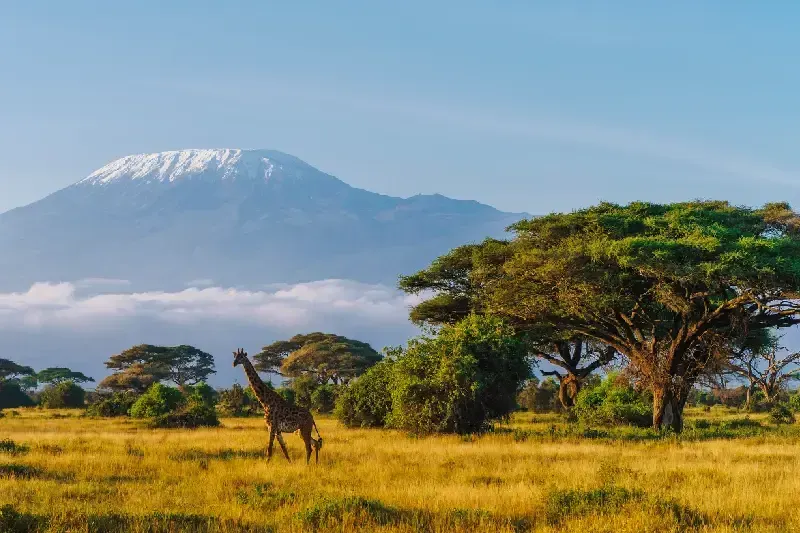
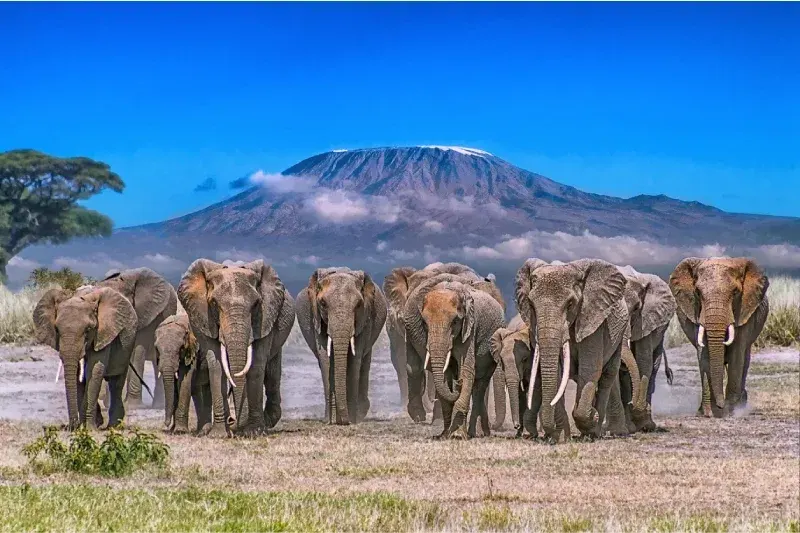
Amboseli National Park is one of Africa's most celebrated wildlife destinations, located in southern Kenya near the Tanzanian border. The park is world-famous for its large herds of African elephants roaming freely across open plains, and its iconic backdrop of Mount Kilimanjaro, Africa's highest peak at 5,895 meters.
Covering just 392 square kilometers (151 sq. miles), Amboseli's compact size makes it one of the most rewarding parks on the continent for wildlife viewing, photography, and cultural experiences. It was officially gazetted as a national park in 1974 and declared a UNESCO Biosphere Reserve in 1991.
Explore Our Kenya Safari Tours — See Amboseli & More!
Location
Amboseli National Park is situated in Kajiado County, southern Kenya, at the foot of Mount Kilimanjaro. Key distances include:
- 240 km (150 miles) southeast of Nairobi
- 4 hours by road from Nairobi
- 3 hours from Mombasa via Tsavo West National Park
- Directly northwest of Mount Kilimanjaro on the Kenya–Tanzania border
Its position near the coast and major cities makes it an accessible destination for both short getaways and extended safari itineraries.
Climate & Weather
Amboseli has a semi-arid climate shaped by its position in the rain shadow of Mount Kilimanjaro. Rainfall averages just 340mm per year. The park experiences two rainy seasons and two dry seasons:
| Season | Months | Conditions |
| Long rains | April – May | Muddy roads, green scenery |
| Short rains | November – December | Mild, great for birdwatching |
| Cool dry season | June – October | Best overall for wildlife |
| Hot dry season | January – March | Excellent mammal spotting |
During the dry season, volcanic ash from Mount Kilimanjaro combines with the dry conditions to create dramatic dust clouds across the plains, a unique visual feature of Amboseli's landscape.
Best Time to Visit Amboseli National Park
- Best for wildlife viewing: June to October, dry conditions force animals to gather around permanent swamps, making sightings predictable and frequent
- Best for birdwatching: November to January, resident species are joined by palearctic migrant birds
- Best for photography: January to March, clear skies offer the best unobstructed views of Mount Kilimanjaro
- Least ideal: April to May, heavy rains make many interior roads impassable due to volcanic soil turning to deep mud
Customize Your Dream Vacation!
Get in touch with our local experts for an unforgettable journey.
Plan Your Trip
Wildlife in Amboseli National Park
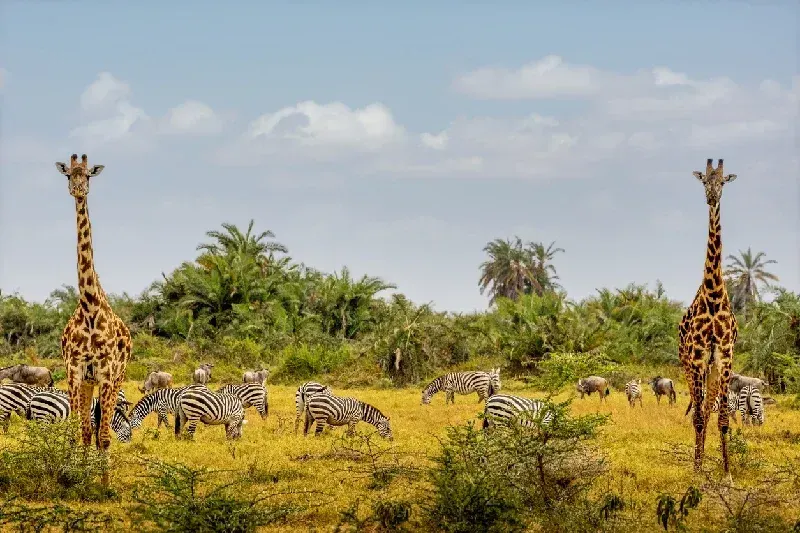
Amboseli is home to over 80 mammal species and more than 400 bird species, supported by five distinct habitat types.
Mammals
- African elephant, the park's signature species, with some of the largest tusked bulls in Africa
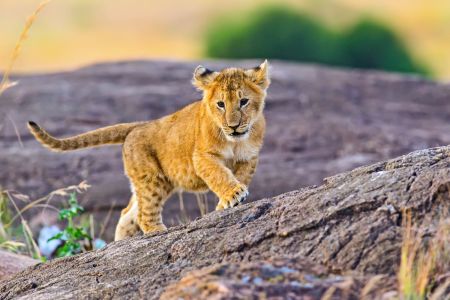
- Lion, leopard, cheetah, spotted hyena
- African buffalo, Maasai giraffe, Grant's zebra
- Blue wildebeest, impala, warthog
- Hippopotamus, olive baboon, vervet monkey
- Spectacled elephant shrew, the smallest mammal in the park
Birds (400+ species)
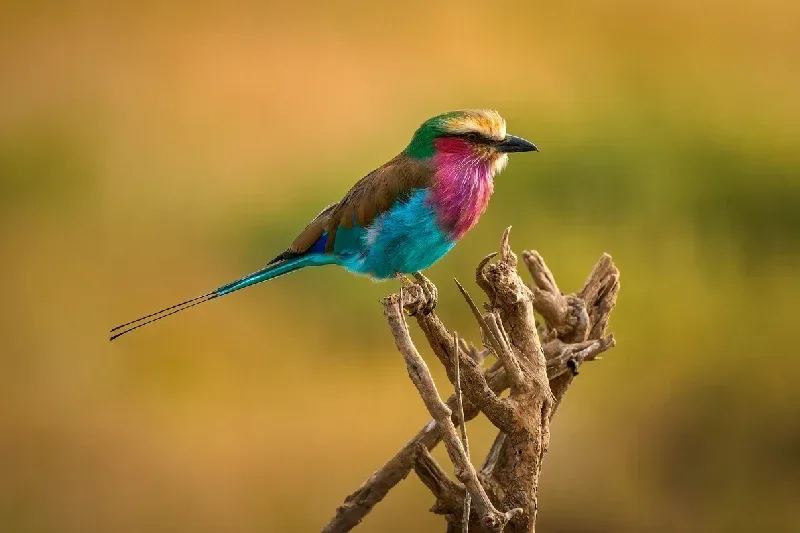
- Flamingos, pelicans, herons, and kingfishers in the wetlands
- 47 raptor species including martial eagles and tawny eagles
- Ostriches, secretary birds, and hamerkop
- Palearctic migrants during November–January
The Five Habitats
- Open savannah grasslands
- Acacia woodlands
- Marshy wetlands and permanent swamps (Enkongo Narok and Ol Okenya)
- Dried bed of Lake Amboseli
- Rocky thorn bush
Things to Do in Amboseli National Park
1. Elephant Watching
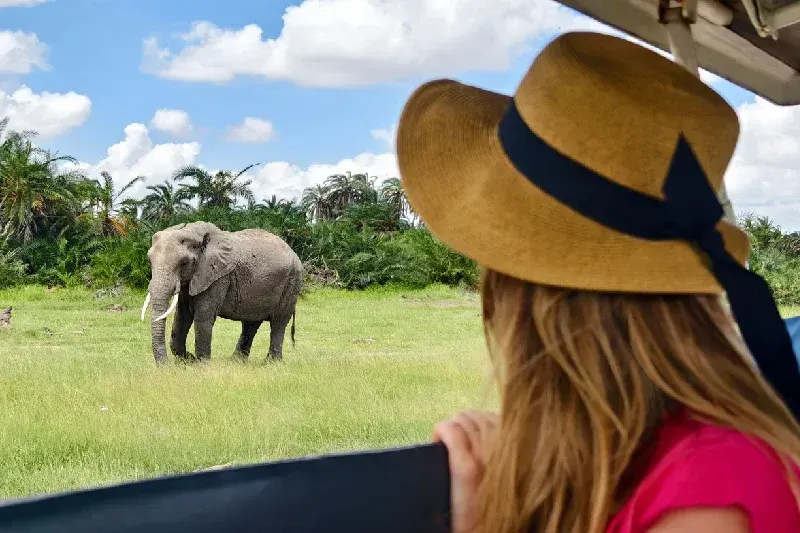
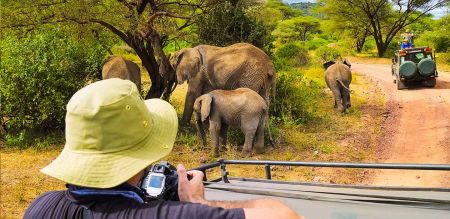
Amboseli offers the finest elephant viewing in Africa. Massive herds roam the open plains throughout the day and congregate at Ol Okenya Swamp to drink and bathe, creating extraordinary scenes for wildlife photographers and safari visitors alike.
2. Amboseli Elephant Research Camp
Founded by American conservationist Dr. Cynthia Moss in 1972, this is the site of the longest-running elephant research project in the world. The project has tracked individual elephants across generations, including the famous elephant Echo, who was followed for nearly 40 years until her death in 2009. The camp is not open for casual visits but can be arranged in advance through park authorities.
3. Observation Hill
One of the only places inside the park where visitors are permitted to leave their safari vehicle and walk. This pyramid-shaped volcanic hill in the western section of the park offers sweeping 360-degree panoramic views of:
- Mount Kilimanjaro to the south
- Enkongo Narok and Ol Okenya swamps to the east
- Vast open plains stretching in every direction
4. Sinet Delta
Located close to Observation Hill, Sinet Delta is a rich birdwatching spot and an excellent location for photographing Maasai giraffes foraging in thick acacia brush with Kilimanjaro as the backdrop.
5. Hot Air Balloon Safari
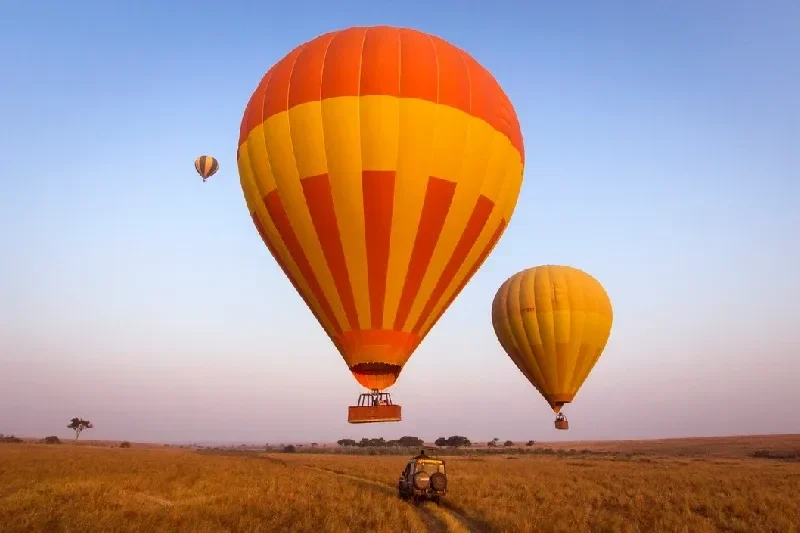
Available at sunrise, balloon safaris provide a spectacular aerial perspective of the plains, elephant herds, and Mount Kilimanjaro. This is particularly popular among wildlife photographers seeking dramatic landscape shots.
Discover our 8-day Kenya Safari package with us including Amboseli, Masai Mara & More!
6. Maasai Cultural Visit
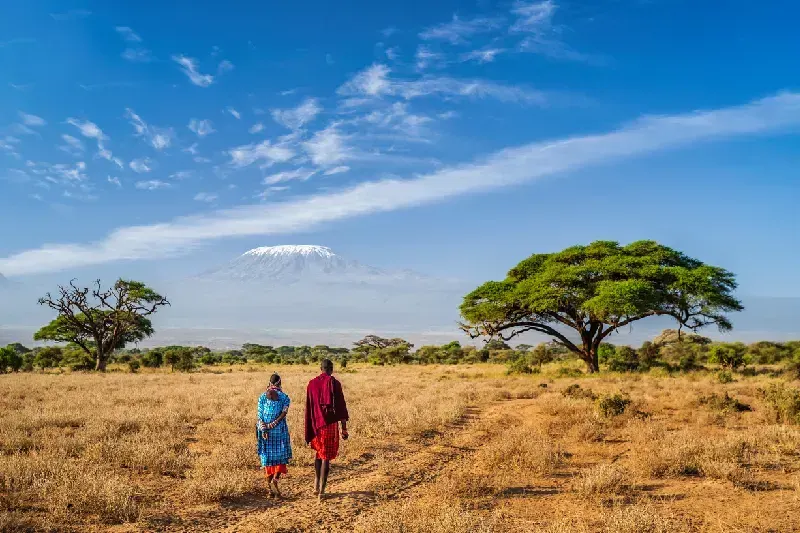
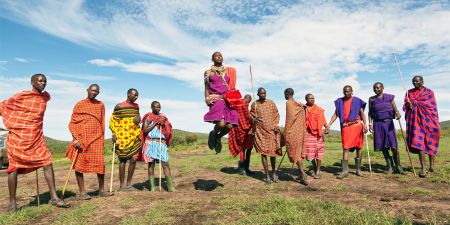
The Maasai community has lived alongside the wildlife of Amboseli for centuries. A cultural visit to a traditional Maasai boma (homestead) offers visitors a genuine insight into:
- Traditional dances and warrior ceremonies
- Handcrafted beadwork and traditional dress
- The Maasai's livestock-based way of life
- Their historic coexistence with elephants and other wildlife
Getting to Amboseli National Park
By Road
- From Nairobi: Approximately 4 hours via Namanga Road (C103) or through Emali town
- From Mombasa: Via Tsavo West National Park, entering through Kimana Gate
- Note: Many interior roads become impassable during the April–May rainy season
By Air
- Charter and scheduled flights operate from Wilson Airport, Nairobi to the Empusel Gate airstrip
- Flight time is approximately 45 minutes from Nairobi
Photography Guide to Amboseli National Park
- Capture iconic wildlife shots with Mount Kilimanjaro in the background.
- Visit during early mornings or late afternoons for the best natural lighting.
- Use a zoom lens to photograph elephants, lions, cheetahs, and giraffes safely from a distance.
- Bring a wide-angle lens for dramatic landscape and safari scenes.
- Travel during the dry season when animals gather near waterholes for easier photography.
- Keep your camera ready during game drives, as wildlife sightings can happen quickly.
- Use silent shooting mode when possible to avoid disturbing animals.
- Protect your equipment from dust, especially during dry safari drives.
- Patience is essential for capturing unique wildlife behaviors and movement.
- Sunrise and sunset are ideal for golden-hour photography across Amboseli’s open plains.
Discover the wonders of Kenya with our Kenya safari tours and African safari tours!
FAQs
Absolutely. Amboseli is one of the most rewarding national parks in Africa. Its compact size means you spend less time driving and more time watching wildlife. The combination of massive elephant herds and Mount Kilimanjaro views makes it unlike any other park on the continent.
Two days is the minimum to see the highlights. Three days gives you enough time to explore all key areas, watch elephants at different times of day, and enjoy both sunrise and sunset game drives without feeling rushed.
June to October is the best overall time. Animals gather around the swamps during the dry season making wildlife viewing predictable and rewarding. If seeing Mount Kilimanjaro clearly is your priority, January and February give you the clearest skies.
You can see four of the Big Five, elephant, lion, leopard, and buffalo. Rhinos are unfortunately no longer present in the park due to heavy poaching in the late 20th century. However Amboseli more than makes up for it with the sheer number and size of its elephant herds.
They offer very different experiences. Amboseli is better if you want up-close elephant encounters and Kilimanjaro views. Masai Mara is better for large predator sightings and the Great Migration. Many visitors include both parks in a single Kenya safari itinerary.
Amboseli is approximately 240 km (150 miles) from Nairobi, which is about a 4-hour drive. You can also fly from Wilson Airport in Nairobi and reach the park in just 45 minutes by light aircraft.
Elephants are almost guaranteed every single day. You will also very likely see Maasai giraffes, zebras, wildebeest, baboons, and a wide variety of birds. Lions and cheetahs are regularly spotted but sightings depend on the time of year and a bit of luck.
While self-drive is technically possible, a knowledgeable local guide significantly improves your experience. Guides know where animals are likely to be at different times of day and can navigate the park's sometimes confusing interior roads, especially during or after rain.
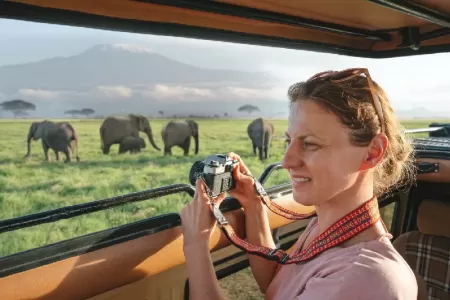

Know all what you need to know about how to get Kenya visa, the requirements, different types of visas and more. Read Now!
Nairobi National Park is the only protected area in all over the world that has a variety of animals and birds close to a capital city. Know more!
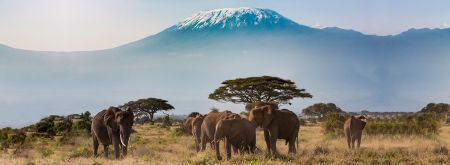
Everything you need to know about Amboseli National Park in Kenya, wildlife, landscapes, history, and visitor information. Africa's elephant capital explained.
If safari is mentioned, definitely Kenya is mentioned. There are plenty of things to do in Kenya, from exploring the various wildlife to relaxing and chilling on the beach. Know more!
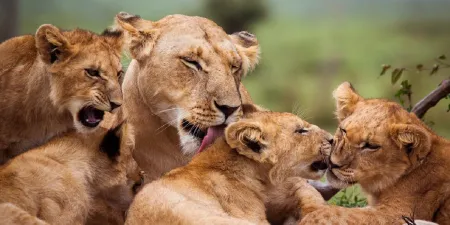
Explore Masai Mara National Reserve for unforgettable safaris, Big Five wildlife, and breathtaking landscapes in one of Africa’s most iconic national reserves.
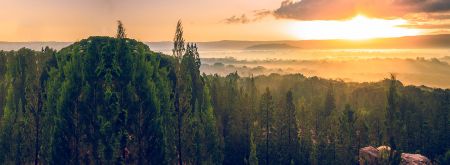
Kakamega Forest is a tropical rainforest based in the Kakamega and Nandi County of Kenya. The forest is elevated at predominantly between 1500 m and 1600 m above sea level.
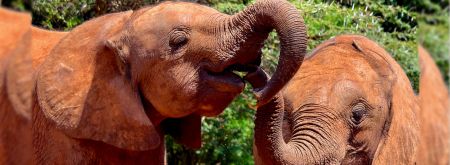
The Elephant and Rhino Nursery is one of the most unique things to do in Nairobi. Get close and personal to baby elephants and even touch them. Know more!
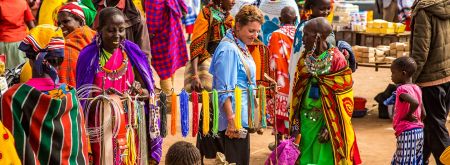
Maasai Market is an open-air market with a large variety of products including African pots and pans, clothes, shoes, jewelry, shoes and bags. You name it, you will find it!
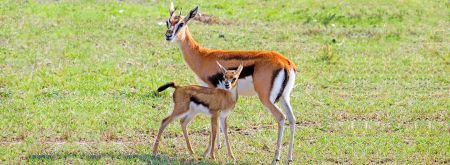
Sibilo National Park lies on the northeastern shore of Lake Turkana in North Kenya, the National Park was established in 1973 by the government of Kenya to protect the wildlife.
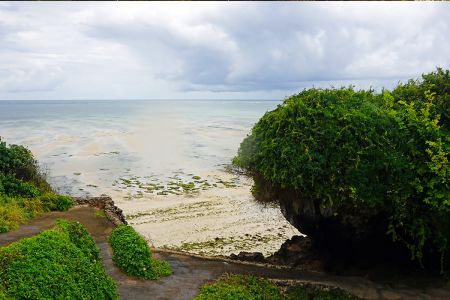
Nyali Beach is a residential area located in Mombasa County, connected to Mombasa Island by the New Nyali Bridge. Know more!
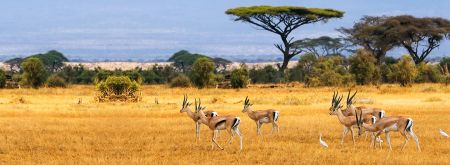
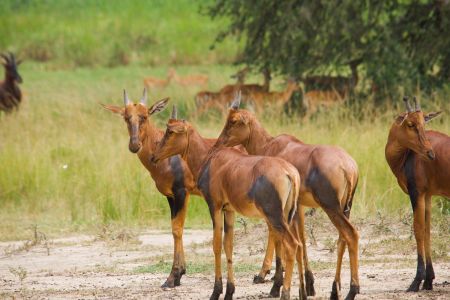
Constructed to protect its huge population of rare roan antelopes, Ruma National Park is the only park in the Nyanza Province. Read more!
Ol Donyo Sabuk is a mountain adjacent small town near Thika Kenya, the town is located in Kyanzavi Division, Machakos County, the height of the mountain is 2,145 meters.
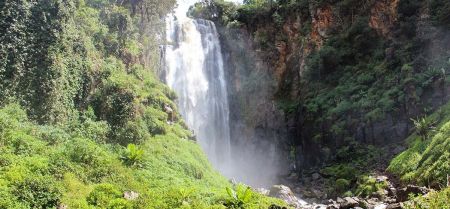
Thomson's is one of the most recommended places to visit in Kenya as it’s view is one of the most beautiful views that can be seen in Kenya. Read more!
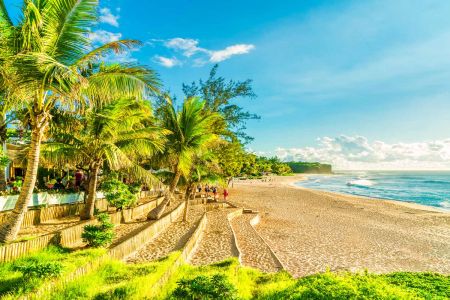
Malindi Marine National Park is endowed with magnificent resources such as fringing reefs, coral gardens in the lagoons, seagrass beds, mudflats, mangroves. Know more!
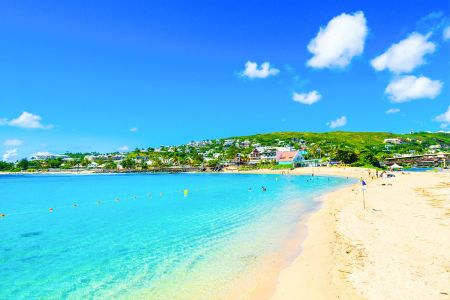
Manda island in Lamu town – with next to no fresh water – was only recently almost uninhabited but is now the site of several new luxury homes and a couple of boutique resorts. Read more!
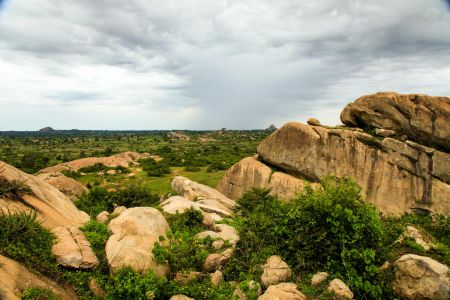
In the northern part of Nairobi city, Karura Forest is the largest of three main gazette forests in Nairobi. Know more!
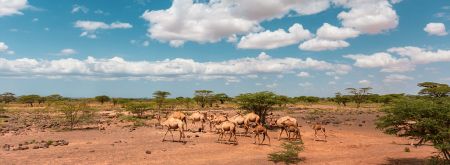
Covering an area of 100.000 kilometer square, the Chalbi Desert is one of the hottest and arid places in Kenya. Read more!
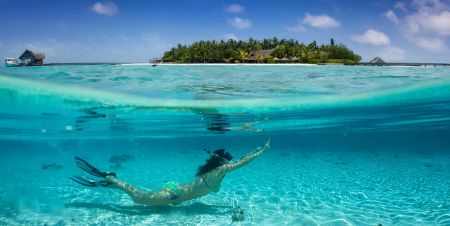
Featured by a blinding white-sand beach and a soft breeze, Watamu is a charming slice of coastline. Read more!
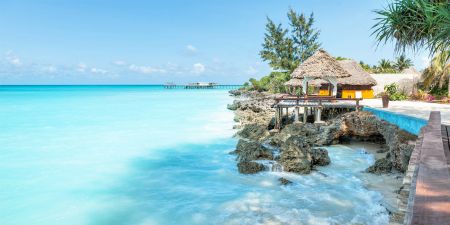
Mombasa Marine National Park and Reserve are one of the most beautiful marine parks characterized by coral reefs, sandy beaches, palm trees, azure ocean. Know more!
Plan your visit to Nairobi Animal Orphanage and see rescued animals up close while supporting wildlife conservation in Nairobi, Kenya.
Arabuko Sokoke National Park is located on the coast of Kenya, 110 kilometers north of Mombasa and it’s protected as it’s a National Forest Reserve. Know more!
Bomas of Kenya is a tourist village located in Langata, Nairobi, displaying traditional lifestyle and art of the different tribes. Know more!
An exotic coastal city situated at the edge of Kenya and also lying in the middle of the Indian ocean, Malindi is a city you can not help falling in love with. Read more!
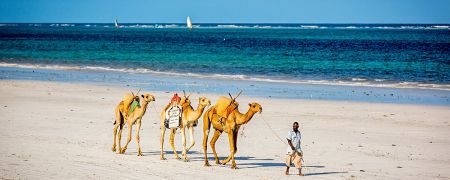
The second-largest city in Kenya after the capital Nairobi Mombasa is just not a tourist attraction but the beating hard of the African country.
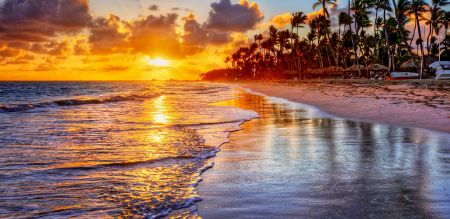
Lamu Island is one of Kenya's gold mines of Lovely scenery, captivating wildlife, mouthwatering cuisine and beautiful simplicity. Know more!
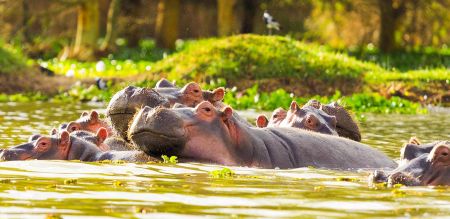
A complete Lake Naivasha travel guide covering boat rides, wildlife encounters, best time to visit, and must-see spots in Kenya.
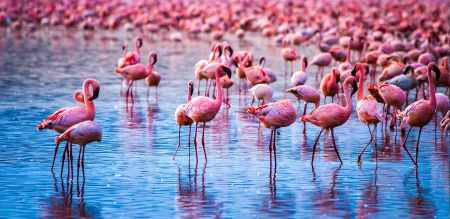
Discover wildlife in Lake Nakuru National Park, from flamingos to rhinos, with safari tips, travel advice, and the best time for your visit.