
 Home
Home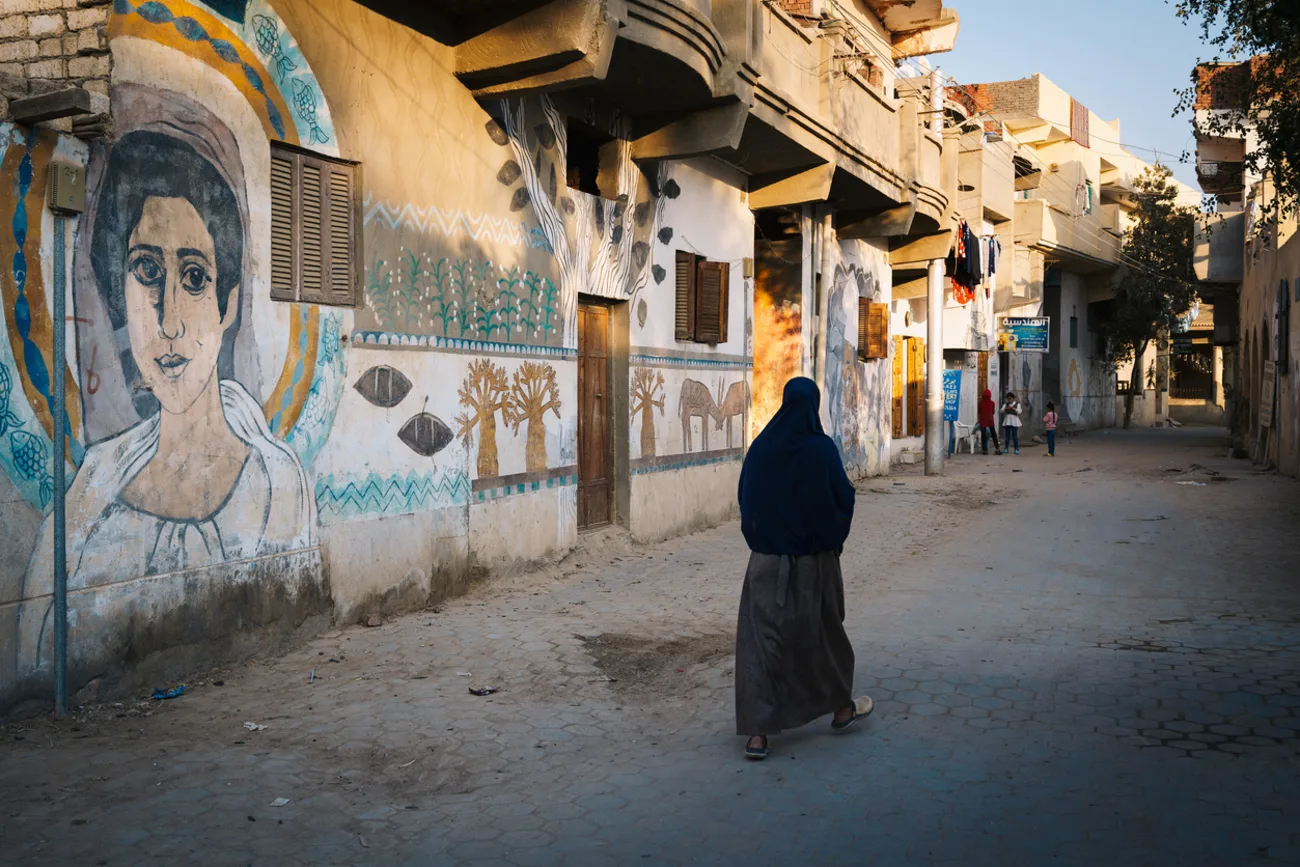
Fayoum Oasis, near Cairo, is Egypt’s largest oasis, known for its natural beauty, ancient sites, and authentic rural culture. From Lake Qarun and Wadi El Rayan waterfalls to historic pyramids, ruins, and traditional crafts, Fayoum offers a unique and peaceful escape, making it one of Egypt’s most underrated destinations.
Location and Geography
The Fayoum Depression
Fayoum occupies a natural depression in Egypt's Western Desert, descending to approximately 45 meters below sea level at Lake Qarun. The depression formed through geological processes over millions of years, creating a vast basin that once held a much larger prehistoric lake.
Position: 100 km southwest of Cairo, 80 km west of the Nile Valley
Area: Approximately 1,800 square kilometers
Altitude: 45 meters below sea level (Lake Qarun)
Population: Over 3 million in Fayoum Governorate
Main City: Fayoum City (also called Medinet Fayoum)
Water Sources
Unlike most Egyptian oases fed by underground aquifers, Fayoum receives water through the Bahr Youssef canal, an ancient channel diverted from the Nile near Asyut. This canal has irrigated the oasis for over 4,000 years, supporting agriculture and maintaining Lake Qarun's water levels despite no natural outlet.
Climate
- Summer (May-September): Hot (35-40°C / 95-104°F days)
- Winter (November-February): Mild (15-20°C / 59-68°F days), cool nights
- Spring/Fall: Pleasant (20-30°C / 68-86°F)
- Rainfall: Minimal (5-10mm annually)
- Best Visit Time: October-April for comfortable temperatures
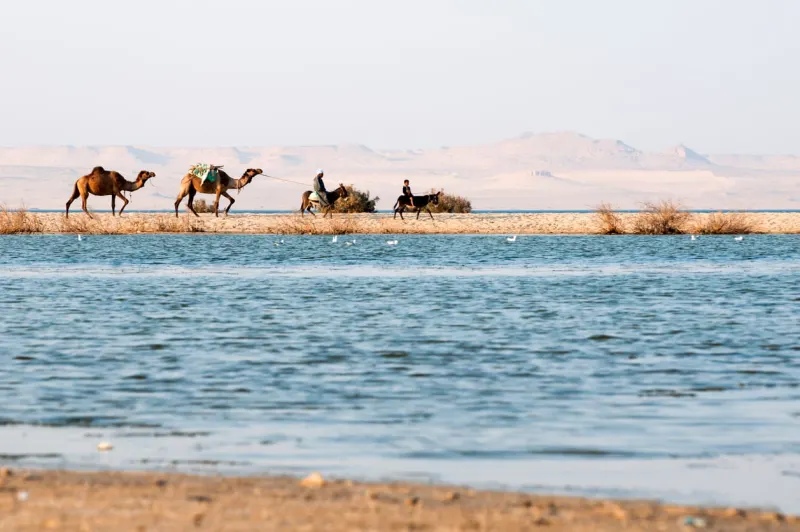
You'll find El Fayoum Oasis just 100 km southwest of Cairo and 80 km west of the Nile Valley in Egypt's Western Desert. The oasis sits in a natural depression 45 meters below sea level centered on Lake Qarun, Egypt's largest natural lake.
Main Attractions
Wadi El Rayan
Wadi El Rayan, located 40 kilometers southwest of Fayoum City, ranks as the region's most spectacular natural attraction. This protected area features Egypt's only waterfalls, created when overflow from agricultural drainage was channeled into the natural depression in 1973, forming two lakes connected by waterfalls.
Upper Lake: Larger, used for swimming and boating
Lower Lake: Smaller, connected via waterfalls
Waterfalls: Multiple cascades creating dramatic desert water features
Magic Lake: Small separate lake with changing colors
Sand Dunes: Spectacular dunes for sandboarding
Activities:
- Swimming in designated areas
- Waterfall viewing and photography
- Sandboarding on massive dunes
- Camping (with permits)
- Bird watching
- Picnicking
Visit Duration: Half-day to full-day
Entry Fee: 20 EGP for Egyptians, higher for international tourists
Best Time: Early morning or late afternoon for best light
Lake Qarun
Lake Qarun, stretching 50 kilometers long and 12 kilometers wide, represents one of Egypt's largest natural lakes and remnant of ancient Lake Moeris, which once covered the entire Fayoum depression. The lake's saltwater supports unique ecosystem and attracts massive bird migrations.
Features:
- Saltwater lake (no swimming)
- Important bird migration stopover
- Fishing (primarily tilapia and mullet)
- Lakeside resorts and restaurants
- Greco-Roman archaeological sites
- Sunset viewing
Wildlife:
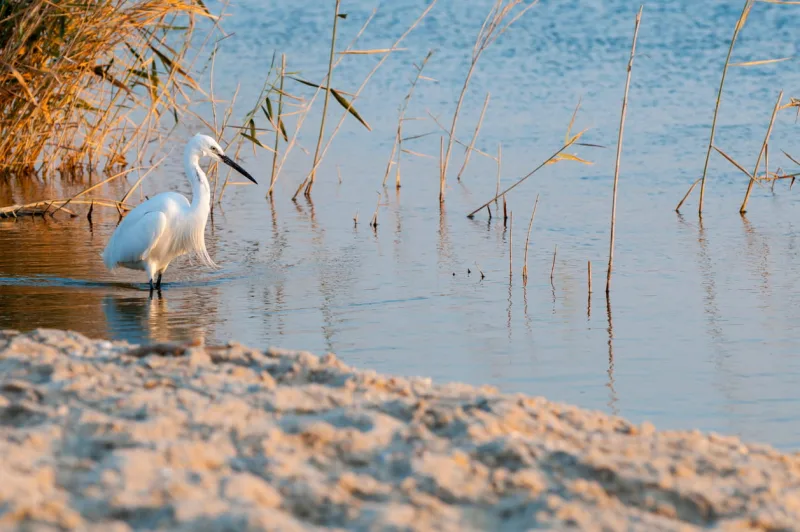
Over 100 bird species including flamingos, pelicans, herons, ducks, and waders visit during migration seasons (spring and fall). The lake provides crucial stopover for birds traveling between Europe and Africa.
Visitor Activities:
- Bird watching (bring binoculars)
- Lakeside dining at fish restaurants
- Photography
- Boat rides
- Resort relaxation
Tunis Village
Tunis Village, perched on hills overlooking Lake Qarun, has evolved into Fayoum's artistic center. Founded as a pottery school by Swiss woman Evelyne Porret in the 1990s, the village now attracts artists, craftspeople, and visitors seeking authentic cultural experiences.
Attractions:
- Pottery workshops (watch artisans, buy ceramics)
- Art galleries featuring local artists
- Traditional architecture
- Panoramic lake views
- Eco-lodges and guesthouses
- Organic farms
- Cafes and restaurants
Activities:
- Pottery classes (hands-on experience)
- Art gallery visits
- Sunset watching from hillside cafes
- Overnight stays in boutique eco-lodges
- Farm-to-table dining
Best Time: Late afternoon for sunset views
Wadi El Hitan (Whale Valley)
Wadi El Hitan, a UNESCO World Heritage Site located 150 kilometers from Fayoum City in the Western Desert, contains invaluable fossils of ancient whales documenting their evolution from land to sea mammals approximately 40 million years ago.
Features:
- Hundreds of whale fossils preserved in desert sand
- Complete whale skeletons showing transitional features
- Fossil museum explaining evolution
- Desert landscape
- Geological formations
Visit Requirements:
- 4x4 vehicle essential (rough desert tracks)
- Organized tour recommended
- Full-day excursion from Fayoum
- UNESCO protection (stay on marked paths)
Significance: One of world's most important paleontological sites
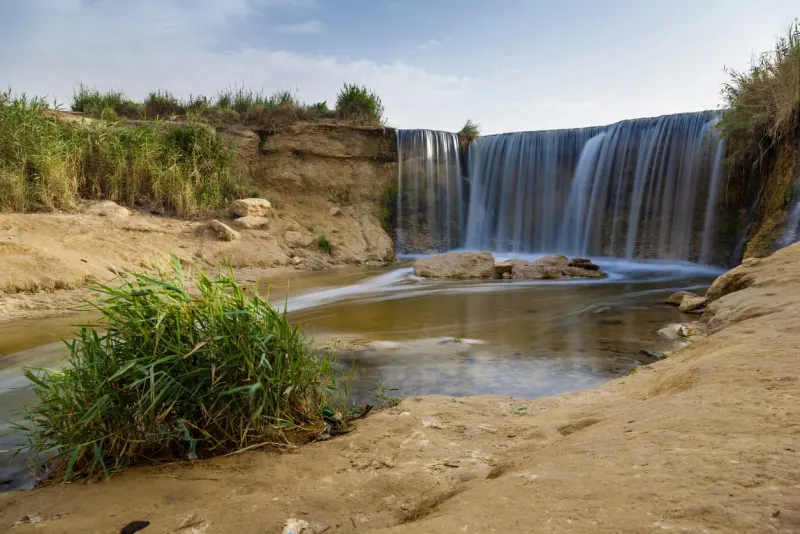
You'll find Wadi El Rayan 40 km southwest of Fayoum City—Egypt's only waterfalls created in 1973 when agricultural drainage formed two lakes connected by cascades. Yes, you can swim in designated areas of the upper lake, plus enjoy sandboarding on massive dunes, camping, and photographing the spectacular waterfalls.
You'll discover Tunis Village perched on hills overlooking Lake Qarun—Fayoum's artistic center featuring pottery workshops, art galleries, traditional architecture, and boutique eco-lodges. You can take hands-on pottery classes, watch artisans work, enjoy farm-to-table dining, and experience spectacular sunset views over the lake.
Archaeological Sites
Karanis (Kom Aushim)
Karanis, a Greco-Roman town inhabited from 3rd century BC to 5th century AD, provides well-preserved glimpse into everyday life in Greco-Roman Egypt. The site includes residential areas, temples, baths, and administrative buildings.
Museum: On-site museum displays artifacts including mummy portraits, pottery, tools, and everyday objects
Visit Duration: 1-2 hours
Highlights: Roman baths, temple remains, residential architecture
Pyramids of Hawara and Lahun
Fayoum contains two Middle Kingdom pyramids (circa 1850 BC) built by 12th Dynasty pharaohs:
Hawara Pyramid: Built by Amenemhat III, featuring collapsed mud-brick pyramid and remains of famous Labyrinth (massive mortuary temple described by ancient historians)
Lahun Pyramid: Built by Senusret II, with unique entrance on south side (most pyramids enter from north)
Visit Duration: 1-2 hours combined
Condition: Heavily ruined but historically significant
Access: May require special permissions
Qasr Qarun Temple
Qasr Qarun, a well-preserved Ptolemaic Period temple (3rd-1st century BC) located on Lake Qarun's western shore, was dedicated to crocodile god Sobek. The temple's excellent preservation includes original roof, decorated chambers, and underground passages.
Features:
- Nearly complete temple structure
- Original roof intact
- Decorated walls and ceilings
- Underground chambers
- Strategic lake position
Visit Duration: 45-60 minutes
Significance: One of best-preserved Ptolemaic temples
Customize Your Dream Vacation!
Get in touch with our local experts for an unforgettable journey.
Plan Your Trip
Activities and Experiences
Bird Watching
Fayoum ranks among Africa's premier bird-watching destinations, particularly during migration seasons when hundreds of thousands of birds stop at Lake Qarun and surrounding wetlands.
Best Seasons:
- Spring (March-May): Northern migration
- Fall (September-November): Southern migration
- Winter: European species wintering
Species: Over 100 species including flamingos, pelicans, herons, egrets, ducks, geese, waders, raptors
Best Locations: Lake Qarun shores, Wadi El Rayan lakes, agricultural areas
Sandboarding
Wadi El Rayan's massive sand dunes provide excellent sandboarding opportunities. Several tour operators offer sandboarding equipment and instruction.
Difficulty: Beginner to advanced slopes available
Equipment: Rent boards from tour operators or bring your own
Best Time: Late afternoon (cooler sand temperatures)
Fishing
Lake Qarun supports commercial and recreational fishing primarily for tilapia and mullet.
Fishing Options:
- Shore fishing
- Boat fishing (hire local boats)
- Licensed required for some areas
Pottery Making
Tunis Village offers hands-on pottery workshops where visitors can learn traditional pottery techniques and create their own pieces.
Workshops: Half-day or full-day classes available
Cost: 200-500 EGP depending on duration
Take Home: Your finished pottery (shipped if needed)
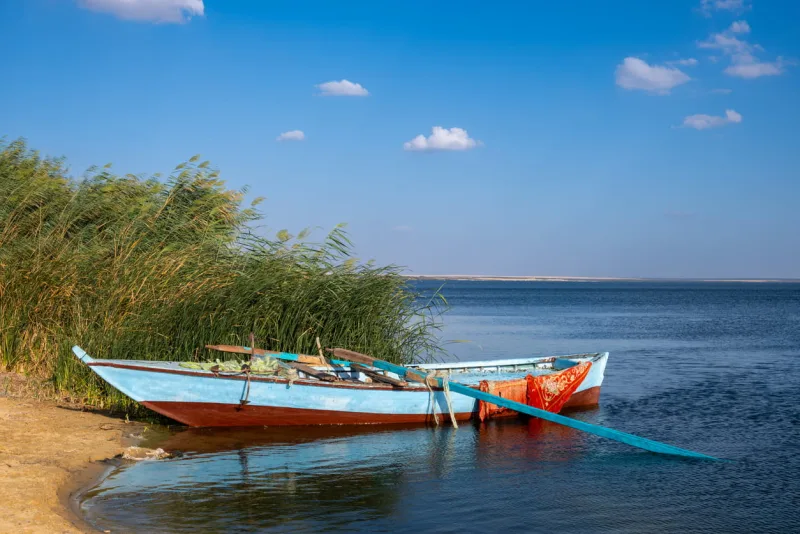
You can enjoy swimming at Wadi El Rayan waterfalls, sandboarding on massive dunes, bird watching (over 100 species including flamingos), fishing in Lake Qarun, taking pottery classes in Tunis Village, boat rides on the lake, camping in protected areas, and experiencing authentic farm-to-table dining at eco-lodges.
Practical Information
Getting to Fayoum
From Cairo by Microbus:
- Departs from Giza's Ahmed Helmi Terminal
- Frequent service throughout day
- Journey time: 1.5-2 hours
- Cost: 20-30 EGP
- Most economical option
From Cairo by Private Car/Taxi:
- 100 km drive via Helwan-Fayoum Road
- 1.5-2 hours journey time
- Negotiate rate: 300-500 EGP round-trip
- Most convenient for visiting multiple sites
From Cairo by Organized Tour:
- Full-day tours from Cairo (common)
- Include transportation, guide, entrance fees
- Price: $50-100 per person
- Most hassle-free option
Getting Around Fayoum
Taxis: Available in Fayoum City for local trips
Microbuses: Connect city to villages and sites
Private Car: Recommended for visiting multiple sites efficiently
Organized Tours: Include transportation to all attractions
Accommodation
Fayoum City:
- Budget hotels: $15-30 per night
- Mid-range hotels: $30-60 per night
- Limited luxury options
Tunis Village:
- Eco-lodges and boutique guesthouses: $40-120 per night
- Unique atmosphere with lake views
- Art-focused ambiance
- Farm-to-table dining
Lake Qarun Resorts:
- Mid-range resorts: $50-100 per night
- Lakeside locations
- Swimming pools
- Restaurants
Day Trips: Most visitors from Cairo prefer day trips, avoiding overnight stays
Food and Dining
Local Specialties:
- Fresh fish from Lake Qarun (tilapia, mullet)
- Traditional Egyptian dishes
- Organic produce from Fayoum farms
- Tunis Village farm-to-table restaurants
Dining Options:
- Lake Qarun fish restaurants (lakeside dining)
- Tunis Village cafes and restaurants
- Fayoum City local restaurants
- Resort dining
Budget: 50-200 EGP for meals
Best Time to Visit
Optimal Seasons:
- October-November: Perfect temperatures, fall bird migration
- March-April: Spring migration, wildflowers (if rainfall)
- December-February: Cool comfortable weather
Avoid:
- July-August: Extreme heat (40°C+)
- May-June: Very hot, fewer birds
You can reach Fayoum by microbus from Cairo's Ahmed Helmi Terminal in Giza (1.5-2 hours, 20-30 EGP, most economical), private taxi (100 km, negotiate 300-500 EGP round-trip), or organized day tours from Cairo ($50-100 per person with transportation, guide, and entrance fees included).
You should visit October-November or March-April for perfect temperatures (20-30°C) and bird migrations. December-February offers cool comfortable weather ideal for sightseeing. Avoid July-August when temperatures exceed 40°C. Bird watchers should target spring (March-May) or fall (September-November) migration seasons.
Yes, you can easily visit Fayoum as a day trip from Cairo (100 km, 1.5-2 hours). You'll have time for Wadi El Rayan waterfalls, Tunis Village, Lake Qarun, and one archaeological site. Depart Cairo by 7:00 AM to maximize your day. Weekend trips allow more thorough exploration.
Yes, you can visit Karanis (Greco-Roman town with museum), Hawara Pyramid (Amenemhat III's pyramid and Labyrinth ruins), Lahun Pyramid (Senusret II's pyramid), Qasr Qarun temple (well-preserved Ptolemaic temple), and Wadi El Hitan UNESCO site (40-million-year-old whale fossils). Allow 1-2 hours per major site.

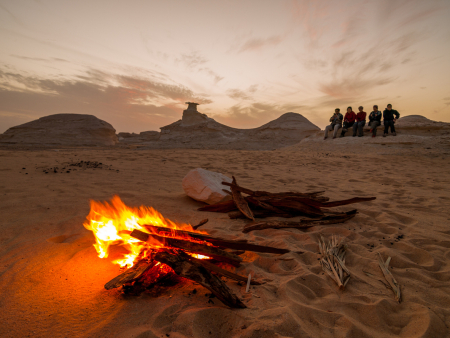
Explore Bahariya Oasis Egypt and embark on a Black & White Desert Safari. Get tips, highlights, and travel info for an unforgettable desert journey.
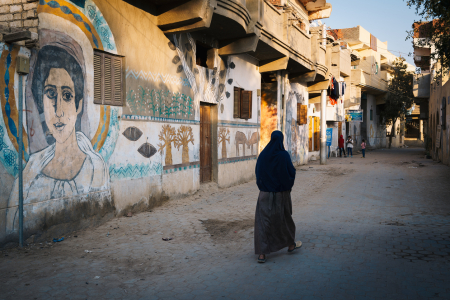
Explore Fayoum Egypt, a paradise of lush oases, breathtaking waterfalls, and tranquil Lake Qarun. Uncover travel tips and hidden gems now!
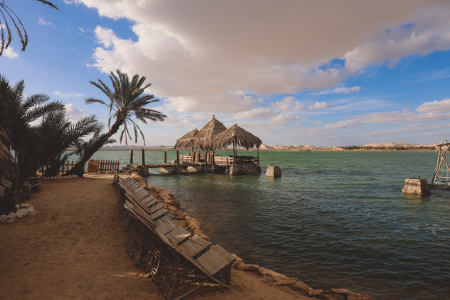
Siwa Oasis Egypt awaits! Uncover its Oracle Temple, serene salt lakes, and vibrant culture for an unforgettable desert adventure.
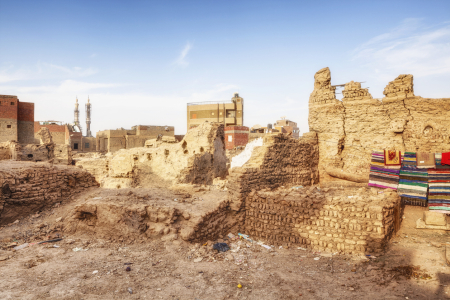
Explore the wonders of Kharga Oasis Egypt—visit majestic temples, ancient fortresses, and experience the serene desert with our expert guide.
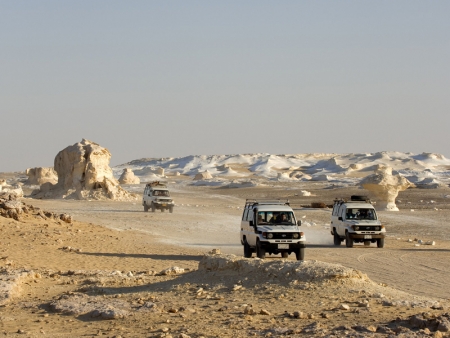
Discover Farafra Oasis Egypt, your gateway to the breathtaking White Desert and relaxing hot springs. Plan your desert escape today.
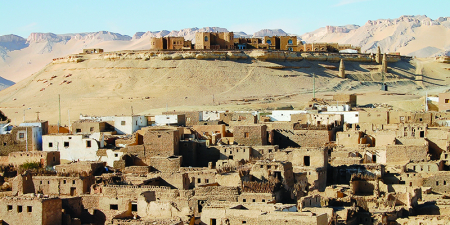
Dakhla Oasis, Egypt’s Western Desert gem, features ancient ruins, fertile farmland, and hot springs.
Experience vibrant Bedouin culture, Deir El Hagar, Al-Qasr village, and traditional desert life.