
 Home
Home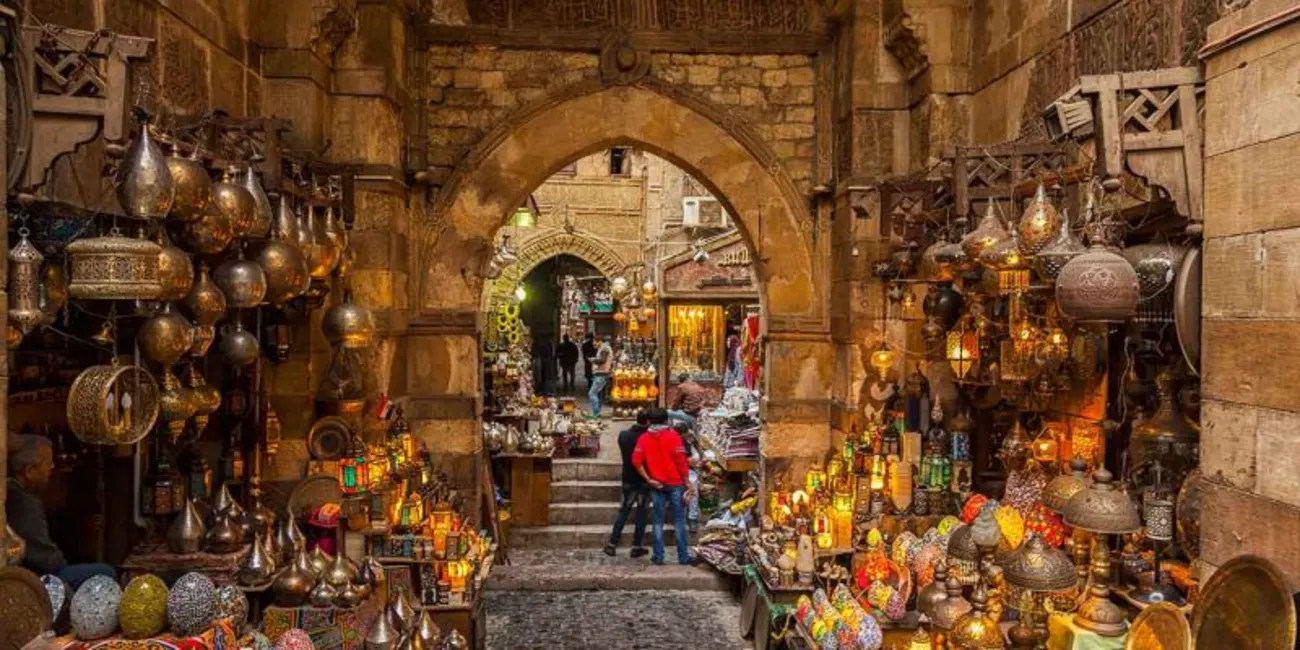
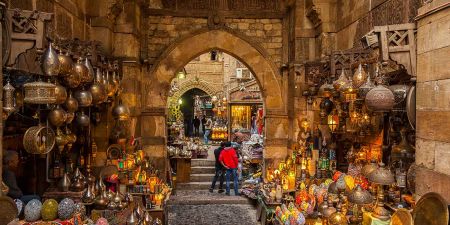
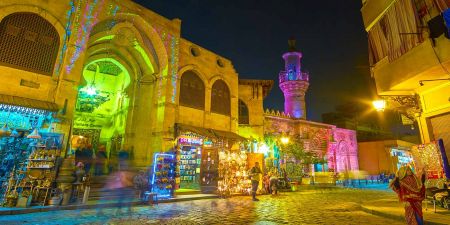
Close your eyes and imagine: Narrow alleys overflowing with colorful spices, brass lanterns swinging overhead, shopkeepers calling out greetings, the scent of strong Egyptian coffee mixing with incense, and treasures from every corner piled high in shops so small you can barely squeeze inside. Welcome to Khan el-Khalili—Cairo's beating commercial heart for over 640 years.
This isn't your typical shopping mall. Khan el-Khalili is loud, crowded, colorful, and utterly exhilarating—a sensory overload in the absolute best way possible. No trip to Cairo would be complete without diving into this maze of medieval market streets where haggling is an art form and every corner reveals something fascinating.
Whether you're hunting for authentic Egyptian souvenirs, absorbing Islamic Cairo's atmosphere, or simply experiencing one of the world's great bazaars, Khan el-Khalili delivers an unforgettable adventure. But be warned: you'll get lost. Everyone does. That's half the fun!
The Rich History Behind the Hustle
From Fatimid Cairo to Today
Khan el-Khalili's story begins in 969 AD when the Fatimid dynasty founded Cairo (Al-Qahira) as their new capital. They established the walled city that forms Islamic Cairo's core, with major thoroughfares designed for commerce.
1382: The Khan is Born Amir Djaharks el-Khalili, one of Sultan Barquq's emirs, established the original khan (caravanserai/inn) on this site. Like El Ghorya's wikala, it provided accommodations for traveling merchants and storage for their goods.
The Name's Evolution: "Khan el-Khalili" literally means "Khalili's Inn." Over centuries, the market expanded far beyond the original building, but the name stuck. Today it designates the entire sprawling bazaar district.
Medieval Trade Hub: Khan el-Khalili became the terminus for trade routes from across Asia, Africa, and Europe. Merchants arrived with:
- Spices from India and the Far East
- Textiles from Persia and Central Asia
- Gold and ivory from sub-Saharan Africa
- Goods from Mediterranean ports
- Local Egyptian products
This international trade brought enormous wealth to Cairo and established Khan el-Khalili's reputation as THE place to buy exotic goods.
Surviving Through Centuries
What makes Khan el-Khalili truly remarkable? It never stopped functioning! While many historic bazaars became museums or disappeared entirely, Khan el-Khalili has operated continuously since the 14th century.
Through Every Era:
- Mamluk period: Flourishing trade center
- Ottoman rule: Continued commercial importance
- Colonial era: Adapted while maintaining character
- Modern Egypt: Still Cairo's premier bazaar
Why It Endured: ✓ Prime location in Cairo's heart ✓ Flexibility to adapt to changing commerce ✓ Strong merchant traditions passed through generations ✓ Tourist appeal complementing local shopping ✓ Cultural significance protecting it from development
- Islamic Cairo, centered around Al-Hussein Square
- Near Al-Azhar Mosque in historic district
- 10-minute walk from Ataba Metro Station
- 15-minute taxi from Tahrir Square
- Adjacent to Al-Muizz Street historic area
What Makes Khan el-Khalili Special?
Not Just Shopping—A Cultural Experience
Here's what sets Khan el-Khalili apart from any mall or market you've ever visited:
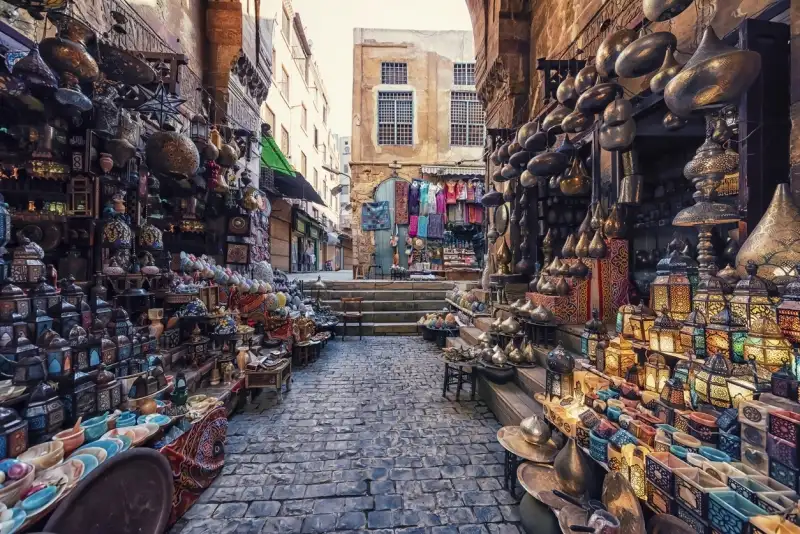
The Atmosphere: The moment you enter Khan el-Khalili's labyrinth, you've traveled back in time. Medieval streets barely wide enough for two people to pass. Buildings leaning together overhead, creating tunnel-like passages. Shops opening directly onto walkways, their interiors stacked floor-to-ceiling with merchandise.
The Social Aspect: Shopping here isn't transactional—it's social theater! Shopkeepers engage you in conversation, offer tea, tell stories, and negotiate prices in a dance that's as much about human connection as commerce.
The Authenticity: Despite heavy tourist traffic, Khan el-Khalili remains a REAL working market. Local Egyptians shop here too. You'll see craftsmen actually making products, spice dealers measuring out purchases for neighborhood families, and everyday commerce alongside tourist shopping.
The Variety: From cheap plastic souvenirs to genuine antiques, from street food to upscale restaurants, from papyrus to perfume—Khan el-Khalili has EVERYTHING. You could spend days exploring and still discover new corners.
The Ultimate Khan el-Khalili Shopping Guide
What to Buy (And What to Avoid)
TOP PURCHASES:
Spices: Egyptian markets are spice heaven! Buy:
- Saffron (much cheaper than Western prices)
- Hibiscus (karkade) for traditional Egyptian tea
- Spice blends for Egyptian cooking
- Fresh herbs and seasonings
Pro Tip: Buy from shops with high turnover—fresher spices. Smell before buying!
Perfume & Essential Oils: Egypt produces exceptional essential oils:
- Lotus flower essence
- Rose oil
- Sandalwood
- Jasmine
- Custom blends created for you
Note: Many shops sell "ancient Egyptian scents" recreated from hieroglyphic recipes. Real or marketing? Who cares—they smell amazing!
Jewelry:
- Gold and silver (sold by weight + craftsmanship)
- Cartouches with your name in hieroglyphics
- Bedouin silver jewelry
- Turquoise and lapis lazuli pieces
- Islamic calligraphy pendants
Pro Tip: Gold shops cluster in specific areas. Get quotes from multiple vendors before buying.
Textiles:
- Galabiya (traditional Egyptian robes)
- Embroidered tablecloths and pillowcases
- Pashmina scarves
- Cotton t-shirts with Egyptian designs
- Belly dancing costumes (for the adventurous!)
Brass & Copperware:
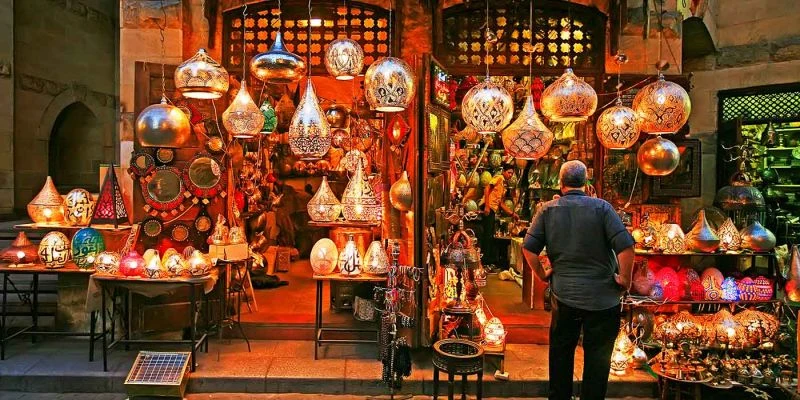
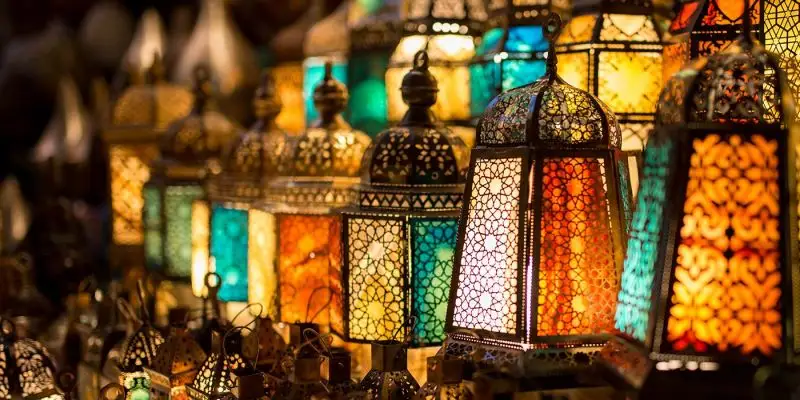
- Lanterns (iconic Egyptian souvenirs)
- Trays and plates
- Coffee pots
- Decorative items
Warning: Most "antique" brass is new made to look old. True antiques are rare and expensive.
Papyrus: Genuine papyrus paintings showing:
- Hieroglyphic scenes
- Pharaonic imagery
- Your name in cartouche
Critical Tip: LOTS of "papyrus" is actually painted banana leaves. Real papyrus won't tear when you try gently. Shops demonstrate this—insist on the test!
WHAT TO SKIP:
✗ "Genuine antique" anything (99% fake) ✗ Cheap alabaster (often plaster) ✗ Overpriced "designer" perfumes (buy essential oils instead) ✗ Machine-made items pretending to be handcrafted ✗ Anything the first shop quotes you (ALWAYS compare prices!)
The Art of Haggling: Your Essential Guide
In Khan el-Khalili, haggling isn't optional—it's expected, even required! Here's how to do it right:
The Basic Process:
Step 1: Show Interest Browse until something genuinely interests you. Never pretend interest in items you won't buy—that's rude.
Step 2: Ask the Price "How much?" prompts the shopkeeper's opening offer—always inflated.
Step 3: Act Shocked React like the price is hilariously high. Make exaggerated expressions. This is part of the theater!
Step 4: Counter MUCH Lower Offer 40-50% of the asking price as your opening counter-offer.
Step 5: Negotiate Up Slowly Move toward middle ground SLOWLY. Each increase should be small. The shopkeeper will come down; you'll come up.
Step 6: Walk Away if Needed If you can't agree, thank them and leave. Often they'll call you back with better offers!
Step 7: Settle Around 60-70% Final prices usually land at 60-70% of the initial quote. Sometimes even less for multiple items!
HAGGLING TIPS:
Do: ✓ Stay friendly and smile ✓ Accept offered tea (builds relationship) ✓ Compare prices at multiple shops first ✓ Buy multiple items from one shop (better discounts) ✓ Be willing to walk away ✓ Negotiate in Egyptian pounds, not dollars ✓ Have small bills ready for final payment
Don't: ✗ Haggle unless seriously interested in buying ✗ Accept the first price (you'll massively overpay) ✗ Get angry or aggressive ✗ Agree to prices you can't/won't pay ✗ Flash lots of cash (invites higher prices) ✗ Accept "I'm giving you special price because you're my friend"
Phrases to Learn:
- "Kam?" (كام) - How much?
- "Ghali awi!" (غالي قوي) - Too expensive!
- "La, shukran" (لا، شكراً) - No, thank you
- "Mumkin takhfeed?" (ممكن تخفيض) - Can you discount?
Avoiding Scams and Pushy Tactics
Common Tactics (And How to Handle Them):
"Free" Demonstrations: Vendors offer "free" papyrus-making demos or "free" perfume samples. Nothing's truly free—you'll feel obligated to buy. Solution: Only accept if you're genuinely interested in purchasing.
The Guilt Trip: "I give you special price, you are my first customer today, I need to feed my family..." Solution: Stay polite but firm. Don't let emotions override your budget.
The Follower: Someone "helpfully" guides you to shops, then expects payment or commission. Solution: Politely decline unsolicited guides. "La, shukran. Ana kwayis" (No thanks, I'm fine).
Bait and Switch: You agree on a price, then at payment they claim they meant PER ITEM or different currency. Solution: Clarify ALL details before agreeing. Get verbal confirmation.
The Calculator Trick: Shopkeeper shows calculator with price, you agree, they claim you misread. Solution: Take photo of calculator/write down agreed price.
- Spices (saffron, karkade, blends)
- Essential oils and perfumes
- Gold and silver jewelry
- Brass lanterns and copperware
- Genuine papyrus paintings
- Traditional textiles and clothing
- Handcrafted items
- Always test papyrus authenticity and haggle hard!
- Start by offering 40-50% of asking price
- Negotiate slowly toward middle ground
- Stay friendly and smile throughout
- Be willing to walk away
- Final price usually 60-70% of initial quote
- Compare prices at multiple shops first
- Never accept first price quoted
Beyond Shopping: Khan el-Khalili Experiences
Historic Cafés: Living Museums
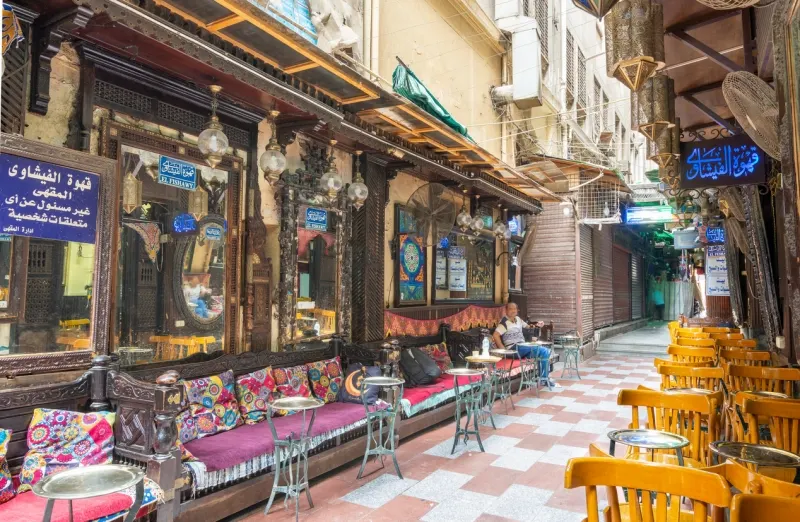
El Fishawi Café (Fishawi's): Operating since 1773, El Fishawi is Khan el-Khalili's most famous café. The mirrored walls, antique decorations, and outdoor seating create magical atmosphere—especially at night.
What to Order:
- Traditional Egyptian coffee (ahwa)
- Mint tea (shai bil nana)
- Karkade (hibiscus tea)
- Shisha (flavored tobacco water pipe)
- Light snacks
The Experience: Sit outside watching the bazaar's flow while sipping sweet tea. Famous writers, artists, and intellectuals have gathered here for centuries. Nobel Prize winner Naguib Mahfouz was a regular!
Cost: Reasonable for the experience
Best Time: Evening when it's most atmospheric
Other Notable Cafés:
- Naguib Mahfouz Café (named for the writer)
- El Daoud (traditional atmosphere)
- Various juice shops (try fresh sugarcane juice!)
Restaurants: From Street Food to Fine Dining
Street Food Adventures:
Koshari: Egypt's national dish—layers of rice, lentils, macaroni, chickpeas, topped with tomato sauce and crispy onions. Cheap, filling, delicious!
Ta'meya (Egyptian Falafel): Made from fava beans (not chickpeas like Levantine falafel). Crispy outside, soft inside.
Ful Medames: Slow-cooked fava beans—Egyptian breakfast staple. Eaten with bread, vegetables, eggs.
Feteer: Flaky Egyptian pastry, served sweet or savory. Often called "Egyptian pizza."
Full-Service Restaurants:
Naguib Mahfouz Restaurant: Upscale dining in historic setting. Traditional Egyptian cuisine in atmospheric surroundings.
Khan el-Khalili Restaurant: Tourist-friendly menu, good for trying multiple Egyptian dishes.
Food Court Options: Several modern food courts near Khan el-Khalili offer varied options in air-conditioned comfort.
The Al-Hussein Mosque Area
Khan el-Khalili borders the Al-Hussein Mosque, one of Cairo's most important Islamic sites. The mosque allegedly contains the head of Hussein ibn Ali, grandson of Prophet Muhammad.
Midan Hussein (Hussein Square): The plaza outside creates breathing space in the dense bazaar. Great spot for:
- People watching
- Taking photos
- Getting oriented
- Meeting up if separated from travel companions
Note: Non-Muslims cannot enter Al-Hussein Mosque, but the exterior and surroundings are worth seeing.
Customize Your Dream Vacation!
Get in touch with our local experts for an unforgettable journey.
Plan Your Trip
Navigating Khan el-Khalili: Practical Guide
Getting There
Location: Islamic Cairo, centered around Al-Hussein Square, near Al-Azhar Mosque
Metro:
- Ataba Station (Lines 1 & 2) - 10-minute walk
- Bab el-Shaaria Station - Similar distance
Taxi/Uber: Tell driver "Khan el-Khalili" or "El-Hussein Mosque"
From Tahrir Square: 15-minute taxi ride or short metro journey
When to Visit
Best Times:
Morning (9 AM - 12 PM):
- Shops opening, less crowded
- Cooler temperatures (summer)
- Better haggling (vendors want sales)
- Good photography light
Evening (After 7 PM):
- Most atmospheric time
- Locals shopping after work
- Cafés bustling with life
- Cooler and more comfortable
Avoid:
Midday (12 PM - 4 PM):
- Hottest time (especially summer)
- Many shops close for lunch/prayer
- Most crowded with tour groups
Friday Mornings:
- Major prayer times
- Many shops closed
- Very crowded around mosques
How Long to Spend
Quick Browse: 1-2 hours Serious Shopping: 3-4 hours Full Experience (shopping + café + food): 4-6 hours Multiple Visits: Recommended if you have time!
Safety and Security
Generally Safe: Khan el-Khalili is well-policed and generally safe for tourists, including solo female travelers. Thousands visit daily without problems.
Common Sense Precautions:
✓ Use anti-theft bag or money belt ✓ Don't flash expensive items ✓ Keep large amounts of cash hidden ✓ Stay aware of surroundings ✓ Travel in groups if uncomfortable alone ✓ Avoid empty alleys at night
For Women:
✓ Dress modestly (covers shoulders, knees) ✓ Ignore catcalls and keep walking ✓ Firm "La!" stops most harassment ✓ Daytime visits generally more comfortable ✓ Join group tours if concerned
Tourist Police: Present throughout the area—look for white uniforms. Don't hesitate to approach if you need help!
- Generally very safe with heavy police presence
- Thousands of tourists visit daily without issues
- Use common sense: anti-theft bags, awareness
- Dress modestly, especially women
- Avoid empty alleys at night
- Tourist police readily available for help
- Daytime visits safest and most comfortable
Engaging with Khan el-Khalili: Make It Memorable
Photography Opportunities
Best Shots:
Spice Market: Colorful pyramids of spices create stunning compositions
Lantern Shops: Brass lanterns catching light = magical photos
Street Scenes: Narrow alleys, overhead merchandise, busy shoppers
Portrait Opportunities: Many shopkeepers and craftsmen happy to be photographed (ASK FIRST!)
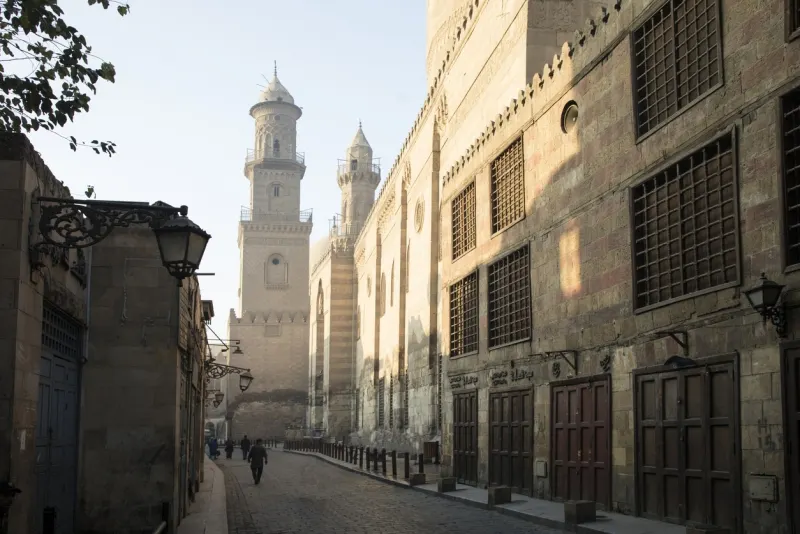
Architectural Details: Historic buildings, carved wooden screens, arched passageways
Pro Tips:
- Morning/late afternoon light best
- Respect "no photos" signs
- Always ask permission for people photos
- Don't photograph women without explicit permission
- Wide-angle lens useful for narrow streets
Cultural Immersion Activities
Learn Some Arabic: Even basic phrases dramatically improve your experience:
- "Sabah el-kheir" (صباح الخير) - Good morning
- "Masa el-kheir" (مساء الخير) - Good evening
- "Shukran" (شكراً) - Thank you
- "Enta/Enti kwayis?" (أنت كويس) - How are you? (male/female)
Try Traditional Activities:
Smoke Shisha: Experience traditional water pipe smoking in a café (tobacco is optional—try fruit flavors!)
Get Henna: Temporary henna tattoos available from street artists
Watch Craftsmen Work: Many shops have artisans creating products—fascinating to observe!
Drink Sahlab: Hot milk drink with orchid root powder, cinnamon—perfect winter treat
Questions to Ponder
While Shopping: How has this market operated continuously for 640+ years? What makes it survive when modern malls replace traditional markets elsewhere?
At the Café: What conversations have happened at this exact table over centuries? What stories could these mirrors tell?
Watching Craftsmen: How many generations have practiced this exact craft? Will it survive another generation?
The Perfect Khan el-Khalili Day
10:00 AM: Arrive via taxi/metro, get oriented at Midan Hussein
10:15 AM: Begin browsing main streets, getting feel for prices
11:00 AM: Serious shopping begins—visit specific product areas
1:00 PM: Lunch at local restaurant (try koshari!)
2:00 PM: More shopping with better haggling confidence
4:00 PM: Break at café—tea and people watching
5:00 PM: Final shopping round, last purchases
6:30 PM: Early dinner or snacks
7:30 PM: Return to café as evening atmosphere builds
9:00 PM: Final stroll through illuminated alleys, then depart
Combining Khan el-Khalili with Other Sites
The Islamic Cairo Circuit
Half-Day Tour:
- Khan el-Khalili (2 hours)
- Al-Azhar Mosque (30 minutes)
- Walk Al-Muizz Street (1 hour)
Full-Day Tour:
- Morning: Al-Azhar Mosque + Al-Muizz Street
- Lunch break
- Afternoon: Khan el-Khalili shopping
- Evening: Café and dinner
Extended Tour:
- Add: Bab Zuweila, Sultan Hassan Mosque, Citadel
- Two full days for comprehensive Islamic Cairo
Nearby Attractions (Walking Distance)
- Al-Azhar Mosque (5 minutes): One of Islam's most important mosques and universities
- Al-Muizz Street (Adjacent): Medieval street with concentrated historic buildings
- Bab Zuweila (15 minutes): Medieval city gate with panoramic views
- El Ghorya Complex (10 minutes): Mamluk complex with Tanoura shows
- Islamic Art Museum (20 minutes): World-class collection of Islamic artifacts
What Locals Want You to Know
Insider Tips
"Shop Where We Shop": Locals advise: venture into side alleys where prices are lower and merchandise often better quality than main tourist streets.
"Bargain Harder Later": Evening sellers more motivated—better discounts possible as they want to make sales before closing.
"Tea is Friendship": Accepting tea creates social bond. Refusing can seem rude. If accepting, reciprocate with patience and friendly conversation—then business.
"Compare, Compare, Compare": Never buy at first shop. See same item in 5+ places to understand real price range.
"Thursday Evening Special": Thursday night (weekend eve in Egypt) brings local shoppers out—most authentic atmosphere!
Common Mistakes to Avoid
✗ Bringing too much cash (cards work in many shops) ✗ Wearing expensive jewelry/watches (makes you target) ✗ Agreeing to first price (you'll overpay 200-300%!) ✗ Following touts to "special shops" (higher commissions = higher prices) ✗ Shopping hungry/thirsty (poor decision-making!) ✗ Rushing (half the experience is the journey, not just purchases)
- Morning (9 AM-12 PM): Less crowded, cooler, better haggling
- Evening (after 7 PM): Most atmospheric, local shoppers
- Avoid midday heat and tour group crowds
- Avoid Friday morning (prayer times, closures)
- Thursday evening offers authentic local atmosphere
- Visit multiple times if possible
- Quick browse: 1-2 hours
- Serious shopping: 3-4 hours
- Full experience (shopping + café + food): 4-6 hours
- Plan half-day minimum for satisfying visit
- Multiple visits recommended for comprehensive shopping
- Evening visit adds different atmosphere
- El Fishawi Café: Famous since 1773, must-visit
- Naguib Mahfouz Café and Restaurant: Upscale dining
- Street food: Koshari, ta'meya, ful medames
- Traditional Egyptian coffee and mint tea
- Fresh juice stands throughout bazaar
- Shisha cafés for authentic experience
- Mix street food with sit-down meals
- Al-Azhar Mosque (5-minute walk)
- Al-Muizz Street historic area (adjacent)
- Al-Hussein Mosque (bordering the bazaar)
- Bab Zuweila gate (15 minutes)
- El Ghorya Complex (10 minutes)
- Islamic Art Museum (20 minutes)
- Perfect starting point for Islamic Cairo tour
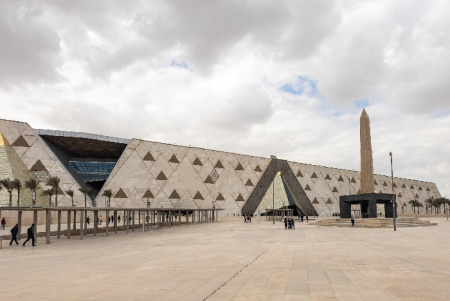

The Egyptian Museum houses 120,000+ artifacts including hidden treasures like the Narmer Palette, Khufu's tiny statuette, and the Dush Treasure beyond Tutankhamun's fame.
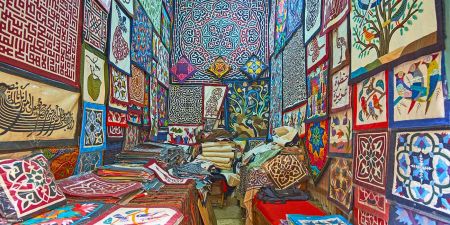
Step into Cairo’s Khayamiya Tentmakers Bazaar and admire exquisite appliqué art. Uncover the beauty of Egyptian textiles and local craftsmanship.
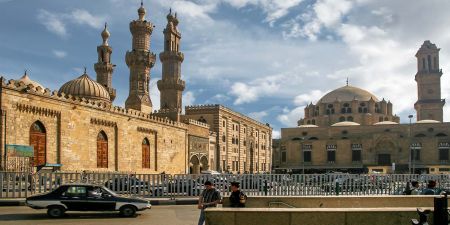
Explore Islamic Cairo's best mosques, bustling bazaars, and architectural marvels in this essential guide to the city's timeless attractions.
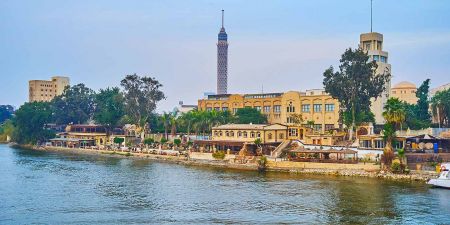
Explore Zamalek Cairo, a chic island district on the Nile. Find attractions, restaurants, and culture in our complete Gezira guide.

Explore Downtown Cairo, Egypt’s modern heart. Uncover Belle Époque architecture, lively streets, and rich city culture in one destination.

Visit The Hanging Church Cairo to witness a unique Coptic marvel on Roman towers. Learn about its fascinating past and cultural significance.
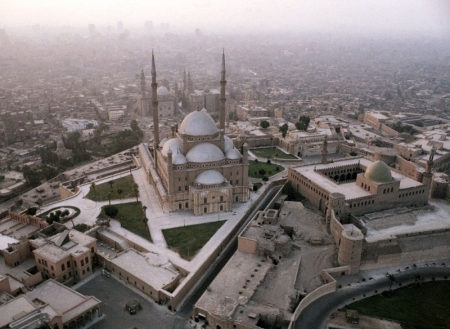
Visit Salah El-Din Citadel Cairo with our guide to its iconic mosques, fortress walls, and centuries of captivating history.
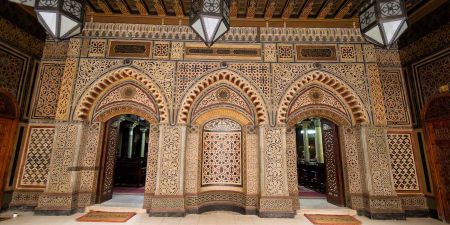
Uncover the timeless allure of Old Cairo. Journey through Coptic Cairo's ancient churches, fascinating history, and cultural treasures now.
Visit Khan el-Khalili Cairo, a must-see bazaar renowned for its rich history, bustling shops, and authentic Egyptian experience.
Discover the rich history of Ben Ezra Synagogue Cairo, a stunning landmark of Jewish heritage nestled in the heart of Coptic Cairo.
Experience the charm of El Ghorya Cairo, a stunning Mamluk complex renowned for its breathtaking Tanoura dance shows and rich heritage.
Uncover the beauty of Al Aqmar Mosque Cairo. Learn about its history, architectural wonders, and essential visitor tips in this comprehensive guide.
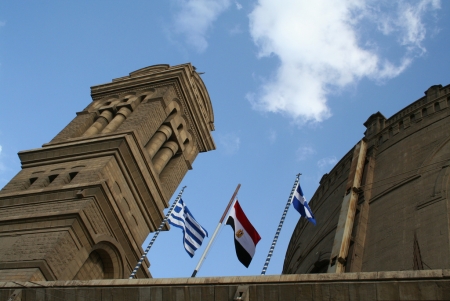
The Coptic Museum lies behind the walls of the famous Roman fortress of Babylon in the ancient district of Cairo (Misr Al-Qadima).
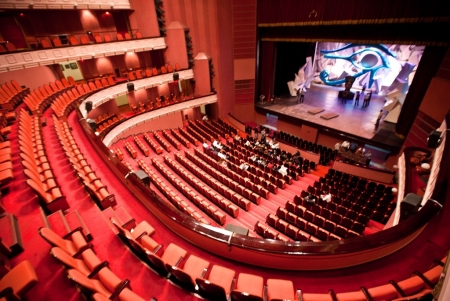
Discover the history and charm of the Cairo Opera House, Egypt’s hub for music, ballet, and cultural performances. Plan your visit today.
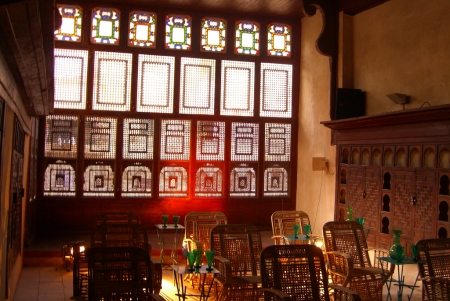
Discover Bayt Al Suhaymi Cairo—an authentic glimpse into Ottoman life. Visit beit el seheimy for rich architecture, culture, and history.
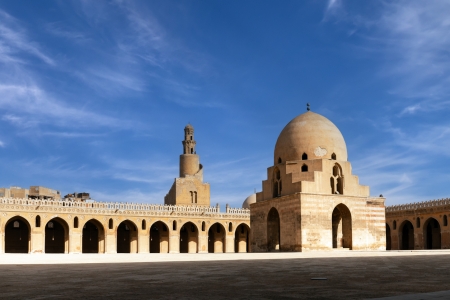
Step into history with Ahmed Ibn Tulun Mosque. Learn about its stunning architecture, captivating past, and importance in Islamic culture.
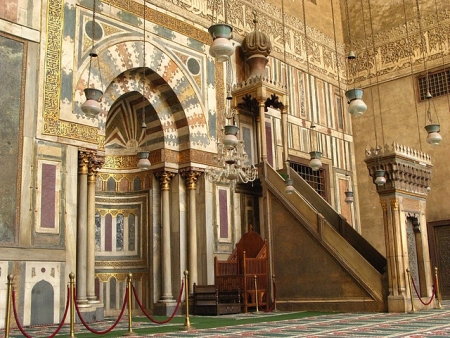
Unveil the fascinating history of the Mosque and Madrasa of Sultan Hassan, Cairo’s iconic Mamluk monument celebrated for its grandeur and artistry.
Explore the Museum of Islamic Art, Doha’s cultural gem. Witness stunning collections where the story of Islamic art and history beautifully unfolds.
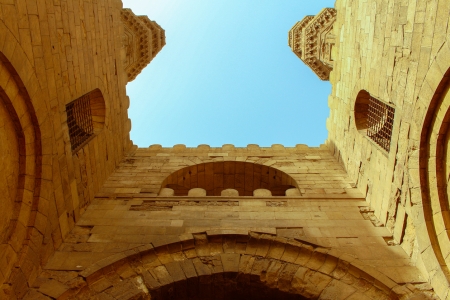
Journey through Old Cairo’s history at Bab Zuweila. Uncover stories, architecture, and secrets of this legendary city gate.

Journey into Egypt’s past at the Mosque of Amr ibn al-As. Learn its history and explore this cornerstone of Islamic culture in Cairo.
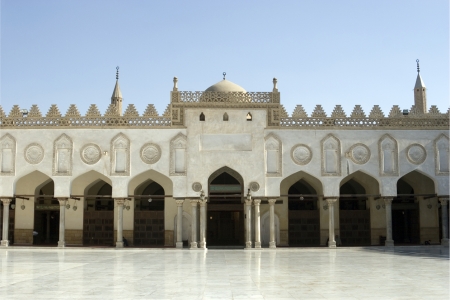
Uncover the significance of Al Azhar Mosque, Cairo’s grand mosque and prestigious university—a cornerstone of Islamic heritage and learning.

Visit Sultan Al Mansur Qalawun Mosque in Islamic Cairo—Marvel at this Mamluk masterpiece and learn about its fascinating historical significance.
Discover the wonders of Al-Muizz Street Cairo—immerse yourself in stunning Islamic architecture, lively bazaars, and rich cultural heritage.