
 Home

Egypt's weather is mostly sunny, dry, and warm, but it is not the same everywhere or in every month. A winter morning in Cairo can call for a jacket, while a summer afternoon in Aswan can climb above 40°C (104°F). On the Red Sea coast, people swim in January, yet in the Western Desert the same night can drop close to freezing.
Knowing how the weather changes across the year makes a big difference to a trip. It decides how long visitors can comfortably spend at the temples, whether a Nile cruise feels relaxing or tiring, and how warm the sea will be. This guide explains the Egypt climate season by season, gives monthly temperatures for the main destinations, and shows when each part of the country is at its best.
What Is the Climate Like in Egypt?
Egypt has a hot desert climate. The country receives very little rain, and the sky is clear on most days of the year. Cairo alone gets more than 3,000 hours of sunshine annually, which is far more than most European capitals.
Because the air is dry, temperatures change quickly between day and night. A day that reaches 25°C can fall to 10°C after sunset, especially in the desert and in Upper Egypt. Low humidity also makes summer heat feel less heavy in Luxor and Aswan than the numbers suggest, although the sun is still very strong.
The weather also changes by region. The Mediterranean coast around Alexandria is the mildest and most humid part of the country, with almost all of Egypt's rain. The Nile Valley, which runs from Cairo south to Aswan, gets hotter and drier the farther south it goes. The Red Sea coast and South Sinai stay warm all year, and their steady sea breezes keep the beaches comfortable even in summer.
Egypt is often described as having two main seasons, a mild winter and a hot summer. For travel planning, it is useful to think of four: winter (December–February), spring (March–May), summer (June–August), and autumn (September–November).
The Four Seasons in Egypt
Egyptians often speak of only two seasons, a mild winter and a long, hot summer. For travelers, however, it helps to think in four.
Winter (December to February)
Winter is the coolest and busiest time of year. Egypt weather in December and January brings sunny days of about 19–21°C in Cairo and 23–26°C in Luxor and Aswan. Nights are much colder, often 6–10°C in the south and lower in the desert, so a warm layer is needed after dark.
This is peak season for sightseeing and Nile cruises. Egypt weather in February is just as pleasant, with slightly longer days. Light rain is possible in Alexandria and occasionally in Cairo, but it rarely lasts long. Red Sea water is at its coolest, around 21–23°C, which is still fine for swimming on calm, sunny days. The Christmas and New Year holidays are the busiest weeks, so hotels and cruises fill up early.
Spring (March to May)
Spring brings warmer days and blooming gardens. Egypt weather in March is comfortable almost everywhere, with Cairo at around 24°C and Aswan near 30°C. By April, Luxor reaches about 35°C, and in May much of Upper Egypt passes 38°C.
Spring is also the season of the khamsin, a hot, dry wind from the Sahara. It can raise temperatures suddenly and fill the air with dust for a day or two. Most of the time, though, spring weather is bright and pleasant. March and early April are excellent months for travelers who want warm weather without the peak-season crowds.
Summer (June to August)
Summer is long, hot, and almost completely dry. Cairo averages about 34–35°C, while Luxor and Aswan regularly reach 40–42°C in the afternoon. Nights stay warm, at about 22–26°C.
Summer is the best season for beach holidays. The Red Sea reaches about 27–28°C, and diving and snorkeling conditions are excellent. Alexandria and the north coast become popular with Egyptian families, because cool sea breezes keep them several degrees milder than Cairo. Sightseeing is still possible, but it is best planned for early morning and late afternoon. Prices are often lower, which makes summer good value for travelers who handle heat well.
Autumn (September to November)
Autumn is a favorite season for many visitors. September is still hot, but Egypt weather in October brings noticeably cooler days, with Cairo at around 30°C and Luxor at about 35°C. By November, Cairo is a pleasant 25°C and evenings become fresh.
The sea stays warm from the summer, at about 25–28°C, so autumn is ideal for combining temples with beach time. Nile cruises return to full schedules in October, and the main travel season begins. Crowds are usually lighter than in December and January, especially in October and early November.
The khamsin is a hot, dry, sandy wind that blows across Egypt from the Sahara, mostly between March and May. Its name means "fifty" in Arabic, after the roughly 50-day period when it is most likely.
Yes, compared with most of Europe and North America. Winter days are about 19–21°C in Cairo and 23–26°C in Luxor and Aswan, though nights are cool and the desert can be cold after dark.
Customize Your Dream Vacation!
Get in touch with our local experts for an unforgettable journey.
Plan Your Trip
Average Temperature in Egypt
In short, the average temperature in Egypt ranges from about 20°C in winter to 35°C in summer in Cairo. Luxor and Aswan are around 5°C warmer by day in every season, and their winter nights are colder. The Red Sea coast is mild in winter and hot in summer, and the Mediterranean coast stays a few degrees cooler than the rest of the country all year.
July and August are the hottest months. Cairo averages about 35°C (95°F), while Luxor and Aswan often reach 41–42°C (106–108°F) in the afternoon.
January is the coldest month. Cairo averages about 19°C by day and 9°C at night. Desert areas and the Sinai mountains can drop close to freezing at night.
Egypt Weather by Month
The table shows average daytime highs and nighttime lows in °C. Single days can be warmer or cooler, so it is worth checking a forecast before traveling.
| Month | Cairo | Luxor & Aswan | Hurghada (Red Sea) | Sea temp |
|---|---|---|---|---|
| January | 19 / 9 | 24 / 7 | 22 / 11 | 22 |
| February | 21 / 10 | 26 / 8 | 23 / 12 | 21 |
| March | 24 / 12 | 30 / 12 | 25 / 15 | 22 |
| April | 28 / 15 | 35 / 17 | 29 / 18 | 23 |
| May | 32 / 18 | 39 / 22 | 32 / 22 | 25 |
| June | 34 / 21 | 41 / 24 | 34 / 25 | 27 |
| July | 35 / 22 | 42 / 25 | 35 / 26 | 28 |
| August | 35 / 23 | 41 / 25 | 35 / 27 | 28 |
| September | 33 / 21 | 39 / 23 | 33 / 25 | 28 |
| October | 30 / 18 | 35 / 19 | 30 / 21 | 27 |
| November | 25 / 14 | 29 / 13 | 27 / 17 | 25 |
| December | 20 / 10 | 24 / 9 | 23 / 13 | 23 |
For live forecasts and weather alerts, the Egyptian Meteorological Authority is the official source.
December is mild and sunny. Cairo averages about 20°C, Luxor about 24°C, and the Red Sea about 23°C. Evenings are cool, so a light jacket is useful.
Yes. November is one of the best months, with about 25°C in Cairo, 29°C in Luxor, and warm sea water at 25°C. It is good for both sightseeing and beach time.
Weather in Egypt's Main Destinations
Cairo and Giza
The weather in Cairo is warm and dry for most of the year. Winter days are mild at about 19–21°C, which makes December to February perfect for long visits to the Giza pyramids, the Egyptian Museum, and the Grand Egyptian Museum. Nights can feel surprisingly cool, so a sweater is useful.
Summers are hot, at about 35°C, and the city can feel close on still afternoons. Cairo gets only about 25 mm of rain a year, usually as a few short showers in winter. Spring is the most likely time for dusty khamsin days. For pyramid visits in any season, the early morning offers the softest light and the most comfortable temperatures.
Luxor
The weather in Luxor is hotter and drier than in Cairo. From October to April, days are warm and sunny, at about 23–35°C, and the evenings are cool and clear. This is when the temples of Karnak and Luxor and the tombs of the Valley of the Kings are most pleasant to explore.
Luxor's calm early mornings are also ideal for hot-air balloon flights over the West Bank. In summer, afternoon temperatures often pass 40°C, so visits are best started at sunrise. Rain is extremely rare, and many years pass with none at all.
Aswan
The weather in Aswan is the hottest and driest in Egypt. The city receives almost no rain, and it is one of the sunniest places on Earth. Winter is the best time to visit, with days of about 24–26°C that are perfect for felucca rides, Philae Temple, and the Nubian-style villages along the river.
From late spring to early autumn, temperatures commonly reach 40–42°C. Even then, the dry air and river breezes make evenings on the Nile pleasant. Day trips to Abu Simbel leave very early in the morning, which also helps travelers avoid the strongest heat.
Alexandria and the Mediterranean Coast
The weather in Alexandria is the mildest in the country. Summers are warm but rarely extreme, with highs of about 30–31°C and a cooling sea breeze. Winters are cool and breezy, at around 18°C, and this is the only part of Egypt with a real rainy season.
Most of Egypt's rain falls here between November and February, often as short, heavy showers. The Mediterranean is warmest from July to September, at about 26–27°C, which is why the north coast is a favorite summer escape for Egyptians.
Hurghada and the Red Sea Coast
The weather in Hurghada is sunny almost every day of the year. Winter highs are about 22–23°C, and summer highs reach 34–35°C, softened by a steady northern wind. This wind also makes Hurghada and nearby El Gouna popular for kitesurfing and windsurfing.
The Red Sea stays between about 21°C in February and 28°C in August. Swimming, snorkeling, and diving are possible in every month, although many visitors prefer a light wetsuit in winter. Marsa Alam, farther south, is usually a little warmer in the cooler months.
Sharm El Sheikh and South Sinai
The weather in Sharm El Sheikh is similar to Hurghada, but slightly warmer and less windy. Winter days are about 22–24°C, and summer often reaches 36–37°C. The coral reefs of Ras Mohammed and the Straits of Tiran can be enjoyed all year.
Inland, the mountains of South Sinai are much cooler. At Saint Catherine and Mount Sinai, about 1,600 meters above sea level, winter nights can fall below freezing, so warm clothes are essential for the famous sunrise climb.
The Western Desert and the Oases
The Western Desert, including the Siwa Oasis and the White Desert, has the strongest temperature swings in Egypt. Winter days are pleasant at about 20–23°C, but nights can drop to 0–5°C, especially when camping under the stars. Summer days often pass 38°C. The best time for desert safaris is from October to April.
Cairo is dry and sunny. Winters are mild at about 19–21°C, and summers are hot at about 34–35°C. The city gets very little rain.
Luxor and Aswan are among the sunniest and driest places on Earth. Winter days are about 23–26°C with cool nights, while summer afternoons often pass 40°C.
Both resorts are sunny all year. Winter highs are about 22–24°C, and summer highs reach 35–37°C. Sea breezes make the heat easier to enjoy than in Upper Egypt.
Rain, Wind, and Sandstorms in Egypt
Egypt rainfall is very low. Average rainfall in Egypt is less than 30 mm a year in Cairo and close to zero in Luxor and Aswan. Alexandria receives the most, at roughly 180–200 mm a year, nearly all of it in winter.
Wind has a bigger effect on travel than rain. The khamsin, whose name means "fifty" in Arabic, blows from the Sahara mainly between March and May. It brings hot, dusty air that can reduce visibility, delay some flights, and ground Luxor's balloon flights for a day. Sandstorms in Egypt usually pass within a few hours to two days, and clear skies return quickly.
Yes, but very little. Cairo gets about 25 mm of rain a year, mostly in winter. Luxor and Aswan get almost none. Alexandria and the north coast get the most, mainly from November to February.
Yes. Sandstorms happen mostly in spring during the khamsin season. They usually last a few hours to a day or two, and clear weather returns quickly afterward.
What Is the Best Time to Visit Egypt?
The best time to visit Egypt for most travelers is from October to April. During these months, temperatures in Cairo, Luxor, and Aswan are comfortable enough for full days of sightseeing, and Nile cruises run their complete schedules. The pleasant weather also makes this the busiest and most expensive period, especially from mid-December to mid-January.
The best time to go to Egypt also depends on the type of trip:
- Pyramids, temples, and Nile cruises: October to April, with November, February, and March offering a good balance of weather and crowds.
- Beach and diving holidays: April to November, when the Red Sea is at its warmest. Winter beach trips are still possible for those who enjoy milder sun.
- Combined culture and beach trips: October, November, March, and April, when both the Nile Valley and the coast are comfortable.
- Desert safaris: October to April, when days are warm and nights are cool rather than hot.
- Lower prices and quieter sites: May to September, for travelers who plan sightseeing around the midday heat.
Travelers should also check the dates of Ramadan, which move about 11 days earlier each year. Sites stay open, but opening hours can be shorter, and the evenings come alive with festive meals and street decorations.
The best time to visit Egypt is from October to April. Days are warm and sunny, nights are cool, and temperatures in Cairo, Luxor, and Aswan are comfortable for sightseeing and Nile cruises.
The best time for a Nile cruise is from October to April. Temperatures between Luxor and Aswan are pleasant, and cruise ships run full schedules.
What to Wear in Egypt
Packing depends on the season and the destination:
- Egypt in winter: light layers for the day, plus a warm jacket for evenings, desert nights, early balloon flights, and Mount Sinai.
- Egypt in summer: loose, breathable cotton or linen, a wide-brimmed hat, sunglasses, and high-factor sunscreen.
- All year: comfortable walking shoes for temples and uneven ground, and a refillable water bottle.
The Egypt dress code is modest but relaxed. At mosques and churches, shoulders and knees should be covered, and women should carry a light scarf to cover their hair. Long, loose trousers or skirts are comfortable and respectful in cities and at historic sites. Swimwear is normal at Red Sea resorts and hotel pools. The UK government's Egypt travel advice covers local customs, and the CDC's Egypt page has useful tips on sun and heat.
Tourists should wear light, loose, modest clothing, covering shoulders and knees at religious sites. In winter, a warm layer is needed for evenings. In summer, a hat, sunglasses, and sunscreen are essential.
Plan an Egypt Trip Around the Weather
Memphis Tours travel experts build every itinerary around the season. In summer, that can mean early-morning temple visits and an afternoon by the pool. In winter, it can mean extra time in Upper Egypt and a few warm days on the Red Sea. Travelers can fill in the inquiry form for a free, tailor-made Egypt itinerary, and a specialist will reply within 24 hours. More destination ideas are available from Egypt's official tourism site.
The cheapest time to visit Egypt is usually from May to September. Hotels and cruises offer lower prices during the hot months, while the Red Sea resorts remain popular.
Frequently Asked Questions About the Weather in Egypt
1. What is the best time to visit Egypt?
The best time to visit Egypt is from October to April. Days are warm and sunny, nights are cool, and temperatures in Cairo, Luxor, and Aswan are comfortable for sightseeing and Nile cruises.
2. What is the hottest month in Egypt?
July and August are the hottest months. Cairo averages about 35°C (95°F), while Luxor and Aswan often reach 41–42°C (106–108°F) in the afternoon.
3. What is the coldest month in Egypt?
January is the coldest month. Cairo averages about 19°C by day and 9°C at night. Desert areas and the Sinai mountains can drop close to freezing at night.
4. Does it rain in Egypt?
Yes, but very little. Cairo gets about 25 mm of rain a year, mostly in winter. Luxor and Aswan get almost none. Alexandria and the north coast get the most, mainly from November to February.
5. How many seasons does Egypt have?
Egypt is often described as having two main seasons, a mild winter and a hot summer. For travel planning, it is useful to think of four: winter (December–February), spring (March–May), summer (June–August), and autumn (September–November).
6. What is the weather like in Egypt in December?
December is mild and sunny. Cairo averages about 20°C, Luxor about 24°C, and the Red Sea about 23°C. Evenings are cool, so a light jacket is useful.
7. Is November a good time to visit Egypt?
Yes. November is one of the best months, with about 25°C in Cairo, 29°C in Luxor, and warm sea water at 25°C. It is good for both sightseeing and beach time.
8. Is it too hot to visit Egypt in summer?
Summer is hot, especially in Luxor and Aswan, but many people still travel then. Sightseeing early in the morning, drinking plenty of water, and resting at midday make summer trips comfortable.
9. When is the best time for a Nile cruise?
The best time for a Nile cruise is from October to April. Temperatures between Luxor and Aswan are pleasant, and cruise ships run full schedules.
10. When is the best time to visit the Red Sea?
The Red Sea is good all year, but April to November is best for swimming, snorkeling, and diving. Water temperatures range from about 23°C in spring to 28°C in late summer.
11. What is the sea temperature in Egypt?
The Red Sea stays between about 21°C in February and 28°C in August and September. The Mediterranean at Alexandria is cooler, at about 17–18°C in winter and 26–27°C in late summer.
12. What is the khamsin?
The khamsin is a hot, dry, sandy wind that blows across Egypt from the Sahara, mostly between March and May. Its name means "fifty" in Arabic, after the roughly 50-day period when it is most likely.
13. Are there sandstorms in Egypt?
Yes. Sandstorms happen mostly in spring during the khamsin season. They usually last a few hours to a day or two, and clear weather returns quickly afterward.
14. What is the weather like in Cairo?
Cairo is dry and sunny. Winters are mild at about 19–21°C, and summers are hot at about 34–35°C. The city gets very little rain.
15. What is the weather like in Luxor and Aswan?
Luxor and Aswan are among the sunniest and driest places on Earth. Winter days are about 23–26°C with cool nights, while summer afternoons often pass 40°C.
16. What is the weather like in Sharm El Sheikh and Hurghada?
Both resorts are sunny all year. Winter highs are about 22–24°C, and summer highs reach 35–37°C. Sea breezes make the heat easier to enjoy than in Upper Egypt.
17. What should tourists wear in Egypt?
Tourists should wear light, loose, modest clothing, covering shoulders and knees at religious sites. In winter, a warm layer is needed for evenings. In summer, a hat, sunglasses, and sunscreen are essential.
18. Does it ever snow in Egypt?
Snow is very rare. It sometimes falls on the high peaks of South Sinai, such as Mount Catherine, during cold winter spells. Cairo and the Nile Valley do not get snow.
19. Is Egypt warm in winter?
Yes, compared with most of Europe and North America. Winter days are about 19–21°C in Cairo and 23–26°C in Luxor and Aswan, though nights are cool and the desert can be cold after dark.
20. What is the cheapest time to visit Egypt?
The cheapest time to visit Egypt is usually from May to September. Hotels and cruises offer lower prices during the hot months, while the Red Sea resorts remain popular.
Summer is hot, especially in Luxor and Aswan, but many people still travel then. Sightseeing early in the morning, drinking plenty of water, and resting at midday make summer trips comfortable.
The Red Sea is good all year, but April to November is best for swimming, snorkeling, and diving. Water temperatures range from about 23°C in spring to 28°C in late summer.
The Red Sea stays between about 21°C in February and 28°C in August and September. The Mediterranean at Alexandria is cooler, at about 17–18°C in winter and 26–27°C in late summer.
Snow is very rare. It sometimes falls on the high peaks of South Sinai, such as Mount Catherine, during cold winter spells. Cairo and the Nile Valley do not get snow.
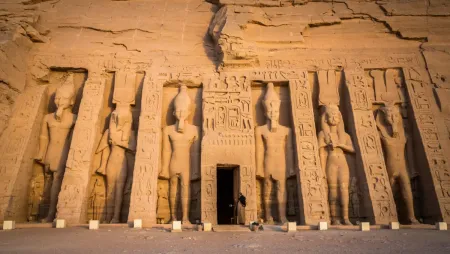
Step inside QV66, Queen Nefertari's vividly painted tomb in Luxor's Valley of the Queens.
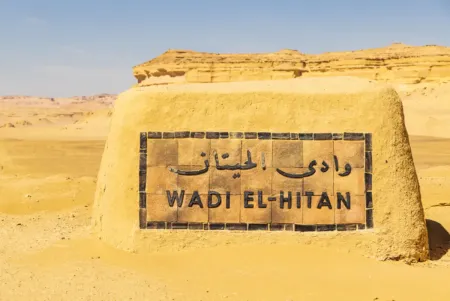

Find out what Egypt's weather is like each month, from mild winters in Cairo to hot summers in Aswan and warm Red Sea waters year-round. Learn the best season for sightseeing, Nile cruises, and beach time, and use this guide to plan your trip with confidence.
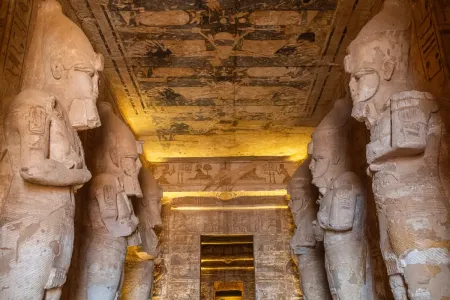
Discover the ancient Egyptian religion, covering Ma'at, the pharaoh, creation myths, temples and where to see it today.
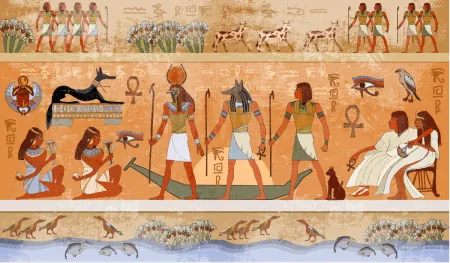
Explore the gods of ancient Egypt, covering their names, roles, symbols, famous myths and the temples where travelers can still see them.
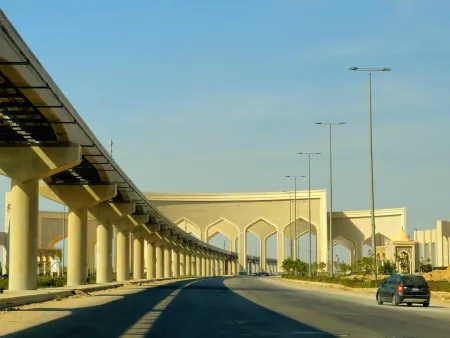
An in-depth look at Egypt's New Administrative Capital, covering its official name, location, landmarks and how to visit from Cairo.

Step inside the Grand Egyptian Museum, covering Tutankhamun’s treasures and Ramses II statue.
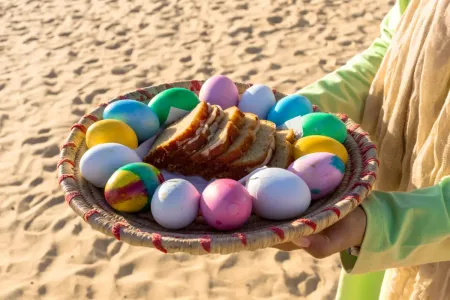
Learn about Sham el Nessim, Egypt's national spring festival, covering its meaning, ancient roots, dates, foods, traditions and travel tips.
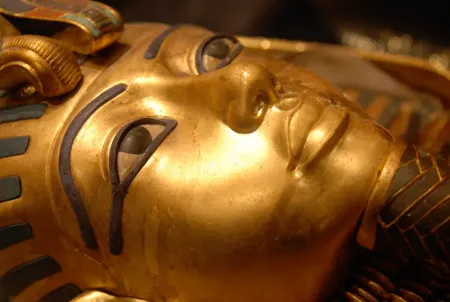
Everything you need to know about King Tutankhamun, Egypt's boy king, from his life, family and death to his golden mask, tomb discovery and where to see his treasures today.
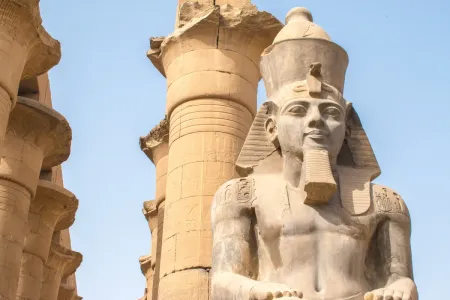
Explore every famous Ramses II statue, from the Grand Egyptian Museum colossus and Memphis to Abu Simbel and the newest finds in Egypt.
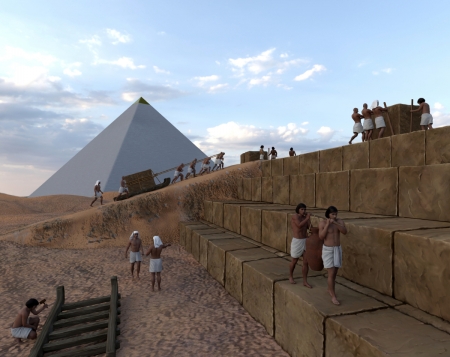
Explore life, religion, and architecture in the old kingdom of ancient Egypt. Learn more and prepare your trip to Egypt’s ancient wonders today.
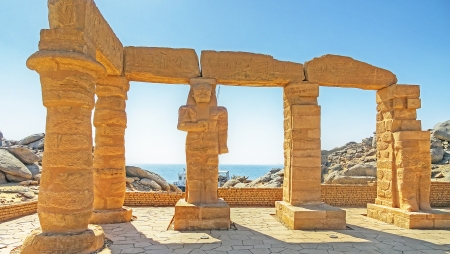
Middle Kingdom of Egypt: Archaeologists refer to the second period of stability in Ancient Egypt as the Middle Kingdom (2055–1650 BC)
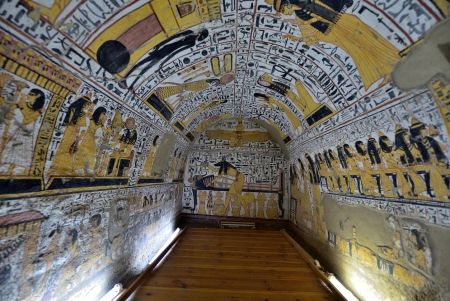
Uncover the glory of the New Kingdom of Ancient Egypt—learn about its pharaohs, remarkable power, and lasting cultural legacy.

Discover the incredible story of Queen Hatshepsut, Egypt's most famous female pharaoh. Explore the legacy of pharaoh queen hatshepsut.

Ramesses II, or Ramesses the Great, is one of the most famous figures in the history of Ancient Egypt.

Learn about the Greco-Roman period in Egypt and the must-see sites shaped by Greek, Roman, and Egyptian culture. Start planning your trip today.

Discover the fascinating life, reign, and lasting legacy of Queen Cleopatra, Egypt’s iconic and influential last pharaoh.
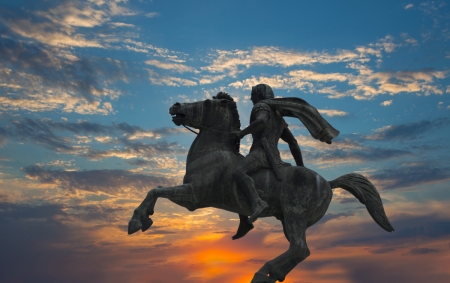
Follow Alexander the Great’s path across Egypt—historic cities, temples, and oases await. Discover history and plan your epic trip today.

Learn about Islamic Egypt’s transformation under powerful dynasties. Discover the stories that shaped Cairo’s history!
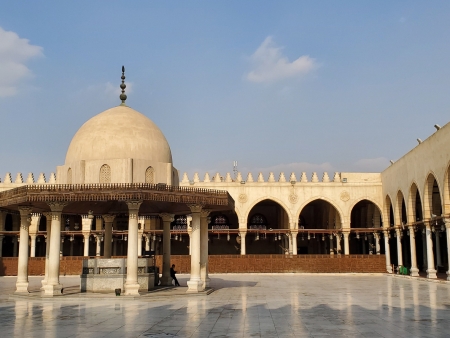
Learn about Amr Ibn Al-As: his life story, legacy, and vital role in shaping early Islamic history. Explore history's influential figures today.
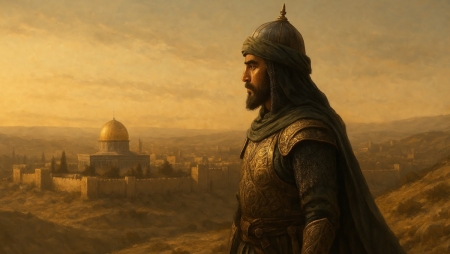
Learn about Salahuddin Ayyubi and his impact on Egypt. Visit monuments, uncover fascinating stories, and plan your historical adventure now!
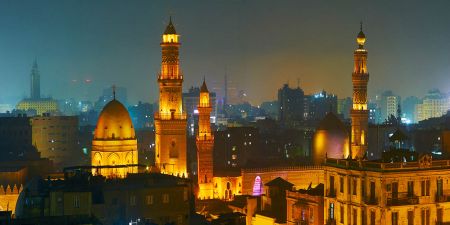
Journey through Ottomans in Egypt and witness the final chapters of Mamluk history. Get expert insights—start exploring the article today.

Learn how Mohamed Ali Egypt shaped the nation’s future. Uncover his achievements, reforms, and enduring legacy in Egyptian history.
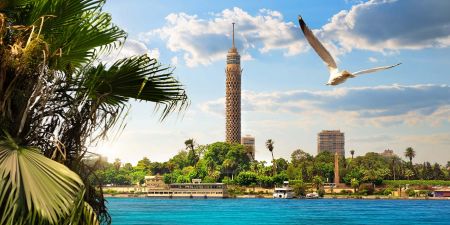
Uncover the dynamic story of Modern Egypt, tracing its journey and major transformations. Dive into the history that defines modern Egypt.
