
 Home

Sham el Nessim is Egypt's national spring holiday. It always falls on the Monday after Coptic Orthodox Easter, and Egyptians of every faith spend the day outdoors in parks, gardens and along the Nile. The name means "smelling the breeze." The next date is Monday 3 May 2027, after the last one on Monday 13 April 2026.
Table of Contents
- What Is Sham el Nessim?
- What Does the Name Mean?
- Ancient Origins: Shemu and the Harvest
- Why Does It Fall After Coptic Easter?
- When Is the Next Spring Festival?
- Traditions: How Egyptians Celebrate
- Fesikh and Renga: Traditional Egyptian Food
- Visiting Egypt During Sham el Nessim: Practical Tips
- Timeline: How the Spring Festival Developed
- Sham el Nessim FAQs: What Travellers Ask Most
1.What Is Sham el Nessim?
The festival is a day to welcome spring. It is not a religious feast, even though its date follows a Christian one. Families leave home early with blankets, food and music. They fill public gardens, riverbanks, zoos and beaches until sunset. For many Egyptians, it is one of the happiest days of the year.
The day is shared by the whole country. Christian Egyptians helped keep the custom alive through the centuries, but Muslim Egyptians celebrate it just as fully. This makes it one of the clearest examples of shared Egyptian cultural traditions. You can read about other celebrations in our guide to holidays and festivals in Egypt.
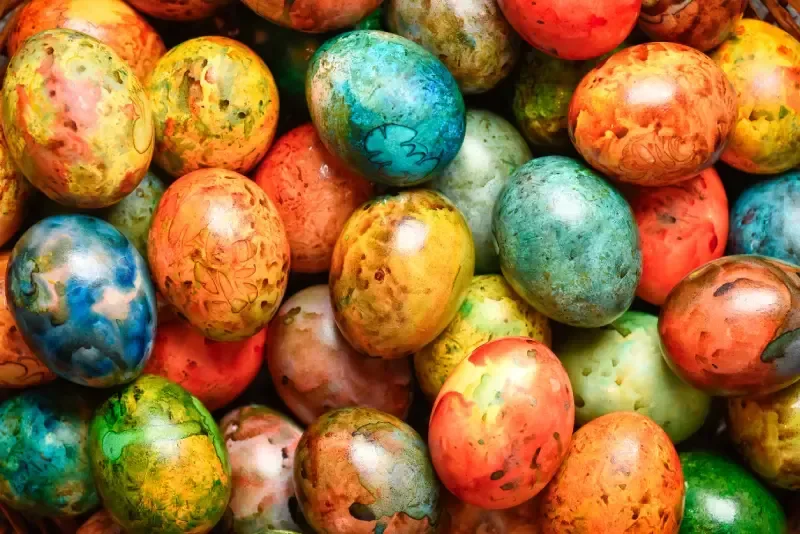
It is Egypt's national spring holiday, held on the Monday after Coptic Orthodox Easter. Egyptians of all faiths spend the day outdoors in parks, gardens and along the Nile, eating salted fish, coloured eggs, green onions and lettuce. The name means "smelling the breeze," and many people believe it has ancient roots.
2.What Does the Name Mean?
In Arabic, sham means "to smell" and nessim means "breeze," so the name is usually translated as "smelling the breeze." It describes the simple pleasure of fresh spring air after winter.
Some writers believe the Arabic name grew from an older Coptic phrase meaning "gardens and meadows," which later changed under Arabic influence (Egyptian Streets). Others link it to Shemu, the ancient name of the harvest season. Neither theory is proven. Wikipedia notes that the proposed Coptic phrase has no attested source (Wikipedia).
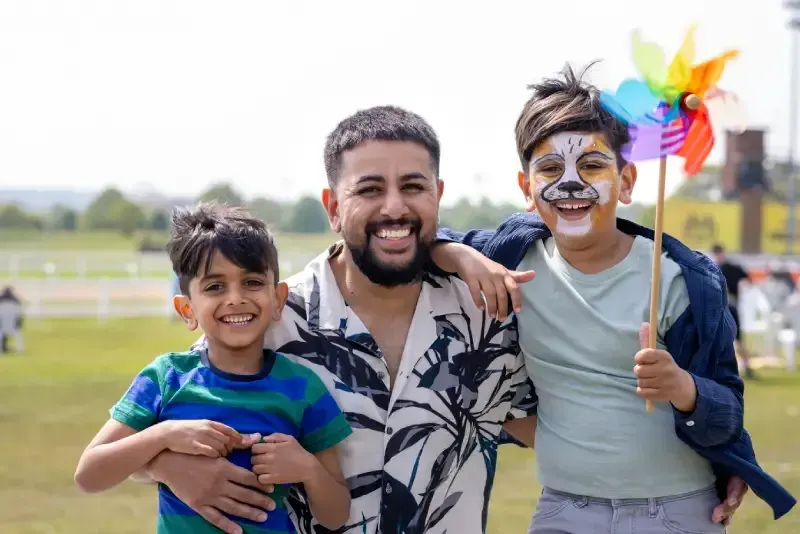
The Arabic name means "smelling the breeze" or "inhaling the breeze." It refers to the fresh spring air. Some writers link it to an older Coptic phrase or to Shemu, the ancient harvest season, but these theories are not proven by solid evidence.
Customize Your Dream Vacation!
Get in touch with our local experts for an unforgettable journey.
Plan Your Trip3.Ancient Origins: Shemu and the Harvest
Ancient Egyptians divided their year into three seasons: Akhet (the flood), Peret (growing) and Shemu (the harvest). Shemu was the time of low water on the Nile, when farmers gathered their grain (Wikipedia). You can learn more about this farming world in our guide to the Nile Valley.
Many popular accounts say the spring holiday began around 2700 BC, with people feasting near the pyramids. Egyptologists such as Hussein Bassir and Hassan Selim link today's foods, like onions and lettuce, to the spring harvests of ancient times (Arab News). However, Shemu was the name of a season, not of a known festival. Scholars say the evidence is not strong enough to prove an unbroken line from the pharaohs to today. The safest view is that the holiday probably carries ancient habits, but its exact history is unclear.
Spring feasts were only one part of Egypt's rich calendar of ancient Egyptian festivals. Other events, such as the Abu Simbel Sun Festival, still draw crowds today.
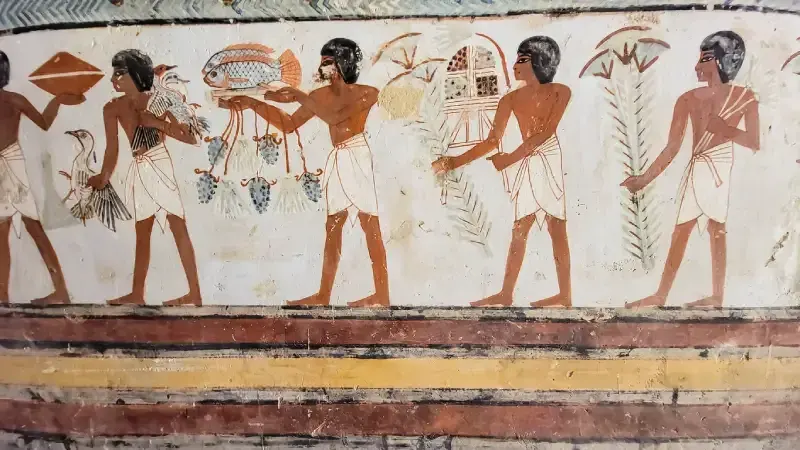
Possibly, but it is hard to prove. Popular accounts say it dates to about 2700 BC and the Shemu harvest season. Egyptologists link some foods, like onions and lettuce, to ancient spring harvests. However, Shemu was a season, not a recorded festival, so the exact history is uncertain.
4.Why Does It Fall After Coptic Easter?
The holiday always takes place on the Monday after Easter Sunday as celebrated by the Coptic Orthodox Church. The Church works out Easter with an old method based on the Julian calendar. So Coptic Easter often comes later than Western Easter, and sometimes several weeks later.
The link with Easter probably grew over many centuries. A spring festival needs a date that stays in spring. The Islamic calendar is lunar, so it moves through the seasons, while Easter always falls in spring. As a result, the date changes each year, usually between early April and early May.
5.When Is the Next Spring Festival?
In 2026, the Egyptian government declared Monday 13 April a paid public holiday for the state and the private sector (Scene Now). Orthodox Easter in 2027 falls on Sunday 2 May, so the next holiday is Monday 3 May 2027. In 2028, it should fall on Monday 17 April. The government confirms each date shortly before the day.
The next holiday is on Monday 3 May 2027. Coptic Orthodox Easter falls on Sunday 2 May 2027, and the festival is always held the next day. The Egyptian government normally confirms the public holiday a few weeks before, so check local news for any changes.
6.Traditions: How Egyptians Celebrate
Picnics, Parks and the Nile
The day starts early. Families claim a spot in a park, on the Nile bank or in a public garden. Others take felucca or motorboat rides. Zoos, fairgrounds and beaches are packed, and many people buy flowers such as jasmine and gardenia. In 2026, the Ministry of Agriculture held a Spring Flower Exhibition at the Agricultural Museum in Dokki, Cairo.
Coloured Eggs, Green Onions and Lettuce
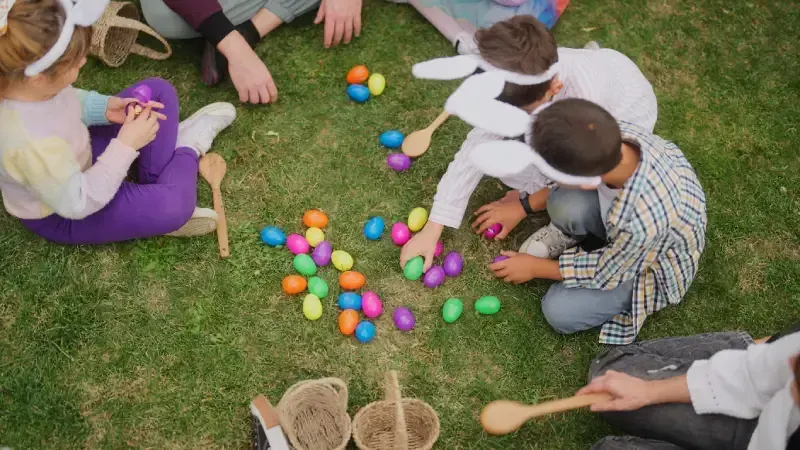
Breakfast often includes boiled eggs that children dye and decorate, sometimes writing wishes on them. Eggs stand for new life. Green onions and crisp lettuce come with almost every meal. Lettuce is linked with hope for the new season. A 19th-century writer, Edward Lane, even described people smelling onions on the morning of the festival. For Christian families, eggs and fish can also carry a meaning of resurrection, while salted fish is often seen as a sign of plenty.
Termis: The Favourite Spring Street Snack
Termis are lupin beans. They are soaked, boiled and served with salt and lemon. Street sellers offer paper cones of them in parks, and they are a cheap, safe snack for visitors.
7.Fesikh and Renga: Traditional Egyptian Food
The most famous dish is fesikh: grey mullet that is salted, fermented and dried. It has a very strong smell and taste. Renga is smoked herring, a milder choice that many families prefer. Both are eaten with bread, onions, lemon and lettuce. People who do not eat fish often bring stuffed vine leaves, sandwiches or grilled food instead. Herodotus, the Greek historian, wrote that ancient Egyptians ate fish preserved in brine, so salted fish has a long history here. See our guide to Egyptian food for more dishes to try.
Is Fesikh Safe to Eat?
Fesikh carries a real risk of botulism, a rare but very serious illness caused by bacteria that grow without air. In 2020, Egypt's Ministry of Health urged people to avoid salted fish completely, even when made at home. It gave a special warning to pregnant women, children and people with kidney or chronic disease (Egypt Today).
In April 2026, the ministry's advice focused on safer buying. It told people to buy only from licensed shops, avoid street sellers, and reject fish that smells odd, feels soft or has spots. It also said lemon, vinegar and onions do not make bad fish safe, and that eating too much very salty fish can raise blood pressure and upset the stomach (Egypt Independent). Anyone with blurred vision, weakness or trouble swallowing after eating salted fish should get medical help at once.
The biggest danger comes from careless sellers. Officials have reported cases where dead, swollen fish was lightly salted and sold as fesikh after only a few days. In 2022, the ministry said it was tightening checks on salted fish factories and street sellers. Visitors who want to taste the dish can try a small amount from a well-known restaurant.
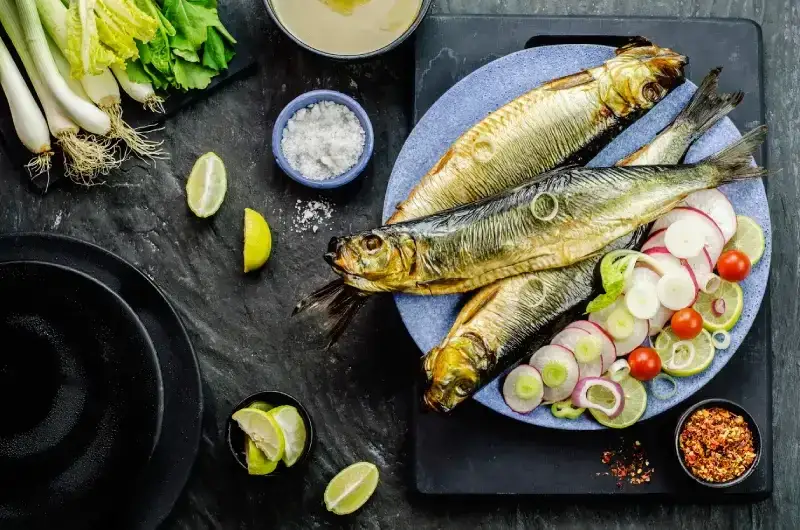
It can be. Badly prepared fesikh can cause botulism, a rare but life-threatening illness. Egypt's Ministry of Health has urged people to avoid salted fish, especially pregnant women, children and people with kidney or chronic disease. If you try it, buy only from licensed shops.
8.Visiting Egypt During Sham el Nessim: Practical Tips
- Expect closures: Government offices and many banks and businesses close for the public holiday.
- Expect crowds: Parks, the Nile Corniche, zoos and beaches are very busy from morning until night.
- Plan for traffic: Roads around green spaces jam early. Read our guide to transport in Egypt before you go.
- Check sights ahead: Major sites in Cairo, such as the Egypt pyramids, usually stay open but can be busier with local families.
- Book boats early: A Nile cruise or a guided Cairo day tour offers a calmer way to enjoy the day.
- Be respectful: Ask before photographing families, and accept offers of food politely, even if you decline the fish.
It can be a wonderful time to see local life, as the weather is usually warm and the mood is festive. However, expect crowds, traffic and some closed offices. Visiting sites early in the morning and booking boat rides ahead will help you enjoy the day.
9.Timeline: How the Spring Festival Developed
- Ancient times: Egyptians mark the Shemu harvest season; popular accounts date spring feasts to about 2700 BC.
- 5th century BC: Herodotus records that Egyptians eat fish preserved in brine.
- 3rd century AD: The Easter calculation later used by the Coptic Church is credited to Pope Demetrius of Alexandria.
- 19th century: Edward Lane describes Cairenes smelling onions and heading into the countryside.
- 13 April 2026: Egypt celebrates with a paid public holiday.
- 3 May 2027: The next holiday, the day after Orthodox Easter.
Ready to celebrate spring the Egyptian way? Join local families on the Nile, taste festive treats and see the pyramids in the warm spring sun with our expert-led Egypt tours. Browse our Egypt Easter holiday packages, which can be timed around the spring festival. Fill in the inquiry form to plan a tailor-made trip that lets you see Egypt at its most joyful.
10.Sham el Nessim FAQs: What Travellers Ask Most
When you attend a festival in Egypt, you’re not just watching an event—you’re stepping into living history. Egyptian festivals are unique because they’re deeply rooted in community life and traditions that go back thousands of years. Whether you’re celebrating Sham Ennessim in Cairo, joining a moulid in Luxor, or experiencing a music festival on the Red Sea coast, these gatherings let you connect with Egyptians on a cultural and personal level. Unlike typical tourist attractions, festivals immerse you in authentic traditions, vibrant street parades, music, food, and rituals that reveal Egypt’s true identity.
Religious festivals like Ramadan, Eid al-Fitr, and Coptic Christmas play a huge role in Egyptian life. If you’re in Cairo during Ramadan, you’ll notice lanterns (fanoos) lighting up the streets, families gathering for iftar, and a spirit of generosity everywhere. These festivals strengthen social bonds, bring neighborhoods together, and unite Egyptians across different backgrounds. When you join in, even as a visitor, you get a glimpse of how religion and tradition are woven into Egypt’s national identity.
Egyptian festivals aren’t staged for tourism—they’re essential to Egypt’s cultural and social fabric. They preserve traditions, strengthen community ties, and keep Egypt’s identity alive in the face of modernization. When you experience a festival in Egypt, you’re not just sightseeing—you’re joining a celebration of resilience, joy, and heritage. Whether it’s the spiritual atmosphere of Ramadan in Cairo, the historic roots of Sham Ennessim, or the artistic energy of Alexandria’s film and music festivals, these celebrations give you an authentic window into Egyptian life that no museum or monument can match.
Yes. It is one of the official Egypt public holidays. The government announces a paid day off each year for ministries, public companies and private sector workers. Government offices and many banks close, so plan any official business for another day.

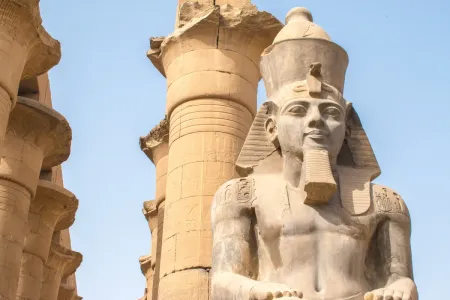
Explore every famous Ramses II statue, from the Grand Egyptian Museum colossus and Memphis to Abu Simbel and the newest finds in Egypt.
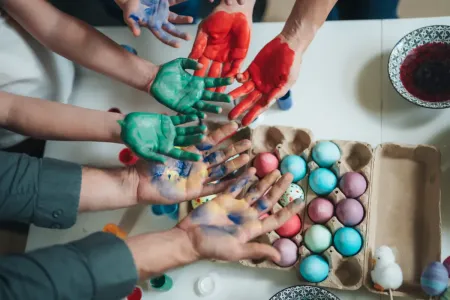
Learn about Sham el Nessim, Egypt's national spring festival, covering its meaning, ancient roots, dates, foods, traditions and travel tips.
Step inside QV66, Queen Nefertari's vividly painted tomb in Luxor's Valley of the Queens.
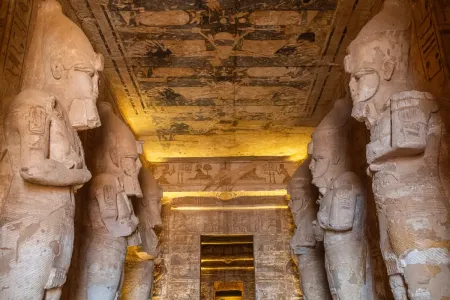
Discover the ancient Egyptian religion, covering Ma'at, the pharaoh, creation myths, temples and where to see it today.
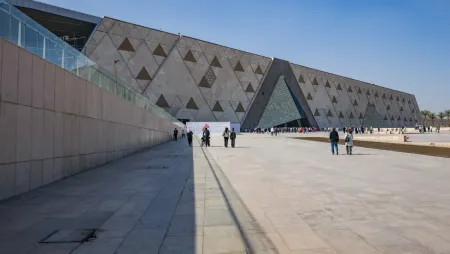
Step inside the Grand Egyptian Museum, covering Tutankhamun’s treasures and Ramses II statue.
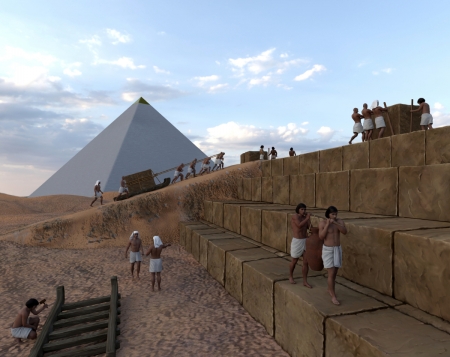
Explore life, religion, and architecture in the old kingdom of ancient Egypt. Learn more and prepare your trip to Egypt’s ancient wonders today.
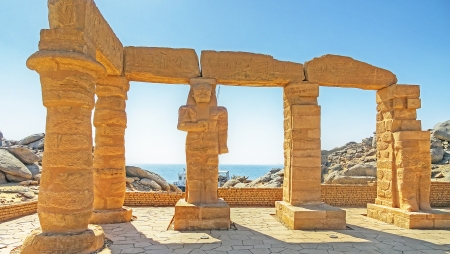
Middle Kingdom of Egypt: Archaeologists refer to the second period of stability in Ancient Egypt as the Middle Kingdom (2055–1650 BC)
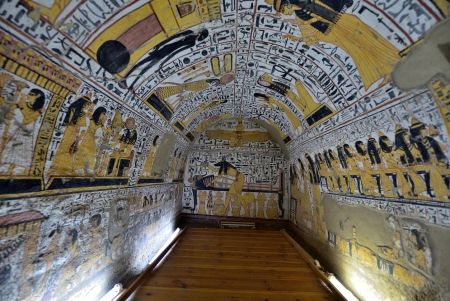
Uncover the glory of the New Kingdom of Ancient Egypt—learn about its pharaohs, remarkable power, and lasting cultural legacy.

Discover the incredible story of Queen Hatshepsut, Egypt's most famous female pharaoh. Explore the legacy of pharaoh queen hatshepsut.

Ramesses II, or Ramesses the Great, is one of the most famous figures in the history of Ancient Egypt.

Learn about the Greco-Roman period in Egypt and the must-see sites shaped by Greek, Roman, and Egyptian culture. Start planning your trip today.

Discover the fascinating life, reign, and lasting legacy of Queen Cleopatra, Egypt’s iconic and influential last pharaoh.
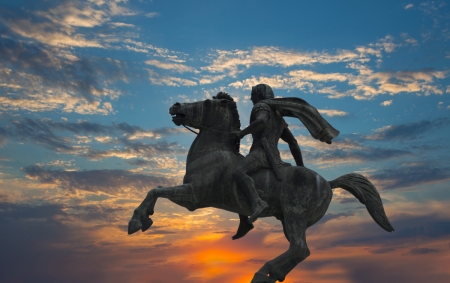
Follow Alexander the Great’s path across Egypt—historic cities, temples, and oases await. Discover history and plan your epic trip today.

Learn about Islamic Egypt’s transformation under powerful dynasties. Discover the stories that shaped Cairo’s history!
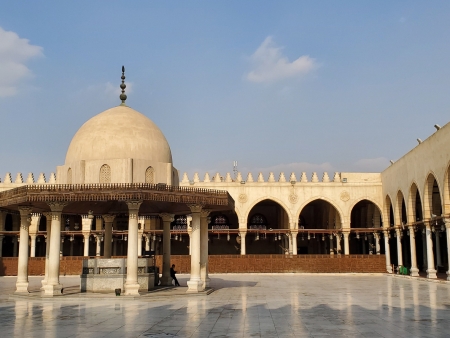
Learn about Amr Ibn Al-As: his life story, legacy, and vital role in shaping early Islamic history. Explore history's influential figures today.
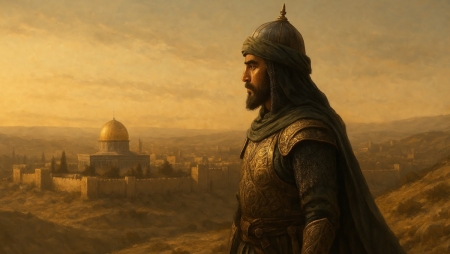
Learn about Salahuddin Ayyubi and his impact on Egypt. Visit monuments, uncover fascinating stories, and plan your historical adventure now!
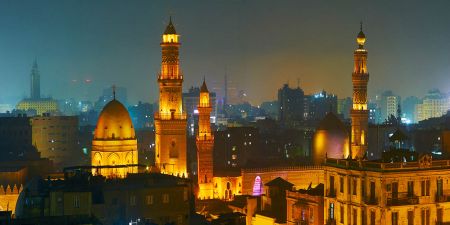
Journey through Ottomans in Egypt and witness the final chapters of Mamluk history. Get expert insights—start exploring the article today.

Learn how Mohamed Ali Egypt shaped the nation’s future. Uncover his achievements, reforms, and enduring legacy in Egyptian history.
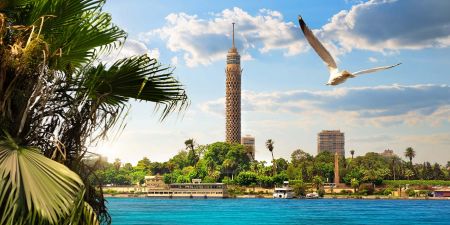
Uncover the dynamic story of Modern Egypt, tracing its journey and major transformations. Dive into the history that defines modern Egypt.
