
 Home
Home.jpg "Luxor Egypt Guide")
Luxor, once ancient Thebes, is a city overflowing with history—home to one-third of the world’s ancient monuments. Located 670 km south of Cairo, it combines a small modern city with an unparalleled archaeological landscape. Known as Waset by the ancient Egyptians and Thebes by the Greeks, Luxor takes its modern name from the Arabic al-uqsur, meaning “the palaces.”
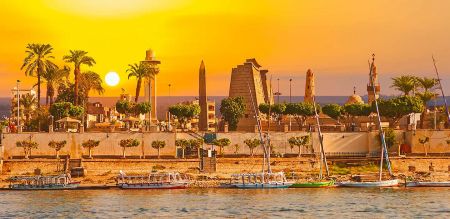
The Nile divides Luxor into two symbolic halves: the East Bank, representing life with its grand temples and bustling city, and the West Bank, representing death with its royal tombs, mortuary temples, and desert valleys. This duality reflects the ancient Egyptian worldview of life, death, and rebirth.
Why Luxor Matters
Ancient Thebes: Capital of Empire
For over 500 years during Egypt's New Kingdom (1550-1077 BC), Thebes served as the empire's capital and religious center. This was Egypt's golden age—when pharaohs like Hatshepsut, Thutmose III, Amenhotep III, Akhenaten, Tutankhamun, and Ramses II ruled an empire stretching from Syria to Sudan.
Thebes became extraordinarily wealthy. Tribute flowed from conquered territories. Gold came from Nubian mines. The city's population swelled to hundreds of thousands. Magnificent temples rose along the Nile. The Valley of the Kings is filled with royal tombs. Thebes was the ancient world's most powerful and impressive city, rivaling even Memphis in grandeur.
Though political power later shifted to other capitals, Thebes remained Egypt's religious heart. The god Amun, worshipped at Karnak Temple, became Egypt's supreme deity. Priests of Amun accumulated enormous wealth and influence, sometimes rivaling pharaohs themselves.
The Archaeological Treasure
Luxor's importance to understanding ancient Egypt cannot be overstated. The monuments here span centuries of pharaonic civilization, showing artistic and architectural evolution. The Valley of the Kings preserves some of ancient Egypt's finest tomb paintings. Karnak Temple demonstrates the ambitions of multiple pharaohs over 2,000 years. The tombs of nobles provide intimate glimpses into daily life.
Unlike many ancient sites destroyed or built over, Luxor's monuments survived remarkably intact. The dry climate preserved wall paintings, inscriptions, and structures. The relatively small modern city didn't completely cover ancient Thebes. Continuous archaeological work since the 1800s has revealed and restored these treasures, creating the world's premier destination for understanding ancient Egyptian civilization.
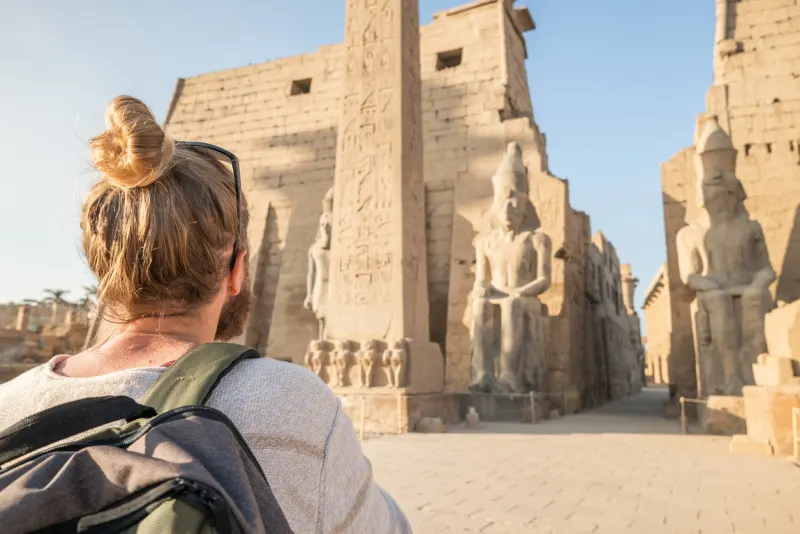
You'll find Luxor in southern Egypt, 670 km south of Cairo and 220 km north of Aswan on the Nile's east bank. Built on ancient Thebes, it's divided into East Bank (modern city, Karnak Temple, Luxor Temple) and West Bank (Valley of the Kings, royal necropolises). You can fly to Luxor International Airport (LXR).
East Bank: Temples of the Living
Karnak Temple Complex
The Scale: Karnak is the largest religious building ever constructed, covering over 100 hectares (247 acres). Walking through Karnak requires several hours—there's simply too much to see in one visit.
The History: Construction began around 2000 BC and continued for over 2,000 years. Nearly every pharaoh added something—a new temple, a pylon, a colonnade, an obelisk. The result is a complex palimpsest of Egyptian architectural history, each layer revealing different periods and styles.
The Great Hypostyle Hall: This is Karnak's masterpiece—134 massive columns arranged in 16 rows, the tallest reaching 21 meters (69 feet). Walking among these columns creates an almost overwhelming sense of awe. The columns were once brightly painted, and the hall was roofed, creating a mystical forest-like space filled with filtered light and shadows. The reliefs covering the columns and walls depict pharaohs making offerings to gods, military victories, and religious ceremonies.
The Sacred Lake: Priests performed ritual purifications in this large rectangular pool. Today, it's a serene spot where you can rest while exploring the vast complex.
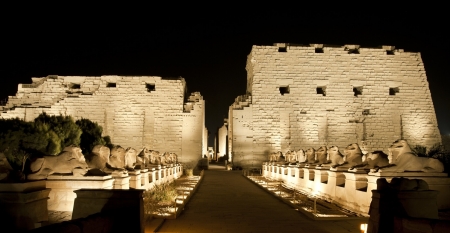
Other Highlights: The Avenue of Sphinxes (recently restored, connecting Karnak to Luxor Temple), the Festival Hall of Thutmose III, the White Chapel of Senusret I, numerous obelisks (one standing 29 meters tall, weighing 328 tons!), and countless smaller temples and shrines.
Sound and Light Show: Evening shows illuminate Karnak while narrating its history. While somewhat touristy, the nighttime atmosphere is magical, and seeing the columns lit up is spectacular.
Practical Tips: Visit early morning (6-7 AM when gates open) to beat heat and crowds. Bring water, hat, and sunscreen. Allow 3-4 hours minimum. Hire a knowledgeable guide to understand the complex's layout and history. Photography is allowed but no flash indoors. Entry fee approximately 400 EGP for foreigners.
Luxor Temple
Unlike Karnak's overwhelming size, Luxor Temple offers more manageable, intimate exploration while remaining spectacular. Built primarily by Amenhotep III and Ramses II (14th-13th centuries BC), it was dedicated to the Theban Triad—Amun, Mut, and Khonsu—and to the rejuvenation of kingship.
The Entrance: A massive pylon built by Ramses II features seated colossi of the pharaoh. Originally two obelisks flanked the entrance; one remains (the other stands in Paris's Place de la Concorde—a controversial 19th-century "gift").
The Court of Ramses II: Surrounded by double rows of columns with papyrus capitals, this open courtyard features more colossal statues of Ramses II. The colonnade creates beautiful light and shadow effects, especially during late afternoon.
The Colonnade of Amenhotep III: A processional way lined with 14 papyrus-capital columns, each 16 meters tall. The walls depict the Opet Festival, an annual celebration when statues of the Theban Triad journeyed from Karnak to Luxor Temple.
Unique Feature: A mosque built atop the temple in the 13th century AD still functions today. This unusual juxtaposition of Islamic and ancient Egyptian architecture demonstrates Luxor's continuous religious significance across millennia.
Night Visits: Luxor Temple is beautifully illuminated at night. The lighting creates dramatic effects, and the cooler evening temperatures make exploration more comfortable. The temple stays open until 10 PM.
Practical Tips: Allow 1.5-2 hours. Located in Luxor city center, easy to walk from many hotels. Entry fee approximately 260 EGP. Photography allowed without flash. Consider visiting twice—once during day, once at night—for different experiences.
Luxor Museum
This excellent modern museum houses artifacts from Luxor's monuments. While small, it's beautifully curated with well-lit displays and clear explanations (in English and Arabic). Highlights include magnificent statues from Luxor Temple's cachette (a hidden chamber where priests buried damaged statues), stunning jewelry, and mummies including Ahmose I.
The Mummification Museum, also on the East Bank, explains ancient Egyptian mummification processes with actual mummies, tools, and materials. Both museums provide valuable context for understanding the monuments.
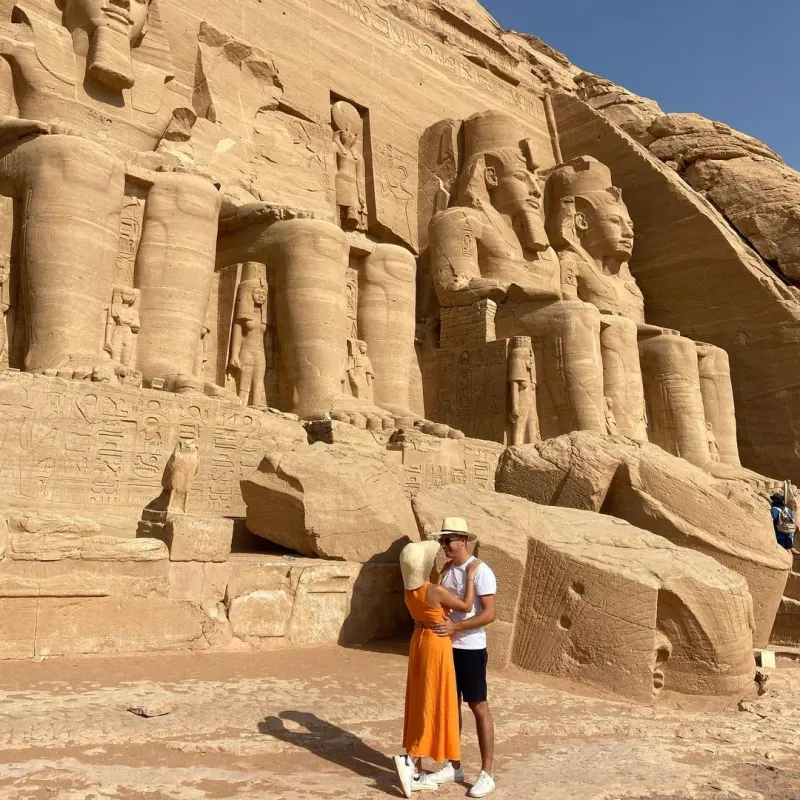
West Bank: The Necropolis
Valley of the Kings
This royal necropolis contains over 60 tombs carved into the Theban mountain, including Tutankhamun's. The valley was chosen for its isolation (easier to guard against tomb robbers) and because the natural pyramid-shaped peak (Al-Qurn) resembled the pyramid shape sacred to ancient Egyptians.
Standard Ticket: Includes entry to three tombs from a rotating selection (some tombs close periodically for conservation). The tombs vary in size, decoration quality, and preservation state, but all feature remarkable wall paintings depicting the pharaoh's journey through the afterlife.
Notable Tombs (Standard Ticket):
- Ramses IV (KV2): Long corridors with well-preserved paintings
- Ramses IX (KV6): Colorful astronomical ceiling
- Merenptah (KV8): Deep tomb with multiple chambers
- Ramses III (KV11): Side chambers with daily life scenes
Special Ticket Tombs:
- Tutankhamun (KV62): Requires separate ticket (400 EGP). Small but famous, contains the pharaoh's mummy and decorated burial chamber. Most of Tut's treasures are in Cairo's Egyptian Museum.
- Seti I (KV17): Requires separate expensive ticket (1,400 EGP). The longest and most beautifully decorated tomb in the valley, featuring exquisite relief work and vibrant colors.
Practical Tips: Visit early morning (6 AM opening) before heat and crowds. The valley is extremely hot with no shade—bring water, hat, sunscreen. Photography forbidden inside tombs (strictly enforced). A small tourist train runs from entrance to the tombs (optional, saves walking). Allow 2-3 hours. Base entry 400 EGP plus additional fees for special tombs.
Valley of the Queens
Smaller and less visited than the Valley of the Kings, this necropolis contains tombs of queens and royal children. The most spectacular is the Tomb of Nefertari (QV66), chief wife of Ramses II. Her tomb features some of ancient Egypt's finest paintings—vibrant colors, graceful figures, and exquisite detail. Due to conservation concerns, visitor numbers are strictly limited and tickets are expensive (1,800 EGP), but art lovers find it worthwhile.
Hatshepsut's Mortuary Temple (Deir el-Bahari)
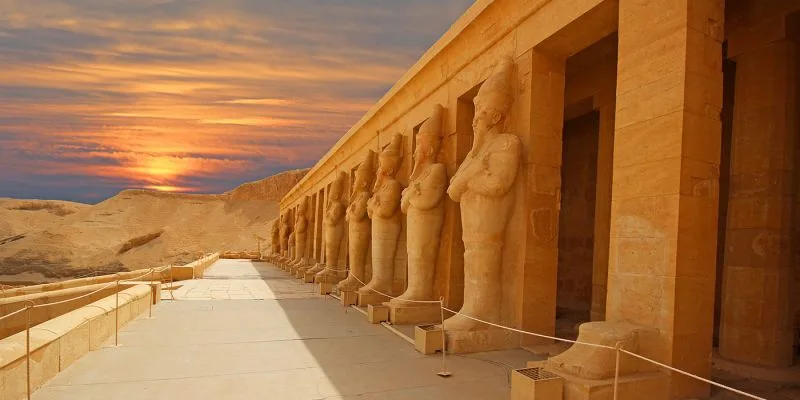
This stunning temple built into cliffs is one of ancient Egypt's architectural masterpieces. Queen Hatshepsut (one of Egypt's few female pharaohs) commissioned it as her mortuary temple, where priests would make offerings for her afterlife.
The temple's three colonnaded terraces rise in harmony with the natural cliff formations, creating dramatic visual impact. Reliefs depict Hatshepsut's divine birth, her famous expedition to Punt (probably modern Somalia), and religious ceremonies. The temple demonstrates how ancient Egyptians integrated architecture with landscape.
Medinet Habu (Ramses III Temple)
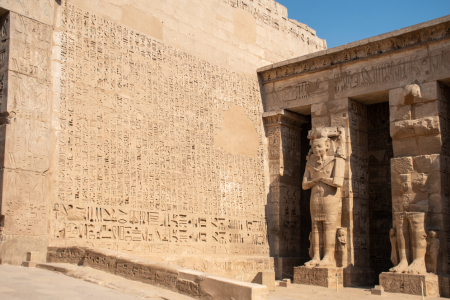
Often overlooked by tourists rushing to the Valley of the Kings, Medinet Habu is one of Luxor's best-preserved temples. Ramses III built this massive mortuary temple surrounded by fortified walls. The reliefs depict his military victories in vivid detail—naval battles, defeated enemies, triumphant pharaoh. The colors remain remarkably vibrant, and being less crowded than major sites, it offers peaceful exploration.
The Colossi of Memnon
These two massive stone statues (18 meters tall, weighing 720 tons each) once guarded Amenhotep III's mortuary temple (now destroyed). Originally depicting Amenhotep III seated, they're visible from the road and make a quick photo stop. Ancient Greeks named them after the legendary Memnon because one statue "sang" at dawn (caused by thermal expansion after earthquake damage—now repaired and silent).
Tombs of the Nobles
These private tombs of officials, priests, and nobles offer different perspectives than royal tombs. Less grand but often more intimate, they depict daily life scenes—farming, fishing, banqueting, hunting—providing insights into how ancient Egyptians lived. Many feature remarkably well-preserved paintings with vibrant colors. Several tomb groups exist; popular ones include the Tombs of Khonsu, Userhet, and Benia.
Yes, you can visit daily 6 AM-5 PM (winter) or 6 PM (summer). Your 400 EGP ticket includes 3 tombs. Tutankhamun requires separate 400 EGP ticket, Seti I requires 1,400 EGP. No photography allowed inside tombs. Visit early morning (6-8 AM) for cooler temperatures and fewer crowds.
Customize Your Dream Vacation!
Get in touch with our local experts for an unforgettable journey.
Plan Your Trip
Practical Luxor Information
When to Visit
- Best Overall (October-April): Pleasant temperatures (20-30°C), comfortable sightseeing weather, peak tourist season.
- Hot Summer (May-September): Very hot (35-45°C+), fewer tourists, lower prices, but exhausting heat makes outdoor exploration difficult. Monuments open early (6 AM) allowing cooler morning visits.
- Shoulder Seasons (March-April, October-November): Ideal weather, moderate crowds, good value.
How Long to Stay
Minimum: 2 days/1 night—East Bank one day, West Bank another Recommended: 3 days/2 nights—allows thorough exploration without rushing Comprehensive: 4-5 days—includes all major sites plus lesser-known tombs and temples
Getting to Luxor
- By Air: Luxor International Airport receives domestic flights from Cairo (1 hour), Sharm el-Sheikh, and Aswan. International charters from Europe operate seasonally.
- By Train: Comfortable overnight trains from Cairo (10-11 hours) with sleeper cars. First-class daytime trains also available.
- By Nile Cruise: Many visitors arrive via multi-day Nile cruises between Luxor and Aswan, stopping at temples en route.
- By Road: Private transfers from Hurghada (4 hours) or other locations possible but less common.
Getting Around Luxor
- East Bank: Walking possible for Luxor Temple and nearby areas. Taxis or Uber for Karnak Temple and museums.
- West Bank: Taxis essential as sites spread over large areas. Negotiate full-day rate (300-500 EGP depending on sites visited) or hire for individual trips. Bicycle rental available but challenging due to heat and distances.
- Nile Crossing: Public ferry (minimal cost) or motor boats connect East and West Banks.
Where to Stay
East Bank: More hotels, restaurants, and nightlife. Convenient for Luxor Temple and Karnak. Options from budget hostels to 5-star hotels. Nile-view hotels offer beautiful sunset views.
West Bank: Quieter, closer to Valley of the Kings. Smaller hotels and guesthouses, more authentic village atmosphere. Growing number of quality hotels.
Budget: $10-30/night (hostels, basic hotels) Mid-range: $40-100/night (comfortable hotels) Luxury: $150-400+/night (5-star Nile-view properties)
Engaging with Luxor
Before Your Visit
Read about New Kingdom history and major pharaohs (Hatshepsut, Akhenaten, Tutankhamun, Ramses II). Understanding who built what and when enhances appreciation. Learn basics about ancient Egyptian religion and afterlife beliefs—it explains why tombs were so elaborate.
During Your Visit
Hire knowledgeable guides at major sites—they bring reliefs and hieroglyphs to life with stories and explanations. Bring binoculars for viewing high relief details. Take time to sit quietly in temples absorbing atmosphere rather than rushing between photo ops. Visit some sites twice—different lighting at different times reveals new details.
Questions to Ponder: How did ancient Egyptians carve and transport these massive stones without modern technology? What motivated such enormous investment in afterlife preparation? How did they create pigments that remain vibrant 3,000 years later?
You'll enjoy the best weather November-March (20-28°C) though it's crowded. Shoulder seasons (October-November, March-April) offer ideal conditions with fewer tourists. Summer (May-September) brings extreme heat (35-45°C+) but fewer crowds and lower prices. Visit West Bank sites early morning during hot months.
You'll pay (2025 prices): Karnak Temple 400 EGP, Luxor Temple 260 EGP, Valley of the Kings 400 EGP (3 tombs), Tutankhamun tomb +400 EGP, Seti I tomb +1,400 EGP, Hatshepsut Temple 140 EGP. Students get 50% discount with valid ID. Photography forbidden in Valley of the Kings.
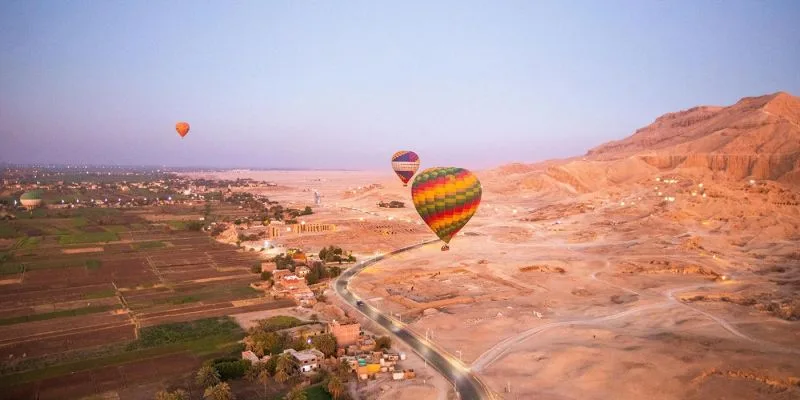
You should spend minimum 2 days: Day 1 for East Bank (Karnak, Luxor Temple), Day 2 for West Bank (Valley of Kings, Hatshepsut Temple, Medinet Habu). Ideally allow 3 days for thorough exploration including lesser sites. For comprehensive visits with hot air balloon rides, plan 4-5 days.
Yes, you'll be very safe with heavy security and tourist police at all sites. The 1997 incident was isolated; security is now extensively enhanced. Follow standard precautions: use licensed guides, ignore persistent vendors, dress modestly at temples. Women should confidently ignore any street harassment.
You can walk, take taxis, or use Uber on East Bank. For West Bank, you'll need taxis—negotiate full-day rates (300-500 EGP). Public ferry crosses the Nile cheaply from the Corniche. Organized tours include all transportation. Bicycle rental available but challenging due to heat and distances.
Explore the best temples and tombs with our Luxor Egypt Guide. Dive into ancient Thebes and start planning your trip today.
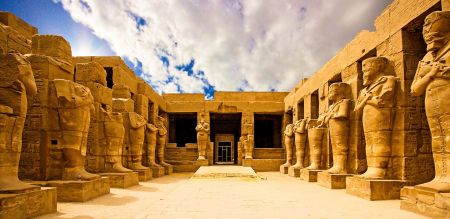
Located on the east bank of the Nile, Karnak Temple Complex consists of a number of temples. Its name was given as in Arabic Karnak means fortified village.
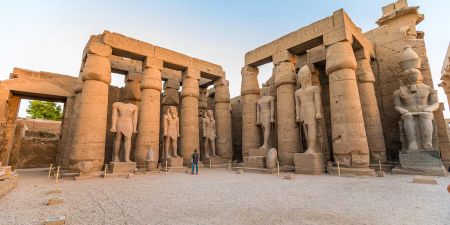
Your complete guide to Luxor Temple in Luxor, Egypt. Discover history, key attractions, and expert sightseeing tips for travelers.
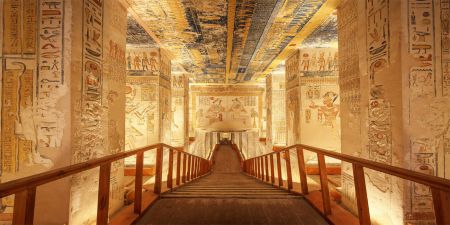
Your guide to the Valley of the Kings—best tombs, history, and insider facts. Get the knowledge you need and start planning your trip today.
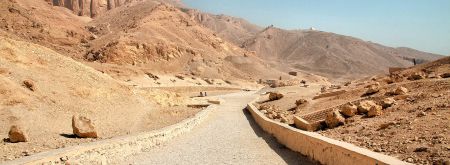
Step into history at the Valley of the Queens, Luxor. Explore royal tombs, ancient artifacts, and fascinating facts about this legendary site.
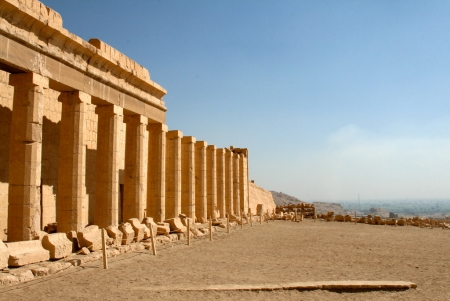
Uncover the history of the Temple of Hatshepsut Luxor. Learn about the remarkable Queen's mortuary temple and essential travel tips in our complete guide.
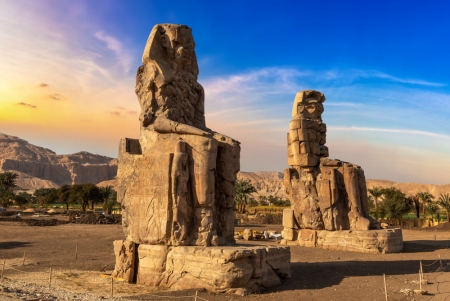
Stand before the Colossi of Memnon and witness Egypt’s engineering marvels. Discover their story and plan your West Bank sightseeing tour today.
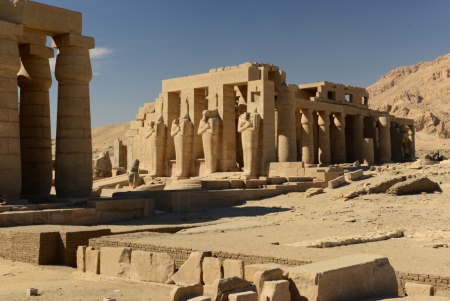
Learn about the Ramesseum in Luxor, Ramses II’s mortuary temple. Explore its history, statues, and hieroglyphs while planning your visit today.
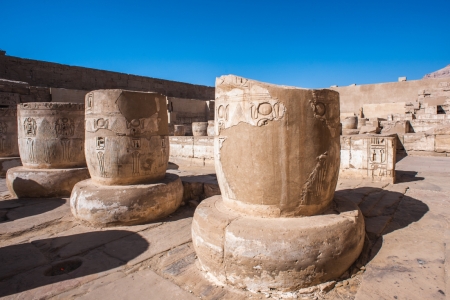
Learn why Medinet Habu is a must-see in Luxor, with its bright reliefs and rich history. Get key travel details and prepare your Egypt visit now!
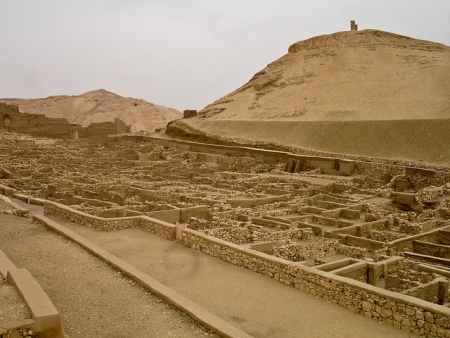
Discover the village of Pharaoh’s workers, where the skilled artisans of Deir el Medina created royal tombs, lived in unique homes, and practiced their craft over 3,000 years ago.
Explore the Tombs of the Nobles Luxor and discover vivid art scenes depicting ancient Egyptian daily life on this fascinating journey.