
 Home
Home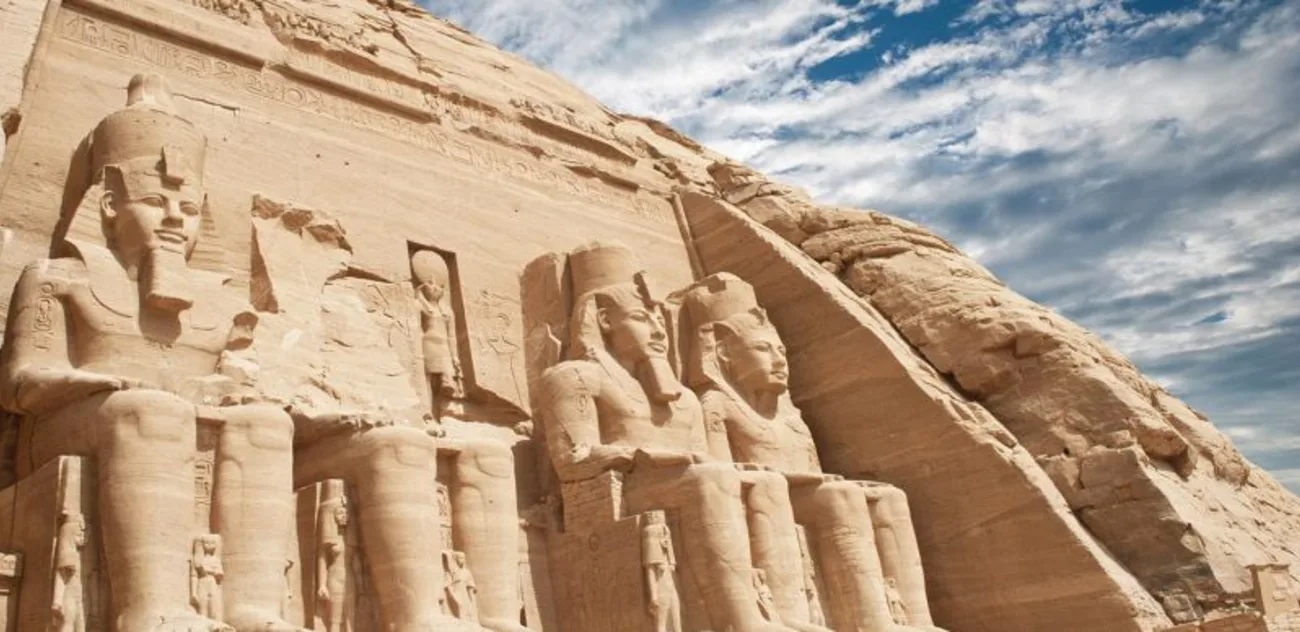
Abu Simbel is one of ancient Egypt’s most remarkable monuments, consisting of two colossal rock-cut temples built by Pharaoh Ramesses II in the 13th century BC in southern Egypt near the Sudanese border. Renowned for their monumental scale, engineering skill, and astronomical precision, the temples were famously saved in the 1960s through a UNESCO-led rescue operation that relocated them to higher ground to avoid flooding from Lake Nasser. Today, Abu Simbel continues to captivate visitors with its massive statues, richly decorated interiors, and the twice-yearly solar alignment that illuminates the inner sanctuary.
Historical Context: Ramesses the Great's Nubian Campaign
Ramesses II: Egypt's Most Prolific Builder
Ramesses II ruled Egypt for 66 years (1279-1213 BC) during the 19th Dynasty, one of the longest and most prosperous reigns in pharaonic history. He ascended the throne around age 25 and lived into his early 90s—an exceptional lifespan for ancient times that allowed him to outlive many of his children and witness unprecedented construction projects throughout his realm.
Ramesses earned his epithet "the Great" through extensive military campaigns, monumental building projects throughout Egypt, and successful diplomacy including the first recorded peace treaty with the Hittites after the Battle of Kadesh. He fathered over 100 children with numerous wives and concubines, ensuring dynastic succession and cementing political alliances through marriages.
As a builder, Ramesses surpassed all other pharaohs in scale and quantity of construction. He built or significantly modified temples at Abu Simbel, Luxor, Karnak, Abydos, Memphis, and numerous other sites. His mortuary temple (the Ramesseum) in Luxor and his additions to existing temples demonstrate his commitment to monumentalizing his reign and ensuring his eternal remembrance.
Nubia and Egypt's Southern Border
Nubia, the region south of Aswan stretching into modern Sudan, maintained complex relationships with Egypt for millennia. Rich in gold, hardwoods, ivory, incense, exotic animals, and mercenary soldiers, Nubia represented both economic opportunity and military threat to Egypt. During the New Kingdom, Egypt controlled Nubia through a military occupation administered by the Viceroy of Kush.
Nubian gold funded Egypt's military campaigns and building projects, while Nubian soldiers served in Egyptian armies. Egyptian religion, language, and culture significantly influenced Nubian elites, creating a hybrid Egypto-Nubian culture in border regions. Abu Simbel's location near the ancient border between Egypt and Nubia served strategic purposes—announcing Egyptian power and divine sanction to potentially rebellious Nubians while demonstrating pharaonic piety and devotion to Egyptian audiences.
Construction and Purpose
Ramesses II ordered Abu Simbel's construction early in his reign, around year 5, with work continuing for approximately 20 years until around year 24. Thousands of workers excavated an estimated 300,000 cubic meters of sandstone to create the temple interiors, cutting directly into the cliff face rather than building free-standing structures.
The temples served multiple purposes: religious dedication to the gods Re-Horakhty, Ptah, and Amun, plus the deified Ramesses II himself; political demonstration of pharaonic power to Nubians through overwhelming display of might and resources; ideological celebration of Ramesses II's military victories and presentation as Egypt's protector and champion of the gods; astronomical precision through solar alignment demonstrating Egyptian knowledge and connecting the pharaoh to the sun god Re-Horakhty; and personal honor for Ramesses II's beloved wife Nefertari with her own temple, an unusual gesture showing genuine affection or exceptional political importance.
Abu Simbel is located in far southern Egypt approximately 280 kilometers (174 miles) south of Aswan city, near the Sudanese border on the western shore of Lake Nasser. The temples sit about 850 kilometers (530 miles) south of Cairo in the Nubian region. Due to its remote location, Abu Simbel requires either domestic flight, organized bus tour, or Lake Nasser cruise to reach from Aswan.
The Great Temple of Ramesses II
The Colossal Facade
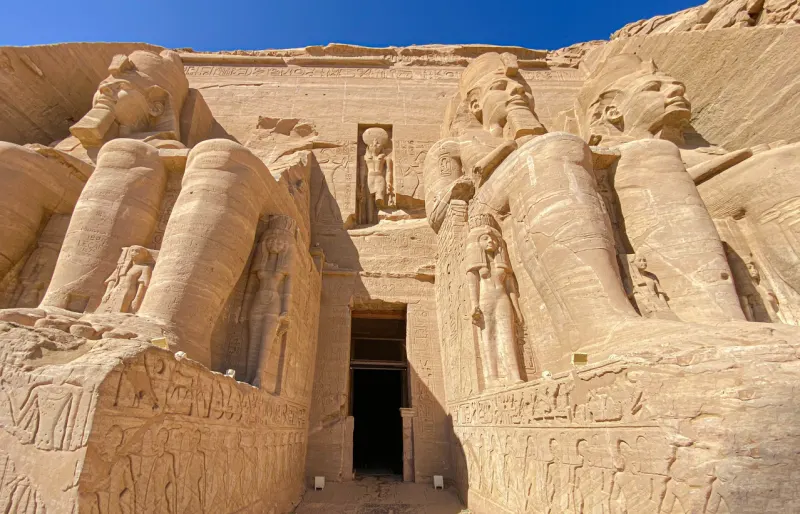
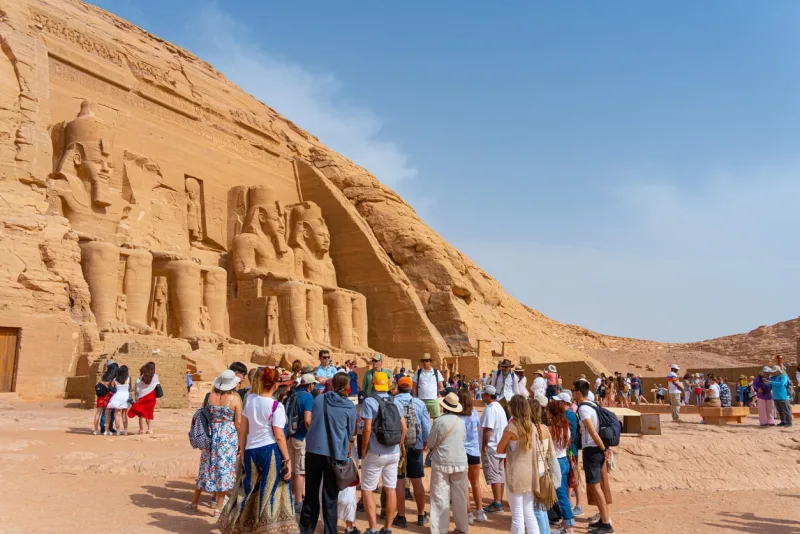
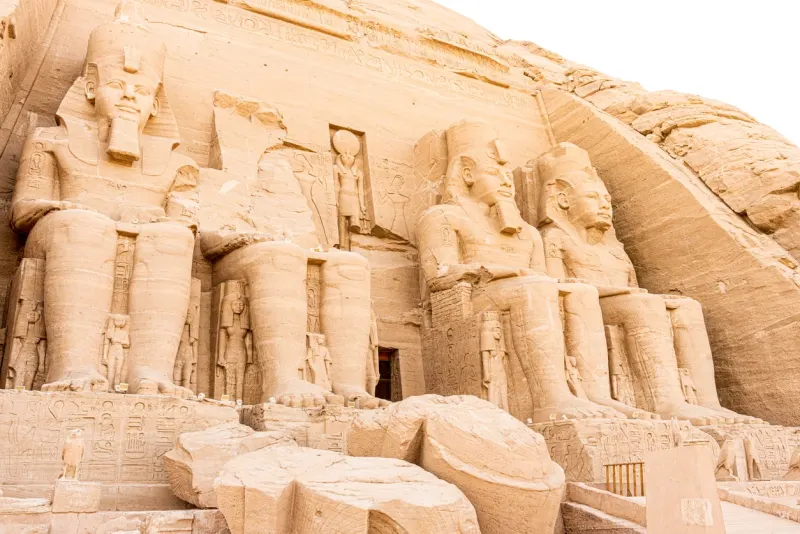
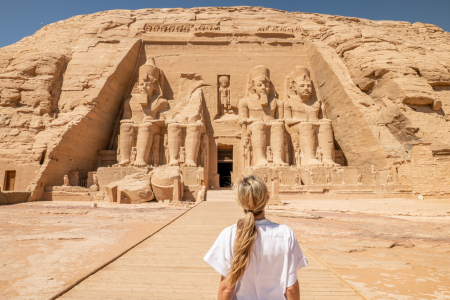
The Great Temple's facade features four colossal seated statues of Ramesses II, each approximately 20 meters (66 feet) tall and carved from the living rock. The pharaoh sits in traditional pose on a throne, wearing the double crown of Upper and Lower Egypt, holding royal insignia, and gazing eastward toward the rising sun. The statues' scale overwhelms viewers—each face stands nearly 4 meters tall, and visitors standing at the statues' feet feel dwarfed by the massive legs towering overhead.
The second statue from the left suffered earthquake damage in antiquity, with its upper portion collapsing. The broken fragments remain where they fell, adding to the site's dramatic appearance and providing evidence of ancient natural disasters. Smaller figures carved at the colossal statues' feet and between legs depict members of Ramesses II's family including his mother Queen Tuya, his beloved wife Nefertari, and several of his many children.
Hieroglyphic inscriptions covering available surfaces list the pharaoh's names and titles, ensuring his identity would never be forgotten. Above the entrance, a niche contains a statue of Re-Horakhty, the falcon-headed sun god to whom the temple is primarily dedicated. Flanking this niche, raised relief carvings show Ramesses making offerings to the gods.
A row of 22 baboon statues crowns the temple facade, each approximately 2 meters tall. Baboons were associated with Thoth (god of wisdom) and with greeting the rising sun, making them appropriate guardians for this solar-aligned temple. The baboons' original vibrancy (traces of paint remain) would have made them visible from great distances across the desert.
Interior Splendor and Decoration
Beyond the facade, the temple penetrates 63 meters into the cliff through a series of chambers and corridors. The hypostyle hall immediately inside features eight 10-meter-tall Osiride pillars (statues of Ramesses as Osiris) lining the hall, four on each side. The walls feature vivid relief carvings depicting Ramesses II's military victories, particularly detailed scenes of the Battle of Kadesh (1274 BC) against the Hittites.
The Kadesh battle scenes show Egyptian and Hittite forces in combat, Ramesses leading charges in his chariot, enemy soldiers falling before Egyptian weapons, and the Egyptian camp's organization. These propagandistic reliefs present Ramesses as a valiant warrior personally turning the tide of battle, though historical accounts suggest the battle ended inconclusively despite these heroic depictions.
Other military scenes show campaigns against Libyans, Syrians, and Nubians, reinforcing the temple's message of Egyptian military dominance. The artistic quality of these battle scenes ranks among ancient Egypt's finest relief carving, with dynamic compositions showing movement, emotion, and narrative progression.
Deeper into the temple, a smaller pillared hall features four square pillars supporting the ceiling. Wall decorations show Ramesses and Nefertari making offerings to various deities, emphasizing the royal couple's piety and divine approval. The sanctuary, the innermost chamber, contains four seated statues carved from the living rock: Re-Horakhty (the falcon-headed sun god), the deified Ramesses II, Amun-Re (king of the gods), and Ptah (god of craftsmen and creation).
The Solar Phenomenon
The temple's precise east-west orientation allows sunlight to penetrate the entire 63-meter length to illuminate the sanctuary statues on two specific dates annually. This solar alignment required extensive astronomical calculations and extraordinary construction accuracy—even minor deviations in angle would cause the sunlight to miss the sanctuary.
The two dates originally corresponded to significant occasions in Ramesses II's reign, believed to be his birthday and coronation anniversary (though scholars debate the exact significance). The UNESCO relocation shifted these dates by one day to October 22 and February 22—a remarkable achievement considering the complex calculations required to maintain the alignment when moving the entire temple.
During the solar phenomenon (now celebrated as the Abu Simbel Sun Festival), sunlight sequentially illuminates Re-Horakhty first, then Amun-Re, then the deified Ramesses II, while Ptah remains in shadow. Ptah, associated with the underworld, appropriately remains in darkness. The event lasts approximately 20 minutes before the sun's angle shifts and the sanctuary returns to relative darkness.
The Small Temple of Nefertari
A Queen's Honor
Approximately 140 meters north of the Great Temple stands the smaller temple dedicated to Queen Nefertari and the goddess Hathor. While smaller than Ramesses' temple, this structure remains substantial and represents one of very few occasions where an Egyptian pharaoh dedicated a temple to his queen rather than exclusively to deities.
Nefertari, whose name means "Beautiful Companion," served as Ramesses II's Great Royal Wife during his early reign. She appears prominently in art and inscriptions from Ramesses' first 25 years but then largely disappears from historical record, suggesting she died around mid-reign. The Abu Simbel temple and Nefertari's magnificent tomb in the Valley of the Queens (QV66, considered Egypt's most beautiful tomb) demonstrate Ramesses' devotion to her.
Temple Architecture and Decoration
The Small Temple's facade features six colossal standing statues, each about 10 meters (33 feet) tall: four of Ramesses II and two of Nefertari, all carved from the living rock. This near-equality in statue numbers and sizes (Nefertari's statues are only slightly smaller) reflects the queen's exceptional status and Ramesses' affection. The Nefertari statues show the queen wearing Hathor's headdress with cow horns and sun disk, identifying her with the goddess.
Between and beside the colossal statues stand smaller figures representing royal children. Hieroglyphic inscriptions praise both Ramesses and Nefertari, with dedications describing Nefertari as "the one for whom the sun shines." The temple interior, though simpler than the Great Temple, features beautifully carved and painted reliefs. The hypostyle hall's six Hathor-headed columns support the ceiling decorated with stars and vultures.
Wall reliefs show Ramesses and Nefertari offering to various gods, battle scenes with Ramesses defeating enemies, and the royal couple in divine company. The sanctuary contains a statue of the sacred Hathor cow protecting a figure of Ramesses, symbolizing divine protection. The overall artistic program emphasizes Nefertari's divine status and close relationship with Hathor, goddess of love, beauty, music, and motherhood.
Customize Your Dream Vacation!
Get in touch with our local experts for an unforgettable journey.
Plan Your Trip
The UNESCO Rescue: Engineering Triumph
The Threat of Submersion
When Egypt decided to construct the Aswan High Dam in the 1960s to control Nile flooding, generate hydroelectric power, and provide year-round irrigation, planners recognized the project would create Lake Nasser, one of the world's largest artificial lakes. The lake would inundate the entire Nubian region, submerging ancient monuments including Abu Simbel beneath hundreds of feet of water.
The international archaeological community recognized this impending cultural catastrophe. UNESCO launched an international campaign to save the most significant monuments, with Abu Simbel as the flagship project due to its exceptional importance and the technical challenges involved.
The Relocation Process
Between 1964 and 1968, engineers and archaeologists undertook one of history's most ambitious archaeological projects. The solution: cut both temples into manageable blocks and reassemble them on artificial hills 65 meters higher and 200 meters back from their original locations, above the future lake's waterline.
Workers carefully cut the temples into 1,036 blocks weighing up to 30 tons each using hand saws to avoid vibrations from mechanical cutting that might crack the ancient sandstone. Each block was numbered and its position precisely documented for reassembly. Engineers constructed massive reinforced concrete domes inside artificial hills to support the reassembled temples, designed to look natural from outside while providing structural strength.
Workers reconstructed the temples block by block, matching pieces like an enormous three-dimensional puzzle. Joints between blocks were filled with fine mortar and surfaces treated to make joins less visible. The artificial hills were shaped to resemble the original cliff and the area landscaped to restore as much original context as possible.
The project cost approximately $40 million (about $300 million in 2024 dollars) funded by international donations coordinated by UNESCO. Fifty countries contributed funds, equipment, expertise, and labor, making this a truly global heritage preservation effort. The rescue succeeded spectacularly, with the reassembled temples appearing virtually identical to their original state.
The Abu Simbel Sun Festival
Twice annually on October 22 and February 22, thousands gather at Abu Simbel before dawn to witness the solar phenomenon. The Egyptian government organizes official celebrations featuring traditional Nubian music and dance performances, folklore demonstrations, food vendors, special entrance arrangements, and media coverage.
Around 6:00 AM, as the sky brightens, anticipation builds. When the sun rises above the horizon, its first rays strike the temple facade, illuminating the colossal statues in golden light. As the sun continues rising, the rays angle through the entrance and begin penetrating into the temple interior.
Visitors allowed inside watch the light beam creep through the hypostyle hall, second hall, and finally reach the sanctuary where sunlight sequentially illuminates Re-Horakhty, Amun-Re, and the deified Ramesses II while Ptah remains in shadow. The entire process takes about 20 minutes before the sun's angle shifts. After the main event, celebrations continue with performances and festive activities throughout the morning.
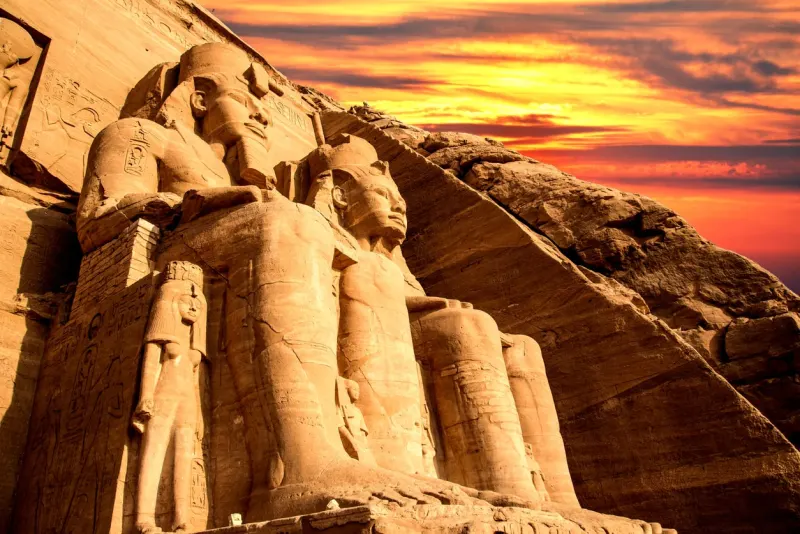
The Abu Simbel Sun Festival occurs twice yearly (October 22 and February 22) when the rising sun's rays penetrate 63 meters through the temple to illuminate three statues in the inner sanctuary: Re-Horakhty, Ramesses II, and Amun-Re, while Ptah (god of the underworld) remains in shadow. This astronomical phenomenon demonstrates ancient Egyptian knowledge and architectural precision. Originally the dates marked Ramesses II's birthday and coronation anniversary. Thousands gather to witness this spectacular event.
Visiting Abu Simbel: Practical Information
Getting There from Aswan
Daily flights from Aswan to Abu Simbel (30-40 minutes) offer the most comfortable option. Tourist buses depart Aswan around 4:00 AM, traveling in convoys (approximately 3-4 hours each way). Lake Nasser cruises (3-4 days) stop at various temples before reaching Abu Simbel. Private arrangements are possible but must follow convoy regulations.
Best Time and Duration
October to March offers comfortable temperatures (15-25°C). October 22 and February 22 see massive crowds for the Sun Festival—book well ahead. April to September is extremely hot (35-45°C) with fewer tourists and lower prices. Morning light provides best facade illumination.
Plan 2-3 hours to explore both temples, photograph exteriors, tour interiors, visit the museum, and walk along Lake Nasser. Day trips from Aswan typically provide 1.5-2 hours at the site. Overnight stays in Abu Simbel village allow sunset and sunrise visits when lighting is dramatic and crowds minimal.
What to Bring
Essential items include sun protection (hat, sunscreen, sunglasses), water (at least 1-2 liters), comfortable walking shoes, light breathable clothing, camera with extra batteries, Egyptian pounds for purchases, and a warm layer for early morning flights or drives.
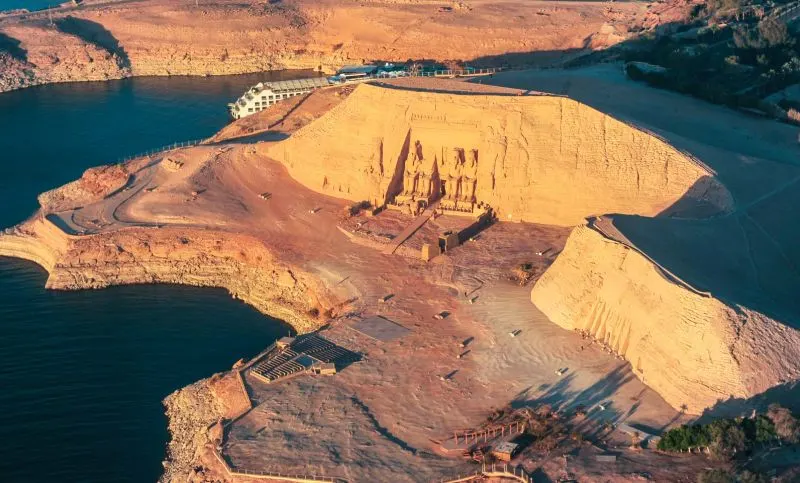
You can reach Abu Simbel by: (1) domestic flight from Aswan (30-40 minutes, most convenient), (2) organized bus tour departing around 4:00 AM for 3-4 hour desert drive each way, (3) private car/taxi following security convoy regulations, or (4) Lake Nasser cruise (3-4 days) stopping at multiple Nubian temples. Most visitors choose either daily flights or early morning bus tours for day trips from Aswan.
In the 1960s, Egypt's construction of the Aswan High Dam created Lake Nasser, which would have submerged Abu Simbel and numerous other Nubian monuments under hundreds of feet of water. UNESCO led an international effort from 1964-1968 to cut the temples into 1,036 blocks and reassemble them on artificial hills 65 meters higher and 200 meters back from the original location, preserving them for future generations in archaeology's greatest rescue operation.
Allow 2-3 hours minimum to explore both temples (Great Temple of Ramesses II and Small Temple of Nefertari), photograph exteriors, tour decorated interiors, visit the small museum, and walk along Lake Nasser viewing temples from various angles. Day trips from Aswan typically provide 1.5-2 hours at the site. Staying overnight in Abu Simbel village allows more time for sunset/sunrise views and avoiding peak crowds.
Yes, Abu Simbel village has several hotels including the Seti Abu Simbel Lake Resort (mid-range), Eatabe Camp (simple eco-lodge), and Nefertari Hotel (budget). Overnight stays enable seeing the temples at sunset and sunrise when lighting is dramatic and crowds minimal, experiencing the evening Sound and Light Show, and avoiding rushed day-trip schedules. However, most tourists visit on day trips from Aswan due to better accommodation options there.
Abu Simbel temples typically open from 6:00 AM to 6:00 PM in summer and 6:00 AM to 5:00 PM in winter. Hours may extend during the Sun Festival dates (October 22 and February 22). The evening Sound and Light Show runs several times weekly at sunset (schedule varies by season). Check current opening times before visiting as they occasionally change, and arrive early for best experience with fewer crowds.
Absolutely! Abu Simbel ranks among Egypt's most spectacular monuments. The colossal statues, intricate interior carvings, dramatic desert and lake setting, remarkable UNESCO relocation story, and astronomical solar alignment make it essential viewing. Despite the early morning required for day trips (4:00 AM bus departure or 6:00 AM flight) or expense of flights, virtually everyone who visits considers it worthwhile and often the highlight of their Egypt trip.


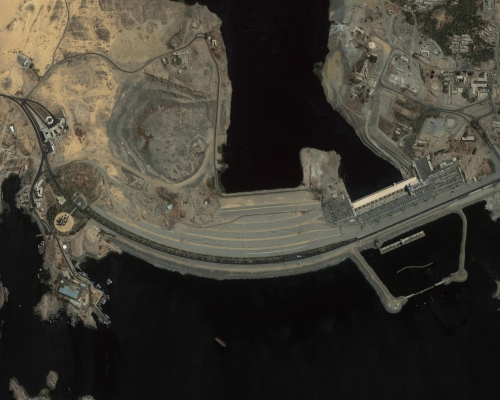
Aswan High Dam Located in the middle of the Egyptian Desert is one of the largest embankment dams of the world, Aswan High Dam. Known as Saad el Aali in Arabic Aswan High Dam is one of the greatest engineering miracles of this world.
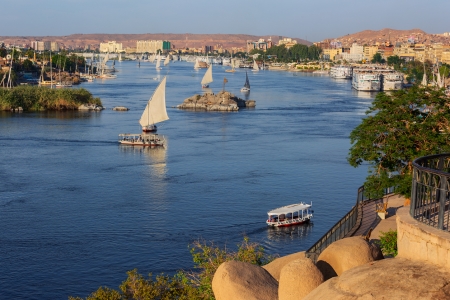
Aswan City is a tranquil Nile-side destination known for its ancient temples, Nubian heritage, and stunning river scenery.
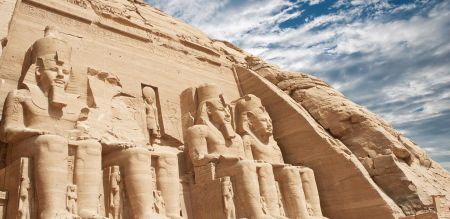
Visit Abu Simbel Temples Egypt to marvel at Ramesses II's spectacular monuments. Uncover ancient history and breathtaking architecture.
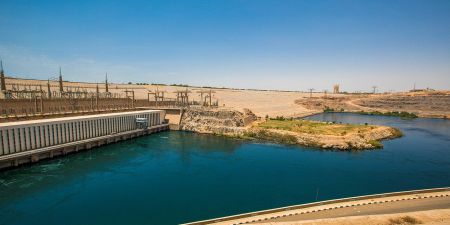
Discover the Aswan High Dam Egypt—an engineering marvel shaping the Nile and Lake Nasser. Explore its history, impact, and legacy.
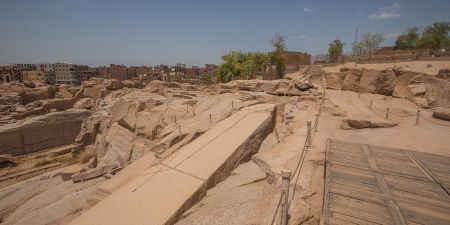
Explore Aswan High Dam Egypt, a groundbreaking structure behind Lake Nasser. Learn about its construction, benefits, and lasting significance.
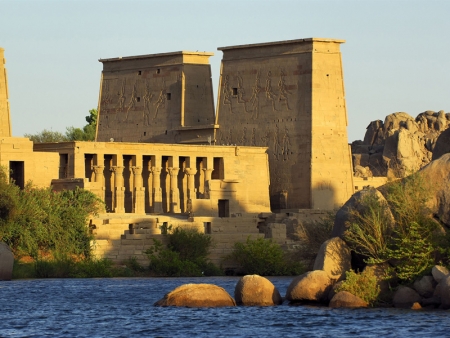
Uncover the wonders of Philae Temple Aswan—an ancient island temple dedicated to Isis. Experience the mesmerizing sound and light show.
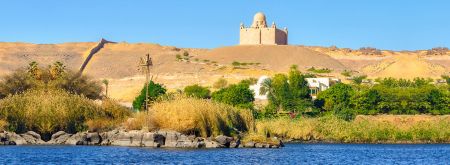
Discover Elephantine Island Aswan—wander ancient ruins and experience the charm of an authentic Nubian village on the Nile's enchanting shores.

Uncover Nubian heritage at the Nubian Museum Aswan. Explore ancient art, history, and culture in this UNESCO-recognized treasure.

Read our travel wiki about Aswan Botanical Garden and explore its plants, history, and educational importance in Aswan.
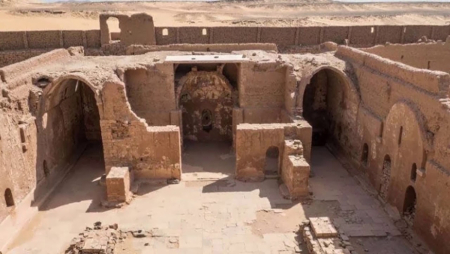
Learn about the monastery of st simeon and the tombs of the nobles in Aswan, their history, architecture, and significance. Start exploring now.