
 Home
Home
The Lighthouse of Alexandria, also known as the Pharos of Alexandria, stood as one of the Seven Wonders of the Ancient World and remains one of history's most remarkable architectural achievements. Rising majestically on the eastern tip of Pharos Island in Alexandria's harbor, this colossal structure guided sailors safely to port for over 1,500 years, serving as both a technological marvel and an enduring symbol of ancient Egypt's Greco-Roman legacy.
Built during the reign of Ptolemy II Philadelphus (280-247 BC), though begun under his father Ptolemy I Soter, the lighthouse represented the pinnacle of Hellenistic engineering and architectural ambition. Standing between 100-130 meters (330-430 feet) tall, it was among the tallest man-made structures in the world for centuries, surpassed only by the Great Pyramid of Giza. The Pharos Lighthouse illuminated the Mediterranean coast, saved countless ships from treacherous rocks, and announced Alexandria's importance as the intellectual and commercial capital of the ancient Mediterranean world.
Historical Context: Alexandria's Strategic Maritime Gateway
Founding of Alexandria
When Alexander the Great founded Alexandria in 331 BC, he envisioned a city that would connect the Mediterranean world with Egypt and the East. The location proved strategically brilliant but navigationally challenging. The coastline featured dangerous limestone reefs and no natural landmarks to guide ships, while the Nile Delta created shifting currents and sandbars that threatened maritime traffic.
Alexander's city rapidly grew into the ancient world's most important port, becoming the capital of Ptolemaic Egypt and a center of learning, culture, and commerce. The famous Library of Alexandria and the Musaeum attracted scholars from across the known world, while ships laden with grain, papyrus, and luxury goods departed for ports throughout the Mediterranean.
The Need for a Lighthouse
As Alexandria's maritime traffic increased, the need for a navigational beacon became critical. The Pharos Island, lying just off the coast and connected to the mainland by a causeway called the Heptastadion, provided the perfect location for a lighthouse. Ptolemy I Soter initiated the project shortly before his death, but his son Ptolemy II Philadelphus completed the construction around 280 BC.
The Greek architect Sostratus of Cnidus designed this masterpiece, though ancient sources debate the extent of his contribution. Some accounts suggest he served as the financial patron while Greek engineers executed the actual design. Regardless, Sostratus ensured his name survived by reportedly inscribing it beneath a layer of plaster dedicated to Ptolemy, knowing that time would eventually reveal his hidden signature.
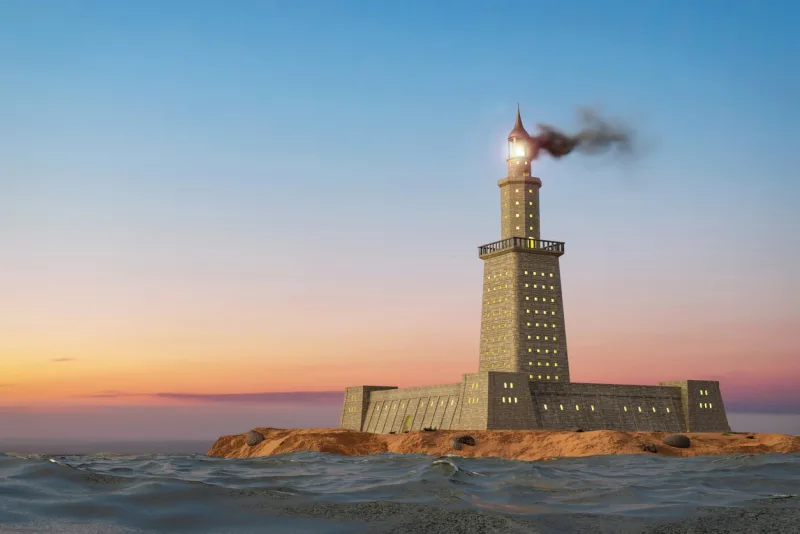
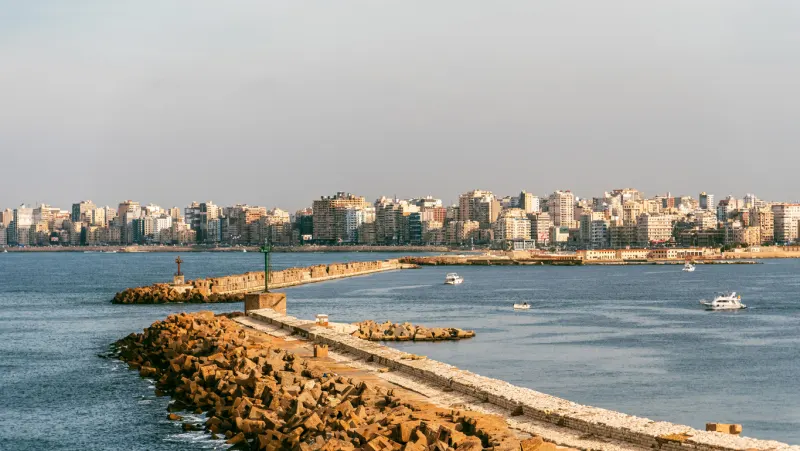
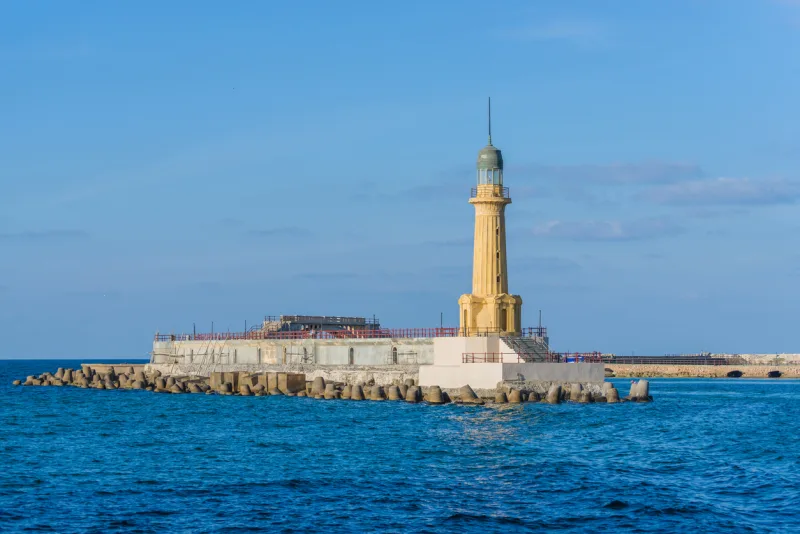
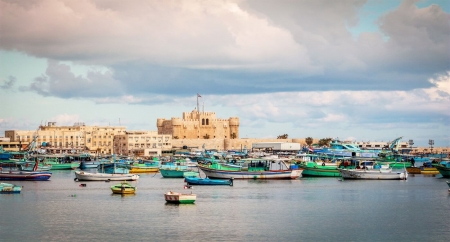
The Lighthouse of Alexandria stood on the eastern tip of Pharos Island in Alexandria's harbor, connected to the mainland by a causeway. Today, the Citadel of Qaitbay occupies this exact location on the Mediterranean coast of Alexandria, Egypt.
Architectural Marvel: Design and Construction
Three-Tiered Structure
Ancient descriptions and archaeological evidence suggest the Pharos Lighthouse featured three distinct tiers, each with different shapes and purposes:
The Square Base (First Tier): The lowest section rose approximately 55-60 meters (180-197 feet) and featured a massive square base measuring about 30 meters (98 feet) on each side. This section contained an estimated 300 rooms that housed maintenance workers, guards, and storage for fuel and supplies. A hydraulic system using ramps or elevators transported fuel to the upper levels.
The base incorporated materials that would withstand Alexandria's coastal environment: massive limestone blocks, many weighing over 75 tons, formed the core structure. These were dressed with gleaming white marble that reflected sunlight, making the lighthouse visible from great distances even during the day. Some accounts mention that mortar mixed with molten lead reinforced the blocks, creating joints stronger than the stone itself.
The Octagonal Middle Section (Second Tier): Rising approximately 30 meters (98 feet), the middle section transitioned to an octagonal shape. This architectural feature may have served both aesthetic and engineering purposes, helping distribute wind forces and creating visual interest. This level likely contained the machinery and fuel storage necessary for maintaining the fire.
The Cylindrical Top (Third Tier): The cylindrical tower rose another 10-15 meters (33-49 feet) and housed the light chamber at its summit. Here, a great fire burned continuously, tended by workers who fed it with wood and possibly other combustibles. A sophisticated mirror system—likely crafted from polished bronze or perhaps even early glass mirrors—reflected and intensified the firelight, projecting it far out to sea.
The Guiding Light
The light source itself represented remarkable ancient technology. Historical accounts describe a fire burning in the chamber at the lighthouse's summit, amplified by a complex mirror system. Some ancient writers claimed the light could be seen from up to 35 miles (56 kilometers) away, though modern estimates suggest 30 miles as more realistic. The mirrors not only reflected light but possibly focused it into a beam, creating an early form of searchlight.
Legends grew around the lighthouse's mirrors, with some sources claiming they could detect ships far beyond the horizon or even serve as burning glasses to set enemy vessels aflame—stories that likely represent myth more than reality. However, the basic technology of using mirrors to amplify light was genuine and revolutionary for its time.
Crowning Glory: The Statue
At the very top of the lighthouse stood a statue, though its subject remains disputed. Some accounts describe a statue of Zeus (the Greek sky god), others Poseidon (god of the sea), while still others claim it depicted Helios (the sun god) or even the reigning Ptolemy. The statue likely stood 5-7 meters (16-23 feet) tall and served as both decoration and symbol of divine protection for ships entering the harbor.
Life and Operation of the Pharos
Daily Maintenance
Operating the Pharos Lighthouse required a dedicated staff working around the clock. Workers hauled fuel up the tower's interior ramps or elevators, tended the fire, cleaned and adjusted the mirrors, and performed constant maintenance on the structure. The physical demands were enormous—transporting tons of wood and other fuel materials daily up hundreds of feet required systematic organization and considerable workforce.
Weather monitoring also formed part of the lighthouse keepers' duties. They would signal approaching storms or dangerous conditions to ships, serving as an early warning system for Alexandria's harbor. The lighthouse thus functioned as both beacon and meteorological station.
Strategic Importance
Beyond navigation, the Pharos served military purposes. Guards stationed in the tower could spot approaching fleets long before they reached the coast, giving Alexandria crucial warning time. During periods of conflict, this early warning system proved invaluable, allowing the city to prepare defenses or close the harbor before hostile forces arrived.
The lighthouse's cultural significance matched its practical utility. It appeared on Roman coins, ancient mosaics, and in countless written descriptions, making it one of antiquity's most famous landmarks. Travelers journeyed to Alexandria specifically to see this wonder, just as modern tourists visit famous monuments today.
Legacy and Influence
Architectural Impact
The Pharos Lighthouse influenced architecture across the ancient world and beyond. The word "lighthouse" in several Romance languages derives directly from Pharos—French "phare," Italian and Spanish "faro," Portuguese "farol," and Romanian "far." This linguistic legacy demonstrates the structure's lasting cultural impact.
The three-tiered design influenced later lighthouse construction throughout the Roman Empire and beyond. Medieval Islamic architects incorporated Pharos-inspired elements into minarets, while European Renaissance architects studied ancient descriptions when designing their own towers and monuments.
Maritime Revolution
The Pharos represented a revolution in maritime safety and commercial navigation. Before its construction, night sailing near coastlines posed extreme dangers. The lighthouse enabled year-round, around-the-clock shipping, dramatically increasing Alexandria's port capacity and commercial importance. This innovation spread throughout the Mediterranean, with coastal cities establishing their own lighthouse systems.
Customize Your Dream Vacation!
Get in touch with our local experts for an unforgettable journey.
Plan Your Trip
Destruction and Disappearance
Gradual Decline
The Pharos Lighthouse stood for approximately 1,500 years—an extraordinary testament to ancient engineering. However, time and nature gradually took their toll:
Arab Conquest (641 AD): When Arab forces conquered Egypt, they found the lighthouse still operational, though showing signs of age. Arab writers provided detailed descriptions that preserve much of what we know about the structure.
Earthquakes: A series of devastating earthquakes in the Mediterranean region between the 10th and 14th centuries progressively damaged the lighthouse. Major earthquakes in 956, 1303, and 1323 AD caused increasing destruction.
Final Collapse: The massive earthquake of 1303 AD caused catastrophic damage, and the structure completely collapsed by 1323 AD. By this time, Alexandria had declined in commercial importance, and the resources to repair such a massive structure no longer existed.
Medieval Transformation
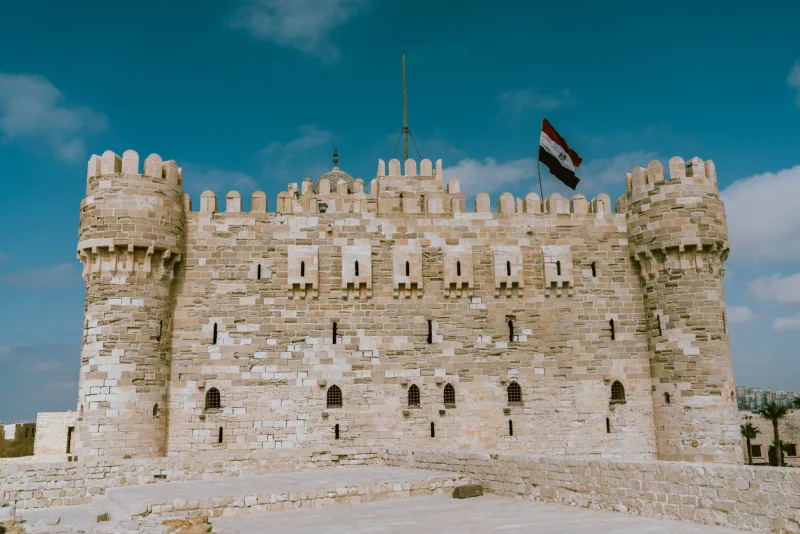
In 1480 AD, the Mamluk Sultan Qaitbay used stones from the lighthouse ruins to construct a defensive fortress on the same site. The Citadel of Qaitbay still stands today, incorporating ancient Pharos blocks within its walls—creating a tangible link between ancient wonder and medieval fort.
Archaeological Discoveries
Underwater Excavations
In 1994, French archaeologist Jean-Yves Empereur led underwater archaeological expeditions in Alexandria's Eastern Harbor. The team discovered over 3,000 architectural fragments submerged near Qaitbay Fortress, including:
- Massive stone blocks with distinctive Ptolemaic-era construction features
- Column sections and capitals
- Statue fragments, including possible pieces from the crowning statue
- Sphinx sculptures that may have decorated the lighthouse terrace
These discoveries confirmed many ancient descriptions and provided physical evidence of the Pharos's construction methods and decorative elements. The submerged ruins create an underwater archaeological site that continues yielding discoveries.
Modern Visualization
Archaeologists and computer scientists have created detailed 3D reconstructions based on ancient descriptions, archaeological evidence, and engineering analysis. These reconstructions help modern audiences visualize this lost wonder and understand its unprecedented scale and architectural sophistication.
Construction began around 290 BC under Ptolemy I Soter and was completed around 280 BC under Ptolemy II Philadelphus. The lighthouse operated for approximately 1,500 years before being destroyed by earthquakes between 956 and 1323 AD, with final collapse occurring after the 1303 AD earthquake.
Visiting the Pharos Site Today
Qaitbay Fortress
Visitors to Alexandria can explore the Citadel of Qaitbay, built on the exact location of the ancient Pharos. The fortress itself represents impressive Mamluk military architecture, while its foundation incorporates stones from the original lighthouse. Standing on the fortress walls, visitors can imagine the ancient wonder that once rose from this strategic promontory.
The fortress now houses a maritime museum featuring exhibits on Alexandria's naval history, including information and reconstructions of the Pharos Lighthouse. The views from the fortress walls across the Mediterranean echo the perspectives ancient travelers would have experienced approaching Alexandria by sea.
Underwater Museum Projects
Plans have been discussed for creating an underwater museum at the Pharos site, allowing visitors to see the submerged ruins through clear-bottomed boats, submarine viewing chambers, or even diving expeditions. While these plans have faced funding and conservation challenges, they demonstrate Alexandria's desire to showcase this underwater archaeological treasure.
The Pharos in Popular Culture
The Pharos Lighthouse continues capturing imaginations worldwide. It appears in:
- Historical novels and films set in ancient Alexandria
- Video games featuring ancient wonders
- Documentary series on ancient engineering
- Educational curricula worldwide as a symbol of human achievement
- Tourism marketing for Alexandria and Egypt
Scientific and Historical Significance
Engineering Insights
Modern engineers studying ancient descriptions and archaeological evidence have gained insights into Ptolemaic construction techniques, materials science, and architectural problem-solving. The lighthouse's longevity demonstrates sophisticated understanding of foundation engineering, structural stability, and material durability that continues informing modern practice.
Cultural Symbol
The Pharos represents more than engineering prowess—it symbolizes the cosmopolitan, intellectual culture of Hellenistic Alexandria. A city that blended Egyptian, Greek, Jewish, and eventually Roman cultures created a structure guiding people safely home from around the known world. This universal mission resonates across cultures and eras.
Historical accounts suggest the Pharos Lighthouse stood between 100-130 meters (330-430 feet) tall, making it one of the tallest man-made structures of the ancient world. It was second in height only to the Great Pyramid of Giza among ancient constructions.
While the original lighthouse no longer exists, visitors can explore the Citadel of Qaitbay fortress built on the same site in 1480 AD using stones from the lighthouse ruins. The fortress features a maritime museum with Pharos exhibits, and underwater ruins can be seen nearby.
The Pharos was designated a Wonder for its unprecedented height, innovative engineering, technological sophistication (mirror system and continuous fire), architectural beauty, and practical importance in guiding ships safely to Alexandria's harbor for over 1,500 years.
Over 3,000 architectural fragments lie submerged in Alexandria's Eastern Harbor, discovered by underwater archaeologists in the 1990s. Stone blocks from the lighthouse were also incorporated into the Citadel of Qaitbay. These fragments provide physical evidence of the ancient structure.
The lighthouse operated using a large fire maintained continuously at the top of the structure, approximately 130 meters above sea level. Sophisticated bronze or glass mirrors reflected and amplified the firelight, projecting it up to 30 miles out to sea to guide ships safely to Alexandria's harbor.
Alexandria offers numerous ancient sites including the Catacombs of Kom el-Shuqafa, the Roman Amphitheater, Pompey's Pillar, the Greco-Roman Museum, and the modern Bibliotheca Alexandrina (commemorating the ancient Library of Alexandria). The city's entire Eastern Harbor contains submerged ancient ruins.


Discover how Ein El Sokhna Port drives Egypt’s trade and opens the door to unforgettable cruise tours and shore excursions.
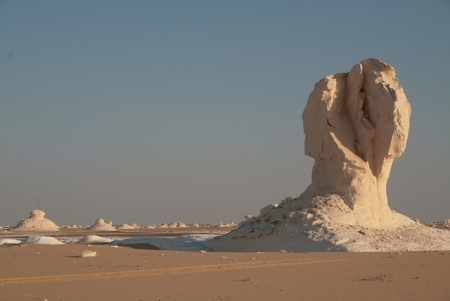
Western Desert in Egypt is one of the vastest desert areas in the world, containing 5 oases: Siwa, farafra, Dakhla, Baharia and Kharga. Click here to explore more with Memphis Tours!
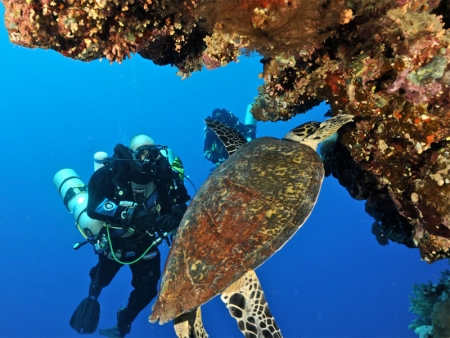
The Red Sea is a conductor between the continents Africa and Asia. It connects the Indian Ocean at the south through the Gulf of Aden. Sinai Peninsula and the gulf of Aqaba are located in the north to the Red Sea.
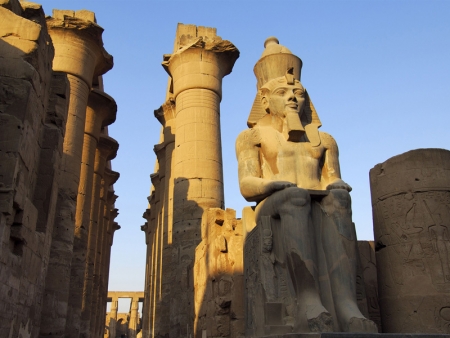
Luxor, the city with the most impressive Pharaonic Monuments. Valley of the Kings, the Theban Necropolis and Karnak, are all few kilometers away from the city of Luxor.
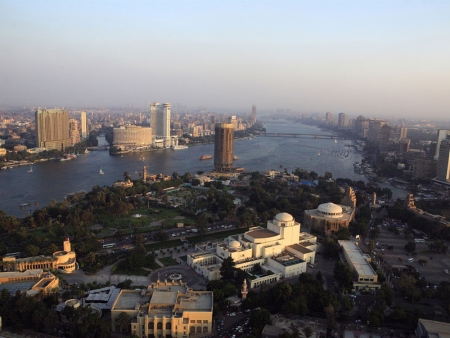
Cairo is the largest city in Africa, and the capital of Egypt, was founded by the Fatimids and the word Cairo means (Victorious). Click here to know more about Cairo history, places and the sightseeing you can watch through Memphis Tours!
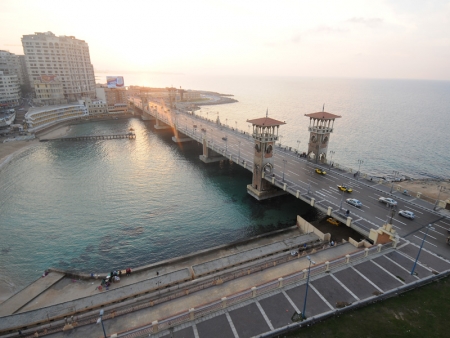
Universally known as The Pearl of the Mediterranean, Alexandria is located on the Mediterranean Sea North West Delta, 140 miles from Cairo by agricultural road and 137 miles by desert road.
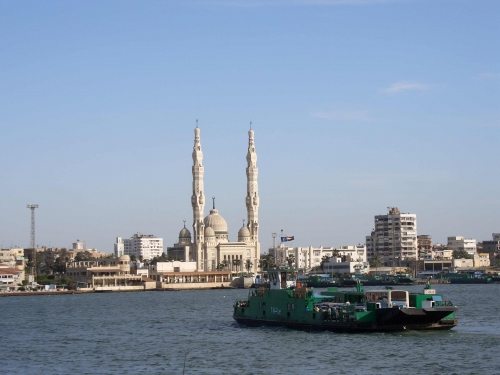
Port Said is one of the canal cities which located in north east Egypt for about 30 km along the Mediterranean Sea coast, north of the Suez Canal, with population of 603,788 The city was erected in 1859 at the same time of building the Suez Canal.
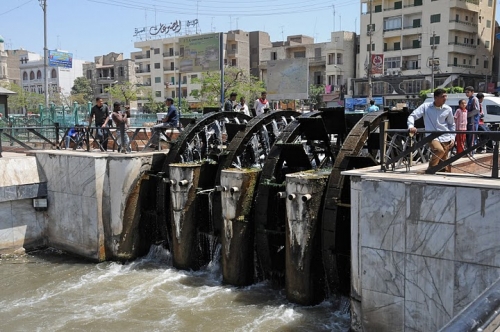
Named after the Coptic word phiom or pa – yom ,meaning lake or sea, the triangular depression of the Fayoum looks like a delta.
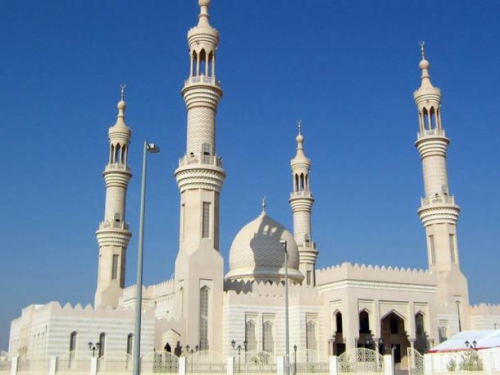
El Sharkia Governorate was the twelfth province of Lower Egypt; its Capital was Bobastis which became later The Capital of Egypt.
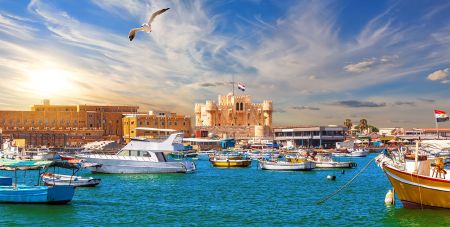
Immerse yourself in the rich history of Alexandria, Egypt. Explore ancient landmarks, stunning architecture, and incredible attractions. Find out the top things to see in Alexandria, Egypt, and create unforgettable memories.
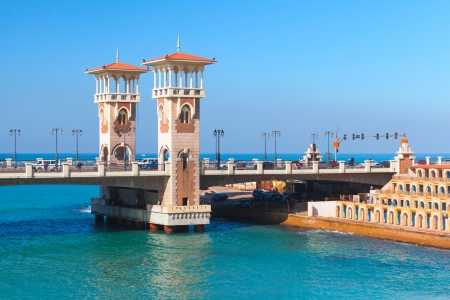
Experience the City of Alexandria’s historic charm! Find top Alexandria Attractions, activities, and sights perfect for every visitor to enjoy.

Learn about Pompey's Pillar, the iconic ancient monument in Alexandria. Uncover its fascinating history and plan your visit to this historic site.
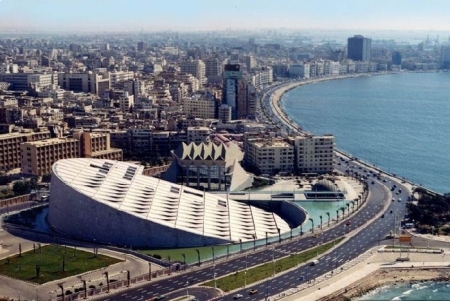
The Library of Alexandria remains history’s greatest mystery. Uncover its cultural treasures and legacy—read more and explore now.
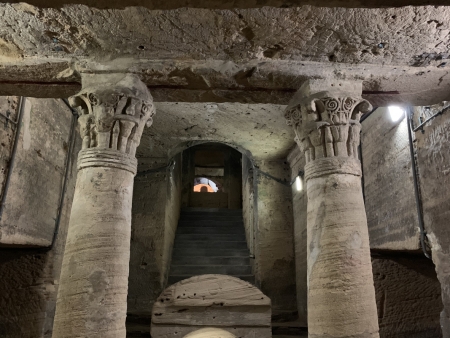
Explore the legendary Catacombs of Kom El Shoqafa. Learn about the unique Alexandria catacombs and their mysterious, ancient past.
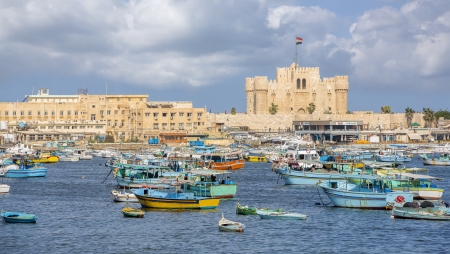
Visit Qaitbay Citadel in Alexandria, Egypt’s timeless fortress by the Mediterranean. Explore its fascinating stories, architecture, and scenic views.
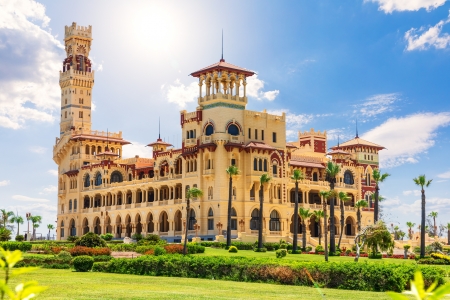
Explore Montazah Palace, Alexandria's royal gem. Enjoy lush gardens, historic architecture, and unforgettable views during your visit.
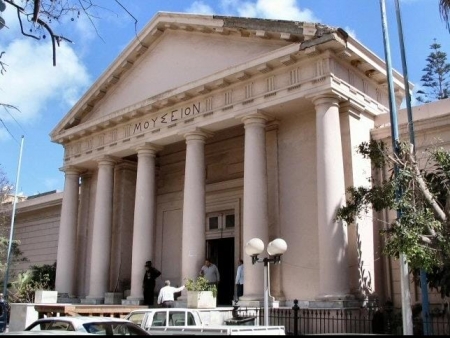
Step into history at the Greco-Roman Museum Alexandria. Explore fascinating Greco-Roman artifacts and discover Alexandria's ancient heritage now.
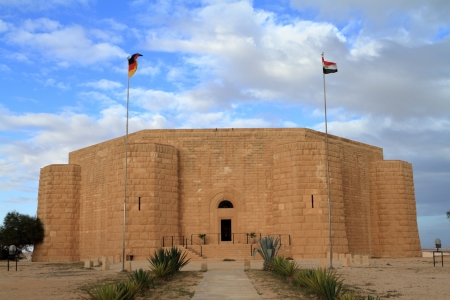
Explore the history of El Alamein Egypt, where fierce desert battles shaped a nation. Learn about its enduring legacy and visitor highlights.

Learn about the Lighthouse of Alexandria, a marvel of ancient engineering and one of the Seven Wonders of the World. Dive into its remarkable story.