
 Home
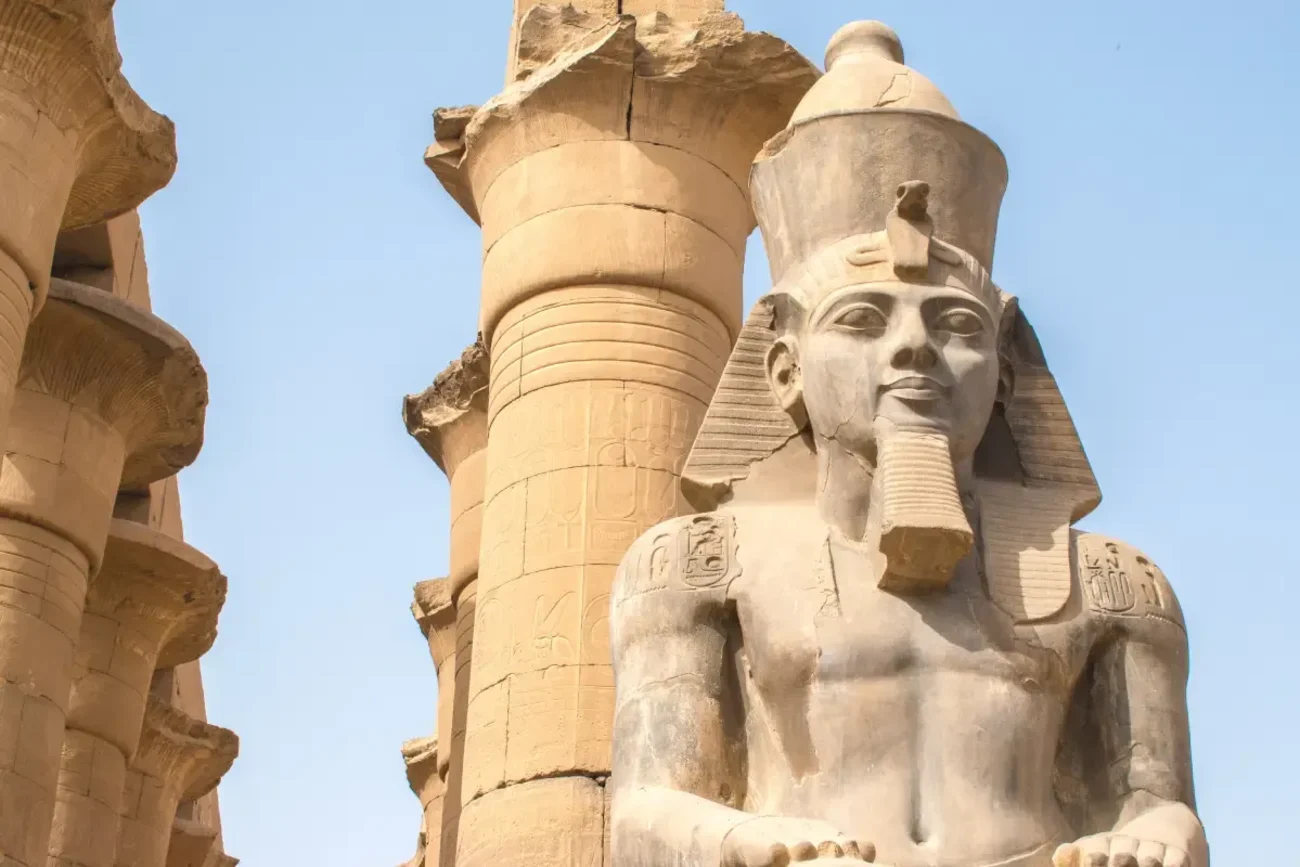
The most famous Ramses II statue is the 11-metre red granite colossus that now greets visitors in the Grand Hall of the Grand Egyptian Museum near Giza. Other giant figures of the king lie at Memphis, sit at Abu Simbel and guard Luxor Temple. New finds keep coming: a missing upper half found at El Ashmunein in 2024 was rejoined and re-erected in early 2026.
Table of Contents
- Ramses II Statues Compared: Location, Size and Discovery Date
- Who Was Pharaoh Ramses II?
- The Grand Egyptian Museum Colossus of Ramses II
- The Memphis Ramses Statue at Mit Rahina
- New Discoveries in Egypt: The Latest Ramses II Statue Found
- Colossi of Ramses II at Abu Simbel and Luxor
- Where Is the Ramses II Mummy Today?
- Timeline: Key Moments in the Story of the King’s Statues
- What the Colossi of Ramses II Reveal About Pharaonic Power
- FAQs About the Ramses II Statues
1.Ramses II Statues Compared: Location, Size and Discovery Date
- Standing colossus: Grand Egyptian Museum, Giza. Red granite, about 11 m, 83 tons. Found at Mit Rahina in 1820.
- Reclining colossus: Open-air museum, Mit Rahina (Memphis). Limestone, about 10 m long. Found in 1820.
- Seated colossus: El Ashmunein (Hermopolis), Minya. Limestone, about 6.7 m, over 40 tons. Lower half 1930, upper half 2024.
- Upper half of a large statue: Storage in Sharqiya, under restoration. About 2.2 m, 5–6 tons. Found in April 2026.
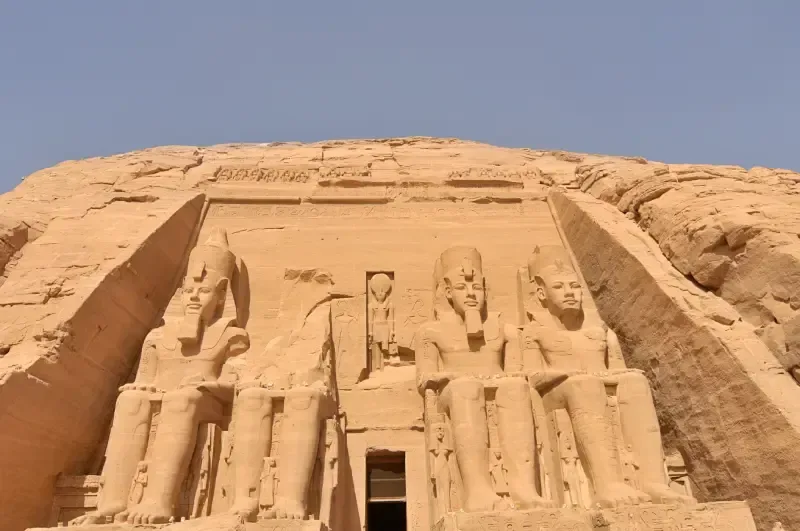
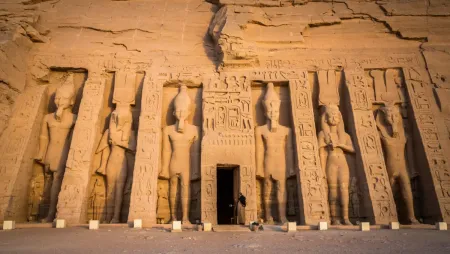
- Four seated colossi: Great Temple, Abu Simbel. Carved sandstone, about 20 m each. Temple moved 1963–1968.
- Two seated, one standing figure: Pylon of Luxor Temple. Stone, up to about 14 m. Still in place.
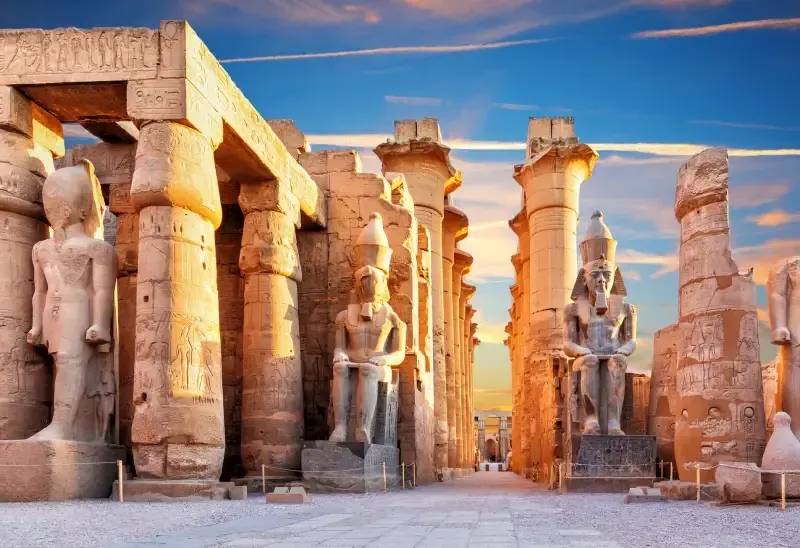
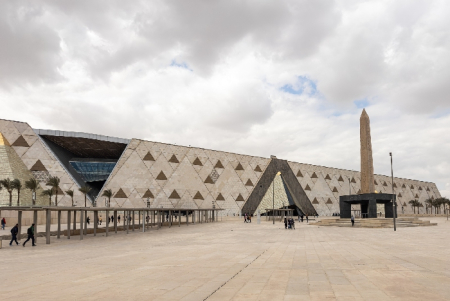
The most famous one stands in the Grand Hall, or atrium, of the Grand Egyptian Museum near the Giza Pyramids.
It is an 11-metre red granite colossus weighing about 83 tons.
It was found at Mit Rahina in 1820, stood in Cairo's Ramses Square from 1955 to 2006, and moved into the museum in January 2018.
2.Who Was Pharaoh Ramses II?
Pharaoh Ramses II, also spelled Ramesses, ruled Egypt from about 1279 to 1213 BC. He was the son of Seti I and Queen Tuya and belonged to the 19th Dynasty of New Kingdom Egypt. He became king at about 25 to 30 years old and reigned for around 67 years. He fought the Hittites at the Battle of Kadesh and later signed one of the first known peace treaties with them. See our full Ramesses II guide.
Why Did Ramses II Build So Many Statues?
Ramses II wanted every Egyptian, and every foreign visitor, to see his power. He built huge temples from Nubia to the Nile Delta and filled them with giant images of himself. He also had his name carved onto older monuments. As a result, his face appears on more ancient Egyptian sculpture than almost any other ruler. Many of these Egyptian statues were later moved, reused or broken, which is why new pieces still turn up today.
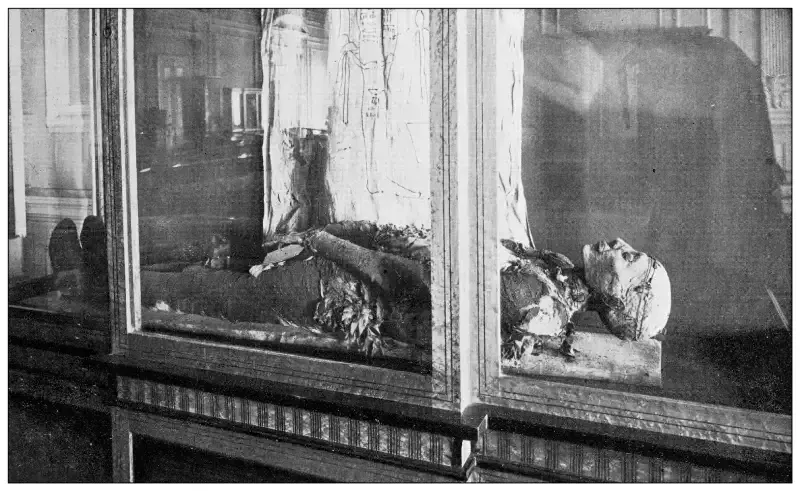
Ramses II, also called Ramesses the Great, was a pharaoh of Egypt's 19th Dynasty.
He ruled from about 1279 to 1213 BC, during the New Kingdom.
He is known for the Battle of Kadesh, one of the first known peace treaties, and for building huge temples such as Abu Simbel.
Customize Your Dream Vacation!
Get in touch with our local experts for an unforgettable journey.
Plan Your Trip
3.The Grand Egyptian Museum Colossus of Ramses II
The best-known colossus of Ramses II is carved from red granite. It stands about 11 metres tall, weighs about 83 tons and is roughly 3,200 years old. It was found in 1820 at Mit Rahina, the site of ancient Memphis, broken into six pieces. In 1955, President Gamal Abdel Nasser had it rebuilt in a busy square in central Cairo, which was renamed Ramses Square in its honour.
For fifty years, traffic fumes and train vibrations damaged the stone. On 25 August 2006, engineers moved the statue in one piece to a site near the Giza Pyramids. On 25 January 2018, it made a final 400-metre journey into the atrium of the new Grand Egyptian Museum. The museum was officially opened on 1 November 2025, and the king now welcomes visitors at its entrance.
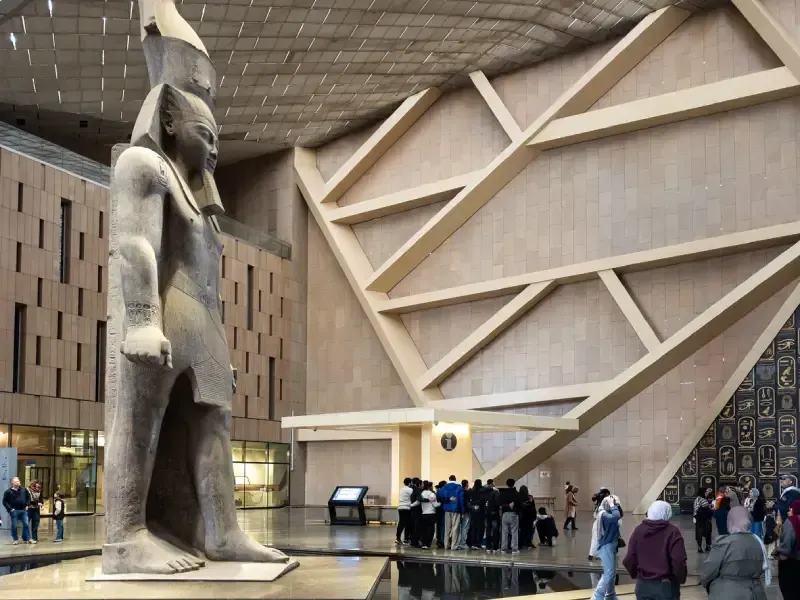
The colossus of Ramses II at the Grand Egyptian Museum is about 11 metres (36 feet) tall and weighs around 83 tons.
It is carved from red granite and is roughly 3,200 years old.
It is the first giant object visitors see when they enter the museum, and it is one of its most photographed pieces.
4.The Memphis Ramses Statue at Mit Rahina
The second giant found at Memphis in 1820 never left. Italian explorer Giovanni Battista Caviglia discovered both figures near the southern gate of the Temple of Ptah. This one is made of limestone and measures about 10 metres long. Its feet and base are broken, so it lies on its back inside a building made to protect it. A balcony lets visitors look down on the king's face. In the 19th century, it was offered to the British Museum, which refused because shipping would cost too much.
Memphis was Egypt's first capital, and its small open-air museum also displays an alabaster sphinx and other ancient Egyptian artifacts. Most travellers visit on a day tour to the Pyramids, Memphis and Sakkara.
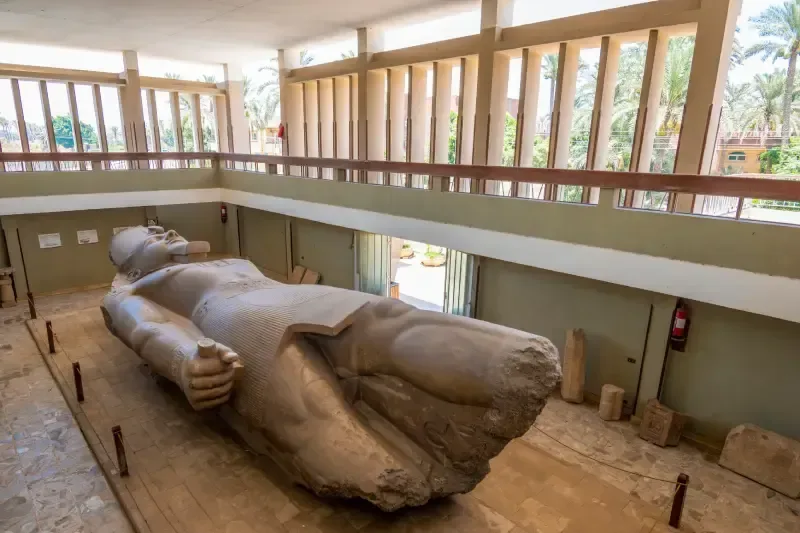
Yes.
The open-air museum at Mit Rahina, the site of ancient Memphis, lies south of Cairo, a short drive from Giza.
It displays the reclining limestone colossus of Ramses II and an alabaster sphinx.
Many visitors combine it with Saqqara and the Giza Pyramids.
Check opening hours and ticket prices before you go.
5.New Discoveries in Egypt: The Latest Ramses II Statue Found
El Ashmunein: A 1930 Puzzle Solved in 2024
El Ashmunein, ancient Hermopolis, lies about 250 km south of Cairo in Minya. In 1930, German archaeologist Günther Roeder found the lower half of a large seated statue there. In March 2024, an Egyptian–American mission led by Basem Gehad and Yvona Trnka-Amrhein of the University of Colorado Boulder found the missing upper half. The limestone piece is about 3.8 metres tall. It shows the king in a double crown topped with a royal cobra, with his titles carved on the back (Live Science).
Work to dismantle, restore and move the two halves began in September 2025. In February 2026, officials announced that the statue had been rejoined and set up in front of the temple's northern entrance. The finished figure stands about 6.7 metres high and weighs more than 40 tons (Finestre sull'Arte).
Tell El-Faraoun, Sharqiya: April 2026
On 22 April 2026, Egypt announced another find in the eastern Nile Delta. An Egyptian mission working at Tell El-Faraoun in El-Husseiniya uncovered the upper half of a large statue. Officials believe it shows Ramses II, based on its royal details. The surviving part is about 2.2 metres tall and weighs an estimated 5 to 6 tons. It may once have been part of a group of three statues. The legs and base are missing (Ahram Online).
Experts say the figure was moved and reused in ancient times, a common practice in the New Kingdom. It has been taken to storage for restoration. Its final museum home had not been announced at the time of writing.
The Matariya Colossus: A Case of Mistaken Identity
Not every "Ramses" find is Ramses. In March 2017, a huge quartzite statue was pulled from groundwater in Cairo's Matariya district, near a temple of Ramses II. Headlines first named the great pharaoh. However, an inscription on its back pillar showed that it most likely depicts Psamtik I, a 26th Dynasty king who ruled from 664 to 610 BC (Archaeology Magazine).
In March 2024, an Egyptian–American mission found the upper half of a seated limestone statue of Ramses II at El Ashmunein in Minya.
The piece is about 3.8 metres tall and shows the king in a double crown.
Its lower half had been found at the same site in 1930 by Günther Roeder.
6.Colossi of Ramses II at Abu Simbel and Luxor
The Abu Simbel Temples
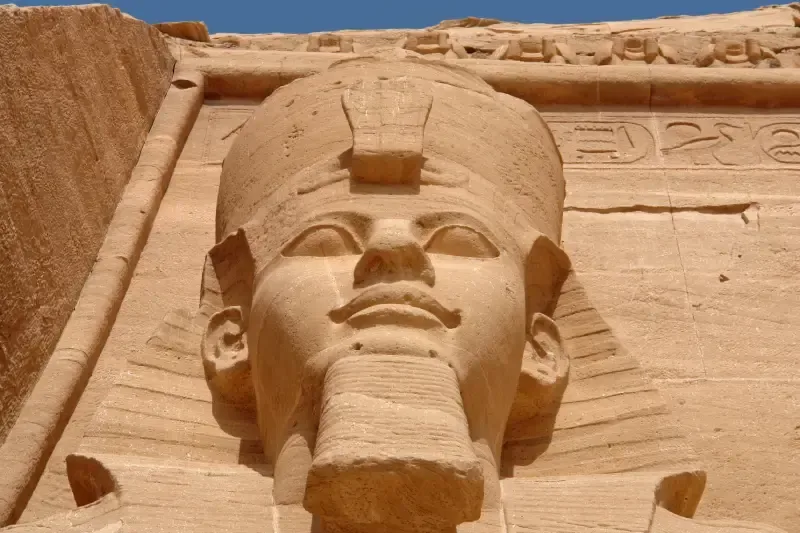
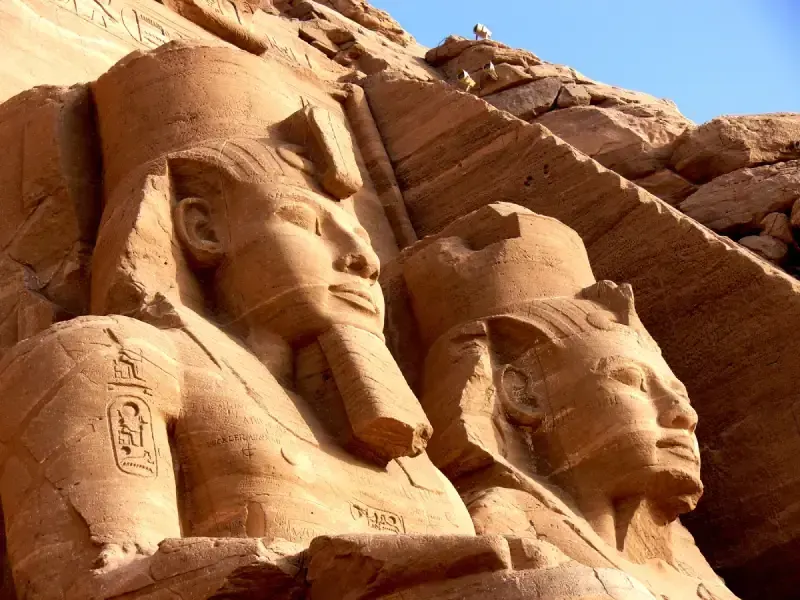
Four seated figures of the king, each about 20 metres tall, guard the Great Temple at Abu Simbel. One lost its head and torso in an ancient earthquake. In the 1960s, the rising waters of Lake Nasser threatened the site. Between 1963 and 1968, a UNESCO-led team cut the temples into more than 1,000 blocks and rebuilt them 64 metres higher (UNESCO). Learn more about the Abu Simbel temples and the twice-yearly Abu Simbel Sun Festival.
Luxor Temple
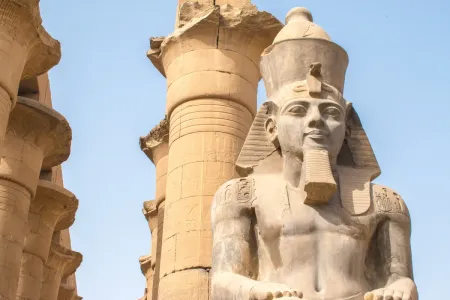
Ramses II added the great entrance pylon to Luxor Temple. Two seated statues and one standing statue of the king still flank the gateway. The eastern seated figure is about 14 metres tall. A pink granite obelisk stands in front of it. Its twin has stood in Paris, at the Place de la Concorde, since 1836.
7.Where Is the Ramses II Mummy Today?
The king was first buried in tomb KV7 in the Valley of the Kings. Priests later moved his body to a hidden cache at Deir el-Bahari to protect it from robbers. In 1976, the Ramses II mummy was flown to Paris for treatment against a fungus. The popular story that he was given a passport has no solid evidence. On 3 April 2021, the Pharaohs' Golden Parade carried him and 21 other royal mummies from the Egyptian Museum in Cairo to the National Museum of Egyptian Civilization in Fustat (NPR). He now lies in its Royal Mummies Hall. See our guide to the royal mummies room.
8.Timeline: Key Moments in the Story of the King’s Statues
About 1279 BC: Ramses II becomes pharaoh.
1820: Caviglia finds two giant figures at Mit Rahina.
1930: Günther Roeder finds the lower half of the Hermopolis statue.
1955: The granite colossus is raised in Ramses Square, Cairo.
1963–1968: Abu Simbel is cut up and moved to higher ground.
2006 and 2018: The granite colossus moves to Giza, then into the Grand Egyptian Museum.
2021: The king's mummy joins the Pharaohs' Golden Parade.
March 2024: The Hermopolis upper half is found.
February 2026: The Hermopolis statue is re-erected.
April 2026: A new royal statue is found in Sharqiya.
9.What the Colossi of Ramses II Reveal About Pharaonic Power
The giant images of Ramses II show how a pharaoh used art as propaganda. They also show the skill of New Kingdom sculptors, who shaped granite, limestone and sandstone with simple tools. Each new find adds detail to the story of Egypt's most famous builder king.
Ready to meet Ramses the Great face to face? Our Egypt tours take you from his granite colossus at the Grand Egyptian Museum to the giants of Abu Simbel and Luxor Temple, while our Egypt travel packages combine Cairo, Luxor and Aswan with expert Egyptologist guides. Short on time? Stand beneath the king in Giza and Memphis on one of our Cairo day tours, read our Cairo travel guide, or explore our guide to the Egypt pyramids. Fill in the inquiry form to plan a tailor-made trip that follows the footsteps of Ramses the Great.
10.FAQs About the Ramses II Statues
The limestone colossus at Mit Rahina lies on its back because its feet and base are broken off, so it cannot stand.
It is about 10 metres long.
A protective building was put up around it, and visitors can view the statue from a raised balcony inside the open-air museum at Memphis.
On 22 April 2026, an Egyptian mission announced the discovery of the upper half of a large statue at Tell El-Faraoun in Sharqiya.
Officials believe it depicts Ramses II.
It is about 2.2 metres tall, weighs 5 to 6 tons, was reused in ancient times and is now being restored.
The giant granite statue was carefully transported from its location in central Cairo to Giza on August 25, 2006,
before being moved into the Grand Egyptian Museum in 2018.
Engineers used specialized equipment to protect the 83-ton monument throughout both journeys.
One of the four seated colossi at Abu Simbel lost its head and upper body following an ancient earthquake.
Its remaining parts still lie near the feet of the statue, preserving evidence of the monument's long history.
No, the enormous quartzite statue discovered in Matariya in 2017
is believed to represent Pharaoh Psamtik I rather than Ramses II.
Although it was initially associated with Ramses because of its discovery near his temple,
an inscription helped archaeologists identify the ruler.
Ancient Egyptian sculptors used different types of stone, including red granite,
limestone, and sandstone, to create the king's colossal statues.
The choice of material varied between monuments, with examples surviving at Memphis,
the Grand Egyptian Museum, Luxor, and Abu Simbel.

Explore every famous Ramses II statue, from the Grand Egyptian Museum colossus and Memphis to Abu Simbel and the newest finds in Egypt.

Learn about Sham el Nessim, Egypt's national spring festival, covering its meaning, ancient roots, dates, foods, traditions and travel tips.
Step inside QV66, Queen Nefertari's vividly painted tomb in Luxor's Valley of the Queens.
Discover the ancient Egyptian religion, covering Ma'at, the pharaoh, creation myths, temples and where to see it today.
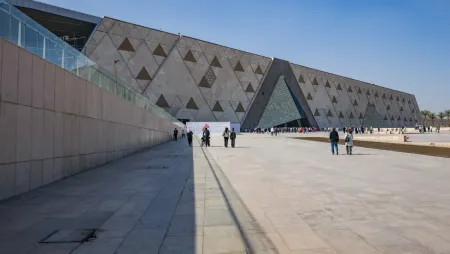
Step inside the Grand Egyptian Museum, covering Tutankhamun’s treasures and Ramses II statue.
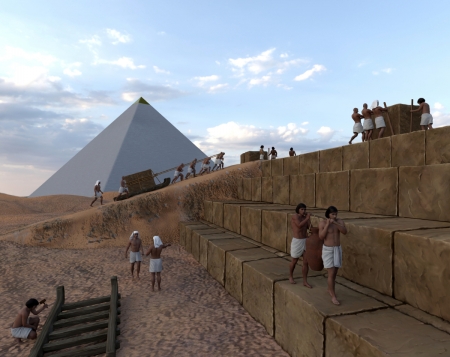
Explore life, religion, and architecture in the old kingdom of ancient Egypt. Learn more and prepare your trip to Egypt’s ancient wonders today.
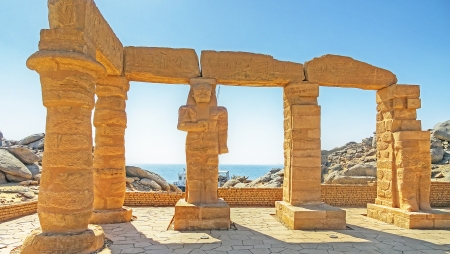
Middle Kingdom of Egypt: Archaeologists refer to the second period of stability in Ancient Egypt as the Middle Kingdom (2055–1650 BC)
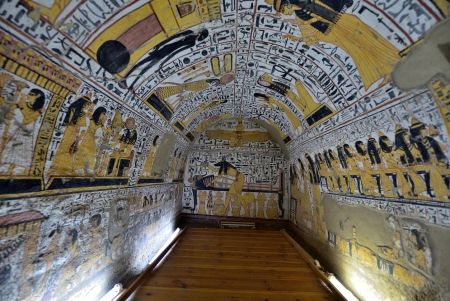
Uncover the glory of the New Kingdom of Ancient Egypt—learn about its pharaohs, remarkable power, and lasting cultural legacy.

Discover the incredible story of Queen Hatshepsut, Egypt's most famous female pharaoh. Explore the legacy of pharaoh queen hatshepsut.

Ramesses II, or Ramesses the Great, is one of the most famous figures in the history of Ancient Egypt.

Learn about the Greco-Roman period in Egypt and the must-see sites shaped by Greek, Roman, and Egyptian culture. Start planning your trip today.

Discover the fascinating life, reign, and lasting legacy of Queen Cleopatra, Egypt’s iconic and influential last pharaoh.
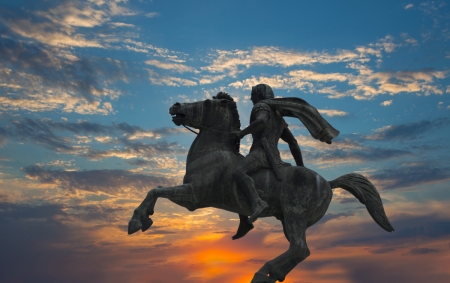
Follow Alexander the Great’s path across Egypt—historic cities, temples, and oases await. Discover history and plan your epic trip today.

Learn about Islamic Egypt’s transformation under powerful dynasties. Discover the stories that shaped Cairo’s history!
Learn about Amr Ibn Al-As: his life story, legacy, and vital role in shaping early Islamic history. Explore history's influential figures today.
Learn about Salahuddin Ayyubi and his impact on Egypt. Visit monuments, uncover fascinating stories, and plan your historical adventure now!
Journey through Ottomans in Egypt and witness the final chapters of Mamluk history. Get expert insights—start exploring the article today.

Learn how Mohamed Ali Egypt shaped the nation’s future. Uncover his achievements, reforms, and enduring legacy in Egyptian history.
Uncover the dynamic story of Modern Egypt, tracing its journey and major transformations. Dive into the history that defines modern Egypt.
