
 Home
Home.jpg "Philae Temple")
Architectural Features and Layout
Arriving at the Island
Visitors reach Philae Temple via motorboat from a landing near the Aswan Low Dam (Shellal Dam). The approximately 5-10 minute boat ride across the sparkling blue water creates a sense of journey and anticipation, as the temple gradually comes into view rising from the island shore. The approach by water, similar to how ancient pilgrims would have arrived, adds to the site's romantic and sacred atmosphere.
The First Pylon
The temple's massive First Pylon (entrance gateway) dominates the approach, standing approximately 18 meters (59 feet) high and 45 meters (148 feet) wide. The pylon's walls feature large relief carvings showing Ptolemaic rulers (depicted as traditional pharaohs) smiting enemies before the gods—a classic Egyptian artistic motif asserting royal power and divine sanction.
Two granite lions guard the entrance, and flag poles once stood in front of the pylon holding colorful banners visible from great distances. The pylon's imposing scale and decorative reliefs immediately establish the temple's importance and sacred character.
The Forecourt and Birth House
Beyond the First Pylon lies a spacious forecourt surrounded by colonnades on three sides. This open area accommodated pilgrims and worshippers during festivals and ceremonies. On the western side stands the Birth House (Mammisi), a small temple dedicated to Horus's divine birth. The Birth House features columns with elaborate capitals and reliefs showing episodes from Isis's protection and raising of Horus, emphasizing the goddess's maternal role.
The Second Pylon and Hypostyle Hall
The Second Pylon, smaller but still impressive, leads to the temple's inner chambers. Passing through this gateway, visitors enter the Hypostyle Hall—a pillared chamber with ten columns supporting the ceiling. The columns feature beautiful floral capitals in various designs including papyrus, lotus, and palm fronds, showing the Egyptian love of nature-inspired decoration.
The hall's walls display reliefs of Ptolemaic kings making offerings to Egyptian deities, maintaining the artistic fiction that Greek rulers were traditional Egyptian pharaohs. The ceiling retains traces of original blue paint decorated with stars, representing the heavens.
Inner Chambers and Sanctuary
Beyond the Hypostyle Hall, a series of smaller chambers leads to the inner sanctuary where the cult statue of Isis would have stood. These chambers became progressively smaller, darker, and more restricted as one moved deeper into the temple—only high priests could access the innermost sanctuary where the most sacred rituals occurred.
The sanctuary walls feature reliefs showing priests performing daily rituals including awakening the goddess's statue, presenting offerings, burning incense, and reciting prayers. These images provide valuable documentation of ancient Egyptian religious practices that are otherwise known primarily from written texts.
The Kiosk of Trajan
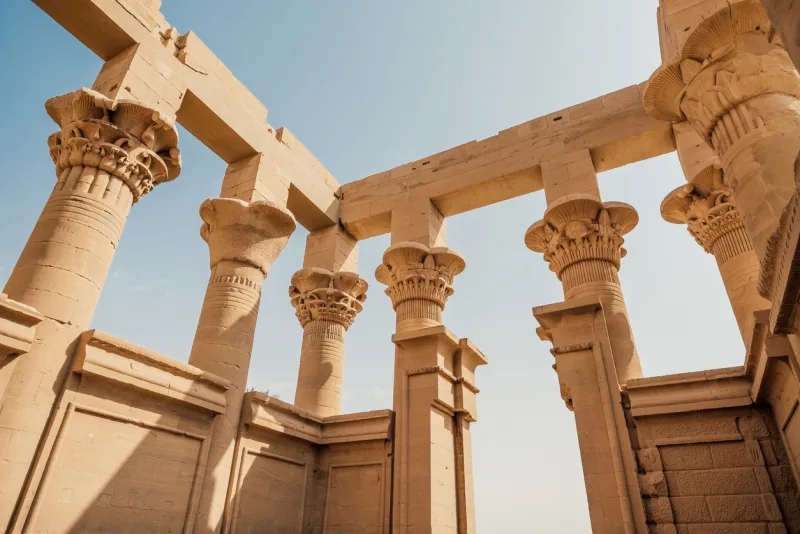
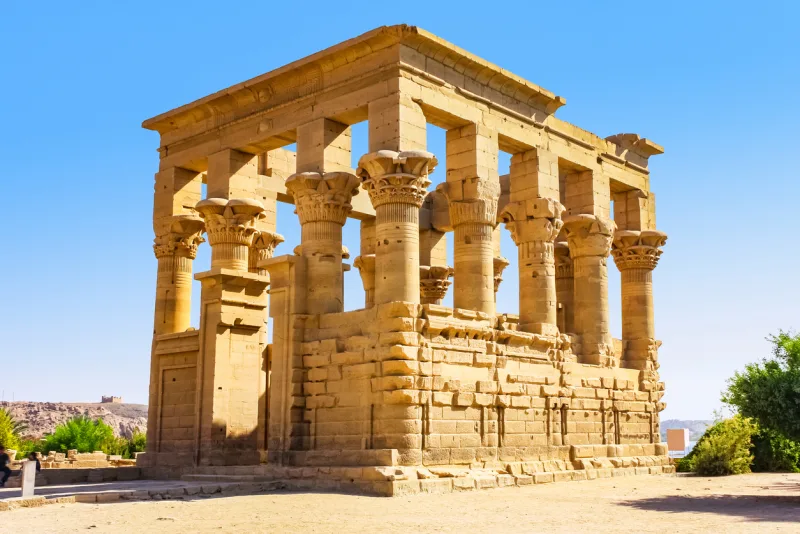
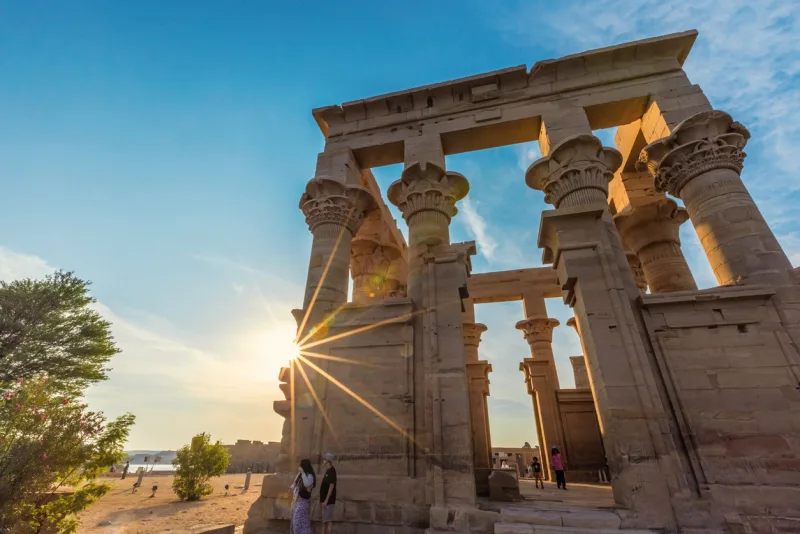
One of Philae's most photographed and iconic structures, the Kiosk of Trajan stands at the eastern edge of the complex. This elegant pavilion features 14 columns with beautifully carved floral capitals supporting a partial roof. Built during the reign of Roman Emperor Trajan (98-117 AD), the kiosk likely served as a ceremonial gateway where the goddess's sacred boat would dock during festival processions.
The kiosk's open, airy design and dramatic island setting make it a favorite photography location. The structure beautifully exemplifies the Greco-Roman aesthetic applied to traditional Egyptian architectural forms—classical column proportions and capitals combined with Egyptian spatial organization and religious purpose.
The UNESCO Rescue Operation
The Threat from Dams
Philae's original island location between the Old Aswan Dam and the High Dam created increasing problems throughout the 20th century. When the Old Aswan Dam was completed in 1902 and raised in 1912 and 1933, Philae Temple spent much of each year partially submerged, with water levels sometimes reaching halfway up the columns. Visitors toured the partially flooded temple by boat, and aquatic plants grew on the submerged portions.
When Egypt built the Aswan High Dam in the 1960s, Lake Nasser would permanently submerge Philae. UNESCO recognized this impending loss and launched an international rescue campaign.
The Relocation Process
Between 1972-1980, engineers undertook the massive project of relocating Philae Temple. The process involved:
Temporary dam construction: Engineers built a cofferdam around Philae Island, pumping out water to create a dry working area.
Dismantling: Workers carefully dismantled the entire temple complex, cutting it into approximately 40,000 numbered blocks. Each block was documented photographically and through detailed drawings to ensure accurate reconstruction.
Island preparation: Nearby Agilkia Island, slightly higher and safe from flooding, was selected as the new site. Workers sculpted Agilkia's surface to resemble Philae's topography, creating an environment matching the original island as closely as possible.
Reconstruction: The temple was reconstructed block by block on Agilkia, matching the original layout precisely. Joints were filled and surfaces treated to make the reconstruction seamless.
Landscaping: Gardens, pathways, and other features were added to Agilkia to enhance its resemblance to the original Philae.
The project succeeded brilliantly. Today's visitors see what appears to be the original Philae Temple in its ancient island setting, with most unable to detect that the entire complex was moved and reconstructed in modern times.
Philae Temple was moved because construction of the Aswan Low Dam (1902) and Aswan High Dam (1960s) threatened to permanently submerge the original Philae Island beneath Lake Nasser. UNESCO coordinated an international rescue operation (1972-1980) dismantling the temple into 40,000 blocks and reconstructing it on nearby Agilkia Island, which was landscaped to resemble the original island location.
Visiting Philae Temple
Practical Information
Location: Agilkia Island, approximately 8 kilometers south of Aswan. The boat landing is near the Aswan Low Dam (Shellal Dam).
Access: All visitors must take motorboats from the Shellal Dam landing to reach the island (5-10 minute ride). Boat fees are typically included in tour prices or entrance tickets. Boats operate continuously throughout opening hours.
Opening hours: Generally 7:00 AM to 5:00 PM daily (winter) or 7:00 AM to 6:00 PM (summer). The Sound and Light Show runs most evenings (check schedule as showtimes vary).
Entry fees: Modest entrance fees for international tourists (approximately 140 EGP, subject to change). Sound and Light Show requires separate ticket.
Duration: Allow 1.5-2 hours to explore the temple complex thoroughly, including boat transfers. Add 45 minutes for the Sound and Light Show.
What to Bring
Essential items include sun protection (hat, sunscreen, sunglasses), water, comfortable walking shoes, camera, light clothing for daytime visits, and warmer layer for evening Sound and Light Show (desert nights can be cool).
Combining with Other Attractions
Philae Temple combines well with other Aswan attractions:
Aswan High Dam (15 minutes): Modern engineering marvel that necessitated Philae's relocation.
Unfinished Obelisk (20 minutes): Ancient quarry revealing stone-working techniques.
Nubian Museum (25 minutes): Excellent museum documenting Nubian culture and the UNESCO rescue campaigns.
Abu Simbel (3 hours south): Ramesses II's colossal temples, also relocated by UNESCO—technically possible to visit both in one day but extremely rushed and not recommended.
Most Aswan tours offer half-day itineraries visiting Philae, the High Dam, and the Unfinished Obelisk together.
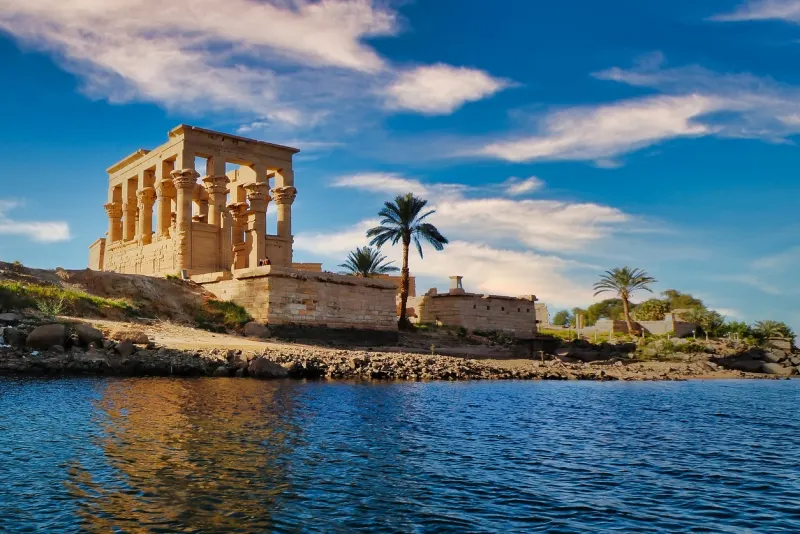
All visitors reach Philae Temple by motorboat from the Shellal Dam landing near the Aswan Low Dam. The boat ride takes 5-10 minutes across the Nile. Boat fees are typically included in entrance tickets or tour prices. Organized Aswan tours include transportation to the boat landing and boat transfers. Independent visitors take taxi to the landing then purchase boat tickets there.
Philae Temple is dedicated to Isis, one of ancient Egypt's most important and beloved goddesses. Isis was revered as the ideal mother, devoted wife, powerful magician, protector of the dead, and source of healing and wisdom. Her worship spread throughout the Mediterranean during Greco-Roman times. Philae served as her primary temple and a major pilgrimage destination.
Yes, Philae's Sound and Light Show is widely considered Egypt's best. The dramatic island setting, sophisticated lighting illuminating the temple at night, and compelling narration explaining Egyptian mythology and the temple's history create a magical experience. The approximately 45-minute show runs in multiple languages on different evenings. Most visitors highly recommend adding it to Philae visits.
Philae Temple was built primarily during the Ptolemaic Period (305-30 BC) when Greek rulers governed Egypt, with significant Roman additions continuing through the 3rd century AD. The temple remained one of ancient Egypt's last functioning religious centers, closing only around 550 AD—making it literally the last outpost of traditional Egyptian religion, operating centuries after ancient beliefs ceased elsewhere.
Allow 1.5-2 hours minimum to explore Philae Temple, including boat transfers to and from the island (10-20 minutes total), walking through the temple complex, admiring architecture and reliefs, and photography. Add 45-60 minutes if attending the Sound and Light Show. The temple is usually combined with the Aswan High Dam and Unfinished Obelisk in half-day tours.
Technically yes, but it's extremely rushed and not recommended. Abu Simbel is 280 kilometers south of Aswan requiring 3-4 hours drive each way or 30-40 minute flight. A single day trying to see both leaves little time to appreciate either site. Better to dedicate one day to Aswan sites (Philae, High Dam, Unfinished Obelisk, Nubian Museum) and a separate day for Abu Simbel.
Customize Your Dream Vacation!
Get in touch with our local experts for an unforgettable journey.
Plan Your Trip
Philae Temple is one of Egypt’s most beautiful ancient sites, located on Agilkia Island near Aswan and dedicated to the goddess Isis. Built mainly during the Ptolemaic Period with later Roman additions, it was among the last active centers of ancient Egyptian religion, remaining in use until the 6th century AD. Threatened by flooding from the Aswan dams, the entire temple complex was rescued and relocated by UNESCO to its current island location. Today, Philae captivates visitors with its elegant architecture, well-preserved reliefs, scenic island setting, and popular Sound and Light Show.
Historical Context: The Cult of Isis
Isis: Egypt's Most Beloved Goddess
Isis emerged as one of ancient Egypt's most important and beloved deities, a goddess whose worship eventually spread far beyond Egypt throughout the Greco-Roman world. Egyptians revered Isis as the ultimate mother figure, devoted wife, powerful magician, protector of the dead, and embodiment of feminine power and wisdom.
According to Egyptian mythology, Isis was wife to Osiris (god of the afterlife) and mother to Horus (the falcon god). When Osiris was murdered and dismembered by his brother Set, Isis searched throughout Egypt gathering the pieces, using her magical powers to resurrect Osiris long enough to conceive Horus. She then protected and raised Horus in secret until he could avenge his father and claim the throne of Egypt. This mythology established Isis as the ideal wife and mother, powerful magician, and devoted protector.
Isis's cult expanded dramatically during the Ptolemaic Period when Greek rulers of Egypt promoted her worship. By the Roman Period, Isis temples existed throughout the Mediterranean—in Greece, Italy, Spain, Britain, and beyond. The goddess's universal appeal as protector, healer, and source of wisdom attracted devotees from all social classes and cultures.
Philae's Sacred Significance
Ancient Egyptians believed Philae Island (called Pilak in ancient Egyptian) was one of the burial places of Osiris, making it especially sacred to Isis who mourned her deceased husband. The island became a major pilgrimage destination, with devotees traveling from across Egypt and the Mediterranean to worship at Isis's primary temple and participate in annual festivals celebrating the goddess.
Philae's temple complex functioned as the religious center of Isis worship during the Ptolemaic and Roman periods. The site attracted pilgrims seeking healing, blessing, protection, and divine wisdom. Priests maintained elaborate rituals, performed sacred dramas reenacting Osiris's death and resurrection, and administered the temple's vast estates and properties throughout the region.
Construction Timeline
The current temple complex dates primarily from the Ptolemaic Period, though evidence suggests earlier shrines on Philae dating to the 25th Dynasty (circa 690 BC). Major construction phases include:
Ptolemaic Period (305-30 BC): The main temple of Isis was built, along with the Birth House (Mammisi), First and Second Pylons, and most of the complex's core structures. Ptolemaic pharaohs depicted themselves as traditional Egyptian rulers maintaining ancient religious practices while actually being Greek in culture and language.
Roman Period (30 BC - 395 AD): Roman emperors continued adding to the complex, including the Kiosk of Trajan (one of Philae's most iconic structures), additional decorations, and modifications to existing buildings. Roman rulers recognized the importance of maintaining Egyptian religious traditions to ensure their subjects' loyalty.
Christian Period (4th-6th centuries AD): As Christianity spread through Egypt, some temple areas were converted into churches, with Christian symbols carved over ancient reliefs. Philae Temple remained one of the last functioning ancient Egyptian temples, closing only around 550 AD under Emperor Justinian.
Philae Temple is located on Agilkia Island approximately 8 kilometers south of Aswan in the Nile River. The temple is accessible only by motorboat from a landing near the Aswan Low Dam (Shellal Dam). The 5-10 minute boat ride is included in visit logistics. Originally on Philae Island, the entire complex was relocated to Agilkia between 1972-1980 to save it from Lake Nasser flooding.
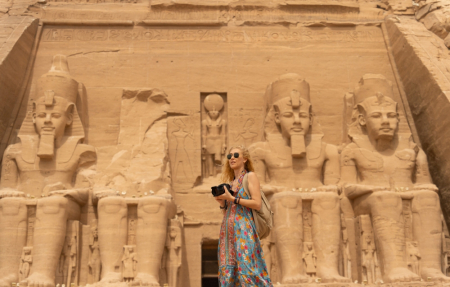
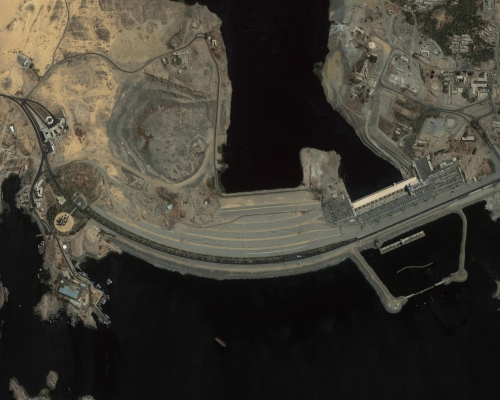
Aswan High Dam Located in the middle of the Egyptian Desert is one of the largest embankment dams of the world, Aswan High Dam. Known as Saad el Aali in Arabic Aswan High Dam is one of the greatest engineering miracles of this world.
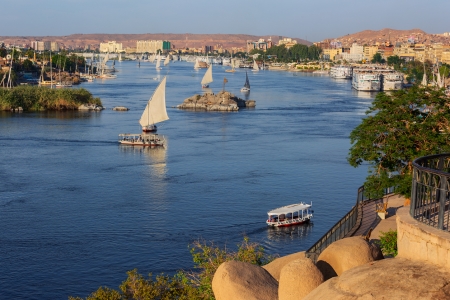
Aswan City is a tranquil Nile-side destination known for its ancient temples, Nubian heritage, and stunning river scenery.
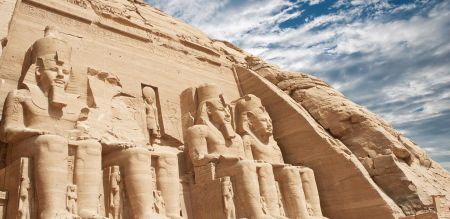
Visit Abu Simbel Temples Egypt to marvel at Ramesses II's spectacular monuments. Uncover ancient history and breathtaking architecture.
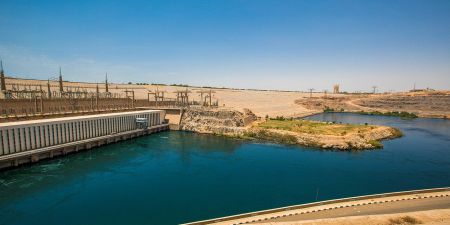
Discover the Aswan High Dam Egypt—an engineering marvel shaping the Nile and Lake Nasser. Explore its history, impact, and legacy.
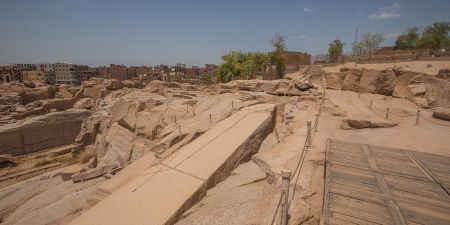
Explore Aswan High Dam Egypt, a groundbreaking structure behind Lake Nasser. Learn about its construction, benefits, and lasting significance.
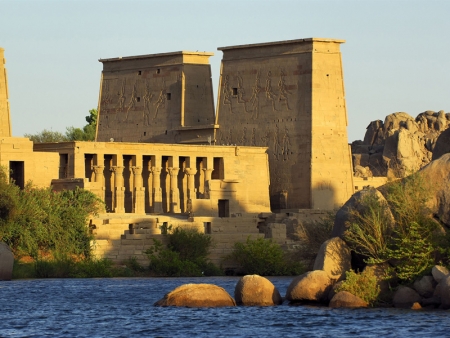
Uncover the wonders of Philae Temple Aswan—an ancient island temple dedicated to Isis. Experience the mesmerizing sound and light show.
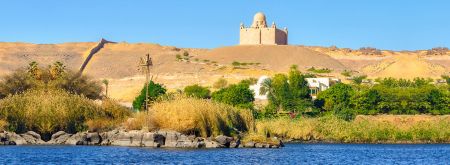
Discover Elephantine Island Aswan—wander ancient ruins and experience the charm of an authentic Nubian village on the Nile's enchanting shores.

Uncover Nubian heritage at the Nubian Museum Aswan. Explore ancient art, history, and culture in this UNESCO-recognized treasure.

Read our travel wiki about Aswan Botanical Garden and explore its plants, history, and educational importance in Aswan.
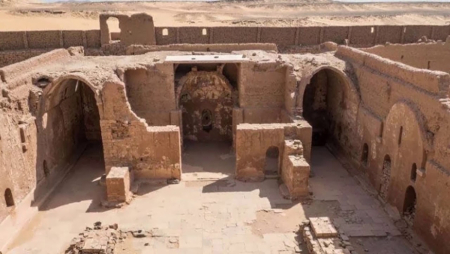
Learn about the monastery of st simeon and the tombs of the nobles in Aswan, their history, architecture, and significance. Start exploring now.