My 2-Week Vietnam Itinerary: What It's Like to Do It the Right Way
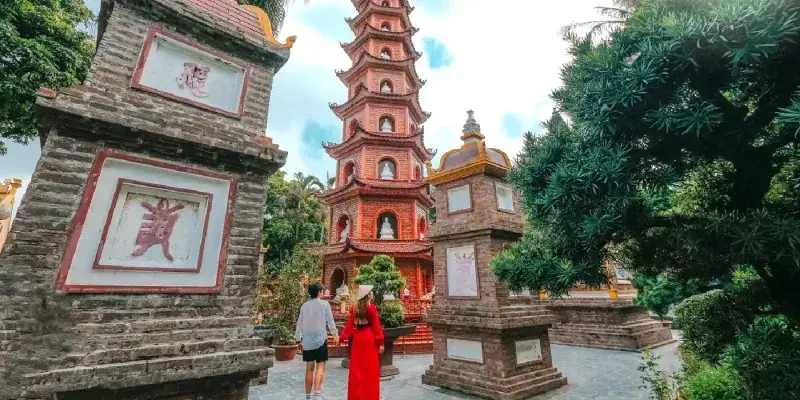
Follow our 2 week Vietnam itinerary with an organized tour, from Hanoi to Ho Chi Minh City, Ha Long Bay, Hoi An, and beyond.
Experience a 10-day Namibia and Botswana safari from Sossusvlei’s red dunes and Skeleton Coast to the wildlife-rich Okavango Delta.
Join a 7 day Namibia tour with fly-in travel to Sossusvlei, Skeleton Coast and Etosha. Experience dunes, deserts and wildlife.
From the awe-inspiring Victoria Falls to the wildlife-rich Chobe National Park, experience the best of Southern Africa in 9 days.
Discover perfectly combined tours designed for smooth and memorable journeys.
Private charter safari across Namibia's dunes, Skeleton Coast & Himba villages, ending in Etosha's wildlife. 11 days. Enquire now!
Victoria Falls to the Okavango Delta: this Zimbabwe and Botswana tour combines game drives & luxury lodges for the ultimate African escape.
From towering dunes to desert elephants and Big 5 game drives, experience Namibia's best on this 11-day group tour. Secure your place now!
From Victoria Falls to Chobe National Park, enjoy an incredible safari filled with diverse wildlife and stunning natural landscapes.
Self drive through Namibia's dunes, coast & Etosha's game parks at your own pace. Enjoy a carefully planned itinerary with handpicked lodges.
Experience a luxury guided tour of Victoria Falls and Chobe, soaring falls, elephant herds and five-star safari lodges await
Embark on a 5-day Kenya Tour to discover Maasai Mara’s wildlife and the beauty of Lake Nakuru National Park. Book now!
Join a thrilling gorilla tour in Uganda. Trek gorillas through Bwindi's misty forests and unforgettable landscapes.
This Rwanda safari tour covers Kigali, Musanze and Volcanoes National Park in 4 days. A short yet sweet Rwanda trip.
Combine a Tanzania trip through Serengeti and Ngorongoro with a Uganda tour featuring gorilla trekking in Bwindi.
Our Kenya Masai Mara safari takes you on a 6-day private tour through Maasai Mara, Nakuru and Aberdare.
Embark on a 5-day Tour of Rwanda, exploring its wonders from Kigali to Ruhengeri, Lake Kivu, and beyond.
Experience a journey through multiple destinations with expertly curated itineraries that connect you to the best each country has to offer.
Explore TourGot questions? We’ve got answers. Find everything you need to know to plan your perfect trip.
Our African Safari Tours range from US$1,687 to US$18,500 per person in 2027, depending on the country, season, and accommodation level. Kenya is typically the most affordable entry point; fly-in trips to Botswana and Namibia sit at the higher end.
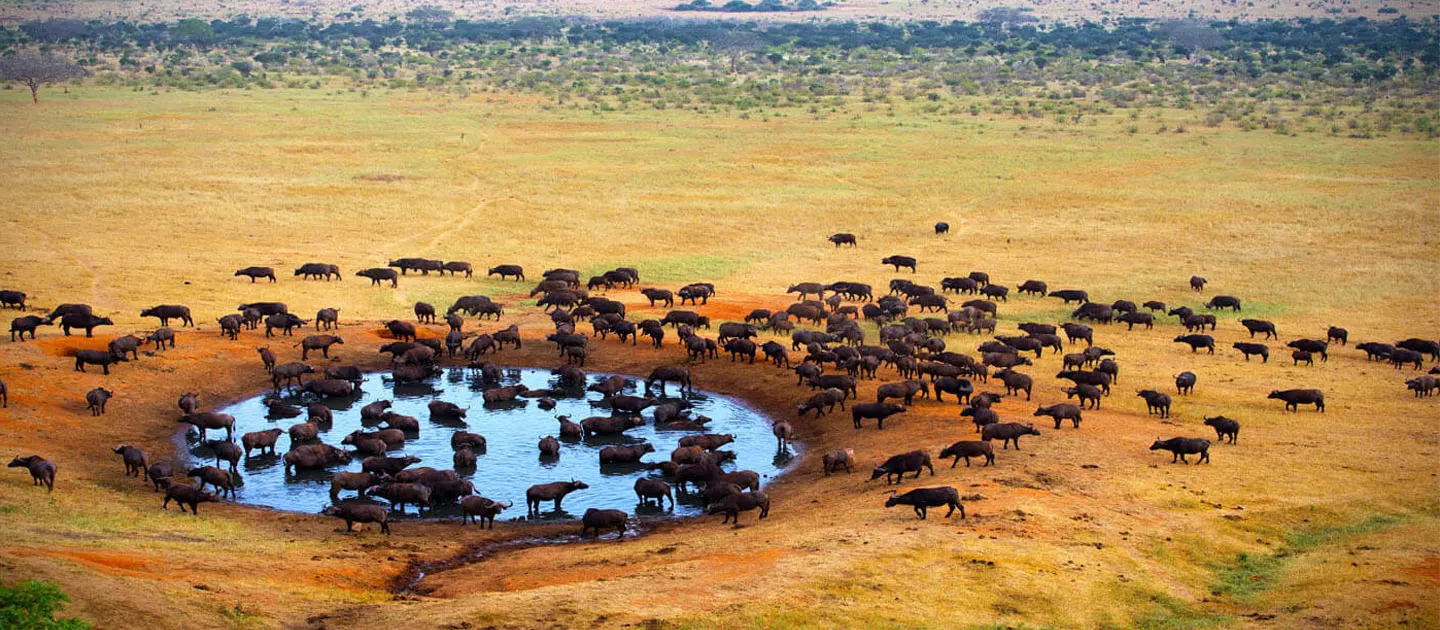
The dry season, roughly June to October, offers the best wildlife viewing across most of East and Southern Africa, as animals gather near water sources. Exact timing varies by country and by what you want to see, such as the wildebeest migration or gorilla trekking.
Most safari destinations have a dry season from around June to October and a wet season from November to May. Temperatures are influenced by altitude, with warm to hot days and cooler mornings, especially in higher areas.
Most Africa Safari Trips run 5 to 12 days. A single-country safari can work well in 5-7 days, while multi-country itineraries typically need 10 days or more.
Yes. Popular combinations include Kenya and Tanzania for classic game viewing, or Rwanda and Uganda for gorilla trekking, and Memphis Tours builds multi-country African Safari Tours around these routes.
Memphis Tours has planned travel since 1955 and runs 19 African Safari Tours across Kenya, Tanzania, Uganda, Rwanda, Namibia, and Botswana. Every trip is private or small-group, fully customizable before booking, and designed by a specialist you can speak with directly.
Our African Safari Tours typically include accommodation, park fees, game drives, an English-speaking guide, and most meals; international flights and visas are usually excluded. Exact inclusions vary by itinerary, so confirm details with your specialist before booking.
Private safaris offer full flexibility on pace, timing, and vehicle exclusivity, while small-group trips are often more affordable and still intimate. We offer both depending on your preference.
Booking 6-12 months ahead is recommended, especially for peak season (June-October) or gorilla trekking permits, which are limited and sell out early. Trips during the wildebeest migration season or over holidays should be booked even earlier.
The migration moves year-round between the Serengeti in Tanzania and the Masai Mara in Kenya, with the dramatic river crossings typically peaking between July and September. Exact timing shifts each year based on rainfall.
Yes, many lodges and camps welcome children, though some set minimum age requirements for game drives or gorilla trekking. Kenya's malaria-free reserves are often recommended for safaris with young children.
Common add-ons include Zanzibar's beaches, Victoria Falls, gorilla or chimpanzee trekking, hot air balloon safaris, and cultural visits to Maasai, Batwa, or local communities. Most of these can be added directly onto an existing itinerary.
A fly-in safari uses light aircraft to move between parks and camps instead of long road transfers, saving time and covering more remote areas. It's especially popular in Kenya, Tanzania, and Botswana, and several of our Africa safari trips are designed this way.
Neutral tones such as khaki, beige, and olive are recommended, along with layers for cold mornings and evenings. Avoid bright colors and all-black or all-white clothing, which can attract insects or stand out to wildlife.
Comfortable walking shoes, lightweight clothing, sun protection, insect repellent, and a light jacket for cool early mornings are essential. For activities like gorilla trekking, waterproof boots, long trousers, gloves, and rain gear are also recommended.
Accommodation ranges from luxury lodges and tented camps to simpler guesthouses, depending on the park and budget. Fly-in itineraries typically use remote luxury camps, while road-based trips offer more variety in price and style.
A lodge is a permanent, hotel-style building, while a tented camp uses canvas structures with real beds and en-suite bathrooms, usually set closer to the wilderness. Both range from budget to high-end luxury.
US dollars are widely accepted for park fees, tips, and many payments across East and Southern Africa. Local currency is useful for smaller purchases like markets or tipping in some areas.
Tipping is customary and generally expected, usually calculated per day per guide and per stay for lodge staff. Exact amounts vary by country and are best confirmed with your specialist before travel.
Most safaris use 4x4 vehicles for game drives, light aircraft for fly-in safaris between parks, and domestic flights or road transfers between countries. Which mix you use depends on your specific itinerary and destinations.
Flight times depend on your departure city, from Europe, flights to Nairobi or Johannesburg average 8-10 hours, while flights from the US typically run 15-18+ hours with a connection. Check specific routes for accurate timing from your location.
There's no single best country, Kenya suits first-time, budget-conscious travelers; Tanzania offers the Serengeti and Ngorongoro Crater; Rwanda and Uganda are built around gorilla trekking; and Namibia and Botswana offer desert and delta landscapes for a different kind of safari. The right choice depends on your budget, priorities, and travel style.
Malaria is the most significant health risk on safari across most of sub-Saharan Africa, so antimalarial medication and mosquito precautions are strongly recommended. Other considerations include sun exposure, altitude in some regions, and standard travel hygiene.
Yellow fever is commonly required or recommended depending on the country, alongside routine vaccines like hepatitis A and typhoid. Complete vaccinations at least 4-6 weeks before departure and confirm exact requirements with a travel clinic for your specific itinerary.
The Big Five are lion, leopard, elephant, buffalo, and rhino, originally named for being the most difficult animals to hunt on foot, now a benchmark for safari sightings. Kenya, Tanzania, and parts of Namibia and Botswana offer strong chances of seeing all five, though sightings are never guaranteed since these are wild animals in their natural habitat.
Most lodges and camps offer Wi-Fi, though signal strength varies and can be limited or unavailable in remote areas, particularly in the bush during game drives. Mobile signals are generally more reliable near towns and less so in national parks.
A DSLR or mirrorless camera with a telephoto lens (at least 200-400mm) is recommended for wildlife photography, along with spare batteries and memory cards, since charging opportunities can be limited. A beanbag or window mount helps stabilize shots taken from a safari vehicle.
Check-in is generally from 2:00 PM, while check-out is usually by 10:00 AM. Times can vary by hotel, lodge, or safari camp. Early check-in and late check-out may be available upon request, subject to availability and additional fees.
Popular choices include Kenya's Masai Mara migration safaris, Tanzania's Serengeti and Ngorongoro Crater circuits, Rwanda and Uganda gorilla trekking trips, and fly-in safaris to Botswana's Okavango Delta and Namibia's desert landscapes.
Rwanda, Botswana, and Namibia are widely regarded as among the safest safari destinations, known for political stability and well-regulated tourism infrastructure. Kenya, Tanzania, and Uganda are also considered safe for tourists when traveling with a reputable operator and following standard travel precautions.
The leopard is generally considered the hardest of the Big Five to spot, due to its solitary, nocturnal, and highly camouflaged nature. Rhinos can also be difficult to see in some regions due to lower population numbers
Expect early morning game drives, close encounters with wildlife, beautiful landscapes, and time in nature. You may see lions, elephants, giraffes, and other animals in their natural habitat, while staying in lodges or camps. Every safari is different, and wildlife sightings can never be guaranteed.
See how we’ve made every journey exceptional — straight from those who’ve traveled with us.
Africa's climate varies widely by region, but most of our safari destinations share a common pattern: rather than four distinct seasons, travel is shaped by dry and wet periods. East Africa (Tanzania, Kenya, Rwanda, and Uganda) enjoys a warm, tropical climate year-round, with temperatures generally between 20–30°C and cooler conditions in highland areas like Rwanda and Uganda. Namibia and Botswana follow a Southern Hemisphere pattern, with a cool, dry winter (May–October) and a hot, wet summer (November–April). Dry periods across all destinations are best for game drives and wildlife viewing, while wetter months bring lush scenery, fewer crowds, and strong birdwatching.
This is the long rainy season across Tanzania, Kenya, Rwanda, and Uganda, with regular afternoon rainfall transforming the landscape into lush, green scenery. Wildlife remains abundant but more spread out as water sources increase, and parks are quieter than peak season.
In Namibia and Botswana, this period marks the tail end of the wet summer, with green landscapes and strong birdlife, though wildlife is more dispersed than in the dry months ahead. Ideal for budget travelers and photographers seeking dramatic scenery; pack waterproof clothing and expect excellent birdwatching and fewer-crowd safaris.
This is one of the best times to visit across nearly all of our destinations. Tanzania and Kenya enter the dry season, with wildlife gathering near rivers and waterholes, and this period includes the Great Migration in the Serengeti and Masai Mara. Rwanda and Uganda's trails dry out, making gorilla trekking more comfortable.
Namibia and Botswana are also in their dry winter season, offering excellent game viewing in Etosha and the Okavango Delta as wildlife concentrates around limited water. Book early, as this is peak season across the continent.
September remains dry across Tanzania, Kenya, Namibia, and Botswana, keeping wildlife viewing strong with fewer crowds than mid-summer. By October and November, short rains begin in Rwanda and Uganda, refreshing the landscape without heavily disrupting travel, while Namibia and Botswana start transitioning into their wetter summer.
Early in this window is excellent for wildlife viewing; later months suit scenic photography, with light rain gear recommended.
Tanzania and Kenya remain warm and relatively dry, making this a versatile season for safari, while Rwanda and Uganda stay suitable for gorilla trekking with occasional showers. Coastal Zanzibar is ideal for a beach extension during this period.
Namibia and Botswana are in their hot, wet summer, with dramatic skies, newborn wildlife, and lush scenery, though some remote areas can be harder to access after heavy rain. Pack light clothing for the day and layers for cooler mornings in highland regions.
See the world through the eyes of our travelers and Get inspired by real experiences!
Explore unique stories, insider tips, and must-see spots to make the most of your visit.
Explore our curated travel blogs to Stay updated with the latest travel tips, destination guides, and insider stories!
From travel tips to destination highlights - Explore our travel guide!