
 Home
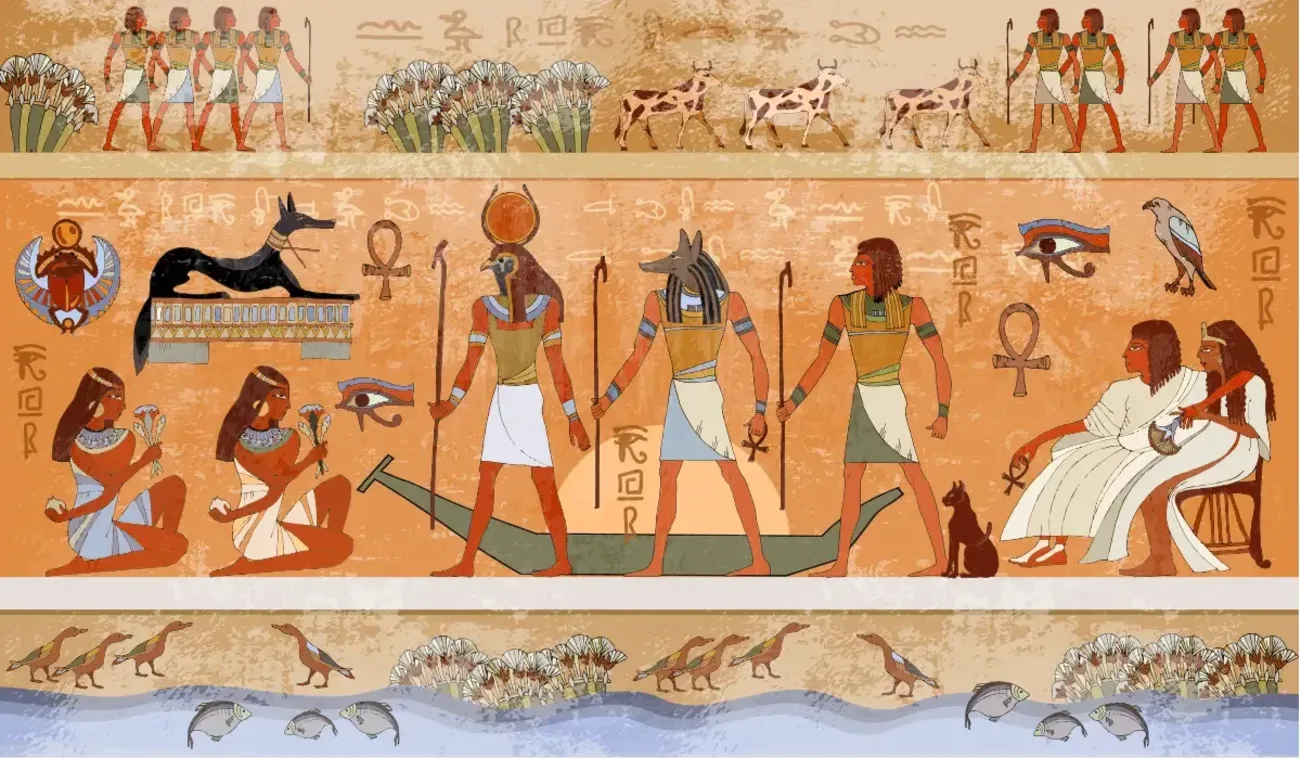
The Egyptian gods were the hundreds of deities that people in Egypt worshipped for more than 3,000 years. Experts count more than 1,400 divine names in Egyptian texts. The best known include Ra, Osiris, Isis, Horus, Anubis, Thoth, Hathor and Amun, and many of their great temples, from Karnak to Philae, can still be visited today.
This guide explains who the Egyptian gods were, how the pantheon changed, which gods and goddesses mattered most, what they looked like and where travelers can see them today.
Table of Contents
1.What Are the Egyptian Gods?
2.How Did the Egyptian Pantheon Change Over Time?
3.Key Milestones in the Egyptian Pantheon
4.Who Were the Most Powerful Egyptian Gods?
5.What Is the Myth of Osiris, Isis and Horus?
6.Which Other Egyptian Gods and Goddesses Matter?
7.Egyptian God List: Names, Roles and Symbols
8.Where Can Visitors See the Egyptian Gods Today?
9.Plan a Temple Trip with a Local Expert
10.Egyptian Gods FAQs: Quick Answers for Travelers
What Are the Egyptian Gods?
The Egyptian gods formed a pantheon that was never fixed. Gods rose and fell in importance and often merged with each other. Only a few dozen were famous across the whole country, and the most important family was Osiris, Isis and their son Horus.
Most gods had a human body, often with the head of a falcon, jackal, cow, lioness, ibis or crocodile. Some formed famous groups, such as the nine gods of the Ennead of Heliopolis, the Theban Triad and the Memphis Triad.
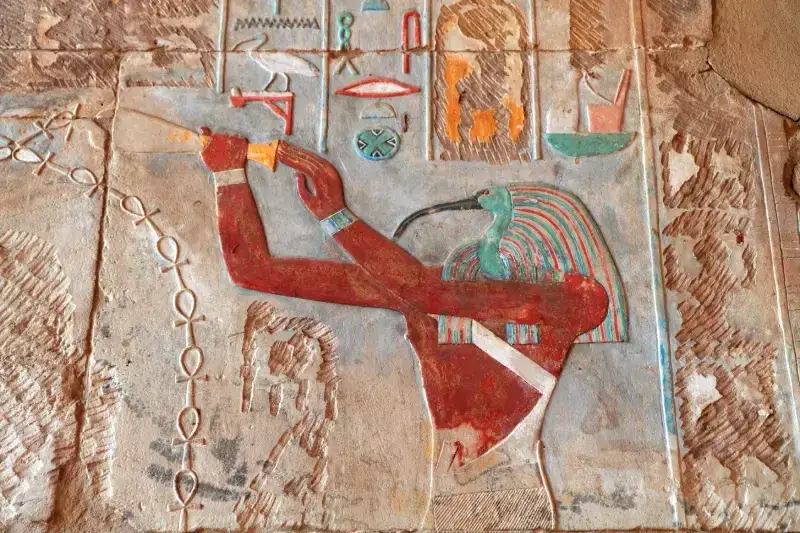
No one knows the exact number. Egyptologist James P. Allen counted more than 1,400 deities named in ancient texts, and some experts believe there were thousands. Many were small local gods, guardian spirits or different forms of the same deity, so only a few dozen were famous across the whole country.
How Did the Egyptian Pantheon Change Over Time?
The power of each god depended on the period and on which city ruled Egypt. In the Old Kingdom, Ra became the leading god. In the New Kingdom, Amun-Ra of Thebes became king of the gods, and Karnak Temple grew enormous.
Akhenaten briefly banned most gods and worshipped only the Aten, the sun disc. Later, Greek rulers built new temples in the old style. Temple worship finally ended in late Roman times, with Philae among the last active temples.
Key Milestones in the Egyptian Pantheon
The list below shows the main stages in the history of the Egyptian gods:
- Old Kingdom (about 2686–2181 BC): Ra leads, and kings become "son of Ra."
- New Kingdom (about 1550–1070 BC): Amun-Ra becomes king of the gods at Karnak.
- About 1353–1336 BC: Akhenaten worships only the Aten, until his successors restore the gods.
- Ptolemaic era (332–30 BC): Greek rulers build Edfu, Kom Ombo, Dendera and Philae.
- Late Roman times: Christianity spreads, and temple worship slowly comes to an end.
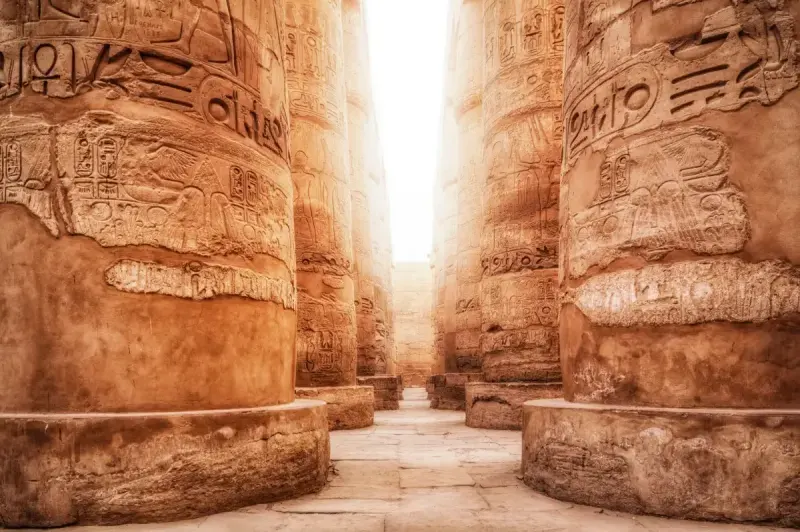
Amun-Ra was called the king of the gods. He was formed when the Theban god Amun merged with the sun god Ra. His power grew with the New Kingdom pharaohs, who built most of the Karnak Temple complex in his honor.
Who Were the Most Powerful Egyptian Gods?
Power depended on the period and on which city ruled Egypt, but three deities stood above the rest: Ra, Amun and Ptah. In the late New Kingdom, priests even promoted these three as one great group.
Ra, the Egyptian Sun God
Ra was the sun and the creator of life. His main cult center was Heliopolis, now part of northern Cairo. He was Khepri, the scarab, in the morning and Atum in the evening. Each night, Ra sailed through the underworld and fought the serpent Apep so the sun could rise again.
Amun and Amun-Ra
Amun's name means "the hidden one." He began as a local god of Thebes (modern Luxor). When Theban kings united Egypt, Amun was joined with Ra to become Amun-Ra, king of the gods. His home was the vast Karnak Temple, which he shared with his wife Mut and their son Khonsu, the Theban Triad.
Ptah, the Creator of Memphis
Ptah was the god of Memphis, Egypt's first capital, and the patron of craftsmen. Priests taught that he created the world by thinking of things and speaking their names. He formed the Memphis Triad with Sekhmet and their son Nefertum.
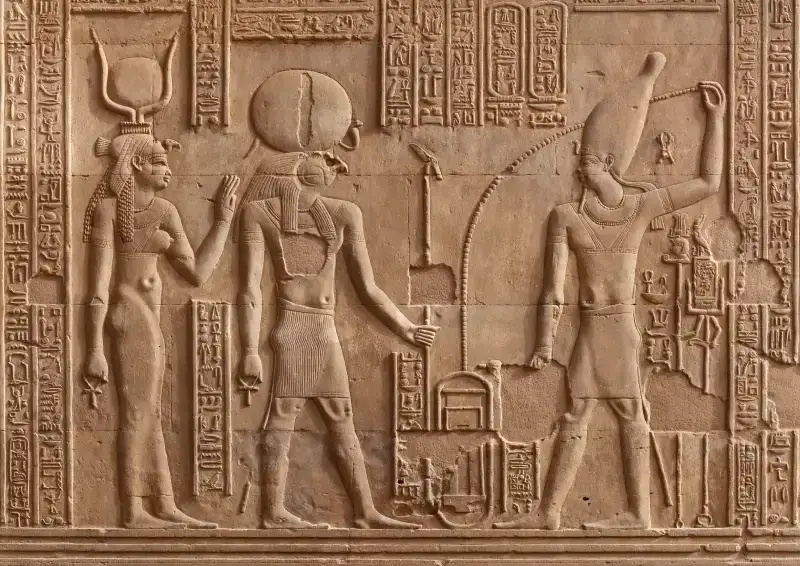
Amun-Ra is usually seen as the most powerful. He was called the king of the gods during the New Kingdom, and his temple at Karnak was the richest in Egypt. Earlier, in the Old Kingdom, the sun god Ra held the top position on his own.
Customize Your Dream Vacation!
Get in touch with our local experts for an unforgettable journey.
Plan Your TripWhat Is the Myth of Osiris, Isis and Horus?
The most famous story in Egyptian mythology is the myth of Osiris. Osiris was a good king until his jealous brother Set killed him. His wife, Isis, used magic to revive him long enough to conceive a son, Horus. Osiris became ruler of the underworld, and Horus later defeated Set and won back the throne.
Osiris and Anubis: The Egyptian Gods of Death
Two gods shared the world of the dead. Osiris was the king and judge of the afterlife, shown as a mummified king holding a crook and flail. Anubis, with the head of a black jackal, guarded cemeteries and watched over mummification.
The black color of Anubis stood for the fertile Nile soil and rebirth. The holiest site of Osiris was Abydos, where the Temple of Seti I has some of Egypt's finest reliefs.
Isis, the Queen of Magic
Isis was a loving mother, a healer and a powerful magician, and her worship later spread across the Roman Empire. Her finest temple stands on Agilkia Island near Aswan, where it was moved during a UNESCO rescue campaign between 1960 and 1980.
Horus and the Eye of Horus
Horus was a falcon-headed sky god, and every living pharaoh was seen as Horus on earth. In one story, Set tore out the eye of Horus and Thoth healed it. The Eye of Horus, or wedjat, became a symbol of protection and healing, worn as an amulet. His temple at Edfu is one of the best-preserved in Egypt.
Set (Seth): The Troublemaker
Set ruled the desert, storms and foreign lands. He has the head of a strange animal that experts cannot identify. He was not purely evil, since he also defended the sun boat of Ra from Apep. Later, Egyptians saw him more and more as an enemy.
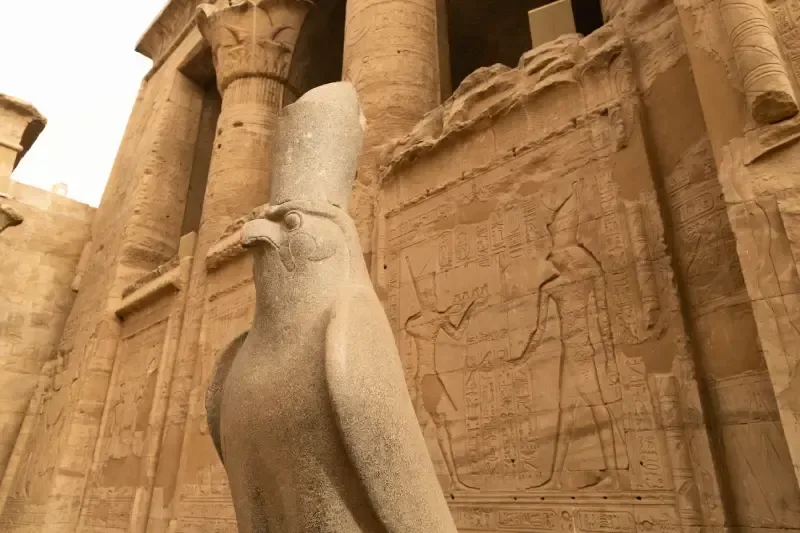
They were the most famous divine family in ancient Egypt. Osiris was a king murdered by his brother Set. His wife Isis used magic to revive him, and their son Horus later defeated Set. Osiris became lord of the underworld, and Horus became the protector of every living pharaoh.
Which Other Egyptian Gods and Goddesses Matter?
Female deities were just as powerful as male ones. Some of the best-loved Egyptian goddesses ruled over love, family, justice and war:
- Hathor: Goddess of love and music, with a temple at Dendera.
- Sekhmet: Lioness, "the powerful one," who could send or cure disease.
- Bastet: Cat goddess of homes and women, honored at Bubastis near Zagazig.
- Ma'at: Goddess of truth and cosmic order, wearing an ostrich feather.
Thoth, Sobek and Khonsu
Thoth, the ibis-headed god, invented writing and kept the records of the gods. Sobek, the crocodile god, shared the double temple at Kom Ombo with Horus the Elder, and about 300 crocodile mummies found nearby are shown in the site's Crocodile Museum. Khonsu, the young moon god, traveled across the night sky.
Who Was the Egyptian God of War?
There was no single Egyptian god of war. Montu, a falcon-headed god from the Luxor area, was the main war god of the pharaohs. Sekhmet fought beside the king, Neith was an archer goddess, and Set lent kings his raw strength.
Why Did the Gods Have Animal Heads?
An animal head was a quick way to show a god's character. A falcon flies high, so it suited the sky god Horus. A lioness is fierce, so it suited Sekhmet. Many deities also appeared in fully human form.
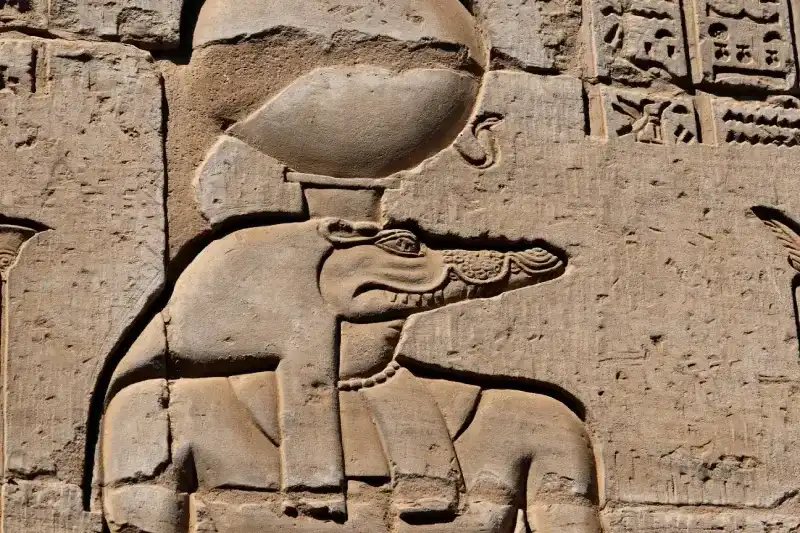
Montu, a falcon-headed god from the Luxor area, was the main war god of the pharaohs. The lioness goddess Sekhmet also fought for the king, and the archer goddess Neith and the strong god Set were linked to battle. Kings often called on several of them.
Egyptian God List: Names, Roles and Symbols
This table lists the most famous Egyptian god names, their roles, their symbols and where travelers can see them today.
| Name | Role | Symbol | Where to see today |
|---|---|---|---|
| Ra (Re) | Sun god and creator | Falcon head with a sun disc | Heliopolis obelisk, Cairo; Abu Simbel |
| Amun / Amun-Ra | King of the gods | Tall double-feather crown, ram | Karnak Temple, Luxor |
| Osiris | Lord of the dead and rebirth | Crook, flail, green or black skin | Temple of Seti I, Abydos |
| Isis | Mother goddess, magic and healing | Throne-shaped headdress | Temple of Isis, Philae |
| Horus | Sky god and protector of kings | Falcon, Eye of Horus | Temple of Horus, Edfu |
| Set (Seth) | Desert, storms and chaos | "Set animal" with a curved snout | Reliefs at Edfu |
| Anubis | Guardian of tombs and mummies | Black jackal or dog | Valley of the Kings tombs |
| Thoth | Writing, wisdom and the moon | Ibis or baboon | Hermopolis (el-Ashmunein) |
| Ma'at | Truth, justice and order | Ostrich feather | Tomb paintings, Luxor West Bank |
| Hathor | Love, music, joy and motherhood | Cow horns with a sun disc | Temple of Hathor, Dendera |
| Sekhmet | War, plague and healing | Lioness head | Temple of Ptah, Karnak |
| Bastet | Home, women and protection | Cat or cat-headed woman | Tell Basta, Zagazig |
| Ptah | Creator and god of craftsmen | Mummy-shaped man with a skullcap | Memphis (Mit Rahina) |
| Sobek | Nile, water and strength | Crocodile | Kom Ombo Temple |
| Khonsu | Moon and time | Youth with a moon disc | Temple of Khonsu, Karnak |
| Montu | War | Falcon head with two plumes | Medamud, near Luxor |
Gods often merged with each other, so many deities appear under more than one name, such as Amun-Ra or Set (Seth). Most of the temples in the table are still open to visitors.
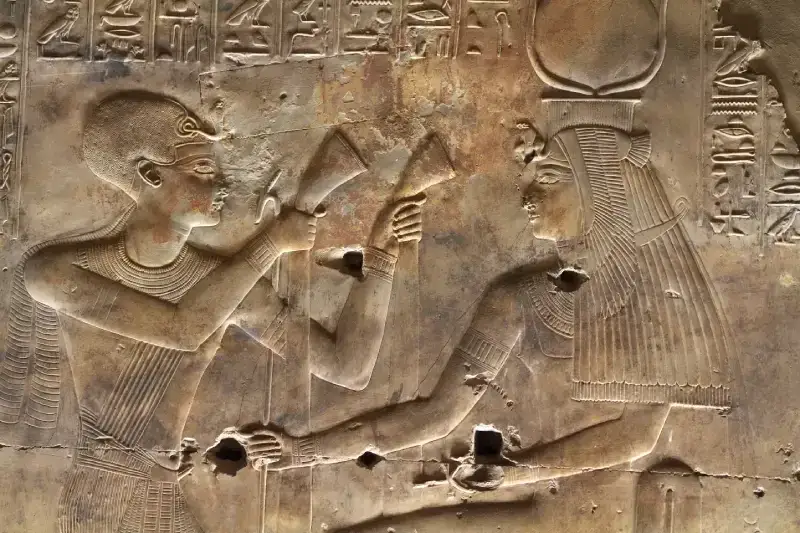
Ra is the main Egyptian sun god. He was shown with a falcon head topped by a sun disc. Other solar deities include Khepri, the morning sun shown as a scarab, Atum, the evening sun, and the Aten, the sun disc that Akhenaten worshipped above all other gods.
Where Can Visitors See the Egyptian Gods Today?
In Luxor, Karnak and Luxor Temple honor Amun, Mut and Khonsu, while the tombs of the Valley of the Kings show Osiris, Anubis and Ma'at in bright colors. A Nile cruise links Edfu, Kom Ombo and Philae, and Dendera is a popular day trip from Luxor.
In Cairo, the Egyptian Museum holds statues and amulets of many deities. The Grand Egyptian Museum near Giza, officially opened on 1 November 2025, displays more than 57,000 objects. It is a great place to start before heading south.
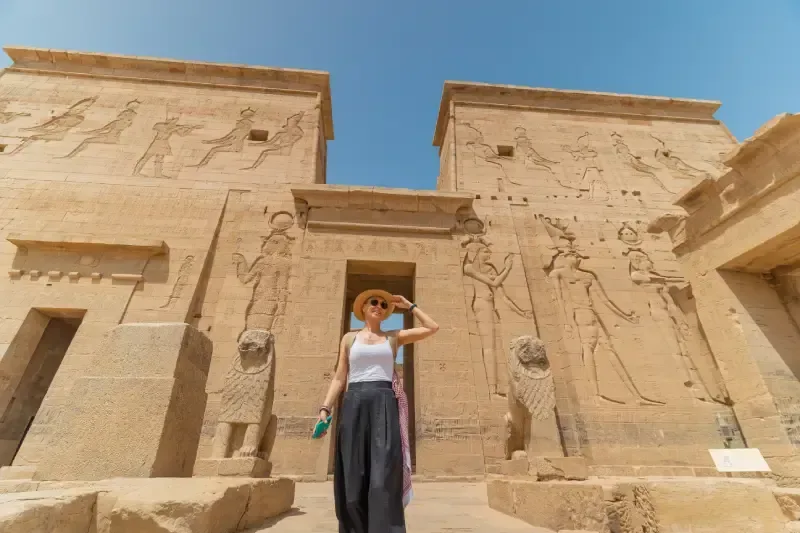
The temples of Karnak, Luxor, Edfu, Kom Ombo, Dendera, Philae and Abydos all show deities carved on their walls, and the tombs in the Valley of the Kings show them in bright paint. In Cairo, the Egyptian Museum and the Grand Egyptian Museum display statues and amulets of many gods.
Plan a Temple Trip with a Local Expert
A licensed Egyptologist guide brings the gods to life by reading the myths carved on temple walls and painted in tombs. Many travelers combine Karnak and the Valley of the Kings with a Nile cruise to Edfu, Kom Ombo and Philae. Travelers who want help planning can fill in the inquiry form on this page, and a local Egypt travel specialist will reply with a tailor-made plan.
Egyptian Gods FAQs: Quick Answers for Travelers
Two gods share this role. Osiris was the king and judge of the dead, ruling the underworld. Anubis, the jackal-headed god, protected tombs and guided mummification. Egyptians hoped to join Osiris after death, while Anubis made sure the body was ready for that journey.
The Eye of Horus, or wedjat, stands for protection, healing and wholeness. In myth, Set damaged the eye of Horus and the god Thoth restored it. Egyptians wore the eye as an amulet, painted it on coffins and placed it on mummies to keep the owner safe.
Anubis was the jackal-headed god of cemeteries and mummification. His black color stood for the fertile Nile soil and for rebirth, not for evil. He is often shown leaning over a mummy on a funeral bed, and he appears in many tomb paintings in the Valley of the Kings.
Bastet was the goddess of the home, women, children and protection. She was shown as a cat or as a woman with a cat's head. Her main city was Bubastis, now Tell Basta near Zagazig, where a large and lively festival was held in her honor.
Thoth was the god of writing, wisdom, knowledge and the moon. He was shown as an ibis-headed man or as a baboon. Egyptians believed he invented hieroglyphs and recorded the results of the judgment of the dead. His main cult city was Hermopolis in Middle Egypt.
The animal head showed a god's nature or power. The falcon showed the power of Horus over the sky, and the lioness showed the fierce strength of Sekhmet. Egyptians did not believe their gods literally looked like this. It was a visual language that anyone could understand, even without reading hieroglyphs.

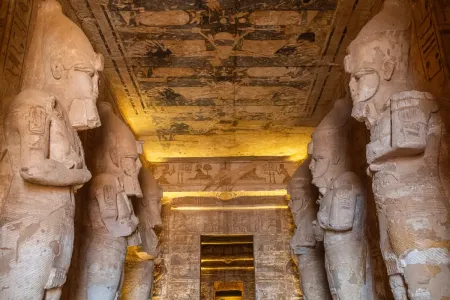
Discover the ancient Egyptian religion, covering Ma'at, the pharaoh, creation myths, temples and where to see it today.
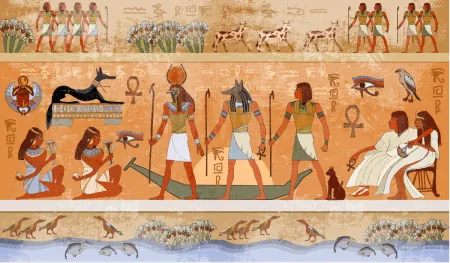
Explore the gods of ancient Egypt, covering their names, roles, symbols, famous myths and the temples where travelers can still see them.
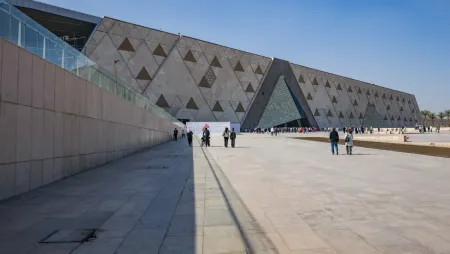
Step inside the Grand Egyptian Museum, covering Tutankhamun’s treasures and Ramses II statue.

An in-depth look at Egypt's New Administrative Capital, covering its official name, location, landmarks and how to visit from Cairo.
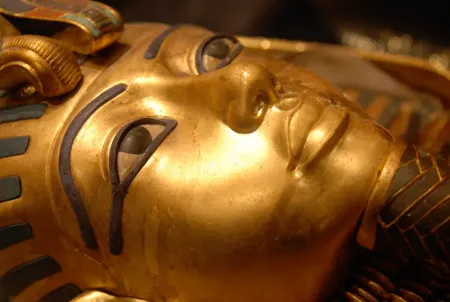
Everything you need to know about King Tutankhamun, Egypt's boy king, from his life, family and death to his golden mask, tomb discovery and where to see his treasures today.
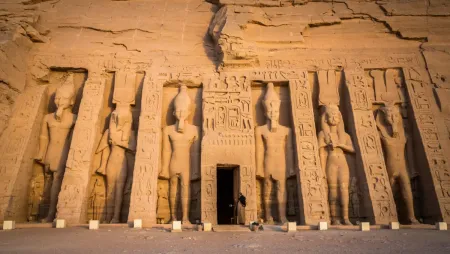
Step inside QV66, Queen Nefertari's vividly painted tomb in Luxor's Valley of the Queens.
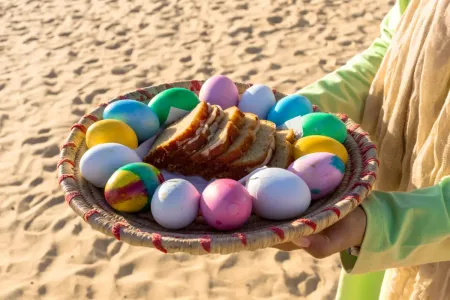
Learn about Sham el Nessim, Egypt's national spring festival, covering its meaning, ancient roots, dates, foods, traditions and travel tips.
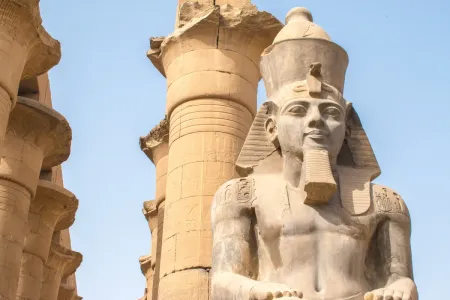
Explore every famous Ramses II statue, from the Grand Egyptian Museum colossus and Memphis to Abu Simbel and the newest finds in Egypt.
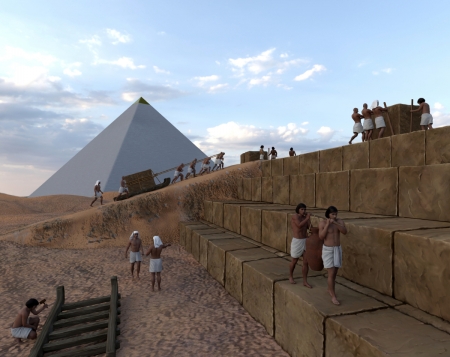
Explore life, religion, and architecture in the old kingdom of ancient Egypt. Learn more and prepare your trip to Egypt’s ancient wonders today.
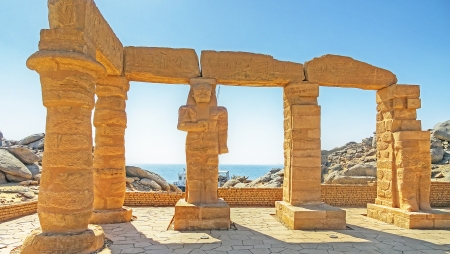
Middle Kingdom of Egypt: Archaeologists refer to the second period of stability in Ancient Egypt as the Middle Kingdom (2055–1650 BC)
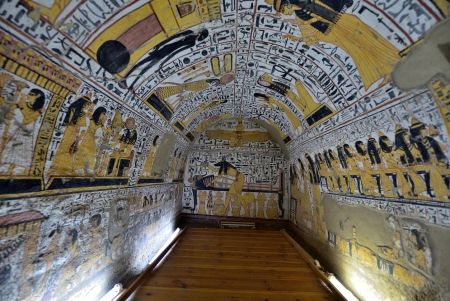
Uncover the glory of the New Kingdom of Ancient Egypt—learn about its pharaohs, remarkable power, and lasting cultural legacy.

Discover the incredible story of Queen Hatshepsut, Egypt's most famous female pharaoh. Explore the legacy of pharaoh queen hatshepsut.

Ramesses II, or Ramesses the Great, is one of the most famous figures in the history of Ancient Egypt.

Learn about the Greco-Roman period in Egypt and the must-see sites shaped by Greek, Roman, and Egyptian culture. Start planning your trip today.

Discover the fascinating life, reign, and lasting legacy of Queen Cleopatra, Egypt’s iconic and influential last pharaoh.
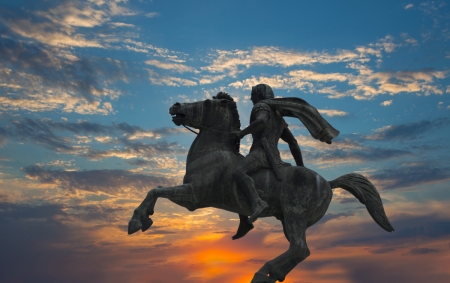
Follow Alexander the Great’s path across Egypt—historic cities, temples, and oases await. Discover history and plan your epic trip today.

Learn about Islamic Egypt’s transformation under powerful dynasties. Discover the stories that shaped Cairo’s history!
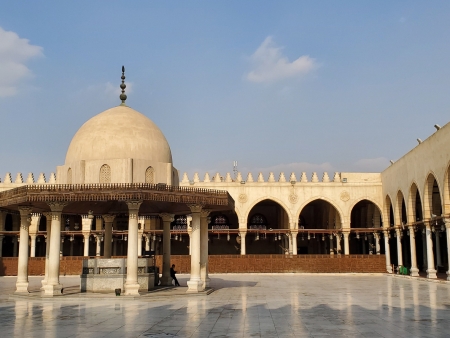
Learn about Amr Ibn Al-As: his life story, legacy, and vital role in shaping early Islamic history. Explore history's influential figures today.
Learn about Salahuddin Ayyubi and his impact on Egypt. Visit monuments, uncover fascinating stories, and plan your historical adventure now!
Journey through Ottomans in Egypt and witness the final chapters of Mamluk history. Get expert insights—start exploring the article today.

Learn how Mohamed Ali Egypt shaped the nation’s future. Uncover his achievements, reforms, and enduring legacy in Egyptian history.
Uncover the dynamic story of Modern Egypt, tracing its journey and major transformations. Dive into the history that defines modern Egypt.
