
 Home
Home
The Colossi of Memnon, also known as the Colossi of Memnon, are two massive stone statues that stand proudly on the west bank of Luxor. These impressive monuments were built more than 3,400 years ago and originally served as guardians at the entrance of the mortuary temple of Amenhotep III, one of the greatest pharaohs of the 18th Dynasty. Today, they are among the most photographed and recognizable landmarks in Egypt, attracting visitors from all over the world.
Although the temple behind them has mostly disappeared, the Colossi remain a powerful symbol of ancient Egyptian art, engineering, and royal glory. Their size, age, and fascinating history make them a must-visit stop for anyone exploring Luxor’s Theban Necropolis.
Overview: What is the Colossus of Memnon?
The Colossus of Memnon consists of two huge seated statues, each carved from a single block of stone. They depict Pharaoh Amenhotep III, who ruled during a golden age of prosperity, peace, and artistic achievement. The statues once marked the grand entrance to his vast mortuary temple — a structure so enormous that ancient Egyptians called it the “Temple of Millions of Years.”
Today, the two statues stand alone in the fields, but their presence continues to tell the story of Egypt’s architectural brilliance.
Key facts about the Colossus of Memnon:
- Height: around 18 meters (59 feet)
- Weight: approximately 720 tons each
- Carved from quartzite sandstone, transported from quarries near Cairo
- Built around 1350 BCE
The statues sit facing the east, looking toward the rising sun, symbolizing rebirth and eternity.
Why Are They Called the “Colossus of Memnon”?
The name does not come from ancient Egypt but from ancient Greece. In the Greek tradition, Memnon was a legendary hero — the king of Ethiopia and the son of Eos, the goddess of dawn. When the northern statue cracked after an earthquake in 27 BCE, it began to make a mysterious singing or whistling sound at sunrise.
Greek travelers believed the sound was Memnon greeting his mother, the goddess of dawn. From that moment, the statues became famous worldwide as the “Colossi of Memnon.”
Location: Where Are the Colossi of Memnon?
The statues are located on the west bank of Luxor, near the edge of the desert and close to several world-famous archaeological sites, including:
- The Valley of the Kings
- The Temple of Hatshepsut
- Medinet Habu
- The Ramesseum
- Deir Al Medinah (Workers’ Village)
The Colossus of Memnon stands along the main road that leads visitors to these major attractions, making it one of the first landmarks travelers see when exploring Luxor’s west bank.
Who Built the Colossus of Memnon?
The statues were built under the reign of Pharaoh Amenhotep III (1390–1352 BCE), a powerful king known for his diplomacy, wealth, and devotion to large-scale construction projects. His mortuary temple was once one of the biggest temples in Egypt, even larger than Karnak Temple in some sections.
Amenhotep III commissioned the giant statues to stand as guardians to his temple, showing his power and divine authority. The sculptures represent him seated on a throne, wearing the royal headdress and the sacred beard of a pharaoh.
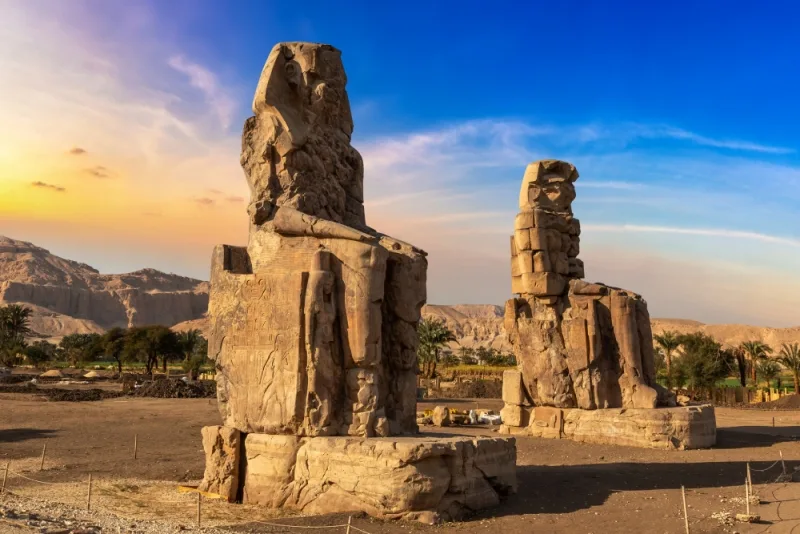
The Architecture and Design of the Colossi
Although they appear plain from far away, the statues are full of artistic details when viewed up close.
Each statue shows:
- The pharaoh sat on a royal throne
- Hands resting on his knees
- A calm, timeless facial expression
- Carvings of Nile gods, symbolic plants, and protective figures
- Side Figures
On the sides of the statues, smaller carvings show:
- Queen Tiye, Amenhotep III’s powerful wife
- Mutemwiya, his mother
- Symbols of Upper and Lower Egypt
These figures highlight the king’s divine family connections and the unity of the kingdom.
The Mortuary Temple of Amenhotep III
Behind the statues once stood one of the largest temples in ancient Egypt, covering more than 350,000 square meters. Unfortunately, it was built on ground that often flooded, and over the centuries, much of the temple collapsed or was destroyed.
The temple included:
- Great pylons
- Colonnaded courts
- Massive courtyards
- Artificial lakes
- Hundreds of statues
Archaeologists have found remains of sphinxes, giant pillars, and beautiful carvings. Work continues today to restore parts of the temple complex.
Customize Your Dream Vacation!
Get in touch with our local experts for an unforgettable journey.
Plan Your Trip
The “Singing” Colossus: A Mystery of the Ancient World
One of the most fascinating stories about the Colossus of Memnon comes from the ancient world. After an earthquake in 27 BCE, the northern statue cracked, and for nearly two centuries, it made a strange sound at sunrise.
The sound was described as:
- A musical hum
- A faint whistle
- A soft singing tone
- A ringing or vibration
Travelers came from Greece and Rome just to hear the “miracle.” The phenomenon became so famous that even Roman emperors visited the site.
What caused the sound?
- Modern explanations suggest:
- Rising temperatures at sunrise
- Moisture evaporating
- Quartzite stones expanding
- Wind passing through cracks
In 199 CE, Emperor Septimius Severus repaired the statue, and the sound stopped forever.
Historical Importance of the Colossus of Memnon
The statues are not only famous for their size but also for their cultural and historical significance.
They represent:
- The power and influence of Amenhotep III
- The artistic style of the 18th Dynasty
- Ancient Egyptian engineering skills
- International connections with Greece and Rome
- One of the earliest documented “tourist attractions” in history
- Greek inscriptions carved by ancient travelers are still visible on the northern statue.
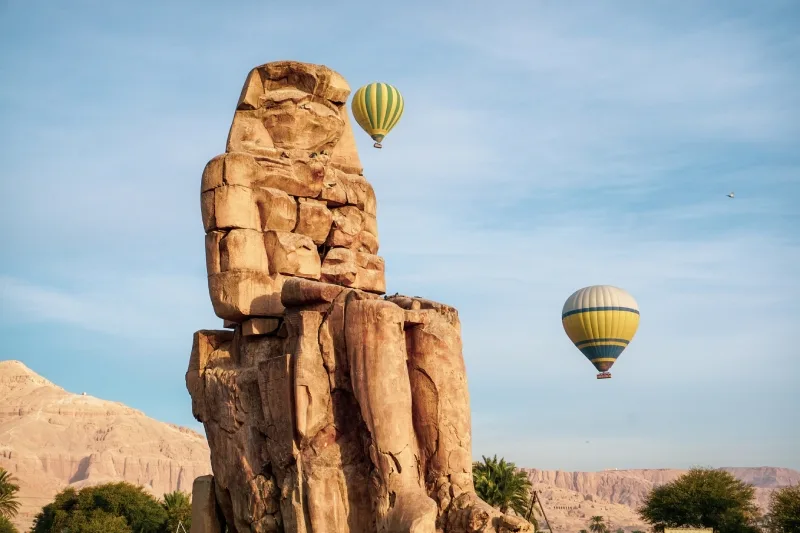
The statues are famous for their massive size, ancient Egyptian craftsmanship, and the legendary “singing” sound the northern statue once produced at sunrise.
Why Visit the Colossus of Memnon?
The Colossus of Memnon is one of Luxor’s most iconic landmarks and a perfect stop for any traveler exploring the west bank. They are free to visit, easy to access, and offer incredible photo opportunities.
Top reasons to visit:
- Perfect for sunrise or morning photography
- Located near all major West Bank attractions
- Free entrance — visitors can stop anytime
- Fascinating history and legends
- Impressive size and craftsmanship
- Less crowded than other archaeological sites
The statues also give visitors a visual introduction to the greatness of Amenhotep III’s reign.
What Travelers See Today
The Colossi today sit peacefully in the fields, surrounded by farmland, open skies, and archaeological areas. Visitors can walk around the statues, observe their details, and read information panels explaining their history.
Although the temple behind them is mostly gone, excavations reveal ongoing discoveries — including new statues, sphinx avenues, and fragments of decorative reliefs.
Travel Tips for Visiting the Colossus of Memnon
Best time to visit:
- Early morning (soft light, fewer crowds)
- Late afternoon (beautiful golden colors)
What to bring:
- Comfortable shoes
- Sun protection
- Phone or camera
- Water bottle
How long to spend:
Most visitors spend 10–20 minutes, but history fans may stay longer
Best itinerary combinations:
Because the Colossi are located along the road, they are easily combined with:
- The Valley of the Kings
- Hatshepsut’s Temple
- Medinet Habu
- The Ramesseum
- Deir Al Medinah
- Carter House
These nearby attractions make for a full and exciting West Bank tour.
Interesting Facts About the Colossus of Memnon
- They were carved from stone quarried 700 km away near Cairo.
- Each statue weighs the same as 120 African elephants.
- The Greek inscriptions carved by ancient tourists still exist.
- The “singing” phenomenon made the statue one of the Seven Wonders of the Roman world.
- The statues mark the entrance to what was once the largest temple ever built in Egypt.
- Archaeologists continue to uncover new statues and fragments around the site.
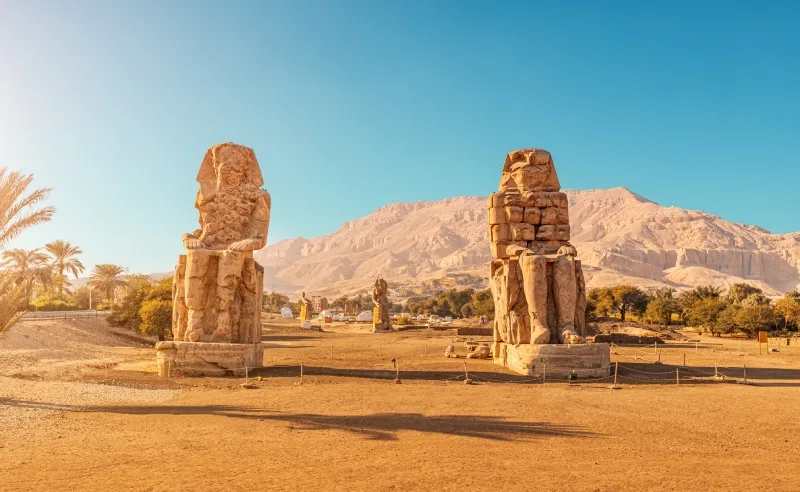
The Colossus of Memnon is more than just giant statue — they are powerful symbols of ancient Egyptian history, engineering, and legend. Standing silently over the Theban landscape for more than 3,000 years, the colossi continue to inspire travelers with their impressive size, artistic detail, and fascinating stories.
For anyone visiting Luxor, a stop at the Colossus of Memnon is essential. Whether admired at sunrise, photographed during a west bank tour, or seen from a passing car, the statues offer a memorable glimpse into the greatness of ancient Egypt and the enduring legacy of Amenhotep III.
The Colossus of Memnon is located on the west bank of Luxor, near the road leading to the Valley of the Kings and other major archaeological sites.
They were built by Pharaoh Amenhotep III during the 18th Dynasty as guardians of his grand mortuary temple.
The name comes from ancient Greek travelers who believed the sunrise sound came from Memnon, a mythological hero and son of the goddess of dawn.
After an earthquake in 27 BCE, the northern statue produced a whistling or humming sound at sunrise for nearly 200 years.
They represent the power of Amenhotep III, the artistic mastery of the 18th Dynasty, and one of the world’s earliest tourist attractions.
Nearby highlights include the Valley of the Kings, Hatshepsut Temple, Medinet Habu, the Ramesseum, and Deir Al-Medinah.
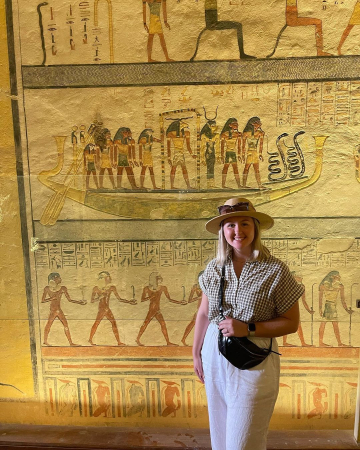

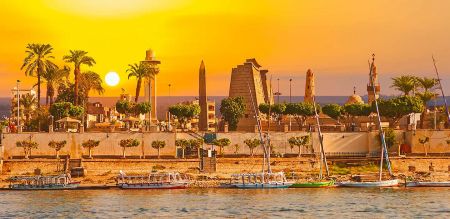
Explore the best temples and tombs with our Luxor Egypt Guide. Dive into ancient Thebes and start planning your trip today.
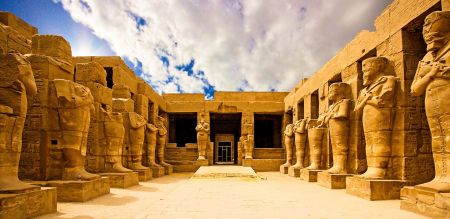
Located on the east bank of the Nile, Karnak Temple Complex consists of a number of temples. Its name was given as in Arabic Karnak means fortified village.
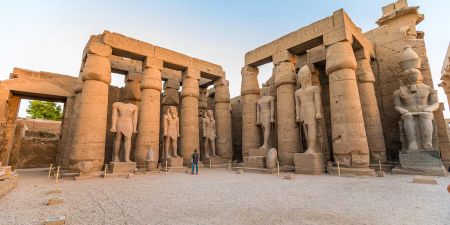
Your complete guide to Luxor Temple in Luxor, Egypt. Discover history, key attractions, and expert sightseeing tips for travelers.
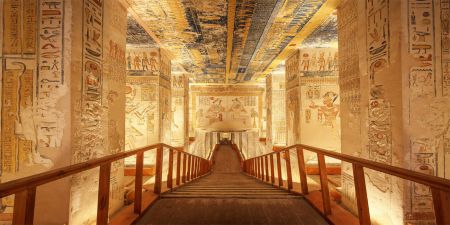
Your guide to the Valley of the Kings—best tombs, history, and insider facts. Get the knowledge you need and start planning your trip today.
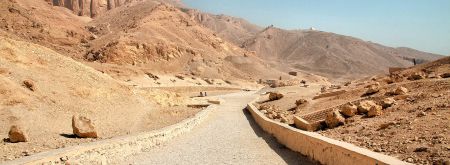
Step into history at the Valley of the Queens, Luxor. Explore royal tombs, ancient artifacts, and fascinating facts about this legendary site.
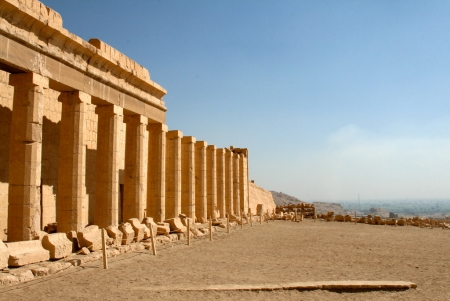
Uncover the history of the Temple of Hatshepsut Luxor. Learn about the remarkable Queen's mortuary temple and essential travel tips in our complete guide.
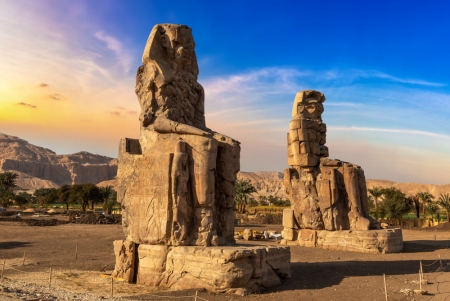
Stand before the Colossi of Memnon and witness Egypt’s engineering marvels. Discover their story and plan your West Bank sightseeing tour today.
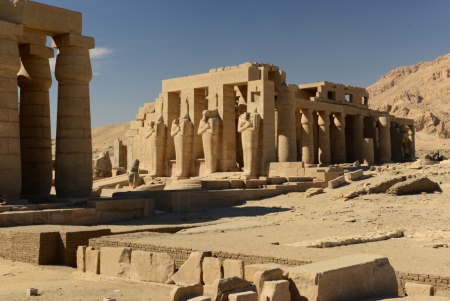
Learn about the Ramesseum in Luxor, Ramses II’s mortuary temple. Explore its history, statues, and hieroglyphs while planning your visit today.
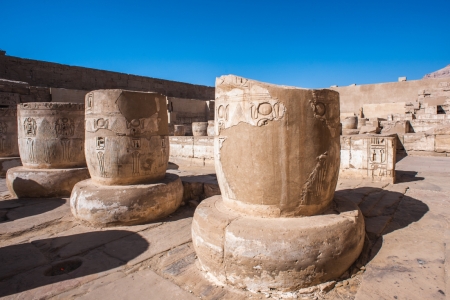
Learn why Medinet Habu is a must-see in Luxor, with its bright reliefs and rich history. Get key travel details and prepare your Egypt visit now!
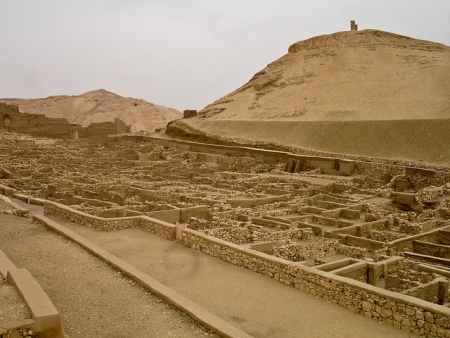
Discover the village of Pharaoh’s workers, where the skilled artisans of Deir el Medina created royal tombs, lived in unique homes, and practiced their craft over 3,000 years ago.
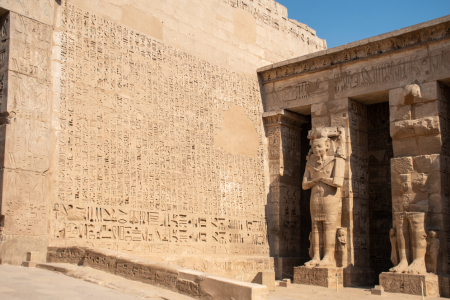
Explore the Tombs of the Nobles Luxor and discover vivid art scenes depicting ancient Egyptian daily life on this fascinating journey.