 Home
HomeAswan Attractions
Information about Aswan history and all of the most significant sites around the city of Aswan south of Egypt
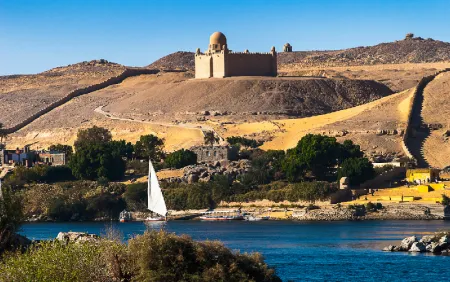
Agha Khan Mausoleum in Aswan, built 1956-1960, features pink granite architecture, white marble tomb, 120-step climb & daily red rose tradition.
Frequently Asked Questions
Got questions? We’ve got answers. Find everything you need to know to plan your perfect trip.
Many Egypt trips combine ancient history, scenic cruising, and relaxing coastal escapes. Travelers often begin their journey in Cairo, explore the legendary Giza Pyramids Complex, and then continue with a cruise along the Nile River between Luxor and Aswan. Egypt also offers beautiful Red Sea resorts for relaxation and marine activities. The most comfortable season for travel is typically November through March, when temperatures are pleasant for sightseeing across the country.
Popular Egypt Trip Itinerary Options & Costs
Most organized journeys start in Cairo and include a Nile cruise between Luxor and Aswan. A 7–10 day trip usually ranges from $900 to $2,500 per person (land only) depending on the level of comfort, accommodations, and experiences included.
1- Classic Itinerary (9–10 days)
- Cairo, Luxor, Aswan, and the Abu Simbel Temples
- Ideal for first-time visitors wanting to explore Egypt’s most famous historical landmarks
- Often includes domestic flights and a Nile cruise
2- History & Relaxation (10–12 days)
- Classic route plus beach time in Hurghada or Sharm El Sheikh
- Combines ancient temples with snorkeling and beach experiences along the Red Sea
3- Budget / Explorer Trips (7 days)
- Focus on major highlights such as the Great Pyramid of Giza and the Valley of the Kings
- Often include a 5-star Nile cruise with prices starting from around $800
Key Destinations in Egypt Trips
- Cairo / Giza
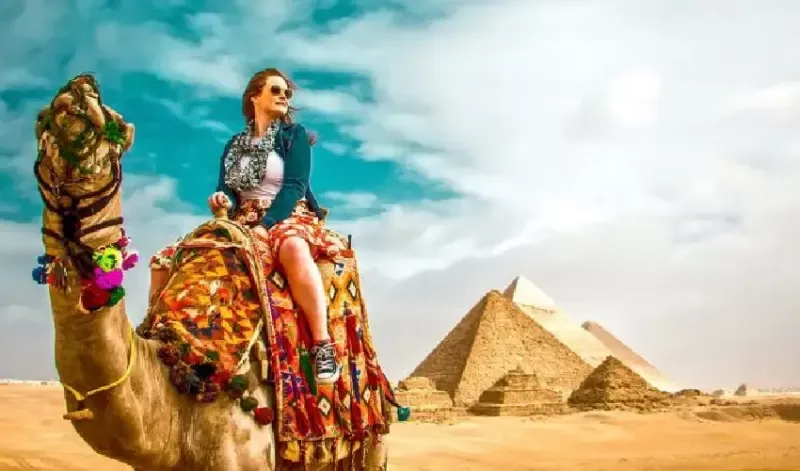
Home to the Great Pyramid of Giza, the Great Sphinx of Giza, and the Grand Egyptian Museum.
- Luxor
Often called the world’s largest open-air museum, featuring the Karnak Temple, Luxor Temple, and the Valley of the Kings.
- Aswan
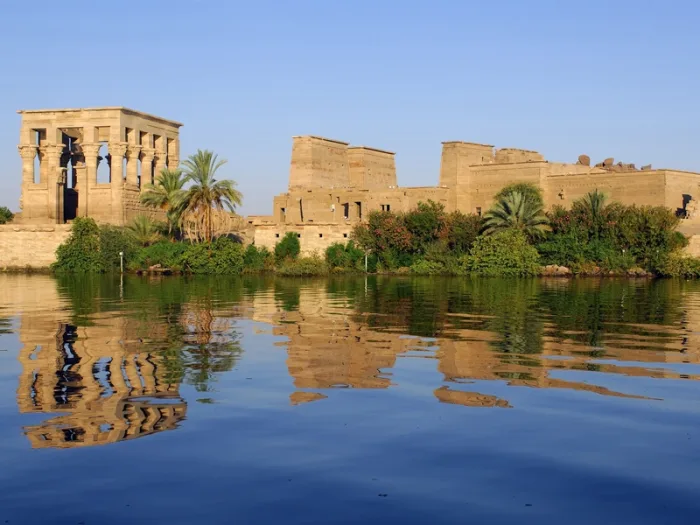
A scenic Nile-side city known for Philae Temple, the Aswan High Dam, and traditional Nubian culture.
- Abu Simbel Temples
Magnificent rock temples built by Ramesses II and dedicated to him and Nefertari, usually visited from Aswan.
- Red Sea Resorts
- Hurghada
- Sharm El Sheikh
Both are popular for diving, snorkeling, and beach relaxation.
Important Travel Tips
1- Visa
Travelers to Egypt generally require a tourist visa. Many visitors can obtain a 30-day visa on arrival at the airport for approximately $25 USD, provided their passport is valid for at least six months beyond the arrival date.
2- Safety
Security is visible at major tourist sites, often including police and military presence. Organized tours commonly provide representatives to assist with airport transfers and travel logistics.
3- Culture & Dress
Egypt is a conservative country. Modest clothing is recommended, and public displays of affection are generally discouraged.
4- Health
Drink bottled water rather than tap water and consider travel insurance that includes medical coverage and evacuation if needed.
5- Money
The local currency is the Egyptian Pound (EGP), though US dollars are widely accepted in many tourist areas. Tipping is a common part of the culture, so carrying small bills is helpful.
The best of Egypt tours combine the country’s most iconic sights with well-planned experiences, including visits to the Giza Pyramids Complex in Cairo, scenic cruises along the Nile River, and the remarkable temples of Luxor and Aswan. Many itineraries also offer optional extensions for relaxation by the Red Sea in Hurghada or deeper cultural exploration in Alexandria and Egypt’s desert oases. Tour options vary from budget-friendly packages to private luxury journeys, often including domestic flights, expert guides, and seamless travel arrangements. Leading providers include local specialists such as Holiday In Egypt and Beyond The Nile, international operators such as Intrepid and Exodus, luxury brands like Tauck and Abercrombie & Kent, and Memphis Tours for curated and personalised experiences.
Popular Tour Types & Destinations:
- Classic Egypt (Cairo & Nile Cruise): Focuses on highlights such as the Giza Pyramids, the Egyptian Museum, Karnak Temple, Luxor Temple, and the Valley of the Kings, combined with a Nile cruise (typically 3–5 nights) stopping at Edfu and Kom Ombo, and ending in Aswan.
- Deep Dive Cultural Tours: Extend your journey to include the impressive Abu Simbel temples near Aswan, historic Islamic Cairo, Alexandria, or even the remote Siwa Oasis for a richer and more immersive cultural experience.
Memphis Tours Egypt small group tours have an average group size of around 10 travellers. This is deliberately kept small to ensure a genuinely personal experience — you can always hear the guide clearly, ask questions freely, and visit sites without feeling part of a large, impersonal crowd.
There are several popular tours in Egypt that offer unique experiences. Here are some of the best Egypt tours to consider:
1. Trip to Egypt: Pyramids & Nile by Air
2. 5 Days Trip to Egypt: Cairo and Luxor
3. Pyramids, Nile Cruise & Abu Simbel
Top-rated Egypt tour packages in 2026 typically include: airport transfers, accommodation (3–5 star), English-speaking licensed guide, site entry fees, domestic flights (Cairo–Luxor), and some meals. Best sellers are the 8-day "Classic Egypt" (Pyramids + Nile cruise), the 10-day "Egypt Explorer" (Cairo + Upper Egypt + Red Sea), and the 14-day "Grand Egypt" covering all major regions.
Egypt tourist visas are typically issued for a 30-day stay, with a 90-day validity window from issue date. Extensions can be obtained from the Mogamma building in Cairo's Tahrir Square or from Passport and Immigration offices in other cities. Extensions cost around 200–300 EGP and extend the stay by another 30 days. Multiple-entry visas (valid 6 months) are available online for frequent visitors.
October to April is the best period to visit Egypt — temperatures are comfortable (15–28°C), crowds are manageable outside peak Christmas/New Year weeks, and prices are 20–30% lower than peak season. March–April is the sweet spot: warm but not hot, post-winter crowds, and lush Nile vegetation. Avoid June–August when temperatures in Luxor and Aswan exceed 40°C — heat makes sightseeing grueling.
A minimum of 10–14 days is recommended to experience Egypt meaningfully: 4 days Cairo and Giza, 4 days Upper Egypt (Luxor/Aswan), 2 days Nile cruise, and 2–4 days at the coast or desert. Shorter trips (7 days) work if focused on Cairo and Luxor only. Budget travelers often spend 3–4 weeks to include the Western Desert oases and Red Sea.
- The currency of Egypt is the Egyptian pound, The value of the Pound is effectively fixed at the rate of 0.056 LE to 1 USD, Credit cards are widely used in Egypt.
- Service charges that have been included on your bill go to the restaurant, not the waiter. Be sure to tip the servers 10% in addition by handing it to them directly.
- The metro is one of the best ways to go from one place to another within Cairo.
- Arabic is the official language, English is widely used as second language.
- Try “Fool”, Egyptian beans, and “Koshary”, a traditional Egyptian pasta dish.
- Try Kebab and Kofta, the Egyptian traditional meat dish.
- Visit the Pyramids of Giza, the Sphinx and valley temple which belongs to king Chephren.
- See Luxor temple, Hatshepsut temple, Valley of the Kings and Karnak temple in Luxor.
- Admire the wonders of ancient history at the Egyptian Museum.
- Discover the magic of Egyptian oases like Siwa or Bahariya
- Dive or snorkel in Sinai or cities situated on the Red Sea.
- Going on a Nile Cruise from Luxor to Aswan or vise versa.
- Shop at Khan El Khalili touristic market in Cairo.
- Visit Philae and Abu Simbel temples in Aswan.
- Visit the Saint Catherine Monastery in Sinai.
- Exploring Islamic Cairo on foot.
Discover More About Egypt
Explore unique stories, insider tips, and must-see spots to make the most of your visit.