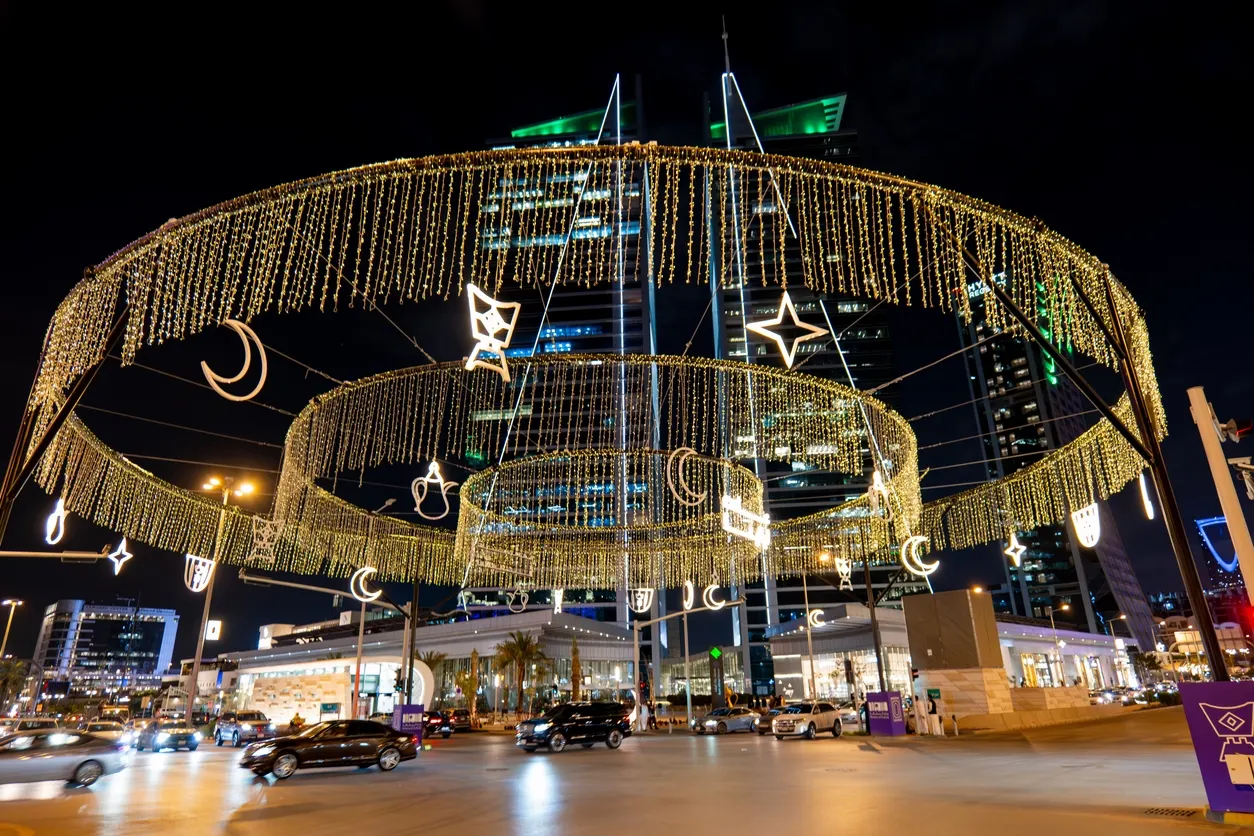
Riyadh’s nightlife pulses with a unique energy where tradition meets modernity. While Saudi Arabia doesn’t have conventional nightclubs, the city offers vibrant alternative, Upscale lounges like Theatro by Cirque du Soleil blend mixology with live performances, Rooftop terraces (e.g., VIA Riyadh) serving shisha under starry skies, Cultural nights at Boulevard World with global music and dance, Gaming hubs like Level Up buzzing until dawn and Café crawls through Tahlia Street’s designer coffee houses.
Riyadh nightlife has undergone a remarkable transformation that few outsiders fully comprehend. As I walked through the bustling streets of Saudi Arabia's capital after sunset, I couldn't help but notice how dramatically different today's scene is from the strictly regulated environment of just a few years ago. The city that was once shaped by cultural emphasis on privacy has now embraced public social spaces, particularly since the implementation of Vision 2030.
During my exploration of Riyadh city nightlife, I discovered a vibrant ecosystem of trendy cafes, cultural performances, and mixed-gender social spaces that significantly challenge Western perceptions. This evolution mirrors what we've seen in other regions, where public spaces have become arenas for social expression and cultural identity. Now, shopping malls stay open late, live music venues attract diverse crowds, and traditional elements blend with modern entertainment options in fascinating ways.
In this article, we'll dive into how Riyadh's after-dark scene has evolved, who's participating in this cultural shift, and what challenges still lie ahead. Whether you're planning a visit or simply curious about Saudi Arabia's changing social landscape, this guide will provide an insider's perspective on the new face of Saudi after dark.
The visible shift: What Riyadh nightlife looks like today
Walking through Riyadh today reveals a nocturnal landscape unrecognizable from just a few years ago. The city's after-dark personality has evolved dramatically, with locals and visitors alike embracing new social freedoms across various venues and entertainment spaces.
Trendy cafes and late-night dining spots
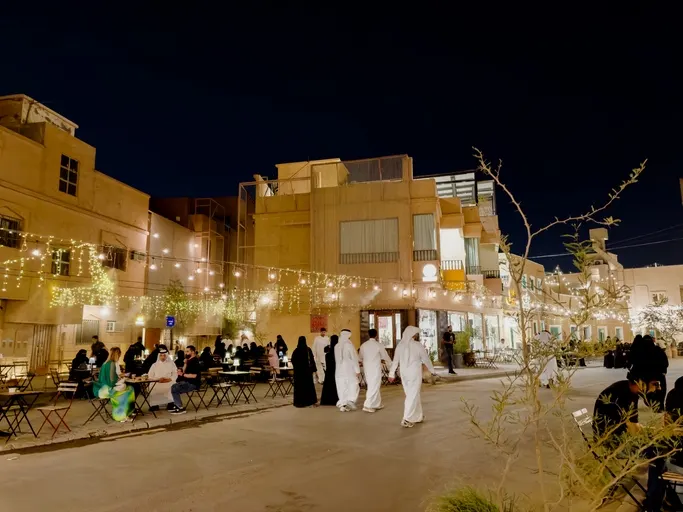
The Saudi capital thrives on caffeine around the clock. Unlike other global cities, Riyadh's coffee culture knows no time constraints - specialty coffee shops, frothy lattes, and flat whites are available well past midnight. Venues like Less is More Coffee and Dr. Café operate 24 hours, serving everything from Ethiopian blends to Guatemala and Nicaragua roasts. For night owls craving something sweet alongside their caffeine fix, cafes like Ideal Café offer waffle sticks and crepes until the early morning hours.
Late-night dining options have multiplied as well. Restaurants such as Double Like serve gourmet burgers until 2am, while upscale eateries like Signor Sassi welcome diners until 1am on weekends. Villa Mamas at Bujairi Terrace remains open until 1am daily, offering some of the best views in the luxury dining district.
Live music venues and cultural performances
Entertainment options have expanded considerably across the city. Beast House, Saudi's first permanent nightclub (albeit alcohol-free), provides a creative space for music enthusiasts with workshops, live performances, and DJ sets. MDL Beast organizes multiple festivals throughout the year, including the three-day Soundstorm festival in December and Azimuth dance events in AlUla.
Comedy shows featuring Saudi performers have gained popularity, with venues reporting impressive attendance. Additionally, restaurants like Billionaire Riyadh and MNKY HSE offer dinner shows with theatrical presentations and live music, creating immersive entertainment experiences.
Shopping malls and entertainment hubs open late
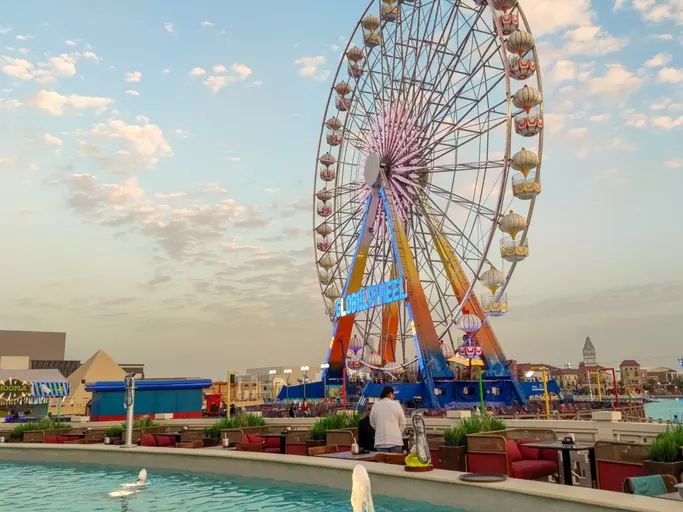
The shopping culture extends well into the night, with malls typically opening after evening prayers. Furthermore, SEVEN (Saudi Entertainment Ventures) is developing 21 entertainment destinations across 14 Saudi cities, featuring everything from indoor surfing zones to ski parks and observation wheels.
The rise of mixed-gender social spaces
Perhaps most notably, segregation rules have relaxed considerably. Restaurants no longer need maintained separate entrances for men and women, as announced by the ministry of municipalities and rural affairs. Hotels now allow foreigners of both genders to share rooms without proving they're related, and Saudi women can book and stay in hotels alone - significant changes from previous regulations. These policy shifts have fostered vibrant mixed social scenes previously unimaginable in the kingdom.
From restrictions to relaxation: How nightlife evolved
The evolution of Riyadh nightlife represents one of the most dramatic social shifts in modern Saudi history. To understand this transformation, we must look at how the Kingdom moved from strict regulations to its current, more relaxed approach.
A brief history of nightlife restrictions in Saudi Arabia
For decades, Saudi Arabia maintained some of the world's most conservative social policies. The sale of alcohol, once legal, was banned in 1952 following the murder of British Vice-Consul Cyril Ousman. Before recent reforms, entertainment options were severely limited by strict social and religious conventions. Evening activities were restricted, public performances discouraged, and gender segregation strictly enforced. Consequently, many Saudis spent approximately $22 billion annually on tourism and entertainment outside the country.
Vision 2030 and its cultural impact
Everything changed with the introduction of Vision 2030 in 2016, spearheaded by Crown Prince Mohammed bin Salman. This ambitious blueprint aims to diversify Saudi Arabia's economy beyond oil dependency. The initiative recognizes culture as "indispensable to quality of life" and targets increasing household entertainment spending from 2.9% to 6% by 2030.
Vision 2030 primarily focuses on:
- Developing creative industries and necessary infrastructure
- Enhancing quality of life for citizens and residents
- Attracting tourists and diversifying the economy
- Promoting a more open and inclusive society
These reforms have essentially rewritten social norms. Previously, women were required to wear abayas and cover themselves completely. However, dress codes have relaxed, women gained driving rights, and gender segregation rules have eased substantially.
Customize Your Dream Vacation!
Get in touch with our local experts for an unforgettable journey.
Plan Your TripThe role of the General Entertainment Authority
To implement this cultural transformation, the General Entertainment Authority (GEA) was established in 2016. The GEA regulates and develops the entertainment sector while organizing events nationwide. It has created an online entertainment calendar called "Roznamah" featuring over 300 events and launched initiatives like Riyadh Season—the Middle East's largest entertainment festival with more than 7,000 events over six months.
By 2024, the GEA had issued 6,760 licenses, organized 1,810 events, and attracted 76.9 million attendees. Additionally, it offers investment opportunities through platforms like "Furas," which provides hundreds of temporary venues for event organizers.
The social fabric of Riyadh after dark
The demographic mosaic of Riyadh's nighttime scene reveals a society in transition. As darkness falls over the capital, a diverse crowd emerges, each seeking their own version of nocturnal leisure.
Who's going out? Youth, expats, and women
The heartbeat of Riyadh nightlife comes primarily from its youth. With 60% of Saudi Arabia's population under 30, these young citizens represent the driving force behind the evening economy. In fact, a Saudi businessman observed that the rapid social changes are working because "even the Lebanese are coming here for new year".
Equally important, women have carved out significant space in this evolving landscape. Tonic Bar exemplifies this shift, featuring the first women-only bar team in Saudi Arabia, which "has earned strong support online and in person". Moreover, venues like Riyadh Sports Café have "deliberately turned convention on its head: the main seating area is for women, with men relegated to the family section upstairs".
How social media is shaping nightlife trends
Social media platforms have undeniably become powerful catalysts for Riyadh's nightlife evolution. These digital spaces serve as virtual town squares where "Saudi youth have harnessed the potential of social media to connect with like-minded individuals, forming communities that transcend geographical boundaries".
Instagram, Snapchat, and Twitter now function as the primary channels for discovering events and venues. When Tonic Bar opened, "social media lit up with praise for the women-only team. Many posts celebrated the idea that progress doesn't need to compromise identity".
The balance between tradition and modernity
Finding equilibrium between cultural heritage and contemporary entertainment remains an ongoing process. Riyadh nightlife focuses on "restaurants and hotels where families and singles can gather to socialize" rather than alcohol-centered establishments common elsewhere.
Simultaneously, private gatherings continue to play a crucial role, with "closed-door events that you have to gain access to by way of a friend or colleague". These range from official receptions to birthday parties and even "'secret' dance parties".
As one Saudi observer aptly noted: "The Saudi market will be great, because the local community goes out a lot". This sentiment captures the enthusiasm fueling Riyadh's nighttime transformation—a blend of cultural respect and social innovation uniquely Saudi in character.
Challenges and the road ahead
Despite the rapid transformation of Riyadh nightlife, several significant hurdles remain on the path to creating a sustainable entertainment ecosystem. The balance between modernization and cultural identity creates a complex landscape for stakeholders to navigate.
Cultural pushback and conservative resistance
Behind the flashy venues and packed events lies an undercurrent of resistance. Many devout conservatives express feelings of being "strangers in this time of openness", particularly in smaller towns like Huraymila, where residents refused to attend a government-organized concert. Social media comments on entertainment venues often include religious objections with phrases like "insult," "fake news," and "Astagfirullah (seek forgiveness from Allah)".
The government has responded firmly to critics, with some observers noting that "clerics and others who criticize the government are thrown in jail, while parties and concerts are encouraged". This approach has raised concerns about political repression accompanying social liberalization, creating what some describe as "a politically illiberal climate with a single person in charge".
Safety, regulation, and public perception
Safety remains paramount in Riyadh's nightlife evolution. The General Entertainment Authority enforces strict regulations, with penalties ranging from warnings to license revocation for venues that fail to "respect the culture and values of the Kingdom". At clubs like Beast House, stern-faced guards monitor behavior, and signs admonish patrons to "Look, don't stare" and "Be friendly, but don't overdo it".
Nevertheless, accessibility poses another challenge. The lowest annual membership at Beast House costs approximately £1,900 (about two months' salary on minimum wage), prompting complaints that "leisure is expensive". This raises questions about who can fully participate in the new Saudi Arabia.
What the future holds for Riyadh city nightlife
Looking ahead, ambitious entertainment targets will test the kingdom's resolve. Qiddiya entertainment hub alone aims to attract 48 million visitors by 2030, though international tourists currently make up just 18% of total arrivals.
Alcohol regulations may see further adjustment, with expectations that "by 2030, non-muslim tourists will not face any restrictions to consume alcohol in Saudi Arabia", potentially transforming the nightlife landscape.
The entertainment sector aims to contribute 4.2% to Saudi GDP and create 450,000 jobs under Vision 2030, figures comparable to entertainment's 4.5% contribution to the US economy. Industry professionals acknowledge the challenge of balancing regulation with creativity, noting that "adding regulation to the underground music scene for it to be more safe or more secure... is obviously going to remove some attractiveness from it".
Ultimately, Riyadh's nightlife evolution demonstrates that "the liberation of taboos requires a lengthy transition, and the most challenging aspect is overcoming entrenched mindsets".
Conclusion
The Emerging Reality of Saudi Nights
Walking through Riyadh's transformed streets today feels like witnessing history unfold. Saudi Arabia stands at a fascinating crossroads where tradition meets modernization, creating a nightlife scene uniquely its own. The bustling cafes, performance venues, and mixed-gender social spaces certainly challenge long-held Western perceptions of the Kingdom.
Vision 2030 has undoubtedly accelerated this cultural metamorphosis. Previously unimaginable scenes – women driving to late-night venues, families enjoying entertainment hubs until early morning, youth gathering for music events – now form the everyday reality for many Saudis and expats alike. This shift represents more than just nighttime activities; it reflects a broader societal transformation reshaping Saudi identity.
Nevertheless, challenges persist. Cultural resistance from conservative segments, accessibility concerns due to high costs, and the delicate balance between regulation and creative freedom will continue shaping Riyadh's after-dark landscape. The government must navigate these tensions carefully while maintaining its ambitious entertainment targets.
Saudi Arabia appears determined to forge its own path rather than simply adopting Western nightlife models. Alcohol-free venues, family-oriented spaces, and entertainment options respecting cultural values demonstrate a distinctively Saudi approach to modernization. This balancing act between progressive policies and cultural preservation will likely define Riyadh's nightlife evolution for years to come.
Looking ahead, the Kingdom's entertainment ambitions will face practical tests as the sector expands. Tourism growth, economic diversification, and youth engagement depend significantly on the success of these nightlife initiatives. Meanwhile, Saudi citizens themselves continue adapting to their rapidly changing social environment.
After spending time exploring Riyadh after dark, I've gained profound appreciation for this unique social experiment. While obstacles remain on the road ahead, one thing appears certain – the Saudi capital's nightlife transformation represents one of the most remarkable cultural shifts in the Middle East today, forever altering both the city's character and its place in the global imagination.
FAQs
1. What are some popular nightlife activities in Riyadh?
Popular nightlife activities in Riyadh include visiting trendy cafes, enjoying late-night dining, attending live music performances, exploring shopping malls that stay open late, and participating in cultural events at entertainment hubs.
2. How has Saudi Arabia's nightlife changed in recent years?
Saudi Arabia's nightlife has undergone a significant transformation, with relaxed social restrictions, the introduction of mixed-gender social spaces, and a wider variety of entertainment options. This change is largely due to the Vision 2030 initiative and the establishment of the General Entertainment Authority.
3. Are there any restrictions on nightlife activities in Riyadh?
While restrictions have eased considerably, there are still regulations in place. Alcohol remains prohibited, and venues are expected to respect Saudi cultural values. Safety measures and behavioral guidelines are enforced at entertainment locations.
4. Who typically participates in Riyadh's nightlife scene?
Riyadh's nightlife scene is primarily driven by the youth, with a significant portion of participants being under 30. Expats and women are also increasingly active in the nightlife scene, reflecting the changing social dynamics in the city.
5. What challenges does Riyadh's evolving nightlife face?
Challenges include cultural pushback from conservative segments of society, balancing modernization with traditional values, ensuring safety and appropriate regulation, and addressing concerns about accessibility due to high costs of some entertainment options.
There are Many More Things to Do in Saudi Arabia, Plan Memorable Saudi Arabia Tours!
Related Articles
Keep the inspiration going with these handpicked travel reads.