
Your Complete Guide to UNESCO Sites in Morocco
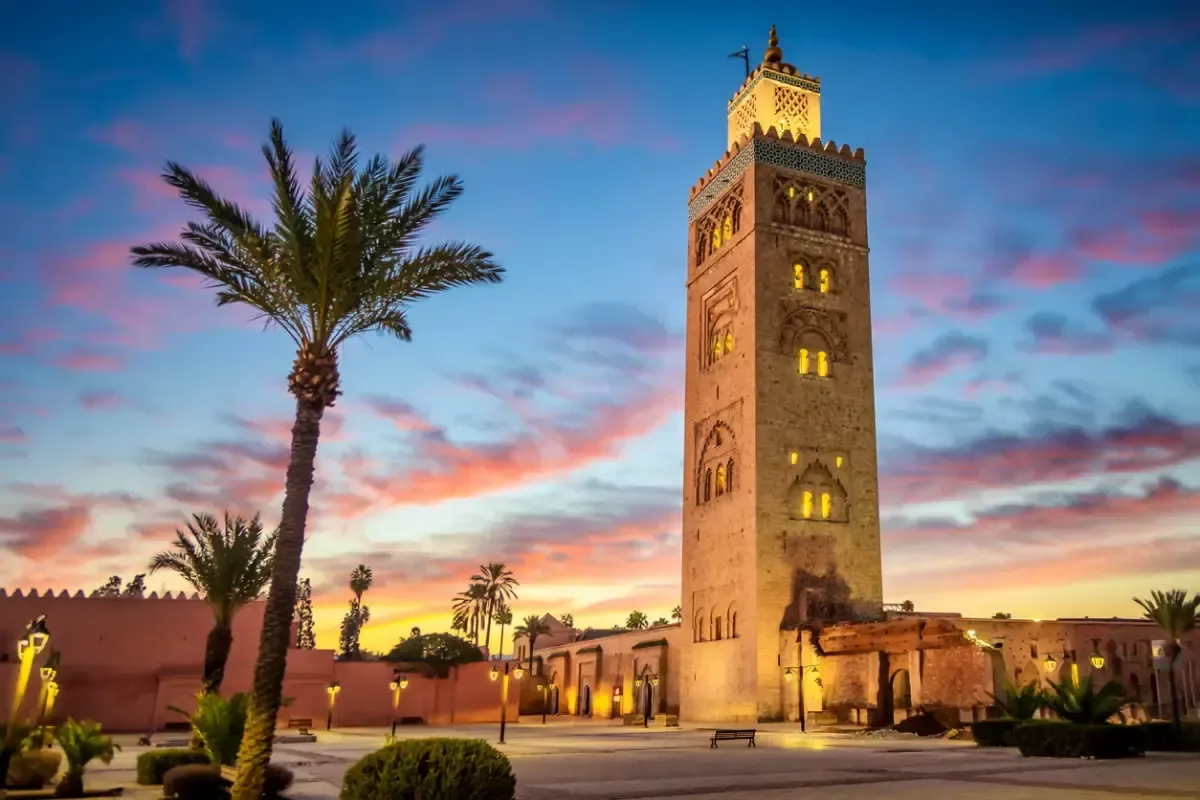
Majestic minarets pierce the sky while ancient walls whisper tales of centuries past across Morocco's UNESCO World Heritage Sites. Nine extraordinary locations stand preserved within this North African kingdom, each bearing witness to the remarkable fusion of cultures that shaped the nation's identity.
Time-worn streets of Fez harbor the world's oldest university, Al-Qarawiyyin, established in 859 CE, while Rabat showcases the seamless blend of medieval Islamic heritage with modern urban planning. These cultural treasures earned their prestigious UNESCO recognition between 1981 and 2012, marking three decades of Morocco's commitment to preserving its architectural legacy.
Architectural splendors unfold at every turn - from Marrakesh's ochre ramparts soaring nine meters skyward to Mazagan's star-shaped Portuguese fortress commanding the Atlantic coast. Perhaps most remarkable is Fez medina's labyrinth of 9,000 alleyways, where medieval craftsmanship endures in the largest walled city of its kind.
This carefully curated guide illuminates these cultural monuments, revealing their historical significance while offering practical wisdom for travelers seeking authentic encounters with Morocco's living heritage. Each site tells its own story, waiting to be discovered by those who venture beyond the ordinary.
Yes, the Medina of Marrakech is recognized as a UNESCO World Heritage Site for its historic architecture and culture.
Morocco's Most Famous UNESCO Sites
Centuries of architectural brilliance unfold within Fez medina, North Africa's most extensive medieval city and a UNESCO World Heritage site since 1981. Sacred walls stretch 25 kilometers, embracing 800 acres of timeless urban tapestry, where motorized vehicles dare not venture and ancient traditions reign supreme.
Fez Medina highlights
Master craftsmen shaped this architectural marvel across ten centuries, weaving together Andalusian grace, Oriental grandeur, and African spirit. Sacred knowledge flows through the hallowed halls of University of Al-Qarawiyyin, proudly standing as humanity's oldest institution of higher learning. Mystery beckons around every corner of 9,000 serpentine alleyways, each path revealing new cultural treasures.
Architectural splendor reaches its zenith in the Al-Attarine Medersa and Al-Bouanania Medersa, where intricate carvings speak volumes of artistic mastery. Ancient tanneries still color the air with their medieval leather-making craft, offering glimpses into practices unchanged by time.
Marrakech's cultural treasures
Marrakech medina joined UNESCO's prestigious list in 1985, presenting an unrivaled collection of Islamic architectural genius. Mighty ramparts of terracotta give this imperial city its poetic title: "Red City".
Architectural marvels grace every quarter:
- The Koutoubia Mosque commands attention with its 77-meter minaret, standing sentinel over centuries of Islamic architectural excellence
- Royal grandeur lives eternally within El Badi Palace and Bahia Palace, monuments to imperial sophistication
- Ben Youssef Quranic School bears witness to Islamic artistry's finest hours
- Silent stories echo through the Saadian Tombs, guardians of royal memories
Ancient craftsmanship endures through geometric zellij patterns, smooth tadelakt plaster, and masterful cedar wood artistry. These preservation techniques ensure tomorrow's generations will witness these architectural poems in stone.
For me, the Koutoubia Mosque and Jemaa el-Fna in Marrakech are Morocco’s most iconic landmarks.
Customize Your Dream Vacation!
Get in touch with our local experts for an unforgettable journey.
Plan Your Trip
Hidden UNESCO Gems
Sacred pathways lead beyond Morocco's celebrated UNESCO monuments toward architectural treasures waiting to be discovered. Two remarkable sanctuaries of history stand apart, each telling extraordinary tales through stone and spirit.
Lesser-known sites
The Medina of Tétouan rises majestically between Mediterranean waters and Jebel Dersa's proud peak, where Andalusian grace meets Moroccan soul. Destiny shaped these streets when Spain's Muslim and Jewish exodus brought their architectural heritage during the Reconquista. Pristine white walls shimmer under the African sun, blessing this sanctuary with its poetic name: "White Dove of Morocco".
The Portuguese City of Mazagan, El Jadida's ancient heart, stands eternal where European vision embraced Moroccan artistry. Sixteenth-century master builders raised this coastal fortress, weaving Portuguese might with Moroccan elegance. Stone sentinels still guard their posts - mighty ramparts, mysterious cisterns, and military architecture that whispers tales of colonial ambition.
Why they're worth visiting
Far from crowded tourist paths, these UNESCO jewels offer sanctuary to seekers of authentic cultural encounters. Tétouan's medina pulses with daily life, its streets carrying centuries of stories. Heritage breathes through:
- Andalusian wisdom carved into street patterns
- Artisan workshops echoing ancient crafts
- Seven mighty gates piercing preserved walls
- Streets where Spanish and Arabic dance together on weathered signs
El Jadida's soul reaches deeper than mere architectural splendor. Sacred spaces - mosques, churches, synagogues - share ancient walls, testament to centuries of cultural harmony. Atlantic waves still whisper tales of Portuguese merchants who made this strategic harbor their home.
Wanderers seeking Morocco's true spirit find solace in Tétouan's untouched charm. Markets buzz with authentic life while centuries-old walls stand guard. History enthusiasts marvel at El Jadida's fortifications, where European military genius found expression on African shores.
South Africa and Ethiopia lead with the most UNESCO sites in Africa.
Cultural Impact of UNESCO Status
These areas also develop cultural tourism, which is quite important to the economic welfare of Morocco. Tourists from all over the world visit these destinations not only for architectural beauty but to share the traditional festivals, food, and craftsmanship of the locals. Such cultural exchange strengthens Morocco's presence in the world, while at the same time increasing awareness of the value of preserving such heritage.
UNESCO recognition boosts the effort of protection that Morocco gives to these sites against modern threats such as urbanization and environmental degradation. It is here that Morocco espouses sustainable tourism practices and the involvement of locals in order for such cultural treasures to keep on inspiring and educating future generations.
Planning Your UNESCO Site Itinerary
The UNESCO treasures of Morocco come alive in meticulously planned tours. Three paths unfold across the periphery of the kingdom, each opens up to exhilarating moments with centuries-old cultural heritage.
North Morocco Route
Noble Tetouan beckons first, its medina streets echoing Andalusian grandeur. Time-worn paths lead to Volubilis, where Roman glory spreads over 42 hectares. Fez demands proper homage-three to four nights minimum-to truly embrace its medieval majesty. Treasures await at every turn:
- Tetouan's Archaeological Museum guards precious Roman mosaics, silent storytellers of ancient times
- Volubilis reveals engineering marvels through forums and water systems that once served Roman citizens
- Fez's 14th-century Medersa Bouanania stands restored to its original splendor
Central Morocco circuit
Imperial grandeur unfolds from Rabat, with the 12th-century Almohad ramparts standing resolutely beside elegance inspired by the French colonial. Chellah Necropolis shares whispers of millennial times, from Roman Times through medieval Islamic dynasties.
Dominating the landscape, Meknes rises majestically, crowned with defensive ramparts and sacred mosques dating from the 11th century. Here, Moulay Ismail's architectural genius shines through Heri es Souani's granaries-testament to Morocco's golden age.
Southern Heritage Trail
Desert winds carry travelers to Ksar of Ait-Ben-Haddou, where southern Moroccan architecture reaches its zenith. This 17th-century marvel once bridged ancient Sudan's riches to Marrakech through the storied Dra Valley. Life's rhythm beats through communal spaces:
- Sacred gatherings of mosque and square
- Golden grain scattered upon the threshing floors
- Duality of rest for Muslim and Jewish souls in twin locations
- Saint Sidi Ali's sanctuary is blessed
The earthen wall rises in ideal harmony with nature's demands-careful stewardship, ensuring the footsteps of generations to come on these ancient streets.
Ait Ben Haddou is the most famous kasbah in Morocco and one of my favorite spots to visit!
Practical Travel Tips
Sacred journeys through Morocco's UNESCO treasures deserve thoughtful preparation. Wise choices regarding lodging, and knowledge of safety precautions, can turn what could be a simple visit into enriching cultural encounters.
Accommodation near the sites
Heritage awakens before the windows of guest houses, with the ocean joining the medina in spectacular vistas. Restored riads in Fez offer private pools and elegant spas to match the panoramic medina views.
Local guides and tours
The keys to UNESCO's hidden treasures are held by master storytellers. Marrakech is a gateway to special journeys, each designed to pay homage to certain interests. These sage companions offer:
- Tales in the weaving through centuries of history
- Pathways to secret nooks of ancient quarters
- Wisdom of local traditions
- Safe passage through labyrinthine medinas
Safety considerations
Morocco's guardians maintain vigilant watch over heritage sites, though prudent travelers remain alert. Royal dedication ensures visitor safety, particularly around UNESCO monuments.
Peace prevails in tourist quarters, with rare instances of serious crime. Wisdom dictates certain precautions:
- Sacred documents rest safer in hotel vaults than wandering pockets
- Banking transactions belong within established institutions
- Darkness calls for well-lit paths
- Market treasures demand close watch in bustling souks
Licensed carriages and organized expeditions provide safe passage between monuments. Women travelers find there is safety in numbers, particularly as afternoon shadows stretch towards evening.
Desert paths and mountain roads command respect, and guided journeys are the wisest for UNESCO sites far from towns. Desert crossings call for appropriate steeds-four-wheel carriers stocked with life's essentials.
In Casablanca, Marrakesh, and Rabat, modern medicine stands ready in its private sanctuaries. The wise traveler carries comprehensive insurance shields, ready to cover immediate settlement costs of healing.
Romancing Morocco's Glorious Past
Worn stones and living traditions thus blend across UNESCO treasures of Morocco, each monument speaking to another chapter in mankind's great story. The eternal busiest of lanes in Fez medina, the mighty ramparts at El Jadida, they stand guard over legends passed down through generations.
Heritage status bestows both golden opportunities and solemn responsibilities upon the local community. Market stalls thrive under ancient walls, and the traditional craftsmen preserve their ancestral arts. Careful stewardship from UNESCO, matched by royal patronage, ensures these cultural jewels retain their authentic spirit as they incorporate progress.
Seasoned travelers know that Morocco's cultural landscape calls for sensitive navigation. Geographic wisdom suggests natural circuits, master guides illuminate hidden meanings in weathered inscriptions and architectural flourishes. Choosing traditional dwellings near these monuments deepens one's connection to Morocco's living heritage while nurturing age-old hospitality traditions.
These storied places transcend simple tourist attractions in their pulsation with daily life, where merchants still call their wares, and craftsmen's hammers ring against brass and silver.
FAQs
Q1. How many UNESCO sites are there in Morocco?
Morocco boasts nine UNESCO World Heritage Sites, all recognized for their cultural significance. These sites span various historical periods and architectural styles, showcasing the country's rich cultural heritage.
Q2. Is Marrakech an UNESCO site?
Yes, the Medina of Marrakech was inscribed as a UNESCO World Heritage Site in 1985. It's renowned for its impressive Islamic architectural masterpieces, including the Koutoubia Mosque, El Badi Palace, and the Ben Youssef Quranic School.
Q3. What site exists in Fez that is world renowned by UNESCO?
The medina of Fez is a UNESCO World Heritage site, known for its historic Al-Qarawiyyin University and well-preserved Islamic architecture. It’s a key symbol of Morocco’s rich cultural heritage.
Q4. What Unesco site is near Tangier?
The Medina of Tetouan is a UNESCO World Heritage site near Tangier. It is renowned for its well-preserved Islamic architecture and traditional Andalusian influences, reflecting the historical connection between Morocco and Andalusia. Tetouan's medina showcases a unique blend of cultural heritage and craftsmanship.
Q5.What you should know before visiting Morocco?
While Morocco generally maintains robust security measures around its heritage sites, travelers should remain vigilant. It's advisable to secure valuables in hotel safes, use ATMs inside banks or businesses, avoid isolated areas after dark, and keep personal belongings close in crowded areas. Opting for licensed guides and organized tours can also enhance safety and enrich the cultural experience.
Related Articles
Keep the inspiration going with these handpicked travel reads.