
Whispers of the Past: Exploring Morocco's Imperial Cities
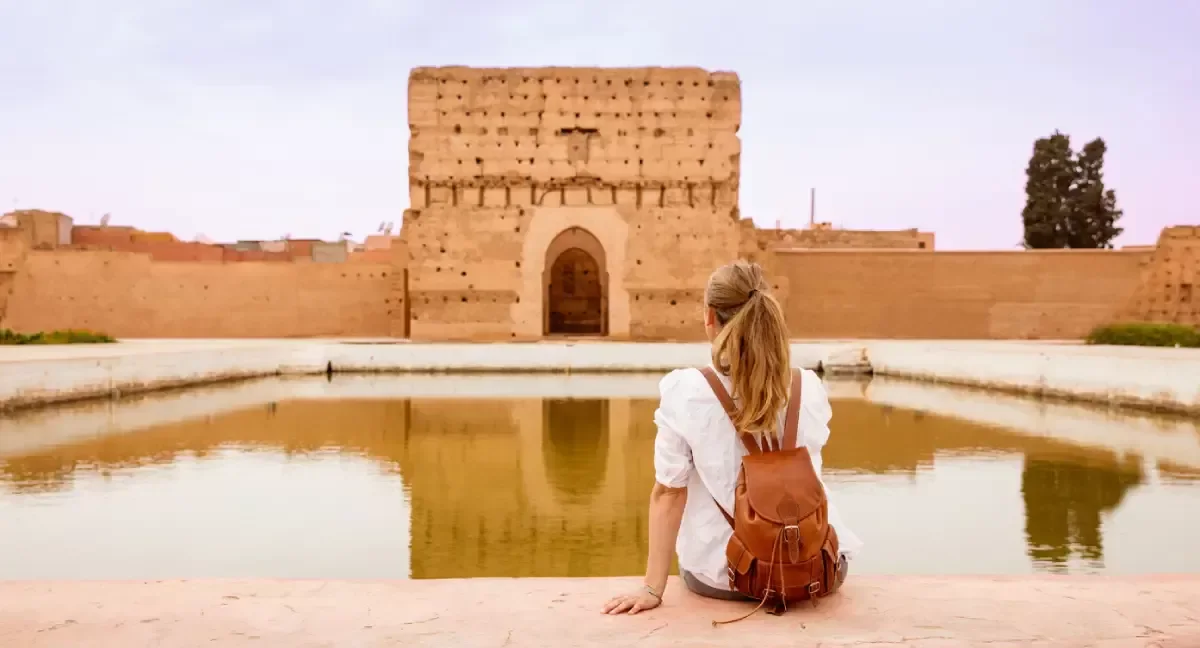
Morocco's imperial cities stand as enduring testaments to centuries of royal grandeur, their ancient walls echoing stories of the past. Nine UNESCO World Heritage sites adorn these imperial strongholds, from the labyrinthine medina of Fez to the historic streets of Marrakech, where history whispers through each aged stone.
Fez alone held four different dynasties across 650 years, each leaving its mark upon the city's impressive architecture. Marrakech, rising from desert sands in 1062, captivates with enduring charm, which TripAdvisor crowned it the World's Best Destination in 2015.
These magnificent cities invite modern travelers to discover their secrets, from sun-soaked ramparts to shaded palace courtyards. Each destination reveals its own side - Fez with its tangled old streets, Marrakech's rose-colored walls, Meknes' grand imperial gates, and Rabat's beautiful coastal charm. Their royal architecture, historic traditions, and rich cultural heritage create a memorable journey through Morocco's imperial legacy.
Explore the best Morocco Tours!
Planning Your Imperial Cities Journey
Royal Morocco reveals its most stunning face during the spring and autumn seasons. These golden periods bless travelers with mild temperatures, perfect for wandering through ancient palace grounds and discovering hidden gems in the medina.
Best Times for Morocco Tours
Spring paints the landscape in vibrant hues, while refreshing breezes flow through the imperial cities from March to May. Autumn's gentle embrace during September and October mirrors spring's enjoyable climate, with the added charm of smaller crowds threading through historic streets. Evening temperatures call for light wraps, particularly in elevated regions where cool mountain air settles over ancient walls.
Essential Travel Tips
Medina exploration needs thoughtful timing - while daylight hours pulse with vibrant energy, morning light offers quiet moments for unhurried discovery. Learn a few Arabic phrases, particularly "shukran" (thank you), and watch doors open to warmer welcomes.
Each imperial city's local taxis wear specific colors - Casablanca's crimson fleet, Rabat's azure carriages, and Marrakech's sunset-orange vehicles - all operating on regulated meters. Wise travelers dress mindfully, respecting both weather patterns and cultural sensitivities.
Discovering Fez: Morocco's Cultural Heart
Fez soars magnificently from Morocco's northern landscape, its ancient walls guarding centuries of imperial splendor. Within these protective ramparts lies Fez el-Bali, the world's largest car-free urban zone, where time seems to flow at a medieval pace.
Navigating the Ancient Medina
Stone pathways branch into 9,000 mysterious alleys, each telling its tale of Morocco's golden age. Medieval architects designed these passages with a purpose - narrow lanes open suddenly to sunlit courtyards, while covered souks protect traders from the fierce Moroccan sun.
Traditional Craft Workshops
Fez pulses with artisanal spirit, most dramatically displayed at the Chaouwara Tanneries. Since the 11th century, professional tanners have practiced their craft here, their methods unchanged by time's passage. Their ancient process follows nature's rhythm:
- Hides are soaked in earthen vats brimming with natural dyes
- Sun and wind work their charm in traditional drying zones
- Precious oils and waxes coat each item
Customize Your Dream Vacation!
Get in touch with our local experts for an unforgettable journey.
Plan Your Trip
Hidden Historical Gems
Architectural marvels await those who delve deeper into Fez's heart. The Al-Attarine Madrasa stands as proof of 14th-century brilliance, its 1323 construction showcasing the masterpiece of Islamic artistry. Sunlight flows across its courtyard, illuminating delicate mosaic work, intricate plasterwork, and slender marble columns. The Dar Batha Museum occupies a 19th-century summer palace, its halls filled with masterful woodcarvings and valuable artifacts.
The Funduq al-Najjariyyin, an elegant inn from the 1700s, embodies Morocco's architectural genius through its three-tiered courtyard design. Once sheltering weary medieval visitors, it now protects Fez's wooden arts heritage, transformed into a museum celebrating the city's artistic vibe.
Exploring Marrakech's Royal Heritage
Behind Marrakech's ancient walls, royal palaces bloom like dreams carved in stone, each telling tales of Morocco's golden age. These architectural masterpieces stand testament to centuries of artistic excellence, their silent corridors filled with whispers of royal grandeur.
Palace Architecture and Gardens
The Bahia Palace emerges as a 19th-century monument to Moroccan genius. Master craftsmen journeyed from Fez, spending seven years perfecting intricate wood carvings, delicate stucco work, and mesmerizing zellij patterns.
Royal architects wove privacy into every stone, crafting multiple doorways that shield inner sanctums from prying eyes. The palace complex unfolds like a precious jewel box, revealing:
- A serene private hammam (bathhouse)
- A sacred mosque space
- Magnificent royal stables
- Gardens nestled within peaceful courtyards
Precious materials speak of far-reaching royal connections - gleaming Carrara marble from Italian quarries meets delicate glasswork from Iraqi craftsmen. Nature's palette adorns the walls, where saffron, pomegranate, and henna create rich hues that dance in desert light.
Historical Monuments
The El Badi Palace stands proud north of the Royal Palace, its stones commemorating Saadian Ahmad al-Mansur's triumph over Portuguese forces in 1578. Twenty-five years of construction yielded this architectural wonder, funded by Portuguese ransoms, flourishing sugar trade, and wealth flowing across Saharan routes.
The Royal Palace of Marrakesh, Dar el-Makhzen, commands the Kasbah quarter's eastern realm. Born in the 12th century under Almohad rule, the palace bears marks of both Saadian and Alaouite dynasties, its gardens and pavilions painting pictures of royal life through the ages.
Local Customs and Traditions
Marrakech's soul beats strongest in its timeless traditions. Here, hospitality reigns supreme - every guest becomes royalty, regardless of worldly status. Sweet dates and fresh milk welcome honored visitors, while the ritual of green mint tea, playfully dubbed 'Moroccan whiskey,' weaves through daily life.
Ancient customs guide modern behavior - modest dress speaks of respect, particularly within historical walls. Watch as tea masters pour streams of amber liquid from impressive heights, creating crowned cups of foam served alongside traditional sweets.
These precious traditions find voice through vibrant celebrations like the Marrakech Popular Arts Festival.
Uncovering Meknes' Imperial Grandeur
Meknes rises from Morocco's heartland as Sultan Moulay Ismail's military masterpiece. UNESCO recognized this remarkable fusion of Islamic and European architectural genius with World Heritage status in the 17th century.
Royal Architecture and Gates
The magnificent Bab Mansour stands as the crown jewel of Meknes' architectural treasures. Sultan Moulay Abdallah's vision materialized in 1732 through this colossal gateway, where master craftsmen created an entrance worthy of emperors. The gate's majestic facade blends:
- Stately Roman columns transported from ancient Volubilis
- Mesmerizing darj-wa-ktaf geometric patterns
- Shimmering polychrome zellij mosaics
- Flowing Arabic calligraphy that dances across stone
Behind mighty walls stretching seven kilometers lies the royal complex, fondly called the "Moroccan Versailles". Sultan Ismail birthed this vast imperial city within a city, sprawling across an expanse four times larger than Meknes' ancient quarters.
Historical Sites and Museums
Time-worn stones of the Dar Jamai Museum, an 1882 palace, cradle Morocco's cultural treasures. Within its chambers, visitors discover exquisite traditional garments, delicate embroidery, and remarkable leather armor studded with coral and turquoise gems.
Within the Royal Stables, horses roamed between adobe walls. The structures, 13 feet thick, had innovative air circulation mechanisms.
Nearby, the Heri es-Souani granaries showcase medieval engineering brilliance, their underground chambers maintaining perfect preservation conditions.
Local Experiences
Meknes' medina is authentic, with the Center Artisanal showcasing living craftsmanship. The workshops preserve damasquinerie, a unique metalwork art. Place el-Hedim offers a more personal experience than Marrakech's Jemaa el-Fnaa. Traditional performers entertain crowds, while ancient games and contests take place. Surrounding souks sell hand-painted ceramics, woven baskets, and colorful silk threads, reflecting Meknes' charm.
Experiencing Modern Rabat's Ancient Soul
Ocean breezes sweep through Rabat's storied streets, where ancient ramparts meet contemporary boulevards. UNESCO bestowed World Heritage status upon this coastal gem in 2012, recognizing its masterful blend of historic grandeur and modern vision. Here unfolds one of Africa's most ambitious urban narratives of the 20th century, where each stone tells tales of cultural confluence.
Historical Landmarks
The Hassan Tower pierces Rabat's sky like a sentinel of time, its 12th-century silhouette testimony to Almohad ambition. Commissioned in 1184 by caliph Yacoub El Mansour, this soaring minaret would have crowned the Mediterranean West's grandest mosque.
Nearby, the Mausoleum of Mohammed V gleams in pristine white marble, its Pakistani onyx details and granite floors creating a symphony of modern craftsmanship.
Beyond city walls, the Chellah necropolis whispers secrets of civilization's past. Roman columns stand sentinel beside Merenid royal tombs, while restored gates frame sacred spaces where empires once converged. Visitors wander through layers of history, discovering Roman foundations beneath Islamic archways and sanctuaries.
Contemporary Culture
Modern Rabat's artistic pulse beats strongest in the Mohammed VI Museum of Modern and Contemporary Art, unveiled in 2014. Within its galleries, works by 200 Moroccan masters weave contemporary vision with traditional soul, creating dialogues across generations.
Rabat's cultural tapestry unfolds through:
- The magnificent Grand Théâtre de Rabat, Zaha Hadid's performing arts masterpiece, stands as Africa's premier cultural venue
- The elegant Villa des Arts, where ONA Foundation nurtures artistic expression through curated exhibitions
- The scholarly Bank Al-Maghrib Museum, housing precious coins alongside bold modern canvases
Coastal Heritage
Salt-laden winds carry tales of Rabat's maritime legacy across sun-drenched beaches stretching toward Casablanca. The Kasbah des Oudayas commands its rocky promontory, its ancient walls framing perfect vistas over the Bou Regreg's meeting with the Atlantic.
Fort Hervé, beloved locally as Al Borj al Kbir, stands proud against ocean swells, its weathered stones recording centuries of maritime vigilance. Modern waterfront developments dance respectfully around historical treasures, creating spaces where yesterday's glory enriches today's vitality.
Nature adds her poetry through carefully tended gardens. The botanical test garden and Exotic Gardens of Bouknadel offer verdant sanctuaries where rare species flourish, providing a peaceful counterpoint to Rabat's architectural symphony.
The timeworn gates of Morocco’s imperial cities guard treasures that echo across centuries. Each capital tells its own story, Fez whispers medieval secrets, Marrakech dazzles with royal grandeur, Meknes showcases military might, and Rabat blends history with modern aspirations.
Nature sets the rhythm for exploration, spring awakens palace gardens, autumn bathes ancient walls in golden light, and spice-laden breezes drift through medina streets.
These cities pulse with life, where scholars still seek wisdom, artisans preserve age-old crafts, and historic courtyards host vibrant festivals. Here, ancient splendor and modern vitality intertwine, leaving lasting impressions like a muezzin’s call at dusk.
FAQs
Q1. What are the 4 imperial cities of Morocco?
The four imperial cities of Morocco are Fez, Marrakech, Meknes, and Rabat. Each of these cities has stood as the capital at different points in Morocco's history and features unique aspects of the country's rich cultural heritage and architectural brilliance.
Q2. What is the oldest imperial city in Morocco?
Fez, the oldest of Morocco's imperial cities, rises proudly from the northern landscape, its historic walls safeguarding centuries of royal grandeur. Inside these ancient fortifications lies Fez el-Bali, the largest car-free urban area in the world, where the pace of life feels like a step back in time.
Q3. Is Marrakech an imperial city?
Yes, and it includes key attractions like the Bahia Palace, a 19th-century masterpiece of Moroccan architecture; the El Badi Palace, built in the 16th century; and the Royal Palace of Marrakesh (Dar el-Makhzen). The city is also famous for its vibrant souks, traditional customs, and the Marrakech Popular Arts Festival.
Q4. What is Rabat famous for in Morocco?
Rabat, Morocco's capital, uniquely combines ancient landmarks with contemporary culture. Historical sites like the Hassan Tower and Chellah necropolis coexist with modern institutions such as the Mohammed VI Museum of Modern and Contemporary Art. The city's urban landscape reflects a dialogue between cultures and centuries, earning it UNESCO World Heritage status in 2012.
Related Articles
Keep the inspiration going with these handpicked travel reads.