
What is Muscat popular for?
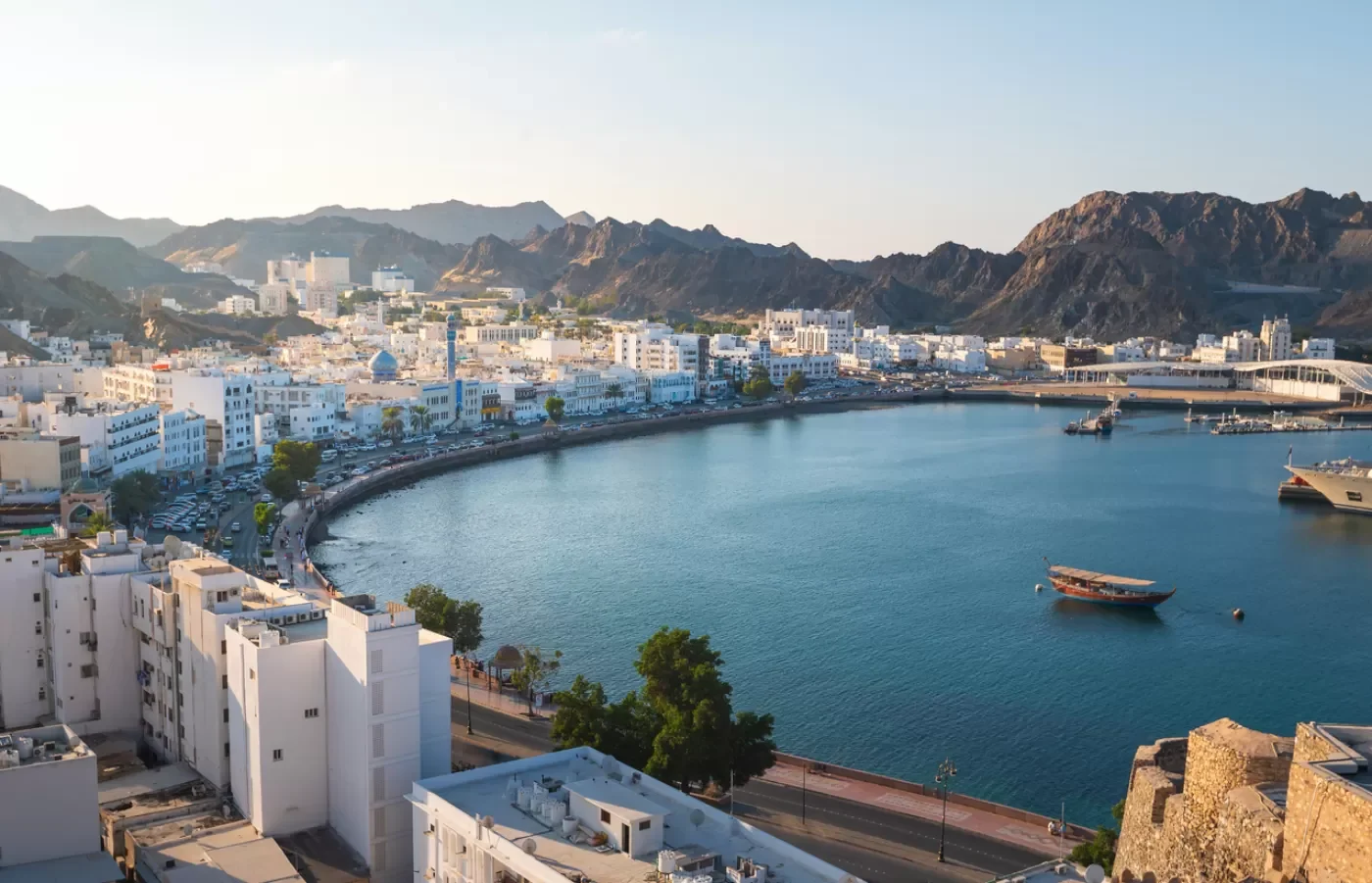
Muscat stands proudly as Oman's capital and beating heart, claiming the title of the largest city by area on the Arabian Peninsula with its vast expanse of 3,500 km². This coastal masterpiece houses approximately 1.72 million residents as of 2022, yet maintains an exquisite balance between its ancient Arabian heritage and sophisticated modern developments that characterize the evolving cityscape.
The Omani capital presents visitors with an extraordinary tapestry of attractions that define its unique character. Magnificent architectural wonders dominate the urban landscape, most notably the Sultan Qaboos Grand Mosque, featuring its spectacular 8-ton chandelier that hangs in breathtaking splendor. Meanwhile, the labyrinthine passages of Mutrah Souq beckon explorers with their aromatic spices, handwoven textiles, and centuries-old antiques waiting to be discovered. Nature complements these cultural treasures through the imposing silhouette of the Hajar Mountains that frame the city and the immaculate 5-kilometer stretch of Qurum Beach with its golden sands meeting the azure waters of the Gulf of Oman.
Muscat's prominence as a beta-level global city reflects its economic significance, which is built upon robust petroleum industries, liquefied natural gas production facilities, and thriving international trade networks. Cultural connoisseurs find themselves drawn to world-class performances at the Royal Opera House, while nature enthusiasts marvel at geological wonders like the Bimmah Sinkhole with its mesmerizing turquoise waters. Culinary adventures await at establishments such as Bait Al Luban, where traditional Omani flavors tell the story of the region's rich cultural history. Throughout its diverse offerings, Muscat crafts experiences that engage all senses and forge enduring impressions upon those fortunate enough to wander its shores.
The Iconic Muscat Landmarks
Muscat's architectural treasures stand as living testimonies to Oman's cultural evolution, embodying centuries of artistic achievement and national pride. These magnificent structures transcend mere tourist attractions to become powerful symbols of Omani identity, drawing admirers from across the globe to witness the harmonious fusion of traditional craftsmanship with contemporary vision.
Sultan Qaboos Grand Mosque
Dominating the skyline along Sultan Qaboos Street rises this monumental sanctuary of faith and artistic excellence. Constructed between 1994 and 2001 as a commemorative gift from Sultan Qaboos, marking three decades of his leadership, this sacred edifice welcomes an astonishing 20,000 worshippers within its hallowed walls. The central prayer chamber showcases an awe-inspiring Swarovski crystal chandelier, an engineering marvel weighing 8 tons and soaring 14 meters toward the heavens.
The prayer hall floor presents another masterpiece of human craftsmanship—a singular Persian carpet spanning 4,200 square meters, intricately woven with 1,700 million knots and weighing a substantial 21 tons. Artisans labored for 27 months to complete this extraordinary textile achievement. Remarkably inclusive among houses of worship in the Islamic world, the mosque welcomes non-Muslim visitors Saturday through Thursday between 8:00 AM and 11:00 AM, offering cultural understanding through architectural splendor.
Royal Opera House
This cultural jewel, unveiled to the public in October 2011, embodies Oman's dedication to artistic excellence and cultural sophistication. Far more than a performance venue, this complex encompasses a concert theater, an auditorium, manicured formal gardens, a vibrant cultural market, fine dining establishments, and a comprehensive art center.
Commissioned by royal decree from Sultan Qaboos himself, the building's design language speaks through contemporary Omani architectural vocabulary while drawing inspiration from the grandeur of modern Omani palace structures. The stage has welcomed musical luminaries including Plácido Domingo, Andrea Bocelli, and the celebrated London Philharmonic Orchestra, cementing its position as Muscat's preeminent cultural sanctuary.

Al Jalali and Al Mirani Forts
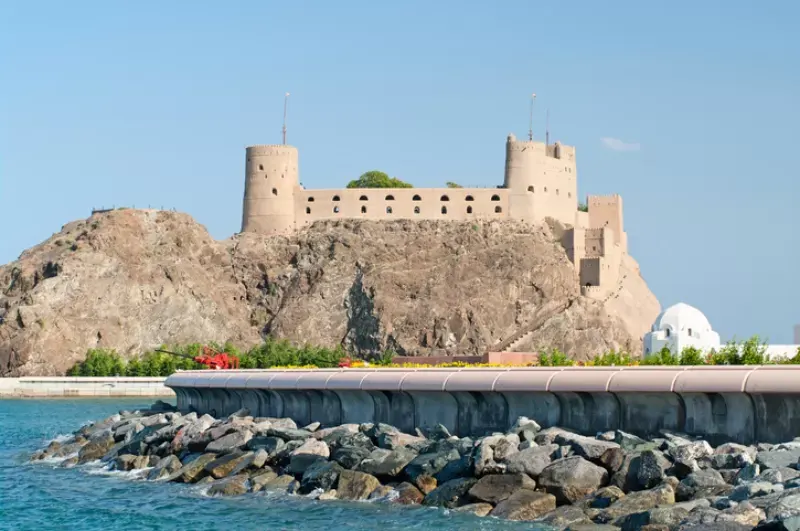
Standing as silent sentinels guarding Muscat's harbor entrance, these formidable twin fortifications emerged under Portuguese direction during the 1580s. Al Jalali Fort commands the eastern approach while Al Mirani Fort maintains vigil from the western side, creating a historical gateway that has witnessed centuries of maritime activity.
Throughout its storied existence, Al Jalali Fort has served multiple functions, from a detention facility to the royal sanctuary. Following meticulous restoration work completed in 1983, it now houses a private museum dedicated to preserving Omani cultural heritage, though its chambers remain largely reserved for visiting dignitaries. Meanwhile, Al Mirani Fort, despite being inaccessible to general visitors, maintains its imposing presence as a visual landmark visible from numerous observation points surrounding the harbor.
Mutrah Souq and Corniche
The enchanting Mutrah Corniche curves gracefully along the harbor, presenting a crescent-shaped promenade adorned with ornate latticed structures and stately mosques. This picturesque waterfront reveals its most captivating aspect during sunset hours when fading daylight creates an intricate dance of shadows across its historic façades.
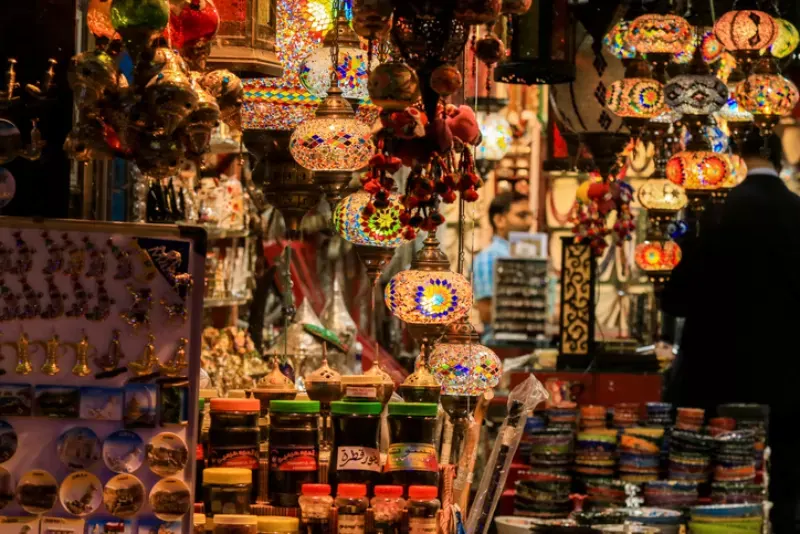
Nestled beside the Corniche lies Mutrah Souq, a mercantile institution ranking among the Arab world's most ancient marketplaces. Visitors pass through an impressive two-story domed gateway before entering a labyrinth of narrow passages lined with merchant stalls offering treasures ranging from Omani and Indian artifacts to handcrafted textiles, jewelry, and traditional commodities including frankincense and intricately woven baskets. Despite modern timber roofing providing shelter overhead, the souq preserves the authentic ambiance of a traditional Arab marketplace, offering an immersive journey through Oman's commercial traditions.
Customize Your Dream Vacation!
Get in touch with our local experts for an unforgettable journey.
Plan Your TripNatural Attractions and Scenic Spots
Muscat possesses a natural landscape of remarkable diversity, complementing its architectural heritage with scenes of extraordinary beauty. The juxtaposition of pristine coastlines against dramatic mountain backdrops creates a visual symphony that remains etched in visitors' memories long after their departure. These natural wonders serve as peaceful retreats from urban exploration while showcasing Oman's geological diversity.
Qurum Beach and Qantab Beach
Qurum Beach represents Muscat's premier coastal destination, extending magnificently for 4 kilometers between the Crown Plaza Hotel and the Mandarin Oriental. This family enclave pulses with spontaneous athletic endeavors as football and volleyball enthusiasts gather beneath the shade of majestic palm trees. Surrounding this golden stretch, opulent villas stand alongside fashionable cafés and exclusive boutiques, generating an atmosphere of refined leisure that pervades the area throughout the week.
Qantab Beach presents the discerning traveler with a markedly different coastal experience, merely 15 kilometers east of the capital. This intimate shoreline nestles within a perfect natural bay encircled by formidable rock formations that craft a coastline of dramatic, rugged beauty. The waters off Qantab have earned particular distinction for marine wildlife observation, with the local scuba center arranging daily excursions during dawn hours that afford privileged views of dolphins navigating the coastal waters with balletic precision.
Bimmah Sinkhole
The journey toward Sur reveals one of Oman's most captivating geological formations—Bimmah Sinkhole, known locally as Hawiyyat Najm. This remarkable depression measures 50 by 70 meters in diameter, with depths reaching approximately 20 meters. Visitors behold a mesmerizing palette where emerald-green waters lie cradled within steep ochre cliff walls, creating a chromatic spectacle against the surrounding arid terrain.
Scientific consensus attributes the formation to limestone dissolution processes, though local folklore maintains a more celestial origin story—the depression formed by a fallen meteorite, reflected in its Arabic nomenclature meaning "deep well of the falling star". Descending the 30-meter concrete staircase, visitors reach waters of exceptional clarity where diminutive fish deliver natural exfoliation treatments to the feet of motionless bathers.

Bandar Al Khairan Viewpoint
Bandar Al Khairan rewards visitors with sweeping panoramic vistas across the Gulf of Oman's cerulean expanse. This elevated observation point reveals a seascape where azure waters lap against weathered cliffs and sculptural rock formations carved by millennia of natural forces. The location has evolved into a cherished weekend sanctuary for outdoor enthusiasts engaging in kayaking expeditions, snorkeling adventures, overnight camping, and coastal hiking excursions.
Adventurous visitors might undertake the Bandar Al Khairan trek, accessing secluded beaches that appear almost exclusively approachable via watercraft. This accessible trail extends approximately 2 kilometers and demands less than 40 minutes to traverse, making it suitable for casual walkers and dedicated hikers alike.
Al Riyam Park and Incense Burner
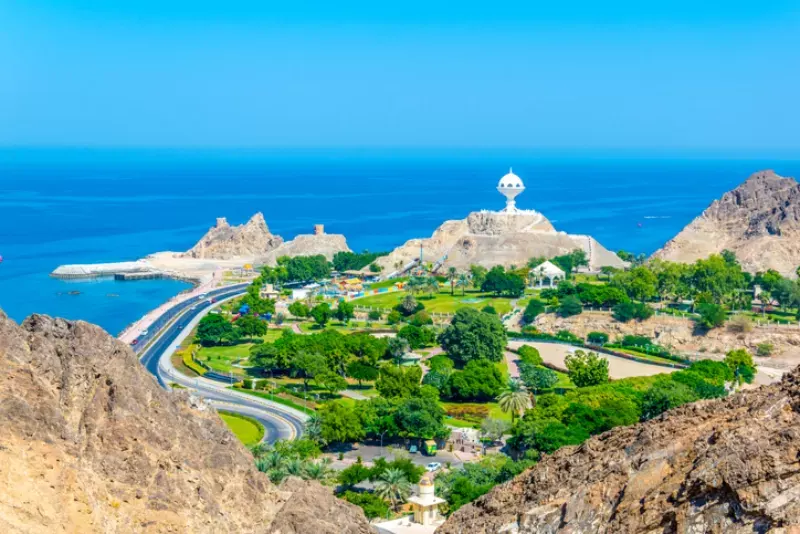
Al Riyam Park presents verdant gardens and diverse recreational facilities catering to visitors across generational divides. Dominating the parkland stands the iconic Incense Burner Monument, perched majestically atop an elevated promontory. Commissioned in 1990 to honor Oman's 20th National Day celebrations, this architectural emblem illuminates the evening skyline with a rotation of vibrant hues.
The park's strategic elevation provides commanding views across the Corniche, the Sea of Oman, and the historic Muttrah Harbor—a triumvirate of scenic splendor. As daylight wanes, the children's amusement facilities come alive, transforming this serene daytime retreat into an animated family carnival once darkness descends.
Top Activities and Things to Do in Muscat City
Muscat presents visitors with exceptional experiences that blend adventure, cultural immersion, and gastronomic discovery—each carefully crafted to satisfy diverse traveler preferences. From marine explorations beneath turquoise waters to exhilarating desert journeys, the Omani capital delivers memorable activities that showcase both natural splendor and cultural richness.
Snorkeling at Daymaniyat Islands
The pristine Daymaniyat Islands nature reserve lies approximately 70 km west of Muscat, offering extraordinary underwater vistas through its crystal-clear waters, abundant with marine creatures. Visitors regularly encounter impressive numbers of green sea turtles—sometimes as many as 26 visible simultaneously—gliding gracefully alongside blacktip reef sharks and vibrant, multicolored fish species. Marine enthusiasts should plan expeditions between August and May when the waters remain calm and pleasantly warm. Numerous local operators facilitate half-day excursions featuring expert-guided snorkeling opportunities at two distinct marine locations.
Dolphin Watching Tours
Oman's coastal waters serve as habitat for an extraordinary diversity of marine mammals, including 21 distinct species of dolphins and whales. Daily dolphin observation excursions depart at regular intervals—8 AM, 10 AM, and noon—with each voyage typically extending approximately two hours. Discerning travelers often select comprehensive packages combining dolphin watching with snorkeling adventures, which commence at 10 AM from Marina Bander Al Rowdha, situated near the prestigious Al Bustan Hotel.
4WD Desert Safaris
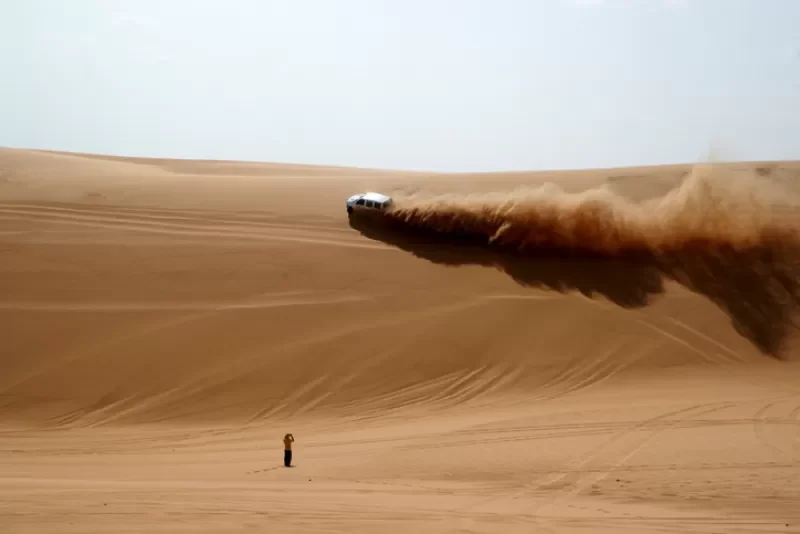
Desert enthusiasts marvel at Wahiba Sands' magnificent golden dunes during thrilling dune-bashing expeditions where expert local drivers navigate the undulating sandy terrain with remarkable precision. Most desert adventures incorporate visits to the lush oasis of Wadi Bani Khalid, where visitors refresh themselves in crystalline natural pools and explore hidden limestone caverns. These exclusive journeys typically occupy eight hours and include convenient door-to-door transportation from Muscat accommodations.
City Walking and Cultural Tours
Muscat's historical tapestry unfolds during guided cultural explorations that illuminate centuries of Omani heritage. Popular half-day excursions highlight architectural treasures such as the Grand Mosque—home to the spectacular 14-meter Swarovski crystal chandelier—and the acoustically perfect Royal Opera House. Comprehensive itineraries frequently incorporate visits to the bustling Mutrah Fish Market and specialized museums that preserve and showcase authentic Omani cultural traditions.
Shopping in Local Markets
Mutrah Souq remains the indisputable center of traditional commerce in Muscat. This historical marketplace houses countless intimate shops offering treasures such as locally-harvested honey, aromatic frankincense, intricate goldwork, and meticulously crafted Omani handicrafts. Contemporary shoppers gravitate toward modern retail establishments, including Al Araimi Complex, Qurum City Center, and Muscat Grand Mall, where international luxury brands stand alongside distinctive local merchandise.
Dining at Traditional Omani Restaurants
Culinary enthusiasts discover authentic Omani flavors at distinguished establishments such as Al Angham, elegantly situated within the Royal Opera House complex. Here, diners savor traditional delicacies including shuwa—meat slow-roasted underground with spices—complemented by sweet halwa desserts. The historic Bait Al Luban offers another remarkable dining venue, occupying a carefully restored 140-year-old merchant's guest house with sea views. Patrons receive ceremonial frankincense-infused water alongside traditional Omani coffee and plump, sweet dates.
Popular Day Trips from Muscat
Muscat provides an ideal gateway to Oman's diverse treasures, with extraordinary landscapes and cultural marvels situated merely hours from the capital. These accessible excursions reveal the sultanate's geographic splendor and rich heritage, offering respite from urban exploration while deepening one's understanding of this Arabian jewel.
Wadi Shab and Wadi Bani Khalid
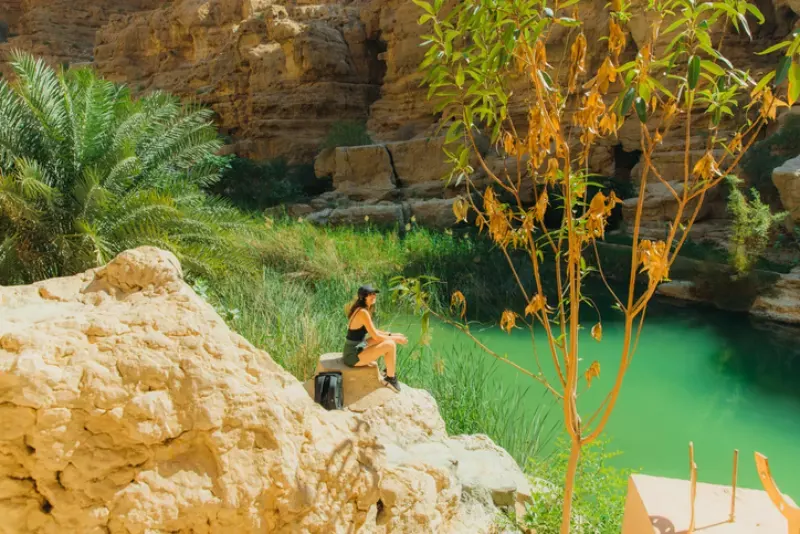
These verdant sanctuaries carve dramatic passages through Oman's otherwise arid terrain. Wadi Shab, positioned 150 kilometers from Muscat, demands a brief boat crossing followed by a moderately challenging 45-minute trek that culminates at secluded emerald pools hidden between towering limestone walls. The journey rewards persistent travelers with crystalline waters perfect for swimming and exploration of concealed grottos accessible only by water.
Wadi Bani Khalid presents a more forgiving alternative, with its azure pools accessible within mere minutes from designated parking areas. Ancient date palms cast dappled shadows across limestone formations sculpted by centuries of flowing water. The wadi's natural swimming basins vary in depth, allowing both cautious waders and confident swimmers to immerse themselves in the refreshing mountain waters that have carved this natural wonder through millennia.
Nizwa Fort and Souq
The historical significance of Nizwa resonates through its ancient streets, having served as Oman's capital during the 6th and 7th centuries. Positioned 150 kilometers inland from Muscat, this cultural stronghold centers around its formidable 17th-century fort, whose construction was completed during the 1650s. The fort's massive circular cannon tower, measuring 40 meters in diameter, provides sweeping vistas across palm plantations and distant mountains that have witnessed centuries of Omani history unfold.
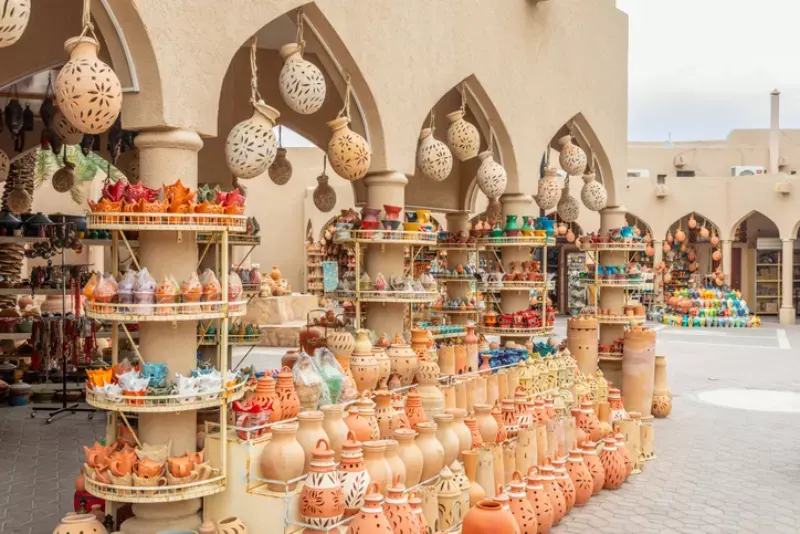
Adjacent to this architectural sentinel lies Nizwa Souq, where skilled artisans continue traditions passed through generations. Silver filigree work, handcrafted pottery, and intricately woven carpets showcase the enduring craftsmanship of the region. Visitors arriving on Friday mornings witness the renowned Goat Market, an authentic trading spectacle where Bedouin herdsmen parade their livestock in a circular formation while potential buyers evaluate the animals—a commercial ritual essentially unchanged for centuries.
Wahiba Sands Desert Adventure
The majestic Wahiba Sands unfurl 200 kilometers from Muscat, presenting a mesmerizing sea of undulating orange dunes that stretch toward the horizon. These sculptural sand mountains, reaching heights exceeding 100 meters, shift perpetually with desert winds, creating an ever-changing landscape that has challenged travelers for countless generations.
Desert excursions typically incorporate exhilarating dune drives where experienced guides navigate the precarious slopes in specialized vehicles. Many itineraries include encounters with Bedouin families who have adapted to this harsh environment for centuries. These cultural interactions often feature traditional hospitality rituals, with visitors sampling cardamom-infused Omani coffee accompanied by sticky dates harvested from nearby oases. The juxtaposition of visiting both Wahiba's parched dunes and Wadi Bani Khalid's abundant waters in a single day presents one of Oman's most profound geographic contrasts.
Jebel Akhdar and the Green Mountain
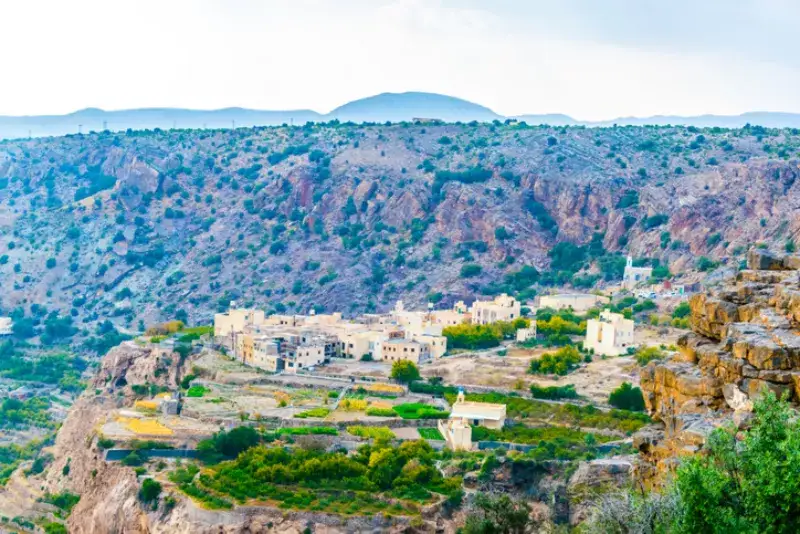
Rising dramatically above Oman's desert floor, Jebel Akhdar—aptly named "Green Mountain"—reaches elevations exceeding 2,000 meters, creating a microclimate distinctly cooler and more fertile than the surrounding regions. The 150-kilometer journey from Muscat typically includes passages through ancient villages and agricultural terraces that have supported communities for countless generations.
The mountain's limestone plateau hosts remarkably productive agricultural terraces where pomegranates, apricots, and Oman's famed damask roses flourish in the Mediterranean-like climate. During spring months, entire hillsides transform into fragrant pink carpets as roses bloom before their harvest for distillation into precious rose water—a process virtually unchanged for centuries. Viewpoints like Diana's Point, named after the late princess who visited in the 1980s, offer breathtaking vistas across canyons carved by prehistoric waters. Visitors traversing these elevated paths walk in the footsteps of travelers who have sought the mountain's cool respite and agricultural bounty since time immemorial.
Conclusion
Muscat represents the rare destination where ancient Arabian heritage melds harmoniously with contemporary elegance without sacrificing its soul. The Omani capital unfolds as a tapestry of contrasts—magnificent architectural statements like the Sultan Qaboos Grand Mosque with its awe-inspiring chandelier stand alongside natural masterpieces such as the enigmatic emerald waters of Bimmah Sinkhole. This coastal haven crafts experiences that resonate with diverse travelers, whether one seeks adrenaline through golden dune safaris and underwater exploration or yearns for cultural immersion within the aromatic passages of traditional souqs and history-laden museums.
Venturing beyond Muscat's boundaries reveals Oman's remarkable geographical diversity through accessible day excursions. Crystal waters carve through dramatic limestone formations at Wadi Shab and Wadi Bani Khalid, creating natural swimming sanctuaries. Meanwhile, the undulating amber waves of Wahiba Sands stretch toward the horizon, offering stark contrast to the verdant terraced farms perched along Jebel Akhdar's slopes. Centuries of Omani heritage echo through the imposing walls of Nizwa Fort, where visitors walk the same pathways as ancient rulers and defenders.
Seasoned travelers recommend scheduling visits between October and April when moderate temperatures permit comfortable exploration of both enclosed attractions and outdoor wonders without the oppressive summer heat. Perhaps most remarkably, Muscat has accomplished what few regional capitals have managed—embracing progress while steadfastly maintaining its authentic cultural identity and environmental integrity. The result manifests not as another gleaming metropolis mirroring neighboring Gulf cities, but rather as a genuine Arabian treasure offering encounters and vistas that remain distinctly, proudly Omani.
Ready to experience Muscat's captivating blend of ancient heritage and modern wonders? Explore our curated Oman travel packages and start planning your unforgettable journey to this Arabian gem today!
Muscat boasts several iconic landmarks, including the Sultan Qaboos Grand Mosque with its impressive chandelier, the Royal Opera House showcasing contemporary Omani design, and the twin Al Jalali and Al Mirani Forts guarding the harbor. The vibrant Mutrah Souq and Corniche are also popular attractions, offering a glimpse into traditional Arab markets and scenic waterfront views.
Visitors to Muscat can enjoy a variety of outdoor activities, including snorkeling at the Daymaniyat Islands, dolphin watching tours along the coast, and 4WD desert safaris in nearby Wahiba Sands. The city also offers beautiful beaches like Qurum and Qantab for relaxation and water sports.
Near Muscat, you can explore the stunning Bimmah Sinkhole with its emerald-green waters, enjoy panoramic views from the Bandar Al Khairan viewpoint, and visit Al Riyam Park featuring the iconic Incense Burner monument. These natural wonders showcase Oman's diverse landscape and offer great photo opportunities.
Muscat offers rich cultural experiences, including guided walking tours of the city's historical sites, shopping in traditional souqs like Mutrah, and dining at authentic Omani restaurants. Visitors can also explore museums showcasing Omani heritage and attend performances at the Royal Opera House.
Popular day trips from Muscat include visiting the emerald oases of Wadi Shab and Wadi Bani Khalid, exploring the historic Nizwa Fort and Souq, experiencing desert adventures in Wahiba Sands, and discovering the lush landscapes of Jebel Akhdar (Green Mountain). These excursions offer diverse experiences within a few hours' drive from the city.
Related Articles
Keep the inspiration going with these handpicked travel reads.