
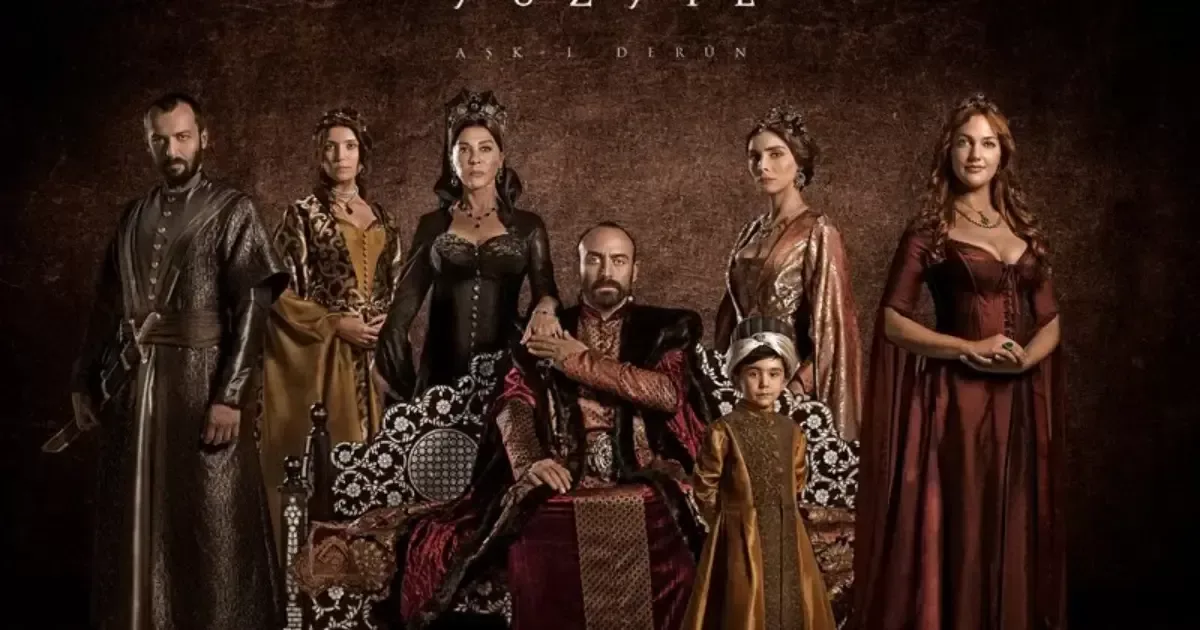
Turkish dizis have orchestrated a remarkable cultural phenomenon, elevating filming locations across Anatolia into destinations of international pilgrimage. These meticulously crafted productions weave together complex narratives against backdrops that span millennia of architectural heritage and natural splendor. Ottoman palaces, Byzantine fortifications, and Mediterranean coastlines serve as more than mere settings—they become integral characters within each unfolding drama.
The past decade witnessed Turkish television's extraordinary ascent across the Balkans and Middle Eastern territories, establishing drama series as the nation's most potent cultural ambassador. Production studios have opened their previously restricted filming locations to enthusiasts, creating unprecedented access to the very spaces where beloved characters lived their fictional lives. Specialized excursions, including the comprehensive "Istanbul: Discover the Places Where Turkish Series Are Shot," guide devotees through recognizable scenes from acclaimed productions such as Fatmagul, My Name is Farah, and Black Money and Love.
Topkapi Palace's imperial chambers, which housed the dramatic intrigues of The Magnificent Century, stand alongside the atmospheric cobblestone passages near Anadolu Hisarı where Little Women's characters navigated their complex relationships. This cartographic exploration reveals the precise coordinates where Turkish television's magic materializes—from the expansive Diriliş: Ertuğrul production complex in Istanbul's Riva district to the carefully selected residential estates and dining establishments that provided authentic backdrops for countless romantic narratives. Each location represents a confluence of historical significance and contemporary storytelling mastery, awaiting discovery by discerning television enthusiasts.
Istanbul is the primary filming location for many Turkish TV series, featuring iconic sites like Topkapi Palace, the Balat district, and the Bosphorus waterfront. Other popular locations include coastal towns like Urla and Çeşme, as well as purpose-built sets like the Bozdağ Film Studios.
Imperial Reconstructions and Authentic Historical Foundations
Historical television productions have established Turkey as the definitive authority in period drama cinematography, where authentic imperial architecture merges with painstakingly reconstructed environments. These locations now serve as cultural monuments, attracting scholars and enthusiasts seeking to understand the intersection of historical preservation and contemporary storytelling.
Topkapi Palace – The Magnificent Century
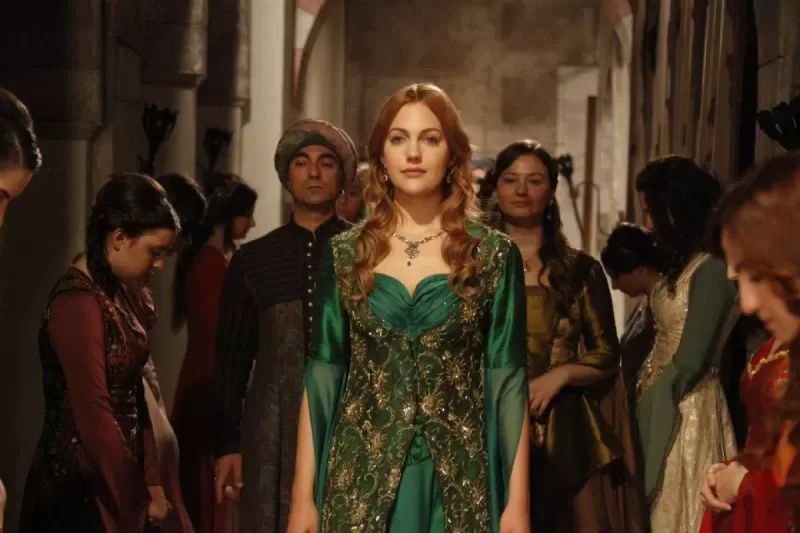
Topkapi Palace functioned as the administrative and residential heart of the Ottoman Empire for nearly four centuries, accommodating 22 successive Sultans until the imperial court relocated to Dolmabahçe Palace in 1853. This architectural masterpiece achieved renewed international recognition through "Magnificent Century" (Muhteşem Yüzyıl), which chronicled the extraordinary reign of Sultan Suleiman the Magnificent.
The production initially secured filming privileges within the palace's authentic chambers, but the Ministry of Culture and Tourism withdrew the permissions, presumably due to scheduling conflicts with tourism operations. Production then shifted to elaborately constructed sets within a former wire manufacturing facility, transformed into the TIMS studio complex.
Contemporary visitors to the actual Topkapi Palace encounter the ceremonial courtyards, residential pavilions, and imperial chambers housing extraordinary collections of Ottoman artifacts and imperial treasures. The museum complex showcases the imperial treasury, weaponry collections, chronometer exhibitions, ceremonial kaftans, portraiture galleries, and sacred religious relics.
Visitor information: Palace hours extend from 9:00 AM to 6:45 PM from April through September, shortened to 4:45 PM from October through March. Tuesday closures are observed, with admission priced at 72 TL plus an additional 42 TL for harem access.
Bozdağ Film Set – Resurrection Ertugrul
The Bozdağ Film Studios complex, housing both "Diriliş: Ertuğrul" (Resurrection: Ertugrul) and "Kuruluş: Osman" (The Founder: Ottoman), represents Europe's most extensive film production facility and ranks third globally in scale. This Istanbul-based installation provides comprehensive immersion into pre-Ottoman Anatolian history with particular emphasis on tribal confederation dynamics.
The inaugural season of "Diriliş: Ertuğrul" established its production base across a 40,000m² Riva plateau, featuring 35 nomadic tents constructed according to historical specifications. Production demanded extraordinary attention to authenticity, employing specialized choreographers from Kazakhstan who provided three months of intensive training in equestrian skills, swordplay, and archery techniques. Costume departments created approximately 1,800 period-accurate garments alongside thousands of military implements.
Current visitor experiences encompass several historically verified reconstructions:
- Kayı Tribe quarters offering traditional costume fittings and equestrian instruction
- Inegöl Castle and Marmaracık Castle architectural reproductions
- Ürgenç Market, Yenişehir Market, Kulucahisar Castle installations
- Harzemshah Palace and Soğüt territorial representations
Producer Mehmet Bozdağ authorized public access, explaining, "We thought that our stories, which tell the epics of our own history, should also meet with the audience". The facility draws international visitors from Turkey, the Middle East, Central Asia, Africa, the Balkans, and Latin America.
"Muhteşem Yüzyıl" (The Magnificent Century) is widely regarded as one of the most famous Turkish TV series. This historical drama, which chronicled the reign of Sultan Suleiman the Magnificent, gained immense popularity both in Turkey and internationally.
Customize Your Dream Vacation!
Get in touch with our local experts for an unforgettable journey.
Plan Your Trip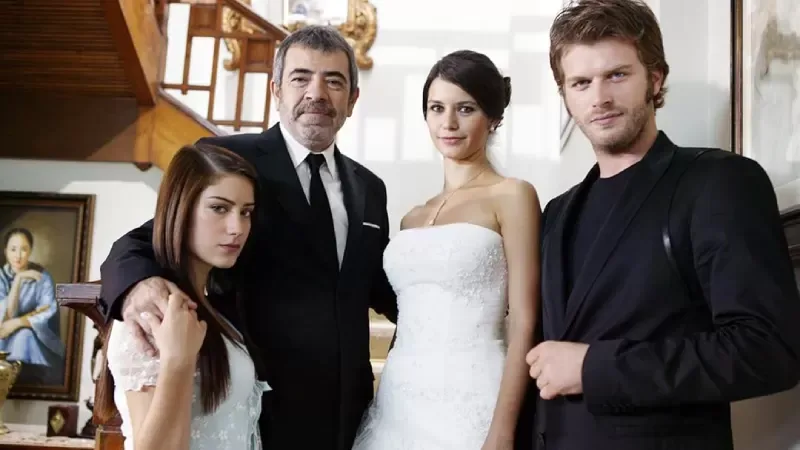
Hadımköy Plateau – Ottoman-themed series
The Hadımköy plateau has emerged as Turkey's premier staging ground for Ottoman-era television productions. "Magnificent Century," despite utilizing multiple Istanbul locations (particularly the Galata district), extensively employed this plateau for crucial narrative sequences.
This elevated terrain provides optimal conditions for historical productions requiring authentic Ottoman-period environments while circumventing the logistical constraints inherent in filming at protected historical monuments. Production companies favor purpose-constructed locations like Hadımköy plateau due to enhanced creative flexibility and extended filming capabilities compared to tourism-dependent historical sites.
Industry professionals maintain divided perspectives regarding these purpose-built installations. While acknowledging their production convenience, many observe that constructed period sets lack the organic historical authenticity found in Central European productions filmed in cities like Prague or Budapest. However, these purpose-built plateaus have become indispensable infrastructure supporting Turkey's expanding historical drama sector.
Those seeking to experience Ottoman historical narratives through television's interpretive lens will find that these filming locations offer both scholarly insight and cultural appreciation. The progression from Topkapi Palace's genuine imperial grandeur to the precisely reconstructed environments of Bozdağ Film Studios and Hadımköy plateau represents essential waypoints for any serious exploration of Turkish historical television production.
Romantic Narratives and Their Architectural Splendor
Where historical epics showcase imperial grandeur, Turkey's romantic dramas reveal the nation's most exquisite residential architecture and pristine coastal territories. These carefully selected locations possess an inherent romantic magnetism that has drawn international audiences into deeply emotional storytelling experiences.
Sarıyer Mansion – Forbidden Love
The magnificent estate featured in "Aşk-ı Memnu" (Forbidden Love) commands the Sarıyer waterfront with aristocratic dignity. This adaptation of Halit Ziya Uşaklıgil's 1899 literary masterpiece captivated viewers across the Balkans, North Africa, and South Asia between 2008 and 2010, establishing new benchmarks for passionate television drama.
The Vehbi Koç Büyükdere House, as architectural historians know this waterfront jewel, provided the series' primary visual foundation. The Koç family's former summer retreat, now preserved as a cultural institution, demonstrates the refined lifestyle of Istanbul's industrial elite. Situated at Piyasa Street 109 in Büyükdere, the estate's gardens retain the atmospheric qualities that made pivotal dramatic moments so memorable, though the interior exhibitions now focus on textile arts rather than period furnishings.
Beylerbeyi Mansion – Golden Boy
"Yalı Çapkını" (Golden Boy) showcases Mert Ramazan Demir and Afra Saraçoğlu within a remarkable 150-year-old Sapanci family residence in Beylerbeyi, Üsküdar. This exceptional architectural specimen defies conventional property valuation due to its historical rarity and Bosphorus positioning.
The mansion at Yalıboyu Cd. No. 10 offers unparalleled strait vistas that serve as natural theatrical backdrops. Production designers meticulously install and remove all furnishings and decorative elements specifically for filming sequences. The characters' intimate spaces required creative spatial manipulation—the bedroom occupies the mansion's converted attic, while bathroom scenes utilize different rooms entirely. Visitors may witness active filming during location visits.
Urla and Çeşme – Fatmagül'ün Suçu Ne?
"Fatmagül'ün Suçu Ne?" (What is Fatmagül's Fault?) establishes its narrative foundation within the pristine coastal settlements of Urla and Çeşme in İzmir before transitioning to Istanbul's urban complexity. This acclaimed production addressed profound societal challenges, including patriarchal structures, economic privilege, arranged marriages, and intricate familial dynamics.
Ildır village, positioned 25 kilometers northeast of Çeşme, provided Fatmagül's rural origins where the dramatic arc commences. The series' international recognition elevated these previously quiet coastal communities, with Urla experiencing particular tourism benefits. Specialized guided excursions now navigate filming locations across both Istanbul and the İzmir coastal region, though certain sites maintain restricted access protocols.
Antalya and Şile – Love is in the Air
"Sen Çal Kapımı" (Love is in the Air) utilized Antalya's Mediterranean landscapes as its primary canvas, complemented by strategic filming in Tarabya, Beykoz, and the historically significant Şile Kumbaba Hotel. The production achieved extraordinary international penetration, particularly across Spanish markets, where it became a defining cultural phenomenon during the summer of 2021.
The series finale established a remarkable digital milestone, generating the highest Twitter engagement in television history with unprecedented social media interaction that surpassed Game of Thrones' previous record of 7.8 million tweets during "The Long Night" episode.
Istanbul's Metropolitan Theater: Crime Drama Locations
Istanbul's dense urban fabric provides an entirely different cinematic vocabulary from the palatial grandeur explored earlier. These neighborhoods possess an authentic metropolitan character that crime dramas and psychological thrillers require—spaces where contemporary Turkish society's complexities unfold against centuries-old architectural layers.
Balat and Istiklal – The Pit and Iffet
Balat district anchors "Çukur" (The Pit), establishing itself as Turkish television's most recognizable crime drama setting. This former Jewish quarter, with its distinctive polychromatic Ottoman houses cascading down narrow cobblestone arteries, creates an ideal urban laboratory for exploring neighborhood gang dynamics. The district's authentic street-level geography—each corner café and residential threshold—remains instantly identifiable to devotees familiar with the series' pivotal confrontations.
Istiklal Avenue commands Istanbul's pedestrian thoroughfare prominence within "İffet," chronicling a young woman's urban struggles. This 1.4-kilometer artery, featuring its historic tram system threading through Ottoman and European architectural synthesis, offers production teams extensive metropolitan possibilities. The historic Çiçek Pasajı (Flower Passage) and adjacent Nevizade Street have hosted numerous critical narrative sequences, their Belle Époque architecture providing atmospheric depth to character development.
Cihangir and Eminönü – Ezel
Cihangir's hillside topography served "Ezel's" revenge narrative with particular effectiveness. This bohemian enclave, historically populated by Istanbul's artistic and intellectual communities, commands exceptional Bosphorus perspectives that enhance the series' more contemplative moments. Several district coffee houses continue displaying production photographs, a testament to the lasting cultural impact of these filming experiences.
Eminönü provided "Ezel" with its bustling commercial waterfront atmosphere, hosting the series' most intense confrontational sequences. The area surrounding Galata Bridge—where daily fishermen maintain their traditional positions—appears throughout multiple episodes, creating immediately recognizable metropolitan landmarks for visiting enthusiasts.
Galata and Bebek – Love and Punishment
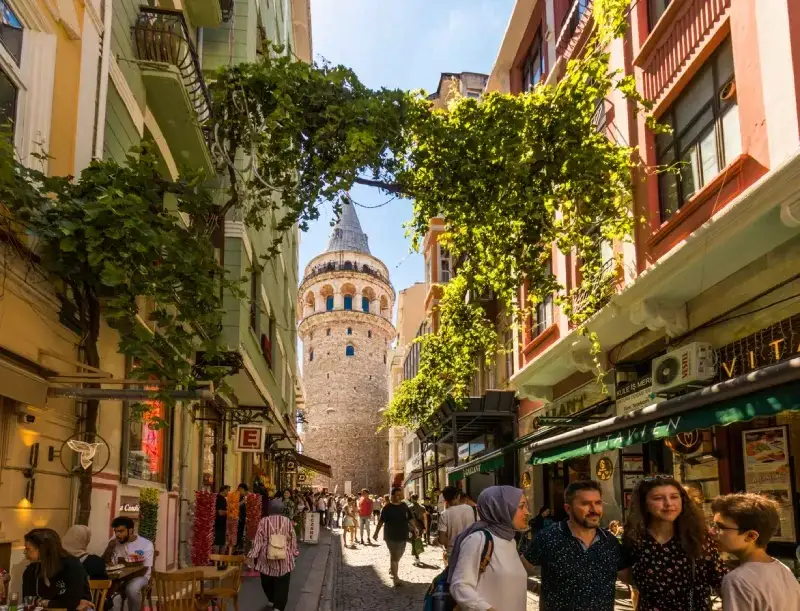
The Galata Tower neighborhood features prominently throughout "Aşk ve Ceza" (Love and Punishment). This medieval fortification and its surrounding steep-gradient streets create dramatic urban amphitheaters perfect for both pursuit sequences and romantic encounters. The tower itself offers panoramic surveillance of filming locations distributed across Istanbul's metropolitan landscape.
Bebek district contributed glamorous waterfront settings depicting affluent character lifestyles. The scenic promenade and sophisticated café culture along Bebek Bay have evolved into essential stops for television tourists seeking to experience the luxury lifestyle portrayed throughout the series.
These metropolitan districts reveal Istanbul's authentic character beyond conventional tourist perspectives—the precise urban energy synthesis that makes Turkish crime thrillers particularly compelling to international audiences.
Anatolian Periphery: Television's Remote Sanctuaries
Beyond metropolitan filming hubs, Anatolia's remote provinces conceal extraordinary production sites that illuminate Turkey's pastoral cinematography and regional storytelling traditions.
Yes, there are specialized tours available that take fans to filming locations of popular Turkish TV series. These tours often include visits to sites in Istanbul and other regions, featuring locations from shows like Fatmagul, Cukur, and Black Money and Love.
Pozantı – Dila Hanım
The passionate drama "Dila Hanım" (Lady Dila), which commanded substantial Middle Eastern viewership, established its production base within the Pozantı district of Adana. Belenidik village witnessed the conversion of agricultural farmland into a purpose-built series of plateaus, subsequently accommodating additional television productions. This 2012-2014 narrative explored the psychological complexities of a woman's forbidden attraction to her husband's murderer. Contemporary enthusiasts continue visiting this transformed rural landscape, documenting their encounters with locations that housed such emotionally charged storytelling.
Reyhanlı – Asi
"Asi," deriving its title from the ancient river coursing toward Syrian territories, claimed the Reyhanlı district of Hatay as its primary production territory. Three distinct geographical zones served the series, with Hacıkçı's inherent scenic qualities eliminating any requirement for artificial set construction. The Kozcuoğlu Farm and surrounding historical mansions, particularly the distinguished Fatih Aliye Müderris Konağı, provided authentic period backdrops. This architectural monument, having accommodated productions including "Ezo Gelin," "Adak," and "Kibar Feyzo," currently undergoes restoration as a dedicated cinema museum.
Halfeti – Karagül
Positioned along the Euphrates riverbanks within Şanlıurfa province, Halfeti achieved television prominence through "Karagül" (Black Rose). This remarkable settlement experienced partial submersion during 1999's Birecik dam construction, creating an extraordinary "subaqueous museum" where architectural remnants emerge through transparent waters. Annual visitor statistics approach 200,000 individuals, while the community's participation in the "Cittaslow" movement emphasizes deliberate lifestyle pacing. Such environmental authenticity provided ideal atmospheric conditions for the series' dramatic narrative elements.
Nevşehir – Asmalı Konak
The architectural masterpiece housing the "Asmalı Konak" production stands within the Ürgüp district of Nevşehir. This 180-year-old structure encompasses 42 distinct chambers, generating substantial tourism growth throughout Cappadocia following the series' broadcast period. Current operations include restaurant services and museum exhibitions, accessible through modest admission charges of 25 TL. Situated 800 meters from Ürgüp's commercial center, opposite the Yunak Mosque, this landmark commands equivalent tourist significance to the renowned Göreme Open Air Museum.
The ideal times to visit Turkish TV series filming locations are during spring (April-May) and fall (September-October). These seasons offer pleasant weather conditions and typically have fewer tourists, allowing for a more enjoyable experience at major filming sites.
Orchestrating Your Turkish Television Expedition
Constructing an effective dizi pilgrimage demands methodical coordination and geographic awareness. Turkey's television filming sites span vast territorial distances, necessitating strategic route planning for optimal discovery experiences.
Itinerary Architecture
Thematic clustering proves most efficient—concentrating Istanbul's urban locations within single-day excursions while dedicating separate periods to coastal territories. Professional tour operators present specialized "Tour of Turkish TV Series - Dizi and Telenovelas" expeditions, encompassing filming coordinates from acclaimed productions including Fatmagul, Cukur, and Black Money and Love. Efendi Travel's alternative approach offers bespoke, self-directed journeys with continuous telephonic support.
Seasonal Considerations
April through May and September through October provide optimal meteorological conditions with diminished tourist density at prominent filming sites. Post-production, numerous mansion exteriors returned to private residential status, requiring visitors to observe respectful viewing distances.
Documentation and Connectivity Protocols
Dependable internet connectivity remains essential for inter-location navigation. RentnConnect provides unlimited data access through eSIM and Portable WiFi technologies, specifically designed for travelers pursuing Turkey's televisual heritage. Mansion exterior photography requires privacy consideration—certain locations yield superior perspectives via Bosphorus maritime excursions.
Professional Guidance Versus Independent Exploration
Autonomous travel permits scheduling flexibility and budgetary control, particularly effective within tourism-concentrated areas where English communication prevails. Licensed guides deliver cultural contextualization, linguistic assistance, and preferential access arrangements. Inaugural visitors typically derive maximum benefit from guided experiences spanning 5-7 hours, incorporating transportation between dispersed filming coordinates.
While some mansions used in Turkish dramas are open to the public, many have returned to residential use after filming. For example, the Asmalı Konak mansion in Nevşehir now operates as a restaurant and museum, allowing visitors to tour the property for a modest fee. However, for most locations, visitors should respect privacy and may need to admire exteriors from a distance or via Bosphorus boat tours.
The Cultural Cartography of Contemporary Turkish Achievement
Turkish television's ascendancy represents a singular achievement in modern cultural diplomacy, establishing a new paradigm where fictional narratives possess the power to reshape geographical appreciation and historical understanding. The dizis phenomenon demonstrates how contemporary storytelling, when anchored in authentic locations and historical consciousness, can create lasting bridges between cultures while illuminating Turkey's extraordinary heritage.
This cinematic cartography reveals profound layers of meaning beyond mere entertainment. Each filming location—from imperial Ottoman complexes to intimate Anatolian villages—functions as a portal through which global audiences encounter Turkish civilization's remarkable continuity. The phenomenon transcends typical tourism, creating what scholars might term "narrative archaeology," where fictional stories excavate and preserve cultural memory in ways traditional historical documentation rarely achieves.
The diversity of these filming environments speaks to Turkey's unique position straddling continents and centuries. Imperial palaces that witnessed the governance of vast empires now serve contemporary storytelling purposes, while rural settlements preserve traditional ways of life that inform modern dramatic narratives. Urban neighborhoods maintain their authentic character while accommodating international production requirements, creating a fascinating synthesis of preservation and adaptation.
Seasonal considerations and logistical planning, while practical necessities, ultimately serve the deeper purpose of optimizing encounters with these culturally significant spaces. The spring and autumn months offer more than favorable weather—they provide optimal conditions for contemplating the historical significance embedded within each location.
The phenomenon represents a remarkable achievement in cultural preservation through popular media. Where traditional conservation efforts might struggle to maintain public interest in historical sites, television drama has created sustainable enthusiasm for Turkey's architectural and cultural heritage. These productions have achieved what decades of conventional tourism promotion could not: genuine emotional connections between international audiences and Turkish landscapes.
Future generations will likely regard this period as pivotal in demonstrating how contemporary media can serve preservation and cultural understanding simultaneously. The dizis have created an unprecedented global appreciation for Turkish civilization's depth and complexity, establishing a new model for how nations might share their heritage with the world through compelling narratives rather than mere promotion.
Related Articles
Keep the inspiration going with these handpicked travel reads.