
Traditional Food in Morocco Every Food Lover Must Try
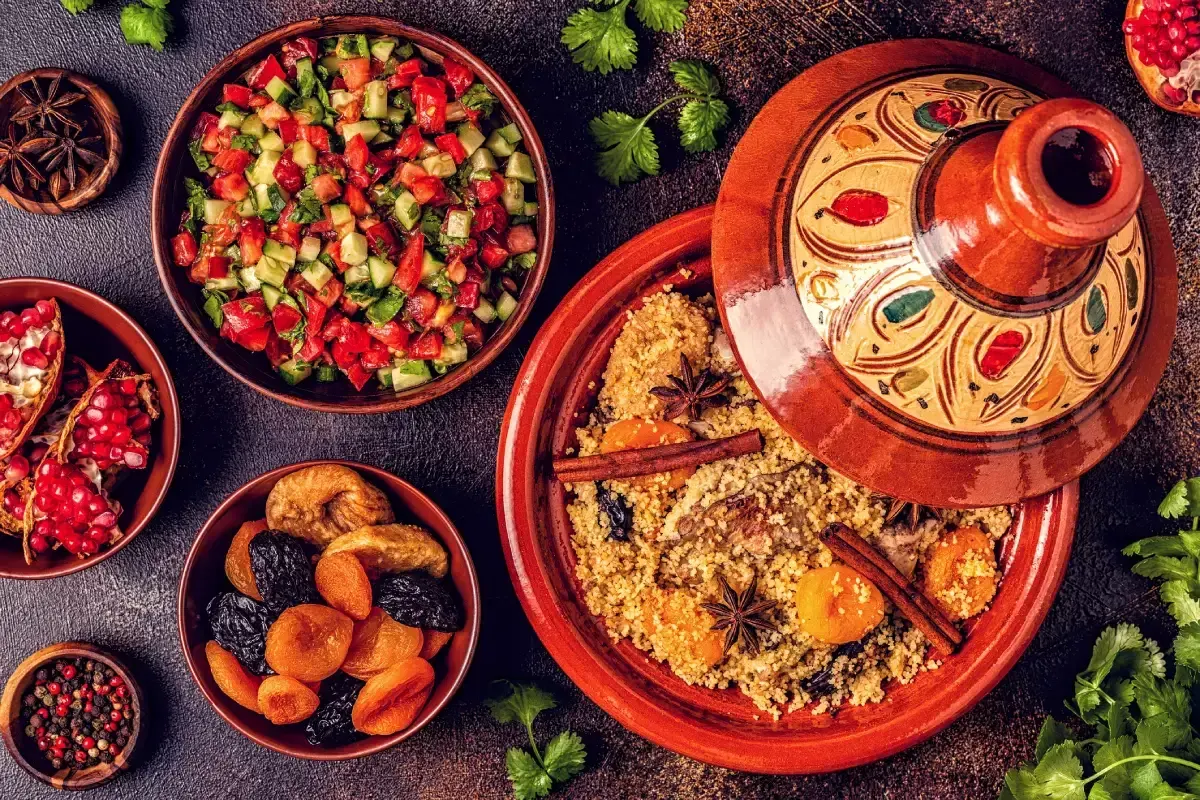
The gastronomic history of Morocco has silently witnessed the works of different civilizations since the 7th century BC. It is in Morocco's kitchens where ancient stories about Arabs, Berbers, and Mediterranean traders were created, with flavor additions, one of the most precious gastronomic treasures still existing.
The soul of Moroccan cuisine is in the expertly choreographed use of ingredients and techniques. One can think of the patient hands that prepare couscous pearl by pearl, the soft simmer of tagines with aromatic bursts of steam escaping, and measuring out the spices for ras el hanout, a mixture that can include up to 27 different spices in perfect union.
From the humble morning bowl of bissara to the most beloved Ramadan harira soup, each dish is a vibrant testament to Morocco's gastronomic wisdom. These recipes trace the lineage of many generations, preserving age-old techniques passed down from mothers to daughters and thereby creating an inseparable bond of culinary excellence that continues to captivate food lovers worldwide.
ُExplore the best Morocco Tours!
Traditional Moroccan food includes couscous, tagine, pastilla, and mint tea, staples of every meal.
Couscous is the national dish of Morocco, often served with vegetables and tender meat.
Daily Meals in Moroccan Homes
Eating is an inbred tradition in the way of life that Moroccans practice, and each meal has its own different story interwoven into the tradition. Moroccan cuisine speaks of being together and the spirit of receiving guests-be it serving food in the common tagine or sipping refreshing mint tea delicately. The food reflects values and beliefs passed on through generations that connect people to their roots and forge timeless bonds.
Moroccan Breakfast
Mornings in Morocco welcome the smell of freshly baked khobz, placed on the majority of breakfast tables alongside golden olive oil, honey, and goat cheese. Besides, families usually like msemmen (layered flatbread) or harcha (semolina bread), with its accompanying succulent olives and eggs.
Tagine
The centerpiece of the meal at noon in Moroccan cuisine is the tagine. Cooked in clay pots, often with conical lids, the stew marries tender meat and vegetables, generally with dried fruits and aromatic spices, into a sweet and well-balanced dish.
Couscous
Couscous is left for Friday, when semolina pearls steam above a rich stew of meat and vegetables, an important tradition treasured by most families, bringing them together in celebration of the meal in tradition.
Evening Meals
During dinner, lighter courses appear on the table: freshly made salads served with warm bread. Zaalouk (eggplant and tomatoes) and taktouka (peppers and tomatoes), adding spice to such family gatherings.
Weekend Gatherings and Special Occasions
Weekends emphasize greater meals, like rfissa- shredded msemen layered with chicken and lentils. Religious festivals, such as Eid al-Adha, introduce special dishes like the coveted steamed sheep head, with its rich amount of tender cheek meat. These meals reflect the mastery of Moroccan cuisine and how important family and tradition are in this culture.
I think Morocco is famous for its colorful souks, desert landscapes, and warm hospitality.
Customize Your Dream Vacation!
Get in touch with our local experts for an unforgettable journey.
Plan Your Trip
Essential Moroccan Cooking Methods
Moroccan cuisine proudly carries the legacy of age-old cooking traditions with two most unique ways at the forefront. Central to the culinary ethos is the majestic tagine, a vessel whose cone-shaped form has become iconic for Moroccan gastronomy.
Tagine Cooking
The traditional tagine speaks volumes about Moroccan ingenuity, its clay or ceramic base crowned with a conical lid, serving as nature's perfect cooking companion. This architectural marvel traps precious steam within its chambers, allowing condensation to cascade back to the base, blessing each dish with concentrated flavors and butter-soft textures.
Steam Cooking (Couscous Preparation)
The second most important method of cooking in Moroccan cuisine is steaming, specifically couscous preparation. This involves the two-part utensil called the couscoussier, which includes the base pot and steaming basket or kesskess. Steaming couscous grains makes them soft and fluffy, while meats, such as lamb, are tender and full of flavor. Beyond couscous, steam cooking is an essential method in preparing most classic Moroccan dishes.
Both require exquisite temperature control, learned generation by generation. Modern kitchens can safeguard their treasured clay tagines with diffusers to buffer them from the direct heat; traditional cooks, however, continue to prefer the charcoal brazier (majmar), adding fuel with practiced skill to keep just the right amount of warmth.
A Moroccan breakfast usually includes msemen, bread, olives, honey, and mint tea.
Most Popular Street Foods
Food on Moroccan streets is alive, with recipes from history meeting present appetites in a symphony of flavors and scents. The thoroughfares here represent a gallery of traditional Moroccan gastronomy displayed right on the streets and authentic delicacies which agree with the palate and purse.
Morning street snacks
The golden hues of freshly baked breads and pancakes coat Morocco's streets as dawn awakens. Small stands, their surfaces dusted with flour, proudly display beghrir-delicate, honeycomb-textured breads that rival any crumpet-along with harsha, whose buttery semolina crumb melts on the tongue, and rghaif, whose flaky layers tell tales of expert hands at work.
Each morsel finds its perfect companion in drizzles of honey or crumbles of fresh goat cheese.
The morning air carries the earthy aroma of bissara, a velvety fava bean soup served with crusty, oven-baked khobz. This humble yet noble dish makes workers dance through the start of their day. Each bowl sings with the brightness of lemon-infused olive oil, whispers of cumin and chili.
Evening food markets
Dusk transforms spaces like Jamaa el-Fna square into some sort of theater displaying prowess in the culinary arts. From charcoal grills, clouds of aromatic smoke arise as brochettes sizzle and splutter, their meat lovingly seasoned with salt, paprika, and the earthy warmth of cumin.
But in coastal Morocco, there is another poetry of street food. Here, sardines dance in hot oil, their flesh rich with chermoula paste-a magic amalgamation where tomato, coriander, chili, garlic, paprika, cumin, olive oil, and lemon juice come together in perfect harmony.
Among such familiar offerings are steaming bowls of snail soup, too, for adventurous souls-a delicacy that entices both knowing locals and curiosity-driven tourists alike. These humbler bowls let the braver palates try a taste of Morocco's well-kept tradition.
Evening markets are a true treasure trove of delicacies prepared with vegetables: golden-fried sliced aubergine wears its paprika-spiced batter as if it were royal robes, while the spicy lubia boasts of white haricot beans, perfectly cooked in tomatoes and aromatic spices. Such vegetarian options provide outstanding variability that turns Morocco's street food into a real feast for every sense.
I always eat with my right hand and wait for the host to start before I begin eating.
Special Occasion Dishes
Sacred occasions in Morocco summon forth culinary ceremonies that reveal the profound depth of the nation's gastronomic soul.
Ramadan specialties
Sacred traditions bathe Moroccan kitchens in the holy month as this art of breaking fast becomes a cherished ritual. Golden dates and pure water mark the day's first blessing, laced by steaming bowls of harira-a soul-warming soup where tomatoes, lentils, chickpeas, and aromatic spices dance together in perfect harmony. Next to these nourishing bowls rested the glistening coils of chebakia, honey-glazed spirals promising sweet delight for the evening ahead.
Wedding feast food
Moroccan weddings are the biggest feasts and celebration of traditions and art. Each celebration opens with the traditional, highly venerated mint tea ceremony. Thin cookies accompany this sacred ritual. Then, there is the unfoldment of the feast with the following majestic offering:
- Lamb Tagine with Dried Fruits: Sweet and savory notes in perfect matrimony
- Chicken Tagine with Daghmira: Ancient spices tell stories of culinary heritage
- Pastilla: Fragile pastry shells holding chicken or fish in their flaky embrace
- Seffa: Cinnamon-sprinkled noodles topped with golden, grilled almonds
And for grand occasions, whole lambs roasted to perfection, known as mechoui, may appear on every table. For dessert, milk pastilla offers layers of crispy dough embracing cream fragrant with cinnamon and orange blossom water.
Festival dishes
Festival tables groan under the weight of distinctive delicacies marking life's precious moments. Bulfaf comes out of the smoking charcoal grills, which is a masterly preparation of liver and lungs wrapped in protective layers of fat. Families huddle around such laden tables, sharing not only food but heritage while eating with their right hands from common plates.
Eid Al Fitr celebrates Ramadan's good-bye with its procession of festive foods, while Eid Al Adha honors tradition with bulfaf-a taste one has first after the ceremonial lamb sacrifice. Such festival gatherings weave together threads of family, faith, and food into tapestries of shared joy defining Morocco's celebratory spirit.
Tagine and couscous are the most commonly eaten Moroccan foods.
Why You Must Try Moroccan Dishes
The gastronomic history of Morocco is an ancient tapestry, interwoven with threads from countless civilizations into patterns all its own. In the curvaceous walls of traditional tagines and couscoussiers filled with steam, there is a whispered wisdom in every dish, telling stories of generations that have preserved these sacred techniques, making it a must for anyone looking to savor the true flavors of the country.
Around Moroccan tables, families gather in rituals as old as time itself and turn the most simple daily sustenance into celebrations of shared heritage. Meanwhile, narrow market alleyways are abuzz with life, as simple food stalls become galleries showcasing Morocco's gastronomic treasures, opening their centuries of culinary artistry to every inquiring palate.
The holy festivals elevate this cuisine to great heights, wherein skillful hands concoct huge feasts out of respect to heaven and earth. Through festivals, wedding cheer, and sober religious observance, Morocco's kitchens keep the embers alive in ancient ways.
This is a noble cuisine that goes well beyond mere feeding; it functions as a live bridge between generations, from the past to the present, and from parent to child, and neighbor to neighbor. Each dish holds the soul of Morocco, filled with the generosity that has welcomed all travelers and kept families alive since time immemorial. Every meal at this table is a festivity of life itself, while every table becomes an altar of tradition. Every shared course becomes testimony to the never-dead magic that food has to bind hearts, homes, together.
FAQs
Q1. What is traditional Moroccan food?
Traditional Moroccan cuisine features dishes like tagine (slow-cooked stew), couscous (steamed wheat granules), harira (hearty soup), and pastilla (savory-sweet pastry). These dishes showcase the rich flavors and diverse influences that characterize Moroccan food.
Q2. What is Morocco's favorite breakfast?
Moroccan daily meals often start with a hearty breakfast of bread, olive oil, and cheese.
Q3. What is the main meal of the day in Morocco?
Lunch is the main meal, often featuring tagine or couscous. Tagine is a slow-cooked stew with meat, vegetables, and spices, while couscous is steamed semolina served with a hearty meat and vegetable stew. It’s a time for family gatherings and enjoying rich, flavorful dishes.
Q4. What is the most popular street food in Morocco?
Moroccan street food includes traditional pancakes like beghrir and harsha, bessara (fava bean soup), brochettes (spiced meat skewers), fried sardines stuffed with chermoula paste, and even snail soup. These affordable delicacies offer an authentic taste of Moroccan cuisine.
Q5. Why is Moroccan food famous?
Moroccan food is famous for its rich, diverse flavors that reflect centuries of cultural influences. The use of aromatic spices and fresh ingredients creates a unique culinary experience. From family gatherings around the table to vibrant food markets, Morocco offers a feast for the senses, making its cuisine renowned worldwide.
Related Articles
Keep the inspiration going with these handpicked travel reads.