Article Indexes:
#Tokyo Neighborhoods: Culinary Neighborhoods
#Food Experiences: Culinay Adventures
#Street Food and Casual Eating
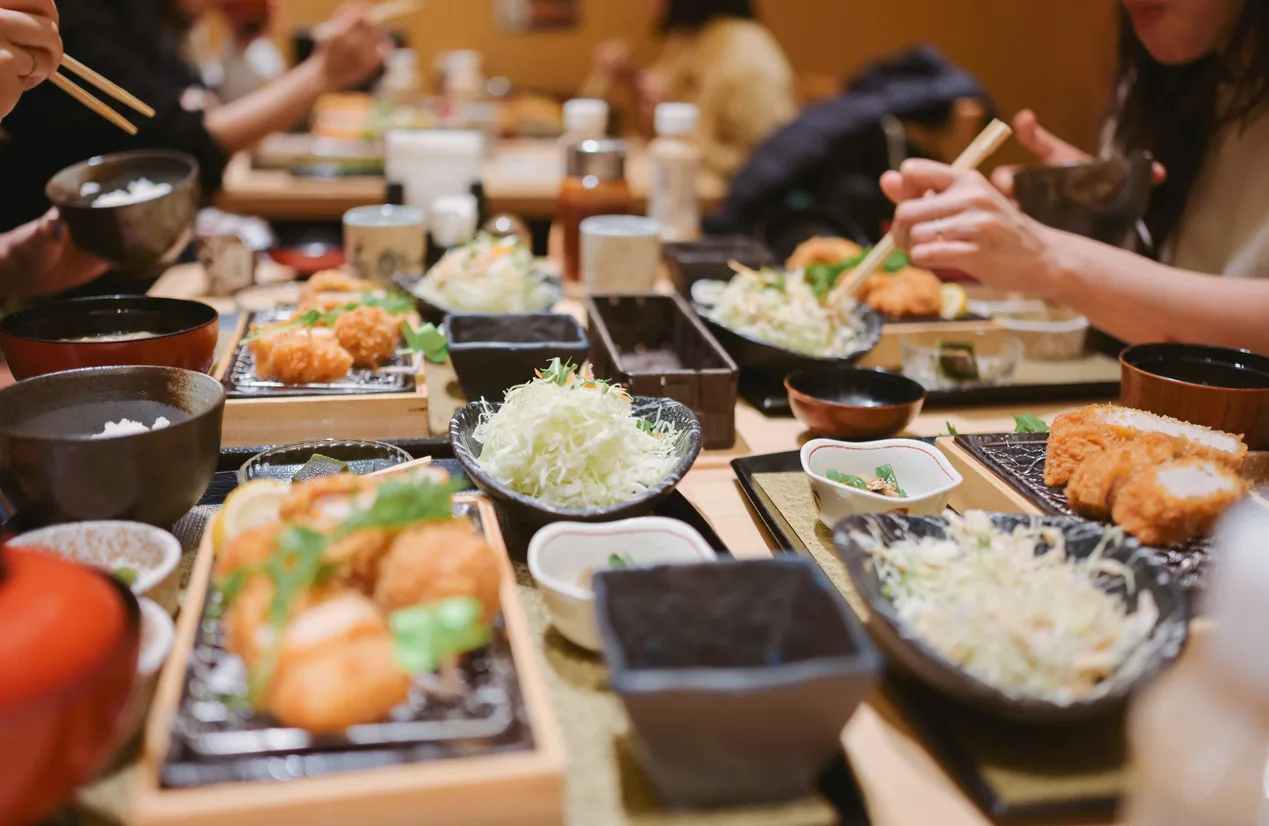
Tokyo is food lover's dream destination. Every neighborhood has distinct culinary identity. Street vendors serve exceptional food for €3-5. Michelin-starred restaurants offer transcendent experiences. Casual izakayas provide authentic community meals. Food culture pervades Tokyo completely—conversation revolves around eating, traveling involves discovering restaurants, exploration means finding food destinations.
Unlike many cities where food is secondary experience, Tokyo centers around food. A city defining itself through cuisine. This comprehensive guide navigates Tokyo's culinary landscape—neighborhoods, experiences, practical guidance. Whether seeking street food adventure or fine dining sophistication, Tokyo delivers.
Food tour isn't separate from Tokyo experience. It IS the experience.
#Tokyo Neighborhoods: Culinary Neighborhoods
1. Tsukiji Outer Market: Street Food Epicenter
What It Is: Massive outdoor market surrounding Tsukiji Central Market. Hundreds of stalls, vendors, restaurants. Fresh seafood, produce, prepared foods. Tourist-friendly but genuinely local. Older generation Tokyoites shop here daily.
What to Eat:
- Tamagoyaki (Sweet Omelet): €2-4. Vendor specialization—some only make tamagoyaki. Buttery, sweet, textured layers.
- Tuna Sashimi on Rice: €8-15. Fresh catch sold immediately. Melts in mouth.
- Grilled Scallops: €5-8. Butter-soaked, perfectly grilled.
- Sea Urchin (Uni): €10-20. Rich, briny, expensive but worthwhile experience.
- Oysters: €3-5 each. Raw, grilled, or breaded.
Dining Style: Standing at counter. Quick, efficient, delicious.
Best Time: 6-10 AM (freshest, fewer crowds than afternoon)
Cost: €30-50 for multiple tastings
2. Tsukiji Central Market (Moved to Toyosu in 2018)
Current Location: Toyosu (larger, modern facility)
Experience:
- Tuna auction (observer platform available)
- Wholesale produce buying
- Restaurant dining available
- Less atmospheric than old location but more efficient
3. Shinjuku Food Alley (Omoide Yokocho)
What It Is: Narrow alley lined with tiny yakitori (grilled chicken) restaurants. Intimate, local, atmospheric. Smoky, energetic, authentic Tokyo nightlife scene.
What to Eat:
- Yakitori: €2-5 per skewer. Grilled chicken variety (thigh, heart, liver, skin)
- Yakitori moriawase: €15-30. Mixed grilled skewers sampler
- Gyutan (Tongue): €5-8. Tender, rich beef tongue
- Beer and Sake: €3-5 per drink
Dining Style: Standing room, counter seating, intimate groups squeezed together. Social, community-focused.
Atmosphere: Smoky, crowded, lively, authentically local
Cost: €25-40 for meal and drinks
4. Shibuya 109 Food Court
What It Is: Department store food court. Multiple restaurants, cuisines, price points. Modern, clean, efficient. Tourist-accessible but genuinely used by locals.
What's Available:
- Ramen restaurants (€9-13)
- Sushi conveyor belt (€15-25)
- Tonkatsu (fried pork) (€12-20)
- Udon noodles (€8-12)
- Tempura (€10-18)
- Curry rice (€8-12)
Advantage: Multiple options, quick service, familiar food court environment
5. Asakusa: Traditional Neighborhood
What to Eat:
- Monjayaki: €10-20. Like okonomiyaki but runnier, cooked on griddle tableside
- Dango: €2-4. Sweet dumplings on skewer
- Tempura: €12-20. Light, crispy battered vegetables/shrimp
- Traditional sweets: €3-10. Seasonal confections
Experience: Walk narrow streets, try small establishments, wander food stalls
6. Ginza: Upscale Dining
What's Available:
- Sushi omakase: €80-300+
- Fine dining kaiseki: €100-200+
- Sukiyaki (hot pot beef): €80-150
- French cuisine: €80-200+
- Italian restaurants: €60-150
Experience: Upscale, refined, white-tablecloth service
When to Go: Dinner reservations essential. Plan 1-2 weeks ahead.
Customize Your Dream Vacation!
Get in touch with our local experts for an unforgettable journey.
Plan Your Trip#Food Experiences: Culinay Adventures
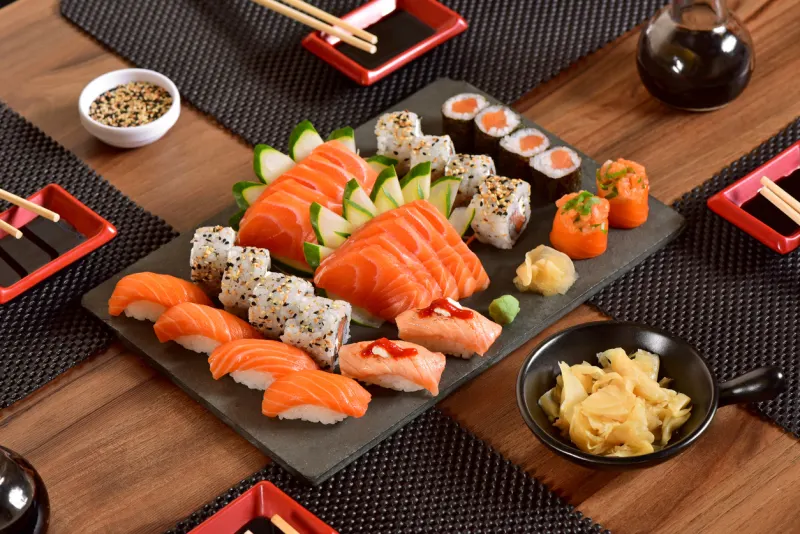
1. Sushi Experience Hierarchy
Conveyor Belt Sushi (Budget):
- Cost: €10-20 per person
- Experience: Self-service, pick plates off belt
- Quality: Good for price, not premium
- Places: Sushiro, Kura Sushi
- Best for: Quick meal, casual experience
Sushi Counter (Mid-Range):
- Cost: €30-60 per person
- Experience: Chef makes sushi directly for you
- Quality: Excellent, fresh, skilled preparation
- Places: Local neighborhood sushi shops
- Best for: Authentic experience, reasonable cost
Omakase Fine Dining (Premium):
- Cost: €80-300+ per person
- Experience: Chef selects and prepares course
- Quality: Highest tier, exceptional ingredients
- Places: Michelin-starred establishments (Sukiyabashi Jiro, Kanda)
- Best for: Special occasion, authentic mastery
Recommendation: Try mid-range sushi counter (€30-60). Authentic experience, excellent quality, reasonable cost.
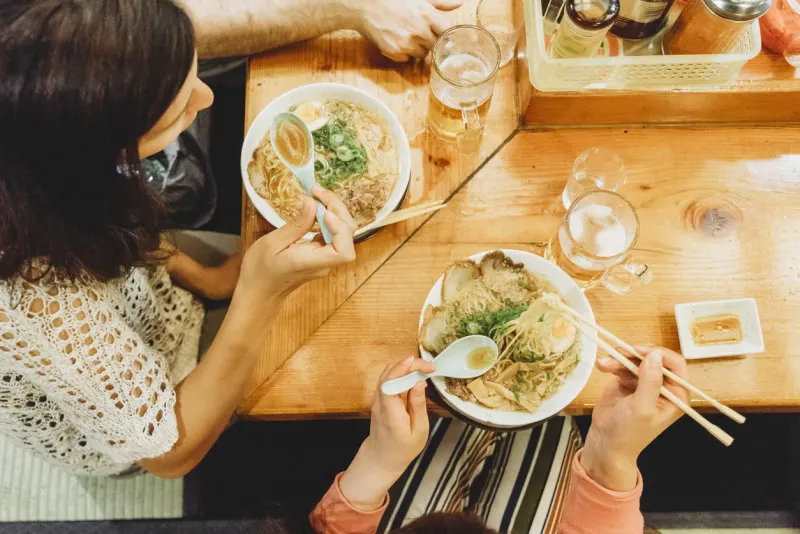
2. Ramen Experience
Tonkotsu Ramen (Creamy Pork Broth):
- €9-13
- Rich, milky broth
- Tender pork chashu (topping)
- Specialties: Fukuoka style, Tokyo ramen shops
- Most popular style
Shoyu Ramen (Soy-Based):
- €8-12
- Salty, savory broth
- Clear appearance
- Traditional Tokyo style
- Lighter than tonkotsu
Miso Ramen (Miso-Based):
- €8-12
- Nutty, earthy flavor
- Hokkaido specialty
- Hearty, warming
- Winter favorite
Ramen Etiquette:
- Slurp noodles (respectful, cools them)
- Finish broth (shows appreciation)
- Quick meal (15-20 minutes typical)
- Tip not expected
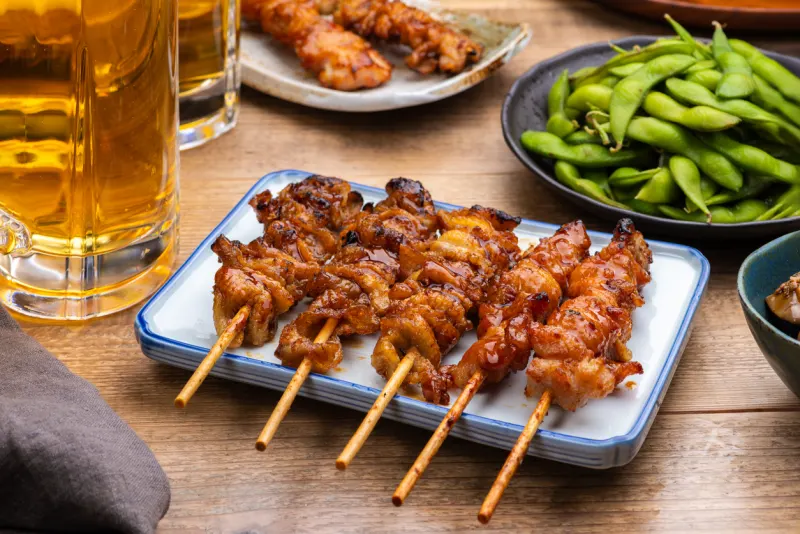
3. Yakitori (Grilled Chicken) Adventure
Variety of Cuts:
- Momo (Thigh): €2-3. Juicy, flavorful
- Hatsu (Heart): €2-3. Tender, rich
- Nankotsu (Cartilage): €2-3. Crunchy texture
- Bonjiri (Tail): €2-3. Fatty, rich
- Teba (Wing): €2-3. Meaty, tender
- Kimo (Liver): €2-3. Mineral-rich, intense
How to Order:
- Ask "moriawase" (mixed selection)
- Specify quantity (€15-30 typical)
- Add salt, tare (sauce), or lemon
Where to Go:
- Shinjuku Omoide Yokocho (authentic, local)
- Yurakucho Yakitori Alley (traditional)
- Neighborhood izakayas (casual, friendly)
#Street Food and Casual Eating
Must-Try Street Foods
Takoyaki (Octopus Balls):
- €3-5
- Fried batter balls with octopus inside
- Osaka specialty but available Tokyo-wide
- Best vendors have lines
Okonomiyaki (Savory Pancake):
- €8-12
- Layered vegetable/meat pancake
- Cooked on griddle, topped with sauce
- Hiroshima style (layered) vs. Osaka style (mixed)
Yakisoba (Grilled Noodles):
- €5-8
- Noodles grilled with vegetables and protein
- Street stall staple
- Quick, satisfying meal
Gyoza (Dumplings):
- €3-6
- Pan-fried or steamed
- Pork, vegetable, shrimp varieties
- Casual dining staple
Kakigori (Shaved Ice):
- €2-4
- Flavored shaved ice (fruit, milk, melon)
- Summer favorite
- Refreshing, light
Fast Casual Chains (Budget-Friendly)
Yoshinoya (Beef Rice Bowl):
- €6-10
- Quick service
- Consistent quality
- Available everywhere
- Good for budget meals
Matsuya (Curry Rice/Meat Plates):
- €6-10
- Budget-friendly
- Large portions
- Fast service
- Multiple options
MOS Burger:
- €6-12
- Japanese burger chain
- Quality higher than fast food
- Unique flavors (teriyaki, eggplant)
- Surprisingly good
#Practical Food Touring Tips
Budget Breakdown
Ultra-Budget (€25-35/day):
- Breakfast: Convenience store (€3-5)
- Lunch: Casual ramen/curry (€8-10)
- Snacks: Street food (€5-10)
- Dinner: Casual restaurant (€8-12)
Budget (€40-60/day):
- Breakfast: Market/café (€5-8)
- Lunch: Restaurant quality (€12-15)
- Snacks: Specialty items (€5-10)
- Dinner: Good restaurant (€18-25)
Moderate (€80-120/day):
- Breakfast: Upscale café (€8-12)
- Lunch: Nice restaurant (€20-30)
- Snacks: Quality items (€10-20)
- Dinner: Fine dining experience (€40-60)
Reservations and Logistics
Michelin-Starred Restaurants:
- Book 2-4 weeks ahead
- Some require credit card hold
- Cancellation fees possible
- Arrive early, dress respectfully
Popular Casual Restaurants:
- Go early (before 6 PM) to avoid lines
- Or late (after 9 PM) for short waits
- Lunch quieter than dinner
- Weekday less crowded than weekend
Standing Restaurants (Yakitori, Ramen):
- No reservations
- Arrive during off-peak (3-5 PM, 10 PM+)
- Accept wait time or queue
- Quick service once seated
Language and Ordering
Language Barrier:
- Picture menus common
- Pointing acceptable
- Translation apps helpful
- Google Translate camera feature useful
Useful Phrases:
- "Oishii!" (Delicious!)
- "Itadakimasu" (Before eating)
- "Gochisousama" (After eating - thank you)
- "Kudasai" (Please - when ordering)
Food Court Navigation
Department Store Food Courts:
- Cleaner, more organized
- English menus often available
- Multiple cuisines
- Longer waits during peak hours
- Efficient queuing system
Tokyo's food culture reveals city's character—precision, respect for craft, continuous innovation. Every neighborhood has distinct culinary identity. Every meal teaches something. Street vendor passionately perfecting craft. Michelin restaurant honoring ingredients. Convenience store surprising with quality.
Eating in Tokyo isn't nourishment, it's cultural immersion. Food tour is city tour. Restaurant experience reveals Japanese values. Conversation with vendors teaches hospitality. Market exploration demonstrates community.
Tokyo's greatest gift: transforming food from basic need into profound experience. Visiting Tokyo and not fully exploring food scene misses the city's soul.
Absolutely. Budget €10-15/meal easily. Ramen €9-13, curry €8-12, street food €3-8. Mix casual with occasional splurge restaurants. €30-50/day food budget comfortable. Tokyo offers exceptional value for quality. Expensive only if seeking Michelin fine dining exclusively.
Michelin restaurants: definitely (2-4 weeks ahead). Popular casual restaurants: arrive early or go late. Yakitori/street food: no reservations possible. Food courts: expect lines during peak. Mix reservation restaurants with walk-ins. Flexibility important.
Minimal barrier. Picture menus common. Pointing works. Translation apps helpful. Most restaurants English-friendly (tourist-oriented). Food courts have English signs. Gesture and enthusiasm compensate. Language barrier rarely prevents eating well.
Japan accommodates dietary restrictions better than some countries. Vegetarian: ramen (vegetable broth option), tempura vegetables, seaweed salads available. Vegan: challenging but possible (seaweed, vegetable options). Communicate restrictions clearly. Some restaurants accommodate, others don't. Research ahead or ask hotel concierge.
Extremely safe. Japanese food safety standards exceptional. Street vendors meticulous about hygiene. Tokyo has zero food safety concerns relative to other destinations. Eat confidently from street stalls. Cleanliness visible and thorough.
Related Articles
Keep the inspiration going with these handpicked travel reads.