
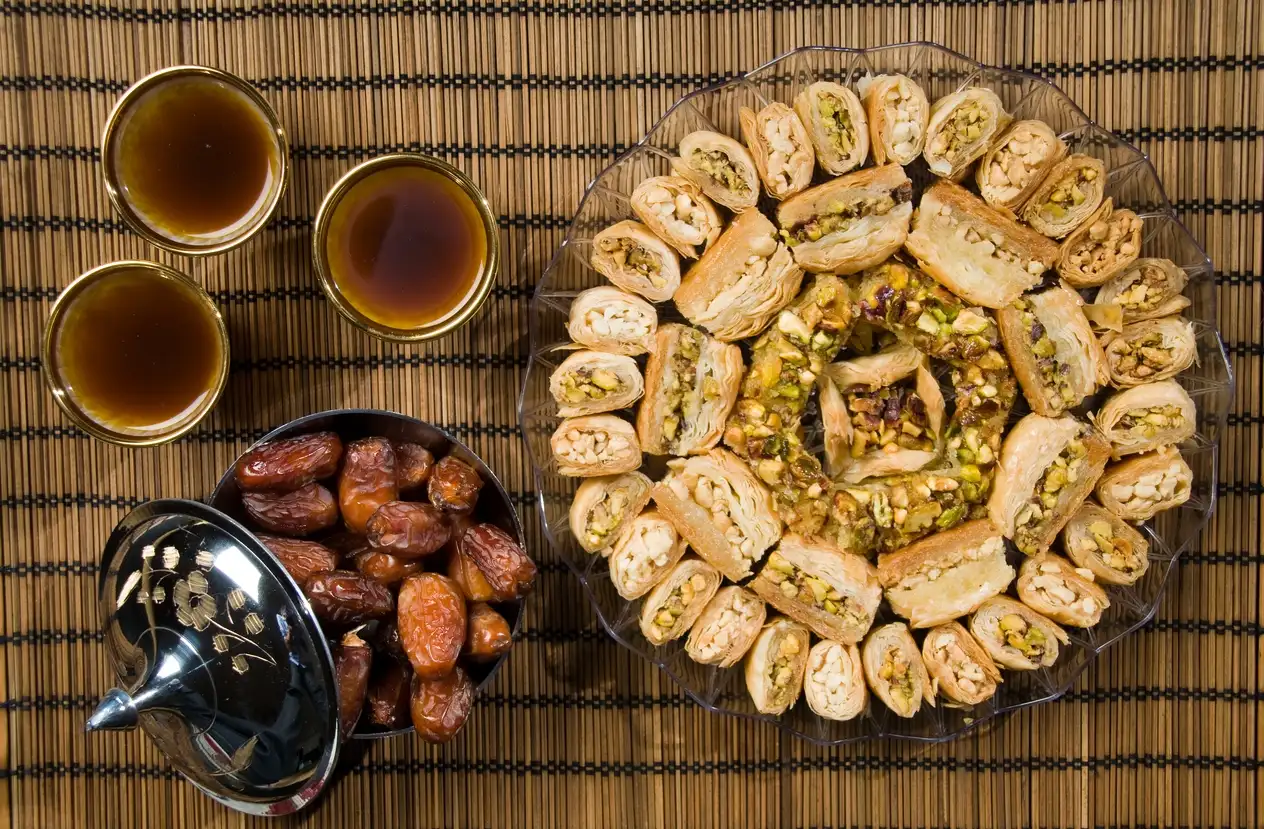
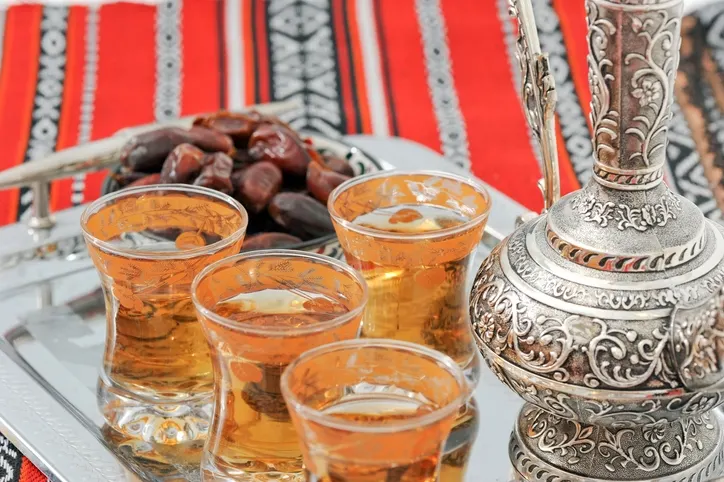
Dive into the rich flavors of Omani cuisine, a delicious blend of Arabian, Persian, and Indian influences shaped by the country’s coastal heritage and Bedouin traditions.Don’t miss the fresh seafood along the coast (like grilled hamour or lobster in Salalah) or dates paired with kahwa in traditional gatherings.
Oman food represents one of the world's most fascinating yet underexplored culinary traditions, primarily featuring a fusion of Indian, Mediterranean, Asian, Iranian, Arab, and African influences. When I first experienced the depth of flavors in authentic Omani dishes, I was amazed by how these diverse cultural elements blend so harmoniously on a single plate.
What makes Omani cuisine truly special is its connection to both celebration and everyday life. Shuwa, the national dish, is traditionally prepared for special occasions like Eid, where marinated meat cooks underground for up to two days. Similarly, Majboos (also known as Kabsa) graces wedding tables with its distinctive saffron and cardamom flavors.
We Omanis take immense pride in our culinary heritage, especially our dates—with over 250 indigenous varieties considered among the world's finest. These dates often accompany Kahwa (Omani coffee), forming the cornerstone of our hospitality. Throughout this guide, I'll share the must-try dishes that reveal the true essence of my country's food culture, from elaborate festive meals to beloved street foods like Mishkak, grilled marinated meat served with tangy tamarind chutney.
The Cultural Roots of Omani Cuisine
At the crossroads of ancient trade routes, Omani cuisine emerged as a remarkable fusion of flavors that tells the story of the country's rich maritime history. Unlike neighboring Gulf states, Oman's culinary identity reflects centuries of cultural exchange with distant lands.
Influences from Indian, Persian, and African cuisines
The strategic location of Oman created a natural melting pot for diverse culinary traditions. After overthrowing Portuguese colonizers in 1624, Oman established extensive sea-trading networks that forever transformed its food culture.
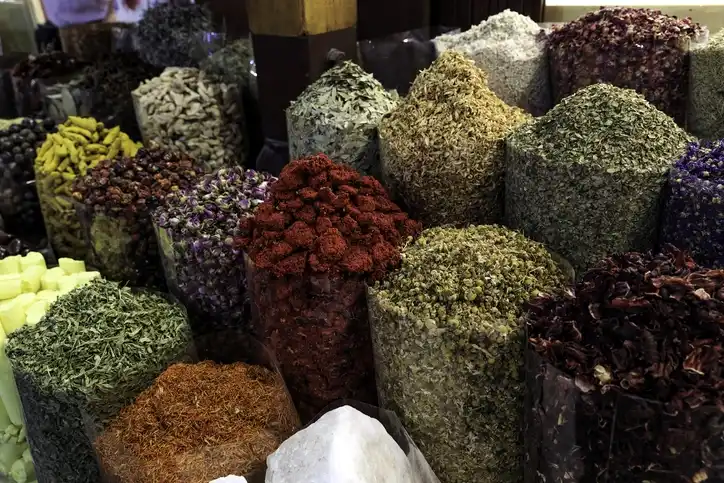
Indian influence brought warm spices that became fundamental to Omani kitchens. Turmeric, cardamom, cumin, coriander, and ginger traveled across the Arabian Sea, infusing local dishes with aromatic complexity. This explains why many Omani dishes feature rich, spiced gravies reminiscent of Indian cooking.
Persian elements appear through the prevalent use of saffron and dried black limes. These distinctive black limes were originally fresh fruits from Malaysia that merchants dried to prevent spoilage during long voyages, inadvertently creating an entirely new ingredient. Persian slow-cooking techniques for stews also found their way into Omani kitchens, enhancing traditional meal preparations.
African influences, particularly from Zanzibar, introduced coconut milk into coastal Omani cooking. The Zanzibaris, known as "Coconut People" or "Watu wa Naazi" in Swahili, used coconut almost as a substitute for water in bread, stews, and soups. Cloves, farmed extensively in Zanzibar, became central to Omani spice blends.
The role of spices and slow cooking
Omani food embraces an impressive array of spices that bring depth and complexity to both everyday meals and celebratory dishes. Beyond the aforementioned spices, cardamom adds sweet, aromatic notes to savory dishes and desserts, while saffron contributes subtle floral qualities and striking color to rice dishes like Majboos.
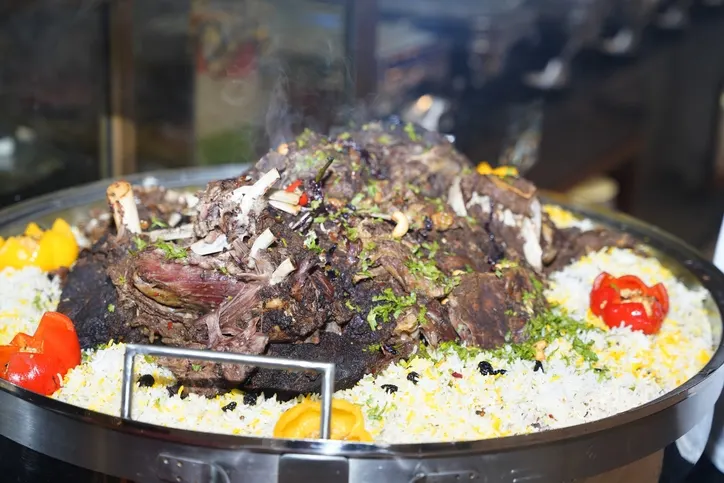
Slow cooking defines many signature Omani preparations. Shuwa, meaning "grilled meat" in Arabic, exemplifies this tradition—whole goat, sheep or even camel marinated in spices, wrapped in banana or palm leaves, and slow-cooked in an underground oven for 24-48 hours. Another slow-cooked specialty, Kalia, allows spices to fully penetrate meat through extended cooking, creating incredibly tender, flavorful results.
Hospitality and food traditions in Omani homes
In Oman, food transcends mere sustenance—it represents connection, warmth, and respect. Family gatherings center around communal platters of rice topped with meat or fish, typically enjoyed daily or at minimum every Friday. As one observer noted, "People feel like they haven't eaten at all if they haven't had a big rice lunch."
Hospitality remains paramount in Omani culture. Kahwa (coffee) and dates form the cornerstone of welcoming guests, with Oman producing over 50% of its food production in dates alone. Hosts take immense pride in ensuring visitors feel comfortable and well-fed, often preparing more food than necessary to symbolize abundance and care.
Building relationships through shared meals takes precedence over efficiency. Business meetings typically begin with tea, coffee, and conversation before any transactions occur—a testament to how deeply food and hospitality intertwine in Omani cultural identity.
Festive and Special Occasion Dishes
The heartbeat of Omani celebrations can be found in its ceremonial dishes, each carrying centuries of tradition and cultural significance. These festive meals reveal how Oman food transforms ordinary ingredients into extraordinary culinary experiences through patience and time-honored techniques.
Shuwa – Cooked underground for Eid
Shuwa, the crown jewel of Omani cuisine, emerges primarily during Eid celebrations. This remarkable dish features chunks of goat, sheep, cow, or camel meat marinated in a heady blend of spices including cinnamon, cardamom, cumin, hot chiles, cloves, and black pepper mixed in oil. The prepared meat is then wrapped in banana leaves or palm fronds, placed in woven palm leaf bags, and buried in underground sand ovens where it slow-cooks over hot coals for an astonishing 24-48 hours. This communal cooking method transforms the meat into an incredibly tender, smoky delicacy that practically falls off the bone.
Majboos – Served at weddings and gatherings
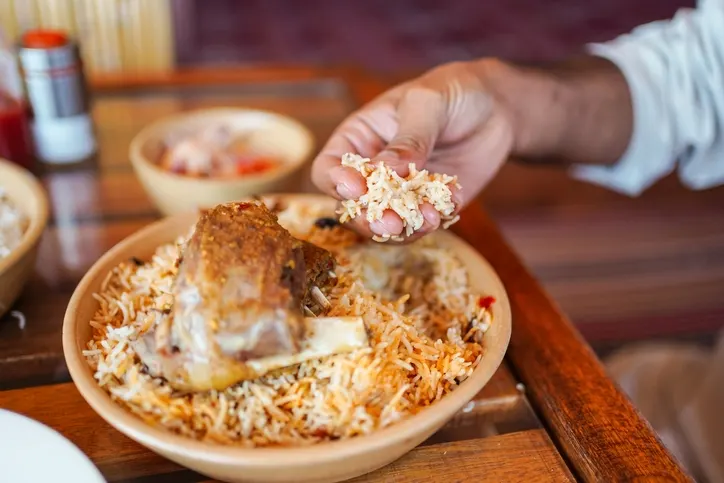
Majboos, whose Arabic name appropriately means "be engaged," graces special occasions like weddings and engagement celebrations. This aromatic rice dish beautifully showcases saffron's golden hue alongside distinctive spices. Furthermore, the dish adapts to various celebrations by featuring either lamb, chicken, or fish. The cooking method resembles biryani, where roasted meat is packed tightly into a pot with a layer of rice above to lock in flavors, creating a memorable feast that honors guests and symbolizes Omani hospitality.
Harees – A Ramadan staple
Harees holds special significance as a Ramadan favorite across Oman. This comforting porridge-like dish combines wheat and meat (typically chicken or lamb) with minimal seasoning. Notably, the ingredients are gently cooked overnight to achieve a smooth consistency. Mentioned in cookbooks dating back to the 10th century, harees represents simplicity and sustenance in Omani food traditions.
Al Aursya – A rice-based comfort dish
Al Aursya (sometimes called Arsiya) represents the ultimate comfort food at Omani celebrations. This distinctive porridge features rice and meat (often chicken) beaten to a smooth consistency and generously topped with ghee. Consequently, it's frequently served during the first day of Eid celebrations, frequently accompanied by tarsha, a fragrant date sauce that adds sweetness to balance the rich, savory base.
Everyday Meals and Comfort Foods
Beyond the elaborate festive meals, Omani homes cherish a selection of comfort foods that grace family tables daily. These dishes showcase the practical yet flavorful essence of Oman food traditions.
Mashuai – A coastal favorite with kingfish
Mashuai represents a coastal staple in Omani cuisine, featuring whole kingfish (locally called kanad) rubbed with aromatic spices, then spit-roasted to perfection. The fish is typically seasoned with a flavorful blend of cumin, ground coriander seeds, cinnamon, ginger, turmeric, and salt. Once roasted, this delicacy is traditionally served over a bed of lemon-flavored rice studded with cashews. Moreover, in regions where kingfish isn't available, locals sometimes substitute with other fish varieties like swordfish while maintaining the distinctive spice profile.
Omani Bread – Served with cheese, honey, or eggs
Omani bread, or Khubz Ragag, forms the foundation of many everyday meals. This thin flatbread requires just three humble ingredients—flour, water, and salt—cooked quickly on a hot griddle or in a tandoor oven. Subsequently, Omanis enjoy it with a variety of accompaniments: cheese, honey, or eggs for breakfast, or alongside stews for lunch and dinner. Essentially, this versatile bread appears at nearly every meal, making it the cornerstone of daily dining.
Saloona – A tomato-based meat stew
Saloona stands as the ultimate comfort food in Omani homes. This hearty tomato-based stew features tender meat (often lamb) and vegetables in a flavorful broth. Families treasure their unique recipes, passed through generations. Regardless of specific ingredients, saloona remains a staple dish that Omanis often prepare daily, occasionally served with whole-wheat bread called khubiz for a complete meal.
Qabuli – Spiced rice with meat and vegetables
Qabuli (also spelled Qabooli) emerged from Afghanistan but has become a beloved dish throughout Oman. This rice dish features meat—typically lamb, chicken, or occasionally camel—alongside aromatic basmati rice infused with saffron, baharat, and coriander. Additionally, it's often garnished with pomegranate for a touch of sweetness. The dish traces back to Bronze Age trade routes when Afghans traveled through the region, bringing this flavorful recipe that has since become an Omani household favorite.
Customize Your Dream Vacation!
Get in touch with our local experts for an unforgettable journey.
Plan Your TripModern Street Food and Evolving Tastes
Walking through Oman's vibrant night markets reveals the dynamic evolution of its culinary scene. These modern street foods blend traditional Omani flavors with global influences, creating a melting pot that tells the story of a cuisine in transition.
Mishkak – Popular at night markets
Mishkak, Oman's beloved skewered meat, dominates the night market scene. These grilled kebabs feature chunks of beef alternating with fat layers for juiciness, alongside seafood options like shrimp and squid. Vendors cook them over charcoal grills, creating a smoky aroma that fills the air as they baste the skewers with tamarind-based sauces. Remarkably affordable at just 200 baisa (about 50 cents) per skewer, mishkak offers an accessible entry point into Omani flavors. Street food enthusiasts often hop between vendors, as each prepares their mishkak with slightly different spice blends and techniques.
Shawarma – A quick bite with bold flavor
Shawarma has become an integral part of Omani food culture. This dish traces its origins to the Ottoman Empire, specifically Turkey in the 18th century, where meat was initially roasted horizontally before discovering the vertical method's advantages. The preparation involves marinating meat for an entire day, then rotating it on vertical spits while slicing thin pieces as needed. Wrapped in pita with garlic sauce, tahina, and french fries, shawarma represents Oman's connection to broader Middle Eastern food traditions yet maintains distinctive local flavors.
Karak Tea – The new favorite among youth
Karak chai has woven itself into Omani cultural fabric over the past couple decades. This spiced milk tea, with roots in Southern Asia, has become a beloved beverage enjoyed by locals and expatriates alike. Often featuring cardamom, sometimes cloves, along with condensed milk and sugar, karak creates a comforting ritual throughout the day. Tea houses have proliferated across Oman, giving coffee lounges formidable competition. Even traditional venues like the Nizwa goat market now offer karak as the perfect way to conclude a morning's business.
Fusion dishes and global influences in Oman
Beyond traditional street foods, Oman embraces culinary innovation. International influences appear through "dynamite mishkak" – a fusion dish combining mishkak with fries, tamarind sauce, and cheese. Throughout Oman, especially in major cities, Indian, Iranian, Lebanese, and Turkish restaurants showcase the country's position at the crossroads of spice routes. Even global chains like Carrefour, Pizza Express, and Tim Horton's have established themselves, reflecting Oman's openness to international flavors.
Q1. What is considered the national dish of Oman?
Shuwa is widely regarded as Oman's national dish. It consists of marinated meat (usually goat, sheep, or camel) slow-cooked underground for 24-48 hours, resulting in incredibly tender and flavorful meat. This dish is traditionally prepared for special occasions like Eid celebrations.
Q2. How has Omani cuisine been influenced by other cultures?
Omani cuisine is a fusion of various culinary traditions, including Indian, Persian, and African influences. This blend is a result of Oman's strategic location and historical trade routes. Indian spices, Persian cooking techniques, and African ingredients have all contributed to the unique flavors found in Omani dishes.
Q3. What are some popular everyday meals in Omani households?
Common everyday meals in Omani homes include Saloona (a hearty tomato-based meat stew), Qabuli (spiced rice with meat and vegetables), and Mashuai (a coastal favorite featuring spice-rubbed kingfish). These dishes are often accompanied by Omani bread, which is served with various toppings like cheese, honey, or eggs.
Q4. How important is hospitality in Omani food culture?
Hospitality is paramount in Omani culture, especially when it comes to food. Welcoming guests with Kahwa (Omani coffee) and dates is a longstanding tradition. Hosts take pride in ensuring visitors are well-fed, often preparing more food than necessary as a symbol of abundance and care.
Q5. What are some popular street foods in Oman?
Oman's street food scene features a mix of traditional and modern offerings. Popular choices include Mishkak (grilled meat skewers), Shawarma (wrapped meat with garlic sauce and fries), and Karak tea (a spiced milk tea). These street foods reflect both Omani culinary traditions and influences from neighboring countries.
Related Articles
Keep the inspiration going with these handpicked travel reads.