
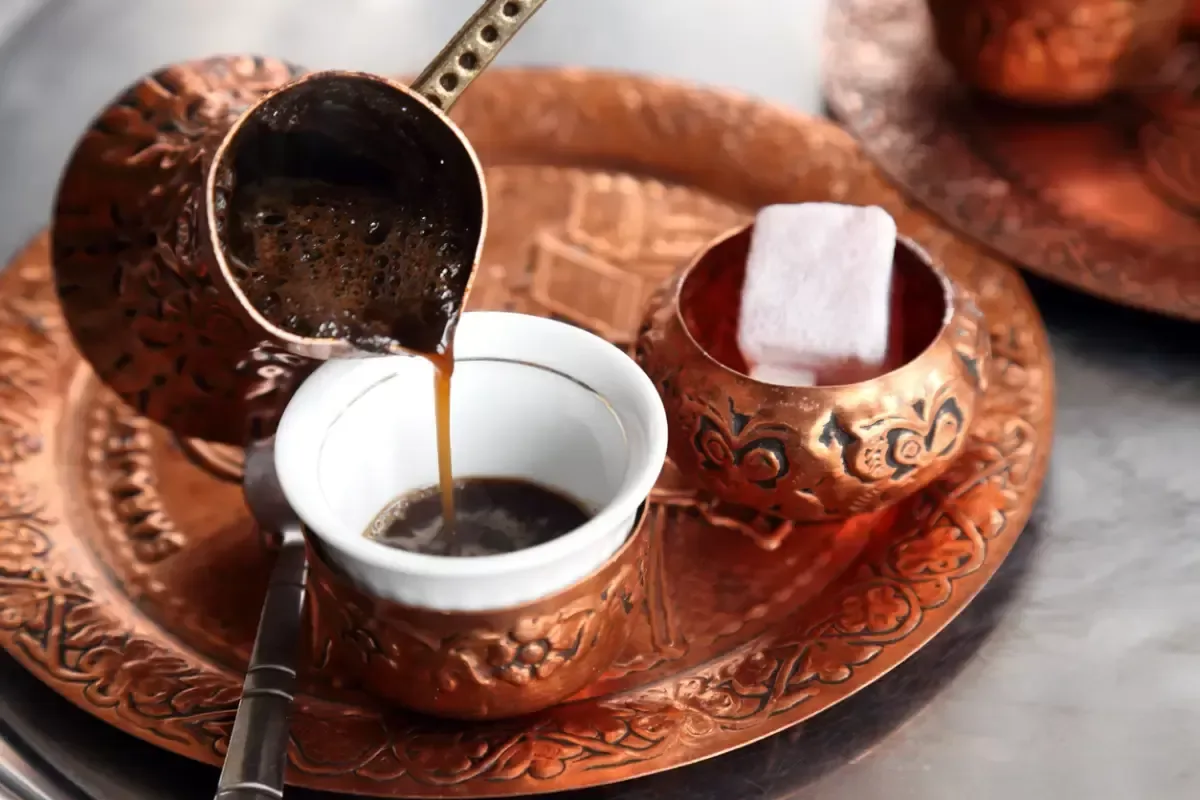
Turkish coffee boasts a rich heritage dating back 500 years. This beloved beverage has become deeply woven into Turkey's cultural fabric, with an influence that reaches far beyond just the drink itself. The first coffeehouse in history opened its doors in Istanbul in 1554, starting a movement that led to around 600 coffeehouses flourishing throughout the city by the mid-17th century.
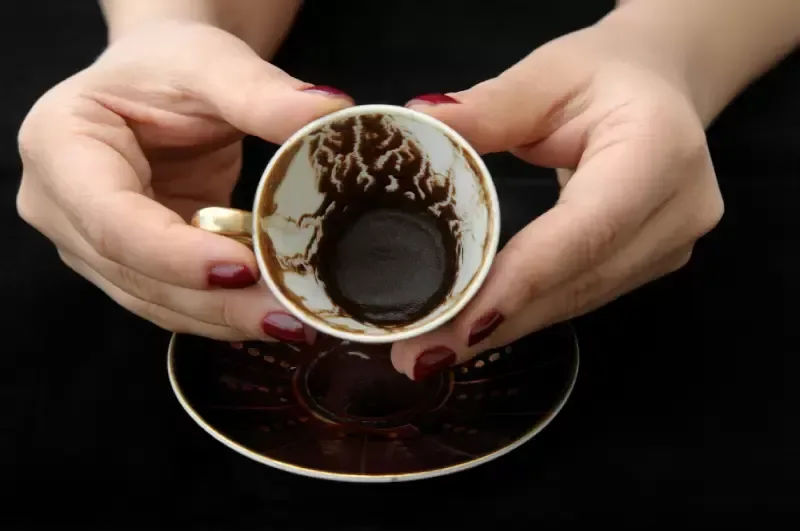
The rise of coffee culture brought with it a fascinating tradition - Turkish coffee fortune telling. This ancient practice, called tasseography, reads the patterns coffee grounds leave behind in cups after drinking. Each cup gets divided into sections that represent different life aspects like love, money, and family. The right side typically reveals one's inner world while the left side offers glimpses into the future.
This cherished tradition continues to thrive in modern times. Turkish coffee and its cultural practices earned such recognition that UNESCO added them to the Intangible Cultural Heritage List in 2013. The tradition has adapted to modern times through technology. Faladdin, a fortune-telling app launched in 2017, has grown to more than five million active users worldwide and rivals Tinder's popularity in Turkey.
Book your Turkey Travel Packages now!
From Yemen to the Ottoman Court: The Origins of Turkish Coffee
The arrival of Coffee in Istanbul
Turkish coffee's story began in Yemen's mountains, not Turkey. Sufi mystics took it to stay awake during their prayer nights. The Ottoman Empire's conquest of Yemen in 1538 brought coffee beans north into the empire's heart.
Multiple stories tell us how coffee reached Istanbul. Some historians credit Özdemir Pasha, Yemen's Ottoman Governor, who introduced this drink to Sultan Suleiman's court around 1521. He discovered coffee's appeal during his time there. Other accounts suggest two Syrian businessmen, Hakam from Aleppo and Shams from Damascus, brought coffee to the imperial capital in 1554.
The Role of Sultan Suleiman's Palace
Sultan Suleiman the Magnificent's reign saw coffee change from a curious drink to the cornerstone of palace culture. The Sultan loved coffee's energizing effects so much that he made it part of palace protocol.
Coffee became crucial to the palace's cuisine. Special professionals called "Kahveci Usta" prepared the royal brew. The Chief Coffee Maker's (kahvecibaşı) position ranked among the palace hierarchy's most prestigious roles. The Sultan's coffee ceremony needed forty assistants to serve the drink properly. Some Chief Coffee Makers later became Grand Viziers.
The first coffeehouses in the 16th century
Syrian merchants Hakam and Shams opened the first documented coffeehouse in 1554 in the Tahtakale district. These "kahvehane" establishments became popular spots throughout the city.
The numbers tell an impressive story. About 50 coffeehouses appeared within six years, and this number grew to 600 by the century's end. People gathered in these spaces to discuss politics, share ideas, play chess, and recite poetry.
Sultan Murad IV saw these coffeehouses as a threat in the early 17th century. He banned coffee drinking and executed anyone who ignored his order.
Customize Your Dream Vacation!
Get in touch with our local experts for an unforgettable journey.
Plan Your TripCoffee as Culture: Social Rituals and Symbolism
Coffee in engagement ceremonies and family gatherings
Coffee runs in Turkish society's most important life events. The most notable tradition takes place during engagement ceremonies, where the bride-to-be prepares and serves coffee to the groom's family. This ritual has a clever character test—the bride might add salt instead of sugar to the groom's coffee. The groom's patience and good nature show if he drinks it without complaint. Turkish coffee also remains essential at holidays, family gatherings, and social meetings.
Hospitality and the proverb of 40 years
"A single cup of coffee is remembered for forty years"—this famous Turkish proverb captures coffee's deep cultural meaning perfectly. The saying comes from a story about a coffee seller who served a Greek captain, and forty years later, the captain saved the seller's life because he remembered that single cup. Offering coffee represents hospitality and friendship that creates bonds between people from all cultural backgrounds. Coffee becomes the first refreshment offered to guests in any Turkish home.
Coffeehouses as centers of conversation
Turkish coffeehouses have served as vital cultural spaces since the 16th century, where people from a variety of social, professional, and artistic backgrounds come together. These establishments work as community hubs where men meet to exchange news, discuss politics, share problems, and play games like backgammon. Istanbul had more than six hundred coffeehouses by the 17th century, showing their huge social importance. Traditional Turkish coffeehouses remain places where conversation flourishes, unlike many modern cafés where people drink their beverages quickly.

The Ritual of Brewing and Serving Turkish Coffee
The preparation of Turkish coffee is a cherished tradition that transforms simple ingredients into a sensory experience, utilizing specific tools and precise techniques.
Tools and ingredients: cezve, fincan, and more
The cezve (or ibrik) is the heart of Turkish coffee preparation. This small, wide-bottomed pot made of copper comes with a long wooden handle. Its unique design with a wide base and narrow neck helps create the perfect foam. The fincan plays an equally vital role; these small, delicate porcelain cups enhance the coffee's mouthfeel. Many families pass down their traditional sets with matching saucers as precious heirlooms.
Step-by-step brewing process
The brewing starts by measuring cold water with the serving cup. You need one heaping teaspoon of extra-fine coffee powder (about 7 grams per person) and sugar to taste. The mixture needs just one stir while cold [19] before it goes over low heat. A thick foam forms as it warms - the signature of well-prepared Turkish coffee. The foam should be shared among cups right before boiling. Then the pot returns to heat for a final rise.
Serving etiquette and customs
Turkish coffee service always comes with a glass of water - a crucial element that cleanses the palate. A sweet treat usually accompanies the coffee. The eldest person receives their cup first, showing respect. A beloved proverb states that "coffee served creates a 40-year friendship," which shows this ritual's deep cultural significance.
Turkish Coffee Fortune Telling: A Living Tradition
Reading coffee grounds, or tasseography, stands out as one of the most captivating aspects of Turkish coffee culture that goes beyond just drinking coffee.
How tasseography works
The ritual begins after you finish your Turkish coffee. You'll need to cover your cup with a saucer, make a wish, and turn it upside down. A ring or coin goes on top of the upturned cup. The grounds need about five minutes to settle and create patterns. The next step involves carefully separating the cup from the saucer. Sometimes they stick together from suction - fortune tellers call this the "Prophet's Cup," which brings good luck.
Common symbols and their meanings
Coffee readers often spot specific patterns repeatedly. Birds signal upcoming good news or trips ahead, while fish point to wealth and abundance. When you spot a heart, it hints at love or growing relationships. Circles mean completion, and stars shine bright with hope and ambition. Location plays a key role, too. Symbols close to the rim speak to immediate concerns, while bottom patterns reveal future possibilities.
The role of energy and intention in readings
Coffee readers blend their intuition with the drinker's energy to reveal meaningful insights. Your coffee drinking style - whether you take slow sips or drink quickly - shapes the patterns left behind. Expert readers look beyond just the symbols. They factor in the shading, shape sizes, and most importantly, the coffee drinker's energy.
Why do people still seek coffee readings today?
Coffee readings thrive even in our tech-driven world. Many people find them therapeutic - a safe space to share their innermost thoughts. These sessions build genuine connections as people skip past small talk to discuss what truly matters. This age-old practice bridges generations beautifully. Gen Z embraces both traditional readings and modern takes through apps like Faladdin, which connects with 5 million users worldwide
The Digital Revival: Turkish Coffee in the Modern World
Technology has revitalized centuries-old Turkish coffee traditions and created unexpected bridges between ancient customs and digital breakthroughs.
Faladdin and the rise of fortune-telling apps
Turkish entrepreneur Sertaç Taşdelen revolutionized the ancient art of coffee cup reading with Faladdin, an app launched in 2017. The app now serves over 5 million active users worldwide and processes about one million coffee cup readings daily. The app's popularity in Turkey surpasses Tinder in Google Play's Lifestyle category. Users receive customized readings within minutes by uploading photos of their coffee grounds - a modern adaptation of this time-honored practice.
Gen Z's renewed interest in tradition
Generation Z gravitates toward global coffee trends, yet traditional Turkish coffee remains culturally significant. Baby Boomers show a strong preference for Turkish coffee at 76.1%, while only 22.8% of Gen Z share this taste. Young consumers have created a unique hybrid culture that celebrates both Turkish coffee traditions and modern cafe culture. Recent data shows a significant shift - 71% of people aged 18-29 drink coffee daily, compared to 42% ten years ago.
Global spread through cafes and social media
Turkish coffee culture gained worldwide recognition after UNESCO declared it an Intangible Cultural Heritage in 2013. The tradition has found enthusiastic audiences in New York and London through authentic cafes and social media platforms. Cultural ambassadors like Gizem Şalcıgil White, known as the "Turkish Coffee Lady," have successfully used cultural diplomacy and TikTok to make traditional coffee readings trend globally.

Turkish coffee is proof of how a simple drink can surpass its basic form and become part of cultural identity. This distinctive brew has managed to keep its essence while adapting to changing times. Its 500-year experience from Yemen's mountains to Ottoman courts and UNESCO recognition shows its enduring appeal.
The way people prepare and serve Turkish coffee hasn't changed much since the 16th century. Every step matters - choosing the right cezve and getting that perfect foam carries tradition's weight through generations. The social customs around drinking coffee keep bringing communities closer, whether it's during engagement ceremonies, family get-togethers, or friendly visits.
The sort of thing I love about this rich tradition is fortune-telling. Tasseography shows remarkable staying power in our digital world. Modern apps like Faladdin have given this practice new life and help younger people connect with their ancestors' customs.
Turkish coffee hasn't faded away despite new coffee trends and changing habits. It's brilliantly adapted and found new fans worldwide through specialty cafés and social media. Gen Z's embrace of both traditional Turkish coffee customs and modern café culture shows how this ancient tradition keeps evolving while staying true to itself.
Your next cup of Turkish coffee means you're part of a living tradition that's brought people together for 500 years. Beyond its unique taste and preparation method lies a cultural phenomenon that tells humanity's story of hospitality and friendship through time - something definitely worth remembering for forty years.
FAQs
Q1. What makes Turkish coffee unique?
Turkish coffee is distinguished by its preparation method using finely ground coffee beans, unfiltered brewing in a special pot called a cezve, and serving with foam on top. It's also known for its strong flavor and cultural significance in Turkish society.
Q2. How is Turkish coffee traditionally prepared?
Turkish coffee is prepared by mixing cold water and finely ground coffee in a cezve, heating it slowly to create foam, and then serving it in small cups called fincan. The process requires skill to achieve the right consistency and flavor.
Q3. What is the significance of Turkish coffee in social settings?
Turkish coffee plays a crucial role in social gatherings, engagement ceremonies, and as a symbol of hospitality. It's often the first refreshment offered to guests and is associated with a proverb about creating long-lasting friendships.
Q4. Can you really tell fortunes from Turkish coffee grounds?
Yes, fortune-telling from Turkish coffee grounds, known as tasseography, is a centuries-old tradition. After drinking the coffee, the cup is turned upside down, and patterns formed by the grounds are interpreted to predict future events or provide insights into one's life.
Q5. How has Turkish coffee culture adapted to modern times?
Turkish coffee culture has embraced digital innovation with fortune-telling apps like Faladdin, which has millions of users worldwide. It has also gained international popularity through specialized cafes and social media, while still maintaining its traditional roots and UNESCO-recognized cultural significance.
Related Articles
Keep the inspiration going with these handpicked travel reads.