
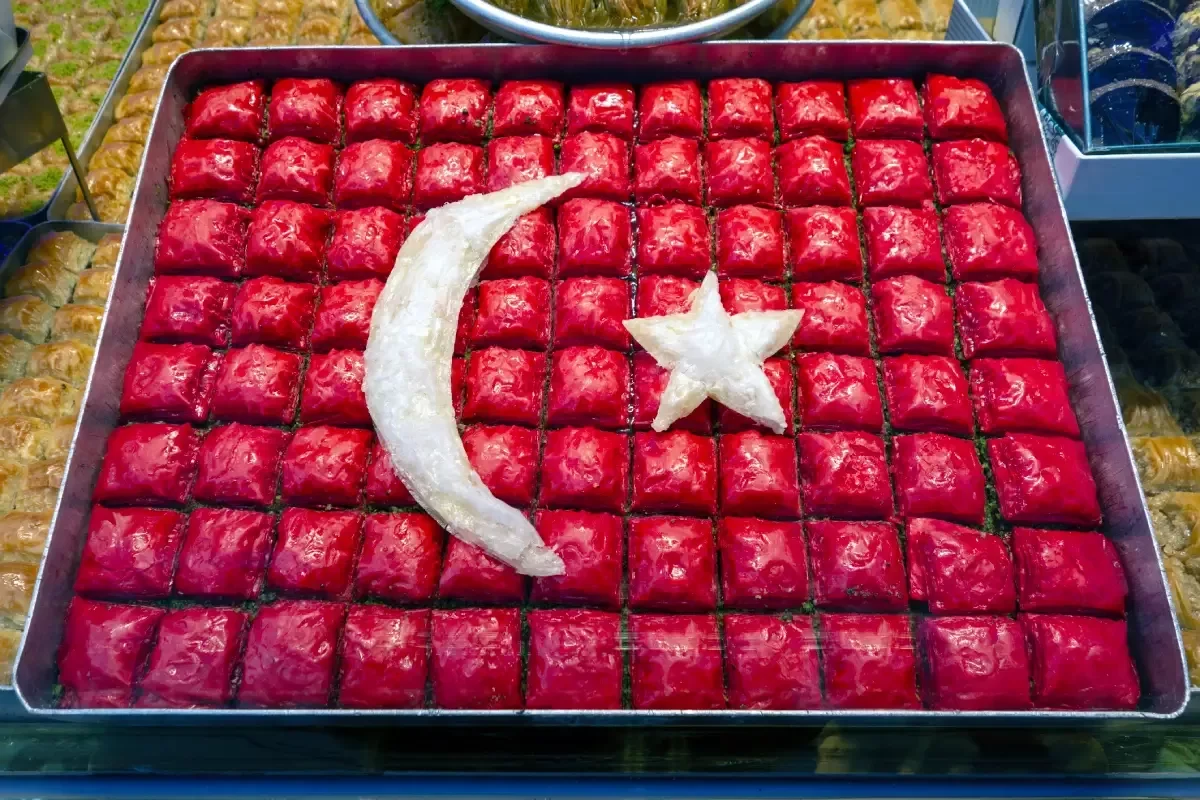
The history of Turkish sweets goes back to the Ottoman Empire. Baklava, one of the most beloved desserts, traces its origins to 1473. The dessert's cultural significance earned it a spot on UNESCO's Intangible Cultural Heritage list in 2018.
Turkish desserts offer more than just sweetness—they amaze people with their uniqueness. A dessert made with chicken might sound strange, but it exists. Tavuk göğsü stands out as one of the most distinctive Turkish desserts, and it is made with real chicken. Turkish sweets challenge what we think of as normal desserts.
The stories behind these desserts add to their charm. Asure (Noah's pudding) has its roots in a celebration when Noah's ark rested on Mount Ararat. Turkish delights sell impressively—more than 510 tons at Istanbul's Ataturk Airport alone. These treats represent cultural heritage more than mere confections. Each dessert, garnished with pistachios, walnuts, hazelnuts, or other flavors, tells its own sweet tale of tradition and state-of-the-art techniques.
The mouthwatering world of Turkish desserts awaits. Let's tuck in!
1- Could Baklava Be the Most Iconic Turkish Dessert Ever?
Baklava stands out as the Turkish sweet that has won hearts worldwide! The magic happens with that first bite of perfectly layered, syrup-soaked pastry packed with nuts. The most strict dessert-avoiders give in to a fresh piece of this iconic treat.
Baklava layers and nuts
The secret behind baklava's charm lies in those incredibly thin phyllo dough layers. Skilled bakers stack 10 to 11 sheets by hand. Each delicate sheet gets a generous butter brush that creates the signature flaky texture. Turkish baklava shines with pistachios, especially the bright green ones from Gaziantep. Greek versions feature walnuts, while northern Turkey's bakers prefer hazelnuts. Each region sticks to its own nut choice and never mixes them as modern versions do. Authentic Turkish baklava uses pistachios harvested a month early. This timing ensures high oil content and that bold green color we all love.
Baklava syrup magic
The sort of thing I love about baklava is its perfect balance of sweetness and lightness. The syrup makes all the difference! Turkish tradition calls for equal parts water and sugar with just a splash of lemon juice—nothing else added. Here's an insider secret: temperature contrast matters. You need to pour cool syrup on hot baklava or hot syrup on cool baklava. Skip this step, and you'll end up with either soggy layers or dry pastry that hasn't soaked up enough sweetness.
Baklava cultural symbolism
Baklava means more than just amazing taste. This dessert became the lifeblood of special occasions during the Ottoman Empire's fifteenth century. People served it at wedding ceremonies, festivals, and religious events. Gaziantep's residents take baklava to "engagements, weddings, funerals" and consider it "the ultimate gift and souvenir". They even have a special way to eat it—flip it upside down so the syrupy bottom hits your mouth's roof first!
Baklava pricing
Authentic baklava's price varies based on quality, ingredients, and where you buy it. The cost reflects expensive ingredients—especially Antep pistachios—and skilled craftsmanship for those hand-rolled layers. A selection box in Istanbul costs around 130TL. Gaziantep's prices range from 50TL to 300TL per kilogram. Famous makers who use pure Antep pistachios charge prices that can exceed several times the monthly minimum wage per kilogram. You can find more budget-friendly options away from tourist spots.
Customize Your Dream Vacation!
Get in touch with our local experts for an unforgettable journey.
Plan Your Trip
2- Is Künefe the Cheesiest Dessert You’ll Ever Try?
You haven't lived until you've tasted a dessert that stretches like mozzarella but tastes like heaven! Künefe stands out as the most indulgent cheese-based dessert among famous Turkish treats.
Künefe cheese filling
The cheese makes Künefe special without a doubt. This Turkish delight uses unsalted white cheese (typically Hatay cheese) that melts into stretchy perfection. Your fork will create those irresistible pulls with each bite – a sight that captivates everyone! The cheese must be completely unsalted to create authentic künefe. This lets the sweet syrup's flavors shine through without competition.
Künefe cooking method
Kadayif pastry gives künefe its unique character with thin, shredded wheat strands that create a nest-like appearance. The process starts with butter-soaked kadayif as the base. A generous layer of cheese goes next, topped with more kadayif. A special round copper pan helps fry this creation until it turns golden and crispy. The final touch comes from hot sugar syrup poured on top, creating magic between the crispy shell and the melted cheese center.
Künefe toppings
Crushed pistachios add the finishing touch to künefe right out of the pan. Many shops enhance the experience with kaymak (clotted cream) or dondurma (Turkish ice cream) on the side. Hot künefe meets cold toppings to create an unforgettable taste sensation! Regional variations might surprise you with cinnamon or crushed walnuts as alternatives.
Künefe pricing
Most Turkish restaurants price künefe between 30-60 TL per serving. Istanbul's tourist areas command higher prices. The dessert tastes best fresh off the pan, so choosing a reputable shop over a pre-made version makes sense, even at a premium.
What’s the Deal with Lokum and Its Global Fame?
Turkish Delight has been winning over sweet lovers for centuries. The smile on my face appears whenever someone uses its proper name—Lokum. This cube-shaped treat looks simple but stands out among famous Turkish desserts.
Lokum ingredients
The recipe needs just a few simple ingredients. Sugar, water, and starch work their magic through careful cooking. Traditional recipes include cream of tartar to stop crystallization. Someone needs to stir the mixture for about an hour until it reaches that perfect gummy texture—not too soft, not too firm. The mixture sits for a day before getting cut into those iconic cubes and dusted with powdered sugar or coconut.
Lokum flavor varieties
Lokum comes in so many flavor combinations! The classics feature rose, lemon, mint, and the beloved plain version. On top of that, it gets fancy with pistachios, hazelnuts, or walnuts in premium versions. New takes now include pomegranate, saffron, and maybe even chocolate. Each Turkish region brings its own twist—Istanbul's shops experiment with new flavors while Afyon keeps its traditional recipes alive.
Lokum export popularity
A British traveler brought Lokum to Europe in the 1800s as "Turkish Delight," and its popularity keeps growing. Turkey now ships these sweet treats to over 50 countries worldwide. European markets just need the most, with North America and the Middle East following close behind.
Lokum pricing
These chewy delights can fit any budget. Prices run from 50-300 TL per kilogram, based on ingredients and craftsmanship. Premium versions with pistachios or special flavors cost more. Mass-produced ones cost nowhere near as much but miss that authentic texture and flavor. Your best bet is visiting 100-year-old confectioners where quality matches the price.
3- Why Is Sütlaç So Loved Across Generations?
A bowl of Sütlaç might be Turkey's most comforting dessert. The sight of this creamy rice pudding brings smiles to people of all ages - from little ones to grandparents gathered around the table.
Sütlaç ingredients
The beauty of Sütlaç lies in its simple ingredients. Short-grain rice (usually baldo or risotto-style arborio), whole milk, and sugar make up the base. A touch of vanilla extract can boost the flavor subtly. The sort of thing I love about traditional recipes is their use of rice flour or corn starch to thicken the pudding. This creates a perfect creamy texture that isn't too heavy. Some versions include a hint of rose water to lift this simple pudding with delicate floral notes.
Sütlaç oven finish
Sütlaç's signature characteristic comes from its unique oven finish. The creamy rice-milk mixture moves from stovetop to individual clay pots or ramekins. These containers then go under the broiler for a quick but intense heat treatment. This creates an irresistible caramelized top layer. Unlike crème brûlée, the process needs no extra sugar sprinkled on top - the milk naturally develops a golden-brown crust that's wonderfully milky rather than crunchy.
Sütlaç serving style
Each clay pot of Sütlaç arrives either warm from the oven or chilled after refrigeration. People seem divided on their preferred temperature! Some add a light sprinkle of cinnamon or crushed pistachios on top. Turkish homes and restaurants serve this delightful dessert with Turkish tea, perfect for dessert or an afternoon treat.
Sütlaç pricing
Most Turkish cafeterias and traditional restaurants offer Sütlaç at reasonable prices. Upscale establishments might charge more for premium versions, particularly those using organic ingredients or authentic handmade pottery.
4- Can Chocolate Baklava Win Over Traditionalists?
Have you ever wondered what happens when chocolate meets one of Turkey's most loved sweets? The idea of chocolate baklava stirs up quite a debate among dessert traditionalists. This modern spin might just change your mind with its amazing flavors!
Chocolate Baklava twist
The magic of chocolate baklava lies in keeping the best parts of the classic recipe—crispy phyllo, nuts, and sweet syrup—while adding chocolate to each layer [161]. This creative take brings new life to a dessert that's centuries old. The chocolate butter makes the phyllo extra crispy and rich. The result is a treat that chocolate lovers adore without losing baklava's classic charm.
Chocolate Baklava ingredients
A typical chocolate baklava combines almonds, hazelnuts, semi-sweet chocolate chips, sugar, and cinnamon in its filling. The layers get even better with cocoa powder mixed into melted butter. The traditional honey syrup gets a chocolate makeover, too, with added cocoa powder. Some bakers add orange zest or espresso powder to bring out more chocolate flavor.
Chocolate Baklava availability
Turkish specialty bakeries and online stores stock this delicious treat. Karaköy Güllüoğlu makes its version with hazelnuts, while Hafiz Mustafa uses pistachios in theirs. Many sellers ship worldwide, so you can enjoy it no matter where you live.
Chocolate Baklava pricing
The price depends on quality and what goes into it. Premium brands charge about 1,460 TL ($45) for a box. Online gift boxes cost between $35-$45 for smaller amounts. Buying directly from stores in Turkey costs less than getting it shipped internationally.
5- Is Asure the Most Spiritual Dessert in Turkish Cuisine?
A dessert that connects you to ancient history feels magical! Asure, also known as Noah's Pudding, stands out as the most spiritually meaningful sweet among famous Turkish desserts.
Asure origin
The story goes that people first made Asure after Noah's Ark came to rest on Mount Ararat in eastern Anatolia. Noah and his family combined their last remaining food supplies after the Great Flood. They mixed grains, dried fruits, and nuts in a communal pot. This creative combination became what we now know as Asure. The origin story goes beyond religious boundaries and represents survival, hope, and new beginnings.
Asure ingredients
A true Asure needs at least seven ingredients. Many believe it should have ten or more ingredients to honor the theme of "tenth". The dish starts with wheat berries, dried chickpeas, dried white beans, rice, and dried fruits like apricots and figs. Turkish regions add their own touch with pomegranate seeds, pistachios, walnuts, and hazelnuts. Some versions feature rose water, orange peel, or cinnamon.
Asure religious context
People make Asure during Muharram, the first month of the Islamic calendar. The 10th day of Muharram—Ashura—marks several important religious events. This special dessert creates bonds between Islam, Christianity, and Judaism. Families cook large portions to share with neighbors, friends, and strangers. This sharing symbolizes community spirit, goodwill, and unity.
Asure pricing
You can find ready-made Asure mixes as a quick alternative to traditional preparation. Dr. Oetker's 222g package serves four people and costs about USD 4.99. Basak offers a smaller 200g version for USD 2.55.
6- Does Pişmaniye Really Melt in Your Mouth?
Turkish desserts amaze me with their unique play on texture and taste. Have you tried a sweet that feels like eating a cloud?
Pişmaniye texture
Pişmaniye is a distinctive Turkish dessert, famous for its delicate, cotton-like appearance. It is made of fine strands that provide a unique texture, melting instantly on the tongue. Slightly firmer than cotton candy, it delivers a satisfying melt-in-your-mouth experience without an overwhelming sweetness.
Pişmaniye preparation
Traditional pişmaniye needs exceptional skill to make. The process starts with sugar boiled to 170 degrees, blanched, and hung on a hook, where repeated pulling adds air. A separate dough called "miena" comes from mixing flour and butter. These two parts combine through careful folding until they form that signature floss-like texture. Modern technology makes production easier now, but it still needs a skilled craftsman's touch.
Pişmaniye flavor options
Plain pişmaniye is just the start - you'll find many more varieties. Popular flavors include chocolate, vanilla, pistachio, and pomegranate. Some treats come with a chocolate coating or crushed nuts on top. Similar treats like "palace halva" and "tensile halva" give you a slightly harder bite.
Pişmaniye pricing
This sweet's complex preparation might make you think it's expensive, but pişmaniye stays affordable compared to other Turkish treats. You'll find it mostly in souvenir shops instead of local markets.
7- Why Is Kazandibi Called Burnt Pudding?
You know how sometimes kitchen accidents turn into delicious discoveries? That's the story behind Kazandibi! This special Turkish sweet gets its name, "bottom of the cauldron" - a perfect description for a dessert that turns what looks like a cooking mistake into pure magic.
Kazandibi caramelization
The real artistry of Kazandibi comes from carefully controlled burning. The process starts when chefs sprinkle powdered sugar at the bottom of a metal pan and pour milk pudding over it. They hold it over high heat until the bottom transforms into a rich, golden-brown caramel layer. Ottoman palace kitchens gave birth to this technique, where skilled cooks crafted it as a luxurious treat for sultans.
Kazandibi texture
The sort of thing I love about Kazandibi is its amazing contrasts. A creamy, custard-like pudding sits atop a slightly crisp, caramelized surface. The delicate softness of the top layer meets the gentle bitterness of the bottom, creating a perfect balance with the sweetness. Traditional recipes use chicken breast as a thickener, which creates a silky smooth texture that melts right in your mouth.
Kazandibi serving style
Restaurants serve this chilled dessert in rectangular slices with the caramelized side up. Many places add a dusting of cinnamon or crushed pistachios to enhance the flavor. A cup of strong Turkish coffee makes the perfect companion to complete this delightful experience!
Kazandibi pricing
Turkish establishments price their kazandibi differently. Upscale restaurants charge premium rates for versions made with traditional methods and high-quality ingredients.
8- Can Chicken Really Be a Dessert in Tavuk Göğsü?
Would you believe me if I told you one of the most famous Turkish desserts contains chicken? Tavuk göğsü literally means "chicken breast" in Turkish, and it's a beloved sweet treat!
Tavuk Göğsü ingredients
White chicken breast meat serves as the star ingredient, which needs to be boiled until tender. The recipe combines milk, sugar, rice flour, cornstarch, and sometimes vanilla. The chicken must be very fresh—you'll need butcher-shop quality rather than pre-packaged meat. The meat goes through several cold water washes until no chicken scent remains.
Tavuk Göğsü texture
This dessert has a unique, firm consistency that makes it stiffer than regular pudding. The dessert comes in a rolled shape after being scraped from the pan's bottom. People cut this dessert rather than using a spoon to serve it. The chicken fibers create a distinctive, stringy, fibrous texture that sits somewhere between pudding and custard.
Tavuk Göğsü taste
The most surprising part? You won't taste any chicken! The flavor profile is sweet and milky, with a hint of cinnamon. While the chicken adds nothing to the taste, it creates the dessert's signature texture.
Tavuk Göğsü pricing
This royal Ottoman dessert stays reasonably priced across Turkey. It's available both as a cultural experience and an everyday treat.
9- What Makes Güllac a Ramadan Favorite?
A unique dessert appears just once a year, and it never fails to amaze me. Güllac perfectly captures Ramadan's spirit on a plate. This light, milky dessert has earned its place as the "Queen of Ramadan Desserts" among Turkish treats.
Güllac ingredients
The foundation of Güllac lies in its special wafer-thin sheets made from cornstarch and wheat flour. These paper-like sheets break easily and soak up milk perfectly. The dessert's heart comes from whole milk sweetened with sugar, while rose water gives it that special floral scent. Walnuts usually fill the layers, though pistachios or hazelnuts work great too.
Güllac preparation
Making Güllac needs a gentle touch. The process starts with warm milk poured over each delicate sheet. The milk must not be hot, or the sheets turn doughy. Chopped walnuts go between layers after placing half the sheets. The remaining layers follow next. The dessert needs to chill in the refrigerator for at least two hours.
Güllac seasonal use
People eat five times more Güllac during Ramadan than in other months. This dessert's popularity comes from its light nature after a day without food. Turkish families make extra portions to share with their neighbors. This tradition shows the spirit of unity and giving during this holy month.
Güllac pricing
Two major companies make Güllac leaves—Saffetabdullah Gullaclari and Istanbul Gullac. This keeps prices steady across the market. Kral Gıda supplies about 60% of Turkey's special sheets.
11- Is Halva the Most Versatile Turkish Sweet?
A single Turkish sweet stands out among all others when celebrations and ceremonies take place. Halva isn't just a dessert—it has become a cultural institution deeply woven into Turkish celebrations.
Halva types
Turkish cuisine features several distinct halva varieties. Tahini halva remains the most recognizable, made from sesame paste and sugar with a crumbly yet dense texture. Semolina halva (irmik helvası) has a softer consistency, and people usually serve it warm. Flour halva (un helvası) creates a melt-in-your-mouth experience after the flour roasts in butter. Turkey's regional versions often include nuts like pistachios or walnuts that add extra flavor.
Halva ceremonial uses
Halva's significance exceeds ordinary dessert status in Turkey through its connection to life's pivotal moments. People serve it at births, weddings, and funerals as a symbol of both joy and remembrance. Family members prepare and share flour halva after funerals to show respect for the departed. Halva remains essential during major holidays like Eid and other festive gatherings even today.
Halva preparation
Tahini halva needs just a few ingredients: tahini, sugar, water, and sometimes salt. The transformation happens when someone vigorously mixes hot sugar syrup with tahini until it pulls away from the bowl's sides. Semolina halva's process involves roasting semolina in butter until golden brown before adding sweetened milk.
Halva pricing
Halva remains reasonably priced throughout Turkey, and buyers can find a wide varieties that match different budgets. Pistachio-enhanced premium versions cost more than standard varieties.
12- Why Is Revani Soaked in Sweetness?
A single bite of revani instantly transports me back to my first Turkish adventure! This semolina sponge cake has a simple appearance but stands as one of Turkey's most cherished desserts, thanks to its signature syrup-soaked goodness.
Revani ingredients
The beauty of revani lies in its straightforward yet flavorful composition. Semolina flour forms its foundation and creates that distinctive grainy texture. The recipe combines all-purpose flour, eggs, sugar, and yogurt to achieve perfect moisture. Turkish bakers add yogurt to create a unique, tangy twist. A touch of lemon zest or bergamot brings a refreshing citrus note to the mix. Some bakers prefer olive oil to butter, which makes the cake lighter.
Revani syrup
The real magic unfolds after baking! The warm cake gets a generous soak in cooled syrup. This temperature contrast will give perfect absorption. A simple mix of sugar and water (1:1 or 2:1 ratio) with lemon juice creates the syrup base. Many bakers enhance their syrup with cinnamon sticks or orange blossom water to add depth.
Revani cultural reach
This beloved dessert delights taste buds in Turkey, Greece, and throughout the Middle East. Each region has its own name and style. Egyptians call it basbousa or harissa, while Greek versions sometimes feature coconut.
Revani pricing
A slice typically costs $5.49 at specialty bakeries.
13- Is Tulumba the Turkish Answer to Churros?
Tulumba looks just like churros at first glance, but this beloved Turkish dessert stands out with its unique character! I tell my friends it's similar to a Mediterranean churro with a special twist.
Tulumba dough
The dough shares similarities with choux pastry but uses fewer eggs to create a soft interior that stays dense. The process begins when water, butter, salt, and sometimes vinegar are heated to a boil in a pot. The next step adds flour and mixes it until a smooth dough forms. The mixture needs to cool down before eggs go in one at a time to create a uniform consistency.
Tulumba frying
The traditional method pipes tulumba straight into cold oil with a star-tipped pastry bag. The stove turns on after the piping, which lets the dough cook as the oil warms up. Perfect tulumba needs medium heat and batch frying until it turns golden brown.
Tulumba syrup
Magic happens when hot tulumba meets cold syrup! Sugar and water boil together for 4-5 minutes to create a slightly thick mixture. The fried pastries need 2-3 minutes in the cooled syrup to soak up all the sweetness.
Tulumba pricing
Turkey's tulumba prices change based on quality and location.
14- What’s So Unique About Turkish Ice Cream?
You think regular ice cream is exciting? Just wait until you try dondurma! Tourists stand in disbelief as they watch Turkish ice cream vendors flip their treats upside down without spilling a drop.
Dondurma ingredients
Turkish ice cream stands out from other Turkish desserts thanks to two special ingredients: salep (orchid root flour) and mastic (tree resin). We harvested salep from wild orchids in Anatolia to create that signature elasticity. The mastic comes from the Greek island of Chios and adds a subtle pine-like flavor. The ice cream also has milk, sugar, and sometimes cream.
Dondurma texture
This isn't your typical ice cream! Dondurma's texture is stretchy, dense, and chewy. Summer heat barely affects it compared to regular ice cream. Most people are surprised when they need a knife and fork to eat this Turkish treat!
Dondurma street tricks
The vendors make the experience unforgettable with their playful tricks:
- They tease customers by almost handing over the cone, then pulling it away with long metal rods
- They flip complete servings upside down without losing a bit
- They hand over ice cream cones upside down, using the ice cream's stickiness
Dondurma pricing
A scoop costs between 15-40 TL, based on quality and where you buy it. You'll pay more for premium versions with pistachios or traditional salep, which you can find in Istanbul's fancy ice cream shops.
15- How Does Ayva Tatlisi Turn Quince into Gold?
People's jaws drop at their first glimpse of ayva tatlisi - the humble quince fruit becomes a glistening amber jewel! This winter favorite has earned its spot among famous Turkish desserts.
Ayva Tatlisi fruit
The quince season runs from October through January in Turkey. This fruit shares its family tree with apples and pears, but remains too tough and sour to eat raw. The pale, hard fruit goes through a magical transformation during cooking.
Ayva Tatlisi syrup
The dessert's gorgeous, deep amber color comes from slow, gentle simmering. The seeds are a vital part of the process. They stay in the cooking liquid because they contain pectin, a natural thickener. The fruit turns into a soft, fragrant delight with an intense rosy aroma as it cooks.
Ayva Tatlisi toppings
The traditional version features kaymak (Turkish clotted cream) and a sprinkle of crushed pistachios or walnuts. These toppings create a perfect balance of textures and flavors.
Ayva Tatlisi pricing
A serving of this Turkish sweet costs between 80-300 TL. The best places to try it include Hacı Abdullah Lokantası, Sakarya Tatlıcısı, and Kıyı Restaurant in Istanbul.
16- Can Pumpkin Be Sweet in Kabak Tatlisi?
The word "pumpkin" probably makes you think of dessert. Kabak Tatlisi might change your viewpoint forever! I felt skeptical too until I tried this magnificent Turkish sweet that turns humble pumpkin into something extraordinary.
Kabak Tatlisi ingredients
This famous Turkish dessert needs surprisingly few ingredients. The star is obviously pumpkin—typically sugar pumpkins or Cinderella varieties work best. Turkish cooks use "Balkabağı" pumpkins and avoid watery carving pumpkins that won't hold their shape. The recipe calls for granulated sugar (roughly 600g per kilo of prepared pumpkin). Some recipes include cloves to add warmth, while others add lemon juice for brightness or even pekmez (fruit molasses) to create a deeper color.
Kabak Tatlisi cooking
Patience creates the magic! You start by cutting the pumpkin into large cubes or thick slices, coating them with sugar, and letting them macerate overnight. The pumpkin releases its own juices during this 6-8 hour rest. After maceration, the pumpkin simmers in its own syrup until tender yet still firm. This slow cooking process completely changes the pumpkin without adding a drop of water!
Kabak Tatlisi toppings
The toppings make Kabak Tatlisi truly special! You'll find it served traditionally with a drizzle of tahini, crushed walnuts, or both. Some variations feature kaymak (Turkish clotted cream), thick yogurt, pistachios, or maybe even a dusting of cinnamon.
Kabak Tatlisi pricing
This unique dessert costs around 12.99 USD at Turkish restaurants. You can find packaged versions for about 4.99 USD. If you want to try it without visiting Turkey.
17- What’s Inside the Sweet Sausage Cevizli Sucuk?
A dessert that looks like a sausage might sound strange. My first encounter with Cevizli Sucuk (walnut sausage) left me amazed that it was actually a sweet treat. This unique delicacy stands out distinctively among Turkish desserts.
Cevizli Sucuk ingredients
This sweet version uses walnuts as its main ingredient, unlike traditional meat sausages. Artisans string the nuts together on a thread to create that signature sausage-like shape. A magical coating of grape molasses (pekmez) thickened with flour or cornstarch surrounds the nuts. Some variations include spices like cinnamon or cloves to improve the flavor profile.
Cevizli Sucuk preparation
Skilled makers begin by threading walnuts (sometimes almonds or hazelnuts) onto strings. The strands need multiple dips in thickened fruit molasses until they're fully coated. Each layer must dry completely before the next dip. This technique creates the characteristic layers that surround each nut.
Cevizli Sucuk serving
People usually enjoy Cevizli Sucuk in round slices that showcase the beautiful walnut centers. Turkish families serve this treat with tea or coffee during afternoon gatherings. Some regions consider it a traditional winter celebration dessert.
Cevizli Sucuk pricing
Turkish markets offer varying prices based on quality and ingredients. Premium versions with organic nuts command higher prices than standard varieties.
18- Is Şekerpare the Softest Cookie in Turkish Sweets?
The moment you bite into a Şekerpare, this incredibly soft and sweet cookie melts right in your mouth! The sort of thing I love is watching people's eyes close in pure bliss at their first taste. This melt-in-your-mouth cookie stands out as one of the most tender Turkish desserts you'll ever try.
Şekerpare dough
The magic behind Şekerpare's irresistible softness comes from its special dough. A blend of semolina, flour, and powdered sugar creates the base. Rich butter and eggs work together to bind the ingredients. Hand-kneading the dough slowly is a vital step to achieve that perfect uniform texture that won't crack in the oven. A few recipes add yogurt to make them even more tender.
Şekerpare syrup
The syrup will revolutionize these cookies into something magical! These golden-baked treats meet cold syrup while they're still hot - and this temperature contrast will give a perfect absorption. A mix of sugar, water, and lemon juice creates that signature sweet-tangy flavor. The cookies become almost cake-like after soaking up the syrup.
Şekerpare variations
Each region in Turkey adds its own twist to this dessert. Bakers near the coast love adding citrus, while inland areas prefer nutty flavors. Many people top their cookies with almonds or pistachios pressed right into the center.
Şekerpare pricing
These heavenly treats cost about USD 14.99 at specialty bakeries.
Turkish desserts are more than just sweet treats—they're edible history! Each dessert tells a story. The UNESCO-recognized baklava and Asure, with its connection to Noah's Ark, pack centuries of tradition in every bite.
My first taste of künefe at a small Istanbul café is unforgettable. The waiter pulled my portion from the plate, and golden cheese threads stretched endlessly. The crispy kadayif paired with gooey cheese left me speechless!
Turkish sweets show amazing creativity in turning basic ingredients into extraordinary treats. These culinary masters craft desserts from chicken breast and turn pumpkins into jewel-like delicacies. This spirit of innovation runs deep in Turkish dessert culture. Their stretchy ice cream defies melting, while pişmaniye's cotton-like texture dissolves right on your tongue.
These desserts do more than delight taste buds—they bring people together. They take center stage at celebrations, religious events, and everyday gatherings. Halva graces both weddings and funerals, while güllac lights up Ramadan tables across the country. Each sweet bite links you to centuries of tradition.
Ready for a culinary adventure? Try making these famous Turkish desserts at home or plan a trip to taste them in their birthplace! Without doubt, these sweets give us a delicious glimpse into Turkey's rich cultural heritage. The syrupy crunch of baklava or the delicate sweetness of sütlaç—a Turkish dessert is waiting to become your new favorite.
Related Articles
Keep the inspiration going with these handpicked travel reads.