
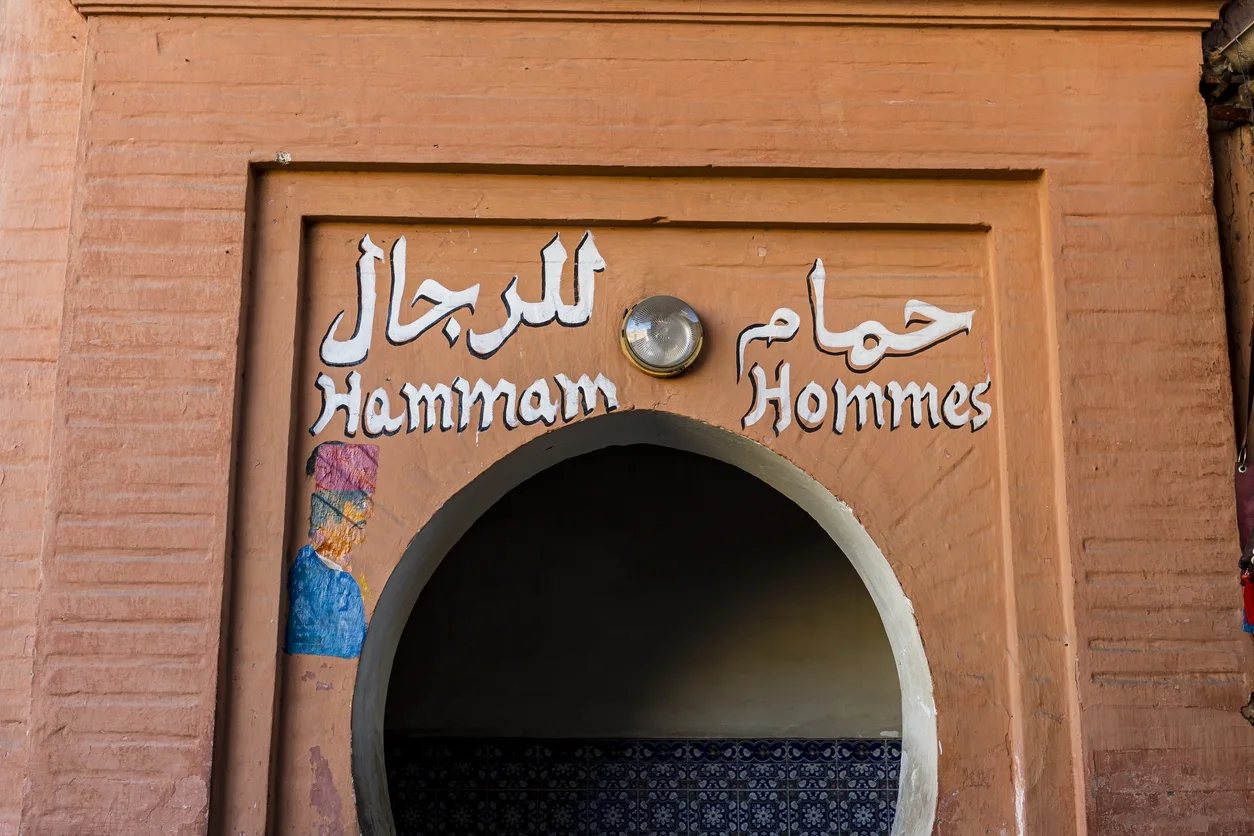
Steam rises through ancient corridors as whispered conversations echo off marble walls. In Arabic, known as "House of Steam," the Moroccan hammam embodies a wellness tradition that dates back to Roman and Byzantine times. It is here, in these sacred spaces, that locals come together, joined in the rhythm of a ritual that traces the outlines of Moroccan cultural identity.
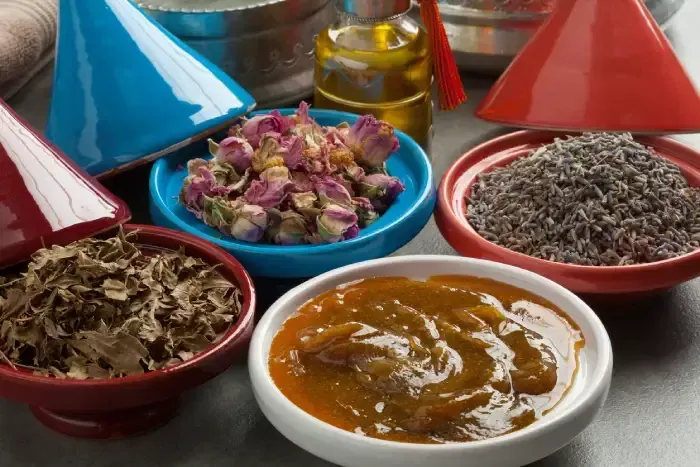
These remarkable steam houses, purposefully built near mosques, transcend their role as mere bathing facilities. Each hammam creates an immersive sanctuary where community bonds strengthen through shared experiences. The ritual unfolds through carefully orchestrated steps, engaging every sense while nourishing both spirit and body. Ancient wisdom meets natural healing through the marriage of purifying steam with treasured ingredients: black olive soap carries centuries of tradition, while mineral-rich Ghassoul clay, harvested from the majestic Atlas Mountains, works in harmony with precious Argan oil to restore and rejuvenate.
This detailed exploration opens the secret doors to Morocco's well-loved tradition: the hammam. You'll explore the rich cultural origins, learn about the steps involved in such a ceremony, and be equipped with handy tips on how best to prepare for this part of your tour. Your doorway into one of the most intimate, changing Moroccan experiences is herein unleashed.
Plan your Fabulous Morocco Tours Now!
What is a Traditional Moroccan Hammam
Time-worn stones tell tales of ancient Roman bathers who first established these sacred spaces over 2000 years ago. These hallowed halls further witnessed remarkable evolution under Islamic stewardship, blossoming into sanctuaries where ritual purification seamlessly merged with physical cleansing.
Origins and cultural significance
"Hammam" in Arabic simply means hot water, yet it is a whisper of stories far beyond what the ordinary translation can provide. Sacred steam rises along the minarets of mosques where these stand guard, both for bodily and spiritual purity. The golden age of hammam culture had dawned with Arab settlers, interweaving into Morocco's cultural tapestry along with aromatic tagines and mint tea ceremonies.
Public vs private hammams
Today, Morocco boasts two different faces of hammam culture: public hammams-acute manifestations of lived heritage-where single-sex rooms rumble with generations of collective memories. Inside such collectively sacral spaces, guests cross two to four steam rooms successively, often heating up as high as 50°C in temperature. By contrast, modern-day private hammams introduce a different experience altogether and cocoon their rich customs under the wraps of privacy and opulence.
Role in modern Moroccan life
As much as modern plumbing may have succeeded in bringing bathrooms into Moroccan homes, hammams remain irreplaceable social sanctuaries. The weekly visit to hammams still punctuates life in Morocco, especially among women who hardly get the freedom to get together and share stories for strengthening community bonds within these steam-filled walls. Besides serving basic needs, hammams turn out to be a place of celebration, holding treasured moments of brides and their female relatives who come together in time-honored rituals, preparing them for traditional weddings.
Essential Hammam Steps
Ancient wisdom unfolds in hot, misty rooms where steam dances through graduated temperatures. It is an invitation into their 10-15 minute journey of easy immersion into steam that lets natural heat soften up muscles and mind alike.
Steam Room Preparation
Sacred rituals call for appropriate preparations first. Chamber by chamber, bodies acclimate to rising temperatures; each room is differently warm. This gradual progression readies both flesh and spirit for the cleansing to come.
Application of Back soap
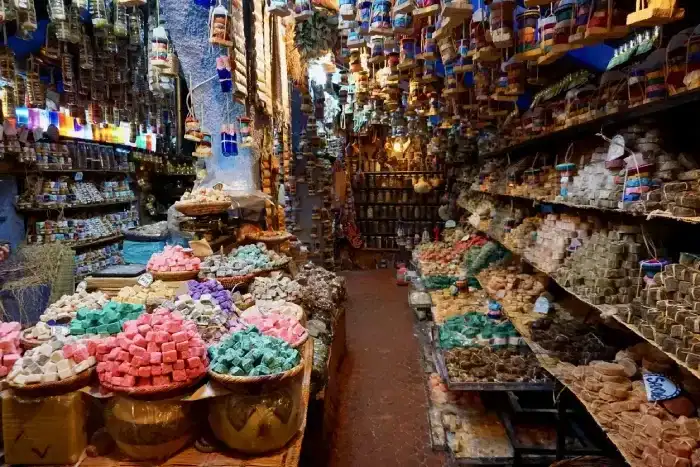
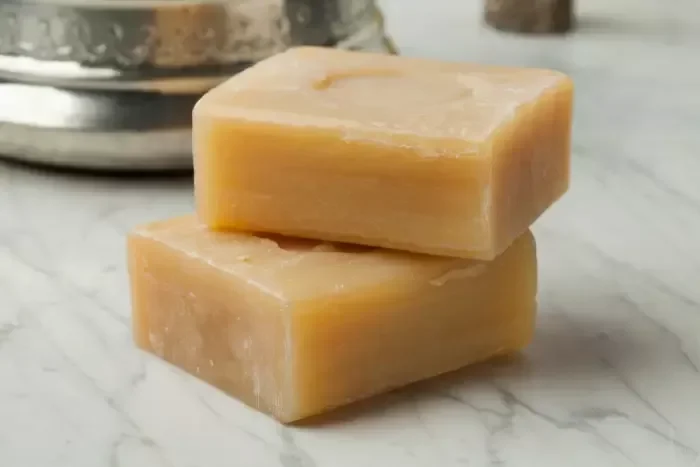
The first blessing of the ritual is traditional black soap (savon beldi). Hammam masters brew the dark elixir from olive oil and paste, blending in the essential oils of nature. This gelatinous treasure lies upon the skin, akin to a silk veil, for measured moments, its ancient knowledge gentling and preparing the surfaces for the ritual to come.
Kessa Scrubbing Technique
The kessa ritual uncovers the heart of the hammam: accomplished hands run a special mitt in well-oiled circles; with every stroke, centuries of tradition are carried. Dead skin gives way to such purposeful stroking, and the buried impurities find their way upward in freedom. Blood runs more strongly beneath, while strata of ancient skin fall before the knowing touch.
The Final Cleansing
Pure water cascades, carrying away the last whispers of soap and shed skin. The precious argan oil, in golden drops, mingles with essences of rose and orange blossom as the ritual reaches its crescendo. Nature's final gift seeps deep beneath the surface, bearing vitamin E and essential fatty acids to parched cells. Skin emerges transformed-supple, renewed, blessed by centuries of accumulated wisdom.
Customize Your Dream Vacation!
Get in touch with our local experts for an unforgettable journey.
Plan Your Trip
Preparing for Your First Hammam
Sacred traditions call for mindful preparation. Knowing what to wear and what to bring along enables guests to show respect for this ancient practice while being comfortable on their trip.
What to bring
Masters of the hammam tradition acknowledge a few accessories integral to the correct performance of the ritual. Each guest should collect these valued tools:
- Traditional bath towel
- Protective sandals for marble floors
- Water vessel and cup for ritual cleansing
- Sacred black soap (savon bildi) and rhassoul clay
- Kessa mitt for ceremonial scrubbing
- Personal cleansing elements (shampoo, shower gel)
- Fresh garments for after-ritual wear
- Entrance offering (small currency)
Though some hammams will have the basics on hand, savvy travelers bring personal comfort items for surety of use. The local medinas will have these ritual items for sale before your visit.
What to wear
Every hammam has its way of life with regards to attire. Likewise, the same happens with contemporary temples of wellbeing: modesty is the only shared thread that pays respect to these places. Women are at ease with simple bikini bottoms or underwear, while most houses provide disposable coverings. Modern spa sanctuaries allow two-piece suits for added modesty.
The gentlemen's protocol follows simpler lines - fitted swim shorts maintain both dignity and comfort. The refined spa environments often present disposable garments for their guests.
The wisdom of generations dictates that ornate or expensive swimming costumes are a no-go. The vigorous cleaning rituals certainly don't spare anything delicate. As soon as the threshold is passed, each guest is given a pestemal, the traditional cloth that preserves modesty during the process. Ancient wisdom recommends not wearing any jewelry and opting for contact lenses instead of glasses for maximum comfort.
General Concerns
First steps into ancient traditions are often questioned by the modern mindset. These gained perspectives shed light on the direction to be undertaken by any seeker of the traditional knowledge of the hammam.
Privacy concerns
The sanctity of privacy in traditional and modern settings is expressed differently. Genders are separated strictly in every hammam; either the places are separate, or the time slots are allotted.
Modesty is preserved in the neighborhood hammams, with well-worn marble panels between the washing rooms; more upscale wellness retreats offer individual rooms and shielding robes for the shy.
Traditional hammam culture is a communal affair: the local women in them move with an easy grace, a comfort level forged and nurtured since birth. Those of a more retiring nature are best gently inducted by places offering spa-style hammams, where Western sensitivities meet Eastern tradition.
Duration expectations
Time passes differently within hammam walls. Many Moroccan women interweave social hours into their visits, letting conversation and relaxation bloom organically. Steam, scrub, and cleanse to the beat of ancient rhythms; comfort pauses heed the call of personal needs.
Health precautions
Ancient wisdom meets modern care within these heated chambers. Hearts troubled by illness, blood pressure concerns, or the sacred state of pregnancy require blessing from medical guardians before entering. Steam's embrace demands proper tribute: pure water before and after maintains the body's delicate balance. Wisdom passed through generations guides these precautions:
- An empty stomach honors the ritual's purity
- Sacred spaces shun stimulants like caffeine and spirits
- Truth spoken about skin's sensitivities protects its peace; rest embraced when heat's power grows strong.
Steam-kissed chambers still ring with wisdom carried through the centuries, as Morocco's hammam tradition proudly stands against the timeless current. It is within these hallowed walls that the simple washing rituals blossom into profound journeys of renewal, skillful hands weaving arts passed down through countless generations.
The novice stands at the threshold of wisdom, and uncertainty melts away through understanding and proper preparation. Every hammam-whether nestled in ancient neighborhood corners or strung out in modern luxuries-opens a door to Morocco's living heritage, where steam whispers age-old secrets while deft hands work sacred oils into grateful skin.
For those who approach such ancient customs with reverent hearts and willing spirits, a lot more than wellness rituals unravel: a step into living history, joining an unbroken chain of tradition that courses through the cultural soul of Morocco.
FAQs
Q1. What is a traditional Moroccan hammam treatment?
Traditional Moroccan treatments center around the hammam, a steam-filled sanctuary near mosques. This ritual blends purifying steam with black olive soap, mineral-rich Ghassoul clay, and nourishing Argan oil, offering deep cleansing and rejuvenation.
Q2. What happens in a Moroccan hammam?
A Moroccan hammam typically involves several steps: relaxing in a steam room, application of black soap, vigorous exfoliation with a kessa glove, thorough rinsing, and finally, moisturizing with argan oil. This process combines relaxation, detoxification, and deep cleansing for both body and mind.
Q3. What do you wear in a hammam in Morocco?
For women, bikini bottoms or underwear are appropriate, with some facilities offering disposable undergarments. Men can wear swim trunks or shorts. Many hammams provide a pestemal (traditional towel) to wrap around yourself. It's best to avoid expensive swimwear as the scrubbing process can be quite vigorous.
Q4. Is a hammam good for your skin?
Yes! A hammam deeply cleanses and exfoliates the skin, removing impurities and dead cells. The steam opens pores, while traditional black soap and scrubbing leave your skin soft, refreshed, and radiant.
Q5. How long should I stay in a hammam?
A standard hammam session usually lasts between 45 minutes to an hour. However, many locals, especially women, often extend their visit to several hours, using the time to socialize and relax. The duration can be adjusted based on personal preference and comfort.
Check the best Morocco Travel Packages!
Related Articles
Keep the inspiration going with these handpicked travel reads.