
Discover the best Cairo places to visit beyond the iconic Pyramids in this comprehensive guide to the city's hidden gems. Explore historic landmarks in Old Cairo, charming neighborhoods like Zamalek, Heliopolis, and Maadi, unique attractions such as the Cave Church and Al-Azhar Park, and authentic local experiences including Nile felucca rides, traditional coffee houses, street food tours, and pottery workshops. The guide also includes practical travel tips on the best time to visit, transportation, budgeting, and exploring Cairo like a local.
Attractions
Cairo Places to Visit: The Ultimate Guide Beyond the Pyramids
By : Aya
Cairo Places to Visit
Cairo hidden places offer experiences most tourists never discover when they focus solely on the pyramids. Millions visit Egypt's capital each year, yet few venture beyond the iconic monuments to explore the city's authentic character. I've found that Cairo's true magic lies in its overlooked historical places, charming neighborhoods, and local experiences that reveal the city's soul. From the ancient streets of Old Cairo places to the elegant boulevards of Zamalek Cairo and downtown Cairo, these cairo hidden gems showcase an egypt wonder that guidebooks rarely highlight. Whether you're seeking historical places like forgotten mosques and synagogues, or activities in cairo that provide a genuine local experience, this guide will take you beyond the pyramids to discover places to go in cairo that most visitors miss.
Hidden Historical Places in Old Cairo
The Hanging Church and Coptic Cairo
Old Cairo conceals some of the city's most significant Christian monuments. The Hanging Church, dating back to the 3rd century AD, stands atop the southern
gatehouse of the Roman Babylon Fortress, creating its distinctive suspended appearance. This Virgin Mary Church Cairo served as the official residence of the
Coptic Patriarch from the 7th to 13th centuries. Inside, visitors find over 110 religious icons, with the oldest traditionally identified as an 8th-century image of
the Virgin Mary and Child. The wooden ceiling shaped like Noah's Ark and marble pulpit supported by 13 columns symbolizing Christ and his apostles create a
profound spiritual atmosphere. Regular Coptic Mass occurs on Wednesdays and Fridays from 8:00 AM to 11:00 AM, and Sundays from 9:00 AM to 11:00 AM.
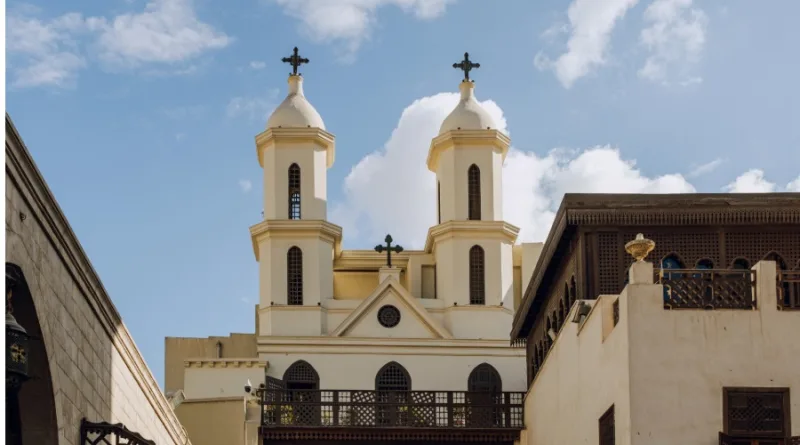
The Hanging Church, Egypt
Al-Azhar Park and the Medieval Wall
Al-Azhar Park transformed a 30-hectare mound of rubble into a 72-acre green oasis. Opened to the public in 2005, the park was commissioned by His Highness the Aga Khan in 1984 to commemorate Cairo's foundation by the Fatimids in 969. During construction, crews discovered the remains of the 12th-century Ayyubid Wall originally commissioned by Saladin. Conservation teams restored these ancient stone fortifications, revealing a piece of medieval Cairo that had been buried for centuries. The park's design draws inspiration from historic Islamic gardens, featuring water fountains channeling toward a small lake with alleyways pointing toward the Citadel.
The Cave Church (Monastery of Saint Simon)
Carved directly into the Mokattam Mountain, the Cave Church seats 20,000 people, making it one of the largest churches in the Middle East. Built in the 1970s, the monastery sits at the top of the mountain in Zabbaleen City on the east bank of the Nile River. The complex contains six churches carved into the rocky core of the mountain, including St. Paul's Church, St. Mark's Church, and St. Simon the Tanner's Hall. Named after the 10th-century Coptic saint Simon the Tanner, the church features stunning biblical carvings created by Polish artist Mario over two decades.
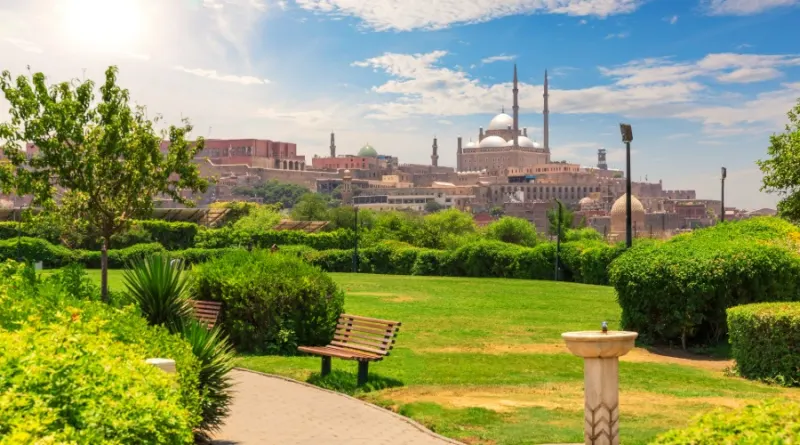
Al Azhar Park
Customize Your Dream Vacation!
Get in touch with our local experts for an unforgettable journey.
Plan Your TripSultan Hassan Mosque
Built between 1356 and 1363 during the Bahri Mamluk period, the Sultan Hassan Mosque exemplifies monumental Islamic architecture. The mosque spans approximately 8,000 square meters and reaches 36 meters in height. Its southern minaret stands 84 meters above street level, marking it as the highest minaret of Mamluk architecture. Construction cost 30,000 dirham daily, making it the most expensive mosque in medieval Cairo. The massive entrance portal rises 38 meters high, while the qibla iwan rivals the famous arch of the Sassanid Persian palace of Ctesiphon.
Ben Ezra Synagogue
The Ben Ezra Synagogue holds the distinction of being Egypt's oldest synagogue. The current building dates from the 1890s following a complete
reconstruction. The synagogue's geniza, or storage room, accumulated documents over 850 years and contained approximately 400,000 items in Hebrew, Aramaic, and Judeo-Arabic. This treasure, known as the Cairo Geniza, was brought to Cambridge University and includes manuscripts from the sixth through nineteenth centuries. Following a decade-long renovation, Egyptian Prime Minister Mostafa Madbouly inaugurated the restored synagogue on 31 August 2023.
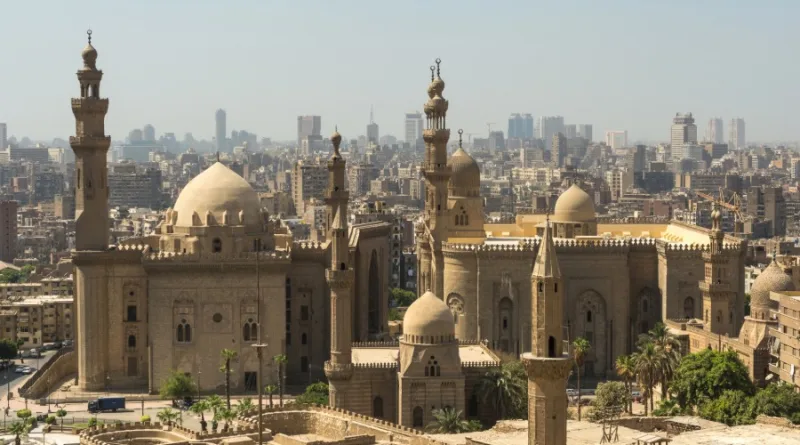
Old Cairo
Exploring Cairo's Lesser-Known Neighborhoods
Beyond ancient monuments, Cairo's residential districts reveal the city's diverse architectural heritage and contemporary culture. These cairo hidden gems offer a glimpse into daily life that contrasts sharply with tourist-heavy areas.
Zamalek: Cairo's Island Oasis
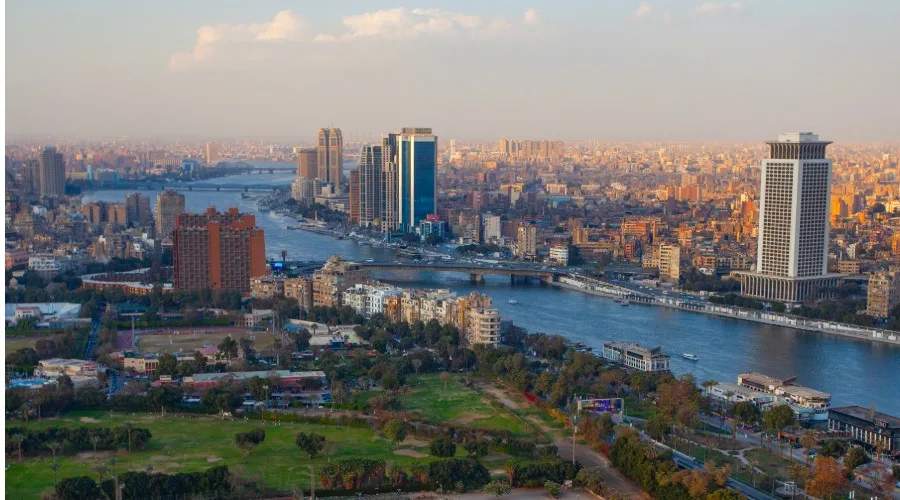
Zamalek sits on Gezira Island in the middle of the Nile River, creating one of Cairo's most unique geographic locations. This affluent district houses at least 52 embassies and consulates, earning its reputation as a diplomatic quarter. The neighborhood features elegant Art Deco apartment buildings alongside art galleries, high-end boutiques, and the prestigious Gezira Sporting Club. Walking through its tree-lined streets, you'll find everything from the Aquarium Grotto Garden established in 1867 to contemporary spaces like the El Sawy Culture Wheel cultural center. The Cairo Tower offers 360 degree views of the city, while the Aisha Fahmy Palace showcases Italianate architecture with stained glass windows overlooking the Nile.
Downtown Cairo's Art Deco Architecture
Downtown Cairo's buildings emerged primarily between 1910 and 1940, when Art Deco found its strongest architectural following. The Baehler and Sednaoui buildings on Talaat Harb Square feature strong vertical emphasis and abstracted geometric decoration. Cinema Radio, built in 1948, once housed the city's largest screen. The Yacoubian Building, constructed in 1937 by an Armenian architect, employs Art Deco decoration elements, while the Hotel Cosmopolitan displays its Art Deco façade from 1928.
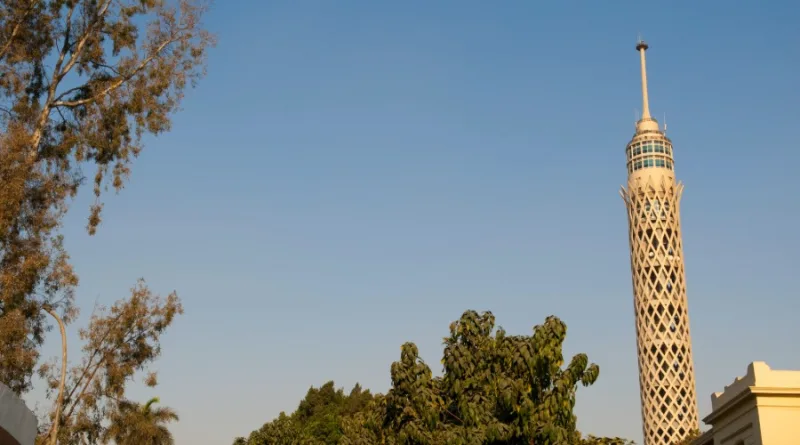
Zamaleek, Egypt
Heliopolis: The City of the Sun
Baron Édouard Empain founded Heliopolis in 1905 on 25 square kilometers of desert. The Baron Empain Palace, completed between 1907 and 1911, showcases Hindu-Khmer architectural style using innovative Hennibique reinforced concrete technique. The Korba district features charming historic buildings with distinct European flair from the early 20th century.
Maadi: Cairo's Garden District
Maadi distinguishes itself through lush greenery and tree-lined streets that create one of Cairo's greenest areas. Road 9 serves as the social hub with diverse restaurants and cafes. The Nile Corniche provides peaceful riverside walks, while the neighborhood's large expat community fosters international schools and diverse dining options.
Unique Activities in Cairo Beyond the Pyramids
Experiencing Cairo through local activities reveals the city's authentic rhythm far removed from typical tourist circuits.
Felucca Rides on the Nile at Sunset
Traditional wooden sailboats called feluccas provide a peaceful way to experience the Nile. These wind-powered vessels have sailed Egypt's waters since ancient times, carrying everything from pharaohs to supplies. Sunset rides lasting 1-2 hours offer views of Cairo's landmarks without engine noise or vibration. Many visitors bring picnic snacks and drinks to enjoy during the journey.
Local Markets and Street Food Tours
Guided street food tours introduce visitors to dishes like koshari (lentils, pasta, rice with spicy tomato sauce), ta'ameya (fava bean falafel), and ful medames. These tours provide vendor filtration based on turnover and food safety while layering cultural explanation into each stop.
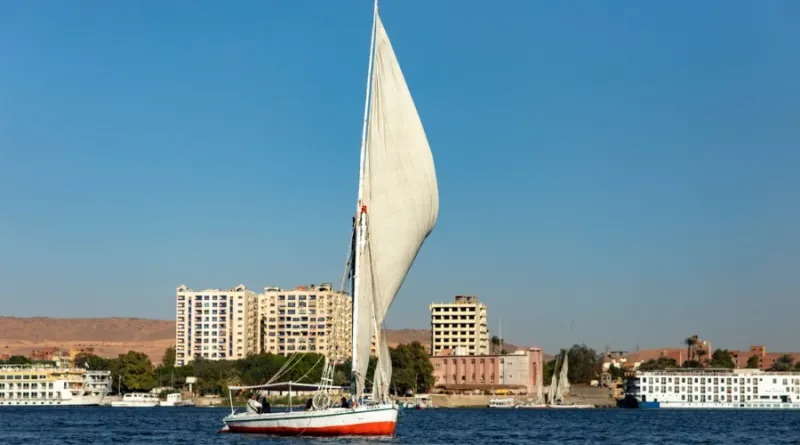
Nile River Walks in Cairo
Traditional Coffee Houses Experience
Egyptian ahwas serve as social hubs where locals gather for conversation, backgammon, and shisha. Tea costs around 2 LE (roughly 30 cents) and shisha about 5 LE. El Fishawy in Khan el-Khalili welcomes tourists and women, unlike many traditional male-dominated coffeehouses.
Cairo Tower and Gezira Island
Standing 187 meters tall, the Cairo Tower features an observation deck at 143 meters with 360-degree city views. Built between 1956 and 1961, the tower opens daily from 8 AM to midnight. A revolving restaurant at the top provides dining with panoramic views.
Pottery and Craft Workshops in Fustat
The Fustat pottery tradition dates back to 2000 BC. Al-Fawakhir village, opened in November 2021, spans 13 feddans with approximately 150 workshops. Visitors can watch artisans create pottery using techniques preserved for centuries.
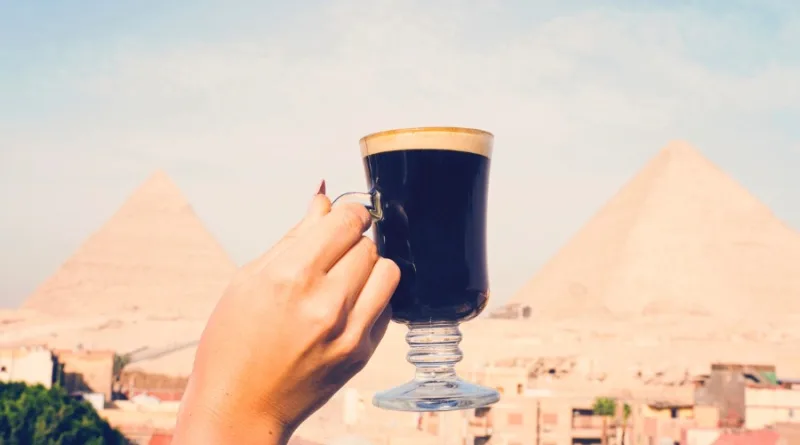
drinking coffee with pyramids view
Practical Tips for Finding Cairo Hidden Gems
Best Times to Visit Hidden Places
Planning your visit between October and April provides comfortable weather for exploring cairo hidden gems. Winter months (December-February) offer pleasant conditions, while November stands out for outdoor adventures. Avoid weekends and national holidays at popular spots like Al Azhar Park, which gets very packed and loud.
Getting Around Cairo Safely
The Cairo Metro costs between 5 and 15 EGP per trip, making it the most affordable option for moving between neighborhoods. Uber and Careem provide fixed pricing for around USD 2.00 to USD 3.00 for typical 30-minute rides. Walking works well in Old Cairo, Islamic Cairo, Zamalek, and central neighborhoods. Women should consider the metro's women-only carriages to avoid unwanted attention.
Local Guides vs Independent Exploration
Half-day tours range from USD 20.00 to USD 50.00 per person, while full-day tours cost USD 30.00 to USD 100.00. Private tours run USD 60.00 to USD 200.00 per person. Licensed guides provide historical context, help avoid scams, and offer access to hidden spots most tourists miss. Solo exploration suits experienced travelers comfortable with language barriers and navigation challenges.
Budget Considerations for Off-the-Beaten-Path Sites
Eating at local street food stalls costs under USD 2.00 per meal. Booking tours directly with guides locally rather than through online agencies saves
considerably. Daily local transport expenses typically run between USD 3.00 and USD 20.00.
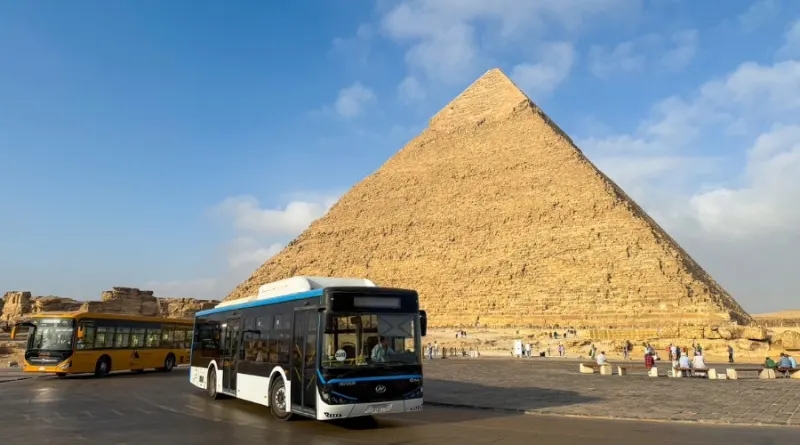
Egyptian transportation
Conclusion
Cairo's hidden treasures transform a typical tourist visit into an authentic Egyptian experience. By all means, I encourage you to venture beyond the pyramids into these overlooked neighborhoods, forgotten monuments, and local experiences that reveal the city's true character. The best discoveries happen when you explore independently or with knowledgeable local guides. Start with one hidden gem, and you'll find yourself returning to uncover more of this remarkable city's secrets.
What are some interesting places to visit in Cairo besides the pyramids?
Cairo offers numerous hidden gems beyond the pyramids, including the
Hanging Church in Coptic Cairo, the Cave Church carved into Mokattam Mountain, Al-Azhar Park with its medieval wall, and the historic Ben Ezra Synagogue.
You can also explore charming neighborhoods like Zamalek on Gezira Island, downtown Cairo's Art Deco architecture, and the garden district of Maadi for a
more authentic local experience.
What unique activities can I do in Cairo away from typical tourist spots?
Experience Cairo like a local by taking a traditional felucca sailboat ride on the Nile at sunset, joining street food tours to taste koshari and ta'ameya, visiting traditional coffee houses (ahwas) for tea and shisha, or participating in pottery workshops in Fustat where artisans use techniques dating back to 2000 BC. The Cairo Tower also offers panoramic city views from its observation deck.
When is the best time to visit Cairo's hidden attractions?
The ideal time to explore Cairo's lesser-known sites is between October and April when the weather is comfortable. Winter months from December to February offer particularly pleasant conditions, while November is excellent for outdoor adventures. To avoid crowds, skip weekends and national holidays, especially at popular spots like Al-Azhar Park.
How much should I budget for exploring off-the-beaten-path sites in Cairo?
Cairo's hidden gems are quite affordable. Street food meals cost under $2, metro rides range from 5-15 EGP, and Uber or Careem rides typically cost $2-3 for 30-minute trips. Half-day tours range from $20-50 per person, while full-day tours cost $30-100. Booking tours directly with local guides rather than online agencies can save you money.
Is it better to explore Cairo's hidden places with a guide or independently?
Both options have advantages. Licensed local guides provide valuable historical context, help you avoid scams, and offer access to hidden spots most tourists miss, with private tours costing $60-200 per person. Independent exploration works well for experienced travelers comfortable with language barriers and navigation, especially in walkable areas like Old Cairo, Zamalek, and downtown neighborhoods.
Related Articles
Keep the inspiration going with these handpicked travel reads.