
 Home
HomeTemple of Hibis
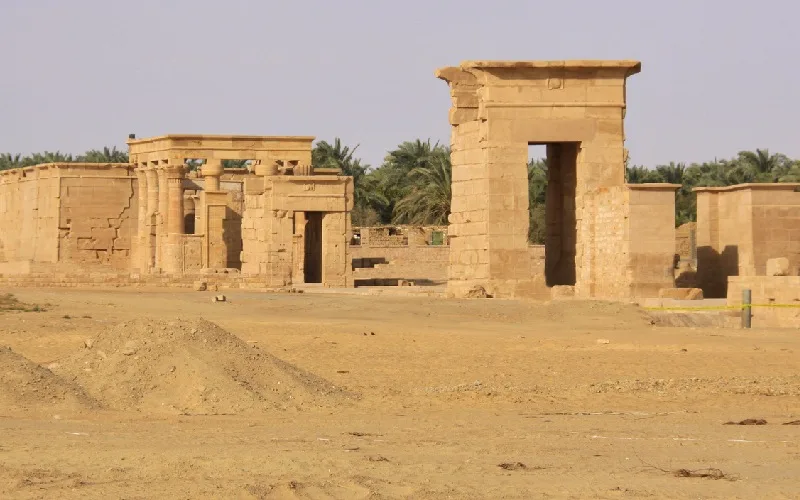
Hibis Temple is located about 2 Km from the Kharga Oasis. It was built during the Persian period. The temple was built as a dedication to the Theban Triad.

The Temple of Hibis is the crown jewel of Egypt’s Western Desert oases and the best-preserved ancient Egyptian temple in Kharga Oasis. This exceptional monument holds a unique place in history as the only surviving temple from the Saite–Persian period (664–404 BCE) to remain in remarkably good condition.
Built of sandstone and dedicated to a local form of Amun-Ra, the temple offers a rare and fascinating glimpse into an era when Persian rule and Egyptian religious traditions coexisted, creating a cultural legacy unlike any other in Egypt’s western oases.
Where Is the Temple of Hibis Located?
The Temple of Hibis lies in Kharga Oasis, deep in Egypt’s Western Desert. Its remote location contributed significantly to its preservation, protecting it from later urban development while allowing its reliefs, inscriptions, and architectural layout to survive for over two millennia.
Origins and Historical Background of the Temple of Hibis
Early Sacred Use of the Site
Archaeological evidence shows that Hibis was a sacred site long before the current temple was built. Remains of earlier shrines suggest religious activity dating back to the New Kingdom, highlighting the oasis’s long-standing spiritual importance.
Construction During the Saite and Persian Periods
The main construction of the Temple of Hibis began during Egypt’s 26th Dynasty (664–525 BCE), most likely under Pharaoh Psamtik II, and continued under Apries and Amasis II.
The temple reached its artistic peak during the 27th Dynasty, when Darius I of Persia took an active role around 522 BCE. He commissioned extensive wall decorations and is depicted in reliefs dressed as a traditional Egyptian pharaoh, presenting offerings to the gods.
Rather than rejecting Egyptian customs, Persian rulers embraced them. Scholars widely agree that this was a strategic decision aimed at legitimizing Persian authority through respect for local religious traditions.
Centuries of Expansion and Transformation
The Temple of Hibis continued to evolve long after its initial construction:
- Hakor of the 29th Dynasty expanded the hypostyle hall
- Nectanebo I and Nectanebo II of the 30th Dynasty added enclosure walls and a colonnade
- Further modifications occurred during the Ptolemaic and Roman periods
These layers of construction turned the temple into a monument that reflects nearly 1,000 years of religious history.
Architectural Design and Layout of the Temple of Hibis
Overall Plan and Sacred Axis
The temple follows a traditional east–west axis, guiding visitors through increasingly sacred spaces. Entry begins at the eastern gate of the enclosure wall and progresses inward toward the sanctuary.
Key Architectural Features
The layout includes several distinct zones:
- A stone pylon gateway
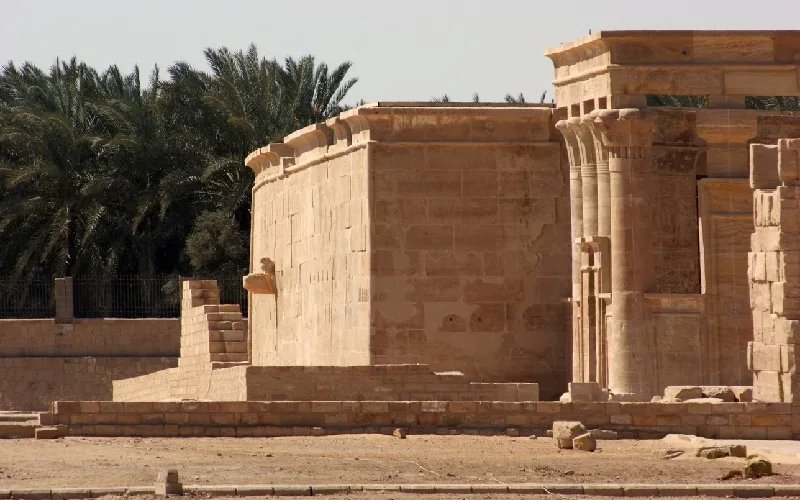
- An open courtyard with a colonnade of 12 columns
- A pronaos (outer hall) supported by four papyrus-bundle columns
- A hypostyle hall with eight additional columns
- A vestibule leading to the sanctuary of Amun’s divine barque
As visitors move deeper inside, the rooms become narrower, reinforcing the spiritual journey toward the most sacred space.
Building Materials and Structural Survival
The temple was constructed primarily from locally sourced sandstone, reflecting the builders’ adaptation to oasis resources. Despite this limitation, artisans produced exceptionally detailed reliefs and hieroglyphs that cover nearly every wall.
A traditional flat stone slab roofing system, supported by columns, helped the structure withstand centuries of harsh desert conditions.
Deities, Symbolism, and Religious Themes
A Sanctuary Dedicated to Amun
The walls honor “Amun of Hibis” and “Amun-Ra of Karnak who dwells in Hibis.” Nearly 700 figures of Egyptian deities appear throughout the temple, forming a symbolic map of Egypt’s divine geography.
The king is shown in nine separate panels, presenting offerings such as water, food, wine, and clothing to the gods.
Unique Artistic Highlights
One of the temple’s most striking scenes appears on the back wall of the first pillared hall:
Seth, depicted with a blue falcon’s head and wings, spears the chaos serpent Apep (Apophis).
Scholars view this rare image as an early precursor to the later Saint George and the dragon motif. Seth’s unusual depiction emphasizes his dual nature as both a force of chaos and a cosmic protector.
Themes of Divine Kingship
In Room “L,” the decoration departs from traditional offering scenes. Instead, Ptah and Khnum are shown creating the king on a potter’s wheel, reinforcing the concept of divine kingship.
Elsewhere, inscriptions connect the ruler with major gods such as Shu, Geb, Osiris, and others, linking royal power to cosmic order.
Customize Your Dream Vacation!
Get in touch with our local experts for an unforgettable journey.
Plan Your Trip
Why the Temple of Hibis Is Historically Unique
The Temple of Hibis stands as powerful evidence of Egyptian–Persian cultural fusion. Rather than erasing Egyptian identity, Persian rulers preserved and honored it, integrating themselves into long-standing religious traditions.
Over centuries, successive dynasties respected the temple’s sacred role while adding their own architectural and artistic contributions. The result is a monument that functions as both a religious center and a visual encyclopedia of Egyptian belief.
Final Thoughts: The Legacy of the Temple of Hibis
Today, the Temple of Hibis remains Egypt’s best-preserved Persian-era temple and one of the most remarkable sites in Kharga Oasis. Its sandstone walls, towering columns, and intricate reliefs tell stories of cooperation rather than conflict.
For scholars and visitors alike, the temple presents a unique opportunity to observe how civilisations have found unity through shared spiritual traditions. Hidden in the Western Desert, the Temple of Hibis continues to preserve the voices of pharaohs and Persian kings who shaped Egypt’s sacred landscape together.
The Temple of Hibis is located in Kharga Oasis, in Egypt’s Western Desert, about 200 kilometers west of the Nile Valley. It is one of the most important archaeological sites in the New Valley Governorate.
The Temple of Hibis is renowned for being the best-preserved Persian-era temple in Egypt and the only surviving temple from the Saite–Persian period that remains in near-complete condition.
Construction of the Temple of Hibis began during Egypt’s 26th Dynasty (around the 6th century BCE) and continued through the Persian, Ptolemaic, and Roman periods.
The temple was initially built under Pharaoh Psamtik II, expanded by later Saite rulers, and significantly decorated under Darius I of Persia, who ruled Egypt during the 27th Dynasty.
The Temple of Hibis was primarily dedicated to Amun-Ra, worshipped in a local form known as “Amun of Hibis.” Other deities such as Mut, Khonsu, and many major Egyptian gods are also represented.
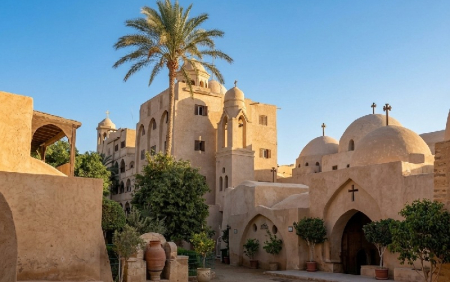
Monastery of Syrians in Wadi Natrun, founded 984 AD, houses oldest Syriac manuscript (411 AD) & Church of Virgin Mary (645 AD) with frescoes.
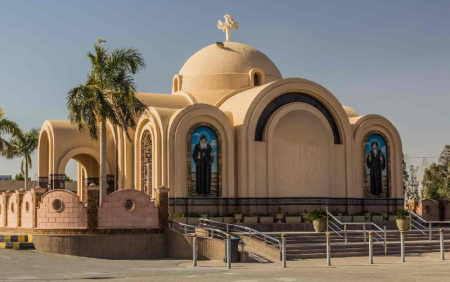
Wadi El Natrun is Egypt's sacred valley located 100km from Cairo, 23 meters below sea level. Features 4 ancient Coptic monasteries from 330 AD with Saint Pishoy's incorrupt body.
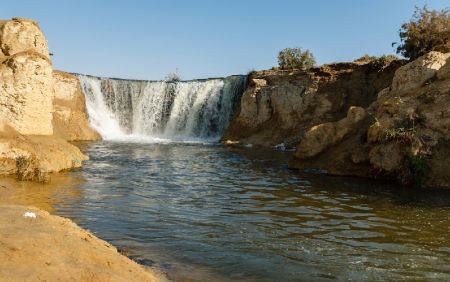
Wadi El Rayan is Egypt's premier desert sanctuary spanning 1,759 km² with two crystalline lakes, cascading waterfalls and 13 permanent bird species plus 26 migratory species.
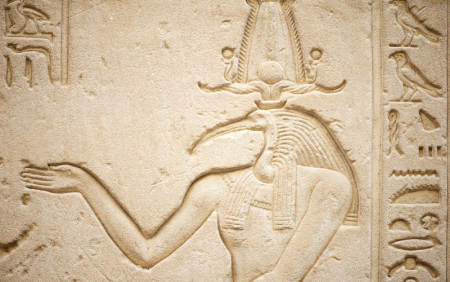
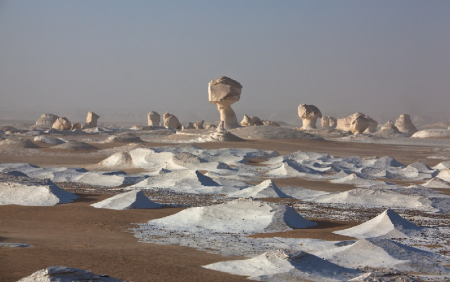
White Desert Egypt spans 300 km² of chalk formations 45km from Farafra with Crystal Mountain, Black Desert & Valley of Agabat. Rated 5.0/5.
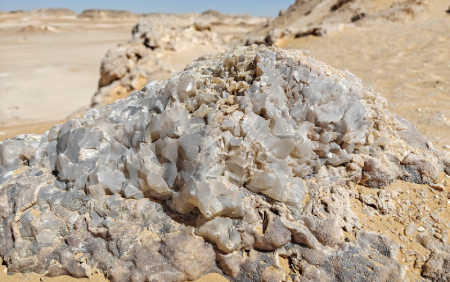
Discover Crystal Mountain Egypt—stunning barite & calcite arch between Bahariya & Farafra. Features hidden crystal caves, Bedouin secrets & sunrise views.
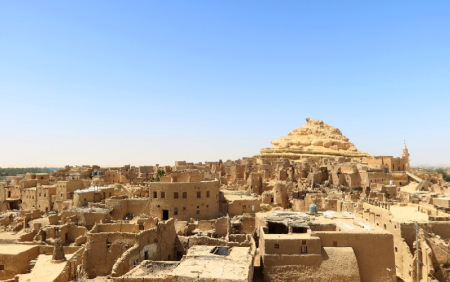
Mountain of the Dead in Siwa contains 3,000 tombs including Si-Amun, Mesu-Isis, Niperbathot & Crocodile with vivid wall paintings. 1km from town.
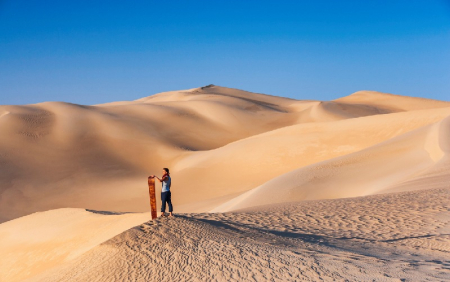
Great Sand Sea extends 650km with seif dunes up to 140m high between Egypt-Libya. Covers 10% of Egypt's Western Desert, gateway Siwa Oasis.
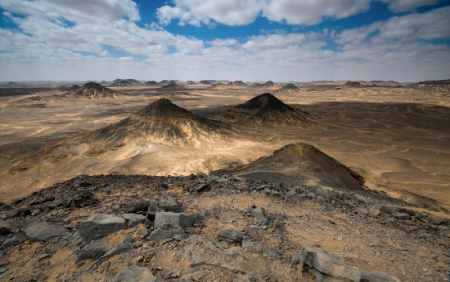
Black Desert, rated 4.5/5, features 100m basalt formations from ancient volcanic activity. Includes Agabat Valley, Crystal Mountain & desert fox.
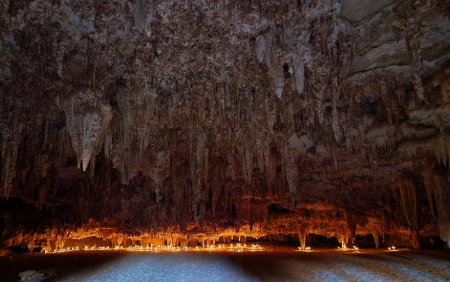
Djara Cave stretches 1,000m with 188+ murals from 10,200 BC, "frozen waterfall" stalactites, Cathedral chamber & Neolithic gazelle rock art.
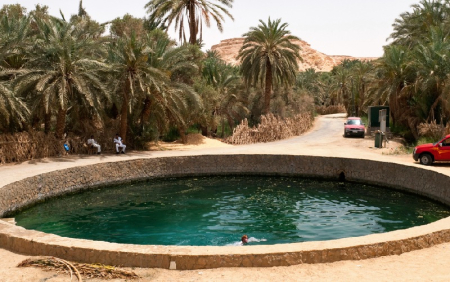
Cleopatra Bath in Siwa is a bubbling spring 752km from Cairo where Queen allegedly bathed. Mineral-rich healing waters, temperature-regulated.
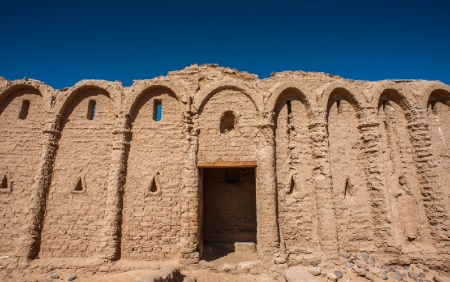
El Bagawat is the world's oldest Christian cemetery with 263 chapels from 3rd-7th century. Features Chapel of Exodus & Peace with biblical art.
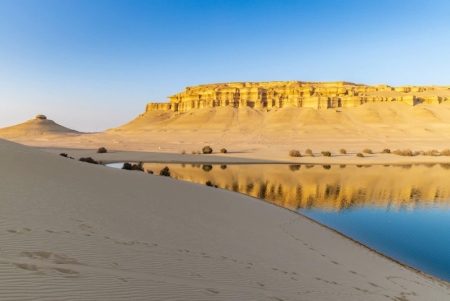
Qarun lake is considered the oldest natural lakes in the world, the third largest lake in Egypt and the rest of lake Old Maurice. Know more!
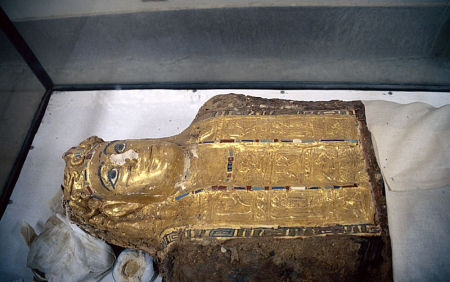
Valley of the Golden Mummies located in Bahariya Oasis, about 380 km west of the pyramids, It was built during the Greco - Roman period exhibits a variety of styles and a range of social status.
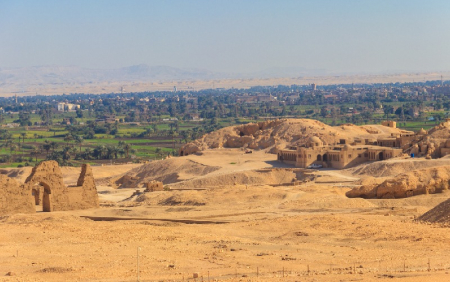
Find out what makes Deir el Bahari unique! Explore Hatshepsut's terraced temple, ancient Luxor monuments & Egyptian architectural genius. Learn more!
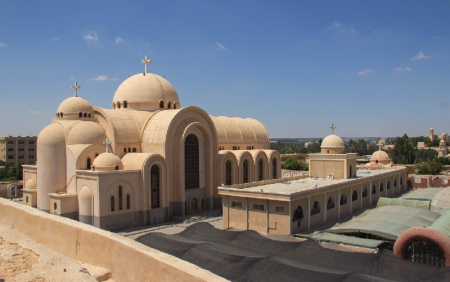
Learn the story of the Monastery of Saint Bishoy in Egypt: Saint Bishoy's incorrupt body, 5 churches & Coptic Orthodox history. Read the complete guide!
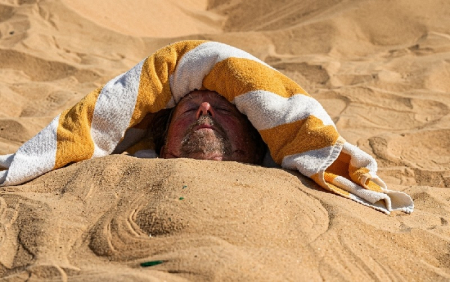
Siwa sand bathing: centuries-old Bedouin treatment using mineral-rich sand (40-50°C) for arthritis, chronic pain & stress. 7-10 daily sessions.
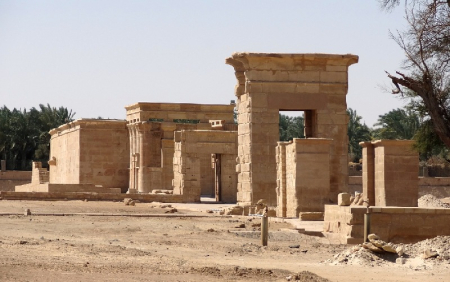
Uncover Temple of Hibis in Egypt's western desert. Explore the best-preserved Persian temple, Darius I's contributions & Amun-Ra shrine. Learn today!