
 Home
Home
Marsa Matrouh captivates travelers with its turquoise waters and pristine white sandy beaches, attracting visitors for centuries. Located 240 km west of Alexandria and 222 km east of Sallum, it serves as the capital of Matrouh Governorate and a key port. Protected by a seven-kilometer ring of natural rocks, its calm, clear waters make it perfect for swimming. Popular destinations include Cleopatra Beach and Agiba Marsa Matrouh, the latter often called "The Wonder Beach" for its spectacular scenery.
Despite its growing popularity, the city maintains old-world charm with a population of 241,625 (2024). Visitors can explore Almaza Bay, Al Korneash, Souq Libya, and the Salt Cave Salman. Accommodation in Marsa Matrouh resorts is most affordable from December to February.
Marsa Matrouh Egypt lies on the northern Mediterranean coast, 240 km west of Alexandria and 222 km east of Sallum.
It is renowned for turquoise waters, pristine white sandy beaches, and natural rock formations that create calm swimming areas.
A Brief History of Marsa Matrouh
- From Ancient Ammonia to Roman Paraetonium Marsa Matrouh's history dates back to Ancient Egypt when it was a fishing village called Amunia. Ruins of a temple dedicated to Ramesses II (around 1200 BC) highlight its early importance. During Alexander the Great’s era, it became known as Ammonia. Later, the Greeks named it Paraitonion (Latin: Paraetonium), a strategic Mediterranean port. Greek pilgrims often passed through on their way to the Oracle of Amun in Siwa Oasis. Under Roman rule, Marsa Matrouh became a hub for grain export to Rome, with Isis as the city's patron goddess.
- British Military Base and WWII Significance In February 1936, the British built a railway from Fuka to Marsa Matrouh and established a military base. The city played a key role in the North African campaign, notably during the Battle of Mersa Matruh (June 26–29, 1942). Rommel's Afrika Korps captured the city and used it as headquarters until the British regained it after El Alamein.
- Modern Day Marsa Matrouh After WWII, Marsa Matrouh developed into a market and distribution hub. The region produces olives, barley, fruits, and supports vineyards, sheep, and goat farming. Its Mediterranean climate and scenic beaches have transformed it into a favorite vacation destination. Modern Marsa Matrouh connects to Alexandria (168 miles east) via rail and road. Recent archaeological finds, including Roman-era catacombs and bathhouses, reflect its long history as a trade center.
It was originally called Amunia, then Ammonia under Alexander the Great, and later Paraitonion by the Greeks.
The city hosted a British military base, and Rommel’s Afrika Korps used it as a headquarters during the North African campaign.
Geography and Climate of the Region
Location on Egypt's North Coast
Marsa Matrouh sparkles where desert dunes meet the Mediterranean. Located 240 km west of Alexandria and 222 km east of Sallum, it sits as the capital of Matrouh Governorate. Major highways connect it to Alexandria, Cairo, and southern oases like Siwa and Bahariya. Spanning 166,563 sq km (16% of Egypt’s area), its proximity to Libya made it historically strategic.
Mild Mediterranean Climate
The city has a dry-summer hot desert climate (BWhs), moderated by the sea. Summers (June–September) average 28–30°C (82–86°F), while winters (December–February) remain mild at 16–19°C (61–66°F). Rain occurs mainly from October to April, with January seeing the most precipitation (35.8 mm / 1.41 inches). Humidity ranges between 66–75%, and the region enjoys ~3,330 hours of sunshine annually.
Best Time to Visit Marsa Matrouh
Beach season runs mid-May to early October, with sea temperatures peaking at 27.7°C (81.9°F) in August. Shoulder seasons (April/May or September/November) are quieter, ideal for exploring Agiba Marsa Matrouh and other beaches. Winter travelers benefit from lower hotel rates despite cooler,
The ideal period is mid-May to early October when the sea is warm and weather is perfect for swimming.
Golden desert dunes meet turquoise Mediterranean waters, with cliffs, limestone caves, and sheltered coves.
Customize Your Dream Vacation!
Get in touch with our local experts for an unforgettable journey.
Plan Your Trip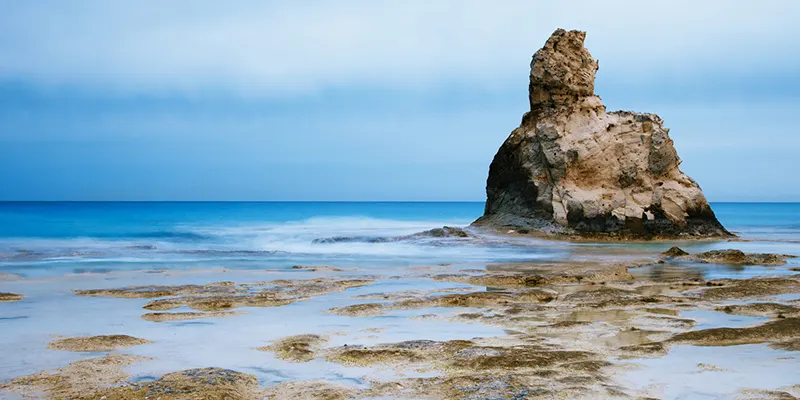
Top Attractions and Historical Sites
- Cleopatra's Palace and Bath Cleopatra's Bath is a natural pool surrounded by rocks near the main lagoon. Legends claim Cleopatra and Mark Antony bathed here. Ruins of her palace and a secret underground passage add historical intrigue.
- Rommel's Hideout and Museum History enthusiasts can visit Rommel’s Hideout, a rock-cut cave where German Field Marshal Erwin Rommel planned WWII operations. It now serves as a museum showcasing war artifacts, maps, and photographs.
- Coptic Chapel and Ancient Temples The city’s Christian heritage survives through the Coptic Chapel, with caves containing early Coptic inscriptions. Nearby, temple ruins from Ramses II’s time demonstrate ancient worship practices.
- Matrouh Archaeology Museum Located inside Misr Public Library, the 728 m² museum houses 1,000 artifacts highlighting Marsa Matrouh’s role as Egypt’s western gateway. Exhibits include desert gods, fishing, trade, astronomy, science, and philosophy.
- WWII Cemeteries and Memorials Cemeteries in the area honor British, German, and Italian soldiers. The nearby El Alamein War Cemetery contains 7,240 Commonwealth graves, including 815 unknown soldiers, reflecting the city’s WWII significance.
Beaches and Natural Wonders
- Agiba Marsa Matrouh: The Wonder Beach Located 24 km west of the city, Agiba Marsa Matrouh is a secluded cove accessible via a cliff-top path. Its turquoise waters, soft sands, and peaceful atmosphere make it ideal for families and photography. Climbing surrounding cliffs offers panoramic views where sea and sky merge.
- Al-Obayed and Rommel Bay Al-Obayed Beach, 20 km west of downtown, offers less-developed sands for an authentic experience. Rommel Bay, named after the German general, provides tranquil shores for quiet retreats.
- Cleopatra Beach and Its Legends Just 14 km northwest, Cleopatra Beach combines striking rock formations and legend. Visitors can swim to Cleopatra’s Bath, a natural pool connected through tunnels. A skylight cavern and ancient altar remnants add to its mystical appeal.
- Hidden Caves and Rock Formations Limestone caves around Marsa Matrouh showcase unique geological formations. Sculpted over millions of years, these rocks provide insight into the interplay of sea and stone, complementing the region’s beaches and coastal scenery.
Why Visit Marsa Matrouh?
Marsa Matrouh Egypt offers an authentic coastal experience, blending natural beauty, historical depth, and relaxed Mediterranean charm. Marsa Matrouh resorts cater to both luxury seekers and budget travelers, while Agiba Marsa Matrouh and other beaches provide scenic escapes. From ancient temples to WWII sites, this city combines culture, leisure, and adventure, making it one of Egypt’s most remarkable yet underrated Mediterranean treasures.
They cater to all budgets, offering access to pristine beaches, calm waters, and scenic Mediterranean landscapes.
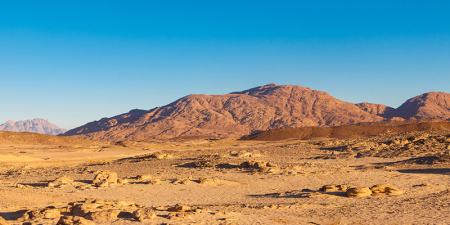
Discover the Eastern Desert Egypt’s rugged mountains, rich history, mineral wealth, and unique desert ecosystem.
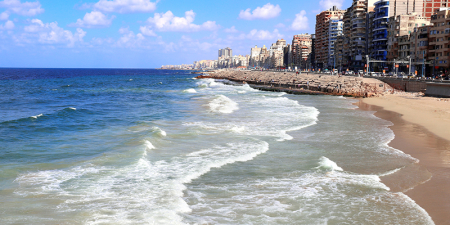
Dive into the Mediterranean Sea to discover its rich waters, vibrant coastlines, and underwater heritage.
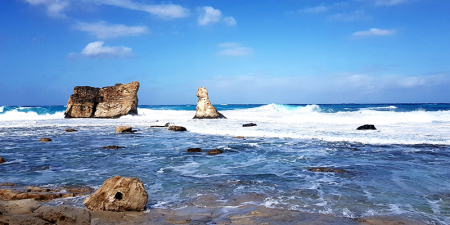
"Marsa Matrouh Egypt is a coastal paradise with turquoise waters, white sandy beaches, Agiba Marsa Matrouh, and top resorts for an unforgettable getaway."