
 Home
Home
A moment later, I pick up a stone and discover in my hand a hand ax of flint. A barely visible track in a wild, lonely landscape turns out to be an ancient pass, which was obviously used in the Stone Age. A few meters farther on, primitive pictures of three ibexes, scratched into the rock at the wayside a long time ago confirm the first impression.
This was not the first time we had found traces of history during our Sinai travels. In some places Sinai is strewn with historical relics, which reveal themselves to those who have learned to look more closely: rock paintings, old ruins, flint arrowheads, deserted copper and turquoise mines, pharaonic inscriptions, barrows, stone heaps, 'desert dragons,' granite pillars, and of course St. Catherine's Monastery with its art treasures from many centuries - all bear witness to a history reaching back to the beginnings of humankind. Far less pleasant are the remnants of recent history: Burned-out tanks, cannons shot to pieces, barbed wire, and frequently unmarked minefields are sad relics of Israeli-Egyptian wars.
The profusion of signs of historical happenings in an apparently empty desert landscape is astonishing only at first glance.
The location between the ancient and present powers of Egypt and Palestine, between Africa and Asia is once again a decisive factor. For a long time, historians regarded Sinai only as a stage for biblical Christian events and as a through-route for mercenaries, traders, pilgrims, and nomads. The mining activities of ancient Egyptians have also left plainly visible traces.
The realization that the peninsula was not just the playground of neighboring regions or the territory of a few rapacious nomads was the contribution of Beno Rothenberg.
In 1956 he began archaeological investigations in Sinai, but not until 1967 was a team under his leadership able to begin systematic recording by modern methods. His research work verified for the first time that Sinai not only was populated since primeval times but also twice experienced the development of its own indigenous civilizations.
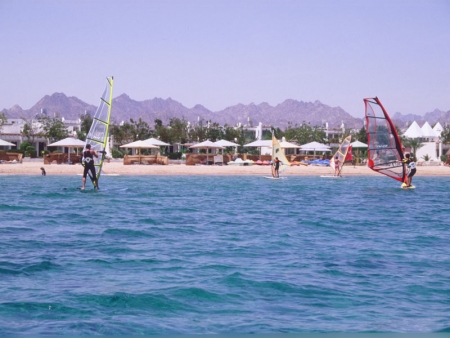
LEarn about Sinai, a witness on the history of Egypt, it is the land of all religions.
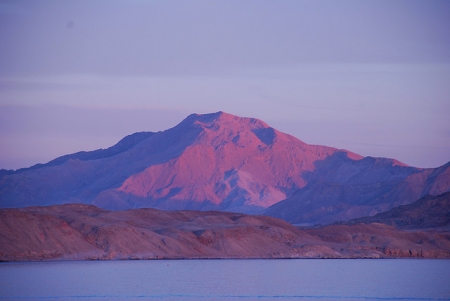
Once in South Sinai, you will unquestionably see Tiran Island, illuminated by the shining sun, with its light brown-yellow appearance.
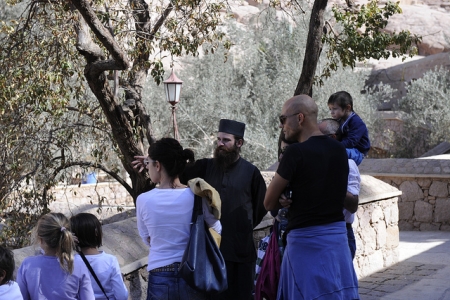
St. Catherine is famous for its monastery which was dedicated to one of Alexander 's rulers, Saint Catherine, who converted to Christianity and was tortured to death for the sake of her new faith.
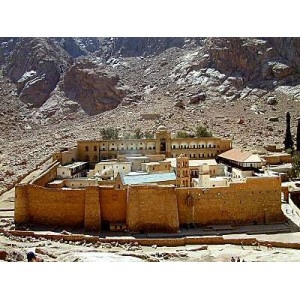
The Monastery was named after St. Catherine (the daughter of Kistery) who was tortured to death by her father for she succeed in converting 50 of his followers to Christianity in 307 AD.
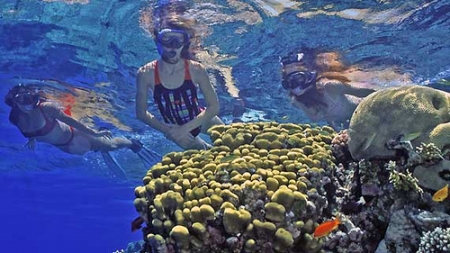
Sharm El Naga locates about 45 minutes south Hurghada. If you have a special interest in the water sports and activities, Sharm El Naga is your destination.
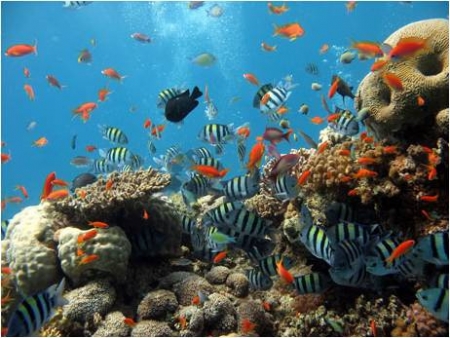
Ras Mohamed Nature Reserve covers 480 kilometers of pristine shoreline and boasts exceptional coral reef. These are recognized among the world's best, shore line.
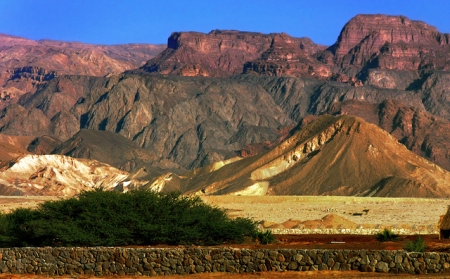
The virgin beaches of Nuweiba, has aroused the desire of investors with their potential commercial importance. Thus, the establishment of deluxe hotels for mass tourism offering flight and hotel packages with reasonable prices.
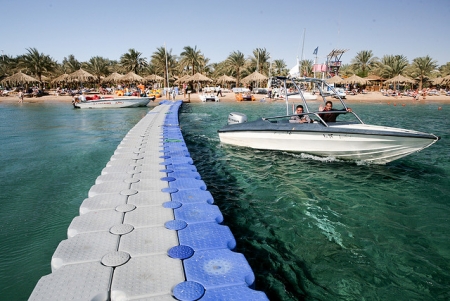
Naama Bay is the main area of touristic development in Sharm El Sheik , with an attractive pedestrian path separating them from the beach.
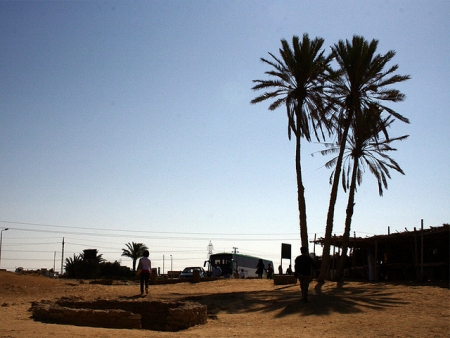
The Fountain of Moses is sitated in Sinai, about 15 miles south of Ahmed Hamdi Tunnel which connects the main land of Egypt with Sinai.
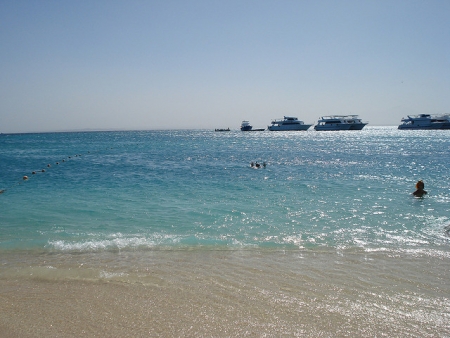
Gifton Island is one of the largest islands in the Red Sea as it is the second largest island after the Shedwan Island. It is known for its rare coral reefs, colourful fish, and extraordinary birds.
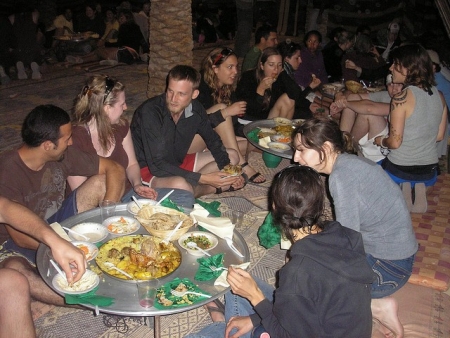
Night in the desert has its own charm and mystery. Bedouins are wandering tribes in the Red Sea and Sinai Peninsula. You are invited to have a dinner on a camp set up as an exhibition of Bedouins' lifestyle and culture.
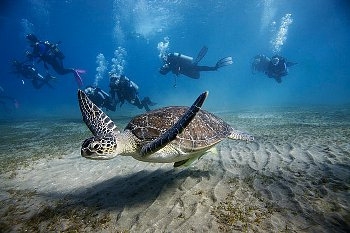
Year-round sunshine, clear waters and wonderful corals make the Red Sea in Egypt a perfect place for scuba diving. A Red Sea diving holiday in Egypt with Memphis tours is simply unforgettable.
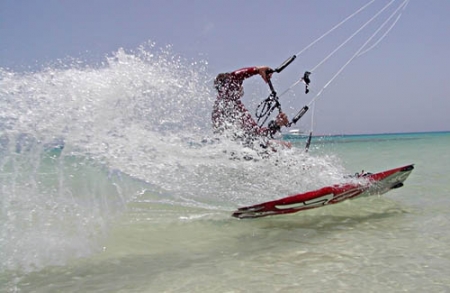
Soma Bay is well known for its beautiful beaches and for its location directly on the seashore. 360 Days sunshine a year, perfect temperatures in winter.
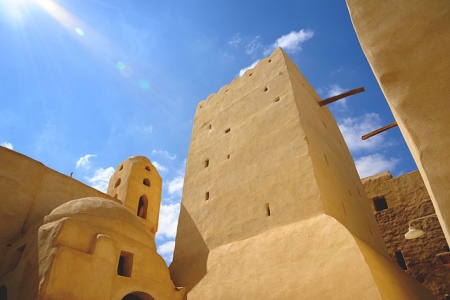
St.Antony Monastery is considered the oldest inhabited monasteries in the world. During the sixth and seventh centuries many monks from Wadi Natroun, who were under frequent attacks by Bedouins, migrated to St. Antony's monastery.
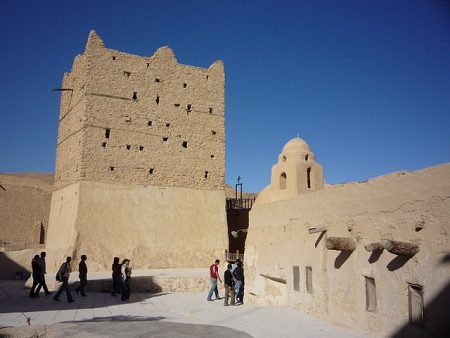
The Monastery of St. Paul, has also been called the Monastery of the Tigers perhaps because of its wilderness location, has always been associated with the Monastery of St. Anthony.