
 Home
Home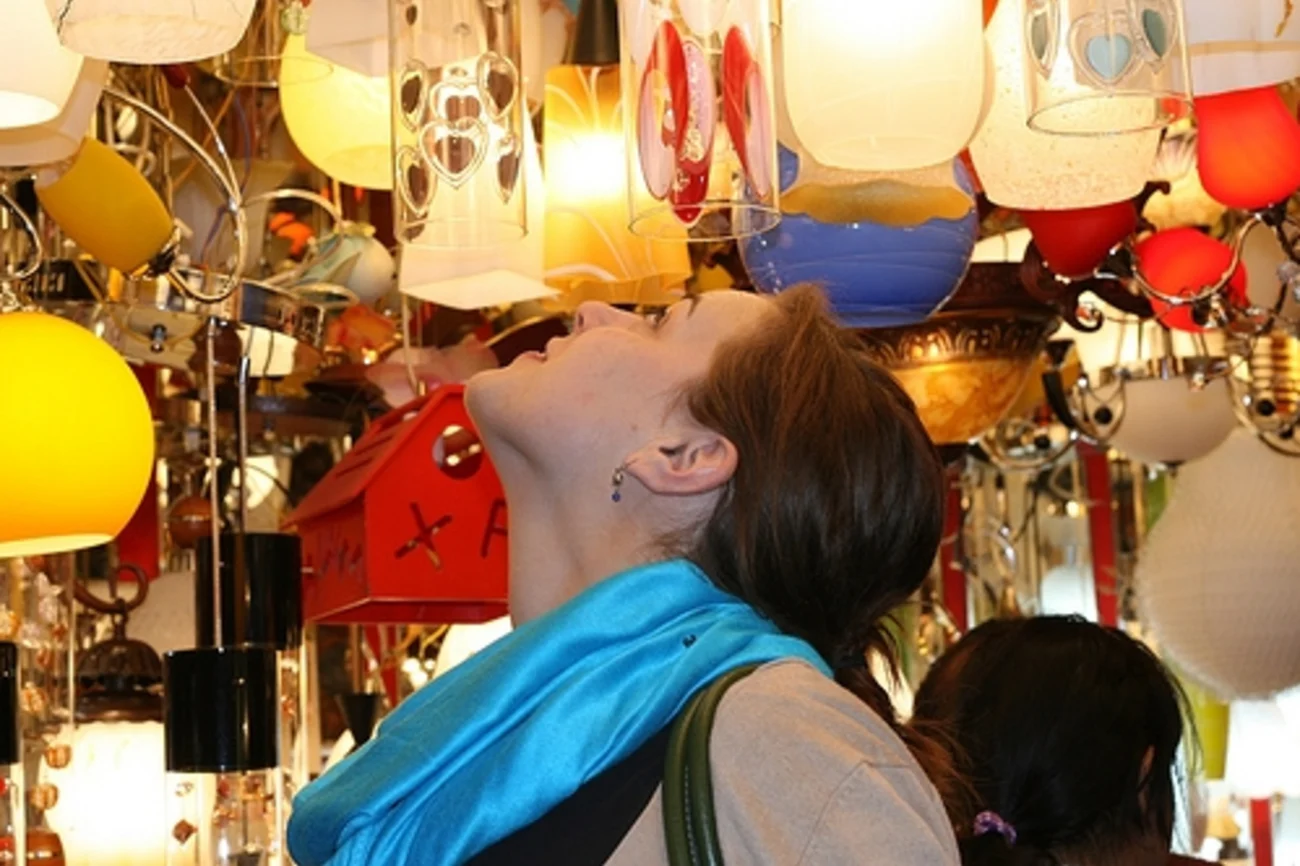
El Mosky emerges as Egypt's most authentic marketplace, a labyrinthine commercial district where centuries-old trading traditions flourish beneath the shadows of medieval Cairo.
Distinguished from the tourist-saturated Khan El Khalili bazaar, this remarkable souk secures its position at #29 among "The 46 best markets in Cairo," yet remains virtually unknown to international visitors.
The marketplace unfolds as a sensory chronicle of Egyptian mercantile heritage. Merchants' voices cascade through narrow passages, their melodic Arabic calls harmonizing with the aromatic symphony of cardamom, cinnamon, and frankincense that permeates the ancient stone corridors. Each footstep resonates against time-worn cobblestones while the metallic percussion of hammered brass creates an industrial rhythm that has echoed here for generations. The market's extraordinary appeal lies within its pricing architecture—goods exchange hands at genuine retail values, establishing a commercial ecosystem where negotiation serves as cultural dialogue rather than exploitation.
El Mosky is Egypt's most authentic marketplace, a labyrinthine commercial district where centuries-old trading traditions flourish beneath medieval Cairo's shadows. Distinguished from the tourist-saturated Khan El Khalili bazaar, this remarkable souk ranks #29 among the 46 best markets in Cairo yet remains virtually unknown to international visitors.
El Mosky's geographical architecture spans from El Attaba Square, maintaining precise parallel alignment with Al Azhar Street before culminating at the sacred precincts of Al Azhar and El Hussein Mosques. The market's proximity to Ezz El-Din Mosque creates an ecclesiastical-commercial nexus in the heart of Cairo.
Historical Genesis and Architectural Significance of El Mosky
Prince Ezz El Din Mosk established this commercial marvel during the illustrious reign of Sultan Salah El Din El Ayobe, forging what would become Egypt's most sophisticated marketplace ecosystem. The market's geographical architecture spans from El Attaba Square, maintaining precise parallel alignment with Al Azhar Street before culminating at the sacred precincts of Al Azhar and El Hussein Mosques.
El Mosky's distinction emerges through its meticulously orchestrated commercial geography. The proximity to Ezz El-Din Mosque creates an ecclesiastical-commercial nexus that facilitates seamless access for Cairo's residents and discerning international explorers. This strategic positioning enables the market's revolutionary retail pricing structure, where merchants maintain authentic wholesale-to-consumer relationships.
The marketplace demonstrates extraordinary organizational sophistication through its specialized thoroughfares. "Hamam El Talat" concentrates exclusively on domestic implements, while "El Saba' Street" specializes in residential furnishings, and "Al Samak" houses Egypt's finest textile merchants. "Darb El Barabra" serves as Cairo's premier destination for electrical apparatus and ornate chandeliers.
The olfactory landscape distinguishes El Mosky from conventional bazaars. El Mo'ez Le Din Allah Al Fatemy Street's perfumery establishments release precious incense clouds that carry rare botanical essences—aromatic treasures unavailable elsewhere within Cairo's commercial districts. These apothecaries preserve ancient formulations of herbs and fragrances that connect modern visitors to pharaonic traditions.
Architectural heritage interweaves seamlessly with commercial activity. The magnificent El Ashraf Barsbay mosque, constructed in 827 AH, displays remarkable dome engineering that serves as both spiritual sanctuary and marketplace landmark. This dual functionality exemplifies El Mosky's genius—accommodating bridal procurement ceremonies alongside authentic cultural immersion experiences for sophisticated travelers.
Prince Ezz El Din Mosk established this commercial marvel during the illustrious reign of Sultan Salah El Din El Ayobe, forging what would become Egypt's most sophisticated marketplace ecosystem. The market has operated continuously since the Ayyubid dynasty established its foundational structures.
The Artisanal Treasury Within El Mosky's Ancient Corridors
El Mosky's mercantile chambers house an extraordinary collection of Egyptian craftsmanship, each alcove revealing specialized artisanal traditions passed through generations. The market's entrance galleries showcase hand-thrown pottery bearing distinctive Coptic and Islamic geometric patterns alongside textiles woven using techniques dating to pharaonic workshops.
Textile quarters display authentic galabiyyas crafted from Egyptian cotton and adorned with regional embroidery patterns specific to Upper and Lower Egypt. Adjacent leather workshops produce goods using traditional tanning methods, their craftsmen employing tools and techniques documented in medieval Cairene guild records. The jewelry districts feature both contemporary goldwork and reproductions of ancient Egyptian designs, including cartouche pendants and scarab motifs executed in precious metals.
Spice merchants maintain inventories that read like historical pharmacopoeias—sumac from Syrian highlands, black lime from Persian Gulf trade routes, and hibiscus flowers cultivated in Aswan's fertile banks. The bakery stalls produce traditional Egyptian breads using stone-ground grains, their ovens maintaining temperatures perfected centuries ago.
Wedding preparation quarters function as specialized cultural institutions where brides acquire ceremonial necessities according to customs documented in Mamluk-era manuscripts. Metalworking ateliers demonstrate brass inlay techniques developed during Ayyubid rule, their artisans hammering copper alloys into geometric patterns that mirror architectural details found in nearby mosques.
Domestic furnishing sections offer handwoven kilims featuring motifs specific to Bedouin tribes, alongside mosaic lighting fixtures constructed using traditional glass-cutting methods. Antique dealers curate collections spanning Ottoman household items to British colonial-era pieces, requiring considerable expertise to authenticate provenance and craftsmanship quality.
This merchant ecosystem serves primarily Cairo's residential population, ensuring pricing structures remain uninfluenced by tourist market dynamics.
Customize Your Dream Vacation!
Get in touch with our local experts for an unforgettable journey.
Plan Your TripStrategic Exploration: Mastering El Mosky's Commercial Labyrinth
Successful exploration of El Mosky demands precise tactical knowledge acquired through decades of local mercantile wisdom. Transportation efficiency begins with Cairo Metro Line 2, where Ataba station provides direct access to the market's perimeter. The economical USD 1.00 fare structure, coupled with ten-minute departure intervals, establishes this underground network as the optimal approach route.
Temporal strategy proves crucial for maximizing commercial opportunities. The market operates within rigid 9 AM to 7 PM parameters daily. Experienced merchants reveal that afternoon hours yield superior pricing flexibility, as vendors demonstrate increased willingness to conclude transactions before daily closure.
Price negotiation constitutes an intricate cultural protocol requiring sophisticated understanding. Merchants traditionally establish opening prices approximately fifty percent above intended final values. The strategic approach involves maintaining cordial firmness while allowing vendors to announce initial pricing parameters. The calculated withdrawal technique frequently triggers improved counteroffers from merchants eager to finalize sales.
Financial preparation necessitates specific currency denominations, as electronic payment systems remain largely absent from traditional vendor operations. Practical considerations include tissue procurement, given the customary gratuity system governing restroom amenities.
Cultural sensitivity manifests through appropriate attire selection—loose-fitting garments that respect local customs while minimizing unwelcome commercial attention. The Arabic phrase "La shukran" delivers polite yet firm declination when deployed with confident, respectful delivery.
Security awareness remains paramount throughout crowded passages, particularly for solitary visitors, though El Mosky maintains generally favorable safety conditions for international guests.
The market operates within rigid 9 AM to 7 PM parameters daily. Experienced merchants reveal that afternoon hours yield superior pricing flexibility, as vendors demonstrate increased willingness to conclude transactions before daily closure.
Transportation efficiency begins with Cairo Metro Line 2, where Ataba station provides direct access to the market's perimeter. The economical USD 1.00 fare structure, coupled with ten-minute departure intervals, establishes this underground network as the optimal approach route.
The Archaeological Significance of Cairo's Last Authentic Souk
El Mosky represents far more than a commercial venture—it stands as Egypt's most intact example of medieval Islamic market architecture, where contemporary Egyptian society intersects with millennium-old trading protocols. This extraordinary marketplace functions as a living archaeological site, preserving mercantile traditions that have operated continuously since the Ayyubid dynasty established its foundational structures.
The souk's remarkable authenticity stems from its primary service to Cairo's indigenous population rather than international tourism. Such demographic focus has maintained pricing structures and cultural practices that mirror historical commercial customs, creating an unparalleled window into Egyptian urban life. The specialized street organization—from textile quarters to metalwork districts—reflects the guild system that once governed medieval Islamic cities across the empire.
Archaeological evidence within the market's boundaries reveals commercial continuity spanning eight centuries. The adjacent mosques, particularly the magnificent El Ashraf Barsbay structure dating to 827 AH, demonstrate how religious and commercial architecture evolved symbiotically throughout Islamic Cairo's golden periods. These monuments provide cultural context that elevates shopping expeditions into educational encounters with Egyptian civilization.
Strategic positioning between El Attaba Square and the Al Azhar complex ensures accessibility while maintaining cultural integrity. The market's proximity to major Islamic institutions creates a pilgrimage route that has functioned since Salah El Din's era, allowing modern visitors to trace the same pathways walked by medieval merchants and scholars.
Those seeking genuine cultural immersion will find El Mosky offers unmediated access to Egyptian society's commercial heart. Here, beneath stone archways weathered by centuries of desert winds, everyday transactions perpetuate trading customs that have survived conquests, colonial periods, and modernization efforts. The market awaits discerning travelers prepared to discover Cairo's most authentic cultural treasure.
El Mosky's extraordinary appeal lies within its pricing architecture—goods exchange hands at genuine retail values rather than inflated tourist prices. The souk serves primarily Cairo's indigenous population, maintaining pricing structures and cultural practices that mirror historical commercial customs.
The marketplace demonstrates extraordinary organizational sophistication: "Hamam El Talat" concentrates on domestic implements, "El Saba' Street" specializes in residential furnishings, "Al Samak" houses Egypt's finest textile merchants, and "Darb El Barabra" serves as Cairo's premier destination for electrical apparatus and ornate chandeliers.
Visitors can find hand-thrown pottery with Coptic and Islamic patterns, textiles woven using pharaonic techniques, authentic galabiyyas, traditional leather goods, Egyptian gold jewelry with cartouche pendants and scarab motifs, spices, traditional breads, handwoven kilims, brass inlay work, and mosaic lighting fixtures.
Merchants traditionally establish opening prices approximately fifty percent above intended final values. The strategic approach involves maintaining cordial firmness while allowing vendors to announce initial pricing parameters. The calculated withdrawal technique frequently triggers improved counteroffers from merchants eager to finalize sales.
Spice merchants maintain inventories that read like historical pharmacopoeias—sumac from Syrian highlands, black lime from Persian Gulf trade routes, hibiscus flowers cultivated in Aswan's fertile banks, along with cardamom, cinnamon, and frankincense. These merchants preserve ancient formulations connecting modern visitors to pharaonic traditions.
El Mo'ez Le Din Allah Al Fatemy Street's perfumery establishments release precious incense clouds carrying rare botanical essences—aromatic treasures unavailable elsewhere within Cairo's commercial districts. These apothecaries preserve ancient formulations of herbs and fragrances.
Security awareness remains paramount throughout crowded passages, particularly for solitary visitors, though El Mosky maintains generally favorable safety conditions for international guests. The market serves primarily local residents, creating an authentic but welcoming atmosphere for respectful visitors.
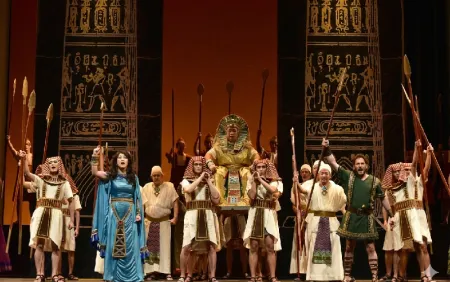
Opera Aida premiered in Cairo 1871, telling a timeless love story in ancient Egypt. Performed at Pyramids & temples, Verdi's masterpiece captivates audiences.
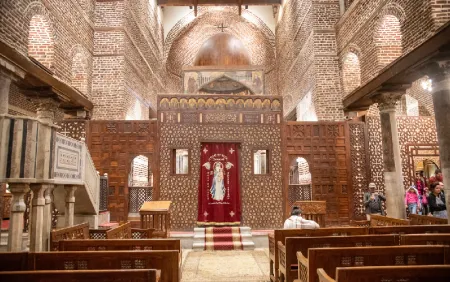
Saints Sergius and Bacchus Church were built to be dedicated to two Martyrs (Sergius and Bacchusand) traditionally believed to have been built on the spot where the Holy Family rested at the end of their journey into Egypt.
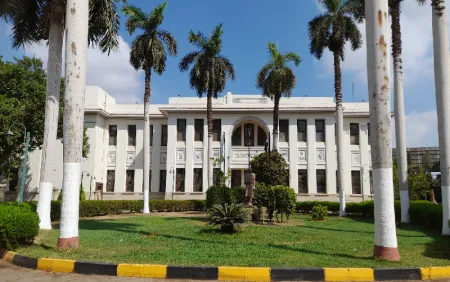
Cairo's Agricultural Museum, established 1938, features 7 halls showcasing 7,000 years of Egyptian farming history and ancient agricultural artifacts.
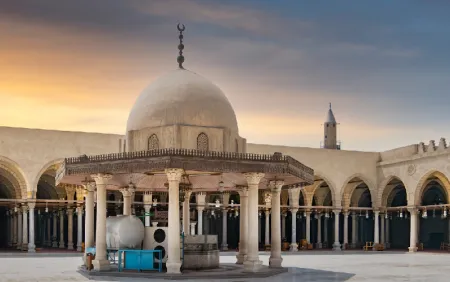
Fustat, founded 641 CE, was Egypt's first Islamic capital with 200,000 residents. This Silk Road trade hub beneath Old Cairo was deliberately destroyed in 1168.
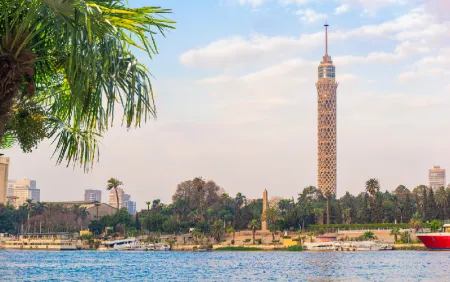
Cairo Tower's 187m lotus design offers 360° views & rotating restaurant. Discover hidden terrace & local secrets for Egypt's iconic landmark built 1956-1961.

Explore Birqash Camel Market in Cairo, where tradition and culture meet. Witness camel trading, local life, and a unique Egyptian market experience.
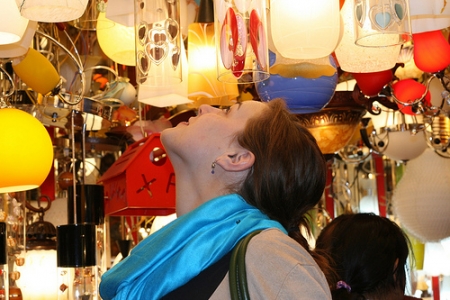
El Mosky is Cairo's authentic medieval marketplace from Ayyubid era. Serves locals with genuine prices, traditional crafts & spices. Metro accessible.
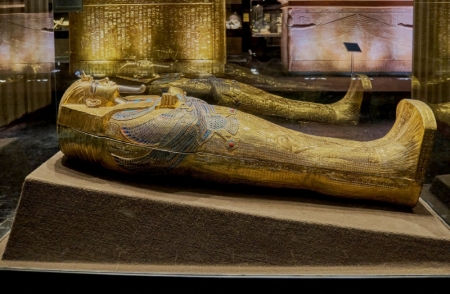
Learn about King Tutankhamun treasures and explore the secrets of his tomb, royal rituals, and preserved artifacts.
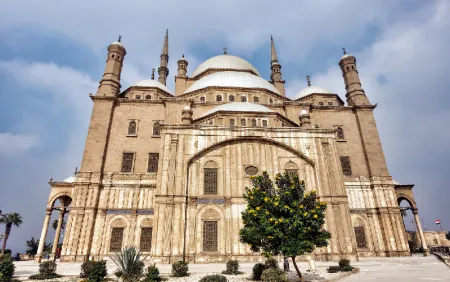
The Mohamed Ali Mosque is an Ottoman masterpiece built 1832-1857 inside Cairo Citadel. Called the Alabaster Mosque for its distinctive walls, it features a 52-meter central dome.
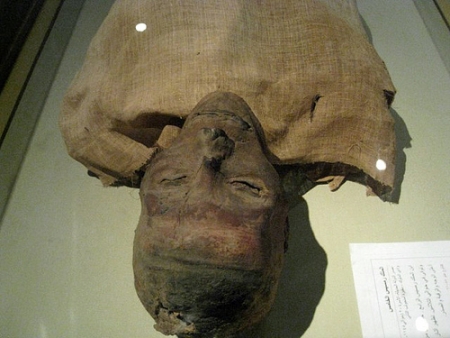
Egyptian mummies at Cairo's museums include 22 royal pharaohs moved in 2021 to NMEC. Features Tutankhamun, Hatshepsut, Seti I and 4,300-year-old preservation techniques.
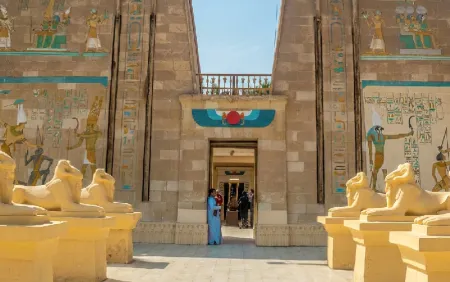
Pharaonic Village in Cairo, founded 1984, is a 30-acre living museum with 12 museums, King Tut's tomb replica & live ancient Egyptian demonstrations.
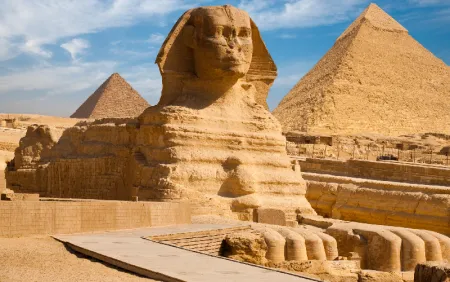
Great Sphinx of Giza, carved 2500 BCE, measures 73m long and 20m high. Contains three tunnels, hidden chambers & traces of red, blue & yellow paint.
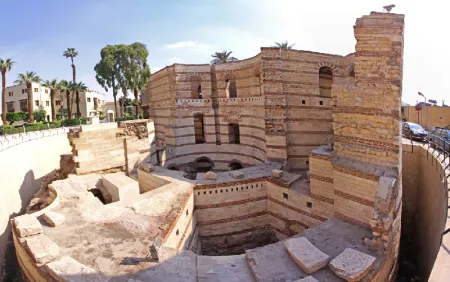
Babylon Fortress in Old Cairo, built 300 AD by Diocletian, features 10m Roman towers, Coptic churches, Ben Ezra Synagogue & museum with 16,000 artifacts.
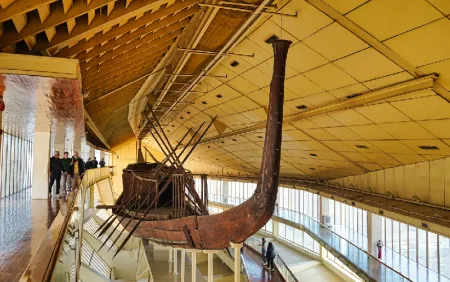
The Khufu Ship is a 4,600-year-old solar boat measuring 43.4 meters long. Built without nails using mortise-and-tenon joints, it's displayed at Grand Egyptian Museum.
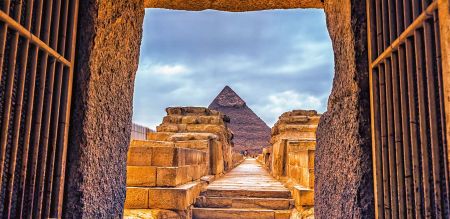
Experience the Valley Temple of Khafre like never before. Explore its purpose, design, and must-see highlights—read the full guide now!