
 Home
Home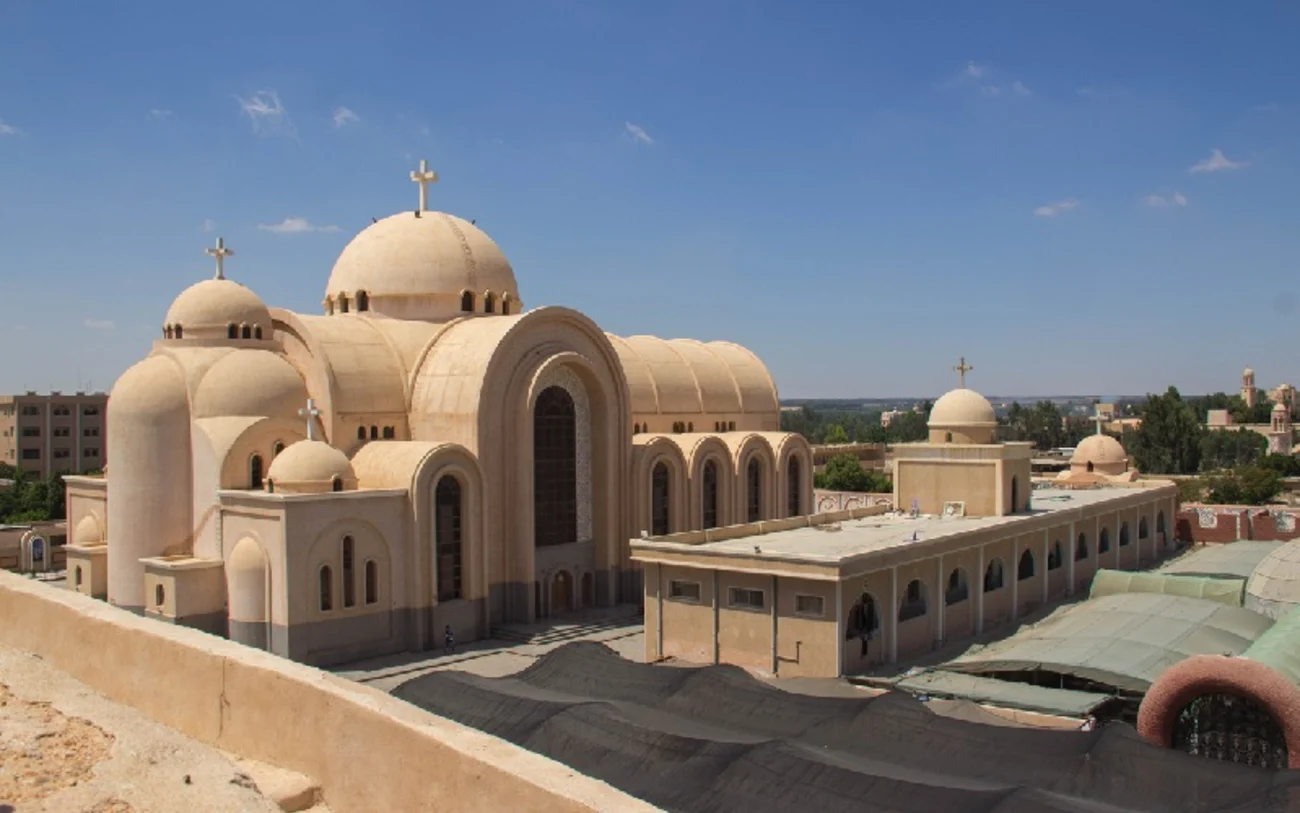
The Monastery of Saint Bishoy ranks among the world’s oldest continuously operating monasteries. Founded in the late 4th century AD, this sacred site stands in Wadi El Natrun, Egypt, approximately 90 kilometres northwest of Cairo. Today, it is widely recognised as the most famous monastery of the Coptic Orthodox Church of Alexandria.
Established by Saint Bishoy, a devoted disciple of Saint Macarius, the monastery spans roughly two feddans and includes five historic churches. At its heart stands the Church of Saint Bishoy, the largest church in Wadi El Natrun. Additional places of worship include the Church of the Virgin Mary, Saint George’s Church, and Saint Anthony’s Church.
The monastery holds deep spiritual importance. Between 1981 and 2008, Pope Shenouda III oversaw the preparation of the Holy Myron (Chrism oil) here on six occasions. The monastery also preserves the relics and incorrupt body of Saint Bishoy, a key reason it remains a major pilgrimage destination.
Wadi El Natrun: The Sacred Desert Valley of Early Christianity
Geographic and Historical Significance
Wadi El Natrun is a desert depression located in northern Egypt, lying 23 metres below sea level and 38 metres below the Nile River level. Known in ancient times for its alkaline lakes, the valley supplied natron, an essential substance used by ancient Egyptians in mummification.
Wadi El Natrun in Christian History
In early Christian literature, the region was known as Scetis (Skete). Between the 4th and 7th centuries, it emerged as one of Christianity’s holiest regions, once hosting around 700 monasteries. Today, only four active monasteries remain, with Saint Bishoy Monastery being the largest and most prominent.
Foundation and Early Development of Saint Bishoy Monastery
The Life of Saint Bishoy
Saint Bishoy was born around 320 AD in the village of Shansa. Known for his humility and devotion, he became one of the Desert Fathers whose spiritual teachings shaped early monastic life.
Fortification and Survival Through Centuries
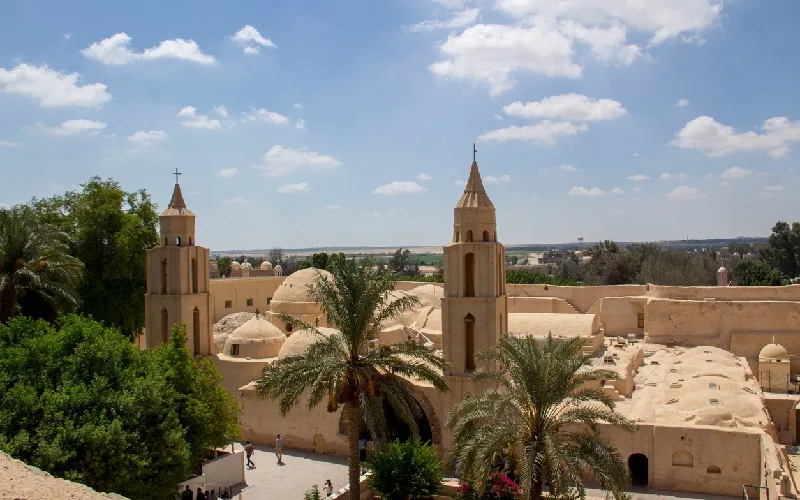
The monastery’s quadrilateral layout is enclosed by protective walls. After Berber raids destroyed an earlier structure in 1096, the current fortress was constructed in the late 11th century, ensuring the monastery’s survival in a harsh desert environment.
The monastery holds exceptional spiritual value as the resting place of Saint Bishoy’s incorrupt body, alongside relics of Saint Paul of Tammah. These relics were transferred to the monastery in 841 AD by Pope Joseph I, where they remain today.
Exploring the Monastery Grounds
Defensive Walls and Main Entrance
A 10-metre-high wall dating to the 9th century surrounds the monastery. The northern gateway is considered the best-preserved monastic entrance in Wadi El Natrun.
The Defensive Tower
One of the monastery’s most striking landmarks is the 13th-century defensive tower in the northwest corner.
Key features of the tower include:
- Dimensions of 20 x 20 metres
- Walls measuring two metres thick
- A wooden drawbridge once used for protection
- A deep well, food storage rooms, and an olive press on the ground floor
- The Church of the Virgin Mary on the second level
The Churches of the Monastery
Church of Saint Bishoy
The largest church in Wadi El Natrun, featuring three sanctuaries dedicated to:
- Saint Bishoy
- The Holy Virgin
- John the Baptist
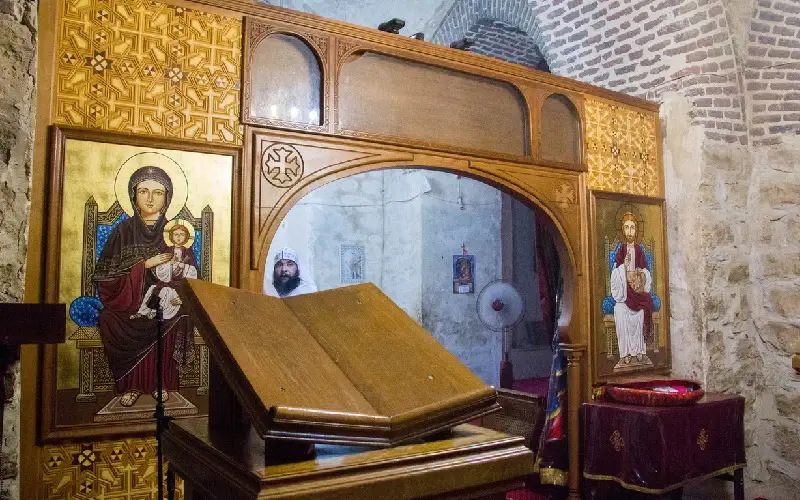
It houses a 6th-century wooden pulpit and a rare 14th-century icon of the Virgin Mary.
Other Churches
The monastery also includes:
- Church of the Virgin Mary
- Saint George’s Church
- Saint Anthony’s Church
Customize Your Dream Vacation!
Get in touch with our local experts for an unforgettable journey.
Plan Your Trip
Daily Life and Historic Facilities
Refectory and Utilities
The monastery’s 27.5-metre-long refectory once served as the communal dining hall. A stone table still stands where monks gathered after Sunday liturgy.
Other historic features include:
- A 4th-century animal-powered mill
- The Well of the Martyrs
Spiritual Legacy and Modern Role
A Centre of Coptic Spiritual Life
Saint Bishoy Monastery remains a vital spiritual hub within the Coptic Orthodox Church. It preserves the relics of Saint Bishoy and Saint Paul of Tammah, accompanied by a well-known tradition that the relics could not be moved separately.
Papal Connections and Modern Growth
The monastery gained renewed prominence in 1971 when Pope Shenouda III chose it as his papal residence. In 1981, President Sadat exiled the Pope here for forty months, during which time he ordained nearly 100 monks.
Expansion and Contemporary Community
In recent decades, monks reclaimed 400 acres of desert land, transforming it into cultivated property. Modern additions include:
- Three water reservoirs
- A large library
- A three-storey guesthouse
- Monastic cells
- Conference facilities
Today, over 160 monks reside here, many serving in monasteries and churches across Egypt and abroad.
A Monastery Shaped by Papal Leadership
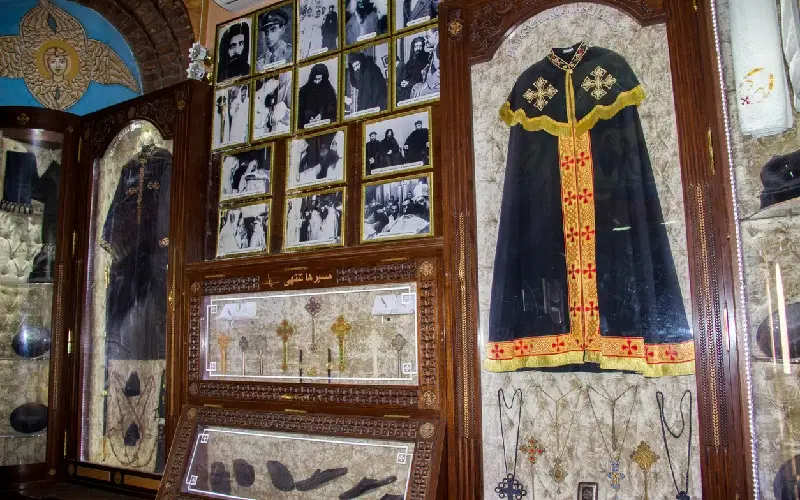
Three monks from Saint Bishoy Monastery have become patriarchs of the Coptic Church:
- Pope Gabriel VIII (97th Patriarch)
- Pope Macarius III (114th Patriarch)
- Pope Tawadros II (118th Patriarch)
The monastery also plays a central role in church ceremonies, hosting the preparation of Holy Myron oil nine times between 1981 and 2021.
Saint Bishoy Monastery Today: A Living Monument
Saint Bishoy Monastery stands as a rare bridge between early Christian monasticism and modern religious life. Despite centuries of challenges, it has preserved its architectural heritage, spiritual traditions, and active monastic community.
Pilgrims and visitors continue to visit this desert sanctuary to experience its sacred atmosphere, historic churches, and the incorrupt body of Saint Bishoy. Nestled in the quiet desert of Wadi El Natrun, the monastery remains both a living spiritual centre and a testament to Egypt’s rich Christian heritage.
The Monastery of Saint Bishoy is located in Wadi El Natrun, a desert valley about 90 kilometers northwest of Cairo, Egypt.
The monastery is famous for housing Saint Bishoy's reportedly incorrupt body, being the largest monastery in Wadi El Natrun, its 1,600-year history, and serving as Pope Shenouda III's pontifical residence.
Saint Bishoy, a follower of Saint Macarius, established the monastery in the late 4th century AD around 320 AD.
The Monastery of Saint Bishoy was established in the late 4th century AD, around 320 AD.
Berber raiders destroyed the original monastery in 1096. The current fortress walls were built in the late 11th century after this destruction.
You can see five churches, a 13th-century defensive tower, Saint Bishoy's incorrupt relics, ancient refectory, 4th-century mill, Well of the Martyrs, and protective walls from the 9th century.
Monastery of Syrians in Wadi Natrun, founded 984 AD, houses oldest Syriac manuscript (411 AD) & Church of Virgin Mary (645 AD) with frescoes.
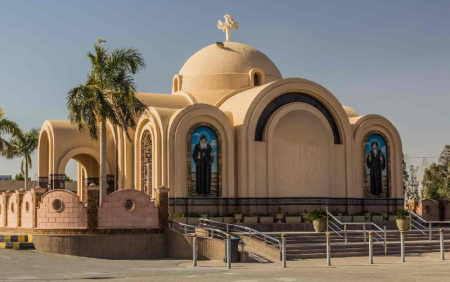
Wadi El Natrun is Egypt's sacred valley located 100km from Cairo, 23 meters below sea level. Features 4 ancient Coptic monasteries from 330 AD with Saint Pishoy's incorrupt body.
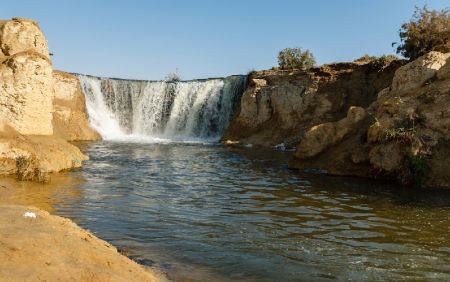
Wadi El Rayan is Egypt's premier desert sanctuary spanning 1,759 km² with two crystalline lakes, cascading waterfalls and 13 permanent bird species plus 26 migratory species.
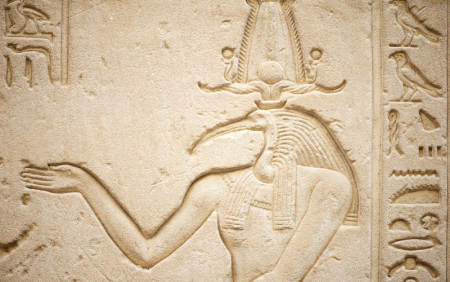
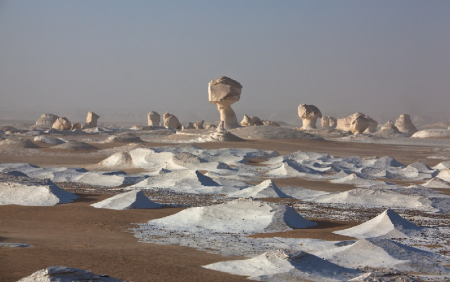
White Desert Egypt spans 300 km² of chalk formations 45km from Farafra with Crystal Mountain, Black Desert & Valley of Agabat. Rated 5.0/5.
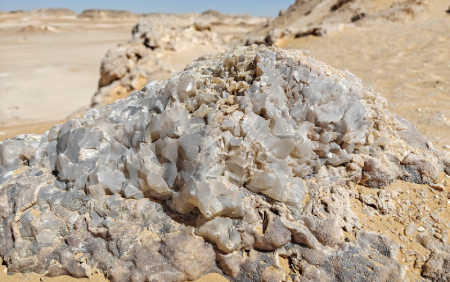
Discover Crystal Mountain Egypt—stunning barite & calcite arch between Bahariya & Farafra. Features hidden crystal caves, Bedouin secrets & sunrise views.
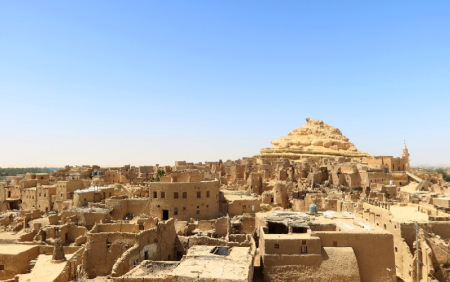
Mountain of the Dead in Siwa contains 3,000 tombs including Si-Amun, Mesu-Isis, Niperbathot & Crocodile with vivid wall paintings. 1km from town.
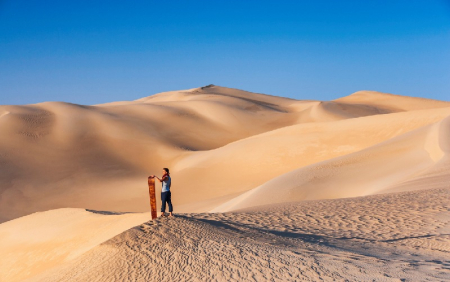
Great Sand Sea extends 650km with seif dunes up to 140m high between Egypt-Libya. Covers 10% of Egypt's Western Desert, gateway Siwa Oasis.
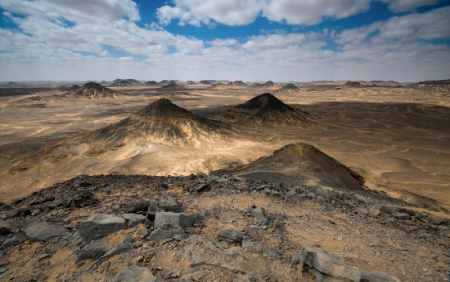
Black Desert, rated 4.5/5, features 100m basalt formations from ancient volcanic activity. Includes Agabat Valley, Crystal Mountain & desert fox.
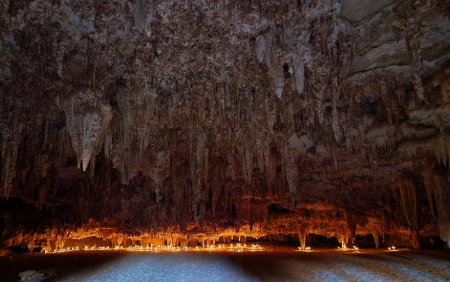
Djara Cave stretches 1,000m with 188+ murals from 10,200 BC, "frozen waterfall" stalactites, Cathedral chamber & Neolithic gazelle rock art.
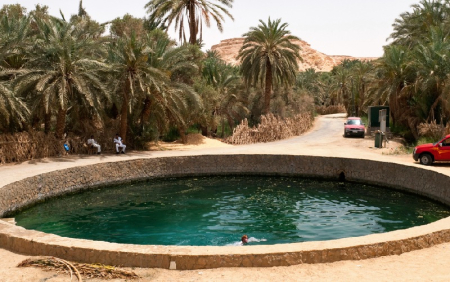
Cleopatra Bath in Siwa is a bubbling spring 752km from Cairo where Queen allegedly bathed. Mineral-rich healing waters, temperature-regulated.
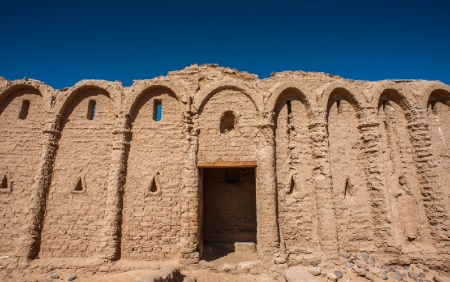
El Bagawat is the world's oldest Christian cemetery with 263 chapels from 3rd-7th century. Features Chapel of Exodus & Peace with biblical art.
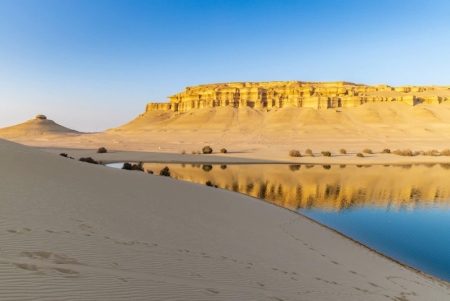
Qarun lake is considered the oldest natural lakes in the world, the third largest lake in Egypt and the rest of lake Old Maurice. Know more!
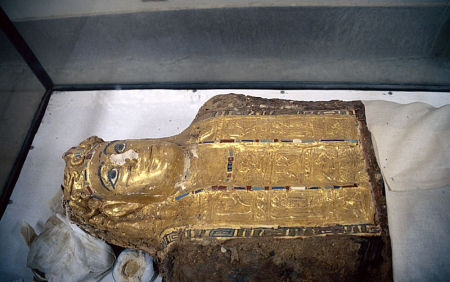
Valley of the Golden Mummies located in Bahariya Oasis, about 380 km west of the pyramids, It was built during the Greco - Roman period exhibits a variety of styles and a range of social status.
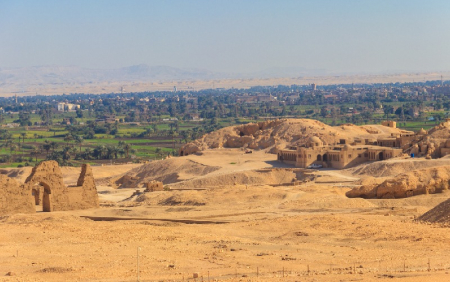
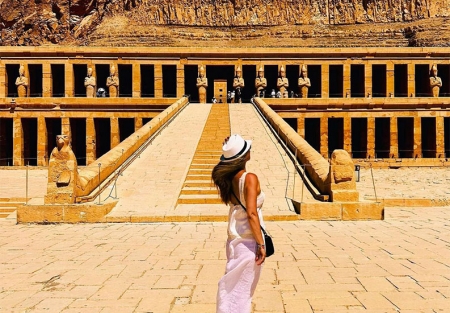
Find out what makes Deir el Bahari unique! Explore Hatshepsut's terraced temple, ancient Luxor monuments & Egyptian architectural genius. Learn more!
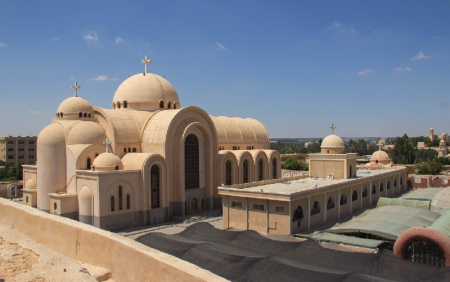
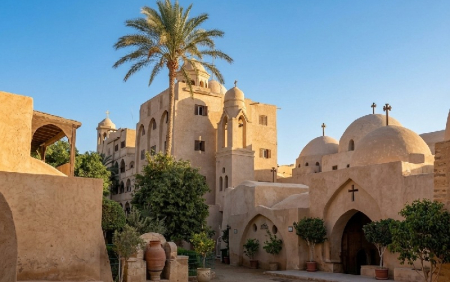
Learn the story of the Monastery of Saint Bishoy in Egypt: Saint Bishoy's incorrupt body, 5 churches & Coptic Orthodox history. Read the complete guide!
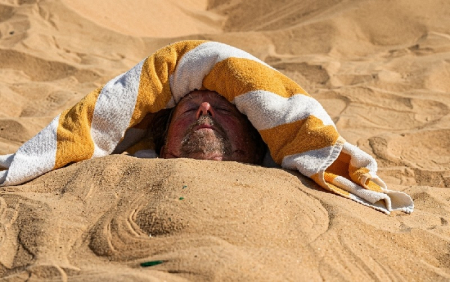
Siwa sand bathing: centuries-old Bedouin treatment using mineral-rich sand (40-50°C) for arthritis, chronic pain & stress. 7-10 daily sessions.
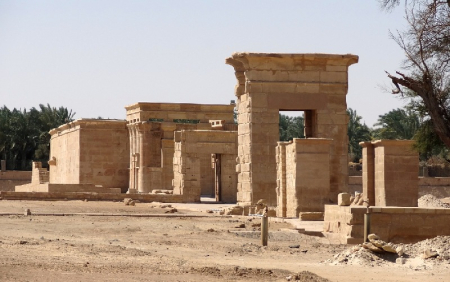
Uncover Temple of Hibis in Egypt's western desert. Explore the best-preserved Persian temple, Darius I's contributions & Amun-Ra shrine. Learn today!