
 Home
Home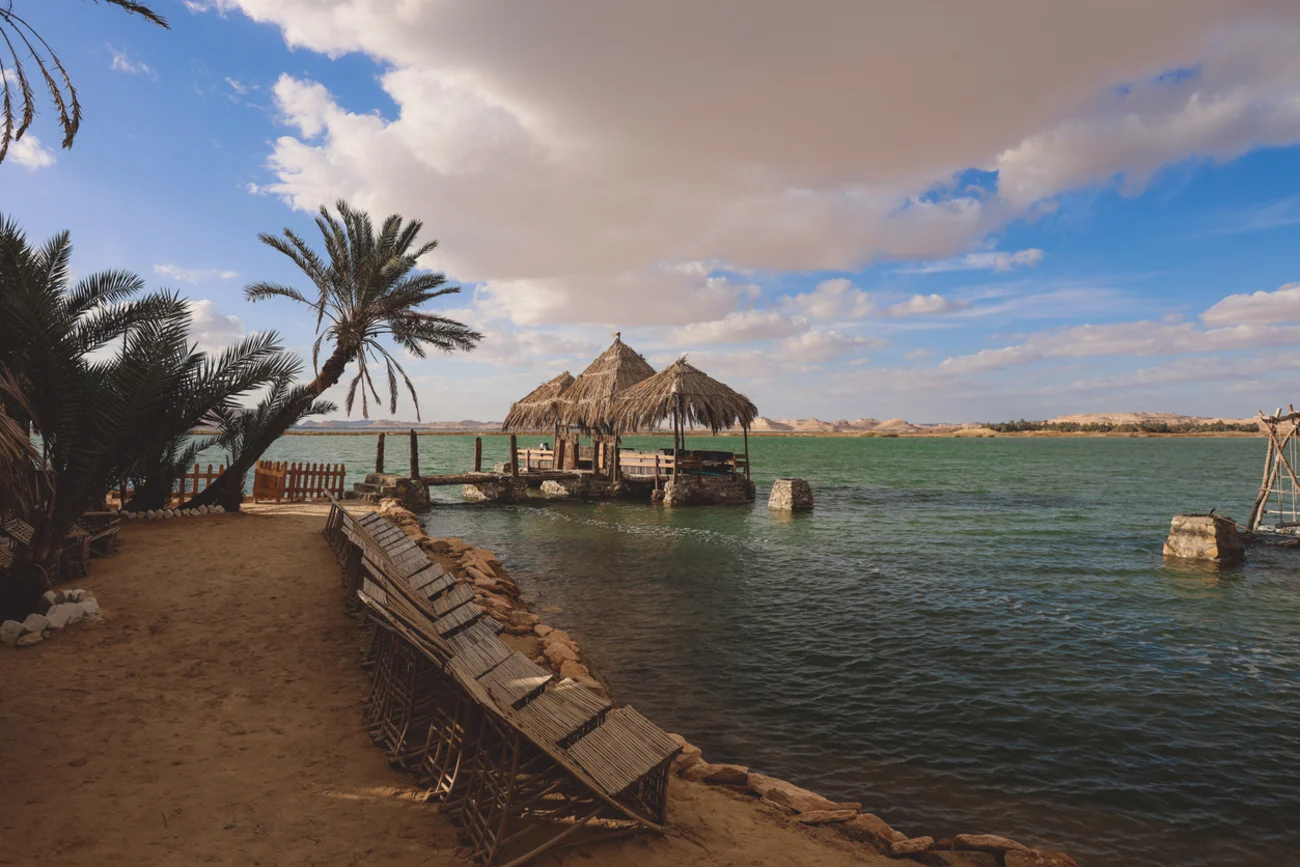
Siwa Oasis, near Egypt’s western border, is a remote and culturally unique destination known for its Berber heritage, Siwi language, and preserved traditions. Surrounded by desert, the oasis features lush palm groves, hundreds of springs, and salt lakes, along with historic landmarks like the Oracle Temple of Amun. With its natural beauty and rich cultural identity, Siwa remains one of Egypt’s most distinctive and captivating oases.
Historical Significance
The Oracle of Amun
Siwa's Oracle Temple of Amun achieved ancient world fame as one of the most important oracular sites in the Mediterranean world. The oracle, consulted by rulers, generals, and common people seeking divine guidance, rivaled Delphi in Greece for reputation and influence.
Alexander the Great's Visit (331 BC):
The oracle's most famous consultation occurred when Alexander the Great, having conquered Egypt, made the arduous desert journey to Siwa specifically to consult the oracle. According to ancient accounts, the oracle confirmed Alexander's divine parentage (son of Zeus-Amun) and his right to rule Egypt as pharaoh. This divine sanction proved crucial for Alexander's authority over Egypt and became central to his image as god-king.
The exact questions Alexander posed and answers received remain mysterious—ancient sources provide contradictory accounts. However, the consultation's political importance was clear: Alexander emerged from Siwa with religious legitimacy supporting his claim to rule Egypt and broader divine status supporting his vast imperial ambitions.
Temple Location: Aghurmi village, 4 km from Siwa town
Current Condition: Partially ruined but structurally significant
Visit Duration: 45-60 minutes
Ancient Siwa (Shali)
The historic town of Shali, built from kershef (unique local building material made from salt, rock, and clay), stands as Siwa's most remarkable architectural treasure. This fortified settlement, built on a rocky outcrop in the 13th century, once housed entire population in multi-story mud-brick buildings clustered within protective walls.
Architecture:
- Kershef construction (salt-rock-clay mixture)
- Multi-story buildings reaching 5-7 levels
- Narrow winding streets
- Defensive walls and gates
- Integrated mosque
Current Status: Largely ruined (heavy rains in 1926 damaged structures irreparably), but remains dominate Siwa's skyline and offer fascinating exploration opportunities with panoramic oasis views from hilltop.
Modern Siwa: Residents now live in newer buildings around old Shali, though traditional architecture inspires contemporary construction using sustainable local materials.
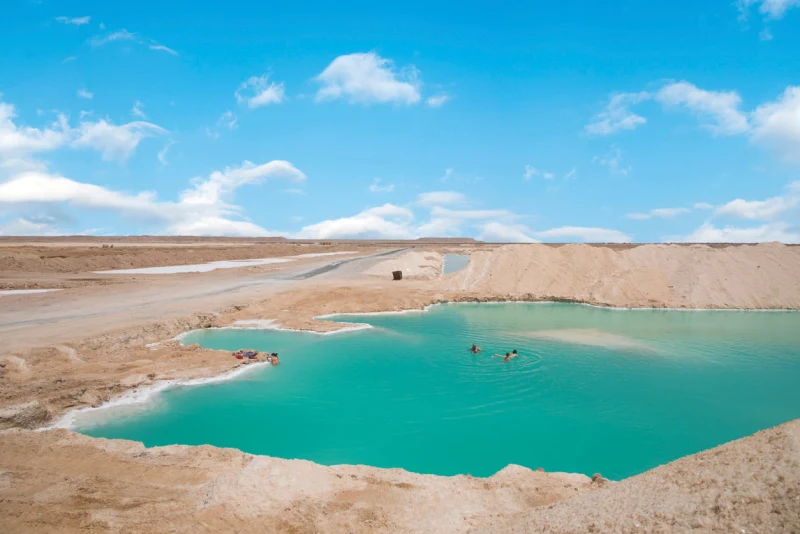
You'll find Siwa Oasis in Egypt's Western Desert near the Libyan border, approximately 560 km west of Cairo and 300 km inland from the Mediterranean coast. It's Egypt's most remote major oasis, accessed via 10-11 hour bus journey or 8-9 hour drive from Cairo.
Natural Attractions
Cleopatra's Bath (Ein Guba)
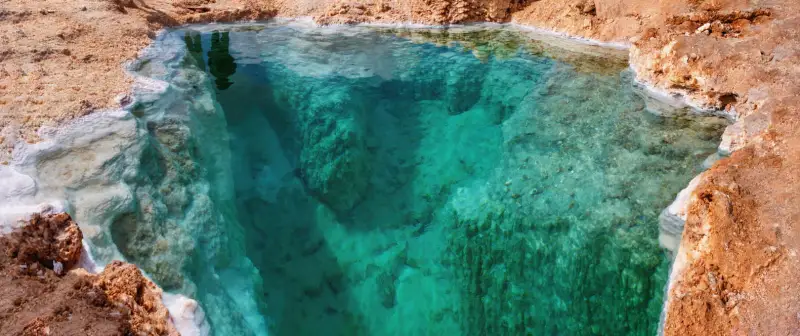
This famous natural spring, misleadingly named (no historical evidence connects it to Cleopatra), provides one of Siwa's most popular swimming spots. The large stone-lined pool fed by natural spring maintains constant comfortable temperature year-round.
Features:
- Natural freshwater spring
- Stone-lined swimming pool
- Constant temperature
- Surrounded by palm trees
- Changing facilities nearby
Experience: Relaxing swim in crystal-clear spring water
Best Time: Early morning or late afternoon (midday can be crowded)
Entry Fee: Modest (20-40 EGP)
Salt Lakes
Siwa features numerous hypersaline lakes with salt concentrations so high that swimmers float effortlessly like in the Dead Sea. The most popular salt lake, Birket Siwa, offers unique floating experience combined with stunning sunset views.
Swimming Experience:
- Effortless floating due to extreme salinity
- Natural exfoliation from salt and mineral content
- Therapeutic properties claimed by locals
- No swimming skills required
Important: Avoid getting salt water in eyes (painful), shower afterwards to remove salt residue, cuts/scrapes will sting
Best Lakes: Birket Siwa, Fatnas Island lake
Best Time: Late afternoon for sunset swimming
Fatnas Island (Fantasy Island)
Fatnas Island, a small palm-covered island accessible via narrow causeway, offers spectacular sunset viewpoint over salt lake. The island features simple cafe, palm groves, and peaceful atmosphere perfect for watching sun set over desert and water.
Activities:
- Sunset watching (legendary views)
- Swimming in adjacent salt lake
- Palm grove walks
- Photography
- Refreshments at cafe
Best Time: Late afternoon (arrive 4:00-5:00 PM for sunset)
Duration: 1-2 hours
Great Sand Sea
Siwa sits at the edge of the Great Sand Sea, one of Earth's largest sand accumulations extending west into Libya. The massive dunes reaching heights of 100+ meters provide spectacular desert landscapes and adventure opportunities.
Activities:
- 4x4 desert safaris
- Sandboarding
- Sunset/sunrise desert viewing
- Overnight desert camping
- Photography
Tours: Various durations from half-day to multi-day
Safety: Always use experienced guides with proper equipment
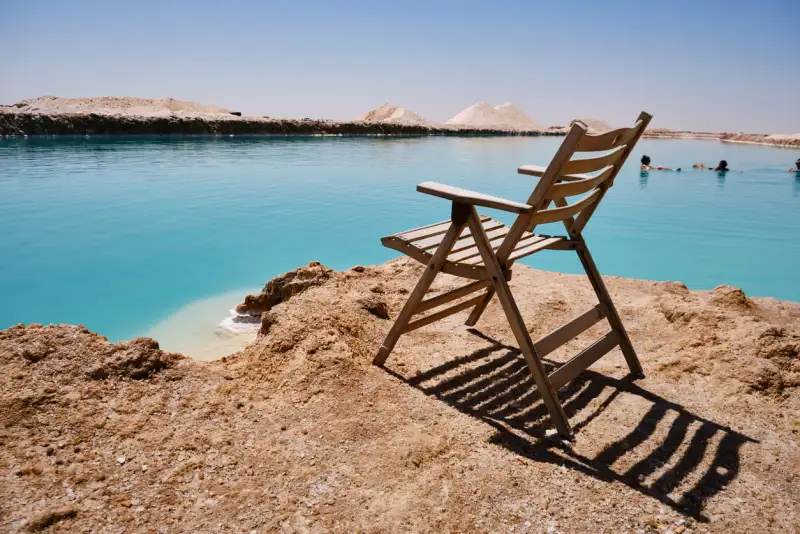
Yes, you can float effortlessly in Siwa's hypersaline lakes (similar to the Dead Sea) due to extreme salt concentration. Birket Siwa and lakes near Fatnas Island offer the best swimming. Avoid getting salt water in your eyes, shower after swimming, and enjoy spectacular sunset views while floating.
You shouldn't miss Shali fortress (ancient fortified town), Oracle Temple of Amun (Alexander the Great site), Cleopatra's Bath (natural spring swimming), salt lakes (floating experience), Fatnas Island (sunset views), Mountain of the Dead (ancient tombs), Great Sand Sea (desert safaris and sandboarding), and local artisan workshops.
Cultural Experiences
Siwi Berber Culture
Siwa's population descends primarily from Berber tribes who settled the oasis centuries ago. Unlike rest of Egypt where Arabic language and culture dominate, Siwa maintains distinct Berber identity.
Unique Cultural Elements:
Language: Siwi (Berber language) spoken alongside Arabic
Clothing: Traditional silver jewelry and embroidered garments
Social Structure: Conservative traditional customs
Architecture: Distinctive building styles using local materials
Crafts: Basketry, palm weaving, silver jewelry making
Food: Unique dishes blending Berber and Egyptian influences
Visiting Respectfully:
- Dress very modestly (both men and women)
- Ask permission before photographing people
- Respect privacy (don't enter homes uninvited)
- Learn basic Siwi greetings
- Support local artisans by purchasing authentic crafts
Traditional Crafts
Siwa artisans maintain traditional craft skills passed through generations:
Silver Jewelry: Distinctive Siwi silver jewelry featuring traditional designs, worn especially during weddings
Basket Weaving: Palm frond baskets in traditional patterns
Embroidery: Traditional garments with intricate embroidered patterns
Olive Products: Olive oil, olives, soap made from famous Siwa olives
Date Products: Dates, date syrup from vast palm groves
Shopping: Support authentic local artisans rather than imported goods sold as "Siwi crafts"
Siwan Houses and Eco-Lodges
Several eco-lodges built using traditional kershef and sustainable local materials offer authentic accommodation experiences while supporting traditional building methods and local economy.
Notable Eco-Lodges:
- Adrere Amellal: Luxury eco-lodge with no electricity (candles only)
- Taziry Ecolodge: Traditional architecture, modern comfort
- Siwa Shali Resort: Built incorporating old Shali ruins
Experience: Stay in traditional-style architecture, enjoy organic local food, support sustainable tourism
Customize Your Dream Vacation!
Get in touch with our local experts for an unforgettable journey.
Plan Your Trip
Practical Information
Getting to Siwa
From Cairo:
- By Bus: West Delta Bus Company operates daily service from Cairo's Turgoman Station (10-11 hours, ~100 EGP)
- By Private Car: 560 km journey (8-9 hours) via Marsa Matruh coastal route
- Best Route: Cairo → Alexandria → Marsa Matruh → Siwa
From Alexandria:
- By Bus: Daily service (7-8 hours, ~70 EGP)
- By Private Car: 450 km via coastal road
Travel Tips:
- Overnight buses common (depart evening, arrive morning)
- Bring food/water for journey
- Book bus tickets in advance (especially holidays/weekends)
- Desert road has few services
Getting Around Siwa
Bicycles: Most popular way to explore (flat terrain, short distances)
- Rental: 30-50 EGP per day
- Available from hotels and rental shops
Tuk-Tuks/Donkey Carts: Traditional local transport
- Short trips within town
- Negotiate prices before riding
4x4 Vehicles: Essential for desert excursions
- Hire through hotels/tour operators
- Include driver/guide
- Half-day to multi-day safaris available
Walking: Siwa town easily walkable
Accommodation
Budget ($10-30/night):
- Simple guesthouses
- Basic facilities
- Often family-run
Mid-Range ($30-80/night):
- Comfortable hotels
- Air-conditioning
- Swimming pools
- Restaurants
Eco-Lodges ($80-250+/night):
- Adrere Amellal (luxury, no electricity)
- Taziry Ecolodge
- Traditional architecture
- Organic food
- Unique experiences
Camping: Desert camping included in safari tours
Food and Dining
Local Specialties:
- Tagine (slow-cooked stew in clay pot)
- Fresh dates from Siwa palms
- Siwa olives and olive oil (among world's best)
- Spring chicken
- Fresh vegetables from oasis farms
Dining Options:
- Hotel restaurants
- Local cafes
- Eco-lodge farm-to-table dining
- Street food
Note: Alcohol not available (conservative oasis)
Best Time to Visit
Optimal Seasons:
- October-November: Perfect temperatures (20-28°C), harvest season
- March-April: Spring weather, fewer tourists
- December-February: Cool (15-22°C days), cold nights (5-10°C)
Avoid:
- June-August: Extreme heat (40-45°C+)
- December-January: Very cold nights (near freezing)
Annual Events:
- Siyaha Festival (October): Traditional celebration with harvest festivities, music, camel races
You can reach Siwa by overnight bus from Cairo's Turgoman Station (10-11 hours, ~100 EGP, West Delta Bus Company operates daily service) or private car (560 km, 8-9 hours via Alexandria and Marsa Matruh). Book bus tickets in advance, bring food and water for the journey.
You'll visit the Oracle Temple of Amun at Aghurmi where Alexander the Great consulted the oracle in 331 BC. The oracle confirmed Alexander's divine parentage and right to rule Egypt. This ancient sanctuary was one of the Mediterranean world's most important oracular sites, rivaling Delphi in fame.
You should visit October-November for perfect temperatures (20-28°C) and harvest festivities, or March-April for spring weather with fewer tourists. December-February offers cool days but very cold nights (near freezing). Avoid June-August when temperatures exceed 40-45°C. The Siyaha Festival in October features traditional celebrations.
You should understand Siwa maintains conservative Berber culture distinct from rest of Egypt. Dress very modestly (cover shoulders, arms, legs for women; long pants for men), speak Siwi language (not just Arabic), request permission before photographing people, avoid public affection, and respect privacy. Siwa is more conservative than Cairo or tourist areas.
You should spend minimum 3 days/2 nights (allows time for main sites, desert safari, cultural experiences). Four to five days enables thorough exploration including extended desert trips, multiple springs and lakes, and relaxation time. Consider the long journey time—10+ hours each way from Cairo makes very short visits impractical.
Explore Bahariya Oasis Egypt and embark on a Black & White Desert Safari. Get tips, highlights, and travel info for an unforgettable desert journey.
Explore Fayoum Egypt, a paradise of lush oases, breathtaking waterfalls, and tranquil Lake Qarun. Uncover travel tips and hidden gems now!
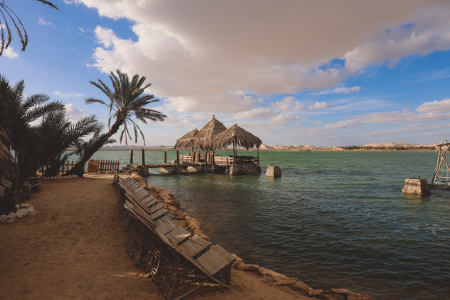
Siwa Oasis Egypt awaits! Uncover its Oracle Temple, serene salt lakes, and vibrant culture for an unforgettable desert adventure.
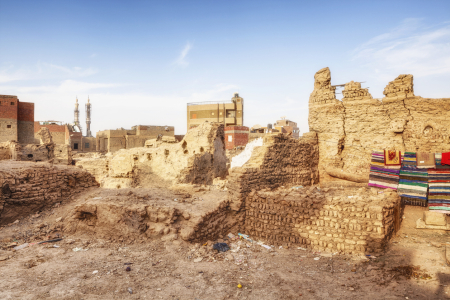
Explore the wonders of Kharga Oasis Egypt—visit majestic temples, ancient fortresses, and experience the serene desert with our expert guide.
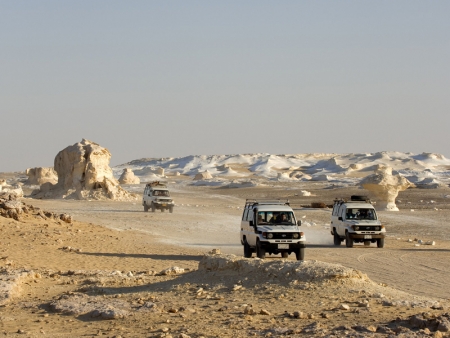
Discover Farafra Oasis Egypt, your gateway to the breathtaking White Desert and relaxing hot springs. Plan your desert escape today.
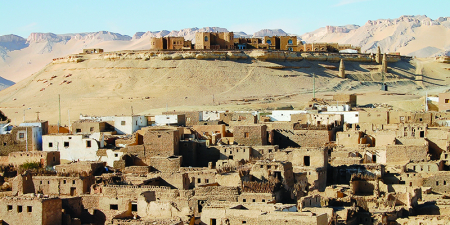
Dakhla Oasis, Egypt’s Western Desert gem, features ancient ruins, fertile farmland, and hot springs.
Experience vibrant Bedouin culture, Deir El Hagar, Al-Qasr village, and traditional desert life.