 Home
Home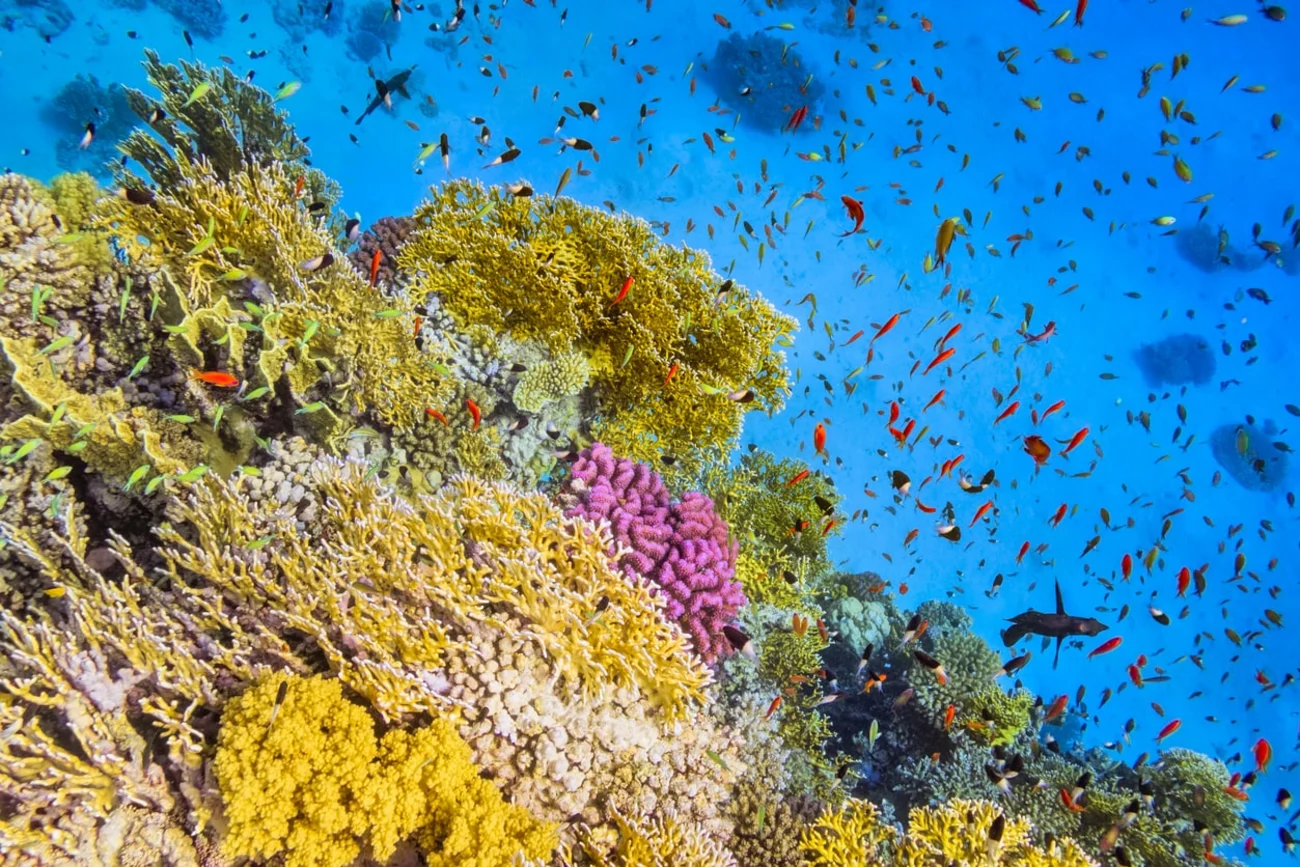
Marsa Alam, located 271 km south of Hurghada, is one of Egypt’s most unspoiled Red Sea destinations. Known for its pristine coral reefs, abundant marine life—including turtles, dolphins, and dugongs—and crystal-clear waters ideal for shark diving, it offers an authentic, uncrowded alternative to Sharm el-Sheikh and Hurghada. Once a quiet fishing village, it has become Egypt’s leading eco-tourism spot while preserving its natural beauty. Travelers come for protected diving sites, rare wildlife encounters, kite surfing, and desert adventures where the mountains meet the sea in dramatic landscapes.
Why Marsa Alam is Special
Pristine Marine Environments
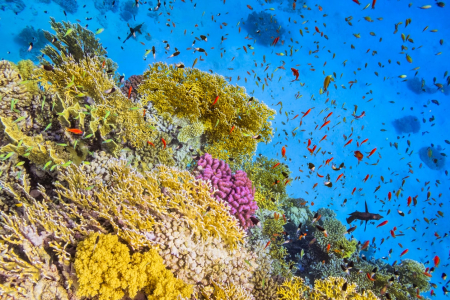
Marsa Alam's greatest treasure lies beneath the waves. The coral reefs here rank among the world's healthiest and most biodiverse. Several factors protect these underwater ecosystems: relatively recent tourism development (serious growth only began in the 2000s), strict environmental regulations, lower visitor numbers compared to northern Red Sea resorts, and strong conservation efforts.
The result? Coral reefs displaying vibrant colors and complexity rarely seen in heavily visited dive destinations. Marine life thrives in abundance—over 1,200 fish species inhabit these waters, along with dolphins, sharks, rays, sea turtles, and the rare dugong. Many dive sites remain virtually untouched, offering experiences unavailable elsewhere in Egypt.
Rare Marine Encounters
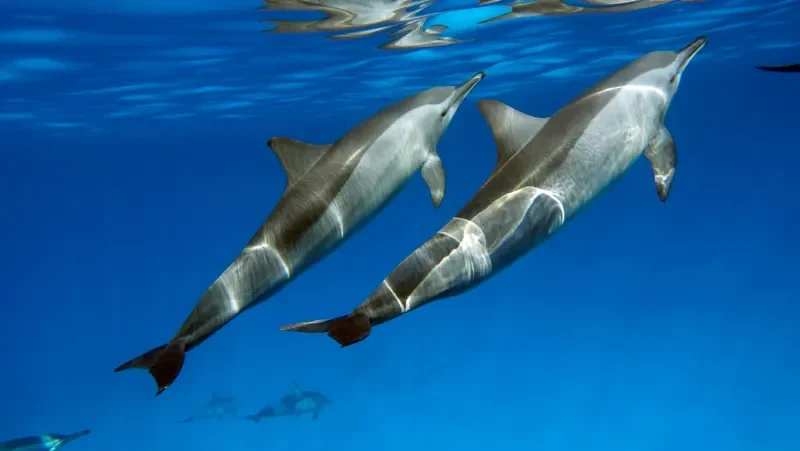
Marsa Alam is famous for reliable encounters with species divers travel worldwide to see. Dugongs, gentle marine mammals related to manatees, graze on seagrass beds in Marsa Alam's bays—one of the few places globally where sightings are almost guaranteed. Sea turtles nest on beaches and feed on reefs throughout the area. Spinner dolphins regularly visit certain bays, performing their characteristic acrobatic spins.
These aren't chance encounters but predictable experiences thanks to Marsa Alam's healthy ecosystems and protected marine parks. Responsible tour operators know where and when to find these species while minimizing disturbance.
World-Class Dive Sites
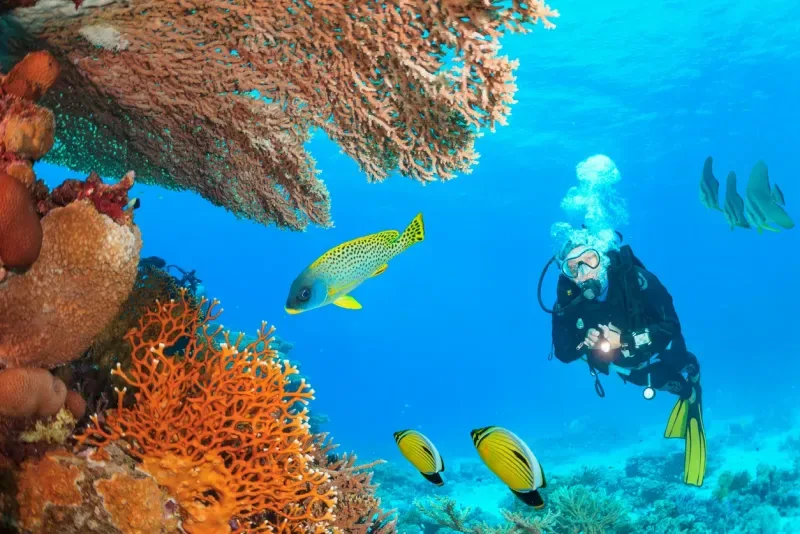
Marsa Alam provides access to legendary Red Sea dive sites. Elphinstone Reef, a long, narrow reef plateau in open water, offers thrilling drift dives with frequent shark encounters—oceanic whitetips, hammerheads, and occasional whale sharks patrol this remote reef. Daedalus Reef, a circular reef in the middle of the Red Sea, features sheer walls dropping into the abyss with spectacular pelagic action.
Closer to shore, countless house reef sites offer excellent diving right from the beach. St. John's Reef system, accessible via liveaboard safaris, contains pristine coral gardens in a protected area seeing minimal traffic.
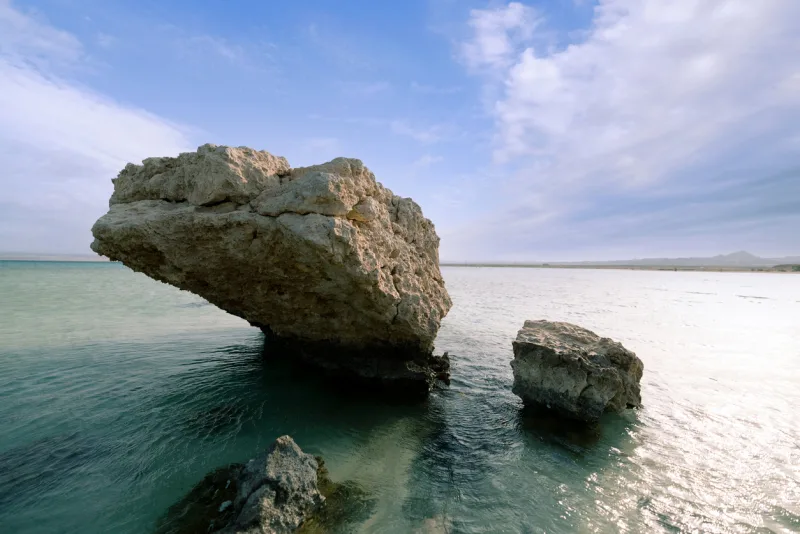
- Red Sea coast, southern Egypt
- 271 km south of Hurghada
- 780 km southeast of Cairo
- Marsa Alam International Airport (RMF)
- Gateway to southern Red Sea dive sites
- Eastern Desert region
Top Marine Life and Activities
Swimming with Dugongs
Marsa Alam offers one of the world's few opportunities to swim with dugongs in their natural habitat. These shy, herbivorous marine mammals graze on seagrass beds in shallow bays, particularly Abu Dabbab and Marsa Mubarak. These gentle creatures, related to elephants, consume up to 40 kilograms of seagrass daily and can hold their breath for up to 12 minutes.
Early morning visits offer best chances for encounters before crowds arrive. Maintain respectful distance (3+ meters), never chase or touch dugongs, and avoid flash photography. These endangered animals—with only about 100,000 remaining globally—deserve protection and respect.
Sea Turtles and Dolphins
Green sea turtles and hawksbill turtles frequent Marsa Alam's reefs and seagrass beds. Green turtles feed on seagrass in shallow bays, while hawksbills prefer coral reefs where they feed on sponges using their distinctive beaked mouths. Many dive sites guarantee turtle encounters as they're curious and often approach divers closely.
Spinner dolphins are most famous, regularly visiting Sha'ab Samadai (Dolphin House) to rest in the protected lagoon. They're named for their spectacular spinning jumps, rotating up to seven times in mid-air! Bottlenose dolphins frequent open waters, and dolphin encounters should always be on the animals' terms.
Shark Diving
Marsa Alam offers some of the Red Sea's best shark diving. Oceanic whitetip sharks, recognizable by their white-tipped fins, patrol Elphinstone Reef and other offshore sites. These powerful predators cruise through blue water, sometimes approaching divers closely. Hammerhead sharks visit deeper reefs, especially Daedalus, while various reef shark species inhabit coral reefs. Whale sharks occasionally visit during spring and autumn migrations.
Best Dive Sites
Elphinstone Reef: Advanced dive site famous for shark encounters, dramatic walls, and strong currents. The northern and southern plateaus feature stunning coral formations and pelagic action.
- Abu Dabbab: Sheltered bay perfect for all levels, famous for resident dugongs and green sea turtles. The sandy bottom and seagrass beds attract these gentle creatures. Excellent for snorkeling.
- Marsa Mubarak: Protected bay with extensive seagrass meadows where dugongs graze. Sea turtles are almost guaranteed sightings. Shallow, calm conditions suit beginners perfectly.
- Dolphin House (Sha'ab Samadai): Protected reef complex where spinner dolphins rest during the day. Strict regulations limit visitor numbers. Snorkeling only to minimize disturbance.
- Daedalus Reef: Remote circular reef with sheer walls, strong currents, and spectacular marine life including sharks, dolphins, and massive fish schools.
Desert Safari Adventures
Beyond the beach, Marsa Alam's Eastern Desert offers dramatic landscapes and cultural experiences. Jeep safaris explore wadis (dry riverbeds), mountains, and desert plains. Quad biking tours provide adrenaline-filled desert exploration. Visit Bedouin communities experiencing traditional desert lifestyle, sharing tea and learning about Bedouin culture and traditions.
The Eastern Desert near Marsa Alam contains ancient emerald and gold mining sites dating to Ptolemaic and Roman periods. Wadi Gemal, protected as a national park, includes emerald mine ruins showing the scale of historical operations. Some tours include traditional Bedouin dinners with music and storytelling under the stars.
Kite Surfing and Water Sports
Marsa Alam's consistent winds create excellent conditions for kite surfing and windsurfing. The wind season runs roughly March-October with peak conditions May-August. Several kite surfing schools offer instruction, equipment rental, and guided sessions. The flat, shallow waters in some bays provide ideal learning conditions for beginners. Other water sports include stand-up paddleboarding and kayaking.
- Elphinstone Reef (sharks, advanced)
- Daedalus Reef (remote, pelagic)
- Abu Dabbab (dugongs, turtles, all levels)
- Dolphin House/Sha'ab Samadai (snorkeling)
- St. John's Reef (liveaboard trips)
- Many excellent house reefs
Practical Travel Information
Getting to Marsa Alam
Marsa Alam International Airport (RMF) receives direct international flights from European cities, especially during winter high season (November-April). Major airlines operate seasonal routes from UK, Germany, Italy, and other countries. Domestic flights from Cairo take approximately 1.5 hours but operate less frequently.
Overland from Hurghada, private transfers or buses cover the 271-kilometer journey in approximately 3.5-4 hours along the scenic coastal highway. Most resorts arrange airport transfers, so confirm arrangements when booking as public transportation is limited.
When to Visit
- Best Overall (October-April): Pleasant temperatures (20-30°C), calm seas, excellent visibility, and peak season for marine life sightings including manta rays and sharks.
- Budget/Fewer Crowds (May-June, September): Shoulder season offers good value, fewer tourists, and still-excellent diving conditions. Temperatures rising or cooling but still comfortable.
- Hot Summer (July-August): Very hot (35-40°C+) with intense sun, but water is warmest and visibility exceptional. Resorts offer best prices but heat can be intense.
Water temperatures range from 22°C (72°F) in winter to 29°C (84°F) in summer—always comfortable for diving and swimming. Visibility typically exceeds 20-30 meters, reaching 40+ meters on exceptional days.
Where to Stay
Marsa Alam accommodation clusters in resort areas north and south of town rather than in the small town itself.
Luxury Resorts: International chains (Hilton, Jaz, Radisson) offer all-inclusive packages with private beaches, multiple restaurants, diving centers, and full facilities. These self-contained resorts provide comfort and convenience.
Dive-Focused Resorts: Smaller properties catering specifically to divers with house reefs, on-site dive centers, and diver-friendly services. Often better value than large luxury resorts with more personalized service.
Eco-Lodges: Environmentally conscious properties minimize environmental impact while providing comfortable accommodation and often more authentic experiences with direct beach access to pristine reefs.
Budget Options: Smaller hotels and guesthouses in Marsa Alam town offer basic but clean accommodation at lower prices.
Costs and Budgeting
Accommodation: Budget ($30-50/night), Mid-range ($80-150/night), Luxury ($200-400+/night all-inclusive)
Diving: Single dive ($35-50), Day trip with 2 dives ($60-80), PADI Open Water course ($350-450), Liveaboard week ($800-1,500+)
Activities: Snorkeling trip ($25-40), Desert safari ($40-60), Kite surfing lesson ($50-80), Dolphin House trip ($50-70)
Food: All-inclusive included in package, Restaurant meal ($10-25), Street food/casual ($3-8)
What to Pack
Essential items include reef-safe sunscreen (chemical sunscreens harm coral), rashguard or UV-protection swim shirt, underwater camera or GoPro, snorkel gear if you prefer your own, dive certification card and logbook, light layers for air-conditioned spaces, hat and sunglasses, light clothing, and cash as some places don't accept cards.
Optional items include dive computer and personal gear if experienced, waterproof phone case, binoculars for dolphin watching, and basic first aid medications.
- Reef-safe sunscreen (crucial)
- UV-protection rashguard
- Snorkel gear if preferred
- Dive certification card
- Underwater camera/GoPro
- Light clothing and sun protection
- Cash (limited card acceptance)
- Modest clothing for outside resorts
Customize Your Dream Vacation!
Get in touch with our local experts for an unforgettable journey.
Plan Your Trip
Engaging with Marsa Alam Responsibly
Before Your Visit
Research marine life you might encounter—knowing what you're seeing enhances appreciation. Review diving certifications and consider refresher courses if rusty. Book diving or activities in advance during high season. Learn about dugong and turtle conservation to understand the importance of respectful encounters.
Download offline maps as mobile coverage can be limited. Arrange airport transfers before arrival. If diving, consider travel insurance covering diving accidents including decompression chamber treatment.
Responsible Wildlife Encounters
Maintain respectful distances from all marine life (3+ meters minimum). Never touch, chase, or feed wildlife. Avoid flash photography underwater as it stresses animals. Follow dive guide instructions for shark and dolphin encounters. Support tour operators prioritizing conservation and animal welfare.
Perfect buoyancy control prevents accidental coral damage. Never stand on or touch coral. Avoid stirring up sediment with fins. Don't collect shells, coral fragments, or marine life. Use reef-safe sunscreen only. Even small actions multiply across thousands of visitors—your care matters.
Cultural Respect
Marsa Alam is more conservative than Hurghada or Sharm el-Sheikh. Dress modestly outside resort areas (cover shoulders and knees). Alcohol is available in resorts but not everywhere—be respectful of local customs. If visiting Bedouin communities, accept hospitality graciously and ask permission before photographing people.
Interactive Experiences
Keep a marine life journal noting species encountered, behaviors observed, and conservation thoughts. Participate in reef cleanup dives organized by dive centers. Learn about coral bleaching and conservation from dive guides.
Questions to Ponder: While swimming with dugongs, consider how these ancient mammals survived millions of years and what threats they face today. During shark dives, think about why sharks deserve our respect rather than fear and what role apex predators play in healthy ecosystems. Exploring coral reefs, reflect on how long the reef took to grow and what interconnections exist between species.
Why Marsa Alam Matters
Conservation Success Story
Marsa Alam demonstrates that tourism and conservation can coexist successfully. Strict regulations protect marine parks while allowing sustainable tourism. The area's relatively late development meant planners could learn from mistakes made in overdeveloped northern Red Sea resorts. Protected areas limit visitor numbers, restrict activities, and enforce environmental standards.
The result is a thriving marine ecosystem supporting tourism revenue while maintaining ecological health. Dugongs, sea turtles, dolphins, and coral reefs thrive here when they've disappeared from many other Red Sea locations. This success offers a model for sustainable coastal tourism globally.
Research and Education
Marsa Alam's healthy ecosystems attract marine researchers studying dugongs, sea turtles, sharks, coral reefs, and ecosystem dynamics. This research contributes to global marine conservation science. Dive guides and tour operators increasingly incorporate educational components explaining marine life, conservation challenges, and visitor responsibilities. Many visitors leave with greater appreciation for marine ecosystems and commitment to ocean conservation.
- Swimming with dugongs (sea cows)
- World-class scuba diving and snorkeling
- Pristine coral reefs and marine life
- Guaranteed sea turtle encounters
- Dolphin watching at Sha'ab Samadai
- Shark diving at Elphinstone Reef
- Untouched beaches and eco-tourism
- Best overall: October-April (pleasant weather)
- Peak season: November-March (book ahead)
- Shoulder season: May-June, September (good value)
- Hot summer: July-August (fewer crowds)
- Diving: Year-round excellent conditions
- Water temp: 22-29°C throughout year
- Direct flights from European cities (seasonal)
- Domestic flights from Cairo (1.5 hours)
- Private transfer from Hurghada (3.5-4 hours)
- Resort transfers from airport
- Airport 60 km north of town
- Limited public transportation
- Abu Dabbab Bay (most reliable)
- Marsa Mubarak (seagrass meadows)
- Early morning best (fewer crowds)
- Maintain 3+ meter distance
- Never chase or touch dugongs
- Book responsible operators only
- Yes! Many sites perfect for beginners
- House reefs from beach
- Calm, shallow bays for snorkeling
- PADI courses available ($350-450)
- Professional instruction
- Equipment rental available
- Also excellent for advanced diving

Discover Marsa Alam, Egypt—your ultimate guide to Red Sea diving, pristine beaches, and unforgettable adventures. Plan your paradise escape now!
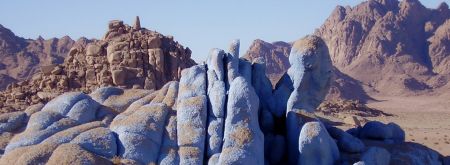
The Blue Desert is not a natural creation like the Black Desert or the White Desert. Also known as Blue Valley, it took its color in 1980 when Belgian artist Jean Verame colored the rocks its rocks.

Experience the magic of Hurghada Egypt. Explore pristine beaches, thrilling water sports, and vibrant nightlife in stunning Hurghada.
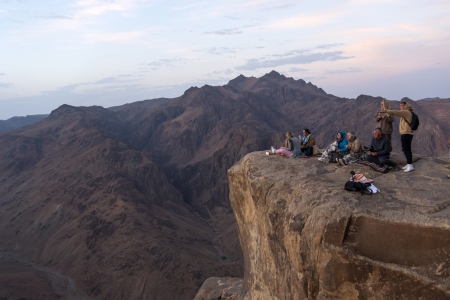
Explore the Sinai Peninsula with our travel guide! Discover top beaches, stunning mountains, and must-see attractions in Egypt's hidden gem.
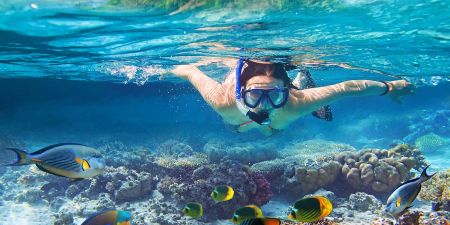
Once a small fishing village and now one of the biggest names in tourism, Sharm El Sheikh is Sinai's major tourism center and one of the world's top diving destinations.
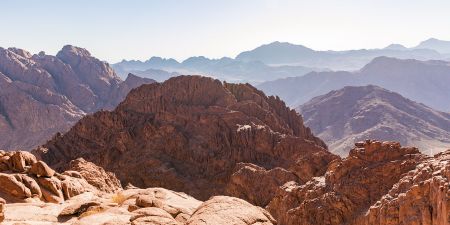
Mount Sinai, also known as Mount Moses and as Jabal Mousa in Arabic, is a mountain in the Sinai Peninsula of Egypt that’s said to be in the same location of the biblical Mount Sinai.
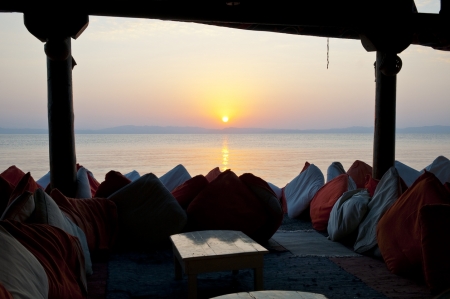
Explore the wonders of Dahab in Egypt on the Red Sea coast. Unwind, dive, and experience the vibrant lifestyle of enchanting Dahab.
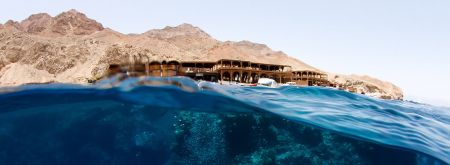
Experience divers, in search of one of the best diving experiences of their lives, come to Dahab for Egypt’s most famous diving site, the Blue Hole.
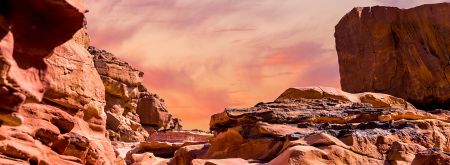
The Colored Canyon is a rock formation on the Sinai peninsula. It is a labyrinth of rocks, some about 40 meters. The colorful rocky canyon is one of those best-kept secrets of Sinai.
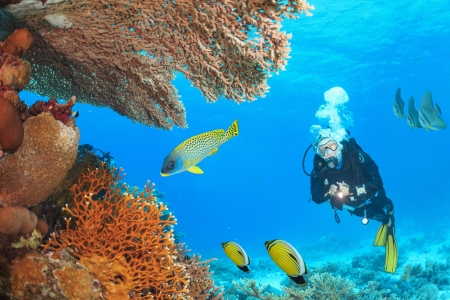
Experience paradise in Marsa Alam Egypt. Enjoy breathtaking beaches, world-class diving, and the tranquility of the Red Sea. Start your journey.
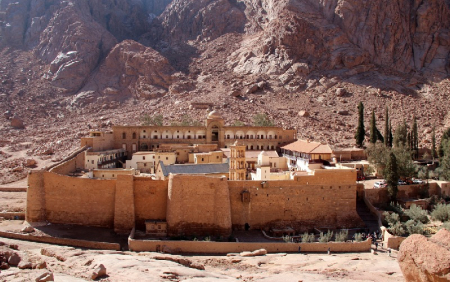
St. Catherine Egypt is a 1,500-year monastery built 548-565 CE on Moses's Burning Bush site. UNESCO Heritage with 3,000+ manuscripts & Codex Sinaiticus.
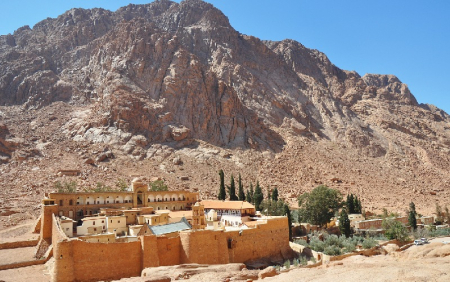
Saint Catherine's at Mount Sinai has housed monks for 1,500 years. Built 548 CE with Burning Bush & world's oldest library including Codex Sinaiticus.