
 Home
Home
Imagine a sanctuary that defies gravity, suspended in mid-air above the ruins of a Roman fortress built two millennia ago. Overhead, the wooden ceiling curves like the hull of an inverted ship; around you, the scent of ancient bakhoor (incense) mingles with the murmurs of a liturgy that echoes the language of the Pharaohs.
Welcome to Al-Muallaqa, known to the world as the Hanging Church.
Located in the heart of Old Cairo (Misr Al-Qadima), specifically within the Coptic Cairo complex, this architectural marvel is not just a tourist attraction; it is the crown jewel of Egyptian Christianity. Officially named the Church of the Virgin Mary, it has stood for nearly 1,700 years as a testament to faith, resilience, and artistic brilliance. Whether you are a history buff, a spiritual seeker, or an architecture enthusiast, the Hanging Church offers a window into a side of Egypt that many overlook.
In this guide, we explore the secrets of its construction, its role as the Vatican of Egypt, and the practical details you need to plan your visit to this sacred site.
The Name and Location: Why is it Called the "Hanging Church"?
The most common question visitors ask when arriving at the gates of Coptic Cairo is: "Is it actually hanging?" The answer lies in the unique geological and historical layering of the site.
Suspended Between Roman Towers
The name "Hanging Church" is a literal translation of the Arabic Al-Muallaqa (pronounced Al-Moo-al-LAH-ka). When the church was originally constructed—likely between the 3rd and 4th centuries AD—it was built directly atop the southern gate of the Babylon Fortress. This massive Roman fortification was situated on the banks of the Nile (which has since shifted course) and served as the empire's military stronghold in Egypt.
The church’s nave was suspended over the passageway between two massive cylindrical towers. In ancient times, the ground level was 20 to 30 feet lower than it is today. Visitors approaching the church would have had to look up to see the structure literally "hanging" above the fortress gate, a powerful symbol of a Christian sanctuary built upon the foundations of Roman military might.
The Changing Geography of Old Cairo
Over the last 1,700 years, the geography of Cairo has shifted. Centuries of accumulated debris, urban construction, and silt deposits have raised the street level significantly. Today, the dramatic "hanging" effect is less pronounced to the naked eye because the ground has risen to meet the church. However, the name remains, preserving the memory of its audacious engineering. If you look closely through panels in the floor during your visit, you can still gaze down into the depths of the Roman fortress below, reminding you of the church's precarious and historic foundation.
A Journey Through History: From Roman Rule to Patriarchal Seat
The Hanging Church is not merely a building; it is a silent witness to the transformation of Egypt from a Pharaonic and Greco-Roman society into a predominantly Christian, and later Islamic, nation.
Ancient Origins (3rd–4th Century AD)
Historical records suggest that a church has occupied this specific site as early as the 3rd century AD, making it one of the oldest Christian sites in Egypt and the Middle East. The earliest iteration of the church was likely a simple structure, built at a time when Christianity was still a persecuted religion under Roman rule. The decision to build atop the fortress was bold—some historians speculate that Christian soldiers stationed within the Babylon Fortress provided protection for early believers.
The 9th Century Reconstruction
The magnificent structure visitors admire today is largely the result of a major reconstruction in the 9th century (roughly 690–700 AD, with further work in the 11th century). By this time, the original building had deteriorated. Under early Islamic rule, the Coptic community had stabilized enough to invest in rebuilding their holiest sites. This era introduced strong Byzantine architectural influences, reflecting the artistic connections between Egyptian Christians and the wider Christian world.
The Headquarters of the Coptic Pope
For centuries, the Hanging Church was the most important church in Egypt. From the 11th to the 13th centuries, it served as the official residence and seat of the Coptic Orthodox Patriarch (Pope).
Before moving to the current Cathedral of Saint Mark, the Hanging Church was the "Vatican" of the Coptic world. Here, patriarchs were elected and consecrated; here, theological councils were held to determine the direction of the faith; and here, the community gathered during times of crisis and celebration. Although the Patriarchal seat has moved, the church retains the prestige and spiritual weight of its former status.
- Coptic Cairo (Old Cairo/Misr Al-Qadima)
- Within Babylon Fortress complex
- 2-minute walk from Mar Girgis Metro Station (Line 1)
- Near Coptic Museum and Ben Ezra Synagogue
- Central location in Old Cairo's religious quarter
- Built atop twin towers of Roman Babylon Fortress
- Originally appeared to "hang" suspended above ground
- Ground level was 20-30 feet below church floor
- Street level has risen over centuries reducing effect
- Arabic name "Al-Muallaqa" means "The Suspended"
Architectural Wonders: What to Look For
Visiting the Hanging Church is a sensory experience. The architecture creates a deliberate journey from the noise of the outside world into a space of profound serenity.
The Ascension and The Exterior
You do not walk into the Hanging Church; you climb to it. Entry requires ascending a steep flight of 29 steps. This is not just a practical necessity due to its elevation; it serves a symbolic purpose. The climb represents a spiritual ascension, leaving the worldly streets of Old Cairo below to enter a sacred space.
At the top of the stairs, you are greeted by a 19th-century portico with three arches. While this is a relatively modern addition, its striped stonework shows clear Ottoman influence, blending seamlessly with the older structure. Above rises a distinctive bell tower, still used today to call the faithful to prayer.
The Interior: The Upside-Down Noah’s Ark
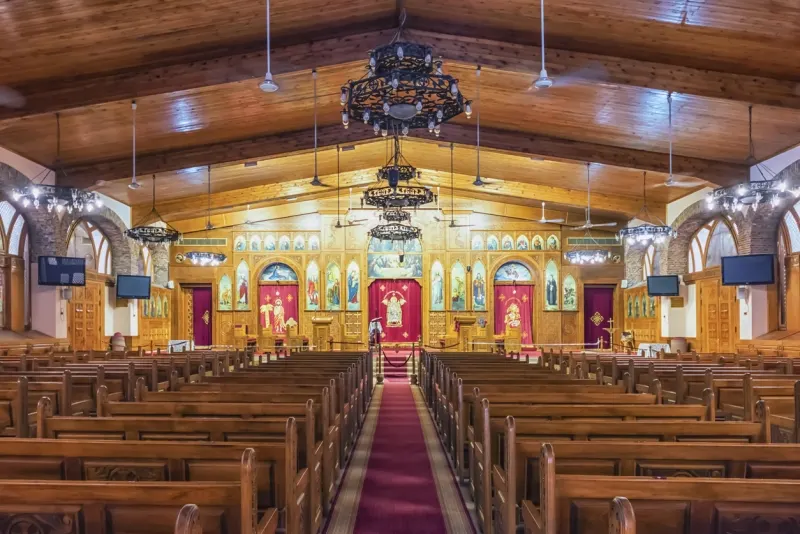
Upon entering the nave, look up immediately. The most distinctive feature of the Hanging Church is its wooden barrel-vaulted ceiling. It was masterfully crafted to resemble the hull of a ship turned upside down.
This is not accidental design; it is theological symbolism. In Coptic tradition, the church is viewed as Noah’s Ark. Just as the Ark saved humanity from the flood, the Church is believed to offer salvation to the faithful. The carpentry is exquisite, utilizing cedar wood and traditional joinery techniques that have held the structure together without modern fasteners for centuries.
The Marble Pulpit
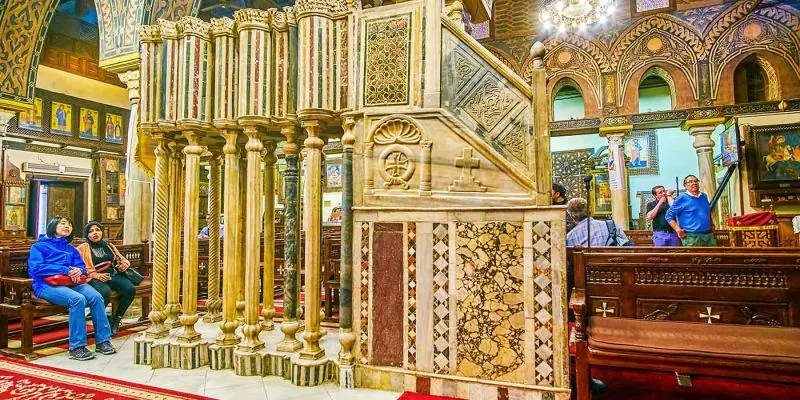
Dominating the nave is a stunning marble pulpit (ambon), resting on 13 slender columns. This, too, is rich in symbolism:
The central column represents Jesus Christ.
The surrounding 12 columns represent the 12 Apostles.
Looking closely, you will see one column is black (representing Judas) and another is grey (representing Thomas, the doubter).
This pulpit is a marvel of medieval engineering—it is actually portable and can be disassembled, a feature rarely seen in churches of this size.
- Famous 10th-century Virgin and Child icon (Egyptian features)
- Ark-shaped wooden ceiling (Noah's Ark symbolism)
- 110+ ancient icons on walls
- Ebony and ivory inlay screens
- 13-columned marble pulpit (Christ + apostles)
- Three sanctuaries dedicated to Virgin Mary, Saint George, John the Baptist
Treasures of Coptic Art: Icons and Screens
The Hanging Church functions as a living museum of Coptic art, housing over 110 icons, the oldest of which date back to the 8th century. In the Orthodox tradition, icons are not merely paintings; they are "windows to heaven," spiritual tools used to focus prayer.
The "Mona Lisa" of Coptic Icons
The most famous piece in the church's collection is the 10th-century icon of the Virgin Mary and Christ Child, located near the entrance of the right sanctuary.
This icon is crucial for understanding the roots of Christianity in Africa. Unlike the Europeanized religious art many are accustomed to, the figures in this icon possess distinctly Egyptian features. The Virgin Mary and Jesus have almond-shaped eyes and olive skin, reminding viewers that Christianity is deeply rooted in Middle Eastern and North African soil. The artistic sophistication—the gold leaf, the expressive eyes, and the emotional depth—demonstrates the high level of culture present in 10th-century Egypt.
The Ebony and Ivory Screens
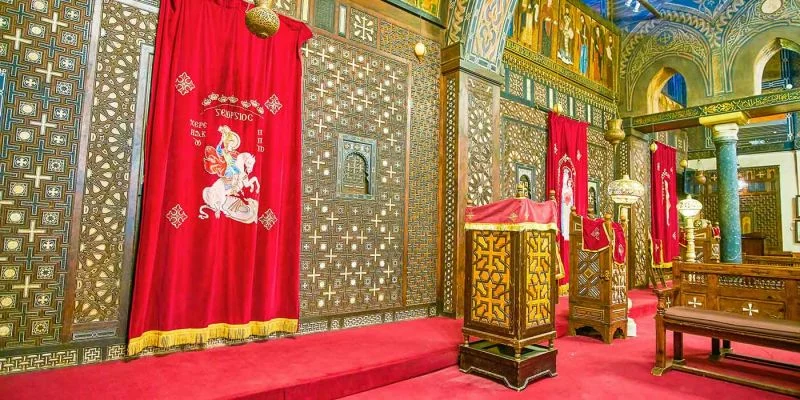
Separating the congregation from the three sanctuaries (Haikals) is the Iconostasis—a magnificent wooden screen. The screen at the main altar is a masterpiece of inlay work. It features geometric patterns made of ebony and ivory, crafted with such precision that no glue or nails were used to hold the thousands of tiny pieces together.
The designs incorporate crosses and Christian symbols but also feature geometric patterns heavily influenced by Islamic art. This "cultural crossover" is a beautiful testament to the coexistence and artistic exchange between Christians and Muslims in medieval Cairo.
Practical Guide: Visiting the Hanging Church
To make the most of your trip to this UNESCO-listed area, here are the logistical details you need.
Location and Transportation
The Hanging Church is located in the Mar Girgis area of Old Cairo. This is one of the easiest tourist sites to reach in the city.
By Metro: The most efficient way to arrive. Take the Cairo Metro (Line 1) to Mar Girgis Station. As you exit the station, you are literally steps away from the Coptic Cairo complex.
By Taxi/Uber: Simply set your destination to "The Hanging Church" or "Coptic Museum." Drivers know this location well.
Opening Hours and Entrance Fees
- Hours: Open daily from 9:00 AM to 4:00 PM.
- Cost: Entrance to the church is free, though donations are appreciated to help maintain the historic structure.
- Best Time to Visit: Try to arrive between 9:00 AM and 10:00 AM. This allows you to beat the tour bus crowds and experience the church in the quiet morning light, which filters beautifully through the stained glass.
Dress Code and Etiquette
As this is an active house of worship, modesty is required.
Clothing: Shoulders and knees should be covered. Avoid shorts, mini-skirts, or tank tops. Women are not strictly required to cover their hair (unlike in mosques), but bringing a light scarf is respectful and useful if you wish to blend in.
Photography: Photography is generally permitted, but flash is strictly forbidden as it damages the ancient pigments of the icons. Always ask permission before photographing clergy or worshippers.
Worship: If a service is in progress (common on Fridays and Sundays), visitors are usually welcome to stand quietly at the back, but touring the aisles may be restricted until the liturgy concludes.
The Perfect Coptic Cairo Circuit
The Hanging Church is part of a dense cluster of historic sites. You can easily spend a half-day exploring the area. Here is a recommended walking route:
- Start at Mar Girgis Metro: Exit and head towards the Roman Fortress walls.
- The Hanging Church: Spend 45–60 minutes here first to avoid crowds.
- The Coptic Museum: Located right next door. It houses the world's largest collection of Coptic artifacts. (Requires a ticket).
- Church of St. Sergius and Bacchus (Abu Serga): A short walk away. This church is built over the cavern where the Holy Family (Jesus, Mary, and Joseph) is believed to have lived during their flight to Egypt.
- Ben Ezra Synagogue: Just behind the Hanging Church, this is Egypt’s oldest synagogue, marking the place where baby Moses was traditionally found in the reeds of the Nile.
Customize Your Dream Vacation!
Get in touch with our local experts for an unforgettable journey.
Plan Your Trip
Why This Site Matters Today
The Hanging Church is more than a relic of the past. It remains a vibrant center of spiritual life. On any given morning, the sound of the Coptic language—the last surviving descendant of the language spoken by the Pharaohs—fills the air.
For the traveler, Al-Muallaqa offers a unique perspective on Egypt. It moves the narrative beyond the Pyramids and Sphinx, revealing a layer of history where Roman engineering, Christian faith, and Islamic art intersect. It serves as a reminder of Egypt's multicultural identity and the enduring power of faith.
Whether you are admiring the "hanging" architecture, gazing into the eyes of a 1,000-year-old icon, or simply sitting in the quiet nave inhaling the scent of incense, a visit to the Hanging Church is a journey into the soul of Egypt.
Next Steps for Your Visit:
Check the date of your visit: If you are in Cairo on January 7th (Coptic Christmas), the area will be festive but extremely crowded.
Download a map of "Old Cairo" or "Mar Girgis" to your phone for offline navigation.
Bring small bills for donations or to purchase candles in the vestibule to light a prayer for your journey.
- Site used for Christian worship since 3rd-4th century AD
- Current structure primarily from 9th century (690-700 AD)
- Major renovations in 11th century
- 19th-century portico added to facade
- Contains 10th-century icons and medieval artwork
- One of Egypt's oldest Christian sites
- Modest clothing covering shoulders and knees
- Women should bring headscarves for head covering
- Remove shoes when indicated
- Respectful attire in active worship space
- No shorts, tank tops, or revealing clothing
- Comfortable shoes for climbing stairs
- Yes, services held regularly in Coptic and Arabic
- Visitors welcome to attend respectfully
- Sit/stand in back, follow congregation's lead
- Ancient Coptic liturgy still used (descendant of ancient Egyptian)
- Beautiful chanting and incense ceremony
- Check service times before visiting
- Quick visit: 20-30 minutes to see main features
- Thorough exploration: 45-60 minutes examining details
- Guided tour: 1-1.5 hours with historical context
- Combine with other Coptic Cairo sites: 2-3 hours
- Allow extra time for photography
- Best experienced without rushing
- Coptic Museum (2 minutes) - essential for context
- Church of Saint Sergius (3 minutes) - Holy Family site
- Ben Ezra Synagogue (3 minutes) - Cairo Geniza
- Saint Barbara's Church (3 minutes)
- Babylon Fortress walls (throughout area)
- Amr ibn al-As Mosque (10-minute walk)
- Perfect for half-day Coptic Cairo tour

The Egyptian Museum houses 120,000+ artifacts including hidden treasures like the Narmer Palette, Khufu's tiny statuette, and the Dush Treasure beyond Tutankhamun's fame.
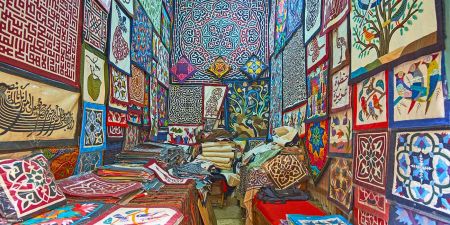
Step into Cairo’s Khayamiya Tentmakers Bazaar and admire exquisite appliqué art. Uncover the beauty of Egyptian textiles and local craftsmanship.
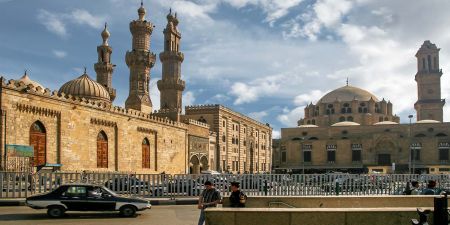
Explore Islamic Cairo's best mosques, bustling bazaars, and architectural marvels in this essential guide to the city's timeless attractions.
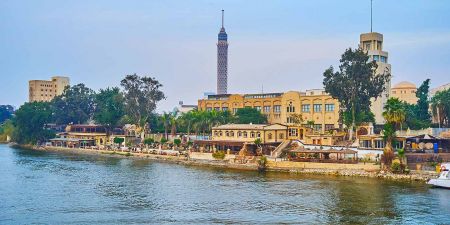
Explore Zamalek Cairo, a chic island district on the Nile. Find attractions, restaurants, and culture in our complete Gezira guide.
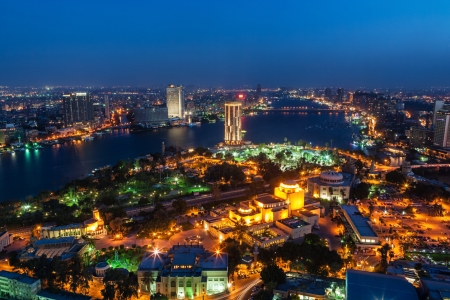
Explore Downtown Cairo, Egypt’s modern heart. Uncover Belle Époque architecture, lively streets, and rich city culture in one destination.

Visit The Hanging Church Cairo to witness a unique Coptic marvel on Roman towers. Learn about its fascinating past and cultural significance.
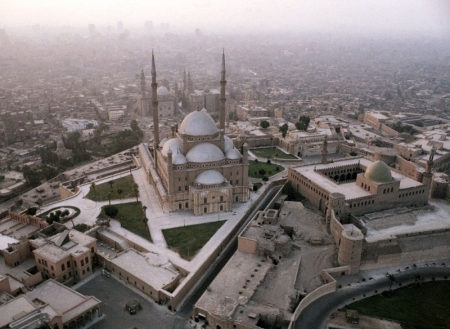
Visit Salah El-Din Citadel Cairo with our guide to its iconic mosques, fortress walls, and centuries of captivating history.
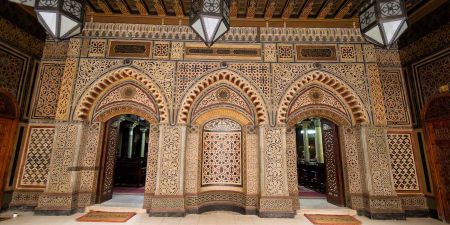
Uncover the timeless allure of Old Cairo. Journey through Coptic Cairo's ancient churches, fascinating history, and cultural treasures now.
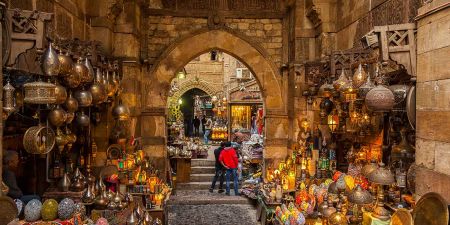
Visit Khan el-Khalili Cairo, a must-see bazaar renowned for its rich history, bustling shops, and authentic Egyptian experience.
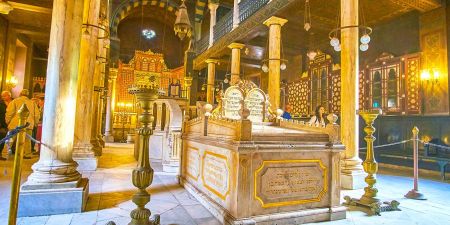
Discover the rich history of Ben Ezra Synagogue Cairo, a stunning landmark of Jewish heritage nestled in the heart of Coptic Cairo.
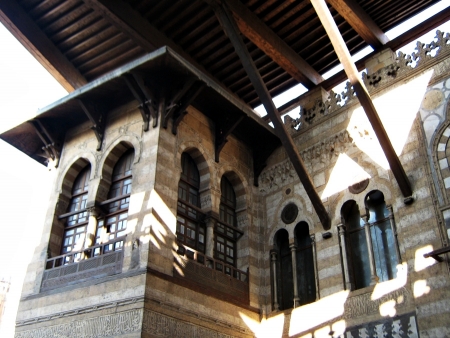
Experience the charm of El Ghorya Cairo, a stunning Mamluk complex renowned for its breathtaking Tanoura dance shows and rich heritage.
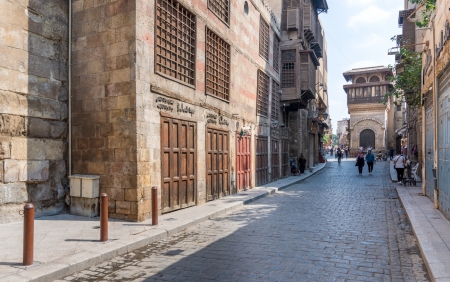
Uncover the beauty of Al Aqmar Mosque Cairo. Learn about its history, architectural wonders, and essential visitor tips in this comprehensive guide.
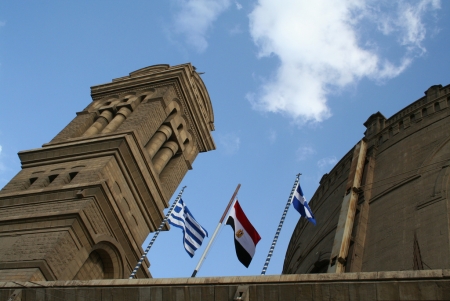
The Coptic Museum lies behind the walls of the famous Roman fortress of Babylon in the ancient district of Cairo (Misr Al-Qadima).
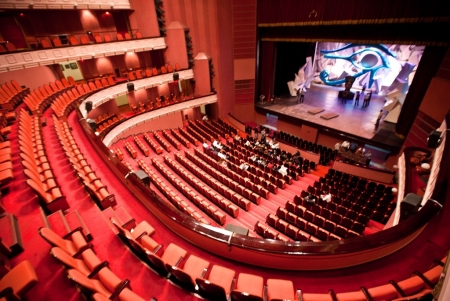
Discover the history and charm of the Cairo Opera House, Egypt’s hub for music, ballet, and cultural performances. Plan your visit today.
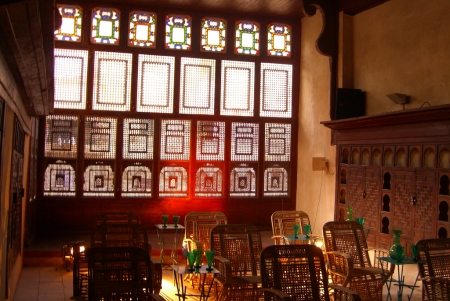
Discover Bayt Al Suhaymi Cairo—an authentic glimpse into Ottoman life. Visit beit el seheimy for rich architecture, culture, and history.
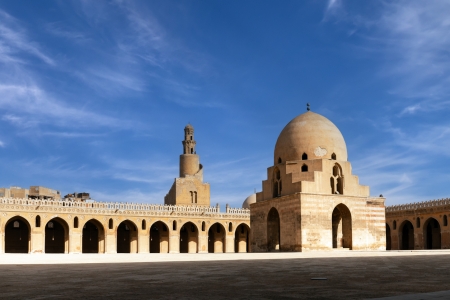
Step into history with Ahmed Ibn Tulun Mosque. Learn about its stunning architecture, captivating past, and importance in Islamic culture.
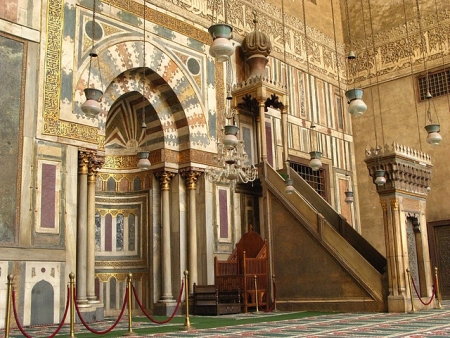
Unveil the fascinating history of the Mosque and Madrasa of Sultan Hassan, Cairo’s iconic Mamluk monument celebrated for its grandeur and artistry.
Explore the Museum of Islamic Art, Doha’s cultural gem. Witness stunning collections where the story of Islamic art and history beautifully unfolds.
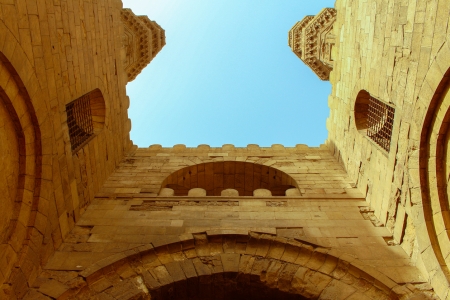
Journey through Old Cairo’s history at Bab Zuweila. Uncover stories, architecture, and secrets of this legendary city gate.

Journey into Egypt’s past at the Mosque of Amr ibn al-As. Learn its history and explore this cornerstone of Islamic culture in Cairo.
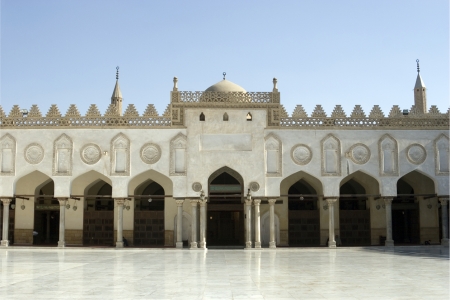
Uncover the significance of Al Azhar Mosque, Cairo’s grand mosque and prestigious university—a cornerstone of Islamic heritage and learning.

Visit Sultan Al Mansur Qalawun Mosque in Islamic Cairo—Marvel at this Mamluk masterpiece and learn about its fascinating historical significance.
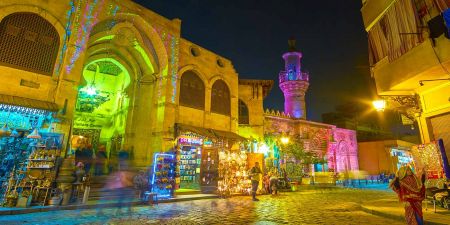
Discover the wonders of Al-Muizz Street Cairo—immerse yourself in stunning Islamic architecture, lively bazaars, and rich cultural heritage.