
 Home
HomeThe Old Kingdom of Ancient Egypt
The Old Kingdom of Ancient Egypt is the foundation upon which all of Egypt’s long and storied history has been built.
.jpg "The Old Kingdom of Ancient Egypt")
Ancient Egypt | old Kingdom
The Old Kingdom of Ancient Egypt is the foundation upon which all of Egypt’s long and storied history has been built. It was during this period from 2686 to 2181 BC when people living in the Nile Valley first began to produce the art and architecture that we still count among the most impressive ancient feats in history. Ancient Egypt consists of small regional chiefdoms with separate gods, rulers and government before the old kingdom establishment.
When was the Old Kingdom of Egypt?
The “Old Kingdom” is a timeline during the ancient Egypt. It ruled ancient egypt from 2575 BC to 2150 BC which consists of 4, 5, 6, 7 and 8 Dynasties with 25 Pharaohs.The fourth and fifth dynasty were the main old kingdom dynasties while some archaeologists consider the third dynasty as a critical period.
over 400 years, Egypt had a strong central government and economy. The most famous about Ancient Egypt Old Kingdom is the built of the pyramids thus, it called the “age of the pyramids” or “age of the pyramid builders”.
What time period considered old kingdom in ancient Egypt ?
The old kingdom time period in ancient Egypt is when the great pyramids and the great sphinx were built, pyramids construction took place in the early period in the old kingdom. This period of time was highlighted with the progress of management, architecture, painting, sculpture, transportation, food distribution, astronomy and sanitation.
Primary Information about Ancient Egypt Old Kingdom
Capital: Memphis
Religion: Ancient Egyptian religion
Population: one million and half
Government: Divine absolute monarchy
Common languages: Ancient Egyptian
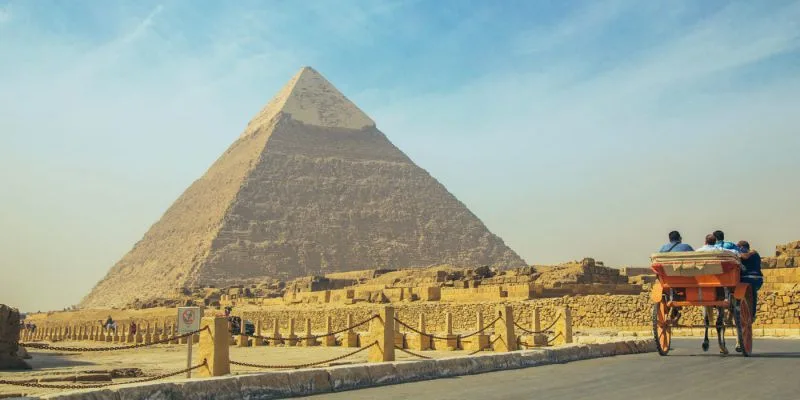
Key characteristics of the Old Kingdom include:
- strict centralised rule under divine kings
- Innovations in architecture and engineering
- Development of the pyramid as the royal tomb
- Growth of administrative systems
- Artistic refinement in sculpture, relief, and pottery
The stability of the kingdom allowed rulers to undertake grand construction projects that still stand thousands of years later.
The Rise of the Pharaoh
In the Old Kingdom, the pharaoh was seen as a god on earth—the living Horus and the son of the sun god Ra. This belief system justified the ruler’s absolute power and helped unify the kingdom.
The pharaoh’s responsibilities included:
- Maintaining ma’at (universal order)
- Overseeing administration
- Directing construction and agriculture
- Performing major religious rituals
This divine kingship gave Egypt the stability needed to build massive pyramids and temples.
Key pharaohs include Djoser, Sneferu, Khufu, Khafre, Menkaure, and Pepi II, each contributing to Egypt’s architectural and cultural legacy.
Major Dynasties of the Old Kingdom
The 3rd Dynasty
The era began with King Djoser, whose reign transformed Egyptian architecture. His architect Imhotep designed the Step Pyramid of Saqqara, the first large-scale stone monument in history.
The 4th Dynasty
This dynasty produced the greatest pyramid builders:
- Sneferu, who constructed the Bent Pyramid and Red Pyramid
- Khufu, builder of the Great Pyramid of Giza
- Khafre, associated with the Great Sphinx
- Menkaure, creator of the smallest of the three main Giza pyramids
These kings elevated Egypt’s architectural achievements to extraordinary levels.
The 5th Dynasty
Rulers focused more on religious institutions, particularly the sun temples. Texts known as the Pyramid Texts, among the oldest religious writings in the world, were first inscribed during this time.
The 6th Dynasty
The power of the central government weakened, leading eventually to the decline of the Old Kingdom. However, kings like Pepi II contributed to artistic and administrative development.

Customize Your Dream Vacation!
Get in touch with our local experts for an unforgettable journey.
Plan Your Trip
Society and Daily Life
Daily life in the Old Kingdom was closely tied to agriculture, religious beliefs, and the authority of the king.
Key elements of Old Kingdom society:
- Nobles and officials: Managed administration, temples, and provinces
- Skilled workers: Craftsmen, artists, carvers, and builders
- Farmers: The majority of the population, supporting the economy
- Priests: Maintained temples and religious ceremonies
Egypt’s stable climate and the annual flooding of the Nile allowed people to grow crops efficiently, creating surplus wealth that supported pyramid construction.
Religion and Beliefs
Religion played a central role in Old Kingdom life.
Key religious concepts include:
- Ma’at: The principle of order and balance
- Ka and Ba: Spiritual components of the soul
- Afterlife: A journey requiring preservation of the body and elaborate funerary rituals
The Old Kingdom is also known for:
- The development of pyramid complexes
- Introduction of funerary texts
- Expansion of the priesthood and temple estates
These religious structures reflected the importance of the afterlife and the divine nature of the king.
Art and Architecture
The Old Kingdom produced some of the most remarkable art and architecture in human history.
Architectural achievements:
- The first true pyramids
- Valley temples and mortuary temples
- Advanced stone-cutting and transportation techniques
- Complex causeways linking temples to tombs
Artistic achievements:
- Lifelike statues of kings and officials
- Masterfully carved relief scenes
- Wooden models of daily life activities
- High-quality jewelry, pottery, and offering tables
The precision of Old Kingdom craftsmanship continues to amaze visitors and scholars.
Major Attractions from the Old Kingdom (Must-Visit Sites)
Travellers exploring Egypt today can experience the heart of Old Kingdom civilisation through several iconic archaeological sites.
1. The Pyramids of Giza
The most famous landmarks from the Old Kingdom.
Highlights include:
- Great Pyramid of Khufu, one of the Seven Wonders of the Ancient World
- Khafre Pyramid, with the best-preserved casing stones
- Menkaure Pyramid, known for its harmonious proportions
2. The Great Sphinx
Believed to represent King Khafre, the Sphinx is the largest monolithic statue ever carved and a symbol of ancient Egyptian power.
3. Saqqara Necropolis
Saqqara is one of the richest archaeological areas in Egypt.
Must-see sites include:
- Step Pyramid of Djoser, the first pyramid in history
- Pyramid of Unas, containing the earliest Pyramid Texts
- Tombs of nobles, known for vivid scenes of daily life
- Serapeum, burial place of the sacred Apis bulls
4. Dashur
A peaceful desert site featuring two of the most important pyramids built by King Sneferu:
- The Bent Pyramid
- The Red Pyramid, considered the first successful true pyramid
5. Abu Rawash
Home to the ruins of the pyramid of Djedefre, offering panoramic desert views.

Economy and Trade in the Old Kingdom
Egypt’s prosperity during this period depended heavily on agriculture, made possible by the annual flooding of the Nile.
Main economic activities included:
- Farming (wheat, barley, vegetables)
- Cattle raising
- Mining expeditions for copper, gold, and turquoise
- Trade with Nubia, Sinai, and the Levant
This economic stability gave Egypt the resources to build monumental pyramids.
Legacy of the Old Kingdom
The Old Kingdom’s achievements shaped Egyptian civilization for thousands of years.
Its lasting legacy includes:
- The creation of pyramid architecture
- Advanced stone masonry
- Artistic and cultural models copied by later dynasties
- Perfected administrative systems
- A worldview centered on divine kingship
Today, the monuments from this era are some of the most visited historical sites in the world, forming the core of Egypt’s tourism identity.
The Old Kingdom of Ancient Egypt is one of the most remarkable periods in human history. Its incredible pyramids, artistic masterpieces, and sophisticated society continue to inspire awe among modern travelers. Visiting Giza, Saqqara, and Dashur offers a journey back to a time when Egypt built wonders that still stand proudly after more than 4,500 years.
For anyone exploring Egypt, the Old Kingdom is not just history—it is the foundation of the country’s cultural identity and a highlight of every Egypt travel experience.
Discover iconic Old Kingdom sites with Egypt tours. Visit Giza, Dashur, and Saqqara while learning about Egypt’s fascinating past.
The Old Kingdom of Ancient Egypt (c. 2686–2181 BCE) is known as the “Age of the Pyramids,” when Egypt saw the rise of pharaohs, pyramids, and centralized kingship.
Iconic sites include the Pyramids of Giza, the Great Sphinx, Saqqara Necropolis, Dashur (Bent and Red Pyramids), and Abu Rawash ruins.
Religion played a central role, with pharaohs seen as gods on earth. Practices included pyramid complexes, funerary texts, and worship of deities like Ra.
The best seasons are spring (March–May) and autumn, when the weather is moderate and suitable for exploring pyramids, desert sites, and archaeological areas.
Its legacy includes pyramid architecture, advanced stone masonry, art, cultural models, and administrative systems that influenced later Egyptian civilizations.

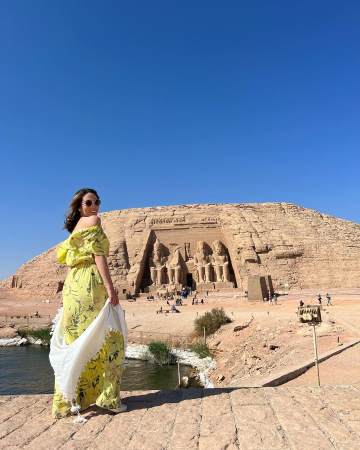
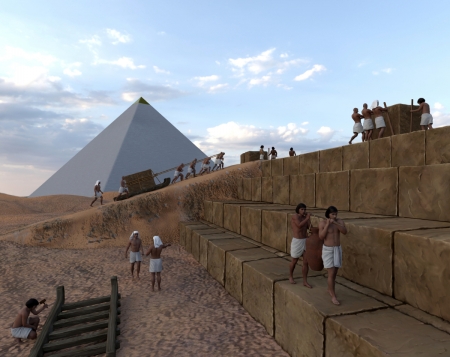
Explore life, religion, and architecture in the old kingdom of ancient Egypt. Learn more and prepare your trip to Egypt’s ancient wonders today.
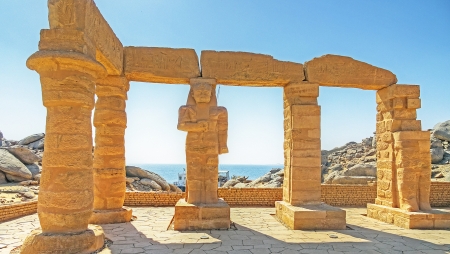
Middle Kingdom of Egypt: Archaeologists refer to the second period of stability in Ancient Egypt as the Middle Kingdom (2055–1650 BC)
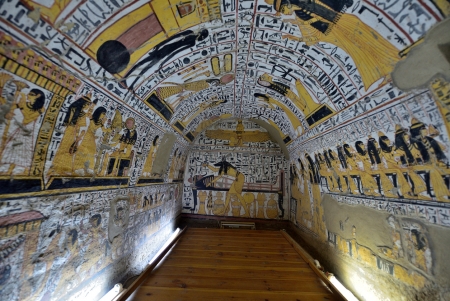
Uncover the glory of the New Kingdom of Ancient Egypt—learn about its pharaohs, remarkable power, and lasting cultural legacy.

Discover the incredible story of Queen Hatshepsut, Egypt's most famous female pharaoh. Explore the legacy of pharaoh queen hatshepsut.

Ramesses II, or Ramesses the Great, is one of the most famous figures in the history of Ancient Egypt.

Learn about the Greco-Roman period in Egypt and the must-see sites shaped by Greek, Roman, and Egyptian culture. Start planning your trip today.

Discover the fascinating life, reign, and lasting legacy of Queen Cleopatra, Egypt’s iconic and influential last pharaoh.
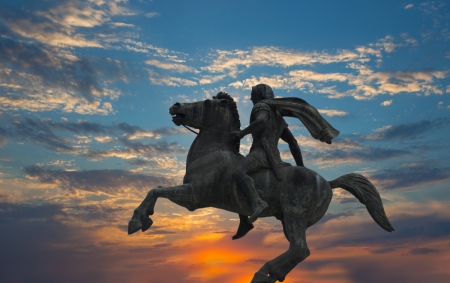
Follow Alexander the Great’s path across Egypt—historic cities, temples, and oases await. Discover history and plan your epic trip today.

Learn about Islamic Egypt’s transformation under powerful dynasties. Discover the stories that shaped Cairo’s history!
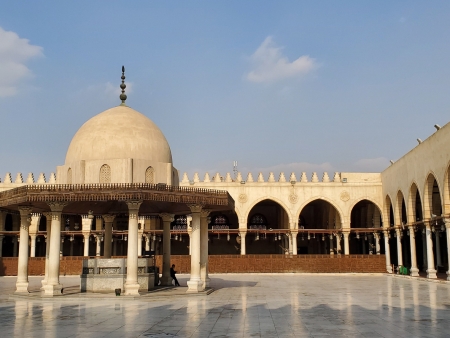
Learn about Amr Ibn Al-As: his life story, legacy, and vital role in shaping early Islamic history. Explore history's influential figures today.
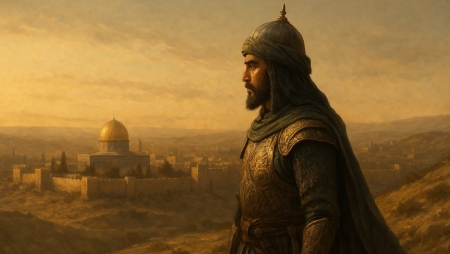
Learn about Salahuddin Ayyubi and his impact on Egypt. Visit monuments, uncover fascinating stories, and plan your historical adventure now!
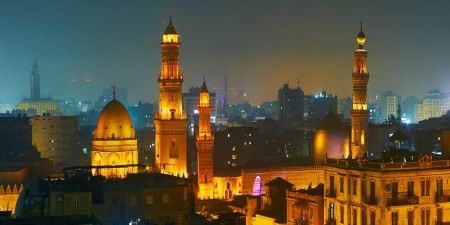
Journey through Ottomans in Egypt and witness the final chapters of Mamluk history. Get expert insights—start exploring the article today.

Learn how Mohamed Ali Egypt shaped the nation’s future. Uncover his achievements, reforms, and enduring legacy in Egyptian history.
Uncover the dynamic story of Modern Egypt, tracing its journey and major transformations. Dive into the history that defines modern Egypt.