
 Home
Home
Turkey is one of the most underrated mountaineering destinations in the region. Beyond its beaches and ancient cities rises a remarkable collection of high peaks: a near-5,200-metre volcanic giant on the eastern border, glacier-carved ranges above the Black Sea, sharp limestone summits in the central Taurus, and remote alpine country near the Iraqi frontier. For climbers, it offers everything from a guided high-altitude expedition to non-technical summer summits with sweeping views, often with a fraction of the crowds you'd find in the Alps.
This guide covers Turkey's main mountaineering peaks, the best seasons to climb them, a typical Mount Ararat ascent, and the safety essentials for high-altitude climbing in the country. Climbers drawn to Turkey's limestone crags and bouldering will find those covered separately in our guide to rock climbing in Turkey.
Mount Ararat (Ağrı Dağı)
At 5,137 metres, Mount Ararat is Turkey's highest mountain and one of its most iconic climbs. This snow-capped, dormant volcano rises in dramatic isolation near the borders with Armenia and Iran.
Despite its height, the standard southern route is a non-technical climb, meaning no rock or ice-climbing skills are required. What it does demand is fitness, proper acclimatization, and the ability to use crampons and an ice axe on the summit snowfields. The first recorded ascent was made by Friedrich Parrot in 1829.
Climbing Ararat requires an official permit arranged in advance, and the mountain should only be attempted with a licensed guide. The season runs from late June to early September, when the weather is most stable, though strong winds and sub-zero temperatures are possible at the summit even in midsummer.
The Kaçkar Mountains
Rising between the eastern Black Sea coast and the highlands, the Kaçkar Mountains are Turkey's premier alpine range. The highest peak, Kaçkar Dağı, stands at 3,937 metres and is surrounded by glacial lakes, granite ridges, summer pastures (yaylalar), and traditional stone villages, making the approach as memorable as the climb.
The main summit is reached by non-technical scrambling routes in good summer conditions, while the range also offers harder lines for experienced alpinists. The wider season is July to early September; snow lingers on the high passes well into June. The Kaçkars are wetter and greener than the rest of mountainous Turkey thanks to Black Sea moisture, so the weather can change quickly, and a local guide is strongly recommended. The valley approaches make excellent trekking in Turkey in their own right.
The Aladağlar Range
Part of the central Taurus Mountains, the Aladağlar ("Crimson Mountains") are Turkey's most alpine-feeling range, a compact cluster of sharp limestone peaks, deep valleys, and karst plateaus. The highest summit, Demirkazık, reaches 3,756 metres and is a classic mountaineering objective with several routes of varying difficulty.
This is serious mountain terrain: loose rock, big elevation gains, and exposed ridgelines reward experienced climbers with some of the finest high-mountain scenery in the country. The main season runs June to September. Base camps are typically set in the valleys around Demirkazık village, with summit days starting before dawn.
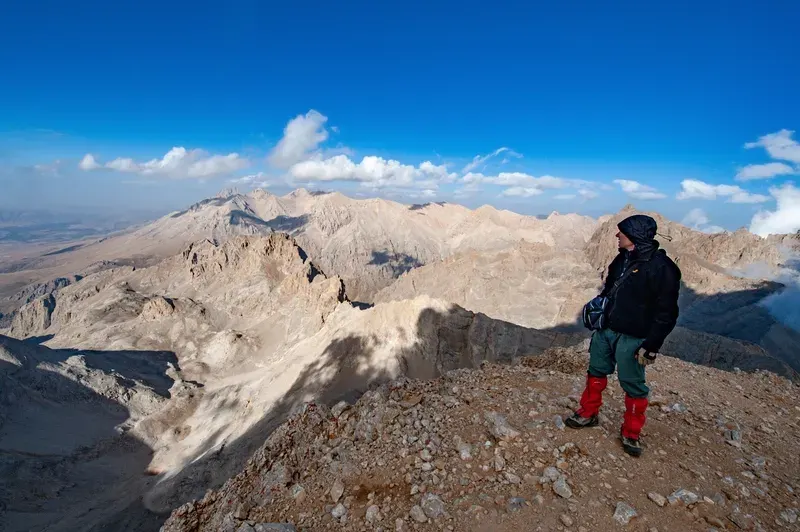
The ideal seasons for mountain climbing in Turkey vary depending on the region. For most areas, summer months (June to September) offer the best conditions. However, some locations like Geyikbayırı are popular for winter climbing from October to April.
Mount Ararat (Ağrı Dağı), Turkey's highest peak at 5,137 meters, is often regarded as the most challenging. It requires proper acclimatization and presents significant altitude-related difficulties, making it suitable for experienced mountaineers.
Yes, Turkey offers numerous beginner-friendly routes. The Antalya region, particularly Geyikbayırı, features over 1,000 sport routes across all difficulty levels, including many suitable for beginners. The Cimbar Valley in Aladağlar National Park also offers easier routes for novice climbers.
Mount Erciyes
Overlooking the city of Kayseri in central Anatolia, Mount Erciyes is a dormant volcano reaching 3,864 metres. Its proximity to Cappadocia makes it a natural add-on for travellers already exploring the region's valleys and fairy chimneys.
In summer, it offers a strenuous but non-technical ascent to the summit, with snow and ice possible near the top requiring crampons. In winter, Erciyes transforms into Turkey's largest ski resort, with dozens of kilometres of pisted slopes and modern lifts, making it one of the country's best spots for skiing in Turkey and a genuine year-round mountain destination.
The Cilo-Sat Mountains
In the far southeast, near Hakkari, the Cilo-Sat range holds some of Turkey's wildest and most spectacular high country. Mount Uludoruk (Reşko), at around 4,135 metres, is the second-highest peak in the country and home to the southernmost glaciers in the region.
This is remote, committing terrain suited to experienced and well-prepared mountaineers, with genuine glacier travel and few facilities. The reward is solitude and alpine scenery that very few climbers ever see. A qualified local guide and careful logistical planning are essential here.
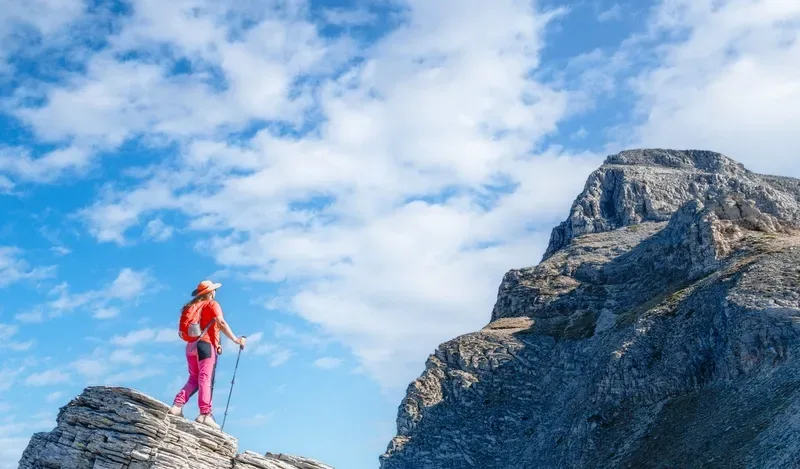
Essential equipment varies depending on the specific mountain and route. Generally, it includes sturdy hiking boots, warm and waterproof clothing, a helmet, harness, ropes, carabiners, and potentially crampons and ice axes for higher or snow-covered peaks.
Absolutely. Many mountain regions in Turkey offer excellent winter sports opportunities. For instance, Mount Erciyes has developed into a significant winter sports destination, featuring Turkey's largest ski resort with over 55 kilometers of slopes and more than 12 ski lifts.
Customize Your Dream Vacation!
Get in touch with our local experts for an unforgettable journey.
Plan Your TripBest Time for Mountain Climbing in Turkey
Season is everything in Turkish mountaineering, because nearly all the high peaks are snow-bound for much of the year.
The core climbing season runs from June to September, when snow on the high routes has consolidated or cleared, and the weather is most settled. July and August are the most reliable months for Ararat, the Kaçkars, and Cilo-Sat. Late spring and early autumn can work for lower summits but bring more unstable weather and lingering snow on the passes. Winter is for ski-mountaineering and experienced alpinists only; most non-technical summer routes become serious undertakings once the snow returns.
As a rule, if your goal is a summit rather than a winter expedition, aim for July or August.
Safety and Preparation
High-altitude climbing carries real risks, and Turkey's remote ranges leave little margin for error. A few essentials apply to every peak on this list.
Acclimatize properly. On high peaks like Ararat, altitude sickness is the most common reason climbers fail to summit. Build rest and acclimatization days into your schedule and ascend gradually.
Climb with a licensed guide. For Ararat, a guide is effectively mandatory (and tied to the permit system), and it's strongly advised on the Kaçkars, Aladağlar, and Cilo-Sat, where navigation, glaciers, and fast-changing weather demand local knowledge.
Carry the right equipment. Even non-technical summer summits need sturdy mountaineering boots, crampons, an ice axe, layered warm and waterproof clothing, a helmet on rocky peaks, and sun protection for snow glare. Glaciated routes require rope, harness, and crevasse-rescue gear.
Respect turnaround times. Set a fixed time to turn back regardless of how close the summit is. Afternoon weather deterioration is common, and most mountain accidents happen on the descent.
Sort permits and paperwork early. Ararat in particular requires permits arranged well in advance, and some eastern border regions have additional access considerations — another reason to climb with an established operator.
Plan Your Climb
From the legendary slopes of Mount Ararat to the glacier-carved Kaçkars and the limestone spires of the Aladağlar, Turkey offers world-class mountaineering for fit, well-prepared climbers. The combination of high summits, rich culture in the valleys below, and relatively light crowds makes it a standout destination.
If you'd like the permits, guides, transfers, and acclimatization schedule arranged for you, tell us your target peak, dates, and experience level, and we'll help build the right climbing itinerary.


Explore Turkey's stunning landscapes with trekking adventures! From Cappadocia's valleys to the Lycian Way, discover scenic trails for all skill levels!
Turkey offers incredible mountain climbing experiences, from the legendary Mount Ararat to the rugged Kaçkar Mountains, catering to adventurers of all skill levels!
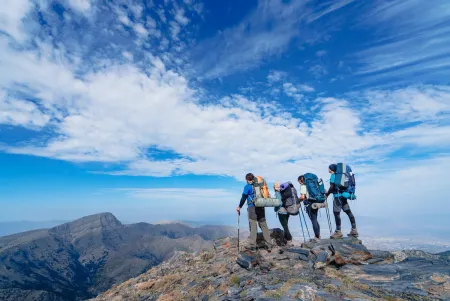
Discover Turkey's best rock climbing, from Geyikbayırı's tufas to Olympos and Aladağlar — routes for every level!
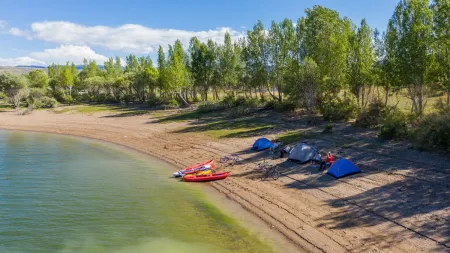
Sleep beside the sea, under the stars, or among ancient ruins — Turkey is one of the world's most varied camping destinations.
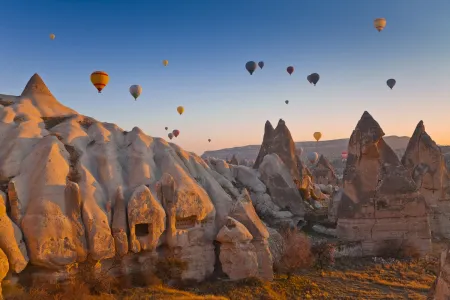
Turkey's spectacular caves—from the ancient depths of Dim Cave to the underground wonders of Cappadocia—offer thrilling speleology adventures for both beginners and expert cavers!
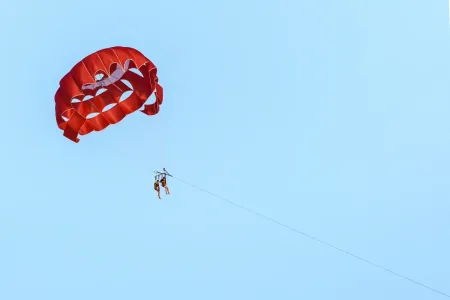
Experience the thrill of parachuting in Turkey! Soar over stunning landscapes in Ölüdeniz, Pamukkale & more. Tandem jumps for beginners & pros. Read now!