
 Home
Home
Saqqara is a vast ancient necropolis south of Cairo that served as Memphis’s main burial ground for over 3,000 years. It is home to the Step Pyramid of Djoser—the world’s oldest large stone monument—along with many pyramids, richly decorated tombs, underground chambers with the earliest religious texts, and the Serapeum of the sacred Apis bulls.
Less famous than Giza but more archaeologically diverse, Saqqara reveals the evolution of pyramid building, Egyptian beliefs, and daily life across millennia. Ongoing discoveries, such as the 2020 unearthing of over 100 sealed sarcophagi, confirm its continuing importance as a living archaeological site.
The Step Pyramid of Djoser
Revolutionary Architecture
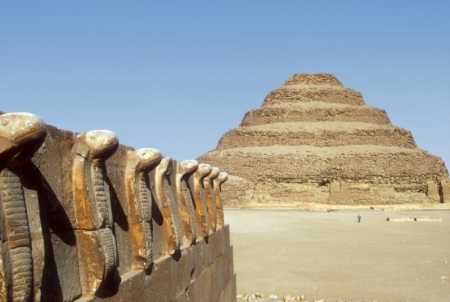
The Step Pyramid of Djoser, built for 3rd Dynasty Pharaoh Djoser (ruled circa 2650 BC), represents a revolutionary leap in Egyptian architecture—the transition from mud-brick mastaba tombs to monumental stone pyramid construction. Designed by vizier and architect Imhotep (later deified for his genius), this six-stepped pyramid rising 62 meters (203 feet) marked the first major stone building in Egypt and established the pyramid form that would define Old Kingdom royal architecture.
Dimensions:
- Height: 62 meters (203 feet)
- Base: 109 meters × 125 meters
- Construction: Six-layered steps (mastabas stacked)
- Material: Local limestone
Architectural Innovation:
- First major stone building in Egypt
- Introduction of stone column architecture
- Large-scale complex planning
- Transitional design toward true pyramids
Imhotep: Djoser's architect Imhotep achieved such fame that later generations worshipped him as god of wisdom and medicine, identified with
Greek god Asclepius.
The Complex
The Step Pyramid sits within an elaborate complex surrounded by 10.5-meter-high limestone enclosure wall featuring bastions and a single entrance. This complex, covering 15 hectares, includes numerous structures:
- Entrance Colonnade: 40 columns (first stone columns in history) leading to complex
- South Tomb: Mysterious structure possibly for king's internal organs (canopic jars)
- Heb-Sed Court: For jubilee festival structures
- House of the North and South: Symbolic shrines representing Upper and Lower Egypt
- Mortuary Temple: Against pyramid's north face for offering rituals
Visiting:
- Entry Fee: Included in Saqqara general admission
- Interior Access: Usually closed, but when open provides spectacular underground chambers
- Duration: 60-90 minutes for complex exploration
- Highlights: Revolutionary architecture, enclosed complex, historical significance
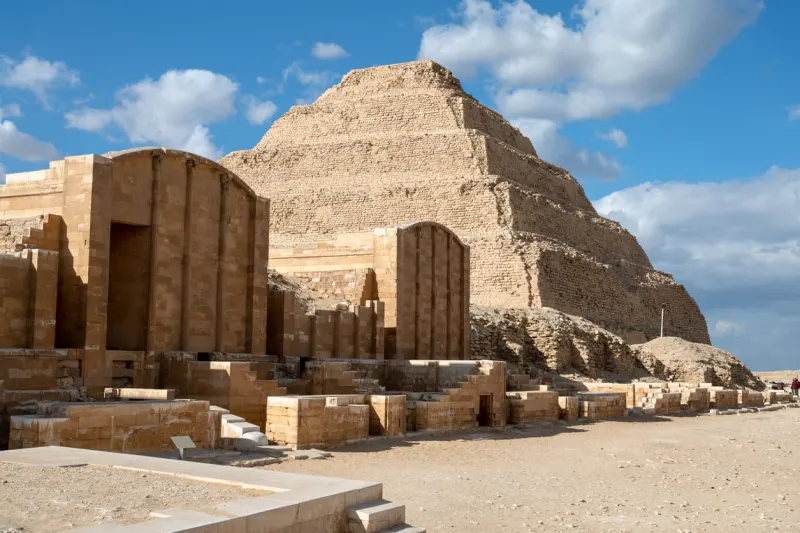
You'll find Saqqara approximately 30 km south of Cairo near the ancient capital of Memphis. The site is 45-60 minutes drive from central Cairo and often combined with Memphis and Dahshur in full-day tours. It's about 30-45 minutes south of the Giza Pyramids.
You'll see the Step Pyramid of Djoser—Egypt's oldest major stone building (circa 2650 BC) and first pyramid, designed by architect Imhotep for Pharaoh Djoser. Rising 62 meters in six steps, it revolutionized Egyptian architecture, transitioning from mud-brick mastabas to monumental stone pyramids.
Other Pyramids at Saqqara
Pyramid of Unas
The Pyramid of Unas (5th Dynasty, circa 2350 BC), last pharaoh of the 5th Dynasty, appears modest externally (now badly ruined) but contains extraordinary interior—the first pyramid featuring Pyramid Texts, oldest religious literature in the world.
Pyramid Texts: Hieroglyphic spells, prayers, and incantations carved into burial chamber walls ensuring king's successful afterlife journey. These texts profoundly influenced later religious literature including coffin texts and Book of the Dead.
Features:
First pyramid with Pyramid Texts
Beautiful blue-painted hieroglyphs in burial chamber
Causeway reliefs showing famine scenes
Visiting: Usually open, worthwhile for Pyramid Texts viewing
Pyramid of Teti
The Pyramid of Teti (6th Dynasty, circa 2345-2323 BC) also features Pyramid Texts in excellent condition. The pyramid's exterior is heavily ruined, but interior passages and burial chamber are well-preserved and accessible.
Features:
- Pyramid Texts in burial chamber
- Well-preserved interior
- Mastaba tombs of nobles nearby
Other Pyramids
Saqqara contains numerous other pyramids in various states of preservation:
- Pyramid of Userkaf (5th Dynasty)
- Pyramid of Pepi I (6th Dynasty)
- Pyramid of Pepi II (6th Dynasty) - longest-reigning pharaoh
- Pyramids of queens and nobles
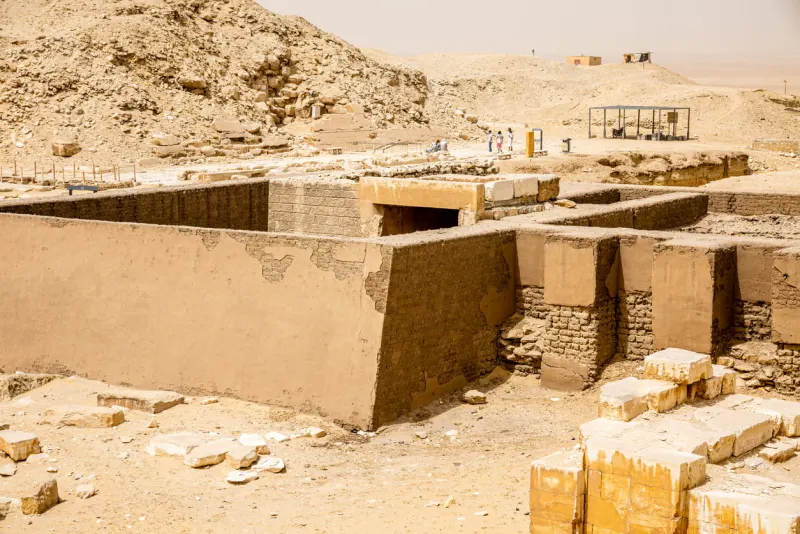
Magnificent Mastaba Tombs
Mastaba of Ti
The Mastaba of Ti, one of Saqqara's best-preserved and most beautifully decorated tombs, belonged to Ti, a high official serving three 5th Dynasty pharaohs. The tomb features spectacular reliefs depicting daily life, agricultural scenes, craftsmen at work, and offering processions in remarkable detail.
Highlights:
- Agricultural scenes (plowing, harvesting, threshing)
- Cattle herding and market scenes
- Craftsmen (metalworkers, carpenters, sculptors)
- Boat building
- Bird trapping in marshes
- Offering bearers procession
Features: Serdab (chamber with statue holes for ka-spirit to view offerings), offering chamber with columns, burial shaft
Visit Duration: 45-60 minutes
Mastaba of Mereruka
The Mastaba of Mereruka, the largest non-royal tomb at Saqqara, belonged to Mereruka, vizier to 6th Dynasty Pharaoh Teti. This massive tomb contains 32 chambers (more than many palaces!) featuring superb reliefs showing Mereruka's titles, daily activities, and family life.
Highlights:
- Mereruka statue emerging from false door (unique feature)
- Hunting scenes in marshes
- Scenes of games and entertainment
- Family members depicted
- 32 decorated chambers (largest mastaba)
Visit Duration: 45-60 minutes
Mastaba of Kagemni
The Mastaba of Kagemni, another vizier to Teti, features beautifully preserved colorful reliefs with exceptional artistic quality. The tomb's scenes include fishing, fowling, dancing, and offering processions.
Highlights:
- Vibrant colors preserved
- Fishing and bird hunting scenes
- Dance and music performances
- Excellent artistic execution
- Well-lit chambers
Visit Duration: 30-45 minutes
Other Notable Mastabas
Ptahhotep and Akhtihotep: Joint tomb with beautiful agricultural scenes
Niankhkhnum and Khnumhotep: Tomb of two men (possibly brothers or partners) with unique iconography
Irukaptah: "The Butchers' Tomb" with butchery scenes
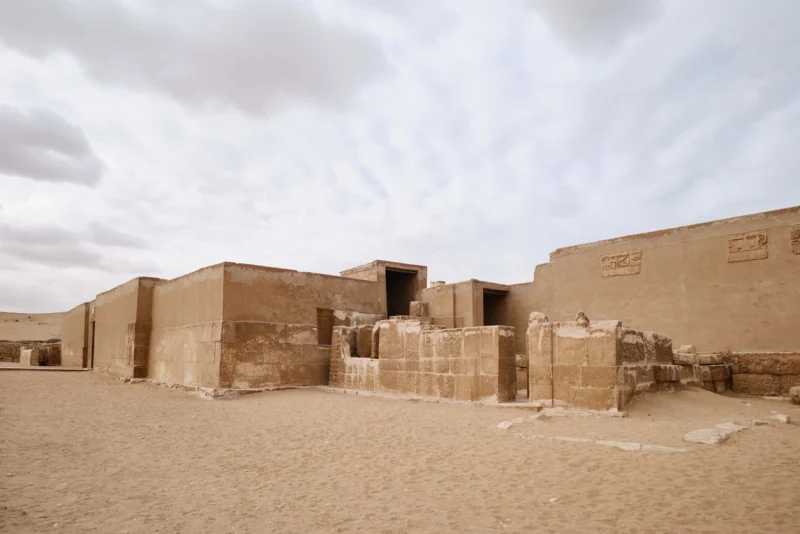
You shouldn't miss the Mastaba of Ti (exceptional agricultural and craft scenes), Mastaba of Mereruka (largest mastaba with 32 chambers), and Mastaba of Kagemni (beautifully preserved colorful reliefs). Allow 30-60 minutes each. These tombs showcase daily life, artistic mastery, and Old Kingdom culture.
Customize Your Dream Vacation!
Get in touch with our local experts for an unforgettable journey.
Plan Your Trip
The Serapeum
The Serapeum, underground galleries for sacred Apis bulls (manifestations of god Ptah), represents one of Saqqara's most impressive and mysterious features. These enormous vaults contain massive granite sarcophagi weighing up to 80 tons each, designed to house mummified sacred bulls.
Features:
- Underground tunnel galleries
- 24 massive granite sarcophagi
- Sarcophagi carved from single granite blocks
- Enormous lids (single pieces weighing 30+ tons)
- Mysterious engineering (how were such massive objects placed underground?)
History: Sacred Apis bulls lived in Memphis temples, and upon death received elaborate mummification and burial with full royal ceremony
Visiting:
- Usually open but check current status
- Atmospheric underground chambers
- Impressive scale of sarcophagi
- Cool temperature (relief from heat)
Duration: 30-45 minutes
Recently Discovered Tombs
Saqqara remains active archaeological site with ongoing excavations revealing new discoveries:
2020 Discovery: Over 100 sealed sarcophagi (2,500 years old) found in shafts, many containing mummies in excellent condition—largest such discovery in recent decades
Colorful Tomb of Wahti (opened 2018): Exceptionally well-preserved Old Kingdom tomb with vivid colors
High Priests' Tombs (2019): Tombs of high priests of god Ptah with beautiful reliefs
These discoveries demonstrate Saqqara's ongoing research potential.
Imhotep Museum
The Imhotep Museum, located near the Step Pyramid, displays artifacts discovered at Saqqara including:
- Stone vessels from underground galleries
- Wooden sarcophagi
- Mummies
- Tools and everyday objects
- Information about Imhotep
- Archaeological process explanations
Visit Duration: 30-45 minutes
Value: Provides context for site understanding
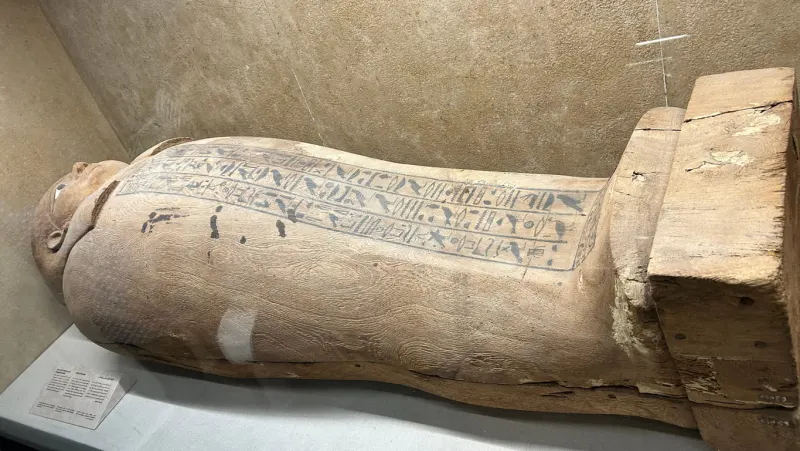
You'll explore the Serapeum—underground galleries containing 24 massive granite sarcophagi (up to 80 tons each) that housed mummified sacred Apis bulls. These enormous single-piece granite boxes demonstrate impressive ancient engineering. Separate ticket required (150 EGP additional). The cool underground chambers provide relief from heat.
Visiting Saqqara
Practical Information
Location: 30 km south of Cairo, near village of Saqqara
Getting There:
- From Cairo: Taxi/Uber (45-60 minutes, 200-300 EGP round-trip)
- Combined Tours: Often paired with Memphis and Dahshur
- From Giza: 30-45 minute drive
Opening Hours:
Daily: 8:00 AM - 4:00 PM (winter), 8:00 AM - 5:00 PM (summer)
Entry Fees (subject to change):
General Admission: 450 EGP (includes Step Pyramid complex, mastaba tombs, Imhotep Museum)
Serapeum: Additional 150 EGP
Student Discounts: 50% with valid ID
Duration: Minimum 2-3 hours, half-day for thorough exploration, full-day for comprehensive visit including all accessible tombs
Best Time to Visit
Optimal Times:
Early Morning (8:00-10:00 AM): Coolest, fewer crowds, best light
Late Afternoon (3:00-4:00 PM): Good light, fewer tour groups
Seasons: October-April (comfortable temperatures)
What to Bring
- Sun protection (hat, sunglasses, sunscreen)
- Water (2+ liters)
- Comfortable walking shoes
- Flashlight (for darker tomb chambers)
- Camera
- Cash (Egyptian pounds)
Combining with Nearby Sites
Memphis: 15 minutes south, ancient capital ruins and colossal Ramesses II statue
Dahshur: 20 minutes south, Red Pyramid and Bent Pyramid
Full-Day Itinerary: Saqqara → Memphis → Dahshur (common organized tour)
Why Visit Saqqara
Unique Features:
- Birthplace of pyramid architecture (Step Pyramid)
- Oldest religious literature (Pyramid Texts)
- Exceptional mastaba tomb reliefs
- 3,000+ years of history in one site
- Active archaeology (ongoing discoveries)
- Less crowded than Giza
- Diverse monuments spanning dynasties
Educational Value: Saqqara shows pyramid evolution, artistic development, religious beliefs, and daily life across Egyptian history better than any single site.
You'll discover the Pyramid Texts—the world's oldest religious literature—carved in hieroglyphs on burial chamber walls of the Pyramids of Unas and Teti (circa 2350-2323 BC). These spells, prayers, and incantations ensured the king's successful afterlife journey and influenced all later Egyptian religious texts.
Yes, you can usually enter the Pyramids of Unas and Teti to see the spectacular Pyramid Texts carved on burial chamber walls. The Step Pyramid interior access varies (often closed, but when open offers remarkable underground chambers). Entry is included in general admission (450 EGP).
You should allow minimum 2-3 hours for major highlights (Step Pyramid, 2-3 mastaba tombs, Pyramid Texts), half-day (4 hours) for thorough exploration including the Serapeum and Imhotep Museum, or full-day when combined with Memphis and Dahshur. Start early to beat heat and crowds.
Yes, you can combine Saqqara with Memphis (15 minutes south—ancient capital ruins and colossal statues) and Dahshur (20 minutes south—Red Pyramid and Bent Pyramid) in popular full-day tours. Some tours combine all three with Giza pyramids in very long day, though this is rushed.
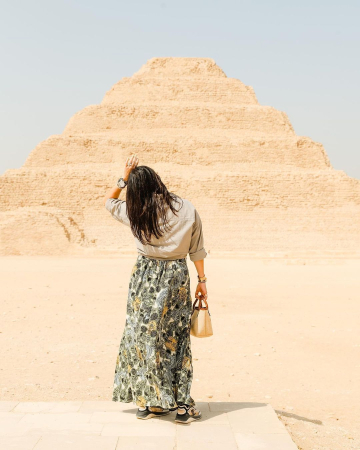

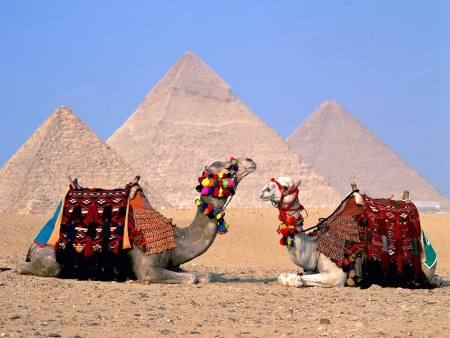
Explore the wonders of Giza Necropolis Egypt, including the Great Pyramid, Sphinx, and ancient tombs in this ultimate traveler's guide.
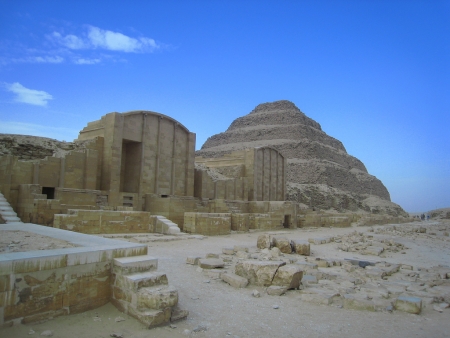
Explore Saqqara Pyramids Egypt, including the iconic Step Pyramid and ancient tombs. Dive into the mysteries of this legendary site now.
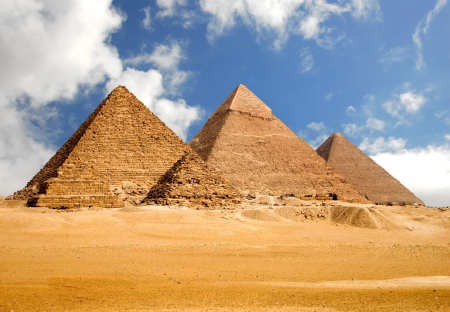
Discover the ultimate Egyptian Pyramids Guide with facts on history, construction, and locations to plan your unforgettable adventure.
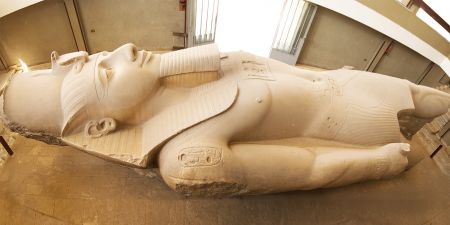
The City of Memphis was one of the oldest and most important cities in ancient Egypt. Located at the entrance to the Nile River Valley near the Giza plateau, it served as the capital of ancient Egypt.
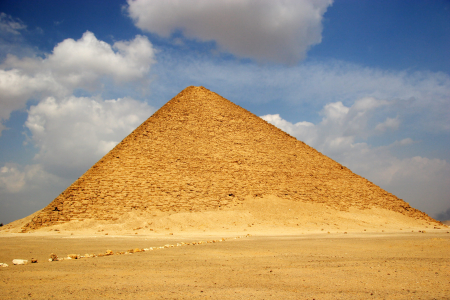
The Dahshur pyramids, located southwest of Cairo, are among Egypt’s most important ancient monuments and home to the iconic Red Pyramid. As part of the historic Dahshur necropolis, they offer a quiet, uncrowded glimpse into early pyramid architecture.
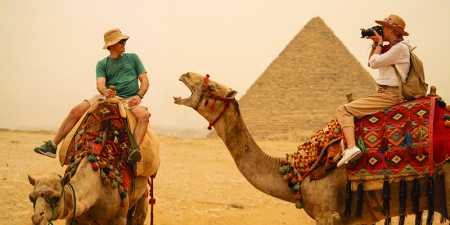
The Pyramid of Khufu, also known as the Cheops Pyramid, is the oldest and largest pyramid in Egypt, located on the Giza Plateau. Built around 2600 BC, it is the only surviving wonder of the ancient world and a symbol of ancient Egyptian engineering.

The Pyramid of Khafre is a remarkable Giza monument with hidden chambers, secret passages, and fascinating facts beyond its exterior.

The Pyramid of Menkaure in Giza is small yet fascinating, revealing granite design, hidden chambers, and discoveries inside.
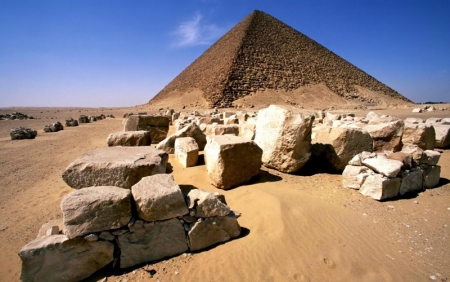
The Red Pyramid at Dahshur, Egypt, is Sneferu’s architectural masterpiece. Discover its history, design, chambers, and role in ancient Egyptian civilization.

The Bent Pyramid at Dahshur, built by Pharaoh Sneferu around 2600 BCE, features a unique slope change, dual entrances, and intact limestone casing. This architectural innovation influenced later pyramids like the Red Pyramid and the Great Pyramid of Giza.