
 Home
Home
Speleology in Turkey reveals an underground world of remarkable diversity, with over 2000 known caves stretching across this karst-rich country. Situated at the junction of the Eurasian, African, and Arabian tectonic plates, Turkey offers speleologists a truly unique geological playground that remains surprisingly underexplored.
Despite the abundance of caves in Turkey, formal research began relatively late, with the first documented exploration dating back to 1869 when Dr. Abdullah Bey ventured 250 meters into Yarımburgaz Cave near Istanbul. However, organized speleological activities didn't truly take shape until the 1960s, when Temuçin Aygen, now recognized as the founder of Turkish speleology, initiated significant explorations. In fact, over the past 40-50 years, researchers have surveyed more than 3000 caves throughout the country, uncovering spectacular formations like Tilkiler Cave, which stretches an impressive 6818 meters, making it the second-longest conglomerate cave in the world.
As you journey through this guide, you'll discover the fascinating history of Turkish cave exploration, from the establishment of the Turkish Speleological Society in 1964 to the international recognition gained during the 1964 Conference of Speleology and Karstology in Istanbul. Additionally, you'll learn about record-breaking cave systems like Pınargözü Cave, one of the tallest caves globally, and gain insights into how these underground wonders are transforming into both tourist attractions and vital water sources.
Discover the best Turkey Travel Packages!
Understanding Turkey’s Unique Cave Geography
The geological makeup of Turkey creates a perfect environment for extensive cave formation. Unlike many countries with scattered cave systems, Turkey's landscape features concentrated karst regions that yield remarkable underground networks. Karst topography—characterized by sinkholes, sinking streams, and extensive cave systems—dominates approximately 40% of Turkey's land area, creating ideal conditions for cave development.
Karst landscapes and cave density
Limestone formations cover vast portions of Turkey, particularly across the Mediterranean and Black Sea regions. These carbonate rocks dissolve gradually when exposed to slightly acidic rainwater, forming the distinctive karst terrain. What makes Turkish karst especially notable is its varied development stages—from youthful features with sharp edges to mature landscapes with rounded sinkholes. The diversity of these karst formations directly contributes to the extraordinary variety of cave types found throughout the country.
The significance of the Taurus Mountains
The Taurus Mountain range stands as the crown jewel of Turkish speleology. Stretching along the Mediterranean coast, this limestone-rich mountain chain contains the highest concentration of caves in Turkey. The unique geological history of the Taurus Mountains—involving complex folding and faulting processes—has created ideal conditions for extensive cave development.
Furthermore, the varying altitudes within the range (from sea level to over 3,700 meters) produce distinct climate zones that affect cave formation differently at various elevations. This altitude gradient has resulted in dramatically different cave types within relatively small geographical areas, offering speleologists an unparalleled research environment.
Why Turkey is a hidden gem for speleologists
While countries like France and the United States have long-established speleological traditions, Turkey remains relatively unexplored. This untapped potential makes it particularly valuable for modern speleologists seeking new discoveries. Moreover, the country's position at the intersection of multiple climate zones—Mediterranean, continental, and semi-arid—creates unique conditions for cave formation not found elsewhere.
The combination of accessible karst regions alongside challenging, remote areas offers opportunities for both beginning cavers and experienced expedition teams. Essentially, Turkey provides what has become increasingly rare in speleology: the genuine possibility of discovering and documenting previously unknown cave systems.
Essential Milestones in Turkish Speleology
The history of organized cave exploration in Turkey began relatively late compared to other karst-rich countries. Until the 1960s, the vast underground networks remained largely unexplored, awaiting pioneers who would uncover their secrets.
Temuçin Aygen and the 1960s revival
The foundation of modern Turkish speleology can be traced to one remarkable individual—Temuçin Aygen. Often called the "father of Turkish caves," Aygen established the Turkish Speleological Society in 1964. That same year, he discovered Pınargözü Cave, which would later prove to be one of the tallest caves in the world. Recognizing Turkey's immense speleological potential yet limited local expertise, Aygen strategically invited foreign cavers to explore Anatolia's karstic areas. This visionary approach jump-started serious cave research across the country.
Foreign expeditions and their impact
International teams played a crucial role in mapping Turkey's subterranean landscape between the 1960s and 1980s. French speleologists from the Spéléo-club de Paris made history in August 1965 when team members Pintaux and Doniat became the first to explore Pınargözü's interior by passing through its entrance sump. Subsequently, British teams from the Chelsea Speleological Society and the University of Bristol made significant contributions. These collaborative expeditions led to remarkable discoveries, including the Dumanlı-Kembos system (1966), Altinbesik Düdensuyu (1967), and Düdencik (1967), which held the Turkish depth record until 1989.
The rise of local clubs and national records
Inspired by foreign expeditions, Turkish university students formed the country's first academic speleological society at Bogazici University in 1973. This marked the beginning of a truly domestic caving movement. The coming decades saw Turkish cavers gaining expertise and independence, culminating in BUMAK's achievement of a new national depth record in 1989 at Cukurpinar sinkhole (-1190 m). By spring 1997, Turkish explorers had discovered eight of the country's ten deepest caves. A watershed moment came in November 1994 at the second national speleological symposium in Ankara, where BUMAK and MAD officially declared the formation of the 'Turkish Cavers Union'.
Exploring the Most Notable Caves in Turkey
Turkey's subterranean landscape features several record-breaking cave systems that have captivated speleologists worldwide. These natural wonders, formed over millions of years, showcase the country's geological diversity and speleological significance.
Pinargözü Cave: Longest in Turkey
Located on the slopes of Mount Dedegöl at 1,550 meters elevation within Kızıldağ National Park, Pinargözü Cave holds the title of Turkey's longest cave. First discovered in 1964 by Temuçin Aygen, this remarkable cave system extends beyond 15 kilometers, though its full length remains disputed. A constant wind of up to 166 km/h blows through its narrow opening, creating challenging exploration conditions. The cave's interior features numerous waterfalls, flooded passages, and traverses that make it accessible only to approved professionals with appropriate caving gear.
Düdencik and Cukurpinar: Depth records
The pursuit of depth records in Turkish speleology has yielded impressive discoveries. Düdencik Cave, explored in 1967, held the Turkish depth record until 1989. Cukurpinar Cave, located near Sugözü village in Mersin Province, now ranks as Turkey's third deepest cave with a remarkable depth of 1,196 meters and length of 3,350 meters. Notably, this vertical formation gradually transitions to horizontal passages after the first 400 meters.
Altınbeşik and Tilkiler Düdeni
Altınbeşik Cave stands out as Turkey's largest below-surface lake cave. Established as a national park in 1994, it features an estimated 2,200-meter network with a crystal-clear underground lake reaching 15 meters in depth. Meanwhile, Tilkiler Cave (also known as Tilkiler Düdeni or Fox Duden), discovered in 1976 during construction work at Oymapınar Dam, extends 6,650 meters in length and 159 meters in depth, making it Turkey's third longest cave.
Caves in Turkey open to tourists
Of Turkey's approximately 500 identified caves, around 30 have been developed for tourism. Accessible caves include Karain Cavern in Antalya (featuring Paleolithic artifacts), Damlataş Cave (discovered accidentally in 1948), and İnsuyu Cave in Burdur with its nine underground pools. For those seeking therapeutic environments, Ballıca Cave maintains a constant 18°C temperature year-round.
How to Get Involved in Turkish Caving Today
For those captivated by Turkey's fascinating underground world, getting involved in the active caving community offers rewarding experiences and discoveries. The Turkish speleological landscape continues to evolve with numerous organizations welcoming both novice and experienced cavers.
Joining local speleology clubs
The speleological community in Turkey centers around several established organizations. The Speleological Federation of Turkey (MAD), based in Ankara with a branch in Bursa, stands as the country's oldest cave research association. With over 100 members—approximately 40 actively working—MAD regularly arranges cave expeditions and promotes speleology throughout Turkey.
University-based clubs offer another entry point:
- BÜMAK (Boğaziçi University Speleological Society): The oldest university club in Turkey, credited with exploring EGMA, the country's deepest cave at 1,429 meters
- BUMAD (Boğaziçi International Cave Exploration Society): A newer society with experienced members actively searching for new caves
- ANÜMAB (Ankara University Cave Research Unit): Founded in 2004, conducting geological, biological, and archeological studies primarily around Ankara
Participating in expeditions and symposiums
The Middle East Speleological Symposium (MESS) represents a significant networking opportunity. The fourth edition was held at Akdeniz University in Antalya (October 3-6, 2018), bringing together cavers from across the region. These events allow speleologists to share discoveries and prepare for future ventures.
First-hand expedition experience remains vital. Consider the 2019 Morca Cave expedition near Anamur, where the Cave Exploration Society (CES) joined ASPEG and five other grottos, ultimately reaching a depth of 1,107 meters. Such collaborative efforts often welcome international participants.
Safety, ethics, and conservation practices
Proper equipment is non-negotiable for cave exploration. Essential items include protective gear, harnesses, hardware, lighting, and specifically, low-stretch kernmantle ropes. The CES expedition to Morca utilized additional specialized equipment: Raumer Stick-Up for aid climbing, 9mm and 10mm rope, carabiners, stainless steel maillons, and stainless steel hangers.
Conservation ethics should guide all caving activities. Since "cave conservation is more a state of mind than a set of rules," always take actions causing the least damage to these fragile environments.
Turkey stands as one of the world's most fascinating yet underexplored speleological treasures. Throughout this guide, you've discovered how the country's unique position at the intersection of three tectonic plates has created an underground paradise for cave enthusiasts. The remarkable diversity of Turkish cave systems, from the wind-swept passages of Pinargözü to the crystal-clear lakes of Altınbeşik, offers something truly special for every level of interest.
Customize Your Dream Vacation!
Get in touch with our local experts for an unforgettable journey.
Plan Your Trip
Undoubtedly, the development of Turkish speleology represents an inspiring journey. What began with Dr. Abdullah Bey's modest 250-meter exploration in 1869 has blossomed into a vibrant community of dedicated explorers. After that initial spark, visionaries like Temuçin Aygen transformed the field through strategic international collaborations, essentially laying the groundwork for today's achievements.
While established cave tourism provides accessible experiences for casual visitors, the real adventure awaits those willing to venture deeper. Local university clubs and organizations like MAD continue to push boundaries, suggesting that many significant discoveries still lie ahead. Indeed, with only a fraction of Turkey's potential cave systems thoroughly explored, your participation could contribute to mapping this extraordinary subterranean world.
The story of Turkish caves, therefore, remains unfinished. From record-breaking depths to unique geological formations, these underground wonders offer both scientific value and breathtaking beauty. Whether you seek to join an expedition, attend a symposium, or simply visit tourist-friendly caves, Turkey's karst landscape promises unforgettable experiences beneath the surface. Above all, as interest in Turkish speleology grows, responsible exploration practices will ensure these natural treasures remain pristine for future generations of cave enthusiasts.
FAQs
Q1. What makes Turkey's cave systems unique?
Turkey's cave systems are unique due to their concentration in karst regions, particularly in the Taurus Mountains. The country's position at the intersection of multiple tectonic plates and climate zones creates diverse cave formations not found elsewhere, making it a hidden gem for speleologists.
Q2. Who is considered the founder of modern Turkish speleology?
Temuçin Aygen is widely recognized as the founder of modern Turkish speleology. He established the Turkish Speleological Society in 1964 and discovered Pınargözü Cave, which is now known as one of the tallest caves in the world.
Q3. What is the longest cave in Turkey?
Pinargözü Cave, located on the slopes of Mount Dedegöl, holds the title of Turkey's longest cave. It extends beyond 15 kilometers and features numerous waterfalls, flooded passages, and strong winds, making it accessible only to approved professionals.
Q4. Are there any caves in Turkey open for tourists?
Approximately 30 out of 500 identified caves in Turkey have been developed for tourism. Some accessible caves include Karain Cavern in Antalya, Damlataş Cave, and İnsuyu Cave in Burdur. These caves offer unique experiences and often feature historical or natural attractions.
Q5. How can someone get involved in caving in Turkey?
To get involved in caving in Turkey, you can join local speleology clubs such as the Speleological Federation of Turkey (MAD) or university-based clubs like BÜMAK. Participating in expeditions and symposiums, following safety and conservation practices, and contacting organizations like MAD or TUMAF are great ways to start your Turkish caving journey.
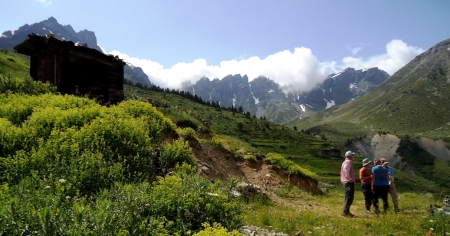
Explore Turkey's stunning landscapes with trekking adventures! From Cappadocia's valleys to the Lycian Way, discover scenic trails for all skill levels!
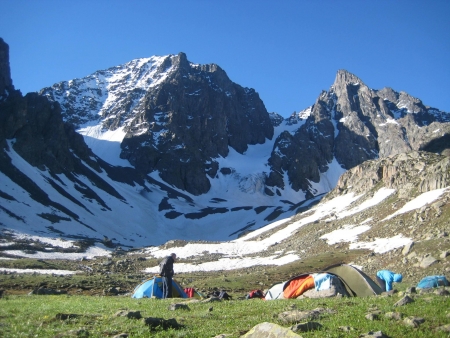
Turkey offers incredible mountain climbing experiences, from the legendary Mount Ararat to the rugged Kaçkar Mountains, catering to adventurers of all skill levels!
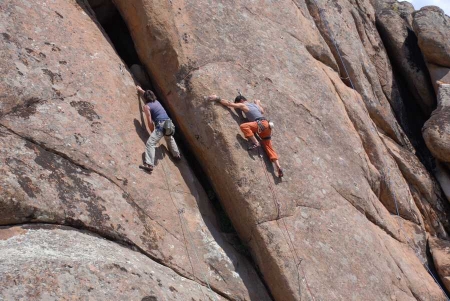
Experience thrilling rock climbing in Turkey! Scale stunning cliffs in Geyikbayırı, Aladağlar & more. Perfect for beginners & experts. Adventure awaits!

From beachside campsites along the Turquoise Coast to high-altitude retreats in the Kaçkar Mountains, Turkey offers stunning camping experiences for every outdoor enthusiast!
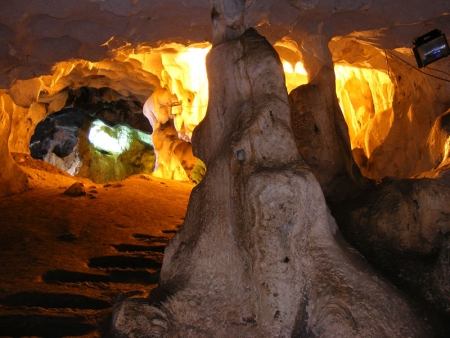
Turkey's spectacular caves—from the ancient depths of Dim Cave to the underground wonders of Cappadocia—offer thrilling speleology adventures for both beginners and expert cavers!

Experience the thrill of parachuting in Turkey! Soar over stunning landscapes in Ölüdeniz, Pamukkale & more. Tandem jumps for beginners & pros. Read now!