
 Home
Home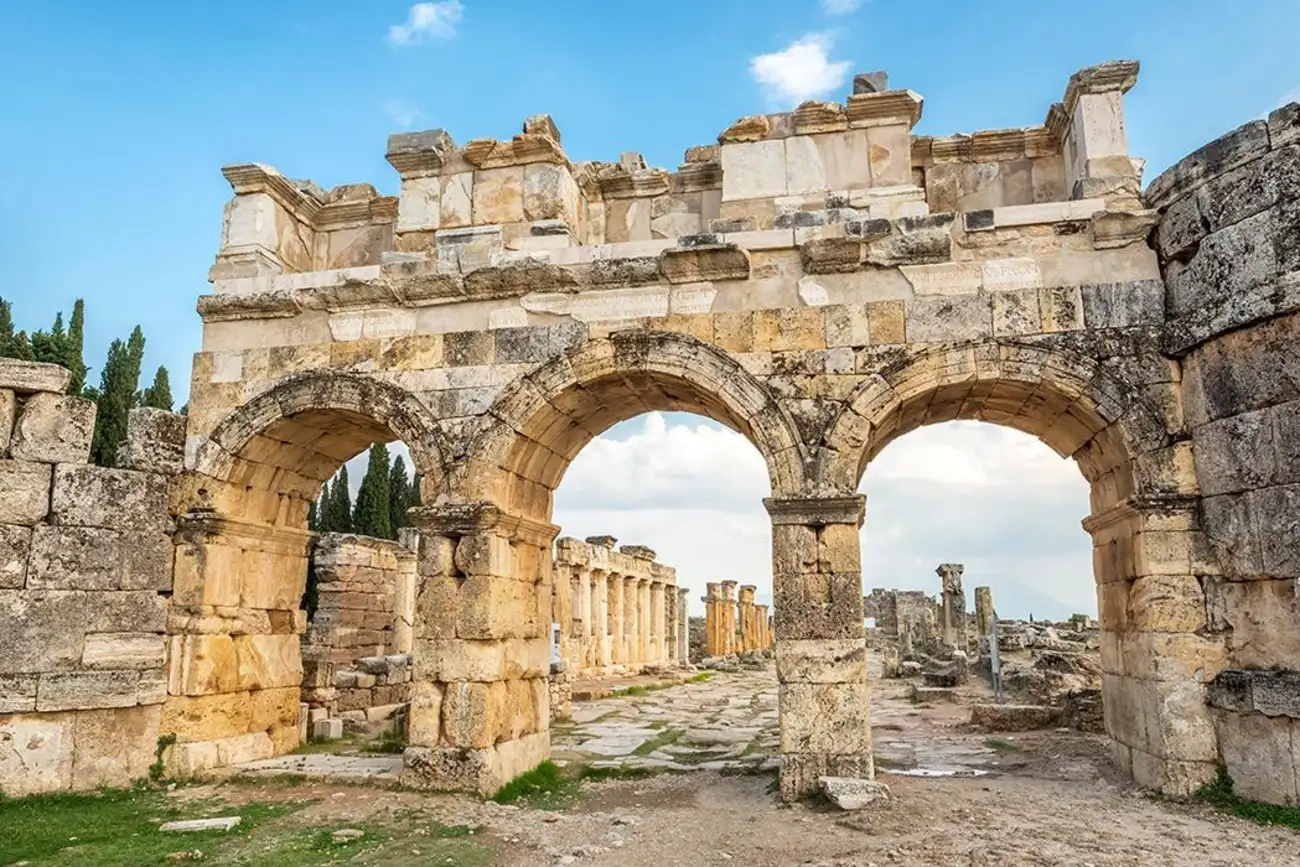
Denizli Hierapolis Archeology Museum showcases an impressive collection of artifacts from ancient cities, including Laodicea, Colossae, Tripolis, and Arruda. You will discover this archaeological treasure uniquely housed in one of the largest buildings in the ancient city—the Roman Bath complex of Hierapolis.
Since 1984, the museum has been operational in Denizli Hierapolis, which earned UNESCO World Heritage Site status in 1998 due to its remarkable archaeological wealth and historical significance. Additionally, you'll find three main exhibit rooms featuring artifacts spanning various ancient civilizations, from intricate Bronze Age jewelry to elaborate theatrical reliefs.
When planning your visit, consider that Pamukkale, where Hierapolis is located, attracts over 2 million visitors annually, making it one of Turkey's most popular tourist destinations. For approximately 30 euros, you can access both the museum and Pamukkale's famous terraces, allowing you a full day to explore this historical wonder that includes the ancient theatre built in the 2nd century, once capable of seating 15,000 spectators.
Discover the best Turkey Travel Packages!
A Walk Through the Museum’s Main Sections
The Denizli Hierapolis Archeology Museum unfolds across several distinct sections, each offering glimpses into different aspects of ancient life in this historic region. As you explore the museum housed in the restored Roman baths, you'll discover thoughtfully organized galleries that showcase the rich archeological heritage of Hierapolis and the surrounding areas.
Statues and Sarcophagi Gallery
Upon entering the main exhibition hall, you're immediately greeted by an impressive collection of marble statues and ornate sarcophagi. This gallery houses some of the museum's most striking pieces, notably the remarkably preserved statue of Pluto and Persephone from the 2nd century CE. The detailed workmanship on these statues reveals the high level of artistic skill achieved during the Roman imperial period.
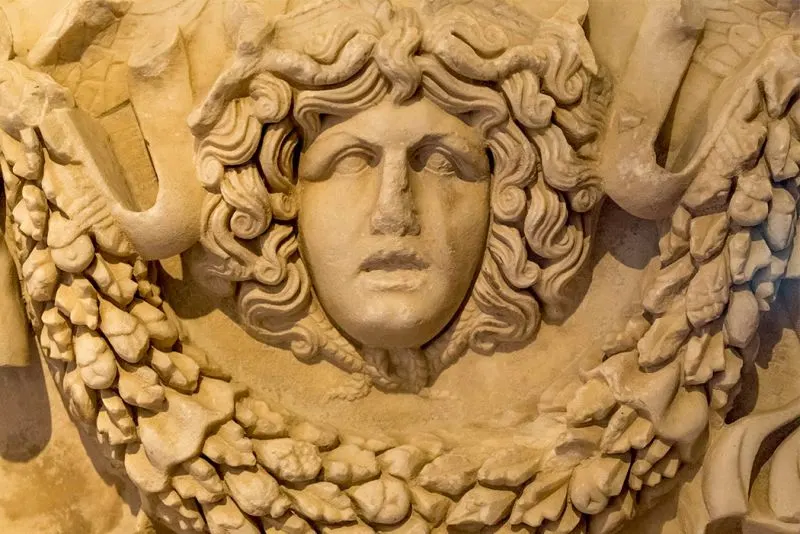
The sarcophagi display tells fascinating stories about ancient burial customs. The marble sarcophagus adorned with garlands and mythological scenes stands as a centerpiece, demonstrating how the wealthy citizens of Hierapolis commemorated their deceased. Furthermore, the elaborately carved reliefs depicting hunting scenes and mythological narratives provide insights into both artistic preferences and beliefs about the afterlife common during this era.
Small Artifacts Gallery
Moving through to the Small Artifacts Gallery, you'll find an intimate space showcasing delicate treasures that paint a picture of everyday life in ancient Hierapolis. This section houses:
- Intricate gold jewelry, including earrings, necklaces, and rings, dating back to the Hellenistic period
- Bronze medical instruments that highlight Hierapolis' reputation as a healing center
- Terracotta figurines depicting gods, goddesses, and ordinary citizens
- Clay oil lamps decorated with various motifs that illustrate household items of the time
The coin collection merits special attention, featuring currency from different periods that circulated through this important trading center. Meanwhile, the glass artifacts demonstrate the sophisticated craftsmanship of local artisans, with perfectly preserved perfume bottles and ritual vessels still retaining their delicate forms after centuries.
Theater Ruins Gallery
The Theater Ruins Gallery showcases artifacts recovered from Hierapolis' magnificent ancient theater. Here, marble masks once used in theatrical performances reveal expressions of comedy and tragedy, offering a tangible connection to ancient dramatic arts. Moreover, the ornate architectural elements—including acanthus-leaf capitals and intricately carved cornices—demonstrate the grandeur that once adorned this 15,000-seat structure.
This section also houses the famous Apollo statue discovered during theater excavations, displayed alongside marble reliefs depicting scenes from Greek mythology that once decorated the stage building. In contrast to other galleries, this space connects visitors directly to ancient entertainment and cultural practices, with informational panels explaining how theatrical performances served both religious and social functions.
Garden and Open-Air Displays
The outdoor exhibition area provides a refreshing complement to the indoor collections. Under open skies, you'll wander among monumental pieces too large for indoor display, including massive stone sarcophagi arranged in rows similar to their original necropolis setting. The garden pathway guides you past colossal column capitals, architectural fragments, and stone altars that showcase the monumental scale of ancient Hierapolis.
Particularly noteworthy is the collection of garland sarcophagi distinctive to this region, characterized by their carved fruit and flower garlands suspended between bull heads. The garden setting, with Mount Cadmus visible in the distance, creates an atmospheric backdrop that helps contextualize these artifacts within their original landscape.
Throughout these galleries, informational panels in multiple languages provide historical context, while strategic lighting highlights the artistic details of key pieces. As you complete your circuit through these four main sections, you'll have gained comprehensive insights into the artistic achievements, daily life, religious practices, and burial traditions of ancient Hierapolis and its surroundings.
Historical Significance of Denizli Hierapolis
The ancient city, whose remnants now house the Denizli Hierapolis Archeology Museum, carries a rich historical legacy spanning several millennia. Beneath the gleaming white travertines lies a story of cultural transitions, religious significance, and remarkable resilience.
Origins of Hierapolis and Roman Influence
Hierapolis first emerged on the historical scene around 2000 BCE, though the earliest substantial development occurred much later. The city was formally established by Eumenes II, King of Pergamon, as a thermal spa center. Initially founded as a Phrygian cult center dedicated to Cybele, the Anatolian mother goddess, Hierapolis received official polis status under Eumenes of Pergamon (197-160 BCE).
A pivotal moment in the city's history came in 133 BCE, when upon the death of Attalus III, his entire kingdom—including Hierapolis—was bequeathed to Rome. Unlike other regional settlements, Hierapolis maintained its Greek character rather than becoming a Roman colony, though Roman cultural influences gradually permeated the city. The economy thrived through textile production and dyeing industries, with the city even minting its own coins from the 2nd century BCE onward.
Transformation into a Roman Spa City
Following a catastrophic earthquake in 60 CE, Hierapolis underwent extensive rebuilding. Throughout the 2nd and 3rd centuries, the city reached its zenith under Roman rule. Emperor Caracalla's visit in 215 CE proved especially significant—he granted Hierapolis the prestigious title of neocoros, designating it as a center of imperial worship with special privileges.
The thermal springs transformed Hierapolis into a premier health destination. With water temperatures ranging between 35-100°C, these springs attracted thousands seeking remedies in more than fifteen bath complexes. The Roman bathhouse—now housing the museum—was constructed during Emperor Hadrian's reign (117-138 CE) and completed under the Severan dynasty in the 2nd century CE.
Beyond health benefits, the springs contributed to the city's economic prosperity. Strabo noted that thermal waters facilitated textile dyeing processes, enhancing the reputation of locally produced fabrics.
Artifacts from Laodicea, Colossae, Tripolis
The surrounding cities, whose artifacts now enrich the museum's collection, each held distinct historical importance:
Laodicea emerged as one of Anatolia's most significant cities in the 1st century BCE. Originally called Diospolis ("City of Zeus") and then Rhoas, it became an administrative center when the Romans designated it the capital of the Kibyra conventus. The city gained further prominence for its gladiatorial contests before suffering devastating destruction in a 194 CE earthquake.
Tripolis functioned as a strategically positioned border and trade center connecting the Karya and Frigia regions within Lidia. Although less is known about Colossae, archeological evidence indicates it was destroyed by an earthquake during Emperor Nero's reign in the 1st century CE.
Findings from Beycesultan, Caria, Pisidia, Lydia
The museum houses an impressive array of Bronze Age artifacts from Beycesultan, excavated between 1954-1959 by the British Archaeological Institute. These excavations sought the capital of the Arzawa Kingdom and yielded numerous marble, bronze, bone, and ceramic works from the Late Chalcolithic and Bronze Age periods.
Additionally, artifacts from settlements in Caria, Pisidia, and Lydia regions constitute an essential part of the museum's collection. These diverse finds—including terracotta pots, idols, stone artifacts, oil lamps, glass pieces, and jewelry spanning Phrygian through Byzantine periods—present a comprehensive picture of regional material culture.
Throughout its existence, Hierapolis withstood multiple earthquakes and transformations, ultimately declining after a 7th-century CE earthquake. Nevertheless, its archeological treasures continue telling the story of this remarkable ancient spa city and its surrounding cultural landscape.
Customize Your Dream Vacation!
Get in touch with our local experts for an unforgettable journey.
Plan Your TripRare Artifacts and Their Stories
The archeological treasures housed within Denizli Hierapolis Archeology Museum offer visitors unparalleled insights into ancient craftsmanship and cultural practices. Among the remarkable collections, certain artifacts stand out for their rarity and historical significance.
Terracotta Sarcophagi and Funerary Art
The baked earth sarcophagi displayed at Denizli Hierapolis Archeology Museum represent some of the finest examples of their kind in the ancient world. As you examine these distinctive burial containers, you'll notice they're specific to this region—a true archeological rarity. Above all, the Sidemare-type sarcophagus belonging to Arhom stands as the collection's crown jewel, featuring an inscription to Maximilian and representing the finest artistic achievement from ancient Lahdi and Laodicea.
The necropolis artifacts reveal fascinating details about burial traditions across social classes. The wealthy commissioned elaborate family tombs resembling residential houses or temples, whereas simpler graves were prepared for slaves and poorer citizens. Accordingly, many sarcophagi feature intricate reliefs and epitaphs that have helped researchers reconstruct ancient lifestyles in Hierapolis.
Coins and Jewelry from the Bronze Age
In the Small Works Hall, you'll discover an extraordinary collection of artifacts dating back to the 4th millennium BC. Of particular interest are the Bronze Age treasures excavated from Beycesultan Hoyuk between 1954-1959 by the British Archaeological Institute. At this point, the collection expands to include metal jewelry pieces spanning multiple eras—from Phrygian through Byzantine periods.
Equally important are the numismatic specimens, including rare bronze coins from Hierapolis Phrygia dated 54-68 AD during the magisterial period of M. Antonios Kalos. These monetary artifacts provide crucial economic context for understanding the region's commercial significance.
Statues of Greco-Roman Deities
The museum's divine pantheon features masterfully carved representations of Greco-Roman gods. Whether crafted by Roman artisans, most sculptures clearly draw inspiration from Hellenistic artistic traditions. The collection includes impressive statues of Tyche (goddess of fortune), Dionysus (god of wine), Pan (god of the wild), Asklepios (god of medicine), Isis (Egyptian goddess), and Demeter (goddess of harvest).
Theatrical Reliefs and Inscriptions
The theater ruins gallery showcases spectacular reliefs depicting gladiatorial combats and bull fights uncovered during Tripolis Street excavations in ancient Hierapolis. Furthermore, you'll find detailed sculptural works illustrating the myth of Apollo and Artemis, Dionysian celebrations, and Emperor Septimius Severus's coronation.
Noteworthy reliefs portray Persephone's abduction by Hades alongside carved sphinxes that once adorned the 15,000-seat theater. The gallery also preserves inscriptions documenting both the coronation of the goddess Hierapolis and important assembly decisions concerning the theater's operations.
Best Time to Visit and Seasonal Tips
The Museum is small in size, although it's located in one of the biggest buildings in Hierapolis - the Roman baths. Therefore, the most effective option is to go in the morning. Denizli has an irregular atmospheric phenomenon that's warm and temperate.
The typical annual temperature in Denizli is 16.1 degrees Celsius, with the foremost amount of rainfall within the month of December and the least during the month of August. Given the situation, the wind blows continuously to Denizli from the sea.
- Spring (March-May): Spring is the most pleasant season in the city of Denizli. The temperatures are moderate, and the season also experiences a touch amount of rainfall.
- Summer (June - August): The season of summer is hot and dry with no rainfall. The month of July is the warmest, with the average temperature at 26.4 °C.
- Autumn (September - November): Autumn starts off warm and as the season progresses, the temperature drops down signifying the start of the autumn season.
- Winter (December - February): Winters in Denizli are generally mild but now and then will be rainy and snowy. January is the coldest month during this season, with a temperature of 6.2 degrees.
- The peak season in Denizli is during the months of April, May, June, and July. But at this point, the place is crowded with tourists, and the expenses are at sky-high. The simplest season to go to Denizli is in the season of autumn season.
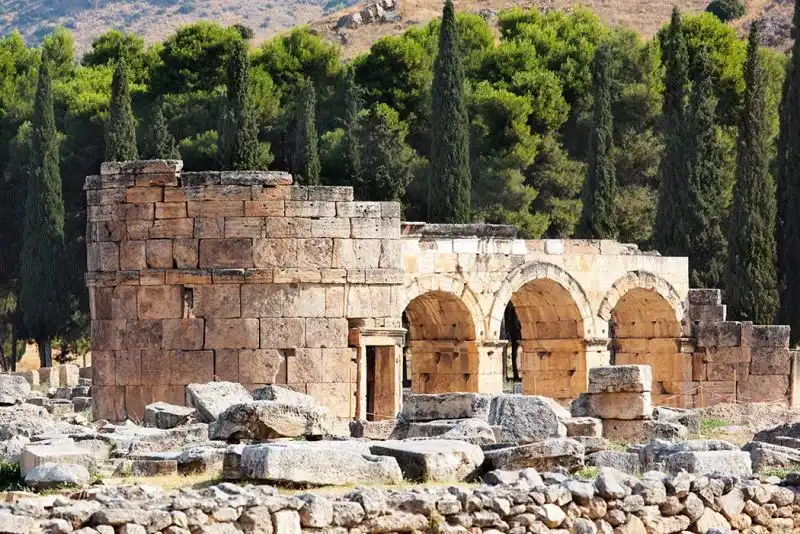
The antique city of Hierapolis had an enormous Roman bath complex, including a library and gymnasium, and stands to the present day. The antique city of Hierapolis had a large Roman bath complex, including a library and gymnasium, and stands to the current day.
Since 1984, the previous baths have housed the Hierapolis Archaeology Museum. Works of art and artifacts from the excavations at Hierapolis are on display alongside finds from Laodicea, Colossae, Tripolis, Attuda, and other towns of the Lycus Valley.
Practical Visitor Information
Planning your visit to the Denizli Hierapolis Archeology Museum requires some practical knowledge to make the most of your experience. Here's what you need to know before arriving.
Museum Entry Points and Ticket Info
The archeological site offers three entry options: Town Center Entrance, North Entrance, and South Entrance, each with ticket offices. For independent travelers with cars, the South Entrance provides the most convenient access, with parking available for 20 Lira. Currently, admission costs approximately 30 euros per person, granting access to both the Denizli Hierapolis Archeology Museum and the Pamukkale travertines. Children under 8 (non-Turkish citizens) enjoy free entry, as do Turkish citizens over 65.
Consider purchasing the All Turkish Museum Pass for 1000 Lira if you're exploring multiple sites in Turkey, as it covers entry to 300 museums and archeological sites nationwide.
Opening Hours and Guided Tours
Opening hours vary by season. During summer months (April-October), the site typically operates from 8:00 AM to 8:00 PM. Winter hours (November-March) run from 8:00 AM to 5:00 PM, with the ticket office closing 15 minutes before site closure. However, some sources indicate that the South Gate opens earlier, at 6:30 AM.
Guided tours enhance your understanding of this historical treasure. Many hotels and tourism agencies in Pamukkale offer expert-led excursions with transportation included. These tours typically last 5-7 hours and provide comprehensive insights into both the museum and surrounding archeological sites.
Accessibility and Golf Cart Rentals
For visitors with mobility concerns, the site offers golf cart rentals—a valuable option given the expansive archeological area. A 60-minute golf cart tour costs approximately 750 Lira and covers major sites including the ancient theater, bazaar, and tombs. Electric carts accommodate up to 5 passengers with a driver.
The museum itself features wheelchair-friendly pathways, with accessible entry points at major attractions.
Nearby Attractions to Combine with a Visit
Maximize your trip by exploring these nearby sites:
- Pamukkale's white travertine terraces (included in your entrance ticket)
- Ancient city of Laodicea (10 km away)
- Karahayit Hot Springs (5 km)
- Kaklik Cave (30 km)
- Colossae Ancient City (20 km)
- Aphrodisias Ancient City (100 km)
Experience the Ancient Wonders of Hierapolis
Standing at the intersection of natural beauty and historical significance, Denizli Hierapolis Archeology Museum offers an unparalleled window into the ancient world. Throughout your exploration of this remarkable institution, you'll discover artifacts spanning millennia—from intricate Bronze Age jewelry to elaborate theatrical reliefs that once adorned a 15,000-seat theater. The museum's strategic location within the restored Roman baths additionally enhances your connection to the past, allowing you to walk the same paths as ancient Romans seeking healing in these thermal waters.
Undoubtedly, the museum's greatest strength lies in its diverse collection. The terracotta sarcophagi, rare Bronze Age coins, and masterfully carved statues of Greco-Roman deities tell compelling stories about those who lived, worshiped, and died in this once-thriving spa city. The archeological treasures excavated from surrounding cities like Laodicea, Colossae, and Tripolis further enrich this narrative, presenting a comprehensive picture of ancient Anatolian civilization.
Timing your visit requires careful consideration. Spring and autumn generally provide the most pleasant experience with mild temperatures and manageable crowds. During summer months, however, early morning visits become essential to avoid both intense heat and tour groups. Winter, though quieter, brings unpredictable weather that might limit your exploration opportunities.
Last but certainly not least, practical planning enhances your museum experience significantly. The approximately 30 euro admission grants access to both the museum and Pamukkale's famous white travertine terraces—a remarkable value considering the historical significance of these UNESCO-protected sites.
Whether you spend a few hours or an entire day wandering among ancient artifacts, Denizli Hierapolis Archeology Museum stands as a testament to human creativity, spiritual devotion, and everyday life across centuries of Anatolian history. This archaeological treasure, therefore, deserves a prominent place on any history enthusiast's Turkish itinerary.
FAQs
Q1. What are the main attractions at the Denizli Hierapolis Archeology Museum?
The museum features impressive collections of statues, sarcophagi, small artifacts like jewelry and coins, and theatrical ruins. Highlights include the statue of Pluto and Persephone, intricate gold jewelry, and marble masks from the ancient theater.
Q2. How much does it cost to visit the museum, and what does the ticket include?
Admission costs approximately 30 euros per person, which includes access to both the Denizli Hierapolis Archeology Museum and the famous Pamukkale travertine terraces. This combined ticket offers excellent value for exploring these UNESCO World Heritage sites.
Q3. When is the best time to visit the Denizli Hierapolis Archeology Museum?
Spring (April to June) and autumn (September to November) are ideal, offering mild weather and fewer crowds. If visiting in summer, arrive early to avoid heat and large tour groups. Winter visits can be quiet but may face weather-related challenges.
Q4. Are there guided tours available at the museum?
Yes, many hotels and tourism agencies in Pamukkale offer expert-led excursions that include transportation. These guided tours typically last 5-7 hours and provide comprehensive insights into both the museum and surrounding archeological sites.
Q5. Is the museum accessible for visitors with mobility concerns?
The museum features wheelchair-friendly pathways and accessible entry points at major attractions. Additionally, golf cart rentals are available for exploring the expansive archeological area, accommodating up to 5 passengers with a driver.
The Pergamon Asclepieion in Turkey was an ancient healing center, famous for its sacred springs and Roman medical treatments. Explore its historic ruins.
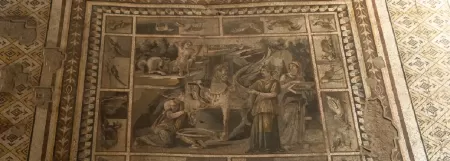
Hatay Archaeology Museum in Antakya houses Turkey’s largest Roman mosaic collection, along with artifacts from ancient civilizations.
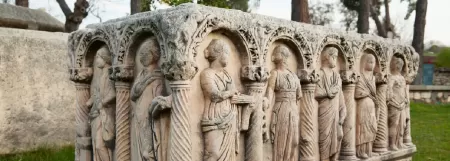
Aphrodisias Museum in Turkey houses breathtaking ancient sculptures, Roman reliefs, and artifacts from the renowned city of Aphrodite.

Antalya Archaeological Museum showcases artifacts from Perge, Aspendos, and Termessos, featuring ancient sculptures, mosaics, and relics.

No visit to Sagalassos would be complete without a stop at the Archaeological Museum in Burdur. This museum, located just a short drive from the site, houses major discoveries from Sagalassos.

Located in one of the foremost valuable areas of the Aegean Region, Denizli Hierapolis Archeology Museum belongs to a part that has been continuously inhabited since antiquity.

Embark on a unique Cultural and Heritage tour at Haci Bektas Veli Museum, we’ll uncover the illuminating Sufi heritage that shapes Turkey’s land and history.
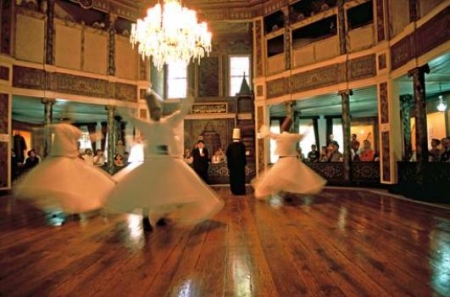
Explore the Galata Mawlawi House Museum, a key site in Istanbul highlighting Sufi mysticism and the Whirling Dervishes' unique history.
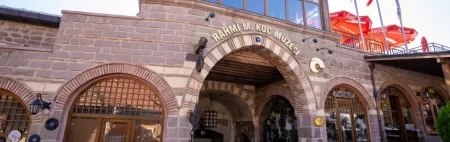
Step into the Rahmi M. Koç Museum in Istanbul, where industrial heritage comes to life with historic vehicles, ships, and interactive exhibits.
How about taking a fast tour through Turkey's major cities and sightseeing their landmarks? Located in Istanbul, Miniatürk is the world’s largest open air miniature museum
Explore Amasya Archaeological Museum, home to ancient artifacts and rare mummies from the Ilkhanid era.
Discover Iznik Ayasofya, a historic Byzantine church-turned-mosque in Turkey, where the First Council of Nicaea once took place.

Explore Alacahoyuk Historic Site, an ancient Hittite city in Çorum with ruins, sphinx gates, and royal tombs and visit Alacahoyuk Museum to see remarkable artifacts.

Visit the Istanbul Military Museum to explore Ottoman weapons, war relics, and live Mehter Band performances in a historic setting!
Step into Ottoman history at Yıldız Palace Museum, Istanbul’s royal complex with elegant halls, historic artifacts, and lush imperial gardens.
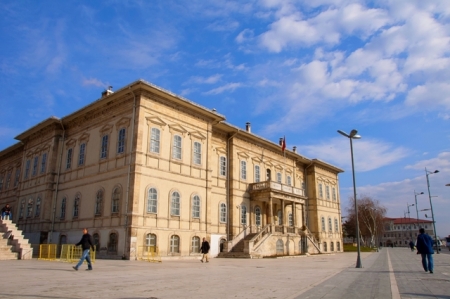
Visit Atatürk Congress & Ethnography Museum in Ankara, where Turkey’s National Struggle for Independence began in 1919. Explore its rich history!
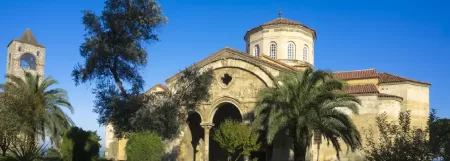
Trabzon Ayasofya Museum highlights Byzantine frescoes and rich history. Visit today to explore its stunning heritage and feel Trabzon vibes!
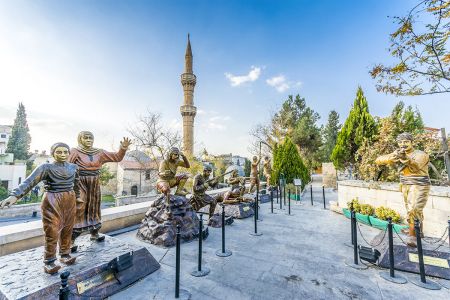
Established in Ankara, the capital of Turkey, the Museum of Anatolian Civilizations was awarded the Museum of the Year in 1997 by being chosen from among 68 museums.
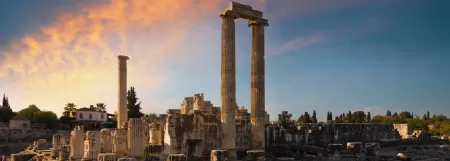
Uncover Didim, located in Aydın province, home to the ancient sanctuary of Didyma, known for the Temple and Oracle of Apollo, one of the most significant Hellenic ruins.

Visit Miletus Museum in Turkey and explore the ruins of an ancient Greek city once famed for trade, philosophy, and grand architecture!
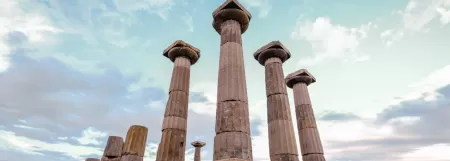
Assos Historic Site built in the 6th century BC in Çanakkale province, Assos was renowned in antiquity for its sarcophagi. Visit Assos and step into history!

Step into history at Troy, home of the legendary Trojan Horse! Uncover ancient ruins, city walls, and myths from Homer’s Iliad in Canakkale, Turkey.
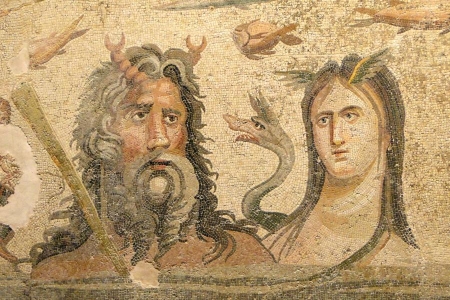
Zeugma Mosaic Museum, a treasure of ancient Roman art in Gaziantep, showcases stunning mosaics like the iconic Gypsy Girl and other breathtaking artworks.

Explore the Bodrum Museum of Underwater Archaeology, home to incredible shipwrecks, ancient artifacts, and maritime history in Turkey.

Discover the ancient Mausoleum at Halicarnassus, a masterpiece of architecture and one of the Seven Wonders.
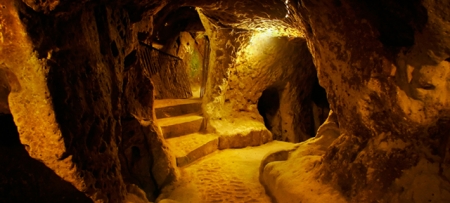
Discover the secrets of Derinkuyu Underground City in Cappadocia, a multi-level ancient wonder with tunnels, ventilation shafts, and hidden rooms.
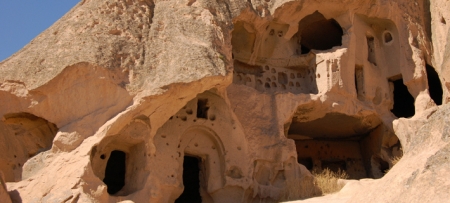
Situated in Nevsehir province, Zelve houses the most number of the world-famous Fairy Chimneys. Zelve is an important Christian center since it is the place
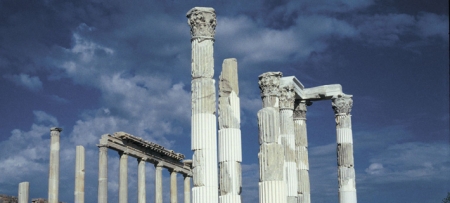
Dating back to the 3rd century BC, the Acropolis in Izmir province has preserved many of its structures and works of art. Built on several levels of mounds, the ancient site of Pergamon Acropolis is extraordinarily rich

This museum in Izmir province houses the archeological finds from the site where one of the most sophisticated civilizations once thrived.

Among the best things to do in Istanbul visiting the Church, Mosque, and Museum Hagia Sophia the major attraction, The 8th Wonders of the World" of Turkey with Memphis Tours.
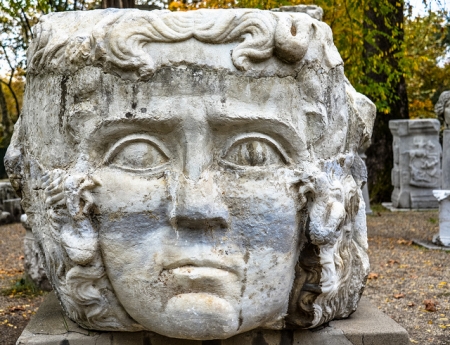
Built during the Ottoman era, the museum complex provided a background for the development of museology in Turkey. The buildings of the complex are themselves of historic significance.

This church is known to serve as the court chapel during religious ceremonies. This church carries the imprint of the typical Byzantine architecture.
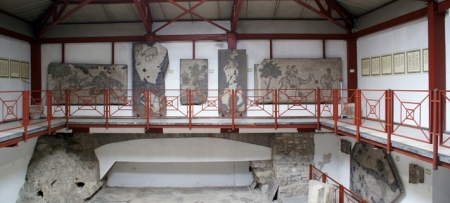
The Great Palace Mosaic Museum harbors the mosaics excavated from the courtyard of the Great Palace built during the Byzantine period.
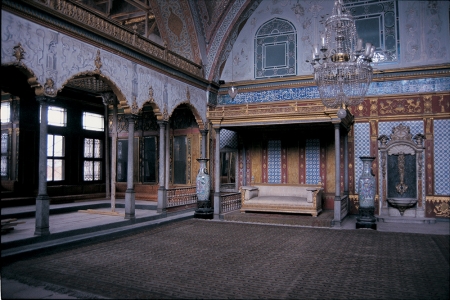
Built on a domineering point along the Bosphorus after the conquest of Istanbul, the palace is located on the tip of the historic peninsula.
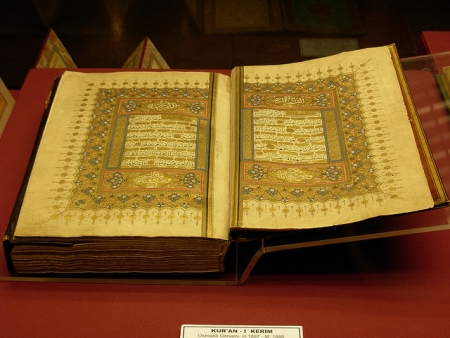
The construction of this first Turkish museum started in the 19th century within the confines of the Suleimaniye Mosque Complex.

The museum was originally a Rose Garden in the Seljuk Palace and was later presented as a gift to Rumi’s father and made a Dervish Lodge.

Opened to public in 2002, the museum is located below the Hall of Honor in Ataturk’s Mausoleum. In addition to exhibition pieces, visitors can also peek into Ataturk’s Private Library.
Built in one of the oldest neighborhoods of Ankara called Namazgah, the Ethnography Museum was also Ataturk’s first resting place for 15 years before Anıtkabir (Mausoleum).
Unique in the world with its rich collection of more than 35,000 pieces, Hatay Archeology Museum hosts the priceless mosaics known to history.