 Home
Home
Phokaia stands as one of the most fascinating ancient treasures you'll encounter in Turkey, originally established by settlers from Phocis in Greece around the 9th century BC. This remarkable coastal city quickly developed into a crucial port and became famous for its master sailors who employed 50-oared vessels to navigate far across the Mediterranean. As one of the twelve cities in the prestigious Ionian League, Phokaia played a pivotal role in regional politics and culture throughout antiquity.
When you explore Phokaia in Turkey today, you'll discover a charming town known locally as Foça, situated on the beautiful Aegean coastline just 70 kilometers north of Izmir. The population normally hovers around 30,000 residents; however, this number more than doubles to 70,000 during summer months as visitors flock to experience its historical wonders and natural beauty. Additionally, the archaeological richness of the area is evident through numerous well-preserved structures, including an ancient theater and distinctive rock-cut tombs that offer fascinating insights into past civilizations.
Throughout this guide, you'll learn about Phokaia's impressive maritime legacy that established colonies as far as France (Marseilles) and Spain, discover the architectural remnants of the 6th century BC Temple of Athena, and uncover the secrets of this once-powerful city that eventually fell to Persian forces in 546 BC. Whether you're a history enthusiast or simply seeking an authentic Turkish coastal experience, Phokaia offers a perfect blend of ancient wonder and modern charm waiting to be explored.
Discover the best Turkey Travel Packages!
A Walk Through Time: The History of Phokaia
The origins of Phokaia trace back to a fascinating cultural transition that would shape its identity for centuries. Let's explore the rich historical tapestry of this ancient city that left an indelible mark on Mediterranean civilization.
From Aeolian to Ionian settlers
The earliest presence in Phokaia belonged to Aeolian settlers, with pottery evidence confirming their occupation until at least the 9th century BCE. Initially, the area was more closely associated with the Aeolian region than with Ionia. The ancient Greek geographer Pausanias recounts that Phocaeans arrived under Athenian leadership, settling on land granted to them by the Aeolian Cymaeans.
A significant cultural shift occurred when Ionian colonists began arriving around the end of the 9th century BCE. Though some sources suggest these settlers came from Phocis in Greece, others indicate they originated from nearby Ionian cities like Teos, Erythrae, or Clazomenae. After accepting the royal lineage of Codrus, the Phocaeans were formally admitted into the prestigious Ionian League, cementing their Ionian identity.
Phokaia's maritime legacy and colonies
Despite lacking fertile agricultural land, Phokaia's residents turned to the sea and became extraordinary sailors. Their strategic location between two excellent natural harbors, complemented by several small islands, including Bakchion with its temples and palaces, allowed Phokaia to develop a thriving maritime economy.
According to Herodotus, Phocaeans were the first Greeks to undertake long sea voyages, pioneering routes to the Adriatic, Tyrrhenia, and Spain. Their exceptional seafaring skills so impressed Arganthonios, king of Tartessus in Spain, that he offered them settlement in his kingdom. When they declined, he generously funded the construction of a defensive wall around their city.
Phokaia's colonial reach was truly remarkable. To the north, they helped establish Amisos (modern Samsun) on the Black Sea and Lampsacus at the northern entrance to the Hellespont. Nevertheless, their most significant colonies were western Mediterranean outposts, including:
- Massalia (modern Marseille, France) was founded in 600 BCE
- Emporion (modern Empúries, Spain) was established in 575 BCE
- Alalia in Corsica
- Elea (modern Velia, Italy) was founded around 540-538 BCE
Persian invasion and later empires
Phokaia maintained its independence until approximately 560-545 BCE, when it fell under the control of Lydian king Croesus. Subsequently, the Persian conquest under Cyrus the Great in 546 BCE marked a pivotal turning point. Rather than submit to Persian rule, many Phocaeans chose to abandon their beloved city—some fleeing to Chios, others to their Mediterranean colonies, with many eventually founding Elea in Italy.
In 500 BCE, Phokaia joined the Ionian Revolt against Persian domination. As a testament to their naval expertise, a Phocaean named Dionysius was selected to command the entire Ionian fleet at the decisive Battle of Lade in 494 BCE. Nonetheless, Phokaia's diminished status was evident as they contributed merely three ships to the combined fleet of 353 vessels. Following the Ionians' defeat, Persian control was restored.
After Xerxes I's defeat by the Greeks in 480 BCE and Athens' subsequent rise to power, Phokaia joined the Delian League, paying a tribute of two talents to Athens. Throughout the following centuries, the city changed hands multiple times, rebelling with Spartan help during the Peloponnesian War in 412 BCE, returning to nominal Persian control in 387 BCE, then falling under Seleucid and eventually Attalid rule during the Hellenistic period.
Top Historical Sites You Shouldn't Miss
When wandering through the streets of modern Foça, you'll find yourself surrounded by remarkable archeological treasures that tell the story of Phokaia's glorious past. From sacred temples to defensive fortifications, these ancient structures offer a glimpse into the city's rich cultural heritage.
Temple of Athena
Perched atop a hill overlooking the sea, the Temple of Athena once stood as Phokaia's most important religious sanctuary. Built in the 6th century BCE during the city's golden age, this impressive structure featured Ionic columns and housed a cult statue of the goddess. Today, although only the foundation remains, you can still appreciate its strategic position and understand why ancient Phocaeans chose this spot to honor their patron deity.
The temple's significance extends beyond religious purposes—it also served as a landmark for sailors returning from long voyages. As you stand among these ancient stones, imagine Phocaean ships spotting this gleaming marble structure from miles away, signaling their return home.
Ancient theater
Nestled into a natural slope near the center of old Phokaia, the ancient theater once hosted dramatic performances and civic gatherings. Unlike many Greek theaters that were later modified by the Romans, this structure maintains much of its original Hellenic design.
What makes this site particularly special is its intimate scale—rather than an enormous venue, Phokaia's theater was built to serve its community directly. The excellent acoustics still demonstrate the architectural ingenuity of ancient builders. Furthermore, recent archeological work has uncovered fascinating details about the theater's construction phases, revealing how it evolved alongside the city itself.
Genoese Castle and Five Gates
Fast forward to medieval times, and you'll discover another layer of Phokaia's history in the impressive Genoese Castle. Constructed in the 14th century by Genoese merchants who controlled trade in the region, this fortress stands as a testament to the city's continued strategic importance long after its ancient heyday.
The castle incorporates five distinctive gates, each with unique architectural elements that blend Byzantine and Western European styles. Of particular interest is the main entrance, featuring the coat of arms of the Gattilusio family, who ruled the area under Genoese authority. The stone walls, though weathered by centuries of sea winds, remain remarkably intact and offer spectacular views across the harbor.
Şeytan Hamamı and Tas Ev tombs
Among the most mysterious sites in Phokaia are the rock-cut tombs known locally as Şeytan Hamamı (Devil's Bath) and the Tas Ev (Stone House) tombs. Carved directly into the rocky hillsides surrounding the city, these ancient burial chambers date back to the 6th century BCE.
The Şeytan Hamamı earned its unusual name from local folklore that attributed supernatural qualities to its perfectly carved interior chambers. Meanwhile, the Tas Ev tombs feature more elaborate façades that mimic the architecture of ancient houses, creating eternal "homes" for the deceased.
What's truly remarkable about these tombs is their preservation; the detailed carvings have withstood centuries of weathering and human activity. As you explore these quiet monuments, you'll gain insight into both the artistic accomplishments and funerary practices of ancient Phocaeans. Their presence outside the city walls also reveals important information about how the ancient inhabitants conceptualized the boundary between the world of the living and that of the dead.
Each of these sites offers a unique window into Phokaia's multilayered history, from its glory days as a powerful Ionian city to its later chapters under various empires. Together, they create an open-air museum where you can walk through time.
Customize Your Dream Vacation!
Get in touch with our local experts for an unforgettable journey.
Plan Your Trip
Nature and Culture in Modern Foca
Beyond the archeological wonders, modern Foça (ancient Phokaia) captivates visitors with its pristine natural beauty and vibrant local culture. This coastal gem balances preserving its rich heritage while embracing sustainable contemporary living.
Blue Flag beaches and coves
Foça boasts an impressive collection of Blue Flag-certified beaches, a testament to the town's commitment to environmental excellence. Izmir Metropolitan Municipality has established Turkey's first Blue Flag Coordination Unit, resulting in 40 of 41 public beaches earning this prestigious international recognition.
The coastline offers diverse beach experiences for every preference. Yeni Foça Beach charms families with its calm waters and relaxed atmosphere. For those seeking tranquility, Mersinaki Beach provides a secluded setting surrounded by lush greenery. Meanwhile, Kosova Beach, renowned for its spectacular sunset views and vibrant beach bars, attracts both locals and tourists alike.
Notably, many parts of the district remain under strict environmental protection due to the remarkable flora, fauna, and picturesque coves between Foça and Yenifoça. The area serves as one of only three marine protected areas in Turkey dedicated to preserving the critically endangered Mediterranean monk seal.
Local markets and crafts
The heart of Foça's cultural experience lies in its bustling local markets, where you can discover authentic Turkish crafts and fresh regional products. As you wander through these vibrant marketplaces, you'll encounter everything from handcrafted souvenirs to traditional textiles that showcase local artisanship.
The town's fish market stands as a must-visit destination where you can find the freshest seafood caught daily by local fishermen. This authentic experience connects you directly with Phokaia's enduring maritime tradition that dates back thousands of years.
Cittaslow lifestyle and community vibe
Presently, Foça proudly holds the distinction of being Turkey's 21st-century Cittaslow town, joining an international network of communities dedicated to improving quality of life by slowing down the pace. This designation perfectly captures the essence of daily life in Phokaia.
As evening falls, the town transforms with brightly illuminated streets filled with hundreds of cafés, bistros, and traditional meyhanes (Turkish taverns). Here you can savor delicious appetizers made from endemic herbs like blessed thistle and common mallow, alongside various seafood platters. These culinary experiences are typically complemented by local rakı or Aegean wines, creating an atmosphere where conversations flow freely among friends.
The community's commitment to preserving traditional stone houses enhances Foça's distinctive character. Currently, a marina construction project with 300-boat capacity promises to open Phokaia to more active international tourism while maintaining its authentic charm.
Hidden Gems Only Locals Know
Venture beyond the popular attractions of Phokaia to discover secluded treasures known primarily to residents. These hidden gems offer a glimpse into the authentic character of this ancient Turkish city.
The windmills of Degirmen Hill
As you approach Phokaia, your eyes will be drawn to the historic windmills crowning Degirmen Hill. Constructed primarily during the 19th century, these structures remained operational until the 1960s. The powerful northern winds that swept across Phokaia ensured these mills functioned efficiently throughout their working lives.
Currently, the windmills stand in deteriorated condition, yet they remain an iconic feature of the landscape. Fortunately, the local government has developed plans to restore these historic structures for tourism purposes shortly. Once renovated, they'll likely offer panoramic views similar to other Mediterranean windmills, where visitors can observe the entire village and harbor from an elevated position.
Incir and Orak Islands
Just off Phokaia's coast lie several small islands: Orak, Incir, Kartdere, Fener, Hayirsiz, and Metalik. Among these, Orak and Incir hold special significance as they're believed to be the legendary "Sirens' Rocks" mentioned in Homer's Odyssey. According to mythology, sailors lost their way after hearing the enchanting voices of Sirens—winged female creatures—causing ships to crash against these rocks.
Orak, the largest island, features both a lengthy beach and imposing cliffs, sitting approximately 400 meters from the mainland with a north-to-south dimension of 2 kilometers. Archaeological surveys indicate the island was inhabited from classical times through the Late Roman Empire era, with three stone pits discovered, one possibly serving as a cult center for the goddess Cybele.
Meanwhile, Incir Island primarily functions as a recreational area, where locals enjoy picnicking and swimming.
Old Ottoman cemetery and mosques
Nearby stands Hafiz Suleyman Mescid, a small mosque constructed in 1548 by Haci Mustafa, who served as head of the Foca castle guard. Built using local stone, the mosque underwent several restorations between the 18th and 19th centuries. After closing to prayers in 1917, it reopened in 1992.
Adjacent to this historic place of worship lies an old Ottoman cemetery used for burials from the 16th through the 19th centuries. The tombstones feature exquisite floral decorations including roses, cypress trees, pomegranates, grapes, and dates. Throughout the cemetery, these artistic elements provide insight into Ottoman artistic traditions and funerary practices. Today, a newer cemetery elsewhere in town has replaced this historic burial ground.
Essential Travel Tips for Visiting Phokaia in Turkey
Planning a trip to ancient Phokaia requires some practical preparation to ensure you make the most of this historic coastal gem. Here's what you need to know before setting off on your journey.
Getting there by car, bus, or ferry
Phokaia lies approximately 70 kilometers from Izmir, making it easily accessible for day trips or longer stays. If you're driving, you'll enjoy a scenic coastal route that showcases the region's natural beauty. Alternatively, regular bus services operate from Izmir to Foça, offering an economical transportation option.
For those staying in nearby areas, local bus line 664 runs hourly between various points in Foça. Moreover, if you prefer traveling by water, ferry services connect Foça with nearby islands, providing a refreshing travel experience with beautiful marine views.
Where to stay: hotels and guesthouses
Foça offers accommodations to suit various preferences and budgets. The Hanedan Beach Hotel stands out with its spectacular sea views, perfect for travelers seeking waterfront ambiance. Conversely, if you prefer staying closer to the action, consider the cozy Foca Kumsal Hotel, conveniently situated near the town center.
What to pack and wear
Comfortable footwear is essential for exploring ancient ruins and walking around town. Additionally, bring beach towels or be prepared to pay rental fees of approximately £15 per towel for a week.
Pack these essentials:
- Water bottles for staying hydrated, especially during summer
- Shower gel and shampoo, as these aren't always provided in accommodations
- Wet shoes or trainers for sea swimming due to sea urchins in the area
Respecting the ruins and local customs
First and foremost, remember the archeological significance of Phokaia's ruins. Accordingly, avoid climbing or touching fragile structures to help preserve these irreplaceable treasures for future generations. Besides historical awareness, understanding local customs enhances your experience and shows respect for the community that welcomes you.
Foça's market day offers an authentic glimpse into local life, where you can purchase everything from fresh produce to souvenirs. Many travelers consider this bustling marketplace a highlight of their visit, with surprisingly affordable prices compared to resort shops.
Phokaia stands as a remarkable testament to Turkey's rich historical tapestry, offering far more than just ancient ruins. Throughout your journey, you'll discover a perfect blend of archeological wonders, natural beauty, and authentic cultural experiences that few Mediterranean destinations can match.
The city's transformation from a Greek colony to a maritime powerhouse undoubtedly shaped Mediterranean history, leaving behind architectural treasures like the Temple of Athena and mysterious rock-cut tombs that continue to fascinate visitors today. Ancient sailors once navigated vast distances from Phokaia's harbors, establishing colonies as far away as modern-day France and Spain.
Modern Foça, meanwhile, maintains this connection to the sea through its pristine Blue Flag beaches and protected coves. Additionally, the town's commitment to the Cittaslow movement ensures you'll experience an authentic pace of life rather than rushed tourism. Local markets buzz with activity, giving you direct access to regional crafts and fresh seafood caught by fishermen who continue a maritime tradition spanning millennia.
Venturing beyond popular attractions rewards curious travelers with hidden treasures like the windswept Degirmen Hill with its historic windmills or the mythical islands where sirens supposedly lured ancient sailors. These lesser-known spots often become the most cherished memories of your visit.
Whether you spend your days exploring archeological wonders, swimming in crystal-clear waters, or savoring fresh seafood at waterfront tavernas, Phokaia offers a uniquely authentic Turkish coastal experience. This ancient city, therefore, deserves consideration for any traveler seeking to connect with both history and living culture on Turkey's breathtaking Aegean coast.
FAQs
Q1. What is the historical significance of Phokaia?
Phokaia, now known as Foça, was an ancient Greek city founded in the 9th century BC. It became a major maritime power, establishing colonies across the Mediterranean and pioneering long sea voyages. The city was part of the prestigious Ionian League and played a crucial role in regional politics and culture throughout antiquity.
Q2. What are some must-visit historical sites in Phokaia?
Key historical sites in Phokaia include the remains of the 6th century BC Temple of Athena, the ancient theater, the medieval Genoese Castle with its Five Gates, and the intriguing rock-cut tombs known as Şeytan Hamamı and Tas Ev. These sites offer fascinating insights into the city's rich past.
Q3. How can I experience the local culture in modern Foça?
To experience local culture, visit the bustling markets for authentic Turkish crafts and fresh seafood, enjoy the Blue Flag beaches, and immerse yourself in the Cittaslow lifestyle. In the evenings, explore the illuminated streets filled with cafés, bistros, and traditional meyhanes where you can savor local cuisine and engage in lively conversations.
Q4. Are there any hidden gems in Phokaia that tourists might miss?
Some lesser-known attractions include the historic windmills on Degirmen Hill, the nearby Incir and Orak Islands (believed to be the legendary "Sirens' Rocks"), and the old Ottoman cemetery with its beautifully decorated tombstones. These spots offer unique insights into the area's history and local life.
Q5. What should I keep in mind when visiting Phokaia?
When visiting, remember to wear comfortable footwear for exploring ruins, bring beach essentials if planning to swim, and respect the archeological sites by not climbing or touching fragile structures. Also, consider visiting on market day for an authentic local experience and be prepared for the relaxed pace of life in this Cittaslow town.
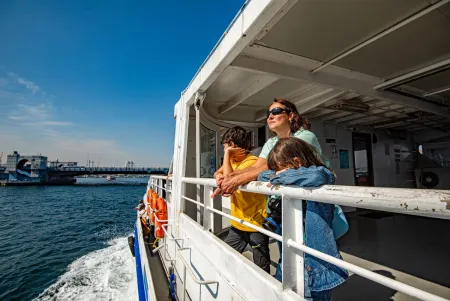
Few waterways on earth carry the weight of the Bosphorus Strait — the narrow channel that splits Istanbul between two continents and has determined the fate of empires since ancient Greece.
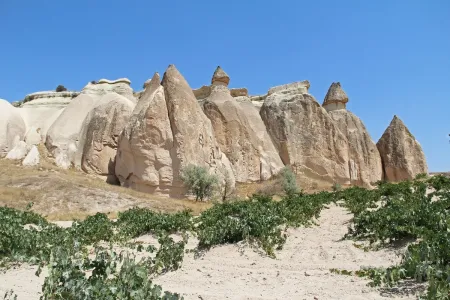
Where ancient volcanic rock meets Byzantine history, Pasabagı's iconic multi-headed fairy chimneys and carved monk dwellings make it Cappadocia's most otherworldly and unforgettable stop.
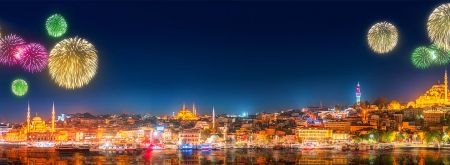
In Turkey Christmas celebrations Turkey are more sort of a ‘Do it yourself Christmas’. you may not find a crowd catering particularly to the Christmas celebrations
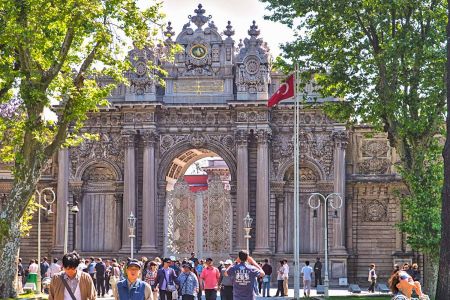
Dive into Istanbul Aquarium's underwater world featuring 17 thematic zones, a rainforest area & thousands of fascinating sea creatures. Read More!

The Great bazaar attracts many people – far too many if you come at rush hour. It’s a good idea to arrive early in the morning and enjoy a cup of tea in one of the cafés whilst the bazaar comes to life. There are thousands of stalls, selling virtually everything, carpets, gold, cloth, spices. The bazaar is a world of its own and it’s easy, but fun, to get lost in the teeming alleyways.
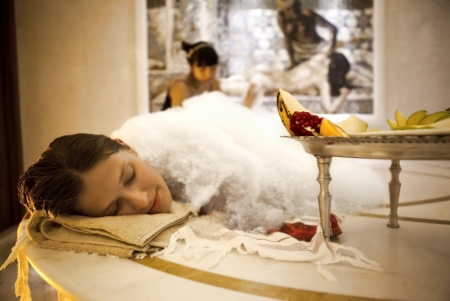
Follow Ottoman sultans' footsteps in Istanbul's historic hammams - experience authentic Turkish baths dating back centuries!
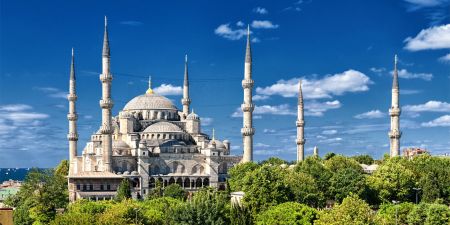
Marvel at Istanbul's iconic Blue Mosque, a masterpiece of Ottoman architecture adorned with 20,000 hand-painted İznik tiles—book your visit today to experience its celestial beauty and 400 years of Islamic heritage!

Discover Bodrum’s dual charm—ancient Halicarnassus meets turquoise shores. Plan your visit to where history and the Aegean Sea collide!
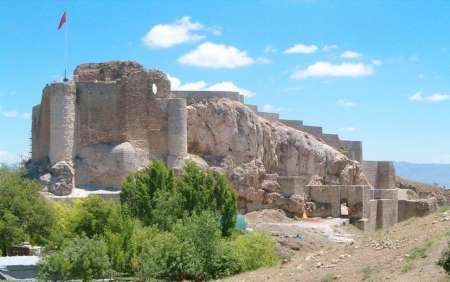
Step back in time at Harput, one of Turkey's oldest settlements, where medieval castles, ancient churches, and Ottoman mosques tell 3,000 years of history—book your cultural exploration today!
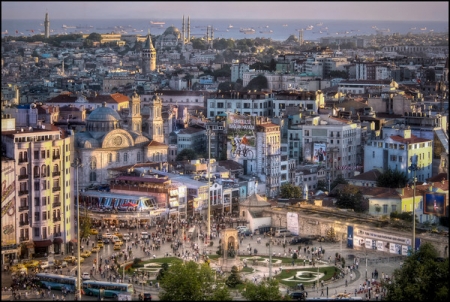
Beyoğlu, Istanbul's vibrant heart, pulses with an intoxicating blend of history and modernity, where street musicians serenade your journey through kaleidoscopic alleyways, and every step unveils a new facet of Turkey's captivating cultural mosaic!
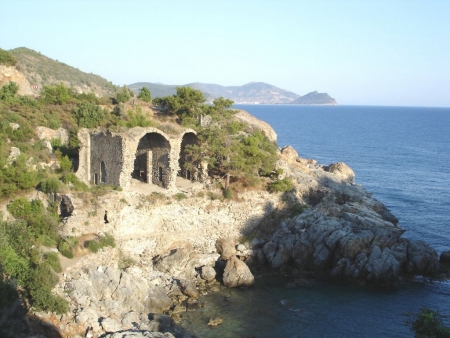
Uncover the hidden ruins of Iotape, a secluded ancient harbor city on Turkey's Mediterranean coast—book your adventure today to explore Roman temples, Byzantine churches, and breathtaking seaside vistas!

Instagram-worthy Cumalıkızık! Capture pastel Ottoman houses, flower-lined alleys & timeless charm in this living museum village!
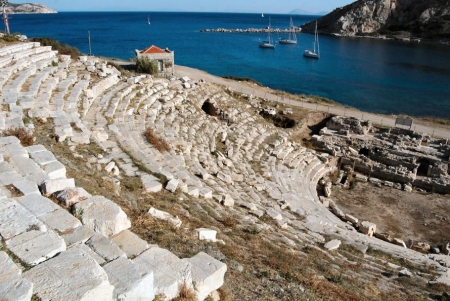
Unlock the secrets of Knidos, the ancient city where art and astronomy flourished—stand where the famed Aphrodite statue once gazed across twin harbors and explore the ruins of a civilization that shaped history. Book your archaeological adventure today!

Damlataş Cave, a stunning natural wonder in Alanya, Turkey, is famous for its ancient stalactites, stalagmites, and therapeutic microclimate, making it a must-visit for nature and history lovers. Read More!
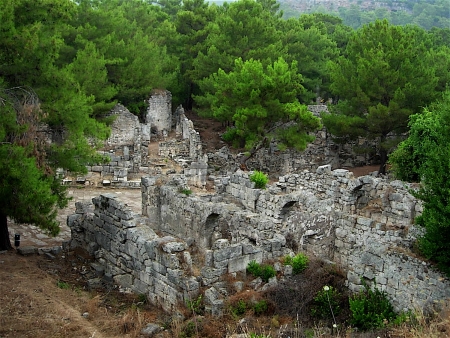
Discover the enchanting ruins of Phaselis, where ancient Lycian, Roman, and Byzantine history meets turquoise Mediterranean waters—book your visit today to explore its harbor streets, amphitheater, and shaded pine forests!
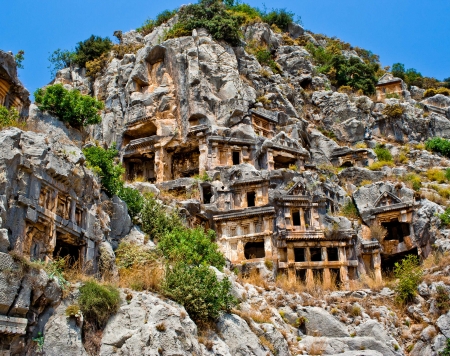
One of the most beautiful provinces of Southern Turkey, one that has survived from ancient times, the homeland of Santa Clause.
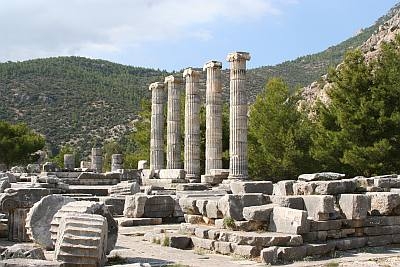
Decipher Priene's 2,300-year-old blueprints—from its democratic bouleuterion to Athena's panoramic sanctuary. Secure your expert-led tour now!
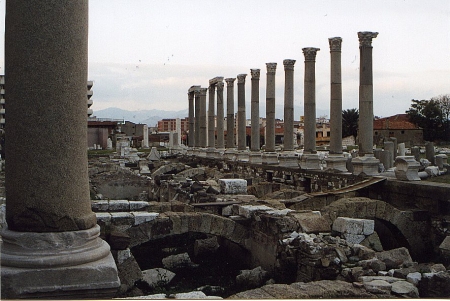
Step into 5,000 years of history at Smyrna (modern Izmir), where ancient agora ruins, Ottoman bazaars, and a vibrant waterfront tell tales of civilizations— experience Turkey's eternal gateway between East and West!
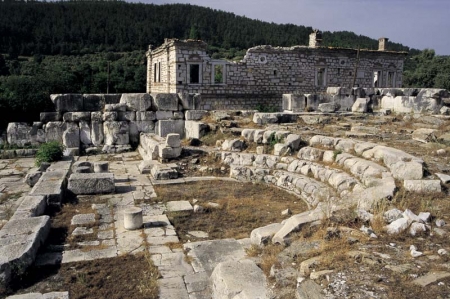
The ancient city of Stratonikeia, situated near the town of Yatağan in Aydin province, was a member state of the Khrysaor Union and was founded in the 3rd century BC. The monuments and ruins of the ancient city are still extant today and are open to visitation.
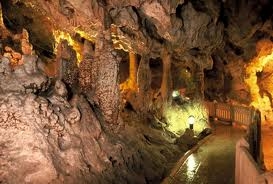
One of the most enigmatic places of the Mediterranean Region, Karain Cave has survived from prehistoric times.
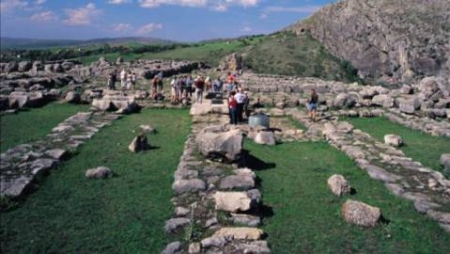
Situated in Alaca town in the city of Corum, Alacahoyuk predominantly shows the Hittite influence during the Bronze Age, although ruins belonging to four different cultural phases can also be seen.

Situated in the Cilicia region in Adana province, the founding date of this ancient city is not known. It emerged during the Roman era but was somewhat overshadowed by Tarsus, the capital of the Cilicia region. In later times, Anazarbus continuously passed hands between the Arabs and Byzantines. Many historic remains along with a majestic Anavarza castle can be seen.

Situated in the Serik town in Antalya province, Aspendos impresses its visitors with its elegant amphitheater and other ancient remains. Because of its location close to the trade routes and the Koprucay River, Aspendos has always been a rich town many rulers desired to dominate.
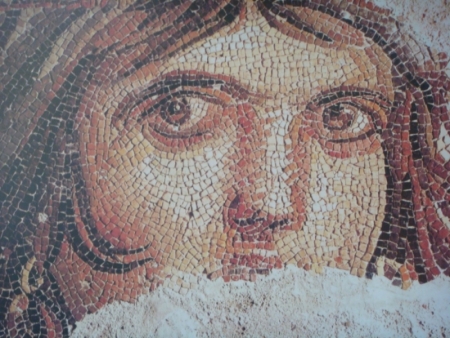
Discover the ancient wonders of Zeugma, home to stunning Roman mosaics and rich history—plan your visit now to witness this archaeological treasure!
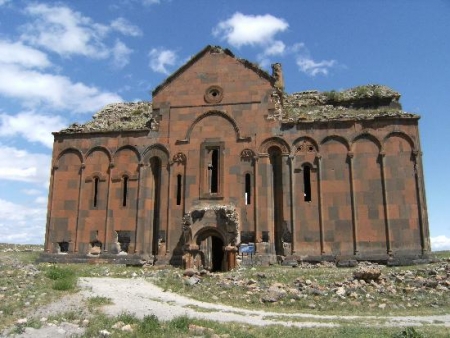
Explore the breathtaking ruins of Ani, a medieval Armenian city near Kars, and uncover its rich history—book your tour today to step back in time!
Explore the stunning ruins of Perge, an ancient Pamphylian city famed for its grand colonnaded streets, Hellenistic gates, and one of Turkey's best-preserved Roman theaters—book your historical journey today to walk in the footsteps of Alexander the Great and Saint Paul!

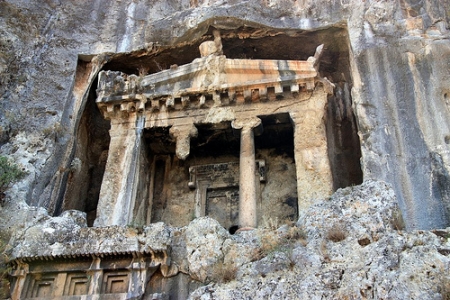
Step into the past at Telmissos in Bodrum, where Lycian tombs and ancient ruins await—book your adventure now to explore this hidden gem!

Princes' Islands: A car-free paradise where Ottoman charm meets Marmara's azure embrace. Read More!

Journey to the majestic ruins of Sagalassos, an ancient Pisidian city with stunning Roman architecture—secure your tour today and experience history come alive!
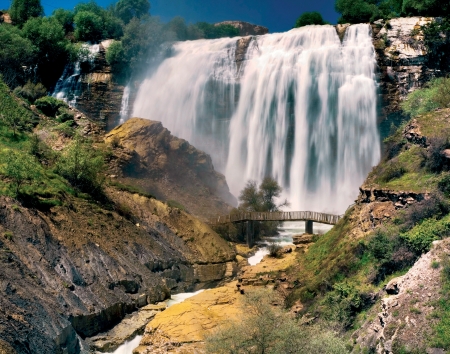
Located in one of the Eastern Anatolian cities with a rich cultural heritage, Tortum Waterfall is one of the most beautiful natural treasures.
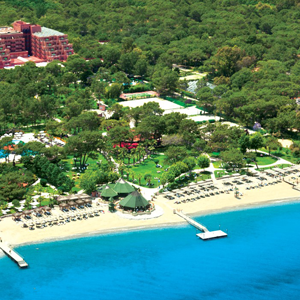
Splendid forest scenery with pine and pistachio trees as well as a magnificent coastline and impressive golf courses and facilities await you for an unforgettable holiday in Belek.

Walk in the footsteps of the Hittites at Hattusha Open-Air Museum, a UNESCO-listed wonder—book your tour today to unlock 4,000 years of history!
Kalkan, a charming Turkish coastal village, captivates with its blend of cobblestone streets, azure waters, and Lycian history, offering a perfect Mediterranean escape for those seeking relaxation and cultural richness!
One of the major cities of Lycia and located in the western part of Antalya, Kaş is a natural wonder which impresses visitors with a spectacular geography.
Discover the sacred ruins of Letoon, a UNESCO-listed ancient sanctuary dedicated to Leto, Apollo, and Artemis—walk among legendary history!

As charming as the meaning of the name indicates, Şirince is a lovely little village comprised of narrow streets with old adjacent houses.
Explore Laodikea’s magnificent Greco-Roman ruins, including its grand theater and temples—reserve your spot now for an unforgettable journey to the past!
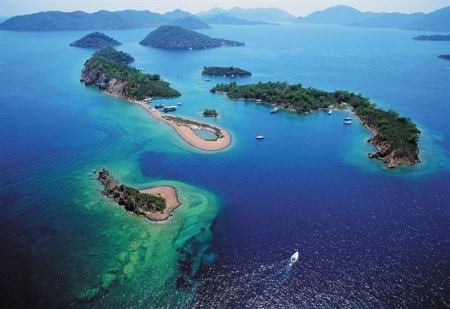
One of the most beautiful cities of the Aegean Region, Göcek, comprised of many islands and bays has been treasured and protected until nowadays.
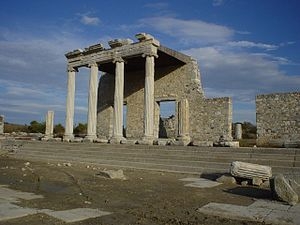
Step into Miletus of Turkey, where ancient Greek wisdom meets Turkish charm, and lose yourself in a time-warp of grand theaters, intricate mosaics, and whispered tales of long-lost glory!

Myra was the first city of the Lycian Union and surpassed Xanthos in the early Byzantine ages to become the capital city of Lycia. Explore it!
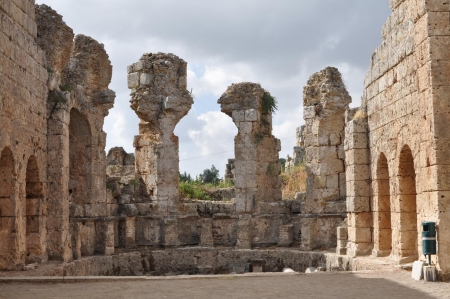
Step into Perge Turkey, where ancient Roman grandeur meets Turkish sunshine, inviting you to wander through a maze of towering columns, intricate mosaics, and whispered tales of gladiators and gods!
Explore Phokaia's archaeological wonders, from its iconic rock-cut tombs to remnants of city walls, telling the story of this influential Ionian settlement!
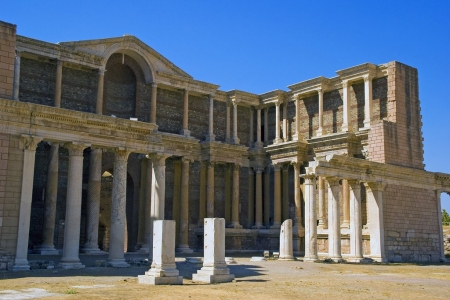
Sardis, once the wealthy capital of King Croesus, offers awe-inspiring ruins like the Gymnasium and the gold-refining district, showcasing its importance in antiquity!
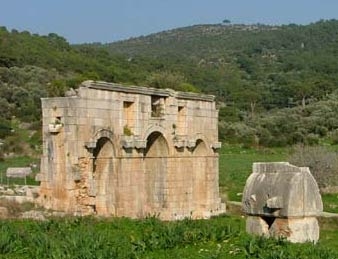
Patara, Apollo's legendary birthplace, invites you to uncover ancient Lycian treasures hidden beneath golden sands, where magnificent ruins whisper tales of bygone glory and sun-drenched beaches beckon with their crystal-clear waters!

Telmessos reveals its Lycian and Hellenistic heritage through striking archaeological remains, including its iconic cliffside necropolis overlooking the Mediterranean! Explore more!
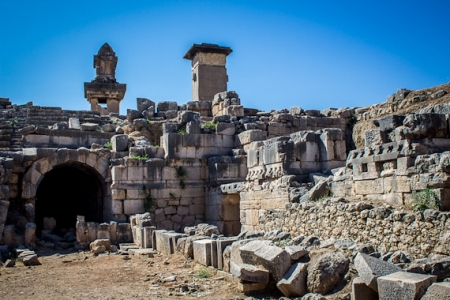
Located in Fethiye, the ancient city of Xanthos once functioned as a capital of the Lycian League.
The city witnessed several wars and was destroyed to be built again eventually. Also the center of episcopacy during Byzantine era, Xanthos is enlisted in the UNESCO World Heritage.
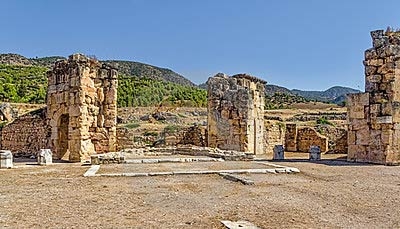
Hierapolis Turkey, a UNESCO treasure nestled beside Pamukkale's ethereal terraces, invites you to wander through Roman ruins, soak in sacred springs, and walk in the footsteps of saints, where ancient wonders and healing waters intertwine in a timeless dance. Read More!
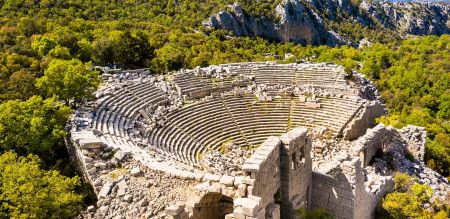
The scent of wild thyme follows visitors through Termessos' labyrinth of ruins, where every crumbling step reveals another vista of Antalya's mountains through gaps in walls that even Alexander couldn't breach!
From the legendary reign of Limyra's 4th-century BC ruler to its Byzantine-era bishopric, these ruins near Antalya preserve layers of Lycian, Persian, and Roman influence along the Mediterranean coast!

Nestled in the rugged embrace of Turkey's Taurus Mountains, Sagalassos invites intrepid explorers to step back in time, where perfectly preserved Roman ruins and ancient fountains whisper tales of a forgotten empire, offering a breathtaking journey through history far from the beaten path!
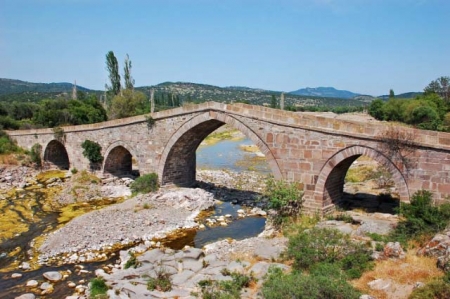
Perched atop a volcanic crag overlooking the Aegean, ancient Assos enchants visitors with its remarkably preserved Temple of Athena, Hellenistic walls, and panoramic views that inspired Aristotle during his residence here!
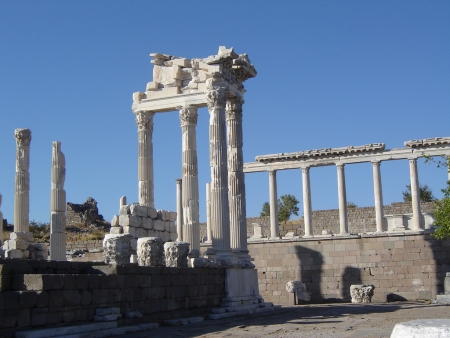
Pergamon's acropolis rises dramatically above Izmir, showcasing its legendary Library, steepest ancient theater, and Altar of Zeus – a monumental testament to Hellenistic power and culture!
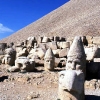
Witness the awe-inspiring grandeur of Mount Nemrut in Adıyaman, where colossal stone heads and ancient tombs crown the summit, a testament to the megalomaniacal vision of King Antiochus I of Commagene!
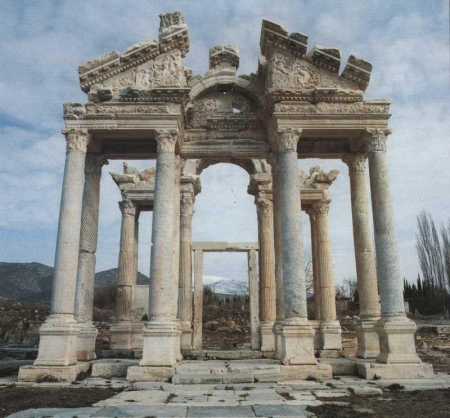
Discover Aphrodisias, a remarkably preserved ancient city in Aydın, where majestic temples, a grand stadium, and exquisite marble sculptures celebrate its legacy as a center of art and the cult of Aphrodite!

Cappadocia's protected landscape preserves extraordinary evidence of human adaptation—from early Christian cave monasteries to vast, ventilated underground cities!
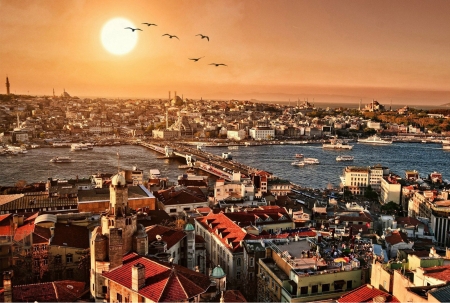
Uncover Istanbul's ancient heart—where Hagia Sophia, Topkapi Palace, and the Blue Mosque bring centuries of history to life. Read More!