
 Home
Home
The Cradle of the Saints Hata,y beckons you to step back in time, situated less than 20 miles from the Syrian border, where ancient Antioch once flourished as a cornerstone of biblical history. This remarkable region stands as a perfect starting point for your spiritual pilgrimage through a land deeply intertwined with the foundations of Christianity.
As you explore the ruins of Antioch, you'll walk the same paths where Paul and Barnabas were anointed for their ministerial journey, creating a profound connection to the earliest days of Christian faith. Furthermore, this region holds surprising connections to Old Testament narratives—the Hittites, from whom Abraham purchased burial grounds for his wife Sarah, have left their mark here as evidenced by one of the oldest artifacts ever discovered in Turkey. Indeed, Hatay serves as a living bridge between biblical scripture and tangible history, offering you a rare opportunity to witness where the grace of God was visibly present in the ancient world.
Hatay’s Spiritual Landscape: Where Faith Meets History
Nestled at the crossroads of civilizations, Hatay stands as a living testament to religious heritage spanning millennia. This region's unique spiritual landscape offers you a rare glimpse into how different faiths have coexisted, evolved, and flourished in a shared geographical space.
Why Hatay is called the Cradle of the Saints
The title "Cradle of the Saints" wasn't bestowed upon Hatay by chance. This region earned its prestigious moniker through its profound connection to early Christianity and the remarkable number of saints who emerged from its soil.
Ancient Antioch (modern-day Antakya in Hatay province) holds particular significance as the birthplace of numerous early Christian saints. It was here that followers of Jesus were first called "Christians," marking a pivotal moment in religious history. The city became a launching point for missionary journeys that would spread Christianity throughout the Roman Empire.
St. Peter, one of Christ's twelve apostles, established one of the earliest Christian communities in Antioch. The cave church bearing his name stands as one of Christianity's oldest worship sites. St. Ignatius of Antioch, an early Church Father and martyr, led the Antiochian church before his martyrdom in Rome. His theological writings remain influential to this day.
St. Luke the Evangelist, author of the Gospel of Luke and Acts of the Apostles, was born in Antioch. His detailed accounts provide some of the most important historical records of early Christianity. Additionally, St. John Chrysostom, known as the "golden-mouthed" orator and theologian, served as a priest in Antioch before becoming Archbishop of Constantinople.
What makes Hatay truly exceptional is that these saints didn't merely pass through—they were shaped by this multicultural environment. The region's position at the intersection of Eastern and Western thought created an intellectual climate that fostered theological development and spiritual growth.
Religious diversity and harmony
Hatay's spiritual landscape is characterized by an extraordinary religious diversity that has persisted throughout the centuries. Today, this province remains one of Turkey's most diverse regions, where different faiths exist side by side in remarkable harmony.
The province hosts:
- Muslims: Both the Sunni and Alevi communities with their distinctive mosques and traditions
- Christians: Orthodox, Catholic, and Protestant denominations maintaining ancient churches
- Jews: With a history dating back to ancient times, though their numbers have diminished
- Alawites: A significant community with unique religious practices
This interfaith coexistence isn't merely a modern phenomenon but a continuation of historical patterns. Throughout centuries, Hatay's position at the crossroads of trade routes exposed it to diverse religious influences, creating an atmosphere of tolerance unusual for its time.
As you walk through Hatay's streets today, you'll notice this harmony manifested in the physical landscape. Mosques, churches, and synagogues often stand within close proximity to each other. In some neighborhoods, the call to prayer might be heard shortly before church bells ring, creating a symphony of faith that characterizes the region.
The intermingling of religions has also influenced local traditions. Religious festivals often become community celebrations where people of different faiths participate. Culinary traditions similarly reflect this blending, with religious food customs influencing the region's distinctive cuisine.
Although modern borders have altered Hatay's demographic landscape, primarily following its annexation to Turkey in 1939, the spirit of religious coexistence persists. This enduring tradition of harmony makes Hatay not just a historical curiosity but a powerful example of how diverse religious communities can thrive together.
Walking Through the Ruins of Antioch
Ancient ruins whisper stories of faith across Hatay's landscape, inviting you to walk through history's living pages. As you explore what remains of Antioch, once the third-largest city in the Roman Empire, you'll discover a place that shaped Christianity's earliest chapters.
Traces of early Christian communities
Wandering through Antioch reveals the birthplace of Christian identity itself. It was here in this cosmopolitan center that followers of Jesus were first called "Christians". This pivotal moment marks Antioch not just as a historical footnote but as the cradle of Christian identity.
The apostle Paul, alongside Barnabas and Silas, established a thriving Christian community that became known for its inclusivity. Their missionary journeys, launched from Antioch's streets, carried the gospel message throughout the ancient world. During the height of its prominence, the Christian population in Antioch reached approximately 100,000 believers according to Chrysostom's homilies delivered between 386 and 393 AD.
Consequently, Antioch emerged as a critical hub for early Christianity's development. If Jerusalem represents Christianity's birthplace, then Antioch served as its launching pad. Bishop Paolo Bizzeti aptly described it: "If Jerusalem is considered the Mother Church, Antioch can be seen as the mother of Christian dialog. It is from here that the proclamation of the Gospel started".
The diverse Christian community flourished particularly in a quarter called the Kerateion, which attracted the earliest missionaries. Despite the passage of time, this sacred ground continues to resonate with spiritual significance for multiple Christian traditions, including the Syriac Orthodox Church, Maronite Church, Syriac Catholic Church, Melkite Greek Catholic Church, and Greek Orthodox Church of Antioch.
Architectural remnants and their stories
Today, much of ancient Antioch lies buried beneath sediment from the Orontes River or modern construction. Nevertheless, several remarkable ruins remain, telling stories of this once-magnificent metropolis.
Among the most notable architectural remnants:
- Massive fortification walls - standing as a testament to Antioch's strategic importance
- The world's largest single-piece floor mosaic - An extraordinary artistic achievement preserved from antiquity
- Bath of Apolausis - A Roman bath complex decorated with elaborate floor mosaics and wall frescoes
The Bath of Apolausis particularly illustrates Antioch's splendor. Excavated in the 1930s, this public building originally served an agricultural complex or group of country villas. Its octagonal central space functioned as a frigidarium (cold bath), while the eastern section featured a caldarium (hot bath) heated by an ingenious hypocaust system—raised floors supported by pillars that distributed warmth from a furnace.
While exploring these ruins, you'll notice how extensively mosaics adorned Antioch's buildings. During excavations, archaeologists unearthed more than three hundred mosaic pavements from private homes, public buildings, and churches. Many featured impressive artistic elements—from personifications to animal motifs—reflecting the city's cultural sophistication.
The Getty Museum's "Mosaic Floor with Animals" came from this very bath complex, originally decorating a vestibule connecting the entrance with the main octagonal room. Based on stylistic comparisons, experts date it to the late fourth century AD, offering a tangible connection to Antioch's golden age.
Despite these remarkable discoveries, what you see today represents only fragments of Antioch's former glory. As you walk these ancient paths, remember you're traversing ground where Christianity took some of its first formative steps beyond Jerusalem.
Customize Your Dream Vacation!
Get in touch with our local experts for an unforgettable journey.
Plan Your Trip
Sacred Sites You Shouldn’t Miss
Pilgrim's footsteps echo through Hatay's sacred spaces, where ancient worship sites offer you profound connections to the earliest days of Christianity. When visiting the Cradle of the Saints, Hatay, certain religious landmarks stand as must-see destinations for both spiritual seekers and history enthusiasts.
The Church of St. Peter
Carved directly into the mountainside of Mount Starius (Staurin), the Church of St. Peter ranks among Christianity's earliest and most significant worship sites. This remarkable cave church, initially a natural cavern later expanded with a carved façade, holds immense historical importance as one of the first places where early Christians gathered secretly during periods of persecution.
What makes this site particularly special is its connection to the apostle Peter himself. According to tradition, Peter preached here between 47-54 CE, establishing one of the earliest Christian communities. The church's interior, though modest in size, features fragments of mosaics, frescoes, and stone carvings that have survived centuries of natural disasters and human conflict.
In 1963, Pope Paul VI designated this ancient church as a place of pilgrimage for Christians worldwide, recognizing its profound significance to Christian heritage. Today, the site includes:
- A restored façade featuring a marble portal
- An altar used for special services
- A small niche believed to have been used by early Christians for baptisms
- A tunnel system that provided escape routes during persecutions
The annual Saint Peter Mass held here each June attracts Christians from various denominations, underscoring the site's ecumenical significance within the ruins of Antioch.
Other lesser-known religious landmarks
Beyond the famed Church of St. Peter, Hatay houses numerous sacred sites that deserve your attention:
St. Simon Stylites Monastery sits atop a hill overlooking the beautiful Hatay countryside. This 6th-century monastery commemorates Simon the Stylite, a Christian ascetic who lived atop a pillar for 37 years as an extreme act of devotion. The monastery's impressive stone architecture and panoramic views make it worth the journey.
Orthodox Church of Saints Peter and Paul in downtown Antakya represents one of the region's most active Christian communities. Its ornate iconography and regular services offer glimpses into living Eastern Christian traditions that have continued unbroken for centuries.
Habib-i Neccar Mosque, although Islamic, holds significance in Christian history as well. Named after the first martyr of Antioch mentioned in Islamic tradition, this site represents the religious intermingling characteristic of Hatay. The mosque was built on the foundations of an ancient church, with elements of that earlier structure still visible in its architecture.
Sarımiye Mosque exemplifies Ottoman architectural brilliance with its impressive dome and intricate stonework. Though newer than many sites in Hatay, dating to the 19th century, it stands as testimony to the continuing religious importance of this region through the centuries.
For a truly comprehensive experience of Hatay's sacred landscape, venture beyond these main sites to discover hidden churches, ancient synagogues, and shrines that dot the countryside, each telling its own chapter in the story of this remarkable Cradle of Saints.
Cultural Treasures in Hatay’s Museums
Beyond ancient ruins and sacred churches, Hatay preserves its rich heritage within the walls of its exceptional museums. These institutions house tangible connections to the region's multilayered past, offering you intimate encounters with artifacts that illuminate the Cradle of the Saints.
Hatay Archeology Museum highlights
The Hatay Archeology Museum stands as a treasure trove of historical artifacts spanning millennia. Established in 1932 and relocated to its current building in 2014, this museum houses one of Turkey's most impressive collections. Its modern design complements the ancient treasures within, creating a striking contrast between past and present.
As you explore the museum's galleries, you'll discover an extraordinary collection of mosaics rescued from the ruins of Antioch. These vibrant artworks, dating primarily from the 2nd to 6th centuries, showcase remarkable craftsmanship with their intricate designs depicting mythological scenes, geometric patterns, and everyday life. The Megalopsychia Hunt Mosaic particularly stands out, illustrating hunting scenes with exceptional detail and artistic mastery.
The story of the Hittite statue
Among the museum's most significant pieces is an ancient Hittite statue dating back approximately 3,000 years. This remarkable artifact provides a tangible connection to the Old Testament narrative, as the Hittites frequently appear in biblical accounts. The statue's weathered features and distinctive artistic style offer insights into this ancient civilization that once controlled vast territories across Anatolia.
The discovery of this statue near ancient Antioch furthermore reinforces the region's importance as a crossroads of civilizations mentioned in sacred texts. In essence, this singular artifact exemplifies how Hatay bridges archeological evidence with biblical history.
Artifacts from the Roman and Byzantine eras
The Roman and Byzantine collections showcase Hatay's prominence during these influential periods. Notable exhibits include:
- Exquisitely preserved glassware demonstrating advanced craftsmanship
- Bronze and marble statues of deities and emperors
- Religious artifacts reflecting the region's early Christian communities
- Jewelry and household items reveal everyday life
The museum's Byzantine religious icons and ceremonial objects are particularly relevant to understanding Hatay's designation as the Cradle of the Saints. These artifacts illustrate how Christian art and worship evolved in this pivotal region, subsequently influencing religious expression throughout the Mediterranean world.
Biblical Connections That Come Alive
Walking through Hatay today, biblical narratives leap from the pages of scripture into tangible reality. This ancient land offers you a rare opportunity to experience how sacred texts and physical history intertwine in remarkable ways.
Paul and Barnabas in Antioch
In the bustling streets of ancient Antioch, Paul and Barnabas forged a partnership that would transform Christianity forever. After believers fled Jerusalem's persecution, news of a growing church in Antioch reached Jerusalem, prompting them to send Barnabas to encourage this fledgling community. Recognizing the potential, Barnabas journeyed to Tarsus specifically to find Paul and bring him to Antioch.
For an entire year, they taught together in Antioch, where "the disciples were first called Christians" as recorded in Acts 11:26. This pivotal moment marked Antioch as Christianity's naming place. The city became their base for missionary journeys that would spread the gospel throughout the Roman Empire.
Antioch's church demonstrated remarkable generosity when, after the prophet Agabus foretold a famine, they collected relief funds for believers in Judea. Paul and Barnabas delivered these gifts, establishing a pattern of meeting both spiritual and physical needs.
The Hittites in the Old Testament
The Hittites appear prominently throughout the Hebrew Bible, creating another fascinating connection to Hatay. Abraham purchased burial grounds for his wife Sarah from Ephron the Hittite. Esau married Hittite women (much to Rebecca's dismay), and King David had Uriah the Hittite killed to acquire his wife.
In Joshua 1:4, the "land of the Hittites" is described as extending "from the wilderness and this Lebanon even unto the great river, the river Euphrates," corresponding geographically to Hatay's location.
How Hatay bridges scripture and history
Archaeological discoveries in Hatay provide tangible evidence of biblical accounts. The Hittite statue in Hatay's Archeology Museum offers physical proof of this ancient civilization mentioned repeatedly in scripture.
Moreover, Antioch's ruins validate the New Testament descriptions of the city's importance. The fact that missionaries like Paul and Barnabas repeatedly returned to Antioch underscores its strategic significance. As you explore these sites, you're literally walking where biblical history unfolded, creating an unparalleled connection between sacred texts and archeological reality.
Where Ancient Faith Echoes Through Time
As you journey through Hatay, the true meaning of "Cradle of the Saints" becomes undeniably clear. This remarkable region stands as a living testament to Christianity's earliest chapters, where biblical narratives materialize before your eyes. Ancient Antioch, though partly hidden beneath modern Antakya, still whispers stories of Paul and Barnabas walking its streets, teaching multitudes, and launching missions that would forever change the world.
The Church of St. Peter, carved into Mount Starius, certainly ranks among Christianity's most significant early worship sites. Likewise, lesser-known gems scattered throughout the province offer equally profound connections to spiritual heritage. The religious harmony visible throughout Hatay additionally demonstrates how diverse faiths have coexisted here for centuries, creating a unique cultural tapestry unlike anywhere else.
Hatay Archeology Museum further enriches your experience through its extraordinary collection of mosaics, statues, and artifacts. The ancient Hittite statue, specifically, bridges Old Testament references with tangible evidence, allowing you to touch history mentioned in sacred texts.
Above all, Hatay provides something increasingly rare in our modern world – a place where scripture comes alive through archeological confirmation. You walk the same paths where Christianity received its name, where apostles taught eager listeners, and where ancient civilizations mentioned in biblical accounts left their mark.
Therefore, a pilgrimage to Hatay offers more than typical tourism. Instead, you'll find yourself on a profound journey through time, connecting with the foundations of faith while experiencing firsthand the rich tapestry of religious history. The stones, artifacts, and sacred spaces of this ancient land tell stories that transcend millennia, waiting for you to discover them with your own eyes.
FAQs
Q1. What makes Hatay known as the "Cradle of the Saints"?
Hatay earned this title due to its profound connection to early Christianity. It was in ancient Antioch (modern-day Antakya) where followers of Jesus were first called "Christians," and numerous early Christian saints emerged from this region.
Q2. What are some must-visit religious sites in Hatay?
The Church of St. Peter, carved into Mount Starius, is a key site. Other notable places include St. Simon Stylites Monastery, the Orthodox Church of Saints Peter and Paul, and the Habib-i Neccar Mosque, which has connections to both Christian and Islamic history.
Q3. How does Hatay connect biblical history with archeological evidence?
Hatay bridges scripture and history through archeological discoveries like the ancient Hittite statue in the Hatay Archeology Museum, which provides tangible evidence of civilizations mentioned in the Bible. The ruins of Antioch also validate New Testament descriptions of the city's importance.
Q4. What can visitors expect to see at the Hatay Archeology Museum?
The museum houses an impressive collection of artifacts, including vibrant mosaics from ancient Antioch, a 3,000-year-old Hittite statue, and numerous items from the Roman and Byzantine eras, such as glassware, statues, and religious artifacts.
Q5. How does Hatay demonstrate religious diversity and harmony?
Hatay is one of Turkey's most diverse regions, where different faiths coexist peacefully. You can find mosques, churches, and synagogues nearby, and religious festivals often become community celebrations where people of different faiths participate together.
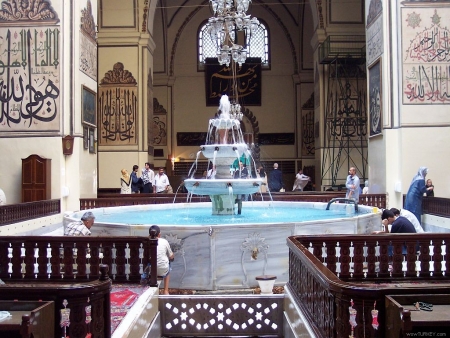
Discover the magnificent Bursa Grand Mosque, a masterpiece of early Ottoman architecture with its 20 domes and stunning calligraphy—plan your visit today to experience this iconic spiritual landmark!
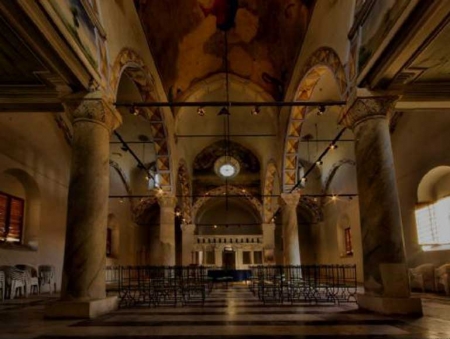
Explore St. Paul Church in Antalya, a sacred site honoring the Apostle Paul's missionary journeys—book your visit now to discover this hidden gem of early Christian history!
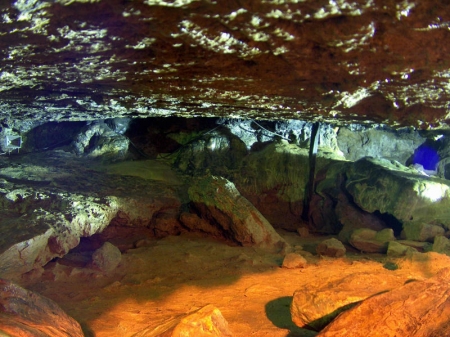
Uncover the mystical Cave of the Seven Sleepers near Ephesus, a sacred site blending Christian and Islamic legends—reserve your tour today to step into this ancient wonder of faith and history!
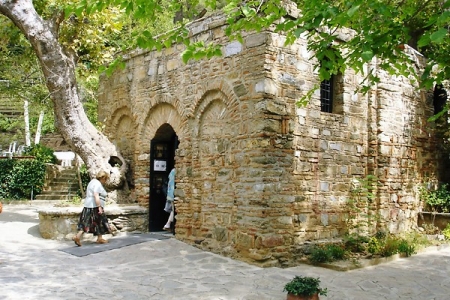
Experience the sacred Church of the Virgin Mary in Ephesus, where the Third Ecumenical Council was held—a spiritual journey to walk through one of Christianity's most revered ancient sites.
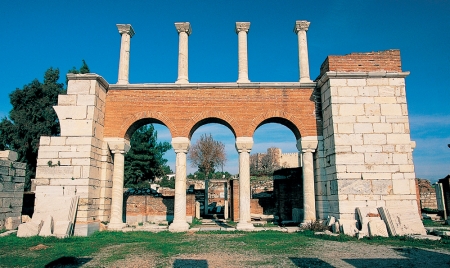
Walk in the footsteps of saints at the Basilica of St. John in Ephesus, a magnificent 6th-century Byzantine marvel overlooking Ephesus – a visit to explore this sacred site where history and spirituality intertwine!
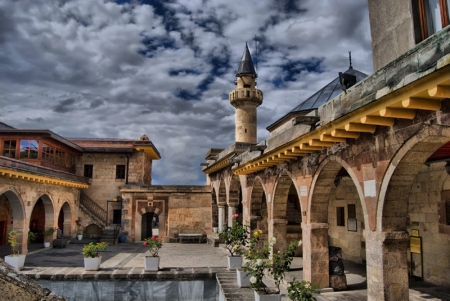
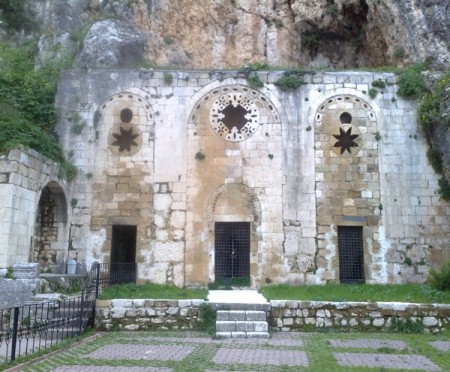
The Church of St. Pierre, located at the foothills of Mt Pilgrimage (Hac Dağı) in Hatay province is one of the most significant centers of Christianity. The cave known as the location where St. Peter had given his first sermon was upgraded and turned into a church after the Romans had adopted Christianity. The church was a harbor to the first Christians and the first pope, St. Peter, and contributed to the spread of Christianity in the world.
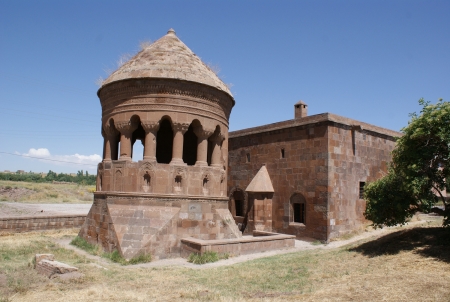
Discover Ahlat Turkey, home to stunning Seljuk-era tombstones and Turkey's largest Islamic cemetery—book your visit now to explore this open-air museum of Anatolian history!
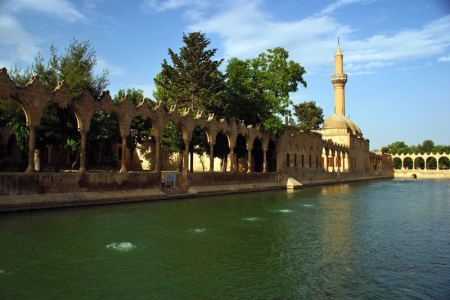
Experience the spiritual grandeur of Şanlıurfa Rizvaniye Mosque, an Ottoman-era masterpiece near the sacred Pool of Abraham— a visit to admire its exquisite architecture and serene atmosphere!
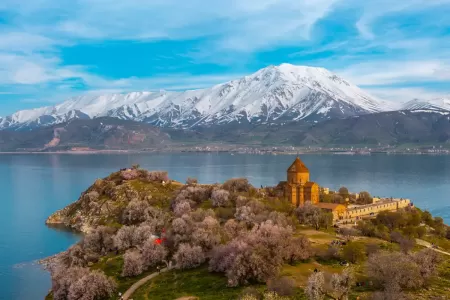
Marvel at the stunning Akdamar Church on Lake Van, a 10th-century Armenian architectural gem with biblical reliefs— experience this unique blend of history, art, and island beauty!
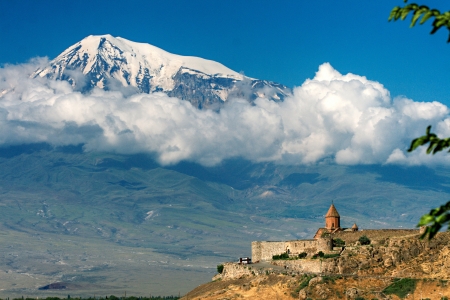
Mount Ararat, mentioned in both the Quran and Old Testament, is believed to be where Noah's Ark came to rest after the Great Flood, which lasted 150 days following 40 days of rain, with land sighted a year later. Read More!
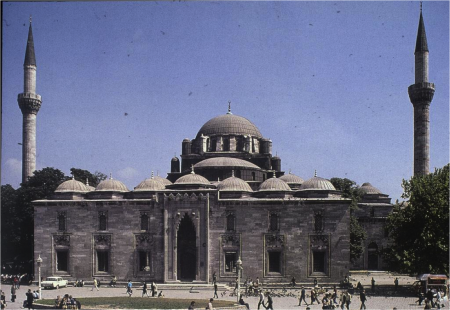
Explore the historic Amasya Sultan Bayezid Mosque Complex, a stunning example of Ottoman architecture nestled in Amasya's scenic valley—a visit to experience its serene courtyards and rich heritage.
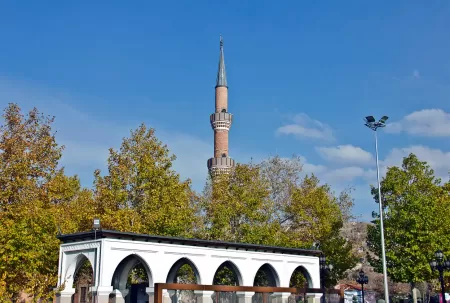
Step into living history at Ankara's Hacı Bayram Veli Complex—a 15th-century Sufi shrine and mosque that pulses with spiritual energy. Book your cultural pilgrimage now!
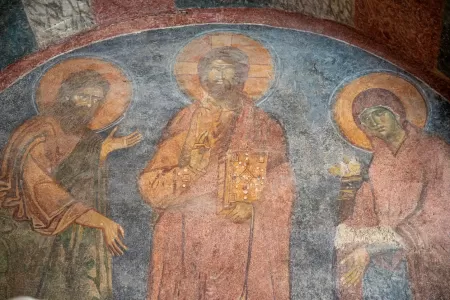
Discover the ancient Church of St. Nicholas in Demre (Myra), Antalya, where the beloved saint served as bishop— explore this sacred pilgrimage site and the origins of the Santa Claus legend!
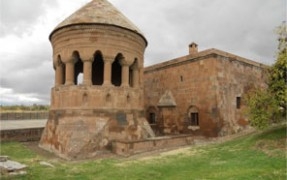
Discover the exquisite craftsmanship of Seljuk-era mausoleums and tombstones, adorned with intricate calligraphy and geometric patterns –a cultural exploration to witness these stunning monuments of medieval Anatolian heritage!
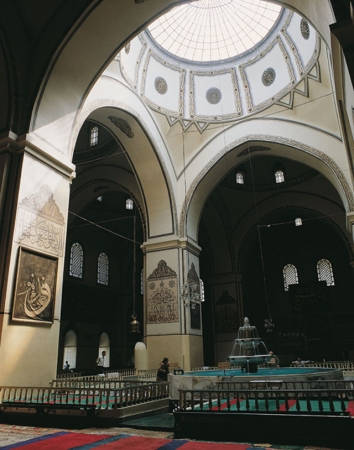
Marvel at Bursa's Green Mosque (Yeşil Cami), a masterpiece of early Ottoman architecture adorned with exquisite turquoise tiles— experience the serene beauty of this 15th-century imperial treasure!
Step into the living history of Anatolian Sufism at the Hacı Bektaş Veli Complex, where 13th-century teachings still resonate – a journey to this landmark of Turkish spiritual heritage now!
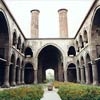
Marvel at the iconic Çifte Minareli Medrese in Erzurum, a 13th-century Seljuk masterpiece with twin minarets and intricate stone carvings— explore this architectural gem of Anatolian Islamic heritage!
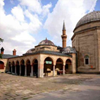
Eskisehir, Turkey's enchanting "Venice of Anatolia," invites you to lose yourself in a vibrant tapestry of Ottoman charm, youthful energy, and soothing thermal springs, where every cobblestone street whispers tales of ancient civilizations and modern dreams!
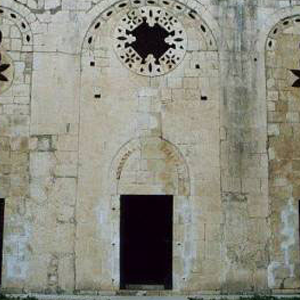
Journey through Hatay, the 'Cradle of Saints', where prophets and martyrs walked—from St. Peter’s Grotto to Habib-i Neccar’s tomb—book your spiritual exploration today to trace 2,000 years of sacred history in Turkey’s interfaith heartland!
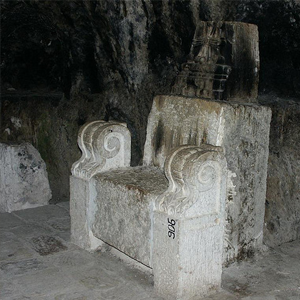
Discover St. Peter’s Grotto, where Christianity took root beside Antioch’s Muslim and Jewish history—plan your visit to Hatay’s living interfaith mosaic today!

Discover the sacred Habib-i Neccar Mosque and Tomb in Hatay, believed to hold the remains of early Christian martyrs mentioned in the Quran—book your visit today to experience this unique interfaith pilgrimage site where Islam and Christianity intertwine!
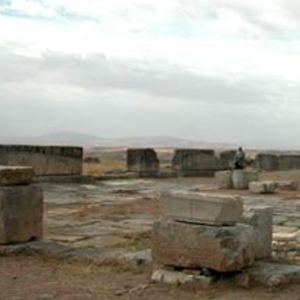
Discover the sacred ruins of Isparta's St. Paul's Basilica, where early Christian history comes alive, and walk in the footsteps of the Apostle Paul in this hidden Anatolian gem!
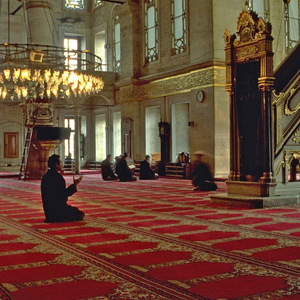
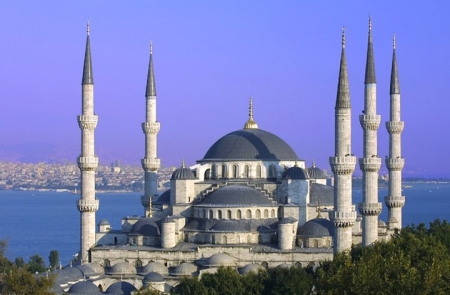
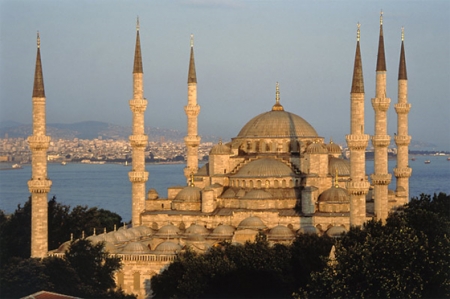
Embark on a sacred journey through Istanbul's interfaith heritage, from the Hagia Sophia to the Blue Mosque and ancient synagogues—book your spiritual tour today to discover where empires and religions converge!
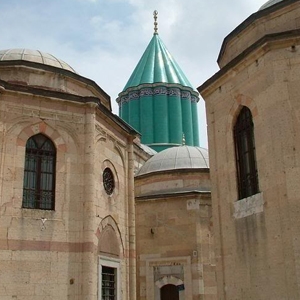
Immerse yourself in spiritual serenity at the Mevlana Museum in Konya, home to Rumi's tomb and the sacred origins of the Whirling Dervishes. Experience the timeless wisdom of the Sufi tradition in Turkey’s most mystical destination!

Immerse yourself in Sufi mysticism at Konya's Mevlana Complex, home to Rumi's tomb and the Whirling Dervishes—book your spiritual journey today to experience the heart of Turkish Sufi tradition!
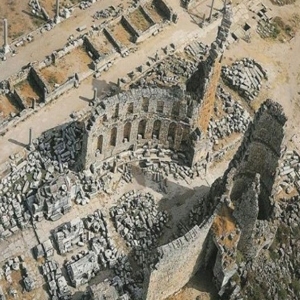
Uncover the ancient city of Sardis in Turkey, one of the largest in antiquity, nestled in the ruins of the legendary Lydian capital—visit today to explore 2,000 years of Jewish heritage in Manisa!
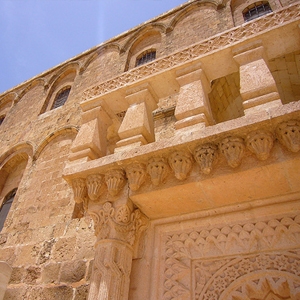
Step into 1,500 years of history at Deyrulzafaran Monastery, Mardin’s golden-hued Syriac Orthodox treasure, and explore its sunlit courtyards and ancient liturgical traditions!
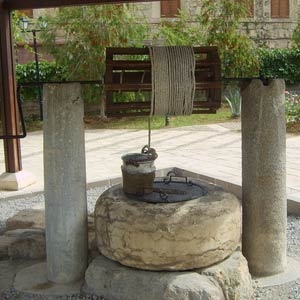
Discover St. Paul’s Church and Well in Tarsus, where the apostle’s legacy comes alive, and see the ancient well where he is said to have drunk—experience this sacred history today!
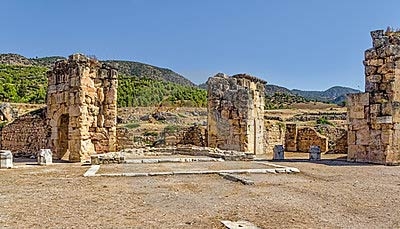
Uncover the sacred ruins of St. Philip’s Martyrium in Hierapolis, where early Christian history meets Pamukkale’s thermal wonders—book your visit today to walk through this 5th-century pilgrimage site atop the ‘Cotton Castle’!
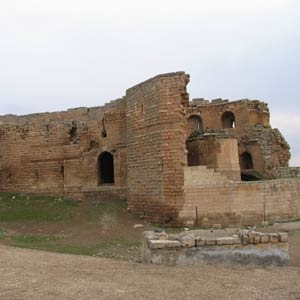
Step into the enchanting world of Sanliurfa-Harran, where ancient beehive houses whisper tales of prophets and stargazers. The timeless landscape of Mesopotamia unfolds like a living tapestry of human history, inviting you to lose yourself in its mystical embrace!

Discover the sacred Tombs of İbrahim Hakkı Erzurumi in Siirt, where 18th-century Islamic wisdom meets breathtaking architecture—plan your spiritual journey today to experience this hidden gem of Anatolian Sufi heritage!
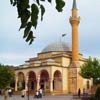
Experience the spiritual legacy of Veysel Karani Complex, a revered Sufi pilgrimage site in Siirt—plan your visit today to connect with its sacred atmosphere and timeless Islamic heritage!
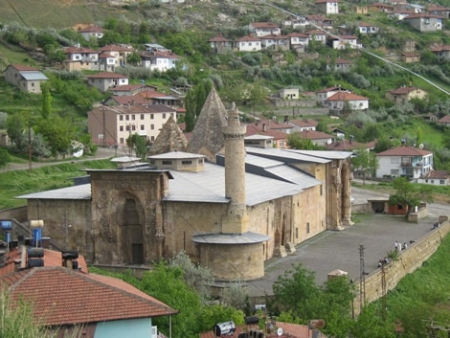
Discover the Sivas Great Mosque and Hospital, a magnificent 12th-century Seljuk complex blending Islamic architecture with medieval healthcare—book your visit now to explore this groundbreaking symbol of Anatolian innovation!
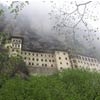
Sumela Monastery: A Byzantine marvel clinging to cliffs, where frescoes whisper ancient prayers and Pontic peaks touch the heavens. Read Now!