Article Indexes:
#Best Family Destinations in Japan
#Kid-Approved Activities in Japan
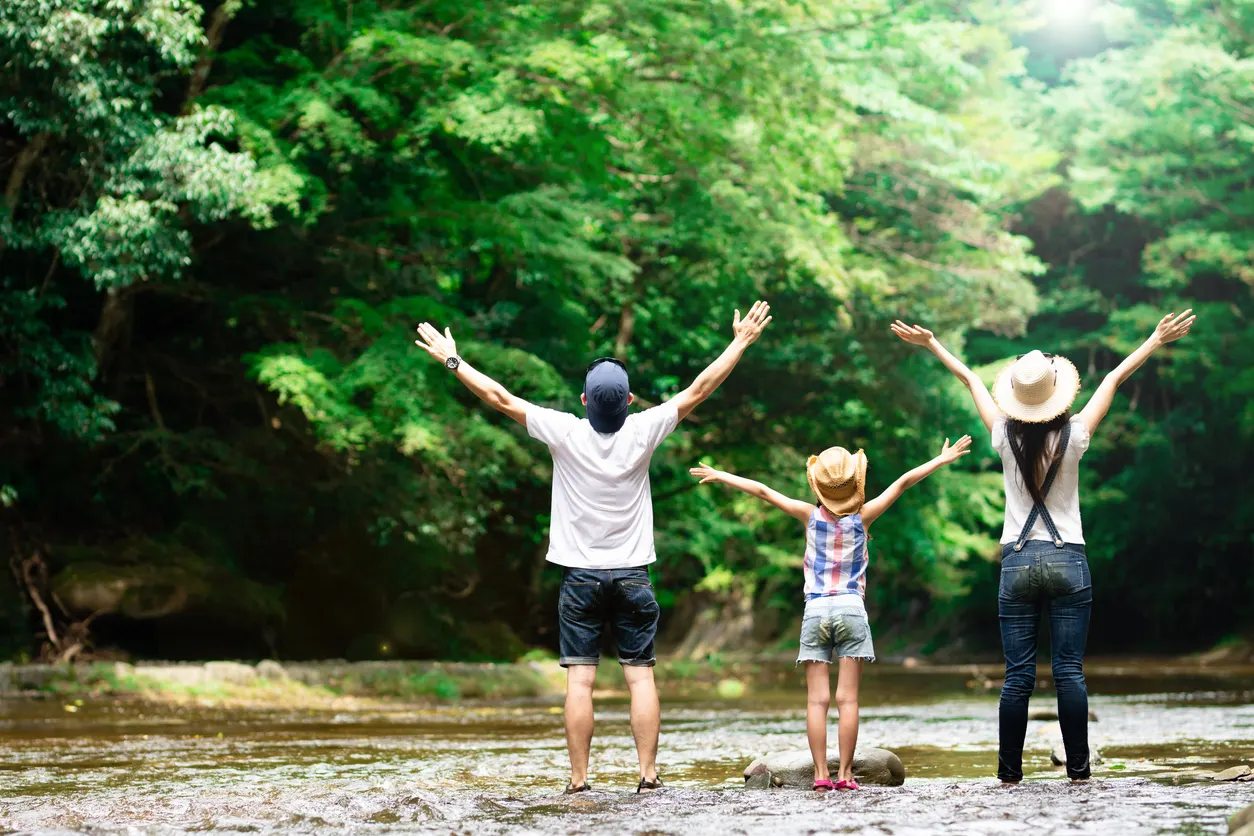
Japan is parent's dream destination. Incredibly safe—crime rates near zero. Trains run perfectly on schedule. Restaurants clean, efficient, welcoming. Cultural experiences captivate kids. Food amazing without being intimidating. Entire country designed for comfortable living, including families traveling.
Unlike many destinations requiring compromise between parent interests and kid entertainment, Japan offers both. Kids love robots, temples, unique foods, bullet trains, colorful streets. Parents appreciate culture, history, architecture, cuisine. Both satisfied simultaneously. This harmonious fit makes Japan exceptional family destination.
Create unforgettable family memories with exciting Japan Tours designed for all ages.
#Why Japan Works for Families
- Safety: Japan has among world's lowest crime rates. Negligible violent crime. Safe to let kids roam (age-appropriately). Safe walking streets day or night. Parents relax—genuine safety, not false comfort.
- Efficiency: Trains run on-time to second. Schedules reliable. Few surprises. Predictability comforts both kids and parents. Logistics straightforward. Organization evident everywhere.
- Child Inclusion: Culturally, children included in most activities. Restaurants welcome kids. Public spaces accept families. No sense of intrusion traveling with children. Cultural norm: families belong everywhere.
- Food Accessibility: Japanese food simple, clean, familiar basics available. Kids find edible options (ramen, rice, vegetable dishes). Not cuisine that intimidates young palates. Progression from simple to sophisticated possible.
- Efficient Transportation: Trains most efficient way moving around. Kids enjoy train travel—views, movement, novelty. Luggage transport systems exist (convenience stores deliver luggage between hotels). Family travel logistics simplified.
Customize Your Dream Vacation!
Get in touch with our local experts for an unforgettable journey.
Plan Your Trip#Best Family Destinations in Japan
1. Tokyo: Entertainment and Culture
Why Families Love It:
- Robot restaurants (entertainment)
- Anime/manga culture (kids fascinated)
- Parks (Ueno Park, Yoyogi Park)
- Aquariums and museums
- Train system (super-efficient, kids enjoy)
- Food variety (ramen, conveyor belt sushi)
- Safe neighborhoods for walking
Best Neighborhoods:
- Shinjuku (shopping, entertainment)
- Shibuya (energy, observation)
- Harajuku (creativity, shopping)
- Asakusa (temples, culture)
- Ueno (parks, museums)
Duration: 3-4 days adequate
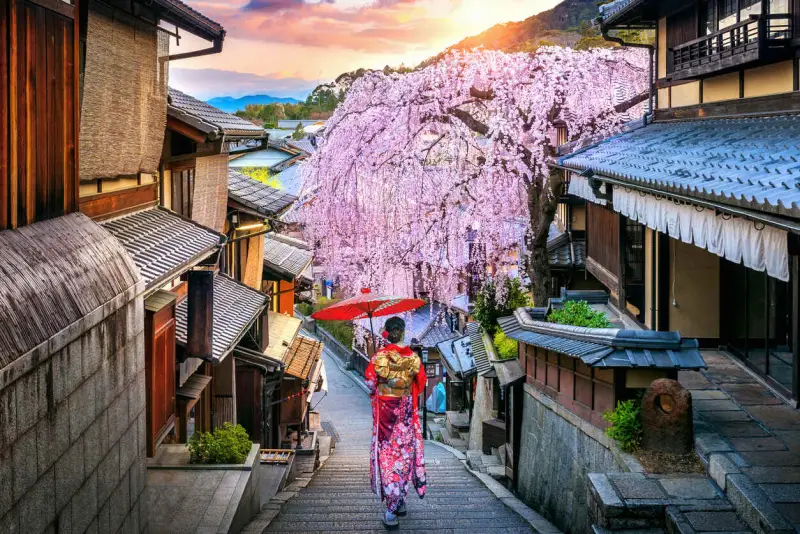
2. Kyoto: Cultural Experience
Why Families Love It:
- Temples in peaceful settings
- Gardens (seasonal beauty)
- Calm pace (less overwhelming than Tokyo)
- Food culture (kaiseki, casual restaurants)
- Geisha district (cultural observation)
- Arashiyama (bamboo, monkeys, hiking)
Best Activities:
- Temple hopping (walking, observation)
- Train rides through countryside
- Hiking (family-friendly trails)
- Seasonal festivals
- Casual exploration
Duration: 2-3 days comfortable
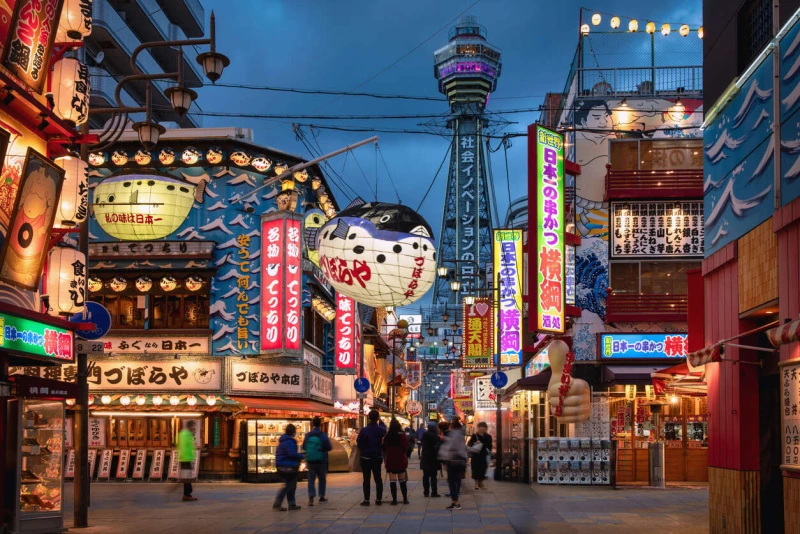
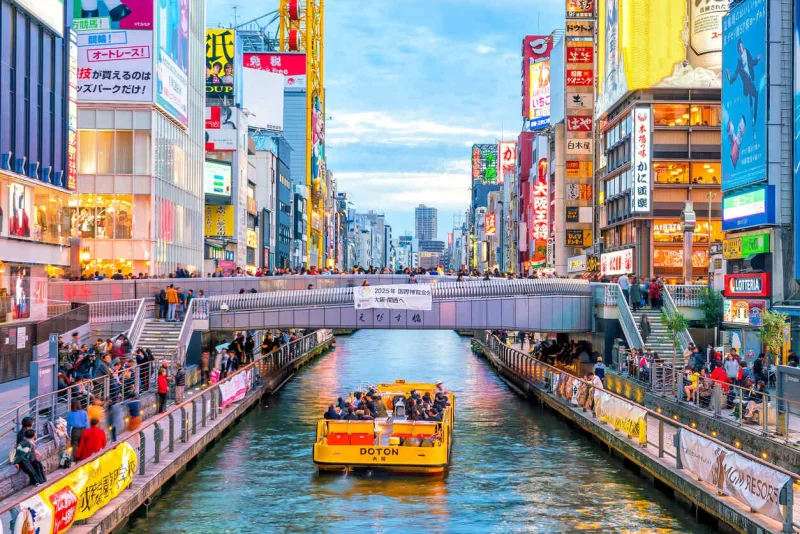
3. Osaka: Food and Energy
Why Families Love It:
- Street food (takoyaki, okonomiyaki) kids enjoy
- Osaka Castle (climbing, views)
- Dotonbori (people-watching, energy)
- Aquariums
- Less overwhelming than Tokyo
- Affordable
Best Activities:
- Market exploration
- Food vendor tasting
- Castle exploring
- Casual neighborhood walking
Duration: 1-2 days sufficient
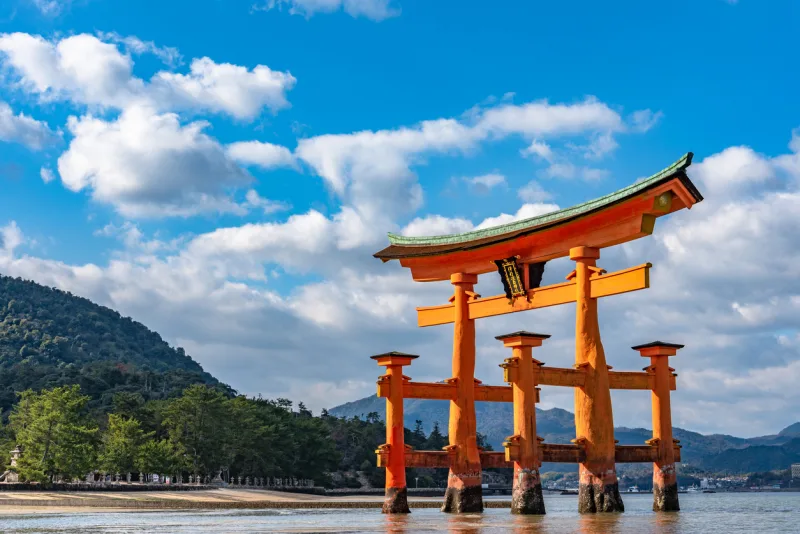
4. Hiroshima: Historical and Peaceful
Why Families Love It:
- Peace Memorial Park (educational)
- Friendly locals
- Calm atmosphere
- Outdoor activities
- Food culture
- Island day trips (Miyajima)
Best Activities:
- Peace museum (age-appropriate)
- Shrine visiting
- Food exploration
- Outdoor parks
- Cycling around city
Duration: 1-2 days
#Kid-Approved Activities in Japan
1. Trains and Transportation
Kids love Japanese trains—bullet trains (shinkansen), local trains, monorails. Train travel entertainment itself. Views passing, motion engaging, novelty significant.
Activities:
- Shinkansen ride (€120-150 adult, €60-75 kids)
- Local train exploration
- Monorail rides
- Train watching
2. Temples and Shrines
Kids respond to temples' visual beauty (gardens, architecture, red structures). Less about spiritual understanding, more about sensory experience. Walking, exploring, observing appeals.
Best for Kids: Gardens, pagodas, open spaces rather than enclosed temples.
3. Robotics and Technology
Tokyo's robot restaurants, tech museums, arcade games fascinate kids. Japan's technological reputation genuine—experiencing future technology appeals.
Activities:
- Robot restaurants (€50-100)
- Tech museums (€10-20)
- Arcade gaming (€5-20)
- Pokémon Center visits
4. Anime and Manga Culture
Anime obsession strong among kids. Visiting Akihabara (anime district), anime museums, merchandise shops. Experiencing cultural phenomenon kids recognize. Fantasy brought to reality.
5. Food Experiences
Kids enjoy conveyor belt sushi (selecting food visually), takoyaki (fun finger food), ramen (slurping acceptable), food markets (exploration). Food becomes adventure.
Activities:
- Conveyor belt sushi (€15-30)
- Street food tasting (€3-8 each)
- Market exploration
- Cooking classes (€40-60)
6. Nature and Parks
Japanese parks beautiful, well-maintained. Safe for kids exploring. Seasonal experiences (cherry blossoms spring, colors fall). Hiking family-friendly trails accessible.
Best Parks: Ueno Park, Yoyogi Park, Maruyama Forest, Arashiyama
7. Unique Experiences
Animal cafés (cat cafés, rabbit cafés), specialty museums, festivals—Japan's quirkiness appeals. Kids love experiences different from home.
Discover Japan’s most iconic district with the 10 Days Japan Golden Route package.
#Practical Family Travel Tips
Timing Visit
Best Seasons: April (cherry blossoms, mild weather), October-November (colors, comfort). Avoid summer heat, New Year crowds, rainy season.
School Holidays: Plan around school calendars. Summer vacation (late June-August), winter break (late December-early January), spring break (March-April).
Duration: 10-14 days ideal (4-5 days Tokyo, 2-3 days Kyoto, additional regional exploration). Allows comfortable pacing, acclimatization, multiple experiences.
Accommodation
Family Hotels: Business hotels adequate (€60-100/night). Ryokans offer cultural experience but less privacy (communal spaces, shared bathing).
Airbnb: Apartment rentals provide kitchens (helpful with picky eaters). €70-150/night. Space for family spreading out.
Tips: Book mid-range accommodations (€60-100/night). Chains like Tokyu Stay provide efficiency and cleanliness.
Luggage and Logistics
Luggage Forwarding: Convenience stores (7-Eleven, FamilyMart) forward luggage between hotels. €20-30 per piece. Airport to first hotel possible. Eliminates carrying heavy bags.
Transportation Passes: JR Pass (€250-350) covers unlimited train travel 7-14 days. Worthwhile if traveling multiple cities.
Car Rental: Usually unnecessary (trains excellent). Consider only if remote exploring beyond train access.
Food and Eating
Picky Eaters: Find restaurants (ramen shops, gyudon rice bowl places) serve simple foods. Rice, noodles, basic proteins always available.
Street Food Safety: Street food perfectly safe. Vendors handle food hygienically. Encourage kids trying local foods.
Grocery Stores: Convenience stores and supermarkets throughout. Familiar snacks available (Pocky, cookies) alongside local options.
Communication
Language: English minimally spoken in non-tourist areas. Translation apps (Google Translate) helpful. Pointing, gesturing sufficient. Kids adaptable.
Phone Service: Consider travel mobile (€30-50 for month, unlimited data). Navigation apps essential.
Budget Breakdown
Daily Budget: €80-150/person (mid-range family travel)
- Accommodation: €60-100/night (family room)
- Meals: €20-40/day (mix street food, restaurants, cafés)
- Activities: €10-30/day
- Transportation: €5-15/day
Total 10-Day Family (4 people): €3,200-6,000 comfortable
Japan isn't destination tolerating families—it's destination embracing families. Safety enables relaxation. Efficiency simplifies logistics. Cultural welcoming makes kids feel included. Food adventures delight. Experiences fascinate. Everything aligns for family enjoyment.
Traveling Japan with kids reveals something beautiful: different cultures coexist harmoniously. Kids adaptable when parents relax. Families discover together. Japan's politeness, organization, safety create environment where families thrive rather than survive.
Plan family Japan trip. Experience culture together. Create memories lasting lifetimes. Japan waits.
Extremely safe. Near-zero violent crime. Efficient infrastructure. Children's safety prioritized culturally. Kids can navigate alone (age-appropriate) without concern. Parents report genuine relaxation—actual safety, not false comfort. Japan ranks among world's safest destinations for families.
No. Ramen (noodles in broth) available everywhere. Rice dishes universal. Simple proteins (grilled chicken, pork) readily accessible. Convenience stores stock familiar snacks. Progression from safe foods to adventurous possible. Kids discover food variety encouragingly. Most picky eaters expand palates trying local cuisine.
Depends age and interests. Young kids: visual beauty, gardens, architecture engage briefly. Older kids: historical context, spiritual significance resonate. Temples aren't boring—gardens captivate, pagodas fascinate, sensory experiences engage. Keep temple visits short (30-45 minutes). Mix temples with parks, restaurants, active experiences. Variety prevents boredom.
Any age feasible. Toddlers: Japan very accommodating (clean facilities, stroller-friendly, pacifying environment). School-age: optimal (old enough appreciating culture, young enough adaptable). Teenagers: excited (anime, technology, fashion). Best flexibility: families with kids 5-15. Any age manageable with planning.
Ideal: both (complementary experiences). Tokyo (3-4 days): energy, technology, entertainment. Kyoto (2-3 days): culture, temples, calm. Together: complete Japan experience. Time-limited: Tokyo if <5 days (most variety). Longer: add Kyoto for culture.
Pacing. Don't over-schedule. Balance culture (temples, museums) with activity (parks, trains, food). Include downtime. Accept that kids need breaks. Quality experiences over quantity. Rest prevents meltdowns. Flexible planning accommodates kids' moods. Slower travel teaches appreciation—rushing diminishes. Patience and pacing ensure successful family trips.
Related Articles
Keep the inspiration going with these handpicked travel reads.