
 Home
Home
St Paul Basilica in Turkey stands upon hallowed ground where the apostle delivered his very first missionary sermon in the 1st century AD. Before continuing his journey to Iconium, Paul preached in a synagogue now buried beneath this ancient basilica. When you visit this remarkable site, you're walking through the remnants of what was once Pisidian Antioch—a thriving Roman colony with approximately 70,000 inhabitants during Paul's time.
Importantly, this St. Paul's Church in Turkey represents more than just beautiful ruins; it marks the birthplace of Christian identity itself. It was in Antioch where followers of Jesus were first called "Christians", and the impact of Paul's sermon here was so profound that locals requested he speak to them again. Additionally, the area surrounding Yalvaç offers a fascinating glimpse into the evolution of an ancient metropolis that once housed over 100,000 people. Archaeological excavations resumed in 1979 and have uncovered numerous significant structures from the Roman era and beyond, revealing the city's importance as both a Christian and commercial center.
Walking Through the Ruins of St. Paul Basilica
As you approach the ancient site in Yalvaç, the extensive ruins of St. Paul Basilica unfold before your eyes, situated less than a mile from the modern city center. This sacred place, where Christianity took firm root in Anatolia, still speaks volumes despite centuries of weathering and destruction.
What remains of the basilica today
The basilica's ruins sit majestically on a hill overlooking snow-covered mountains to the west, offering a breathtaking panoramic view of the surrounding landscape. After a century of excavations, archaeologists have unearthed the main theater that once seated 5,000 people. Furthermore, the forum and an impressive grid of streets with its underground sewage system stand as a testament to the advanced Roman engineering of the time.
What makes this site particularly significant is that it was built on what historians believe was originally a synagogue—the very place where Paul delivered his influential sermons. The basilica remained a central Christian structure until 713 AD, when Arab raids devastated the city. Despite its destruction, the remaining columns, architectural fragments, and foundations reveal the basilica's original grandeur.
The floor mosaics and inscriptions
Throughout the excavated areas, you'll discover remarkable floor mosaics that have survived the centuries. Unlike many Western museums, here you can touch the ancient surfaces, running your fingers along the intricate mosaic patterns that once decorated the basilica floors.
The site contains numerous inscriptions in multiple languages, including Greek, Latin, and Hebrew, fragments from a complex multicultural history. Many of these inscriptions have been collected and preserved in the nearby Yalvaç museum, which houses a special room devoted to St. Paul. Nevertheless, some original fragments remain in situ, offering visitors an authentic connection to the past.
Atmosphere and spiritual significance
Walking among these ruins creates an almost tangible connection to early Christian history. The basilica maintained its prominence in the Christian world for centuries, notably, its bishop Optimus represented the city at the Council of Constantinople in 381.
In spring, the atmospheric quality of the site is enhanced by fields awash with red poppies, yellow daisies, and purple thistles surrounding the ancient stones. This vibrant natural beauty contrasts with the solemn historic significance, creating a unique spiritual experience.
Similar to other Pauline basilicas worldwide, this site establishes a "bond of spiritual affinity" for pilgrims, connecting them directly to the apostle's legacy. Although the basilica itself lies in ruins, its importance as a place where "early Christian history comes alive" remains undiminished, allowing you to walk in the footsteps of one of Christianity's most influential figures.
Uncovering the Layers of Ancient Yalvaç
Beyond the impressive ruins of St. Paul Basilica lies a rich tapestry of history spanning thousands of years. Archaeological excavations have revealed that this region holds secrets from the earliest human settlements through its zenith as a Roman powerhouse.
From Neolithic to Roman metropolis
The history of Yalvaç stretches back to the Paleolithic age, with archeological research uncovering artifacts dating to the 3rd millennium BC. While tradition suggests the city was founded in the 3rd century BCE by the Seleucid Dynasty, evidence indicates human presence much earlier. Throughout antiquity, the region was known as "Arzawa" in Hittite records.
A significant transformation occurred in 25 BC when Antioch became a Roman military colony called "Colonia Caesareia Antiocheia". Emperor Augustus designated it the second Roman capital in Anatolia, bringing three thousand veterans from Rome to settle here. Consequently, the city developed distinct Roman characteristics—districts were named after those in Rome, and the discovery of the important Latin inscription "Res Gestae" demonstrates its status as a sister city of Rome.
Transformation into a Christian center
Antioch became one of the first Anatolian cities to embrace Christianity. The region was Christianized by Paul the Apostle, who, during his first missionary journey with Barnabas, traveled from Cyprus to Attalia (Antalya), eventually reaching Antioch.
Paul's sermon in the Jewish synagogue created such interest that many requested he speak again. Subsequently, the apostle appointed elders for the Christian community, establishing a foundation that would flourish for centuries. Thereafter, as Christianity spread throughout the Roman Empire, Antioch grew into a significant metropolitan see, with many bishops participating in the Ecumenical Councils.
Destruction and decline after Arab invasions
The city's prosperity eventually faded due to external threats. In the 8th century, Arab raids intensified, weakening the Byzantine Empire. The most devastating attack occurred in 713 when Umayyad prince al-Abbas ibn al-Walid led forces against Antioch. This assault proved catastrophic—the city never recovered its former glory.
Following this destruction, attempts to rebuild within smaller defensive walls proved insufficient. Furthermore, the deteriorating quality of building materials evidenced the city's decline. While records trace the settlement until the end of the 12th century, it was finally abandoned entirely when Yalvaç was established in the mid-13th century.
Customize Your Dream Vacation!
Get in touch with our local experts for an unforgettable journey.
Plan Your Trip
The Broader Legacy of St. Paul in Turkey
Turkey's ancient landscape served as the primary stage for Paul's missionary work, with more than half of the New Testament written to churches established on Anatolian soil. All of Paul's missionary journeys crossed through what is now modern Turkey, creating an indelible Christian legacy across the region.
St. Paul's journey through Anatolia
Paul was an Anatolian by birth, born in the Roman city of Tarsus on Turkey's eastern Mediterranean coast. His three missionary journeys, spanning approximately 25 years, covered an estimated 10,000 miles throughout the Roman Empire. Throughout these travels, he walked nearly 20-30 kilometers daily, often sleeping at inns or homes of friends. Turkey functioned as a crucial geographical bridge between East and West, with Paul traversing its roads that were kept relatively safe under the Pax Romana. Indeed, his first missionary journey (47-49 AD) included visits to Seleucia, Side, and Attaleia before reaching Pisidian Antioch and continuing to Iconium.
Other key sites: Perge, Konya, Ephesus
Beyond Yalvaç, Paul's footprint extends to numerous significant sites across Turkey. In Perge, visitors can walk through the same monumental gate Paul entered around 46 AD. At Konya (ancient Iconium), Paul narrowly escaped being stoned to death, yet his letter to the Galatians became the 9th book of the New Testament. Most notably, Ephesus hosted Paul for nearly three years, where his preaching created such controversy that local silversmiths—whose livelihood depended on selling statues of Artemis—brought charges against him in the Great Theater that seated 25,000 spectators.
Why Yalvaç holds a special place
Among all Paul's missionary sites, Yalvaç maintains exceptional significance as the location of his first recorded sermon. This powerful address affected many listeners so profoundly that they requested he speak again. For his next sermon, almost the entire population assembled to hear him. The seven churches in Yalvaç, where saints preached after Paul, confirm this city's enduring religious importance. Even the modern name "Yalvaç," meaning "Prophet," honors Paul's legacy since Seljuk times, demonstrating how deeply his influence penetrated the cultural fabric of Turkey.
Planning Your Visit to Pisidian Antioch
Preparing for your journey to the ancient Pisidian Antioch requires some practical planning to make the most of this historically significant site, where St Paul Basilica Turkey once stood proudly.
Best time to visit and how to get there
Located in modern Yalvaç, the archeological site is approximately 111 km (69 miles) from Isparta and 75 km (46.5 miles) from the beautiful lake town of Eğirdir. For optimal weather conditions, plan your visit during spring when the ancient stones are surrounded by vibrant red poppies, yellow daisies, and purple thistles that enhance the atmospheric quality.
Getting to Yalvaç offers several options. If you're traveling independently, regular buses operate from the otogar (bus station) in either Isparta or Eğirdir. Alternatively, renting a car provides greater flexibility, especially if you want to explore the region and possibly hike some Roman roads along the way. Car rentals typically cost USD 30-40 per day, and tourists can drive legally with a valid license from their home country for 180 days after arrival in Turkey.
The archeological site operates from 8:00 AM to 5:00 PM Wednesday through Sunday (closed Mondays and Tuesdays). Entrance fees are remarkably affordable at approximately 2 dollars.
Nearby restaurants and local tips
After exploring the ruins, several dining options await in Yalvaç. Nazlı Kebap & Pide Salonu, rated 4.7/5 by visitors, stands out as the #1 restaurant in town. Other highly-rated establishments include:
- Ikbal Etli Ekmek ve Kofte (5/5)
- Iskenderun Doner Sarayi (4.5/5)
- Acar pide (4.5/5)
Plan to allocate around USD 5-10 per person for lunch or USD 10+ for dinner. Most local restaurants serve authentic Turkish cuisine, offering a perfect opportunity to sample regional specialties.
What to bring and what to avoid
Set aside approximately 2 hours to fully explore the site. Unlike many archeological sites, there's no audio guide available, and signage is minimal. Therefore, bringing a guidebook like Mark Wilson's Guide to Biblical Turkey is highly recommended.
Don't miss the two additional free attractions: the remarkably intact aqueducts north of the ancient city and the Yalvaç Museum. The museum houses many artifacts from Pisidian Antioch and includes a special "St. Paul Room" featuring a large model of what the city would have looked like during Paul's visits.
As a final tip, remember that only about 3% of the ancient city has been excavated, so comfortable walking shoes and sun protection are essential for navigating the ongoing archeological work.
St. Paul Basilica Turkey stands as a testament to the profound origins of Christianity in Anatolia. Throughout your exploration of these ancient ruins, you've walked the same paths where Paul delivered his first missionary sermon—a moment that fundamentally shaped Christian history. Most importantly, this sacred ground represents far more than crumbling stones; it marks the very place where followers of Jesus were first called "Christians."
The remarkable preservation of floor mosaics, architectural fragments, and inscriptions allows you to connect directly with early Christian history. Likewise, the surrounding landscape of Yalvaç reveals layers of human settlement stretching back to Paleolithic times, though Arab invasions in 713 AD ultimately led to the city's decline.
Despite centuries of weathering, St. Paul Basilica certainly deserves its place among Turkey's most significant historical treasures. The basilica, theater, forum, and ancient streets collectively tell a story of faith, empire, and cultural exchange that resonates even today.
Your journey through Pisidian Antioch offers a rare opportunity to touch history rather than merely observe it. The ability to trace Paul's footsteps across Turkey—from Perge to Konya to Ephesus—provides a three-dimensional understanding of biblical narratives that books alone cannot convey.
Should you decide to visit, spring awaits with its vibrant wildflowers framing ancient stones against snow-capped mountains. The affordable entrance fee and nearby attractions make this hidden gem accessible to all who seek meaningful connections with the past.
Eventually, as you depart from St. Paul Basilica, you carry with you not just photographs but a deeper appreciation for how a single preacher from Tarsus helped transform a Roman colony into a cradle of Christian faith, forever changing the course of world history.
FAQs
Q1. What is the historical significance of St. Paul Basilica in Turkey?
St. Paul Basilica in Turkey marks the site where the apostle Paul delivered his first missionary sermon in the 1st century AD. It's located in ancient Pisidian Antioch, where followers of Jesus were first called "Christians," making it a crucial location in early Christian history.
Q2. What can visitors expect to see at the ruins of St. Paul Basilica?
Visitors can explore extensive ruins, including the main theater that once seated 5,000 people, the forum, and an impressive grid of streets. The site also features remarkable floor mosaics, architectural fragments, and inscriptions in multiple languages that have survived centuries.
Q3. When is the best time to visit St. Paul Basilica in Yalvaç?
Spring is the ideal time to visit, as the ancient ruins are surrounded by vibrant wildflowers like red poppies, yellow daisies, and purple thistles, enhancing the site's atmospheric quality. The weather is also generally pleasant during this season.
Q4. How accessible is St. Paul Basilica for tourists?
The site is quite accessible, located less than a mile from the modern city center of Yalvaç. Regular buses operate from nearby cities, and car rentals are available. The archeological site is open from Wednesday to Sunday, 8:00 AM to 5:00 PM, with an affordable entrance fee of about 2 dollars.
Q5. Are there other attractions near St. Paul Basilica worth visiting?
Yes, visitors should also explore the well-preserved aqueducts north of the ancient city and the Yalvaç Museum. The museum houses many artifacts from Pisidian Antioch and includes a special "St. Paul Room" featuring a large model of the ancient city. These additional attractions are free to visit.
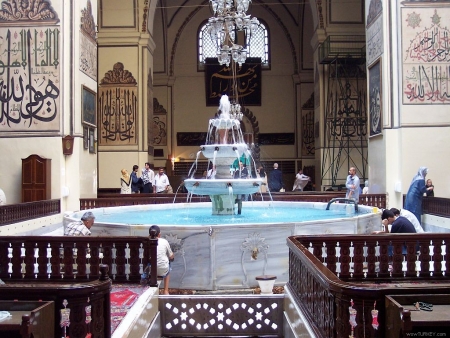
Discover the magnificent Bursa Grand Mosque, a masterpiece of early Ottoman architecture with its 20 domes and stunning calligraphy—plan your visit today to experience this iconic spiritual landmark!
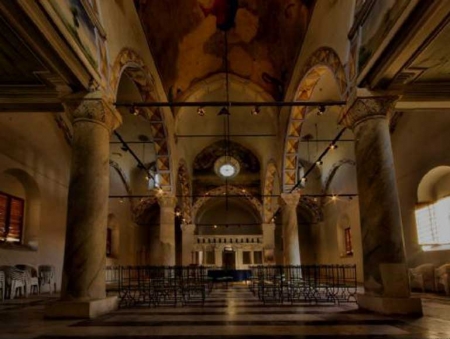
Explore St. Paul Church in Antalya, a sacred site honoring the Apostle Paul's missionary journeys—book your visit now to discover this hidden gem of early Christian history!
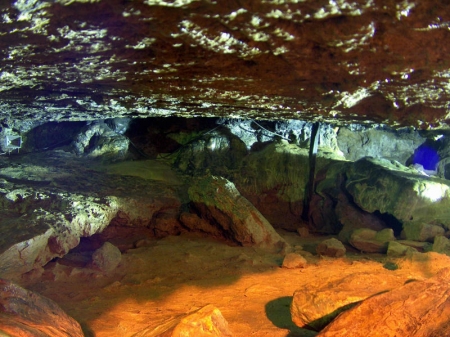
Uncover the mystical Cave of the Seven Sleepers near Ephesus, a sacred site blending Christian and Islamic legends—reserve your tour today to step into this ancient wonder of faith and history!
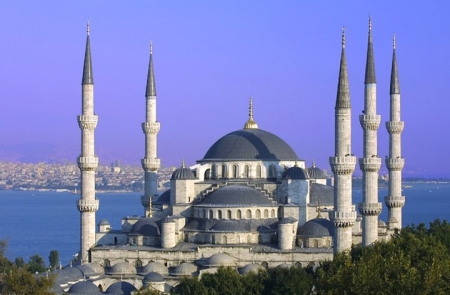
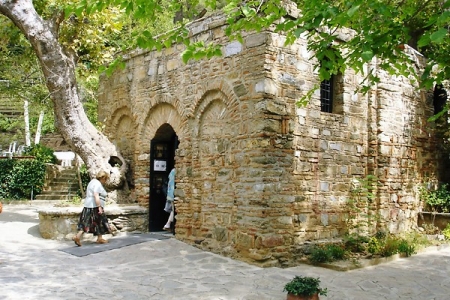
Experience the sacred Church of the Virgin Mary in Ephesus, where the Third Ecumenical Council was held—a spiritual journey to walk through one of Christianity's most revered ancient sites.
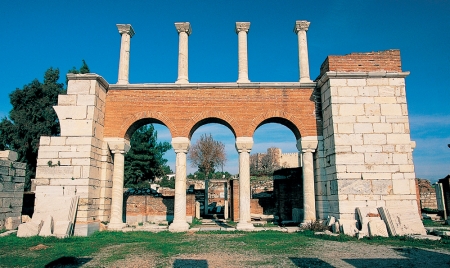
Walk in the footsteps of saints at the Basilica of St. John in Ephesus, a magnificent 6th-century Byzantine marvel overlooking Ephesus – a visit to explore this sacred site where history and spirituality intertwine!
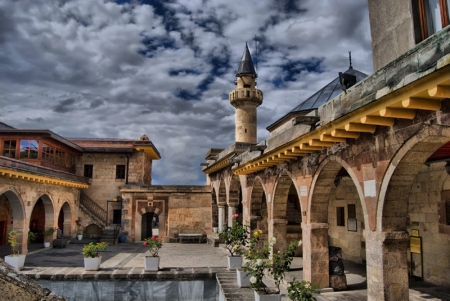
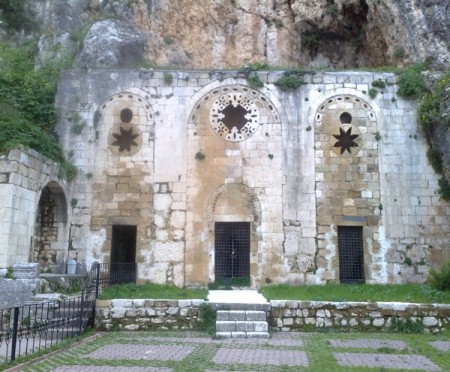
The Church of St. Pierre, located at the foothills of Mt Pilgrimage (Hac Dağı) in Hatay province is one of the most significant centers of Christianity. The cave known as the location where St. Peter had given his first sermon was upgraded and turned into a church after the Romans had adopted Christianity. The church was a harbor to the first Christians and the first pope, St. Peter, and contributed to the spread of Christianity in the world.
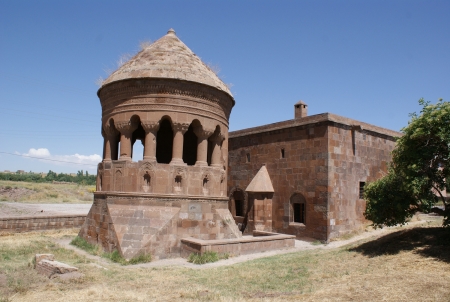
Discover Ahlat Turkey, home to stunning Seljuk-era tombstones and Turkey's largest Islamic cemetery—book your visit now to explore this open-air museum of Anatolian history!
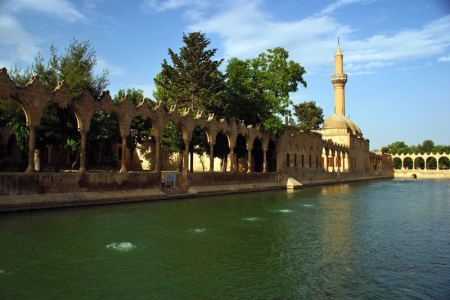
Experience the spiritual grandeur of Şanlıurfa Rizvaniye Mosque, an Ottoman-era masterpiece near the sacred Pool of Abraham— a visit to admire its exquisite architecture and serene atmosphere!
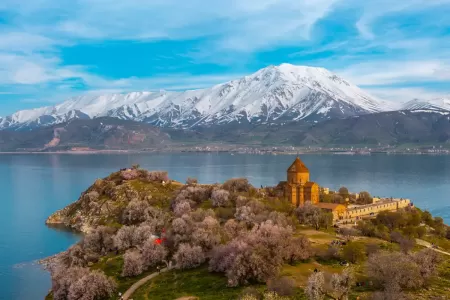
Marvel at the stunning Akdamar Church on Lake Van, a 10th-century Armenian architectural gem with biblical reliefs— experience this unique blend of history, art, and island beauty!
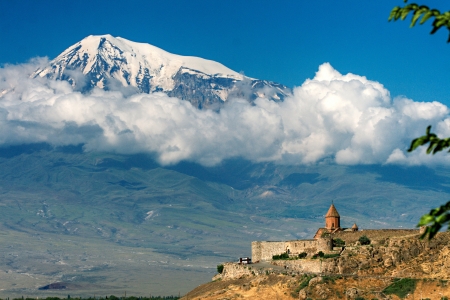
Mount Ararat, mentioned in both the Quran and Old Testament, is believed to be where Noah's Ark came to rest after the Great Flood, which lasted 150 days following 40 days of rain, with land sighted a year later. Read More!
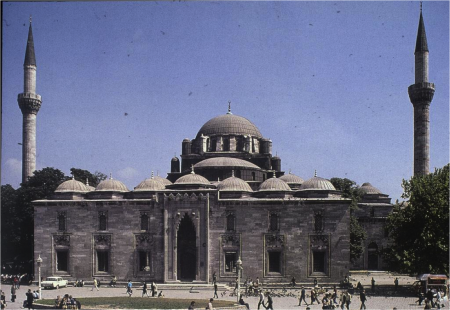
Explore the historic Amasya Sultan Bayezid Mosque Complex, a stunning example of Ottoman architecture nestled in Amasya's scenic valley—a visit to experience its serene courtyards and rich heritage.
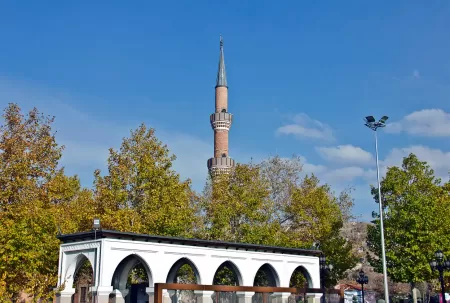
Step into living history at Ankara's Hacı Bayram Veli Complex—a 15th-century Sufi shrine and mosque that pulses with spiritual energy. Book your cultural pilgrimage now!
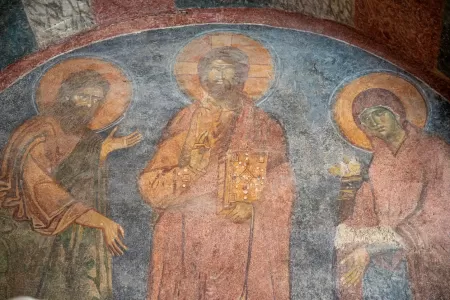
Discover the ancient Church of St. Nicholas in Demre (Myra), Antalya, where the beloved saint served as bishop— explore this sacred pilgrimage site and the origins of the Santa Claus legend!
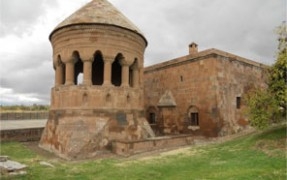
Discover the exquisite craftsmanship of Seljuk-era mausoleums and tombstones, adorned with intricate calligraphy and geometric patterns –a cultural exploration to witness these stunning monuments of medieval Anatolian heritage!
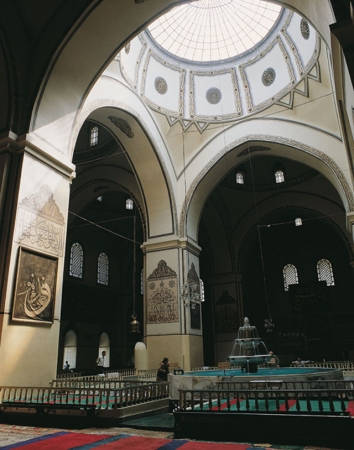
Marvel at Bursa's Green Mosque (Yeşil Cami), a masterpiece of early Ottoman architecture adorned with exquisite turquoise tiles— experience the serene beauty of this 15th-century imperial treasure!
Step into the living history of Anatolian Sufism at the Hacı Bektaş Veli Complex, where 13th-century teachings still resonate – a journey to this landmark of Turkish spiritual heritage now!
Marvel at the iconic Çifte Minareli Medrese in Erzurum, a 13th-century Seljuk masterpiece with twin minarets and intricate stone carvings— explore this architectural gem of Anatolian Islamic heritage!
Eskisehir, Turkey's enchanting "Venice of Anatolia," invites you to lose yourself in a vibrant tapestry of Ottoman charm, youthful energy, and soothing thermal springs, where every cobblestone street whispers tales of ancient civilizations and modern dreams!
Journey through Hatay, the 'Cradle of Saints', where prophets and martyrs walked—from St. Peter’s Grotto to Habib-i Neccar’s tomb—book your spiritual exploration today to trace 2,000 years of sacred history in Turkey’s interfaith heartland!
Discover St. Peter’s Grotto, where Christianity took root beside Antioch’s Muslim and Jewish history—plan your visit to Hatay’s living interfaith mosaic today!

Discover the sacred Habib-i Neccar Mosque and Tomb in Hatay, believed to hold the remains of early Christian martyrs mentioned in the Quran—book your visit today to experience this unique interfaith pilgrimage site where Islam and Christianity intertwine!
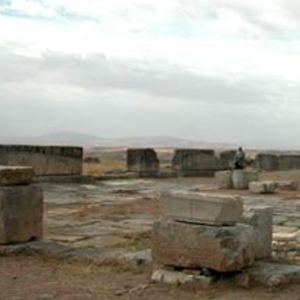
Discover the sacred ruins of Isparta's St. Paul's Basilica, where early Christian history comes alive, and walk in the footsteps of the Apostle Paul in this hidden Anatolian gem!
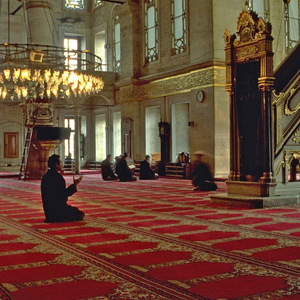
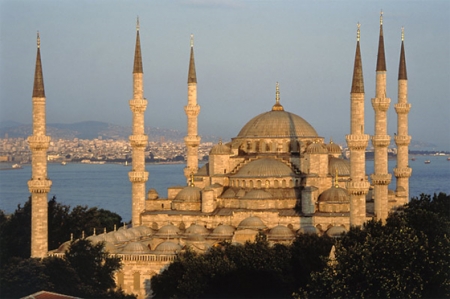
Embark on a sacred journey through Istanbul's interfaith heritage, from the Hagia Sophia to the Blue Mosque and ancient synagogues—book your spiritual tour today to discover where empires and religions converge!
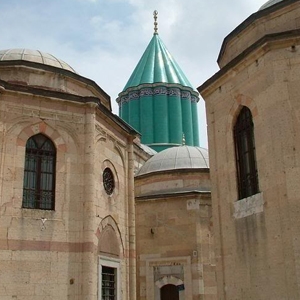
Immerse yourself in spiritual serenity at the Mevlana Museum in Konya, home to Rumi's tomb and the sacred origins of the Whirling Dervishes. Experience the timeless wisdom of the Sufi tradition in Turkey’s most mystical destination!

Immerse yourself in Sufi mysticism at Konya's Mevlana Complex, home to Rumi's tomb and the Whirling Dervishes—book your spiritual journey today to experience the heart of Turkish Sufi tradition!
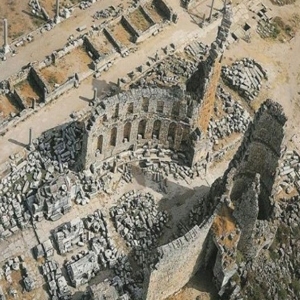
Uncover the ancient city of Sardis in Turkey, one of the largest in antiquity, nestled in the ruins of the legendary Lydian capital—visit today to explore 2,000 years of Jewish heritage in Manisa!
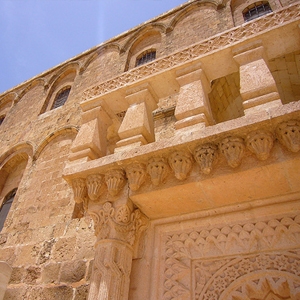
Step into 1,500 years of history at Deyrulzafaran Monastery, Mardin’s golden-hued Syriac Orthodox treasure, and explore its sunlit courtyards and ancient liturgical traditions!
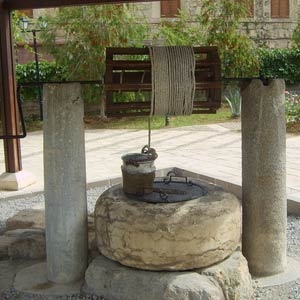
Discover St. Paul’s Church and Well in Tarsus, where the apostle’s legacy comes alive, and see the ancient well where he is said to have drunk—experience this sacred history today!
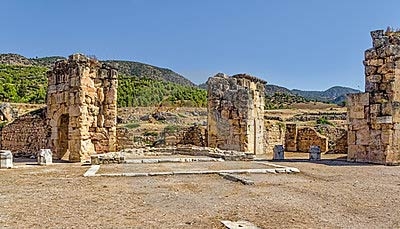
Uncover the sacred ruins of St. Philip’s Martyrium in Hierapolis, where early Christian history meets Pamukkale’s thermal wonders—book your visit today to walk through this 5th-century pilgrimage site atop the ‘Cotton Castle’!
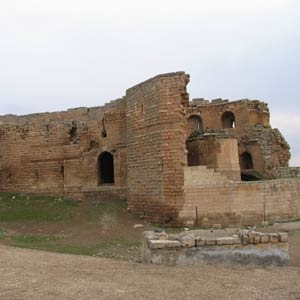
Step into the enchanting world of Sanliurfa-Harran, where ancient beehive houses whisper tales of prophets and stargazers. The timeless landscape of Mesopotamia unfolds like a living tapestry of human history, inviting you to lose yourself in its mystical embrace!

Discover the sacred Tombs of İbrahim Hakkı Erzurumi in Siirt, where 18th-century Islamic wisdom meets breathtaking architecture—plan your spiritual journey today to experience this hidden gem of Anatolian Sufi heritage!
Experience the spiritual legacy of Veysel Karani Complex, a revered Sufi pilgrimage site in Siirt—plan your visit today to connect with its sacred atmosphere and timeless Islamic heritage!
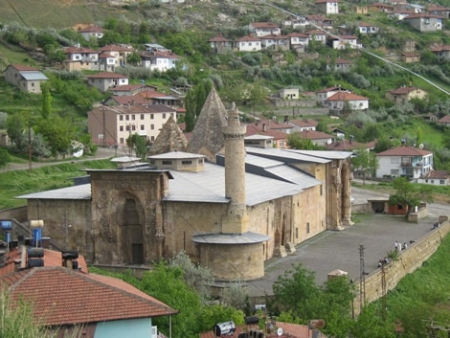
Discover the Sivas Great Mosque and Hospital, a magnificent 12th-century Seljuk complex blending Islamic architecture with medieval healthcare—book your visit now to explore this groundbreaking symbol of Anatolian innovation!
Sumela Monastery: A Byzantine marvel clinging to cliffs, where frescoes whisper ancient prayers and Pontic peaks touch the heavens. Read Now!