
 Home
Home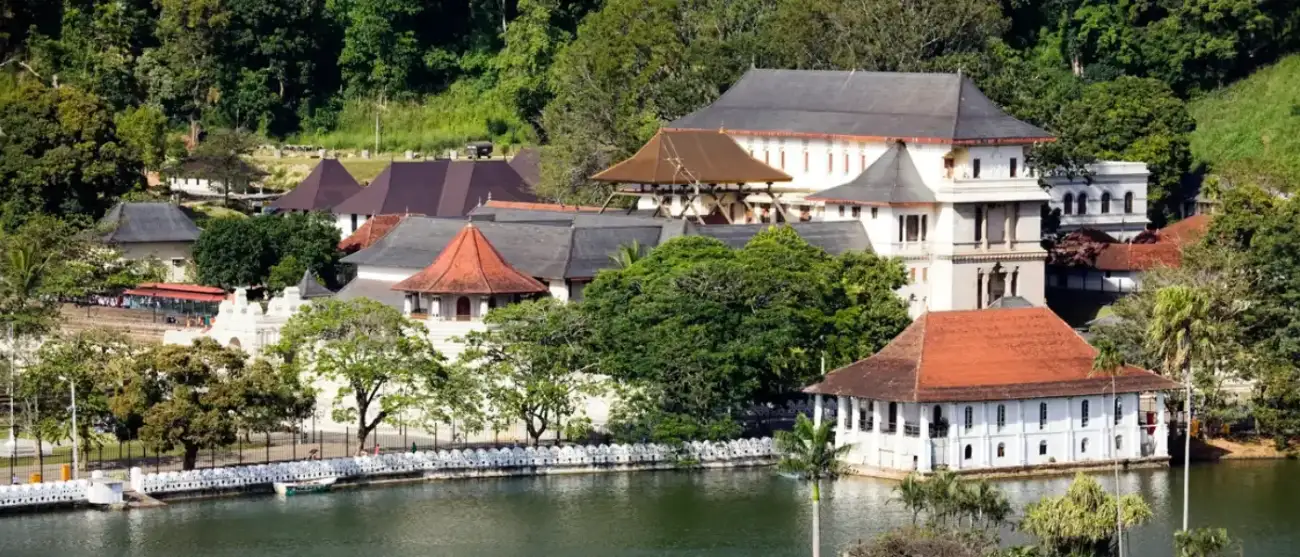
Introduction
Overview of Kandy
Nestled in the misty hills of central Sri Lanka, Kandy is more than just another tourist destination, it's the beating heart of the island's cultural heritage. This enchanting city, the last royal capital of Sri Lanka before colonial rule, has managed to preserve its spiritual essence and traditional charm despite the march of modernity. Walking through its streets feels like stepping into a living museum where ancient traditions blend seamlessly with contemporary Sri Lankan life.
Importance as a Cultural and Historical City
Kandy's significance extends far beyond its picturesque setting. As home to the Temple of the Sacred Tooth Relic, one of Buddhism's most revered sites, the city attracts pilgrims and curious travelers from across the globe. As the last independent kingdom before the British colonial takeover in 1815, Kandy represents resistance, tradition, and the preservation of Sinhalese Buddhist heritage. The Kandyan kingdom developed its own distinctive artistic style, visible in architecture, dance, music, and craftsmanship, that continues to influence Sri Lankan culture today.
UNESCO World Heritage Status
Kandy's cultural importance earned it recognition as a UNESCO World Heritage Site in 1988, cementing its status as a place of outstanding universal value. Whether you're drawn by spirituality, history, or simply the allure of Sri Lanka's hill country, Kandy offers an experience that resonates long after you leave.
Planning your visit to Kandy? Explore our curated Sri Lanka tours that include the Cultural Triangle's must-see sites.
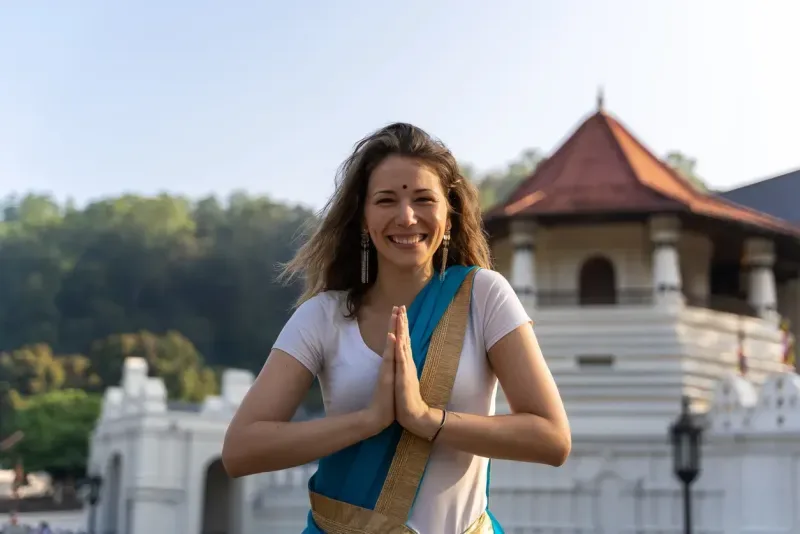
You should visit Kandy because it offers a perfect mix of culture, history, and nature. You can explore temples, enjoy scenic views around the lake, and experience traditional Sri Lankan heritage in one place.
Geography and Location
Where Kandy is Located in Sri Lanka
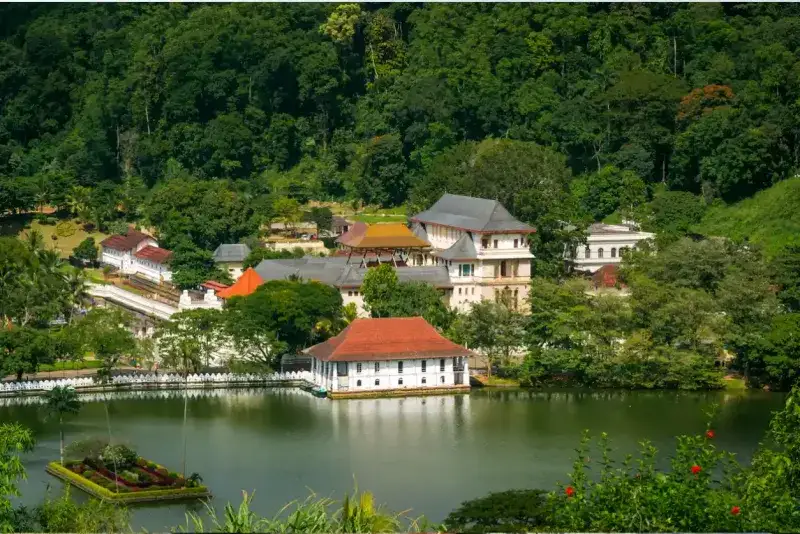
Kandy sits approximately 115 kilometers northeast of Colombo, perched at an elevation of about 500 meters above sea level in Sri Lanka's Central Province. The city occupies a natural bowl formed by surrounding mountains, creating a distinctive amphitheater-like setting that adds to its dramatic beauty. At the heart of the city lies an artificial lake, constructed in 1807 by the last king of Kandy, which serves as both a scenic centerpiece and a reminder of the city's royal past.
Surrounding Hills and Landscapes
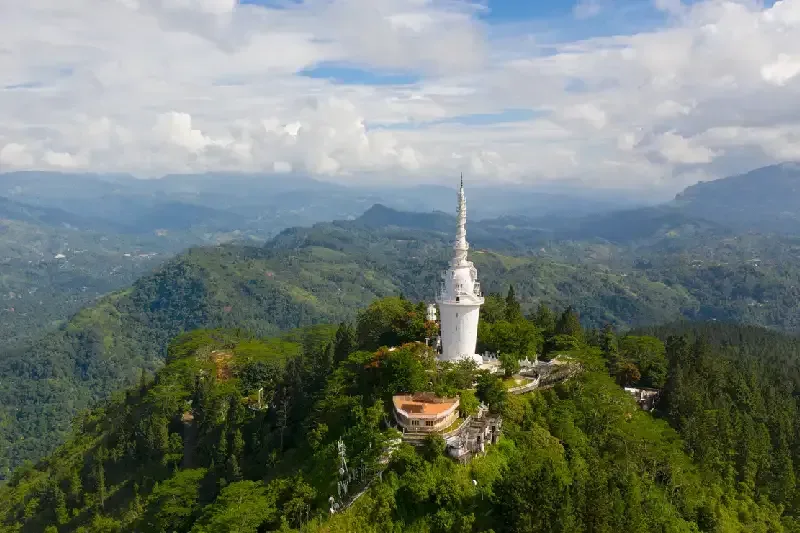
The landscape around Kandy is quintessentially hill country, rolling green hills blanketed with tea plantations, dense tropical forests, and winding roads that snake through valleys and ridges. The Mahaweli River, Sri Lanka's longest waterway, flows through the region, adding to the area's lush fertility. This elevated position gives Kandy a distinctly different feel from coastal Sri Lanka. The air is cooler, the vegetation lusher, and the pace of life somehow more contemplative, qualities that have always made it a natural seat of spiritual and political power.
Nearby Towns and Regions
Nearby towns like Peradeniya, Gampola, and Kadugannawa each have their own character while remaining closely connected to Kandy's cultural orbit. These surrounding areas offer easy day trips and glimpses into rural Sri Lankan life beyond the city center.
Climate and Weather
Tropical Climate Overview
Kandy enjoys a tropical climate that's noticeably milder than Sri Lanka's coastal regions, thanks to its elevation. Temperatures typically range between 18°C and 28°C throughout the year, making it comfortable for exploration regardless of when you visit. However, understanding the rainfall patterns can help you plan a better trip.
Rainy vs Dry Seasons
The city experiences two monsoon seasons. The southwest monsoon brings heavy rains from May to August, while the northeast monsoon affects the area from October to January. These wet periods can be quite dramatic, with afternoon thunderstorms and persistent drizzle transforming the landscape into an even deeper shade of green. While the rain can occasionally disrupt outdoor plans, it also means fewer crowds and lower prices. Even during rainy periods, mornings are often clear, so early risers can make the most of their Kandy experience before the afternoon showers roll in.
Best Time to Visit
For the best weather, consider visiting between January and April, when conditions are generally dry and sunny. December through early January also offers pleasant weather, though you'll encounter more tourists, especially during the Esala Perahera festival season.
Discover Kandy as part of our Highlights of Sri Lanka tour package
The best time to visit Kandy is from December to April when the weather is drier and more comfortable for sightseeing.
Customize Your Dream Vacation!
Get in touch with our local experts for an unforgettable journey.
Plan Your Trip
Cultural Significance
Religious Importance in Sri Lanka
The city's religious importance cannot be overstated. As the home of the Sacred Tooth Relic of the Buddha, Kandy is the holiest city in Sri Lanka for Buddhists. This sacred status means the city hosts numerous religious ceremonies throughout the year, with devotees performing daily rituals and making pilgrimages that have continued unbroken for centuries.
Festivals and Traditions
The most spectacular display of Kandyan culture comes during the Esala Perahera, held annually in July or August. This ten-night festival features elaborately decorated elephants, traditional dancers, drummers, and fire performers parading through the streets in a dazzling spectacle of devotion and pageantry. The procession, honoring the Sacred Tooth Relic, is one of Asia's oldest and most magnificent Buddhist festivals, drawing hundreds of thousands of spectators each year.
Kandyan Heritage
To understand Kandy is to understand its role as the custodian of Sri Lankan cultural identity. The Kandyan artistic style remains distinct and influential, preserved through traditional dance forms, drumming techniques, craftsmanship, and architectural elements that yoc can still experience throughout the city on your tour.
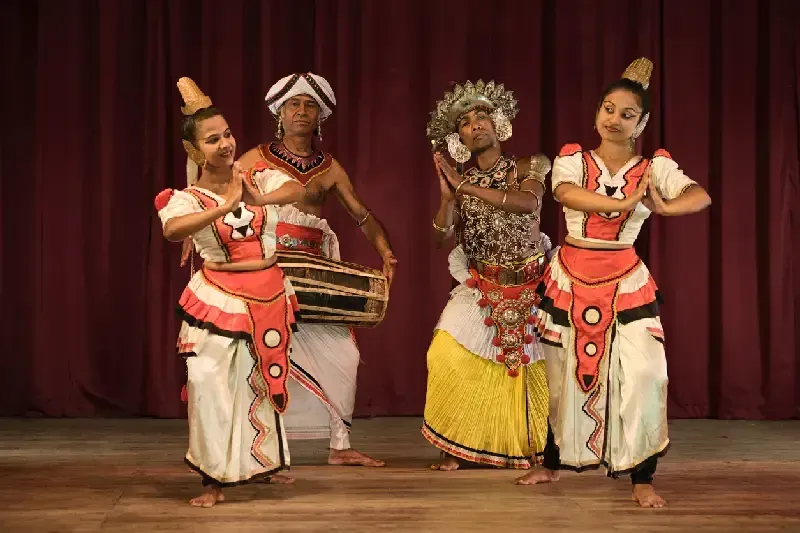
Yes, you can experience Sri Lanka’s traditions through temples, festivals, Kandyan dance shows, and local markets, all within a compact city.
Temple of the Sacred Tooth Relic
Historical Background
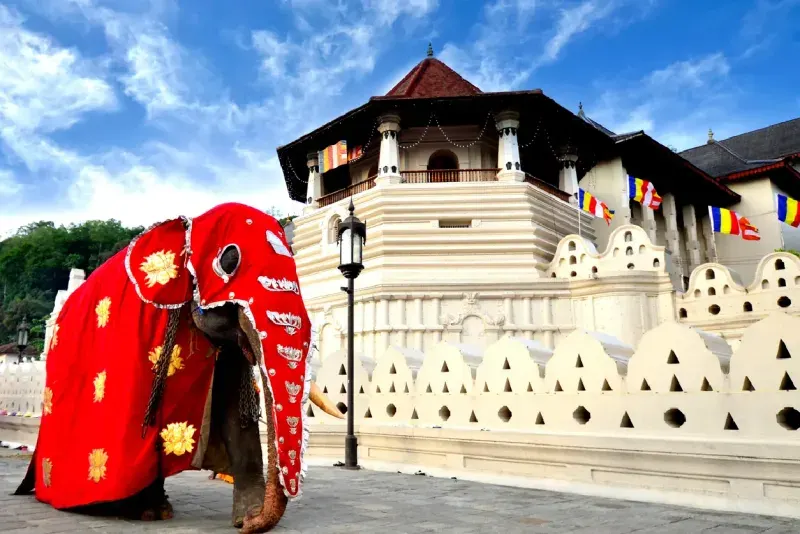
The Sri Dalada Maligawa, or Temple of the Sacred Tooth Relic, stands as Kandy's spiritual and architectural crown jewel. According to tradition, the tooth was taken from the Buddha's funeral pyre in 543 BCE and smuggled to Sri Lanka in the 4th century CE, hidden in the hair of a princess. Possession of the relic became synonymous with legitimate rule, making it both a religious object and a political symbol throughout Sri Lankan history.
Religious Importance in Buddhism
The temple complex, located within the former royal palace grounds, is an architectural marvel combining traditional Kandyan design with later additions. The octagonal structure housing the relic is particularly impressive, with its golden roof gleaming above the complex. Inside, the atmosphere shifts from the tropical heat outside to cool, incense-filled chambers where devotees queue to catch a glimpse of the gold casket believed to contain the tooth.
Visitor Experience and Rituals
Visiting the temple requires modest dress, shoulders and knees must be covered, and removing shoes before entering. The experience involves navigating through several chambers, each more ornate than the last, before reaching the inner sanctum. Three daily puja (offering) ceremonies at dawn, midday, and evening offer the most atmospheric times to visit, when the complex fills with the sound of drums and chanting.
Top Attractions and Things to Do
Royal Botanical Gardens in Peradeniya
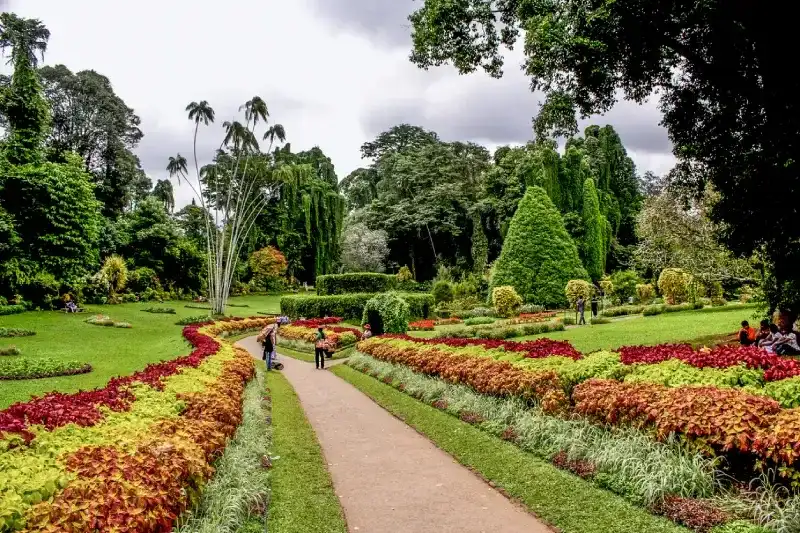
While the Temple of the Tooth anchors any Kandy itinerary, the city and its surroundings offer much more to discover. The Royal Botanical Gardens in Peradeniya, just six kilometers from Kandy, rank among Asia's finest. Originally created for a Kandyan queen in 1371, the gardens were expanded during British colonial rule into the 147-acre wonderland they are today. Highlights include an impressive orchid collection, a giant bamboo avenue, and towering trees that create cathedral-like canopies overhead.
Explore the best things to see in Sri Lanka with our complete guide!
You should visit the Temple of the Sacred Tooth Relic, walk around Kandy Lake, watch a cultural dance show, and explore nearby tea plantations and botanical gardens.
Cultural Shows and Museums
Cultural performances provide an excellent introduction to traditional Kandyan arts. Nightly shows feature classical Kandyan dancing, characterized by its acrobatic movements and elaborate costumes, accompanied by the hypnotic rhythms of traditional drums. These aren't tourist gimmicks, the performances preserve genuine artistic traditions passed down through generations.
Tea Plantations and Viewpoints
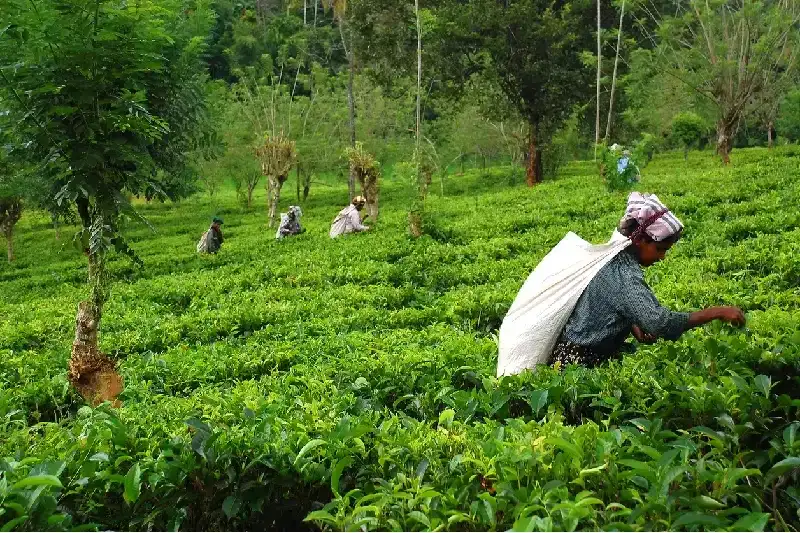
No visit to Kandy is complete without venturing into the surrounding tea country. Ceylon tea, grown on the hillsides around Kandy, is world-famous, and several plantations offer tours where you can watch tea being processed and sample different varieties. The viewpoints along the way provide stunning vistas of emerald tea bushes carpeting the mountains as far as the eye can see.
Stroll Around Kandy Lake
Take a relaxing walk around Kandy Lake, an artificial lake built in 1807 next to the Temple of the Sacred Tooth Relic. Enjoy scenic views, spot birds like herons and cormorants, and capture the perfect photos of this peaceful city landmark.
Day Trips from Kandy
If you have an extra time, day trips to nearby attractions like the Pinnawala Elephant Orphanage, Knuckles Mountain Range, or the ancient rock fortress of Sigiriya (about two hours away) add depth to your hill country experience.
Don’t miss these nearby gem, start planning your Sri lanka trips
Tips to follow when visiting Kandy
How to Get There
Getting to Kandy is straightforward from anywhere in Sri Lanka. From Colombo, the scenic train journey takes about three hours and ranks among the world's most beautiful rail routes, book early for window seats. Alternatively, buses run frequently and take slightly less time, though they're less comfortable.
Currency and Payments
Sri Lanka's currency is the rupee, and while Kandy has ATMs and money changers, it's wise to carry cash as many smaller establishments don't accept cards. Tipping isn't mandatory but is appreciated, 10% in restaurants and small amounts for guides and drivers are appropriate.
Safety and Etiquette
Safety-wise, Kandy is generally very safe for travelers. The main concerns are traffic (look both ways carefully when crossing streets) and persistent touts near tourist sites. Respect for local customs is important, remove shoes when entering temples, dress modestly, and ask permission before photographing people.
What to Pack
Packing for Kandy requires balancing the cool highland climate with tropical unpredictability. Light layers work best, along with a good rain jacket or umbrella. Comfortable walking shoes are essential for exploring temples and gardens. Don't forget modest clothing for temple visits, sunscreen, insect repellent, and any necessary medications, as specific brands may be hard to find.
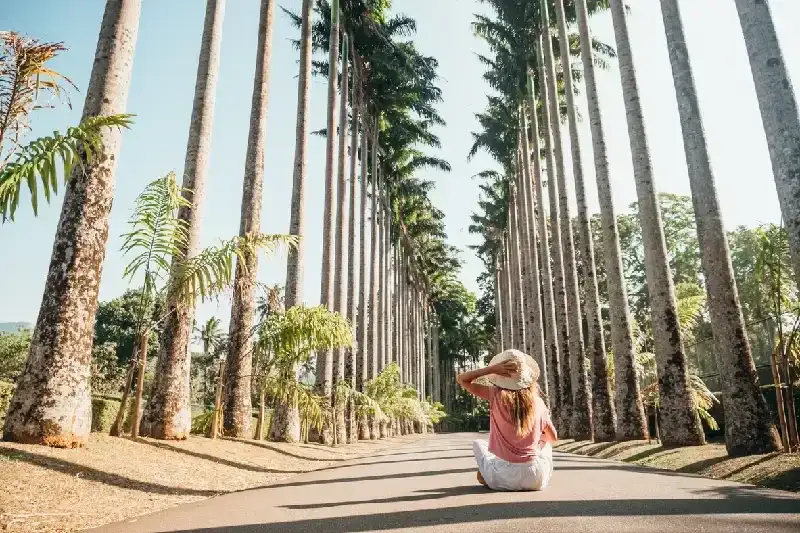
You can take a scenic train ride, hire a private car, or use a bus. The train journey is one of the most popular options because of the beautiful views along the way.
Whether you spend two days or a week in Kandy, this city reveals different facets to different visitors, spiritual sanctuary, historical treasure, nature gateway, or simply a beautiful hill town where life unfolds at a gentler pace. That's the magic of Kandy: it meets you wherever you are and offers exactly what you need.
Explore our Sri Lanka tours and start planning your adventure today!
You can plan to spend 2 to 3 days in Kandy to see the main highlights, enjoy the atmosphere, and take a day trip to nearby tea plantations or gardens.
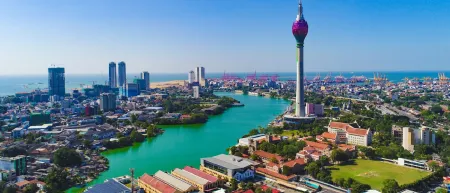
Your complete guide to Colombo, Sri Lanka: discover sights, food, nightlife, guided tours, weather, and travel tips for every visitor.
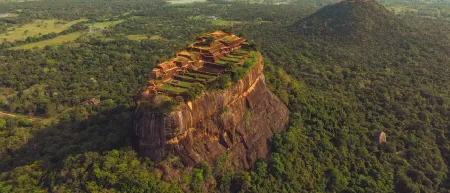
Sigiriya Lion Rock is Sri Lanka’s legendary rock fortress, known for its history, frescoes, and unforgettable panoramic scenery.
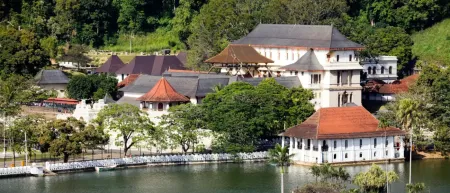
Discover Kandy with our guide to temples, scenic lake, cultural shows, and top attractions for an unforgettable visit.
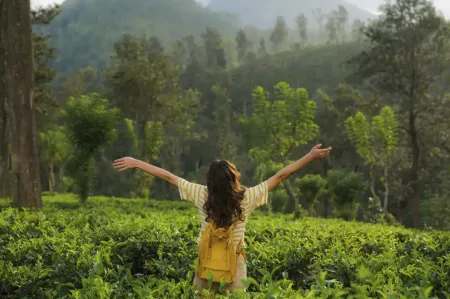
Experience Ella, Sri Lanka, lush landscapes, scenic train rides, and peaceful vibes. Your complete guide to things to do and when to visit.
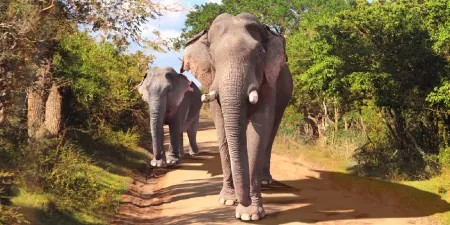
Plan your visit to Yala National Park in Sri Lanka. Discover wildlife, safari experiences, best seasons, and travel tips for this iconic nature reserve.

Discover Galle, Sri Lanka: historic Fort, beautiful beaches, vibrant streets, and unforgettable coastal charm.
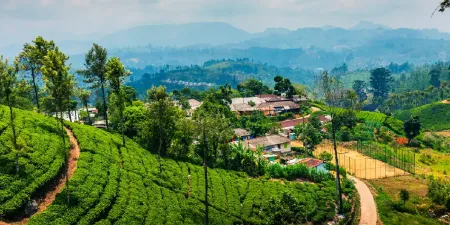
Find the best things to do in Nuwara Eliya, from tea plantations to scenic parks and mountains in Sri Lanka’s charming hill station.
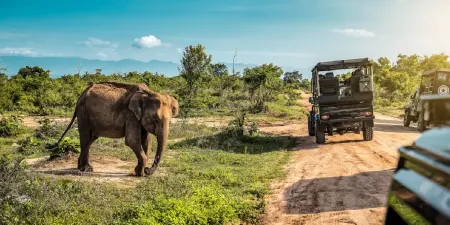
Udawalawe National Park offers incredible elephant sightings, wildlife safaris, and beautiful scenery. Learn the best time to visit and travel tips.
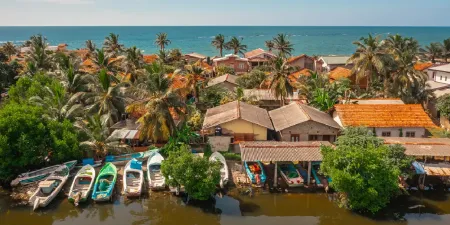
Negombo is more than an airport stopover. Explore its fishing culture, Little Rome churches, Dutch canals, and fresh seafood. Full guide inside.
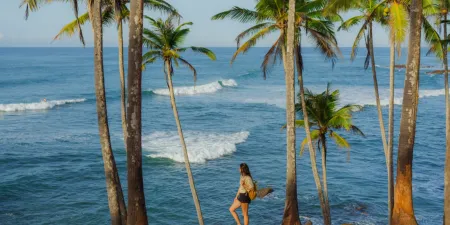
Weligama, Sri Lanka's Sandy Village, your complete guide to beaches, surfing, things to do, and travel tips on the southern coast.
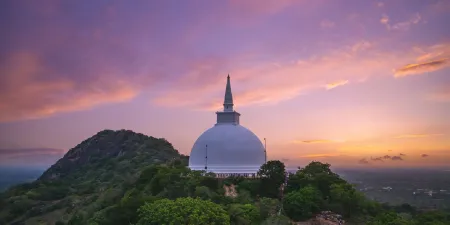
Explore Anuradhapura in Sri Lanka, home to sacred Buddhist sites, ancient ruins, massive dagobas, and unforgettable cultural experiences.
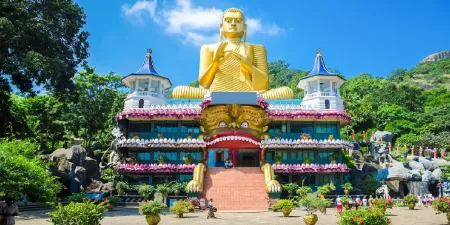
Plan your visit to Dambulla Cave Temple with top highlights like cave murals, Buddha statues, panoramic views, plus useful visitor tips.
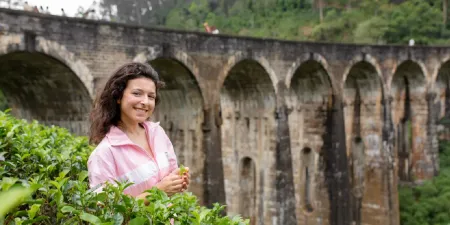
Visit Nine Arch Bridge and enjoy stunning views, scenic train crossings, hiking trails, and one of the country’s top attractions.
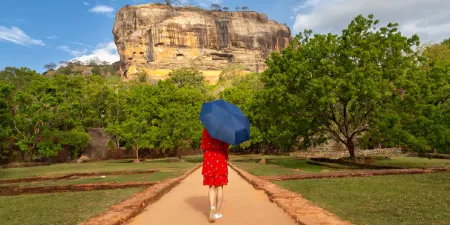
Explore the best things to do in Habarana, from jeep safaris and birdwatching to visiting nearby temples and ancient Sri Lankan cities.
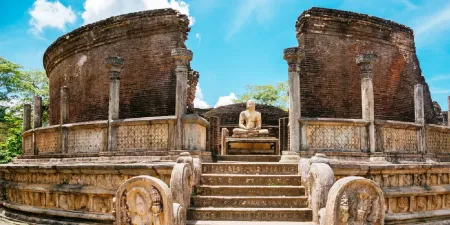
Once the royal capital of Sri Lanka, Polonnaruwa showcases impressive ruins, sacred monuments, and remarkable ancient engineering.