
 Home
HomeSri Lanka Attractions
Explore the best attractions in Sri Lanka, from ancient temples and UNESCO sites to lush tea plantations, golden beaches, and wildlife parks. Discover must-see destinations like Sigiriya, Kandy, Galle, Ella, and Yala, and plan an unforgettable journey filled with culture, nature, and adventure across this stunning island.
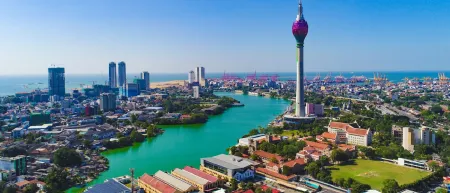
Your complete guide to Colombo, Sri Lanka: discover sights, food, nightlife, guided tours, weather, and travel tips for every visitor.
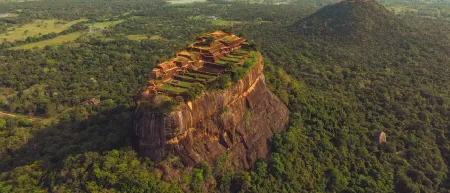
Sigiriya Lion Rock is Sri Lanka’s legendary rock fortress, known for its history, frescoes, and unforgettable panoramic scenery.
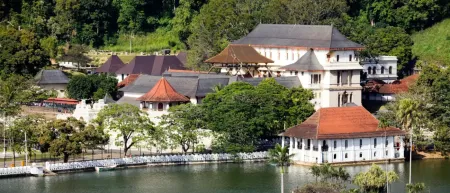
Discover Kandy with our guide to temples, scenic lake, cultural shows, and top attractions for an unforgettable visit.
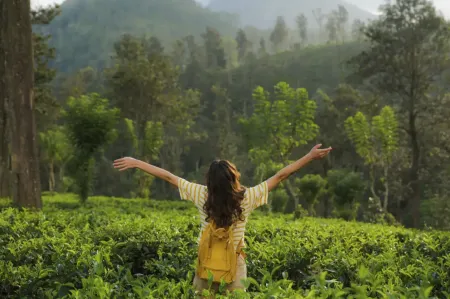
Experience Ella, Sri Lanka, lush landscapes, scenic train rides, and peaceful vibes. Your complete guide to things to do and when to visit.
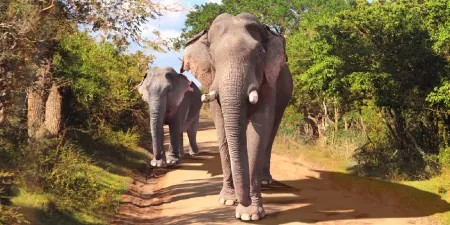
Plan your visit to Yala National Park in Sri Lanka. Discover wildlife, safari experiences, best seasons, and travel tips for this iconic nature reserve.
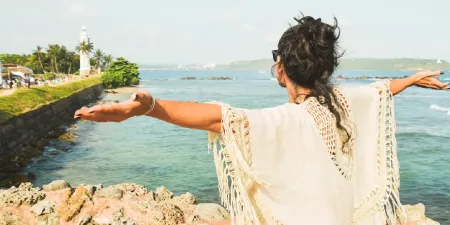
Discover Galle, Sri Lanka: historic Fort, beautiful beaches, vibrant streets, and unforgettable coastal charm.
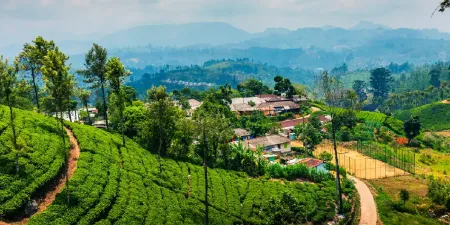
Find the best things to do in Nuwara Eliya, from tea plantations to scenic parks and mountains in Sri Lanka’s charming hill station.
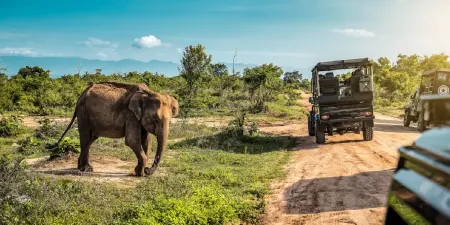
Udawalawe National Park offers incredible elephant sightings, wildlife safaris, and beautiful scenery. Learn the best time to visit and travel tips.
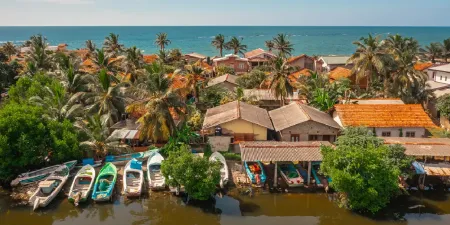
Negombo is more than an airport stopover. Explore its fishing culture, Little Rome churches, Dutch canals, and fresh seafood. Full guide inside.
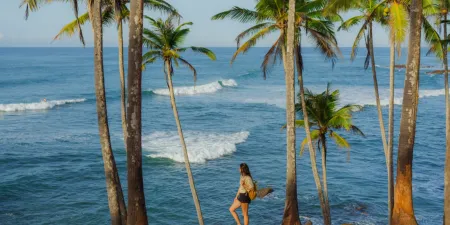
Weligama, Sri Lanka's Sandy Village, your complete guide to beaches, surfing, things to do, and travel tips on the southern coast.
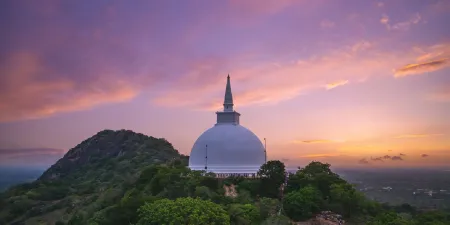
Explore Anuradhapura in Sri Lanka, home to sacred Buddhist sites, ancient ruins, massive dagobas, and unforgettable cultural experiences.
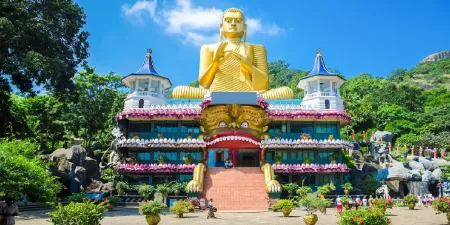
Plan your visit to Dambulla Cave Temple with top highlights like cave murals, Buddha statues, panoramic views, plus useful visitor tips.
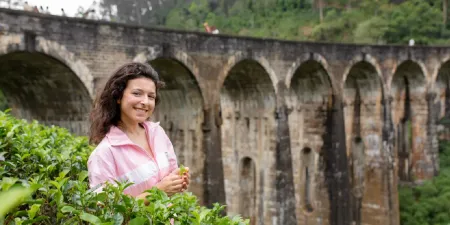
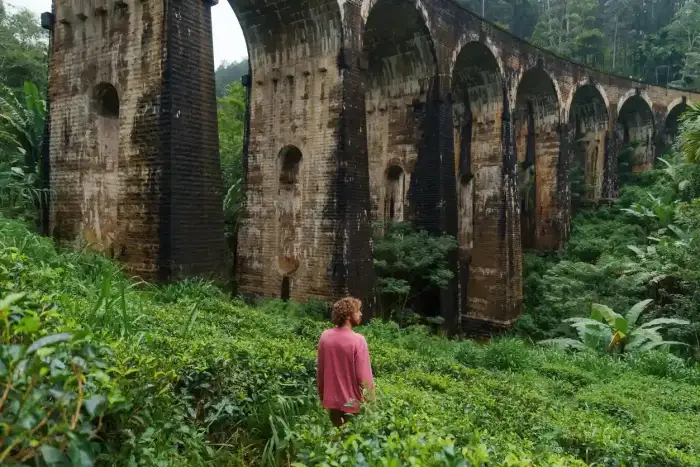
Visit Nine Arch Bridge and enjoy stunning views, scenic train crossings, hiking trails, and one of the country’s top attractions.
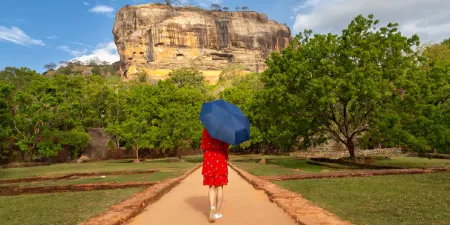
Explore the best things to do in Habarana, from jeep safaris and birdwatching to visiting nearby temples and ancient Sri Lankan cities.
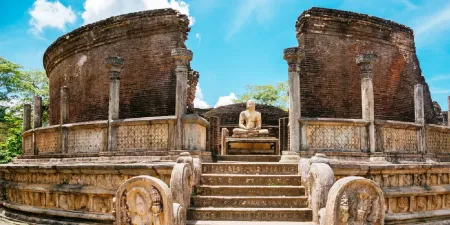
Once the royal capital of Sri Lanka, Polonnaruwa showcases impressive ruins, sacred monuments, and remarkable ancient engineering.
Frequently Asked Questions
Got questions? We’ve got answers. Find everything you need to know to plan your perfect trip.
Sri Lanka uses the Sri Lankan Rupee (LKR) as its official currency. Cash is widely used, especially in local markets, while credit and debit cards are accepted in most hotels, restaurants, and larger shops. ATMs are available in major cities and tourist areas.
Booking a tour is simple. Contact our representatives to plan your itinerary based on your budget, duration, and interests. Once your tour is finalized, you’ll receive a detailed itinerary. Confirm your reservation by paying the deposit via wire transfer or credit card (Visa or MasterCard are accepted).
Our Sri Lanka tours offer a perfect travel experience, covering all the main attractions of the island. Enjoy 5-star accommodations, expertly guided tours, and carefully planned itineraries that ensure you see the best of Sri Lanka comfortably and conveniently.
The most famous festival is Esala Perahera in Kandy, featuring dancers, drummers, and decorated elephants celebrating the sacred Tooth Relic. Other key festivals include Sinhala & Tamil New Year, Vesak, and Deepavali.
Sri Lankan cuisine is flavorful and diverse. Must-try dishes include:
- Rice and curry – the staple meal with multiple curries and sambols
- Hoppers (appa) – bowl-shaped pancakes, sometimes with an egg
- Kottu roti – chopped flatbread stir-fried with vegetables, eggs, or meat
- String hoppers (idiyappam) – steamed rice noodles served with curry
- Seafood dishes – fresh fish, prawns, and crab prepared with local spices
- Coconut sambol – a spicy coconut condiment served with many meals
Also try tropical fruits like mangos, pineapples, and rambutan, as well as traditional Ceylon tea from the hill country.
Do:
- Respect local customs, especially at temples.
- Greet people politely and be friendly.
- Use bottled water and practice basic hygiene.
- Bargain politely in local markets.
- Take care of wildlife and nature; follow park rules.
Don’t:
- Don’t touch someone’s head, as it is considered sacred.
- Don’t point your feet at religious objects or people.
- Don’t litter or damage the environment.
- Don’t photograph people without permission, especially monks.
- Don’t engage in public displays of affection in conservative areas.
Pack light, breathable clothing for the tropical climate, a hat and sunglasses for sun protection, and comfortable walking shoes. Include modest clothing for temple visits, a light jacket for cooler hill-country areas, swimwear for beaches, insect repellent, sunscreen, and any personal medications you may need.
Light, breathable clothing is recommended due to the tropical climate. For visits to temples and religious sites, modest attire that covers shoulders and knees is required.
The best way to travel around Sri Lanka depends on your itinerary. For comfort and flexibility, private drivers or guided tours are popular. Trains offer scenic routes, especially the famous Kandy to Ella journey. Buses and tuk-tuks are ideal for short distances or local travel, while domestic flights can save time for longer distances.
The main languages spoken in Sri Lanka are Sinhala and Tamil. English is also widely used, especially in cities, tourist areas, and for business, making it easy for travelers to communicate.
Sri Lanka is special for its incredible diversity packed into a small island. In just a few hours of travel, you can experience tropical beaches, tea-covered mountains, ancient UNESCO World Heritage Sites, wildlife-rich national parks, and vibrant cultural traditions. The country is also known for its warm hospitality, flavorful cuisine, and year-round good weather, making it a unique destination for all types of travelers.
The cost of a Sri Lanka tour can vary widely depending on factors such as your travel style, the number of days, the type of accommodation, and the activities included in your itinerary.
The ideal duration to explore Sri Lanka is 7–10 days for a standard itinerary, covering highlights like Colombo, Kandy, Sigiriya, Ella, and the southern beaches. For a more relaxed pace or to explore less-visited areas, 12–14 days is recommended.
- Ancient cities: Home to historic sites like Anuradhapura and Polonnaruwa.
- Wildlife: Rich biodiversity including elephants, leopards, and birds.
- UNESCO sites: Eight cultural and natural heritage locations.
- Ceylon tea: Famous for scenic tea plantations in Nuwara Eliya and Ella.
- Beaches & surfing: Pristine beaches and top surfing spots like Mirissa and Arugam Bay.
Vaccinations for Sri Lanka are recommended, not mandatory. Common suggestions include Hepatitis A, Typhoid, and Tetanus. Yellow Fever vaccination is only required if arriving from a country where it’s present. Always check with your doctor before traveling.
To apply for a Sri Lanka ETA, you typically need:
- A valid passport (with at least 6 months validity from your arrival date)
- Your personal details (as they appear on your passport)
- Travel details, including your intended arrival date
- A valid email address to receive the ETA approval
- A credit or debit card to pay the ETA fee
Yes, you can easily apply online for an Electronic Travel Authorization (ETA) before arrival. It’s a quick process and usually approved within a short time. Some nationalities may also obtain a visa on arrival, but applying for the ETA in advance is recommended for a smoother entry.
Yes, Sri Lanka is generally safe for tourists. Popular areas such as Colombo, Kandy, Galle, and major beach destinations are well-visited and welcoming. As with any destination, it’s wise to follow basic safety precautions, keep an eye on your belongings, and stay updated on local guidelines or weather conditions.
The best time to visit the west and south coasts is December–March, and for the east coast April–September. With two monsoon seasons, Sri Lanka is a year-round destination, but the best period depends on your itinerary and preferred region.
- Explore ancient cities like Anuradhapura, Polonnaruwa, and Sigiriya Rock Fortress
- Visit tea plantations in Nuwara Eliya and Ella
- Go on wildlife safaris in Yala, Udawalawe, or Minneriya National Park
- Relax on beautiful beaches in Mirissa, Bentota, Trincomalee, and Unawatuna
- Ride the iconic train from Kandy to Ella for stunning mountain views
- Discover cultural heritage at the Temple of the Tooth in Kandy
- Try Sri Lankan cuisine, famous for curries, seafood, and spices
- Enjoy water activities like surfing, diving, and whale watching
Discover More About Sri Lanka Tours
Explore unique stories, insider tips, and must-see spots to make the most of your visit.