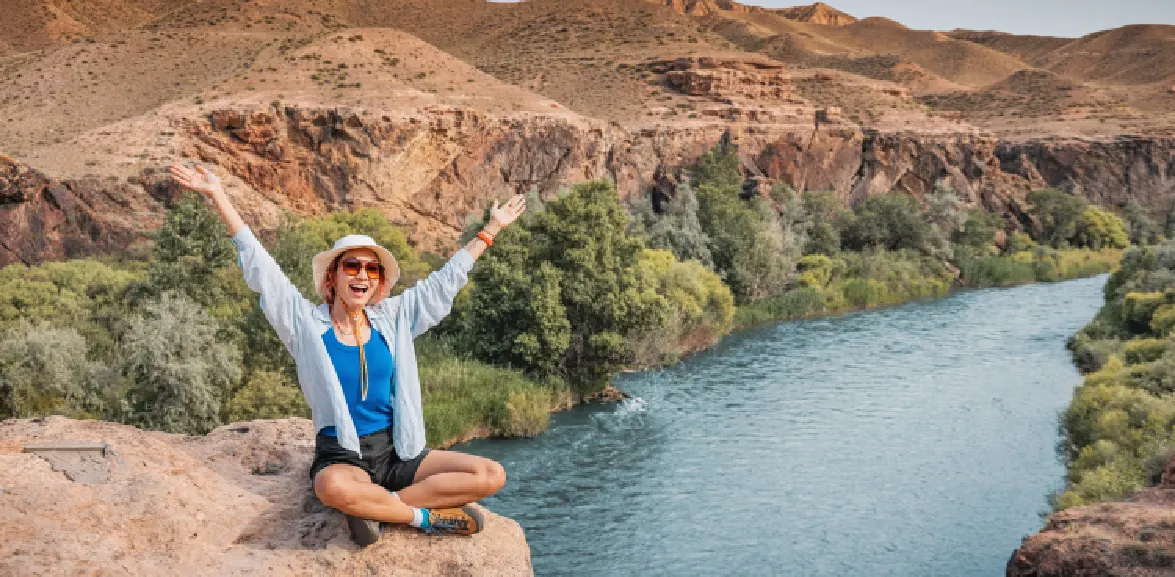
Kazakhstan attractions offer something most travelers crave: extraordinary destinations without the crowds. As one of the 10 largest countries in the world, Kazakhstan tourism isn't so big yet, meaning you won't have to share these beautiful places with many other travelers. I've found that this big nation delivers everything from otherworldly landscapes to rich cultural heritage.
This piece will walk you through the essential kazakhstan tourist attractions across the country. We'll explore almaty kazakhstan attractions that serve as your gateway, natural wonders like canyons and sunken forests, outdoor adventures in pristine national parks, and kazakhstan landmarks that span from ancient petroglyphs to space exploration sites. You'll find destinations here that rival world-famous locations.
Introduction
Table of Content
Must-Visit Cities and Urban Kazakhstan Landmarks
National Parks and Outdoor Adventures
Urban centers in Kazakhstan range from culturally rich mountain cities to bold architectural experiments on the steppe. Each major city offers distinct kazakhstan landmarks and experiences that reveal different facets of the nation.
Almaty: The Cultural Heart and Gateway
Almaty remains Kazakhstan's most populous city with more than two million residents. This mountain-flanked metropolis lost capital status in 1997 but has been recognized as a UNESCO Creative City of Music since 2017. The Central State Museum of Kazakhstan impressed me. It opened in 1931 and holds extensive collections spanning ancient archeology to modern times. The museum requires about 1-2 hours to explore, with tickets priced at 5,000 tenge per adult.
The Green Bazaar pulses with energy as vendors sell everything from exotic fruits to rare spices. Panfilov Park anchors the city's green spaces and has a memorial to 28 soldiers from Almaty who died fighting outside Moscow. Ascension Cathedral stands at the park's center—a stunning wooden Ukrainian-baroque Russian Orthodox cathedral consecrated in 1907.
Astana (Nur-Sultan): The Futuristic Capital
Astana's transformation from a remote settlement to Kazakhstan's capital began in 1997 under Japanese architect Kisho Kurokawa's vision. The city now houses over 1.5 million people in a landscape of audacious architecture rising from endless steppe.
The Baiterek Monument towers 105 meters above the city. An observation deck at 97 meters offers sweeping views. Khan Shatyr Entertainment Center soars 150 meters high and covers 140,000 square meters with an indoor park, shopping center and beach resort. The Grand Mosque can accommodate an astonishing 235,000 worshippers—about 16% of the city's whole population.
ShymTurkestan: Ancient Spiritual Centerkent: Southern Charm and Local Markets
Shymkent blends over 2,200 years of history as Kazakhstan's third-largest city. The reconstructed citadel spans nearly five hectares and welcomed at least 40,000 visitors in 2023, with tours conducted in four languages. Nearby Sayram, a 3,000-year-old settlement, served as a pivotal Silk Road trade hub and houses mausoleums including those of Khoja Ahmed Yassawi's parents.
Qyrgy Bazaar delivers the quintessential southern Kazakhstan market experience with vibrant spices and fresh produce.
Turkestan: Ancient Spiritual Center
Turkestan sits approximately 160 kilometers from Shymkent and centers on the UNESCO World Heritage Mausoleum of Khoja Ahmed Yasawi. This 12th-century Sufi mystic's tomb became Central Asia's spiritual hub. Tamerlane commissioned the current structure between 1396-1398. The mausoleum features 36 rooms covered by Central Asia's largest brick dome at 18 meters in diameter.
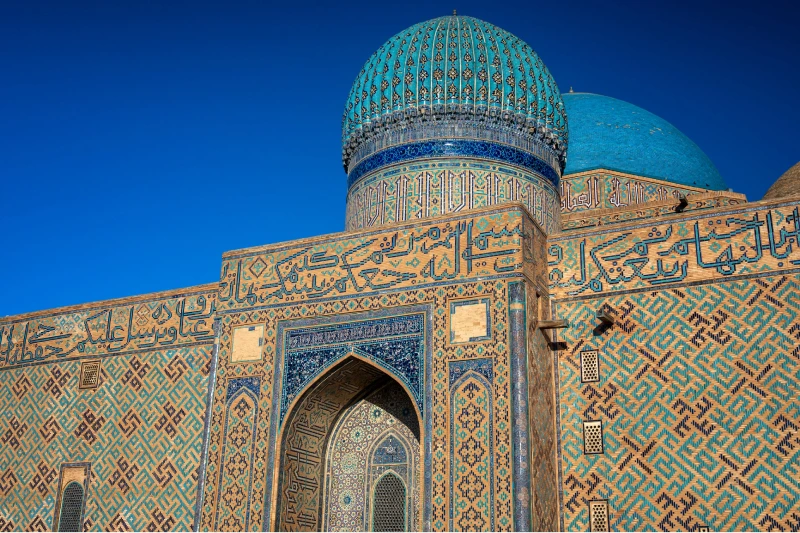
Wide exterior view of the Mausoleum of Khoja Ahmed Yasawi in Turkestan, Kazakhstan
How many days do you need to explore Kazakhstan?
The ideal duration depends on your interests, but 7-10 days allows you to experience major highlights. You can visit Almaty and nearby natural attractions like Charyn Canyon in 3-4 days, but extending your trip lets you explore additional regions like Astana, Turkestan, or the remote Mangystau desert landscapes. For a comprehensive experience covering multiple cities and national parks, plan for at least two weeks.
Natural Wonders and Spectacular Landscapes
Kazakhstan's natural landscapes rival any destination in the world outside the urban centers. Geological marvels formed over millions of years make these Kazakhstan attractions stand out.
Charyn Canyon: Kazakhstan's Grand Canyon
Charyn Canyon sits 200 kilometers east of Almaty and stretches 154 kilometers in length. Depths reach 150 to 300 meters. The Valley of Castles features towering red sandstone pillars that 12 million years of erosion sculpted. The park comprises five distinct canyons, including Yellow Canyon and Red Canyon. Each offers unique geological formations.
Lake Kaindy and the Sunken Forest
The 1911 earthquake triggered a landslide that created this haunting 400-meter-long lake. It sits at 2,000 meters above sea level and lies 129 kilometers from Almaty. Dead spruce trees rise 15 meters from the turquoise water. Frigid temperatures that rarely exceed 6 degrees Celsius preserve their trunks underwater. Ice diving and trout fishing attract winter adventurers to this seldom-visited gem.
Kolsai Lakes: The Pearls of Tien Shan
Three alpine lakes sit at elevations of 1,818 meters, 2,252 meters, and 2,850 meters. They string 120 kilometers southeast of Almaty. The middle lake reaches 50 meters deep and earns recognition as the most scenic of the trio. Dense spruce forests and wildflower meadows frame it.
Big Almaty Lake: Turquoise Mountain Beauty
This natural reservoir perches at 2,511 meters, just 15 kilometers from Almaty's center. The lake stretches 1.6 kilometers long and plunges 40 meters deep. Its color shifts from milky blue to deep turquoise with the seasons. Swimming is prohibited since the lake supplies Almaty's drinking water.
Altyn-Emel National Park and the Singing Dunes
This reserve covers 4,600 square kilometers and houses the famous Singing Barchan dune. The dune measures 1.5 kilometers long and 120 meters high. Wind from the west makes the sand produce eerie organ-like sounds through unexplained sonic vibrations.
Mangystau Region: Desert Landscapes and Rock Formations
Mangystau in western Kazakhstan features the Ustyurt Plateau. Chalk cliffs rise over 200 meters above desert plains there. Boszhira Valley displays eroded rock formations that resemble alien terrain. Torysh Valley scatters spherical boulders 3-4 meters in diameter across the landscape.
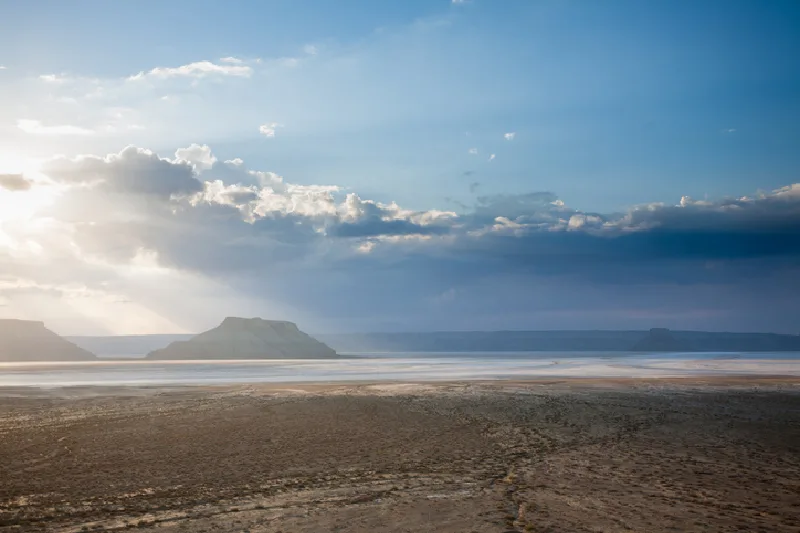
Sunrise from Karyn Zharik depression, Kazakhstan landscape
What is the most popular tourist destination in Kazakhstan?
Almaty serves as Kazakhstan's most visited destination and primary gateway for tourists. With over two million residents, this cultural hub offers easy access to stunning natural attractions within short distances, including Big Almaty Lake just 15 kilometers away, Charyn Canyon 200 kilometers east, and numerous hiking trails in the nearby mountains. The city's Green Bazaar, Panfilov Park, and Ascension Cathedral are particularly popular among visitors.
Customize Your Dream Vacation!
Get in touch with our local experts for an unforgettable journey.
Plan Your Trip
Protected wilderness areas in Kazakhstan provide hands-on encounters with ecosystems that have supported rare species for millennia. These national parks serve as vital conservation zones and offer outdoor enthusiasts access to pristine landscapes.
Ile-Alatau National Park: Hiking Near Almaty
Ile-Alatau's proximity to Almaty makes it the most available national park in Kazakhstan. The Shymbulak area offers multiple hiking trails that include routes to Butakovka waterfall and Furmanov Peak. Turgen Gorge extends 45 kilometers with several waterfalls cascading through its canyon. Wildlife populations include snow leopards, bears and mountain goats despite the park's location near a major metropolitan area.
Aksu-Zhabagly Nature Reserve: Wildlife Spotting
Founded in 1926, Aksu-Zhabagly is Central Asia's oldest nature reserve. The protected area spans 131,934 hectares and ranges from 1,100 to 4,236 meters above sea level. The reserve shelters 52 mammal species that include the elusive snow leopard, Himalayan brown bear and Tien Shan argali. Over 1,400 plant species grow here. Wild tulips turn meadows vibrant each April and May. The reserve recorded 267 bird species and represents 48% of all regional bird species. Aksu Canyon plunges 500 meters deep. A narrow pedestrian bridge is the only way to cross it.
Bayanaul National Park: Northern Wilderness
Kazakhstan's first national park was founded in 1985 and encompasses 68,453 hectares in Pavlodar Province, 140 kilometers from Ekibastuz. Four lakes punctuate the landscape: Jasybay, Sabyndykol, Toraygir and Byrzhankol. Mount Akbet rises to 1,027 meters as the highest point. The park features granite formations weathered into unusual shapes. Locals call one "Stone Sphere."
Karkaraly National Park: Pine Forests and Granite Peaks
Karkaraly spans 90,323 hectares with 40,341 hectares forested and was founded in 1998. Zhirensakal Peak reaches 1,403 meters above sea level. Three massive stone towers crown it. The park supports 122 bird species that include 11 listed in Kazakhstan's Red Book and 45 mammal species ranging from wolves to argali. An estimated 800 plant species inhabit the park and represent 80% of central Kazakhstan's flora diversity.
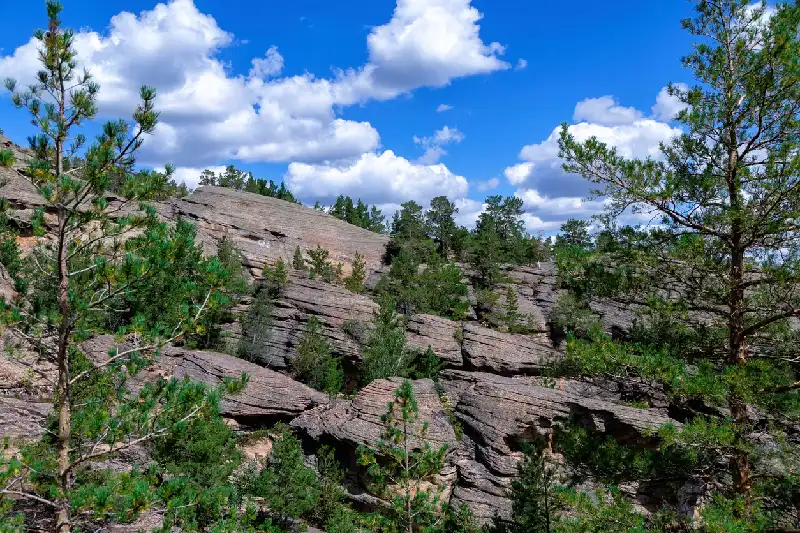
Karkaralinsk, Kazakhstan. Pines growing on rocks. Flat rocks in the mountains. Forest on a bright sunny day
Is Charyn Canyon worth visiting?
Absolutely. Charyn Canyon stretches 154 kilometers with depths reaching 150-300 meters, featuring spectacular red sandstone formations sculpted over 12 million years. The Valley of Castles showcases towering pillars that rival famous canyons worldwide, and the site includes five distinct canyon areas to explore. Located 200 kilometers east of Almaty, it's easily accessible as a day trip and offers a dramatic landscape without the crowds found at similar international destinations.
Conclusion
Kazakhstan delivers world-class destinations without the overwhelming tourist crowds you'd encounter elsewhere. You'll find futuristic cities and ancient petroglyphs, otherworldly canyons and pristine alpine lakes. I've shown you attractions that rival famous global landmarks.
The country's tourism infrastructure continues developing, so now is the perfect time to explore before these hidden gems become crowded. Choose destinations that match your interests, whether that's outdoor adventures or cultural heritage. Kazakhstan rewards travelers who seek authentic experiences off the beaten path.
Ready to experience these destinations for yourself? Browse our Kazakhstan Tours and start planning your journey through the country's most breathtaking landscapes and landmarks.
What outdoor activities can you do near Almaty?
The Almaty region offers diverse outdoor adventures year-round. Hiking trails in Ile-Alatau National Park lead to waterfalls and mountain peaks, while Shymbulak and Akbulak provide skiing and snowboarding opportunities. You can trek to alpine lakes like Kolsai Lakes at elevations up to 2,850 meters, explore the sunken forest at Lake Kaindy, or camp at Assy Plateau for exceptional stargazing. The Turgen Gorge extends 45 kilometers with multiple waterfalls accessible via various trails.
When is the best time to visit Kazakhstan's natural attractions?
Spring through early fall (April to October) offers the best conditions for most destinations. April and May bring wildflower blooms, including wild tulips in nature reserves, while summer provides warm weather ideal for hiking and lake visits. March works well for high-altitude locations like Assy Plateau as temperatures moderate. Winter attracts visitors to mountain resorts for skiing, though some remote areas become less accessible. Lake Kaindy's underwater forest is particularly stunning for ice diving in winter months.