
 Home
Ushuaia Argentina: Your Essential Guide to the End of the World
Perched at the uttermost tip of South America, Ushuaia Argentina, sits a mere 1,100 kilometers from the Antarctic Peninsula — a geographic fact that alone commands a certain kind of awe. What began as a remote outpost has grown, remarkably, from a settlement of roughly 5,000 souls to a thriving Patagonian port of nearly 90,000 residents, where Yaghan heritage, a notorious penal colony past, and the raw spectacle of glaciers and the Beagle Channel converge in a way few cities on earth can claim.
This guide covers what the journey genuinely demands — the right season, the essential trails, the penguin colonies at the edge of the inhabited world, and the logistics of reaching Antarctica from its most celebrated gateway.
Why Visit Ushuaia? Start With the Essentials
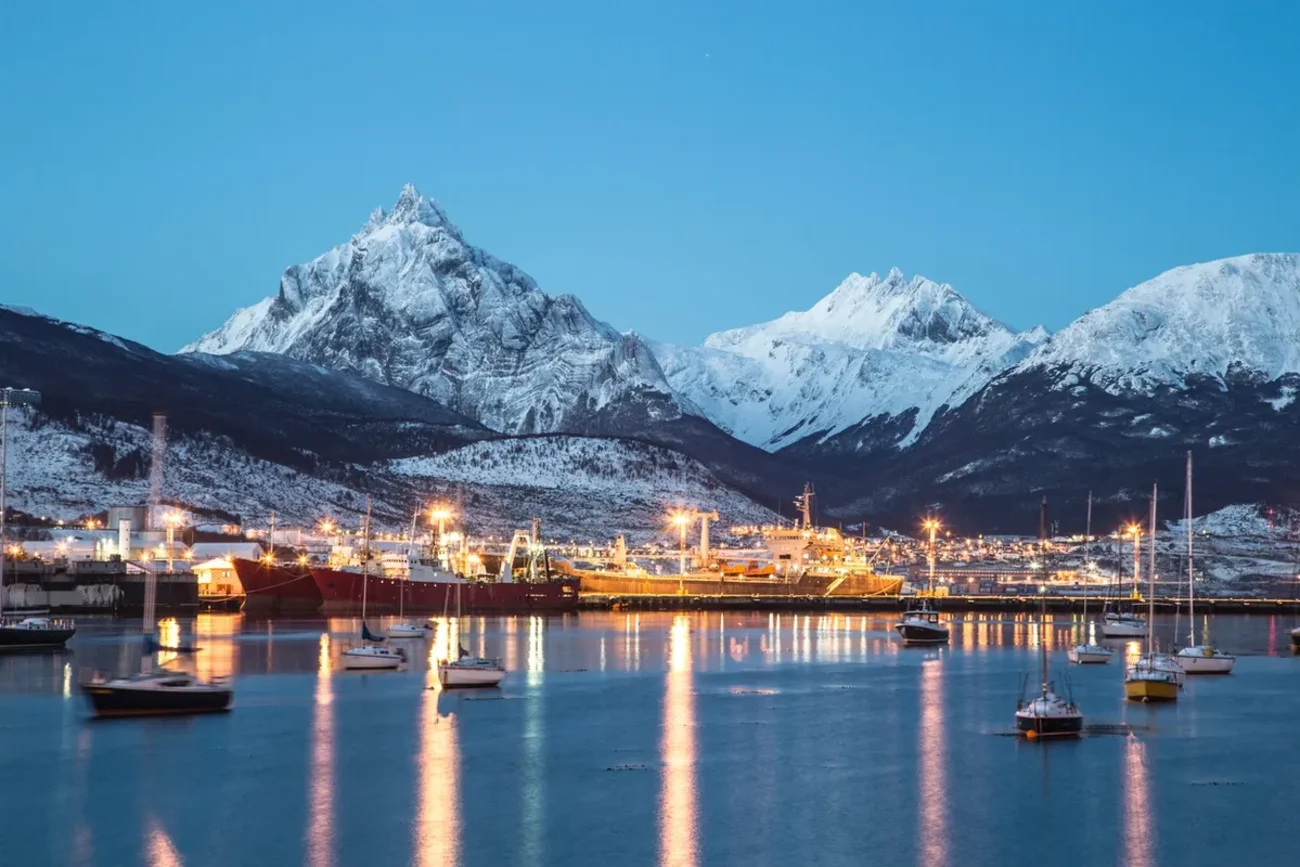
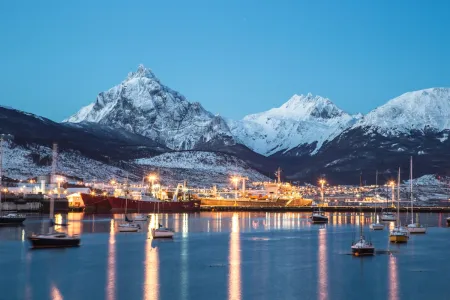
Ushuaia occupies the southern rim of Tierra del Fuego — the great island cleaved between Argentina and Chile at South America's pointed end — with the Andes pressing close behind the town and the Beagle Channel spread wide before it. Snow-capped peaks and a working harbor share the same sightline here, a geographic arrangement most cities never achieve.
The coordinates alone warrant a moment's consideration. Ushuaia sits at roughly 54 degrees south latitude, placing it measurably closer to the South Pole than most travelers pause to reckon with. Reaching the city means flying deep past Patagonia's open steppe and glacial lakes, watching the landscape sharpen and steepen until the Andes finally surrender their footing and plunge into the sea.
The End of the World name and the Puerto Williams claim
"El Fin del Mundo" — the End of the World — is Ushuaia's chosen identity, and for decades the title went essentially unchallenged. Puerto Williams, the small Chilean settlement sitting just across the Beagle Channel, changed that calculation when it formally attained city status, and the two now trade competing claims to the southernmost city designation.
The argument hinges on definitions. Puerto Williams does occupy a fractionally lower latitude in strict geographic terms, yet Ushuaia carries the infrastructure, the international airport, and the depth of services that characterize a functioning city in any practical sense. The rivalry sustains local pride on both shores, but for travelers plotting a course to this corner of the world, Ushuaia remains the natural and undisputed point of departure.
Yaghan heritage and the city's prison past
Long before any colonial expedition charted these channels, the Yaghan people had mastered survival here across countless generations. They fashioned canoes from sewn strips of beech bark, drew sustenance from the icy waters, and maintained fires with such constancy that the smoke rising from shore gave Tierra del Fuego — Land of Fire — its very name when European explorers first passed by. That intimate knowledge of an extreme environment left a mark that persists today in museum collections, in place names, and in the Yaghan language itself, which lost its last native speaker, Cristina Calderón, in 2022 and is now kept alive through community revitalization efforts.
The city's more recent chapter carries a considerably harsher character. In 1896, Argentina chose Ushuaia's isolation quite deliberately when it established a penal colony here, dispatching prisoners to serve sentences at a distance from the mainland that made escape an almost theoretical proposition. The prison grew inseparable from the town's identity — as definitive a landmark as the mountains behind it. The original structure still stands, now repurposed as a museum that opens that period of Ushuaia's past to careful examination.
These accumulated layers — Indigenous ingenuity, colonial punishment, and a geographic rivalry that maps cannot fully resolve — set Ushuaia apart from any conventional port of call. Each strand of that history deepens what the landscape already offers, and together they are precisely what makes the journey south so richly worth the distance.
Choose Your Dates and Set Up Your Trip
Few decisions shape a journey to Ushuaia Argentina more decisively than timing. Season determines not just the temperature in your layering system, but which excursions are actually running, which wildlife is present, and how far in advance you need to have secured your arrangements.
Pick your season: Summer wildlife or winter snow
Summer, spanning December through March, delivers the region's most dramatic natural spectacle. Daylight extends to about 17 hours around the December solstice, and temperatures hold between 41–59°F — conditions that keep Beagle Channel cruises, national park trails, and the penguin colony at Martillo Island fully operational. The penguins themselves arrive from October and remain through March or April, so anyone making the journey specifically for them should plan accordingly.
Winter, June through August, belongs almost entirely to Cerro Castor, which commands the longest snow season in the country by virtue of Ushuaia's latitude. Daylight contracts to roughly 7 hours at its shortest, and temperatures settle between 28–43°F. May occupies an awkward middle ground — the summer season has closed, the ski season has yet to open, and visitor numbers fall accordingly.
Compare flights with bus and ferry routes through Chile
The flight from Buenos Aires to Ushuaia runs approximately 3.5 hours; from El Calafate, that figure drops to around 75 minutes. Overland travel through Chile involves a 12-hour bus from Punta Arenas that crosses the Strait of Magellan by ferry, with fares for the Rio Gallegos leg running roughly USD 70–95. The Primera Angostura crossing itself takes 20–30 minutes, though during December and January, queue times can push well beyond two hours.
Choose a downtown stay or a hotel outside town
Downtown Ushuaia places restaurants, museums, and the pier within easy walking distance — a practical advantage on days when weather shortens plans. Mountain and hillside properties exchange that convenience for elevated views and genuine quiet, though reaching them requires a shuttle or taxi. The choice ultimately rests on whether your itinerary centers on the city itself or the landscape surrounding it.
Decide between local transport, guided tours, and a rental car
Airport taxis into the city center cost around USD 8 and cover the 5–7 kilometer route in 10–15 minutes. Guided tours absorb the logistical complexity of national park visits and boat excursions, while a rental car provides independence for those who prefer to set their own pace. Drivers crossing into Chile should note that a border permit adds USD 120–180 to costs, and winter tires are mandatory between May 15 and September 30.
Set a budget and check booking and cancelation terms
Securing accommodation three to four months ahead yields the most favorable rates. Standard cancelation terms grant a full refund up to 72 hours before departure, with no reimbursement beyond that window.
Pack layers, waterproof gear, and trail essentials
The weather in Ushuaia shifts without ceremony — sun, rain, and wind can cycle through within a single afternoon. A waterproof outer shell, an insulating midlayer, sturdy trail boots, and warm accessories are non-negotiable regardless of season. This combination remains the one reliable constant across every version of a trip to Ushuaia Argentina.
Plan three to five days to explore Tierra del Fuego National Park, take a Beagle Channel cruise, and enjoy the city. Leave some free time in case bad weather delays outdoor activities.
Yes. Ushuaia offers scenic hikes, penguin-viewing trips, winter skiing, and museums exploring its Indigenous heritage and prison history.
December through March is ideal for hiking, cruises, and penguin viewing. For skiing and other snow activities, visit during winter, from June through August.
Downtown is easy to explore on foot, with restaurants, museums, shops, and the waterfront close together. Wear layers and waterproof clothing, as conditions can change quickly.
The nickname reflects its remote location at South America’s southern tip. Ushuaia is widely known as the world’s southernmost city, though Puerto Williams in Chile lies farther south and also claims the title.
Explore Ushuaia's City Sights and Local Food
Downtown Ushuaia is best absorbed slowly, on foot, without a fixed schedule. The city center holds museums, restaurants, and waterfront paths within a compact enough area that a good pair of walking shoes outperforms any taxi.
Walk Avenida San Martín and the waterfront
Avenida San Martín runs 15 blocks through the city's commercial core, flanked by shops and restaurants that form the main artery of tourist life. The nearby waterfront trail extends this circuit considerably, passing the Ancestors Viewpoint — which looks out over the protected Natural Urban Reserve — before arriving at the rusted hull of the Saint Christopher, a tugboat that was beached and abandoned here in 1957 and has remained there, unmoved, ever since. The "Ushuaia End of the World" sign along this stretch draws a reliable crowd of photographers, particularly in the long golden light before sunset.
Those after something quieter will find it west of the center at Costa Susana, a stretch of privately held coastline that permits free public passage toward Tierra del Fuego National Park, with open views across the Beagle Channel toward Chile's mountains. Scattered throughout downtown, murals along Avenida Maipú document polar expeditions at considerable scale, while smaller works off San Martín render Yaghan symbolism and early settler scenes with surprising detail.
Visit the Maritime and Prison Museum or the End of the World Museum
The Museo Marítimo y del Presidio occupies the former national prison — a building whose construction began in 1902 and whose five cell-block wings eventually held 386 individual cells by 1920, though the population at certain points pressed considerably closer to 600. The prison closed in 1947, and the complex today contains maritime history, the original prison exhibition, an Antarctic gallery, and a dedicated art section, all accessible under one entry. A single ticket costs around 50,000 Argentine pesos for adults (rates from October 2026) and remains valid across two days, a practical arrangement given that one visit rarely covers everything. The museum opens daily from 10 a.m. to 8 p.m., with last entry at 7:30 p.m. One to two hours covers the essentials, though the full circuit of wings has held visitors for an entire day.
The Museo del Fin del Mundo offers a different kind of encounter with Ushuaia's past. Free outdoor exhibits near the tourist office on Avenida Maipú include a historic dugout canoe, whale skulls, and photographs of the Yámana and Selk'nam peoples — a collection that rewards attention even without a ticket, provided you check the hours first — roughly 9 a.m. to 8 p.m. in high season and noon to 7 p.m. from April to September.
Try centolla, local fish, and Patagonian lamb
Centolla — king crab — sits at the center of Ushuaia's food identity. The legal harvest season runs July through February, with the November-to-January window consistently producing the fullest shells and the most concentrated flavor. Between March and June, fishing halts entirely to allow reproduction, which means genuinely fresh crab simply disappears from menus for those months. A whole centolla costs roughly 80,000 to 150,000 pesos and usually serves two, arriving boiled, gratin-baked, or worked into empanadas and chowder depending on the kitchen. El Viejo Marino on Avenida Maipú accepts no reservations and fills its tables quickly after opening. Fuegian lamb, turned slowly on a spit, along with trout and black hake, completes the picture at restaurants spread across the downtown area.
Find cafés, chocolate shops, and local craft beer
Ramos Generales occupies a building that became the town's general store in 1917; restored and reopened in 2006, it now serves coffee and pastry within those same original walls. Laguna Negra, operating since 1989, produces bombons and alfajores nearby. For something local to drink, Cervecería Beagle pours a blonde, a red ale, and a stout, among other styles — all brewed within the city.

Customize Your Dream Vacation!
Get in touch with our local experts for an unforgettable journey.
Plan Your TripHead Outdoors: Things to Do Around Ushuaia, Argentina
The city itself tells one story; the land surrounding it tells another entirely. Forests of lenga beech, glacial lakes, Andean ridgelines, and the cold expanse of the Beagle Channel all wait within striking distance of downtown — and the range of what's possible here is genuinely remarkable, from a gentle coastal stroll to a full Antarctic departure.
Tierra del Fuego National Park: Coastal trails and Lapataia Bay
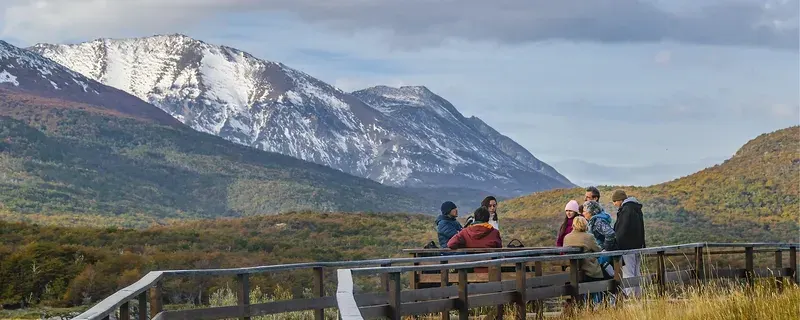
The park distributes its trails across a wide spectrum of difficulty, which means there is something worth doing here regardless of fitness or ambition. The Coastal Trail runs 8 kilometers along the Beagle shoreline through dense lenga forest, requiring roughly 4 hours one way. Cerro Guanaco demands considerably more effort — nearly 4 kilometers of steep ascent with about 4 hours to the summit. Those after a gentler experience should head to Lapataia Bay, where the Lapataia sector offers several short, low-difficulty paths at the literal terminus of National Route 3, the southern end of a highway that starts in Buenos Aires and the symbolic finish of the Pan-American route from Alaska.
End of the World Train: What the ride includes and how to book
The Tren del Fin del Mundo departs from a station 8 kilometers west of downtown, recreating the last kilometers of the historic “prisoners’ train” that hauled firewood for the penal colony. The journey covers 7 kilometers, passing the Macarena waterfall before reaching the park boundary. Three daily departures — at 9:30, 12:00, and 15:00 from September to April (9:45, 12:15, and 15:00 from May to August) — each complete as a round trip in about 1 hour 45 minutes, with seating in Tourist and Premium classes. The train operates 365 days a year, weather notwithstanding, so bookings through the official site are worth making well in advance.
Beagle Channel cruises: Lighthouse views, birds, and sea lions
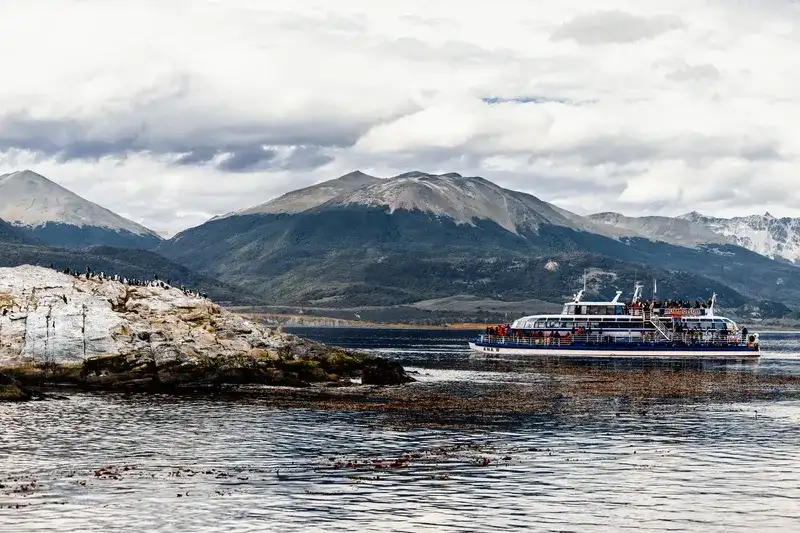
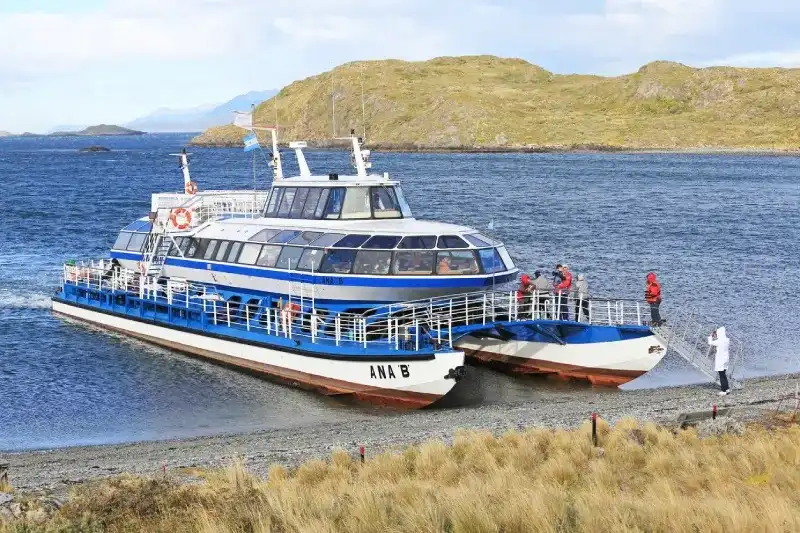
A standard catamaran cruise covers the channel's most storied landmarks in about 2.5 hours from USD 114, passing Bird Island's dense cormorant colony and Sea Lion Island before arriving at the Les Eclaireurs lighthouse — the distinctive red-and-white beacon that has guided ships through the channel since 1920. Combined packages extend the itinerary: Beagle Channel navigation paired with a Martillo Island penguin landing begins near USD 129.
Martillo Island: Penguin seasons and permitted viewing options
Martillo Island holds one of the few Magellanic penguin colonies accessible to visitors on foot in this part of Patagonia. Full-day land visits, which allow walking directly among the colony, start around USD 399. Boat-only approaches from the channel are available at a lower price point for those who prefer to observe from the water without stepping ashore.
Laguna Esmeralda and Martial Glacier: Choose a hike for your fitness
Two hikes stand out above the rest for day visitors working from a Ushuaia base:
-
Laguna Esmeralda: 8.6 km round trip, roughly 5 hours, rated moderate but frequently muddy underfoot. Entry closes at 3 p.m. in summer and noon in winter.
-
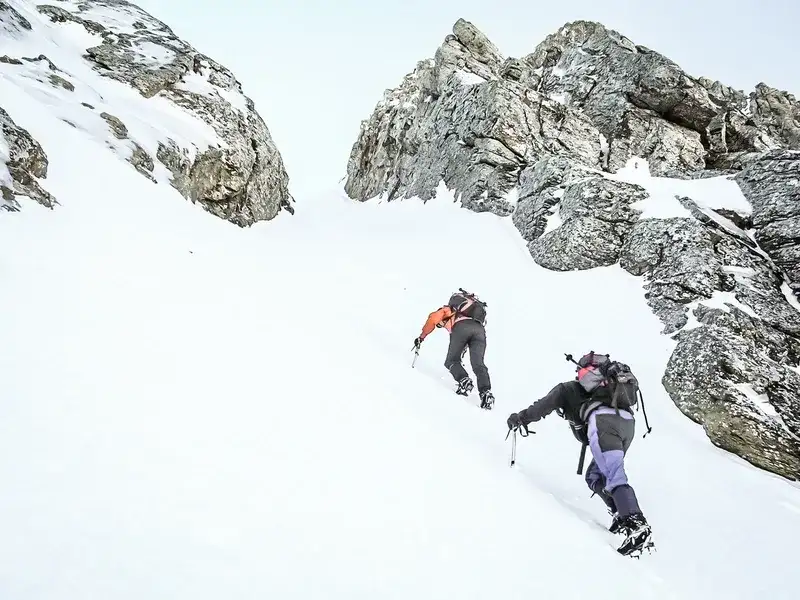
Martial Glacier: 4.1 miles with 1,650 feet of elevation gain, beginning 7 kilometers from town. A chairlift handles part of the ascent, leaving the upper stretch for those willing to earn the view.
Cerro Castor and nearby valleys: Skiing and snowshoeing
Cerro Castor runs the longest ski season in Argentina, stretching from June through early October. The resort spans more than 30 runs across a vertical drop of roughly 860 meters serviced by 12 lifts. For those preferring flatter terrain, cross-country centers in the Tierra Mayor valley, such as Tierra Mayor and Llanos del Castor, offer a quieter passage through the surrounding valley in the depths of the southern winter.
Make Your Days Work: Routes, Backup Plans, and Antarctica
Weather and distance dictate the shape of any itinerary here. Choosing the right outing is only half the task; knowing how to arrange them — and what to do when the sky turns — determines whether the trip actually delivers.
A one-day stop: Choose your main outing by available time
A single day calls for discipline. Pair a morning Beagle Channel sail with an afternoon walk through Tierra del Fuego National Park, or substitute the End of the World Train if a more contemplative pace suits you better. Catamaran departures run at 2.5 hours, compact enough that either combination sits comfortably within a full day's window.
A three-to-five-day stay: Group outings and keep a weather buffer
Three to five days allows the city and its surroundings to reveal themselves properly. The National Park with the optional train demands around 5 hours, and a combined Beagle Channel and Penguin Island cruise runs a similar stretch. Hold one day deliberately unscheduled — not as waste, but as insurance. Conditions shift here with a speed that no forecast reliably captures.
Bad-weather plans: Reschedule outdoor trips and check local alerts
Rain and wind regularly ground boat operations, though the End of the World Train holds its schedule regardless of what the sky produces. Book refundable tours wherever possible, and register for local weather alerts early so a ruined morning doesn't swallow the entire day.
An Antarctica departure: Confirm port transfers, documents, and arrival time
More than 90% of all Antarctic expeditions depart from Ushuaia's port, with the Drake Passage crossing taking roughly two to three days each way. Arriving a day ahead gives time to confirm transfers, sort paperwork, and — as most operators quietly encourage — absorb a final measure of the city before the continent swallows your attention entirely.
Travel with care: Follow wildlife rules and protect forests and peatlands
The landscapes here are as fragile as they are dramatic. Maintain at least three meters of distance from penguins and sea lions during any shoreline landing, keep strictly to marked trails across peat bogs, and give nesting birds a wide berth. The wilderness that makes Ushuaia extraordinary depends entirely on the discipline of those who pass through it.
Conclusion
Few cities carry the same quiet authority as Ushuaia — a place where glaciers descend toward a working harbor, where penguin colonies share the landscape with ski runs, and where the weight of Yaghan history and penal colony isolation still echo through museum walls and place names alike. The scenery commands attention, but it is the accumulated human story behind it that makes the journey feel genuinely worth the distance.
Ushuaia Argentina stands on its own well before the first Antarctic ship departs. A centolla dinner at a crowded harborside table, a morning walk through lenga forest to Lapataia Bay, the particular silence of the Beagle Channel at dusk — these are not incidental pleasures on the way to somewhere else. They are the destination itself. Pack thoughtfully, secure bookings well in advance, and hold one day in reserve for weather. The End of the World, it turns out, has a way of rewarding those who arrive prepared to linger.
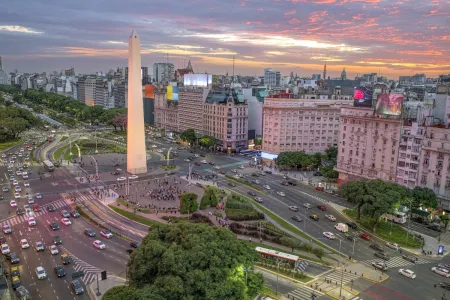
What makes Buenos Aires the “Paris of South America”? Discover why as you walk the world’s widest avenue, explore the colorful Caminito, catch a midnight milonga, and uncover the city’s best-kept secrets.
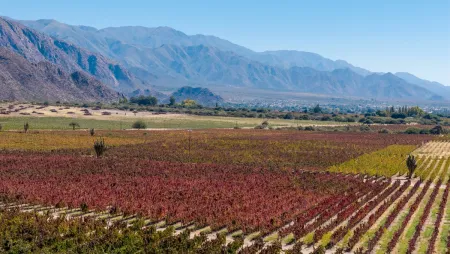
Cafayate is famous for its wine, but the real magic lies beyond the vineyards. Watch sunrise paint the sand dunes pink and gold, hike through red canyons to hidden waterfalls, and wander colonial villages where time stands still. This guide shows you the side of Cafayate most visitors never see.
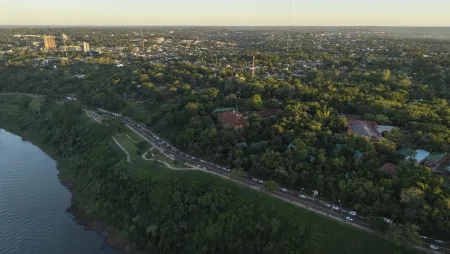
A complete guide to Puerto Iguazú, the Argentine town where three countries meet, just 18 km from Iguazú Falls. It covers the town’s history, the best seasons, how to get there, and how both sides of the falls compare. It also shows quieter spots like Hito Tres Fronteras and Güirá Oga, plus practical tips on where to stay, what to eat, and what to pack.
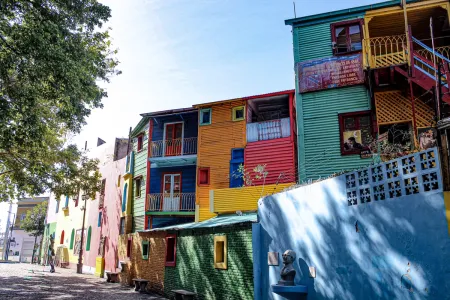
La Boca is Buenos Aires’ most colorful neighborhood, shaped by Italian immigrants, port life, and tango. This guide covers Caminito, La Bombonera, local museums, where to eat, and practical tips for a safe visit.
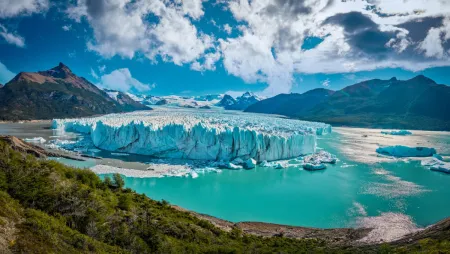
Perito Moreno is one of the few glaciers in Patagonia that held steady for decades, and it’s now retreating. This guide covers its key facts, the science behind its blue ice and dramatic ruptures, and the best ways to see it from El Calafate.
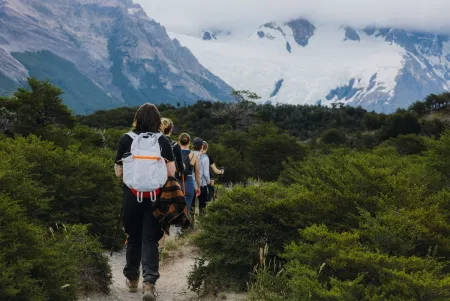
Los Glaciares National Park facts every traveler should know: where the park sits in Argentine Patagonia, how its glacier-filled south differs from El Chaltén’s trekking north, the best season to visit, 2026 entry fees, and practical tips for seeing Perito Moreno, cruising to Upsala and Spegazzini, and hiking to Laguna de los Tres.
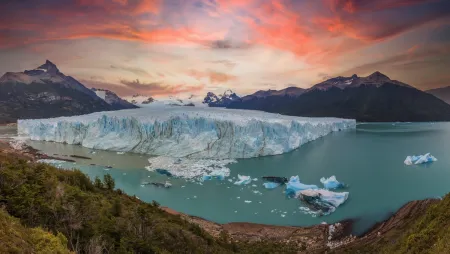
Discover the best things to do in El Calafate, from walking the Perito Moreno Glacier walkways and trekking on the ice to cruising Lago Argentino and spotting flamingos at Laguna Nimez. This guide covers when to go, how to get there, where to stay and eat, and how many days to plan.
