
 Home
La Boca Buenos Aires: The Colorful Neighborhood Everyone Talks Abou
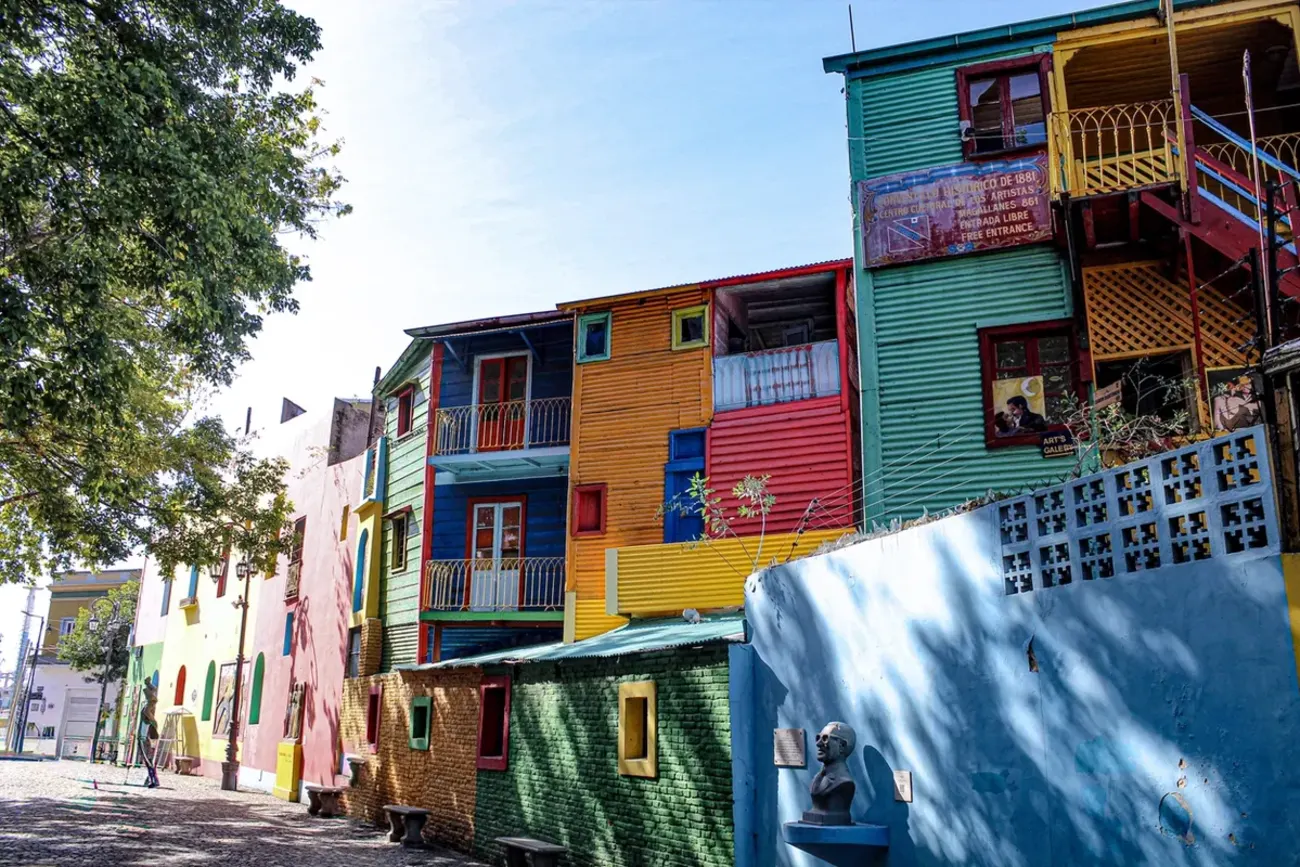
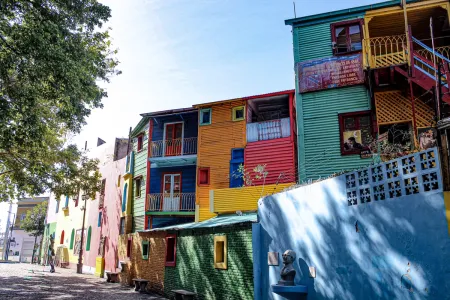
Few neighborhoods in the Americas carry as much concentrated history as La Boca. Just 3.3 square kilometers along Buenos Aires' southeastern edge, this barrio is home to about 44,200 residents (2022 census) and an outsized place in Argentina's cultural memory. What fills its streets is not simply color — it is the recorded consequence of Italian immigrants who arrived with almost nothing and painted their homes with whatever leftover shipyard paint they could scavenge, each wall a different shade from the last. That patchwork, born of necessity, became a signature the neighborhood has never shed.
La Boca also holds a particular distinction that most visitors sense before they fully understand it: this is one of the port neighborhoods where tango took shape, influenced by dockworkers and settlers whose music carried the weight of displacement and adaptation.
The conventillos, the famous walkway of Caminito, the football stadium that borders it all — each one is a chapter in Argentina's broader immigrant story. Understanding that story before you set out changes everything about how you experience the things to do in La Boca, Buenos Aires.
Types of content
1-Why La Boca Looks Unlike Anywhere Else in Buenos Aires
2-How to Get to La Boca and When to Visit
3-Top Things to Do in La Boca, Buenos Aires
4-Where to Eat and Watch Tango in La Boca
5-Is La Boca Worth Visiting? Safety and Honest Expectations
1-Why La Boca Looks Unlike Anywhere Else in Buenos Aires
Where the Riachuelo River empties into the Río de la Plata, Buenos Aires acquired its most singularly distinctive barrio. The name itself is a geographic statement — La Boca, "the mouth," marking the precise point where one waterway surrenders into another. For decades, this convergence made the neighborhood the city's primary port, and that single geographical fact cascades into nearly every explanation for what La Boca looks like today.
Where La Boca Is and What Its Name Means
Ships queued along the Riachuelo in steady succession, loading and unloading the goods that sustained Buenos Aires. The port was not merely a commercial convenience — it was a threshold. Waves of newcomers crossed it with no particular plan beyond finding work, and in doing so, turned this narrow stretch of riverbank into one of the most photographed neighborhoods on the continent.
How Port Workers and Immigrants Shaped the Barrio
The scale of that migration deserves a moment of consideration. Between 1880 and 1930, roughly 6 million immigrants arrived in Argentina, and nearly half traced their origins to Italy — a disproportionate number of them from Genoa, a port city on the Ligurian coast. When Genoese workers stepped off their ships at La Boca, they recognized the landscape immediately. The smell of salt and tar, the creak of dock timber, the rhythm of cargo work — all of it matched the world they had left. Most stayed within walking distance of the water, folding into the same maritime industry they had practiced at home.
The work held. The housing did not. Buenos Aires could not build fast enough to absorb the numbers pouring in, and what port wages offered barely covered essentials. Shelter was urgent, and it had to cost almost nothing.
The Colorful Conventillos and Their Painted Walls
The answer was the conventillo — long tenement structures divided into small single-room dwellings, each one opening onto a shared central patio. Where neighborhoods like San Telmo repurposed the abandoned mansions of wealthier residents, La Boca had no such stock to draw from. Workers built from the ground up, and they built with whatever the shipyards left behind: corrugated metal sheeting, scavenged timber, salvaged planking.
Once the walls stood, they faced the particular hostility of a riverside climate — salt air, seasonal flooding, the slow work of rot and rust. The practical remedy was paint, specifically the zinc-based marine paint stored in abundance at the nearby docks. Households painted with whatever cans remained after the ships had been serviced. A single color rarely stretched far enough to coat an entire facade, so walls were finished in whatever came next — cobalt alongside ochre, crimson beside sage, one section lime green where the blue ran out. The result looked accidental because it was. What no one anticipated was that this improvised patchwork would outlast the shortage that created it, calcifying into a neighborhood tradition that residents maintained for its own sake long after the original scarcity had passed.
How Quinquela Martín Helped Create Today's Caminito
The barrio's visual identity survived into the twentieth century, but its physical fabric did not fare as well. By the 1950s, many of the original conventillo structures were being torn down and replaced with plainer, more modern buildings. The strip of land that would eventually become Caminito had been through several identities of its own — first a drainage channel following a natural stream route, then a railway spur serving a nearby train repair yard, and after that line closed in 1954, simply an overgrown, rubbish-filled void.
Benito Quinquela Martín, who was left at an orphanage as a baby and adopted at around age six or seven by Manuel Chinchella, a Genoese coal merchant, and his Argentine wife Justina Molina, and who grew up in La Boca, recognized what was being erased. A painter of considerable standing by this point, he organized a group of fellow artists to restore the walls lining that neglected 100-meter stretch, working pastel pigments into crumbling facades and incorporating salvaged architectural elements recovered from conventillos being demolished elsewhere across the barrio. Caminito was officially opened as a street museum in October 1959. By 1960, a performance stage stood at its southern end, and it was later replaced by a permanent theater nearby in 1972.
The conventillos visitors walk past along Caminito today are, in precise terms, a reconstruction — a museum assembled from fragments. Nobody lives in them. The washing lines strung cheerfully between balconies were placed there deliberately, part of Quinquela Martín's studied effort to restore something of the texture of the old neighborhood. Caminito is officially described as an open-air street museum (museo a cielo abierto), which is an accurate description, though perhaps not the kind that immediately suggests itself when you're standing inside it.
2-How to Get to La Boca and When to Visit
Reaching La Boca demands slightly more forethought than other Buenos Aires barrios. The subway network does not extend to this part of the city, which means visitors must plan their approach before they arrive rather than improvising at a station exit.
Taxi and Ride Apps: Arriving Near Caminito
Taxis and ride apps — Uber, Cabify, and DiDi among them — remain the most straightforward option. The ride from the city center takes roughly 10 to 15 minutes, and fares from the Obelisco usually amount to just a few US dollars, depending on traffic and the app. Those who prefer driving can follow Av. Corrientes to Av. Leandro N. Alem, pass Casa Rosada onto Paseo Colón, then turn onto Av. Almirante Brown and park near Av. Pedro de Mendoza, three blocks from Caminito. On match days, parking around the stadium tightens considerably, making a car service or public bus the considerably smarter choice.
Public Buses and Sightseeing Bus Options
The city's bus network covers La Boca well: lines 8, 20, 25, 29, 33, 46, 53, 64, 86, and 152 all reach the barrio, with lines 29, 64, 86, and 152 depositing passengers within a four-minute walk of La Bombonera.
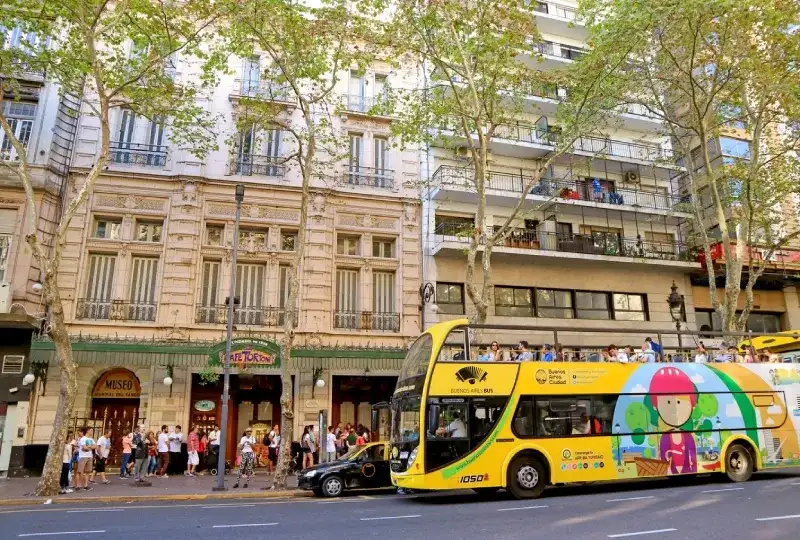
For those who'd rather leave the route-planning aside, hop-on hop-off tourist buses serve Caminito directly. Two companies run them. Gray Line's red double-deckers cover about 25 stops daily from roughly 9:20 am to 6 pm, with a bus about every 25 minutes and a full loop of around three and a half hours. The yellow Buenos Aires Bus covers 27 stops on a loop of about 3 hours and 20 minutes, running daily from about 9 am with buses every 20 to 30 minutes. Gray Line also offers guided walking tours of La Boca and Caminito, subject to availability. Schedules change by season, so check the operator's website before you go.
Choosing a Daytime Visit and Checking Match Dates
Transportation settled, the question of timing carries equal weight when planning things to do in La Boca, Buenos Aires. Spring, from September through November, and autumn, from March through May, offer the most temperate conditions, with daytime temperatures holding between 15 and 26°C. Weekday mornings between 10 am and noon get you onto the street before the tour buses establish their rhythm; midday on weekends between October and March marks the peak of the crowds.
The Boca Juniors museum at La Bombonera opens daily from 10 am to 6 pm, and an early arrival cuts waiting time noticeably. On Boca home-match days, opening hours are shortened according to kickoff time and stadium access is restricted. Argentine football fixture lists shift frequently once the initial calendar is published, so treating any unconfirmed kickoff as a firm date invites complications. A quick check of current schedules before finalizing plans keeps an otherwise well-organized visit to La Boca, Buenos Aires, from colliding with a closed gate or a street rerouted for a crowd.
3-Top Things to Do in La Boca, Buenos Aires
La Boca's most celebrated sites sit within a compact area, but the barrio holds considerably more than its most photographed street. Knowing what each stop actually offers — and what it costs — makes the difference between a rushed walk-through and a visit that does the neighborhood justice.
Walk Along Caminito and Browse Local Art
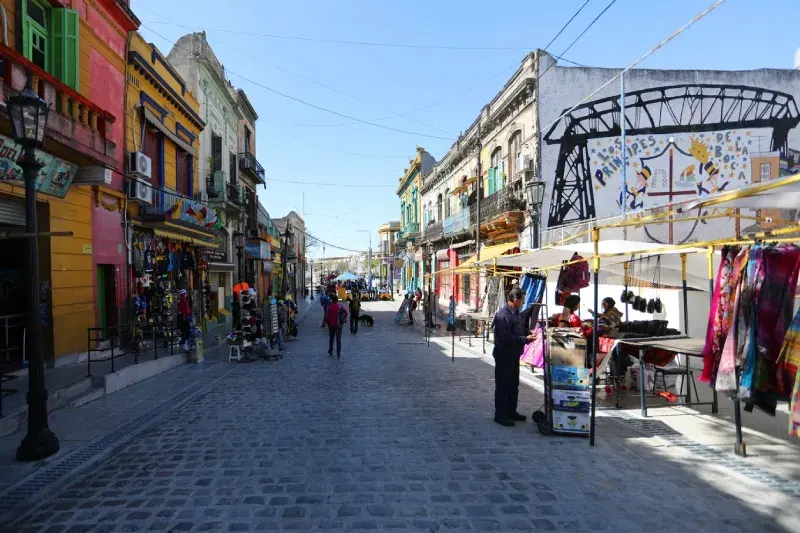
Caminito runs only about 100 meters, a fact that surprises most visitors who expect something grander. What that short stretch contains is harder to summarize: corrugated iron tenements stacked in clashing colors, artists selling original canvases directly off their easels, and street performers working the crowd between the painted walls. Entry costs nothing, and the strip functions as an open-air museum with no fixed route and no closing time during daylight hours. Thirty minutes here is a reasonable minimum, though the crowds that arrive with tour buses in late morning tend to compress the experience considerably.
Visit La Bombonera and the Boca Juniors Museum
Club Atlético Boca Juniors has occupied La Bombonera since 1940, and the stadium pulls in visitors with no interest in football alongside the devoted supporters who treat it as something closer to a pilgrimage site. The attached Museo de la Pasión Boquense is what makes the stop worthwhile for the uninitiated — more than a century of club history rendered through trophies, match jerseys, and a circular panoramic gallery that places you at the center of it. Tickets come in three options: museum only, museum plus a short 10-minute “express” stadium visit, or museum plus a 50-minute guided stadium tour. Prices are set in Argentine pesos and are much lower for residents and club members; international visitors usually pay roughly USD 30 to 50 depending on the option. Check museoboquense.com for current prices.
Explore the Benito Quinquela Martín Museum
The museum dedicated to Quinquela Martín stands a short walk from Caminito, and its significance to the barrio runs deeper than most visitors anticipate. This is the painter who physically restored the street they have just walked, salvaging color and memory from a neighborhood the city had largely written off. Tickets are priced in Argentine pesos: general admission is ARS 10,000 (about USD 7), residents with an Argentine ID (DNI) pay ARS 2,000, and Wednesday free entry applies to Argentine residents only. Hours run Monday from 11am to 4pm and Wednesday through Sunday from 11 am to 6 pm, with Tuesdays closed entirely. Bus lines 64 and 152 stop near the entrance.
See Contemporary Art at Fundación Proa
Fundación Proa occupies a position just steps from Caminito, yet the programming inside bears little resemblance to the street outside. Three floors, four dedicated exhibition halls, a multimedia auditorium, a bookshop, and a rooftop restaurant facing the Riachuelo give the foundation a scope that sits well beyond a typical gallery visit. Wednesdays bring free admission, which makes it the most straightforward addition to any itinerary already timed around the Quinquela Martín Museum.
Check the Program at Usina del Arte
Few buildings in Buenos Aires have made a more striking transition than Usina del Arte. The restored early 1900s power plant now hosts orchestral concerts, chamber music performances, and rotating visual art exhibitions within walls that once generated the city's electricity. It is generally open Tuesday to Sunday, from about 11 am to 7 pm on weekdays and until 8 pm on weekends, though hours change with the program, so check before you go. The walk from Caminito along Av. Pedro de Mendoza takes 15 to 20 minutes and runs alongside the Riachuelo waterfront the entire way.
Find Street Murals Along the Main Visitor Routes
The most arresting piece of street art in La Boca requires a deliberate detour. "El Regreso de Quinquela," by Alfredo Segatori, sits just outside La Boca in neighboring Barracas, on Lavadero Street (the continuation of Av. Pedro de Mendoza) at San Antonio, about a half-hour walk upriver from Caminito. It covers about 2,000 square meters, a scale that earned it a Guinness World Record in 2015 as the largest mural painted by a single artist. Near Usina del Arte, works from the Color BA street art festival (first held in 2016) remain visible on building facades, among them a two-story rendering of a sleeping cowboy on horseback that stops most people mid-stride.
La Boca is known for its colorful houses, immigrant history, tango performances, and Boca Juniors football club. Caminito, its famous pedestrian street, is a major attraction.
Port workers used leftover ship paint to protect homes built from wood and corrugated metal. Limited supplies meant different walls were painted different colors, creating the neighborhood’s signature look.
Walk along Caminito, visit La Bombonera and the Boca Juniors Museum, and explore art at the Benito Quinquela Martín Museum or Fundación Proa. Street tango performances are another popular draw.
Visit during daylight, stay within the busy Caminito tourist area, and keep valuables secure. Check current local safety advice and arrange your return transport before dark.
A taxi or ride-sharing app is the simplest option, usually taking around 10–15 minutes from the city center. Public buses and hop-on hop-off sightseeing buses also serve the area, but the subway does not reach La Boca.
Customize Your Dream Vacation!
Get in touch with our local experts for an unforgettable journey.
Plan Your Trip4-Where to Eat and Watch Tango in La Boca
The dining divide in La Boca is sharp, and knowing which side of it you're on before you sit down saves both money and disappointment.
Choose a Parrilla or Traditional Café
The cafes and restaurants that line Caminito exist largely as backdrop for the tango performances unfolding in front of them. The cooking reflects that priority — overpriced and unmemorable, designed for captive audiences rather than serious appetite. A coffee or a cold beer while the dancers move is a reasonable use of those tables. An actual meal is not.
Walk a few blocks toward the busier, better-lit streets and the picture changes entirely. The parrillas and pizzerias here operate for a local clientele, and the food is honest for it. El Obrero, a classic bodegón-style steakhouse built on the traditions of Argentine grilling, and El Gran Paraíso are both consistently well reviewed by locals and visitors alike. Those after something other than beef should seek out Banchero, slightly outside the Caminito strip, for fugazzeta, a stuffed cheese and onion pizza. Banchero, open since 1932, is widely credited with inventing it. Smaller spots clustered near the old rail tracks put out empanadas, asado, and choripán at prices that reflect where you actually are.
A simple rule of thumb for deciding where to stop:
-
Want a show with your drink? Caminito's cafes serve that purpose well.
-
Want a real meal? Walk a few blocks to a parrilla.
-
Craving pizza? Banchero is worth the short detour.
Watch Street Tango and Check Photo Fees First
The tango performed along Caminito is choreographed — built for tips and photographs, not for the spontaneous exchange the dance once was among the port workers and immigrants who helped shape it. This distinction matters less than visitors sometimes expect. The lineage behind the performance is real, even if the performance itself is staged, and a few pesos in the hat or a drink ordered at the dancers' table covers the unspoken arrangement comfortably.
Those who want to see tango as Buenos Aires actually dances it — with the precision and silence of a milonga, where technique is everything, and tourists are incidental — will need to look elsewhere in the city for that. Caminito was never built for that crowd.
Street artists working the main routes will often establish a photo fee before you raise your camera. Settle on a price before shooting, and treat your phone as something worth protecting throughout — pocketed, not displayed.
5-Is La Boca Worth Visiting? Safety and Honest Expectations
The mixed reviews this barrio attracts online are, in most cases, a product of mismatched expectations. La Boca, Buenos Aires offers something genuinely rare — color, craft, and a layered immigrant history that few neighborhoods in South America can match. What it also offers, if visitors wander without awareness, is an avoidable encounter with the kind of opportunism that concentrates wherever tourists cluster.
The Busy Tourist Area Is Only Part of the Neighborhood
Caminito and its immediate surrounds stay well-patrolled and active through daylight hours. The atmosphere there is festive, crowded in peak season, and largely without incident. The streets beyond that defined strip tell a different story. Government travel advisories flag La Boca as requiring heightened caution outside the Caminito tourist zone, and Canadian travel guidance takes this further, recommending visitors confine themselves to Caminito Street and avoid the surrounding blocks entirely. That boundary is worth taking seriously.
Protect Your Belongings and Get Current Local Safety Advice
Pickpockets concentrate wherever visitors are distracted, and Caminito provides them with ideal conditions — tango performances, street art, and camera moments that pull attention in every direction. A phone kept in a zipped pocket rather than a back pocket removes one vulnerability; leaving valuables on a restaurant table while eating removes none. Thieves working in pairs and using distraction techniques are the more practiced version of this problem, and no single countermeasure replaces sustained awareness. Checking local advisories close to your travel date also matters, since conditions shift between seasons.
Decide Between a Guided Tour and an Independent Visit
A knowledgeable guide brings dimensions to La Boca that a self-directed walk rarely uncovers — the Lunfardo slang embedded in the neighborhood's speech, the immigrant politics that once made this barrio briefly attempt secession from Argentina, the stories behind specific murals. That said, an independent visit works perfectly well for those who've done the reading. The practical rule is simple: stay within Caminito and the main stretch running toward La Bombonera.
Allow a Few Hours and Plan Your Return Trip
Thirty minutes along Caminito covers the visual highlights. A half-day opens up the Quinquela Martín Museum, a proper meal at a parrilla, and time at Fundación Proa without rushing. Whatever the schedule, arrange return transport before the light goes. The neighborhood's character after dark differs considerably from what visitors experience at midday.
Support Local Businesses Without Overspending on Souvenirs
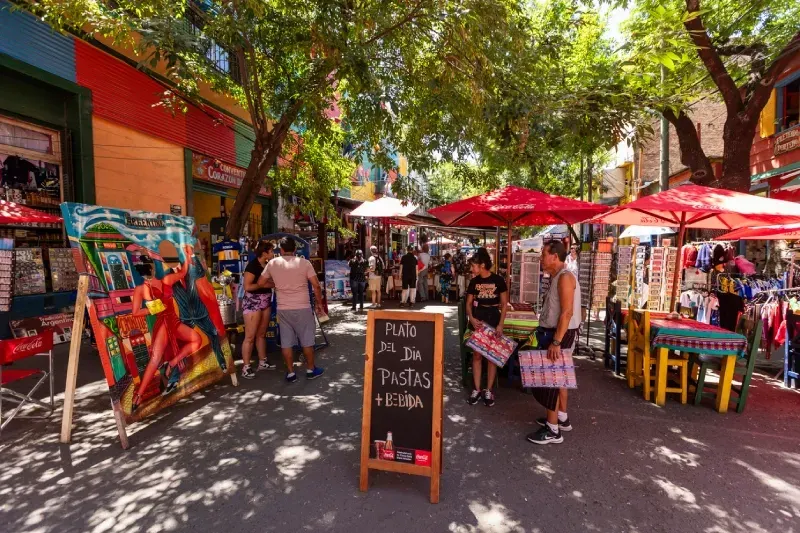
The artists who set up along Caminito produce original work — paintings, prints, and handmade pieces that carry more authenticity than most souvenir markets in the city. Browsing two or three stalls before committing to a purchase gives a fair sense of pricing, and carrying cash often brings a modest discount that card payments do not.
Conclusion
What La Boca offers is not easily replicated elsewhere in Buenos Aires. The painted walls, the staged yet historically rooted tango, the football culture of La Bombonera, the artistic legacy that Quinquela Martín preserved almost single-handedly — these are not separate attractions so much as layers of the same place, each one built on what came before it.
That richness, however, comes with clear conditions. The barrio rewards visitors who stay within the established tourist stretch during daylight, keep their valuables out of sight, and arrange their return before the evening changes the mood of the streets.
Approached that way, La Boca, Buenos Aires is one of the more genuinely fascinating urban experiences South America has to offer — a neighborhood whose every surface carries the evidence of what happens when necessity, migration, and artistic instinct collide.
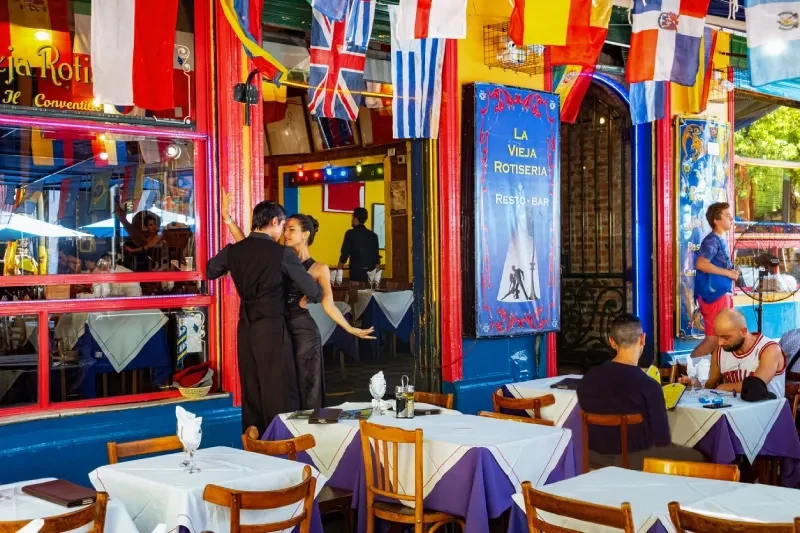
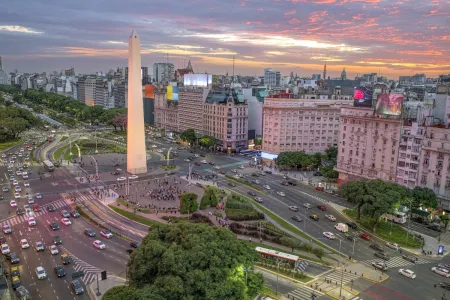
What makes Buenos Aires the “Paris of South America”? Discover why as you walk the world’s widest avenue, explore the colorful Caminito, catch a midnight milonga, and uncover the city’s best-kept secrets.
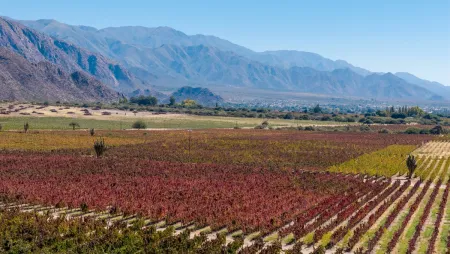
Cafayate is famous for its wine, but the real magic lies beyond the vineyards. Watch sunrise paint the sand dunes pink and gold, hike through red canyons to hidden waterfalls, and wander colonial villages where time stands still. This guide shows you the side of Cafayate most visitors never see.
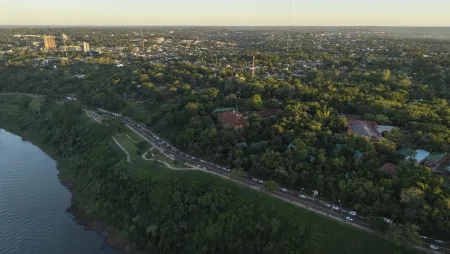
A complete guide to Puerto Iguazú, the Argentine town where three countries meet, just 18 km from Iguazú Falls. It covers the town’s history, the best seasons, how to get there, and how both sides of the falls compare. It also shows quieter spots like Hito Tres Fronteras and Güirá Oga, plus practical tips on where to stay, what to eat, and what to pack.

La Boca is Buenos Aires’ most colorful neighborhood, shaped by Italian immigrants, port life, and tango. This guide covers Caminito, La Bombonera, local museums, where to eat, and practical tips for a safe visit.

Perito Moreno is one of the few glaciers in Patagonia that held steady for decades, and it’s now retreating. This guide covers its key facts, the science behind its blue ice and dramatic ruptures, and the best ways to see it from El Calafate.
Los Glaciares National Park facts every traveler should know: where the park sits in Argentine Patagonia, how its glacier-filled south differs from El Chaltén’s trekking north, the best season to visit, 2026 entry fees, and practical tips for seeing Perito Moreno, cruising to Upsala and Spegazzini, and hiking to Laguna de los Tres.

Discover the best things to do in El Calafate, from walking the Perito Moreno Glacier walkways and trekking on the ice to cruising Lago Argentino and spotting flamingos at Laguna Nimez. This guide covers when to go, how to get there, where to stay and eat, and how many days to plan.
