
Home Egypt Egypt Travel Guide Egypt Pyramids Pyramid of Menkaure (Mykerinus Pyramid)
Pyramid of Menkaure (Mykerinus Pyramid)
Related Tours
What They Said
It was AMAZING
Memphis Tours Reviews
Reviews About Memphis Tours
Travelers: "This is an awesome experience"
Nubian Dancing with Memphis Tours Egypt
Memphis Tours' service is Excellent !
Memphis Tours ......they're awesome !
American Group with Memphis Tours-Part 1
American Group with Memphis Tours-Part 2
Memphis Tours Customers
Good Experience with Memphis Tours.
Memphis Tours Travelers Support Egypt
Memphis Tours Travelers
Best Holiday ever in Egypt with Memphis Tours.
Learning Arabic with Memphis Tours Egypt
Tourists' feedback about Memphis Tours
"What a great time we had with Memphis Tours in Egypt"
Trip Advisor
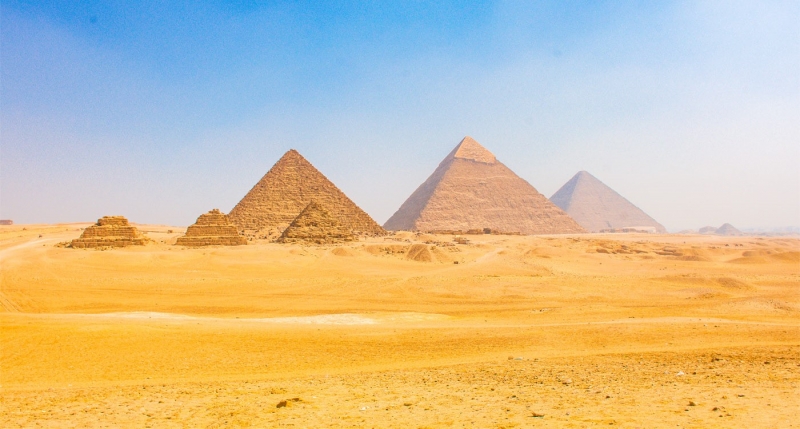
The third and smallest of the great pyramids at Giza is credited to the pharaoh Menkaure (Mycerinus in Greek). It is thought to have been completed at the end of the 26th century BC. Menkaure, like the builders of the other pyramids at Giza, ruled Egypt during the 4th Dynasty during the Old Kingdom Period of Ancient Egypt. He is thought to have been the successor of Khafre, the builder of the second pyramid and the Great Sphinx, but historical accounts do not agree with the archeological evidence that suggests this.
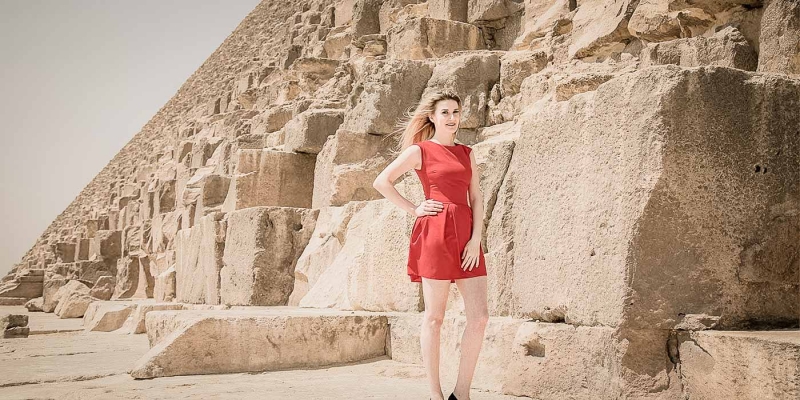
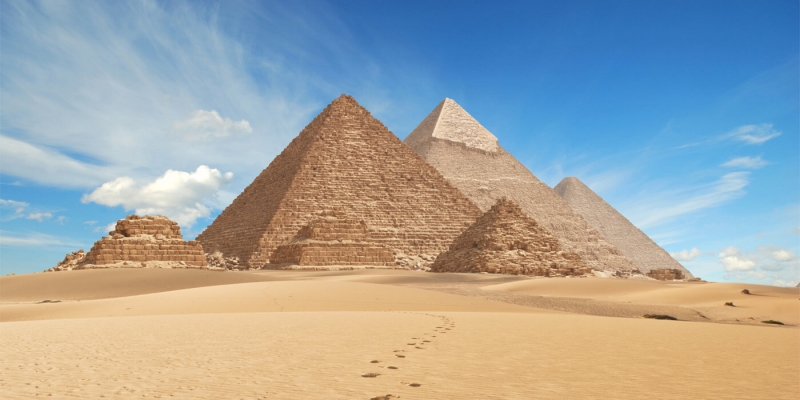
The pyramid had an original height of 215 feet, but stands at 204 feet today as a result of the removal of its outer casing and capstone. The lower section of the pyramid was encased in pink granite and the upper portions in white Tura limestone, as with the other pyramids at Giza and in other pyramid fields. Archeologists believe that the pyramid was never completed because some of the remaining course of granite at the bottom levels of the pyramid are still rough.

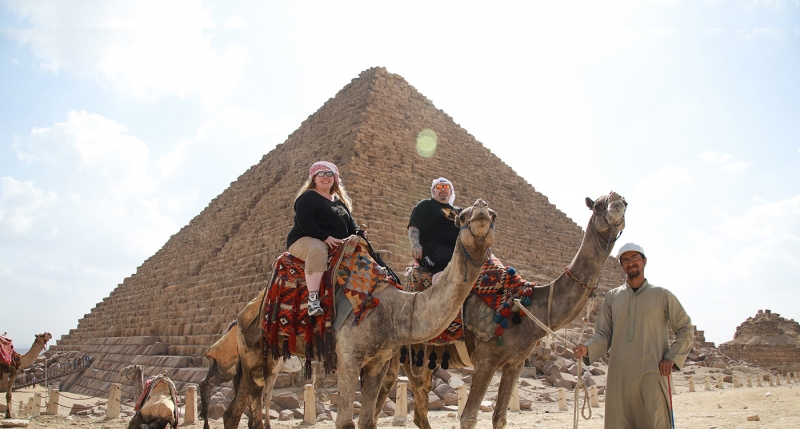
On the north face of the pyramid there is a large, vertical gash. This was created when Al-Malek Al-Aziz Othman ben Yusef, who ruled Egypt during part of the 12th century, ordered the pyramids to be dismantled and the stones used in other building projects. The demolition began with the Pyramid of Menkaure, but the task proved impossible to execute. After 8 months of work, they managed only to create the gap that is visible today, a testament to the huge task that building the pyramid must have been.