
 Home
Home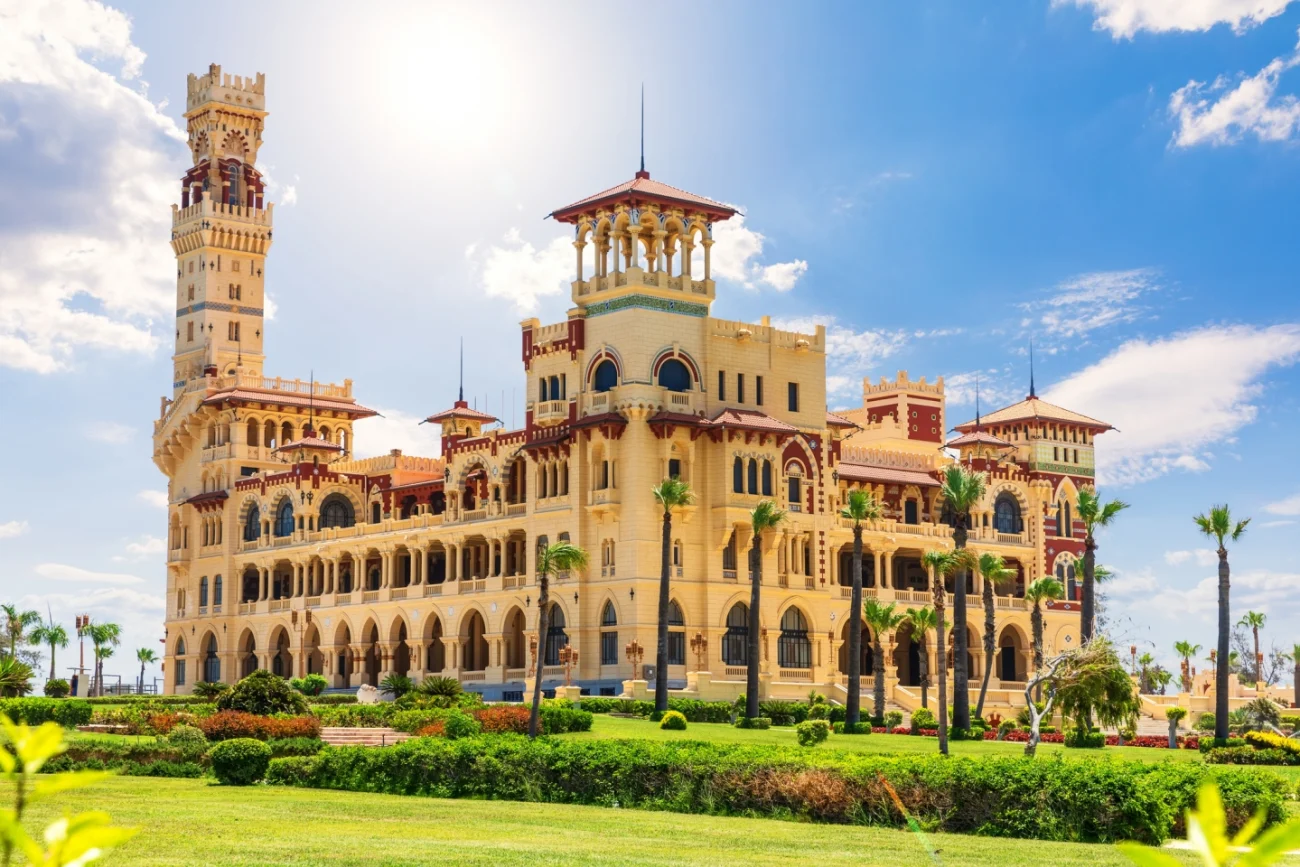
Montazah Palace is a captivating blend of history and leisure, known for its lush gardens and hidden gems. Originally a royal summer retreat along Alexandria’s coast, it now welcomes visitors with stunning public spaces and rich heritage. In Sharjah, Al Montazah Parks—featuring the thrilling Pearls Kingdom Waterpark and Island of Legends—has become a top family destination, complete with inclusive facilities. While the main attractions draw crowds, the palace grounds also hide secret gardens and quiet paths, offering a deeper, more tranquil experience for those who seek it.
The History Behind Montazah Palace Gardens
The royal gardens of Montazah Palace began their story on a moonlit evening in 1892. The last ruler of Egypt and Sudan under Ottoman suzerainty, Khedive Abbas Hilmy II, found this picturesque coastal area during a night trip along Alexandria's eastern shores. The landscape's natural beauty caught his eye, and he knew right away it would make an ideal summer retreat.
Origins of the royal gardens
A romantic story lies behind these magnificent gardens. Court chroniclers tell us that Khedive Abbas Hilmy II rode out with a 48-piece musical ensemble and stumbled upon a deserted strip of sandy coastline. The exceptional beauty of the area with its grottos, hilltops, and a small island engaged him so much that he bought about 370 acres of land to create what we now know as the Montazah Gardens. The Coastguard Department owned most of this land back then, which had two lookout points and old cannons from Muhammad Ali's era.
Khedive Abbas II and the summer retreat
The Khedive asked Greek-born architect Dimitri Fabricius Pasha to design the first palace. As court engineer and Director of Khedivial Buildings, Fabricius completed Salamlek Palace in 1892, drawing inspiration from Austrian hunting lodges. The palace became a hunting lodge and private home for the Khedive and his companions, especially his Austro-Hungarian mistress, Countess May von Torok (who later became Princess Djavidan Hanem after converting to Islam).
Mahmoud Shokry Pasha, head of the Turkish Divan in Egypt, suggested the name "Montazah," which means "harbor of peace". The garden's rare tropical plants and trees were planted with great care, and many still thrive today after more than 120 years.
Transformation after the 1952 revolution
The 1952 Egyptian Revolution marked a turning point for Montazah's accessibility. The royal family and their distinguished guests had exclusive access to the palaces and gardens before this historic event. The Free Officers Revolution removed the ruling family from power, and the entire complex went through major changes.
The public gained access to this once-private royal enclave, which became one of Alexandria's most beloved recreational spaces. Egypt added the Haramlek Palace to its presidential palaces, while the Salamlek turned into a luxury hotel. President Anwar El-Sadat later updated the original Salamlek Palace to serve as an official presidential residence. These gardens now serve as a well-laid-out public seaside park where Alexandria's residents and visitors can enjoy peaceful moments with stunning Mediterranean views.
The Public Gardens Most Visitors See
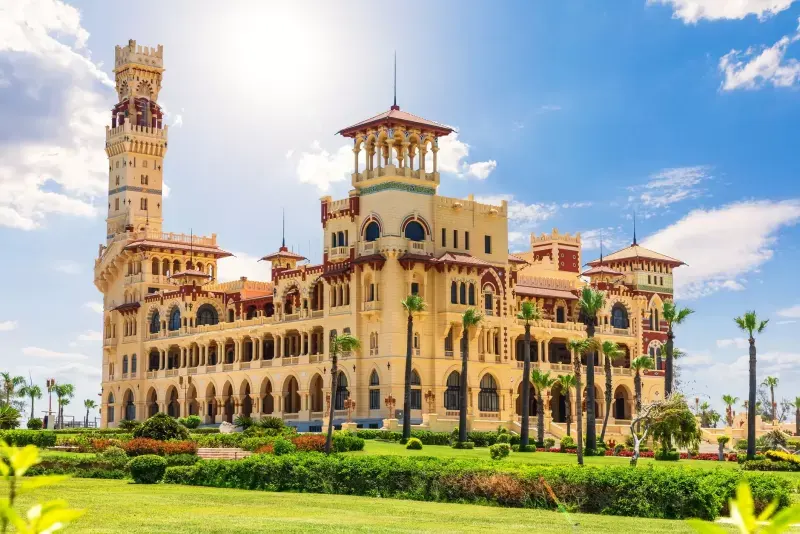
The public gardens of Montazah Palace stretch over 370 acres of beautifully landscaped grounds. Visitors can escape Alexandria's busy streets and find peace in this stunning natural sanctuary. The gardens blend natural beauty with thoughtful design that captivates both locals and tourists.
Al Haramlik Palace surroundings
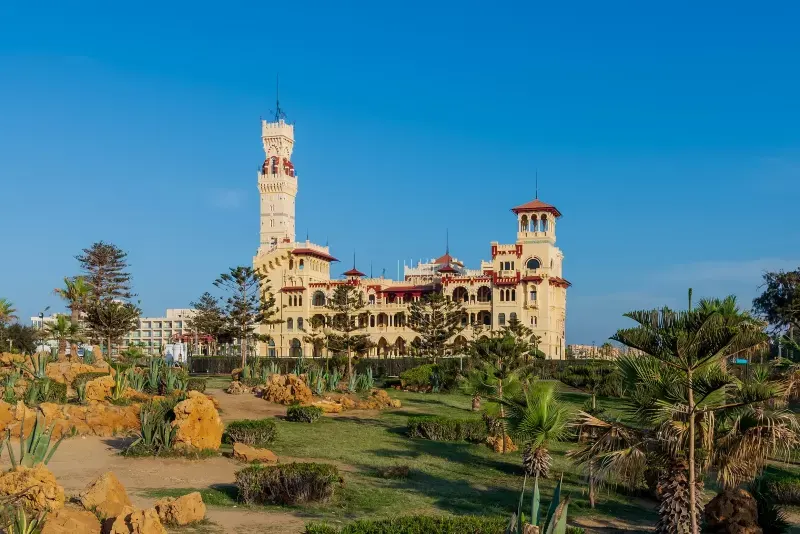
Al Haramlik Palace's grounds showcase some of the complex's most stunning views. The former women's royal residence stands proudly on a plateau and looks out over gardens, pergolas, and the Mediterranean's deep blue waters. The location provides amazing panoramic views and fresh sea breezes. The palace blends European and Islamic architectural styles beautifully. Its white brick facades and detailed mosaic work remain pristine. A grand water fountain stands in front of the Palestine Hotel and serves as the area's centerpiece.
Main walking paths and floral displays
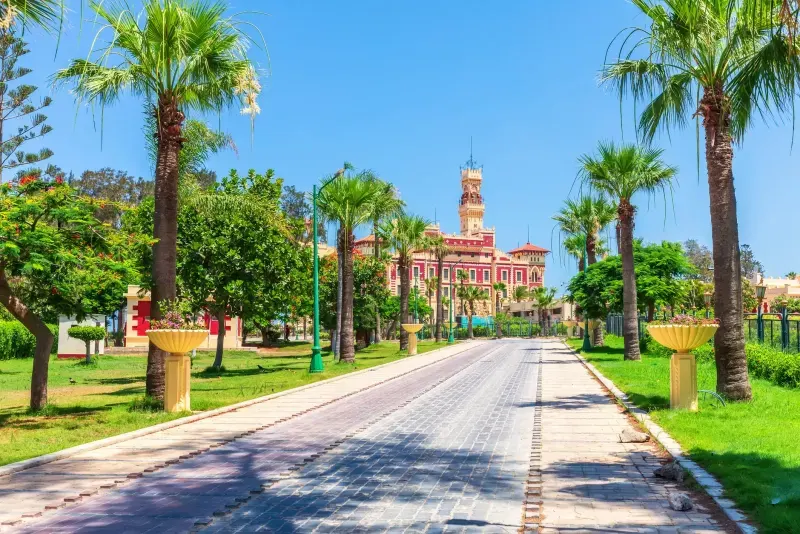
Tree-lined avenues and winding paths create an impressive network through the lush gardens. Natural beauty meets artistic landscaping as visitors walk these carefully planned routes. The gardens showcase remarkable plant diversity with more than 400 species from around the world. Some rare tropical specimens have thrived here for over 75 years. The Rose Garden stands out with its 20 hectares of space and 50,000 rose bushes arranged in unique sections. The Palm Grove's southern section provides cool shade under various palm trees and tropical plants.
Popular photo spots and picnic areas
Comfortable benches and shady spots welcome visitors throughout the gardens. The well-kept lawns have become a favorite spot for family picnics. Garden paths lead right to the Mediterranean shore, where visitors can find peaceful spots with beautiful ocean views. Tea Island, reached by crossing Montazah Bridge, remains one of the garden's most peaceful spots. The royal family once cherished this retreat. Today, visitors can relax at the island's cafés while taking in views of both sea and gardens. The palace towers, with their mix of Ottoman and Florentine architecture, provide another perfect backdrop for photos.
Secret Gardens of Montazah Palace You Might Miss
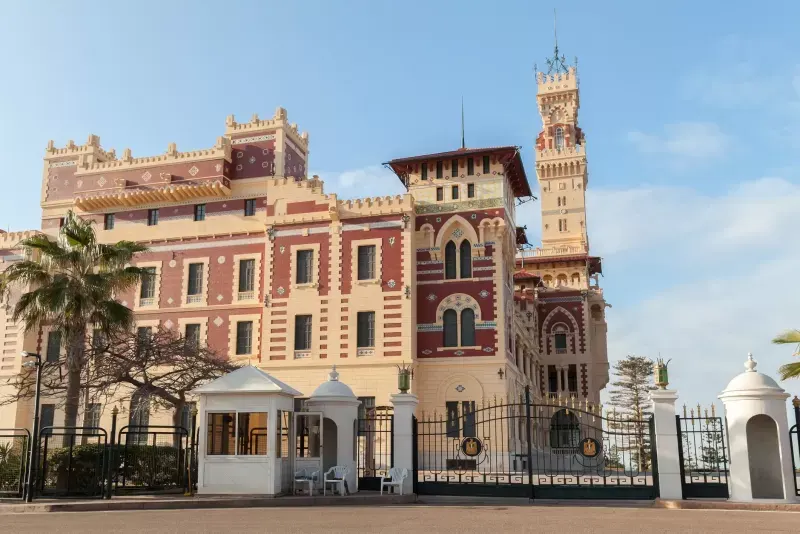
Montazah Palace has secret corners that most visitors never notice, hidden beyond its well-kept paths and popular attractions. These undiscovered spots reveal the royal family's private world and showcase the complex's true botanical and architectural treasures.
1. The Italian-style terraced garden
An elegant Italian-style terraced garden sits quietly on one of the property's elevated plateaus. This peaceful space showcases cascading levels with classical Mediterranean design elements and breathtaking sea views. King Fuad's love for European garden architecture inspired this terraced design that creates perfect spots for quiet reflection.
2. The hidden royal greenhouse
This remarkable 3,000-square-meter greenhouse, 89 years old, remains one of Montazah's best-kept secrets. Tropical plants still shine with their original luster after more than 75 years. The collection has rare specimens such as cantia, giant pots, zamia, caryota (fishtail palm), wooden elephant, hokiri, aralia, victoria, and rubellia plants.
3. The cliffside Mediterranean lookout
Several secluded lookout spots rest on the property's highest points, offering panoramic views of the Mediterranean Sea. The royal family once claimed these vantage points as exclusive relaxation areas, perfectly positioned to catch sea breezes and stunning sunsets.
4. The secluded palm grove
Montazah's southern portion houses the secluded Palm Grove, where tropical trees create a peaceful sanctuary. This quiet space features palm species of all types and creates a unique microclimate that sets it apart from other garden areas.
5. The overgrown fountain courtyard
An Andalusian-inspired fountain courtyard lies among the less tended areas, its romantic charm still visible through partial overgrowth. Photographers can capture the palace's faded grandeur through intricate tilework and weathered stone features.
6. The Queen's private rose garden
Main pathways barely reveal the former Queen's private rose garden. This remarkable space holds parts of Egypt's largest rose collection, with the Rose Garden spanning 20 hectares and featuring over 50,000 rose bushes in unique designs.
7. The forested path to the old lighthouse
A secret pathway weaves through dense forest to reach the historic lighthouse built in 1926. The route crosses a beautiful Italian-Gothic bridge to a small island where King Farouk's yacht, the Mahrousa, once anchored. Wedding photographers now love this picturesque spot for its unique backdrops.
8. The abandoned garden pavilion
King Farouk's Roman-style tea pavilion stands abandoned near a quiet bay overlooking private cabins. This forgotten structure tells stories of Alexandria's royal past through its distinctive features - arches, bold red colors, and a tiled viewing platform.
Customize Your Dream Vacation!
Get in touch with our local experts for an unforgettable journey.
Plan Your Trip
How to Access the Hidden Corners of Montazah
The true magic of Montazah Palace reveals itself through careful planning and local expertise. Visitors who step away from typical tourist paths find remarkable treasures within this historic garden complex.
Tips for learning off the main paths
Small guided tours now give visitors access to the park's quiet corners. Expert guides take intimate groups through lesser-known spots and tell captivating stories about royal gatherings under age-old trees. Independent explorers can use audio guides available in English, Arabic, French, and German for extra context. The palace's hidden areas need comfortable closed-toe shoes because you'll walk extensively across the 150-acre grounds. A bicycle rental helps you traverse the expansive property, but remember to leave your ID as security.
Best times to visit for quiet exploration
October and November stand out as ideal months to experience Montazah Palace Gardens. These fall months bring pleasant 75°F to 85°F temperatures, fewer tourists, and better deals on nearby hotels. The gardens also shine during spring (March-May) with mild weather and blooming flowers. Weekday visits help you avoid the crowds that gather on weekends. Summer visitors should plan their trips early in the morning or late afternoon when the heat becomes more bearable.
What to bring for a self-guided garden tour
Your garden adventure needs some key items. A reusable water bottle becomes vital, especially in hot weather. Pack light snacks to keep your energy up. The sun protection basics - sunscreen, wide-brimmed hats, and sunglasses - will serve you well. Evening visitors should bring a light jacket or shawl since sea breezes cool things down. Camera equipment helps capture the garden's beautiful views. Light, modest clothing works best with comfortable walking shoes.
The optimal months for visiting are October and November, with pleasant temperatures between 75°F and 85°F. Spring (March-May) is also ideal, offering mild weather and blooming gardens. For a quieter experience, plan your visit on weekdays rather than weekends.
Yes, there are several secret spots most visitors miss. These include an Italian-style terraced garden, a hidden royal greenhouse, a cliffside Mediterranean lookout, a secluded palm grove, and an abandoned garden pavilion. These areas offer unique glimpses into the palace's royal history.
Pack essentials like a reusable water bottle, light snacks, sun protection (sunscreen, hat, sunglasses), comfortable walking shoes, and a light jacket for cooler evenings. A camera is recommended to capture the garden's beautiful vistas.
While the palace interior is generally closed to the public, visitors can explore the extensive gardens surrounding the palace. The gardens offer stunning views of the palace exterior and the Mediterranean Sea.
Yes, small guided tours are available that provide access to some of the more secluded areas of the park. These tours offer insights into the palace's history and hidden spots. Additionally, audio guides in English, Arabic, French, and German are available for independent exploration.

Discover how Ein El Sokhna Port drives Egypt’s trade and opens the door to unforgettable cruise tours and shore excursions.
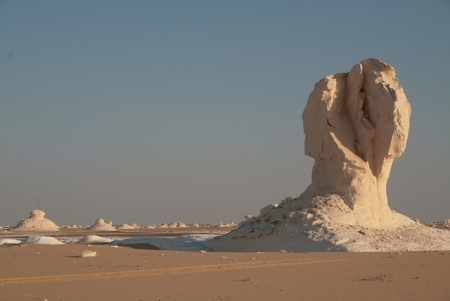
Western Desert in Egypt is one of the vastest desert areas in the world, containing 5 oases: Siwa, farafra, Dakhla, Baharia and Kharga. Click here to explore more with Memphis Tours!
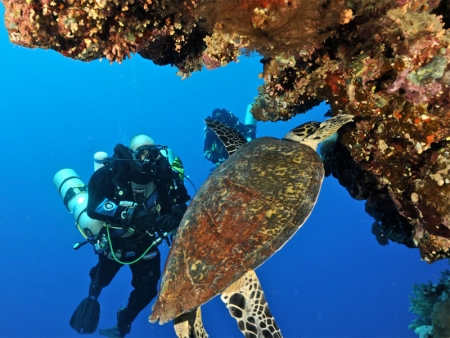
The Red Sea is a conductor between the continents Africa and Asia. It connects the Indian Ocean at the south through the Gulf of Aden. Sinai Peninsula and the gulf of Aqaba are located in the north to the Red Sea.
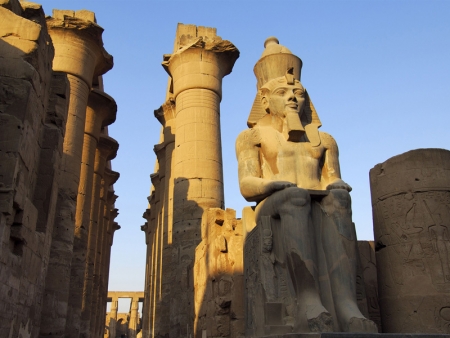
Luxor, the city with the most impressive Pharaonic Monuments. Valley of the Kings, the Theban Necropolis and Karnak, are all few kilometers away from the city of Luxor.
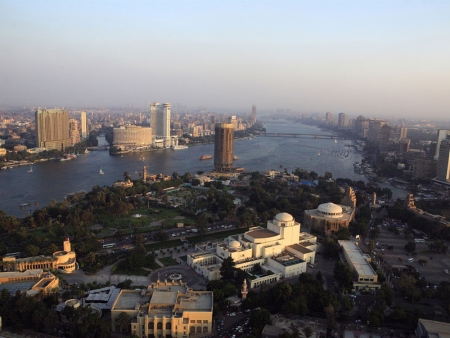
Cairo is the largest city in Africa, and the capital of Egypt, was founded by the Fatimids and the word Cairo means (Victorious). Click here to know more about Cairo history, places and the sightseeing you can watch through Memphis Tours!
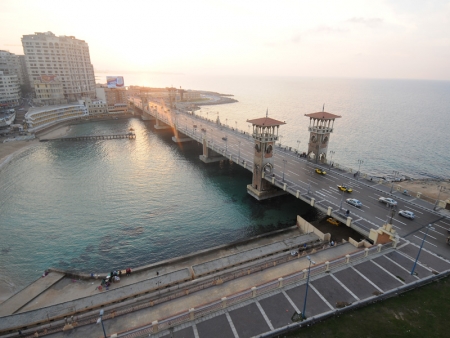
Universally known as The Pearl of the Mediterranean, Alexandria is located on the Mediterranean Sea North West Delta, 140 miles from Cairo by agricultural road and 137 miles by desert road.
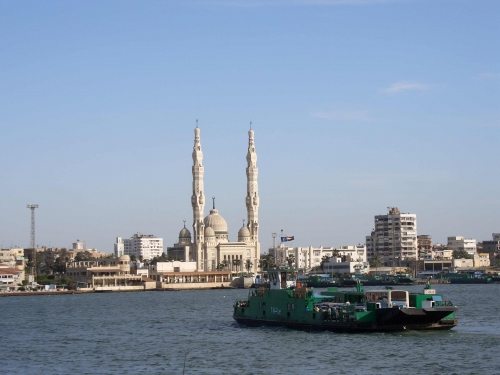
Port Said is one of the canal cities which located in north east Egypt for about 30 km along the Mediterranean Sea coast, north of the Suez Canal, with population of 603,788 The city was erected in 1859 at the same time of building the Suez Canal.
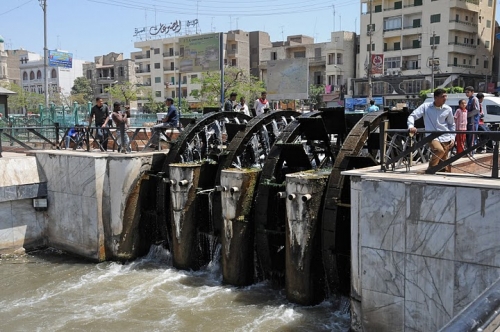
Named after the Coptic word phiom or pa – yom ,meaning lake or sea, the triangular depression of the Fayoum looks like a delta.
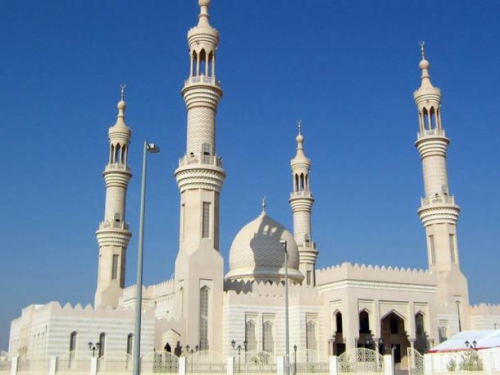
El Sharkia Governorate was the twelfth province of Lower Egypt; its Capital was Bobastis which became later The Capital of Egypt.
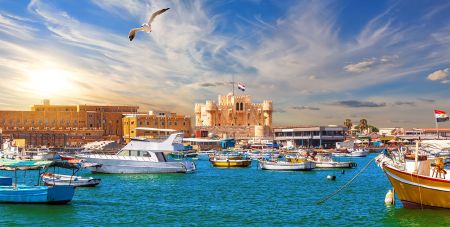
Immerse yourself in the rich history of Alexandria, Egypt. Explore ancient landmarks, stunning architecture, and incredible attractions. Find out the top things to see in Alexandria, Egypt, and create unforgettable memories.
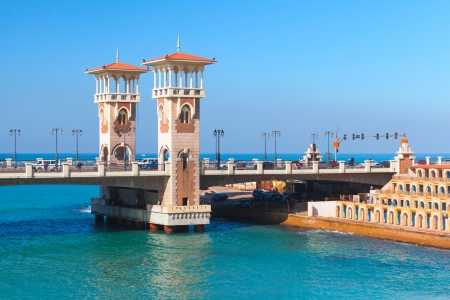
Experience the City of Alexandria’s historic charm! Find top Alexandria Attractions, activities, and sights perfect for every visitor to enjoy.

Learn about Pompey's Pillar, the iconic ancient monument in Alexandria. Uncover its fascinating history and plan your visit to this historic site.
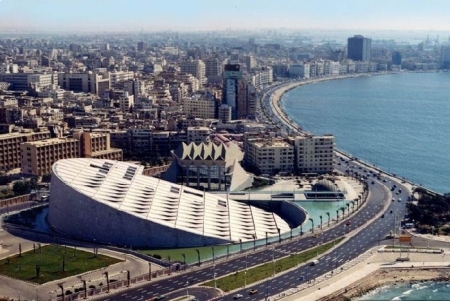
The Library of Alexandria remains history’s greatest mystery. Uncover its cultural treasures and legacy—read more and explore now.
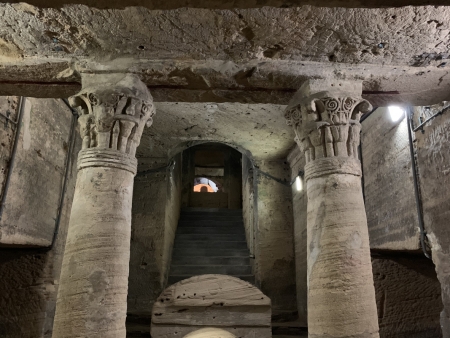
Explore the legendary Catacombs of Kom El Shoqafa. Learn about the unique Alexandria catacombs and their mysterious, ancient past.
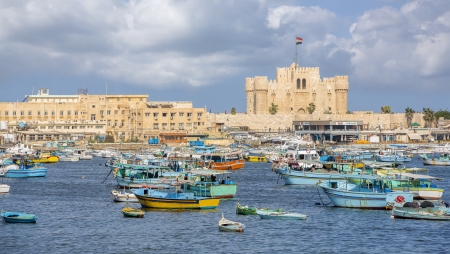
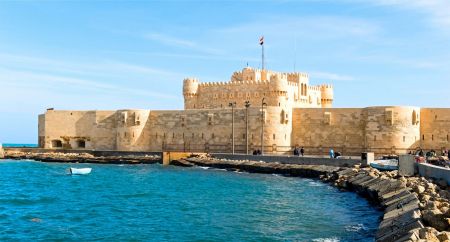
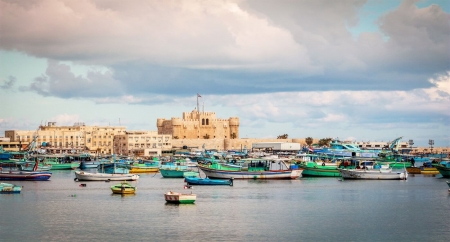
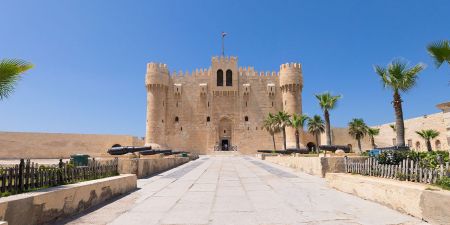
Visit Qaitbay Citadel in Alexandria, Egypt’s timeless fortress by the Mediterranean. Explore its fascinating stories, architecture, and scenic views.
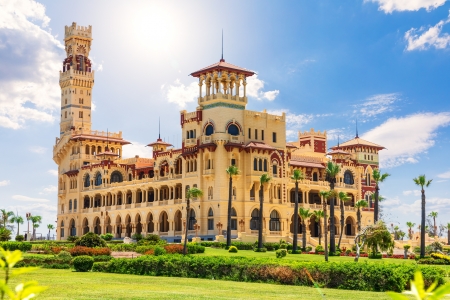
Explore Montazah Palace, Alexandria's royal gem. Enjoy lush gardens, historic architecture, and unforgettable views during your visit.
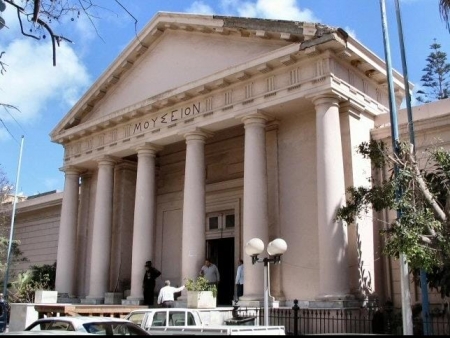
Step into history at the Greco-Roman Museum Alexandria. Explore fascinating Greco-Roman artifacts and discover Alexandria's ancient heritage now.
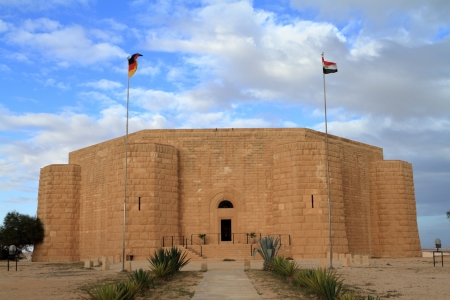
Explore the history of El Alamein Egypt, where fierce desert battles shaped a nation. Learn about its enduring legacy and visitor highlights.

Learn about the Lighthouse of Alexandria, a marvel of ancient engineering and one of the Seven Wonders of the World. Dive into its remarkable story.